Venus flytrap seeds - Dionaea muscipula
Venus flytrap seeds - Dionaea muscipula
Venus flytrap seeds - Dionaea muscipula
Venus flytrap seeds - Dionaea muscipula
Venus flytrap seeds - Dionaea muscipula
Venus flytrap seeds - Dionaea muscipula
Dionaea muscipula
Venus flytrap
Back-to-school special offer!
Get €10 off for every €50 you spend! And get up to €40 off on a single order.
How does it work?
1. Shop your favourites
Add your favourite plants to your basket. For every €50 you spend (excluding delivery charges, store credit and the plastic-free option), you’ll receive a €10 voucher.
€50 spent = €10 voucher
€100 spent = €20 voucher
€150 spent = €30 voucher
€200 spent = €40 voucher
2. Place your order
Once your basket reaches one of the spending thresholds, place your order. You can even choose your delivery date!
3. Receive your voucher
As soon as your order has been shipped, you’ll receive an email containing your personal voucher code and its value.
4. Use it on your next order
Your voucher is valid for 90 days from the date you receive it. It can be used once only, on a new order worth at least the value of the voucher, excluding delivery charges.
Please note: Vouchers can be combined with other offers, but cannot be split or refunded.
Home or relay delivery (depending on size and destination)
Important: You may be charged customs duties by your country’s customs authorities upon delivery.
Schedule delivery date
and select date in basket
This plant carries a 6 months recovery warranty
More information
We guarantee the quality of our plants for a full growing cycle, and will replace at our expense any plant that fails to recover under normal climatic and planting conditions.
Would this plant suit my garden?
Set up your Plantfit profile →
Description
Venus Flytrap seeds allow you to grow Dionaea muscipula, a fascinating carnivorous plant famous for its ability to catch insects. Native to the subtropical wetlands of North and South Carolina in the United States, this perennial is adapted to poor, acidic soils. To cultivate it successfully, you'll need to keep its roots constantly moist, provide high ambient humidity, and place it in full sun. A substrate made of sphagnum moss and sand is ideal, with no added fertilisers.
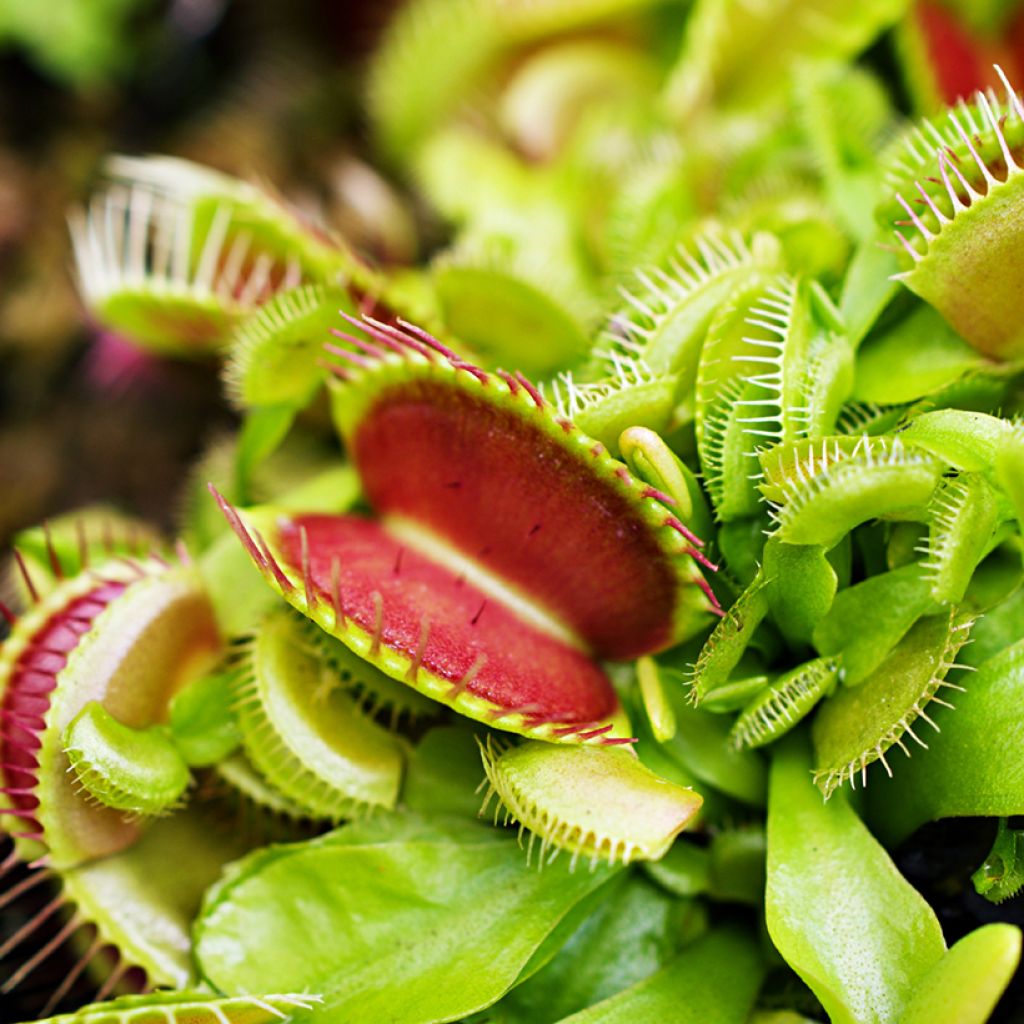
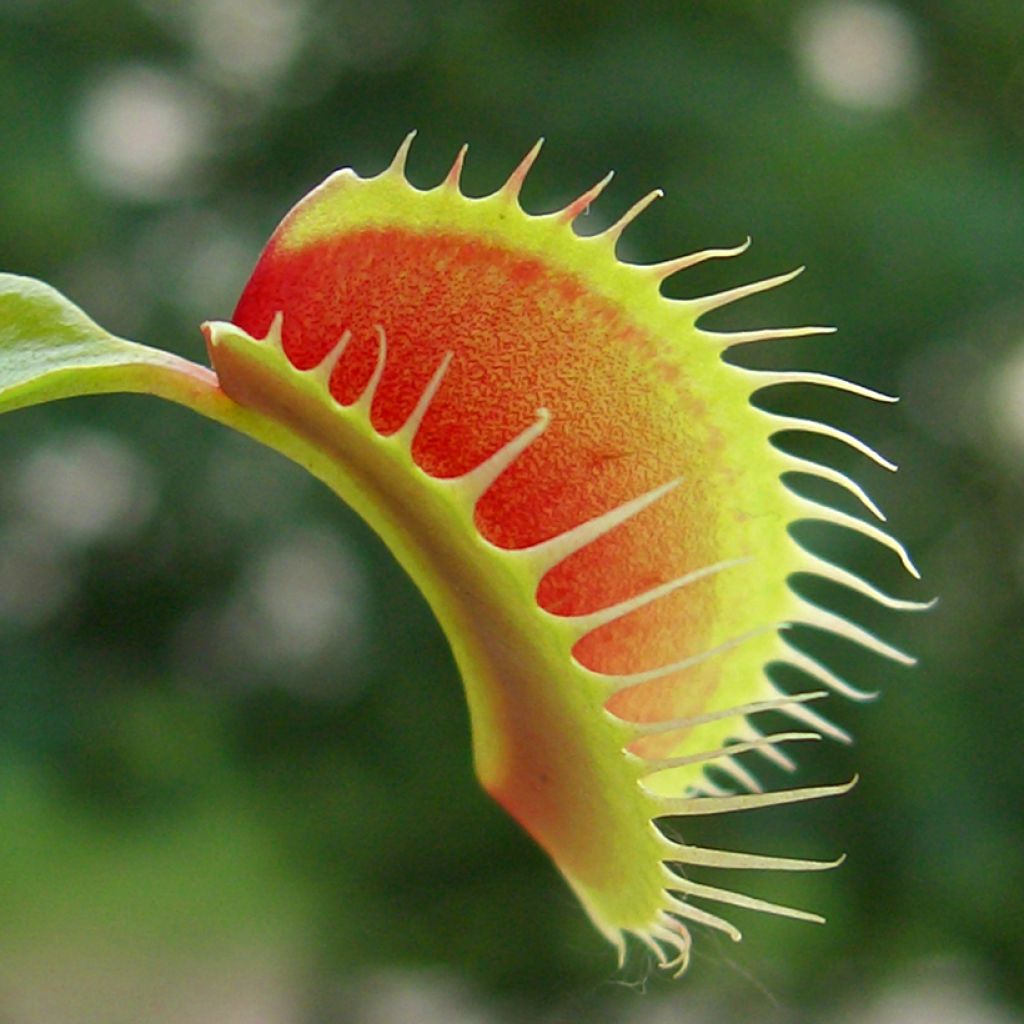
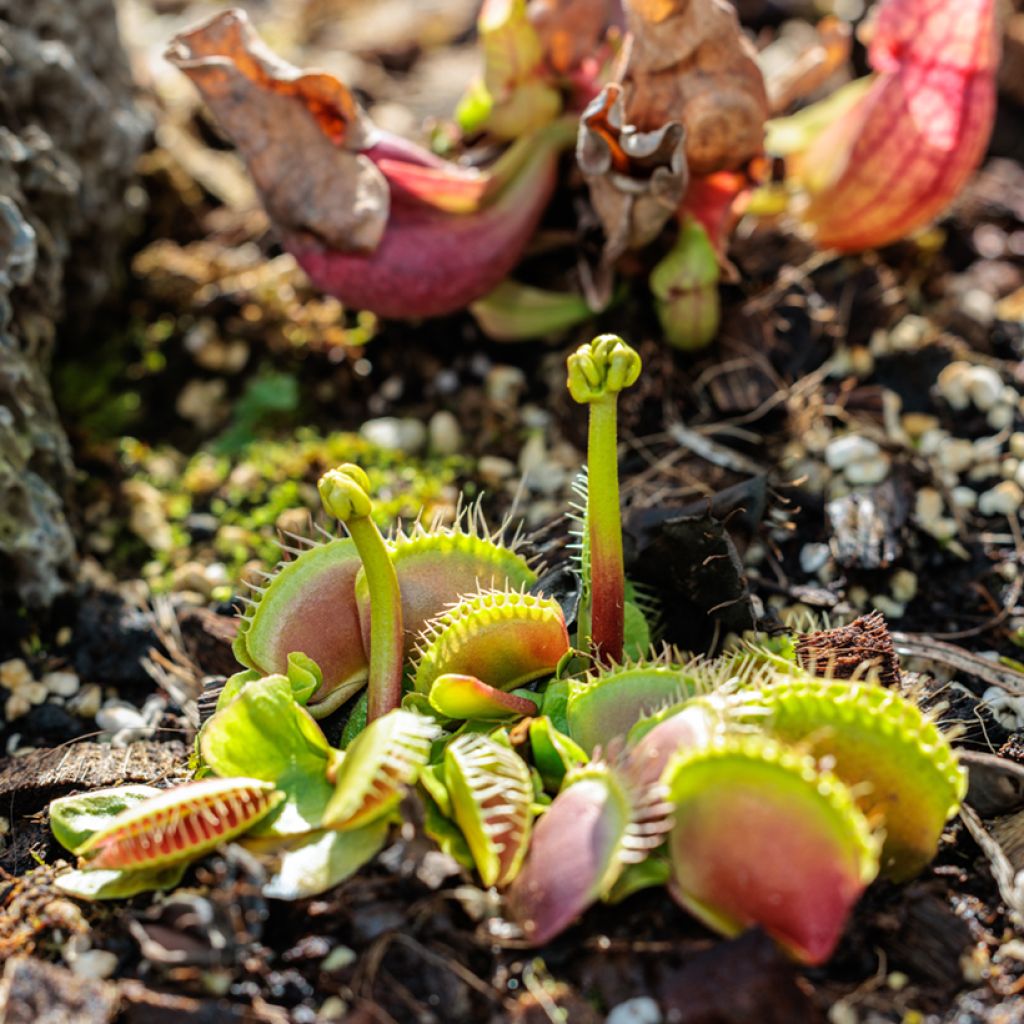
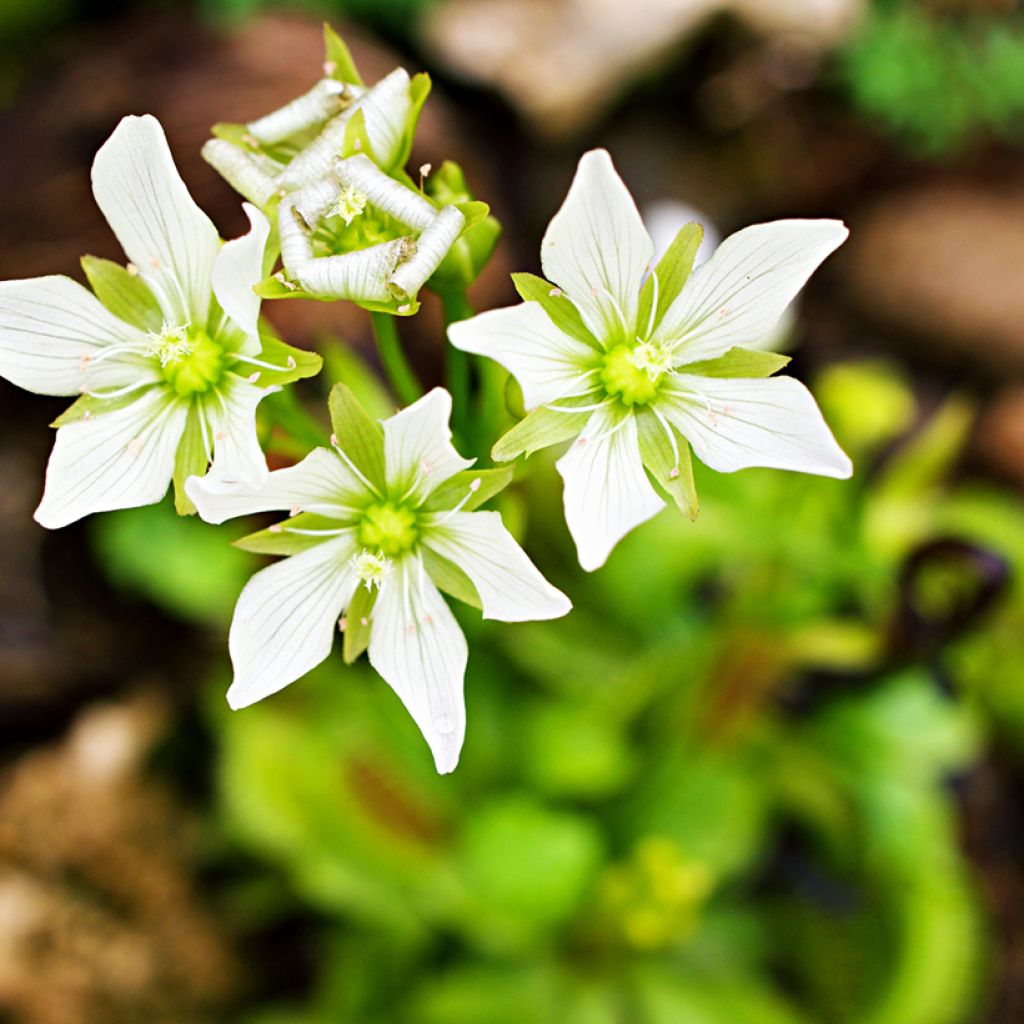
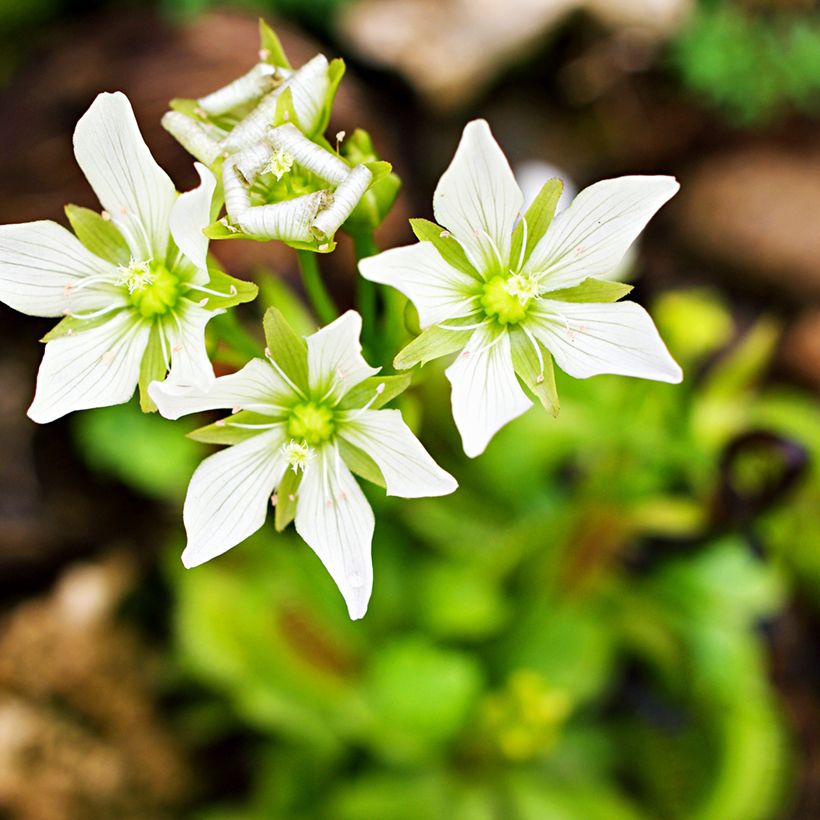
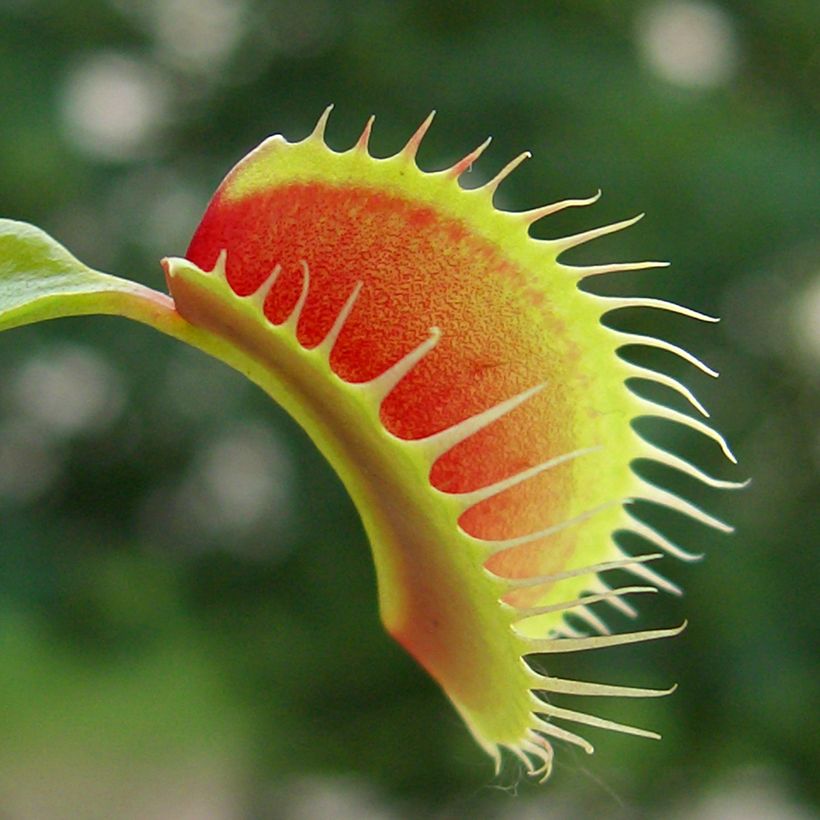
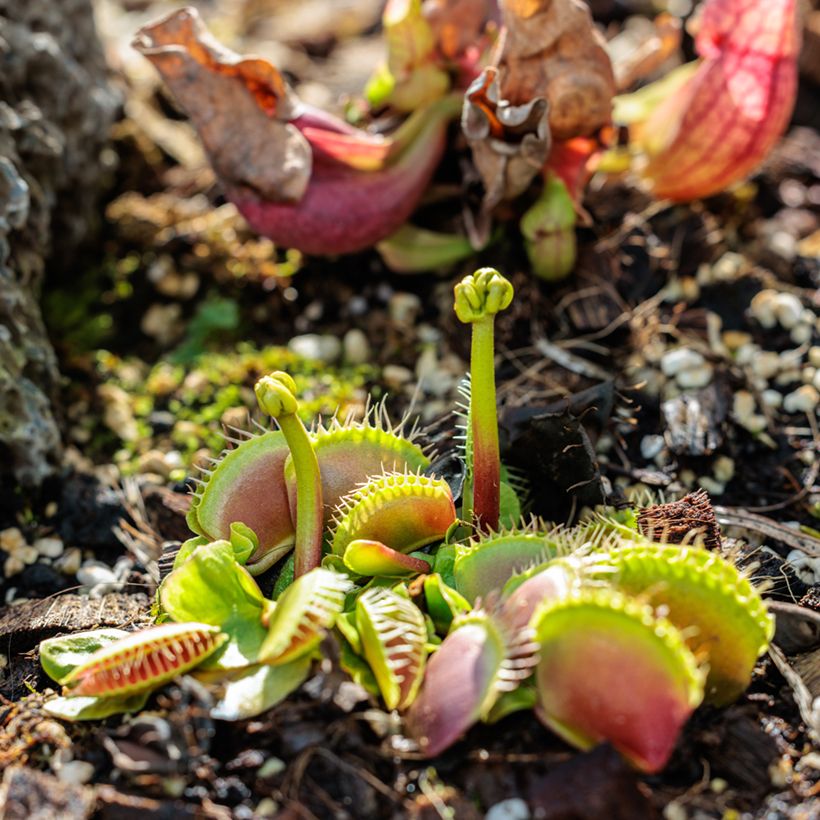
Dionaea muscipula, or Venus Flytrap, belongs to the Droseraceae family and has a unique trapping mechanism among carnivorous plants. At maturity, the plant forms a rosette of spreading leaves, typically reaching a diameter of 10 to 15 cm. Each rosette consists of 4 to 8 leaves arranged around a short, bulbous underground stem. Each leaf is compound, with a flattened, glossy green petiolate section for photosynthesis and a jaw-like trap averaging 3 to 5 cm long. The inner lobes are often tinged red to purple, attracting insects. These lobes are edged with rigid cilia that interlock when the trap closes, preventing prey from escaping. The trapping mechanism relies on sensitive hairs inside the lobes—if an insect touches two within twenty seconds, the leaf snaps shut in under a second, trapping the victim. Enzymatic digestion then occurs over 7 to 10 days, after which the trap reopens, leaving only the prey's exoskeleton. In summer, the Venus Flytrap produces small white, 1 to 1.5 cm in diameter flowers, borne on a slender stem rising up to 30 cm above the foliage. This elevated floral peduncle prevents pollinating insects from being caught by the carnivorous leaves.
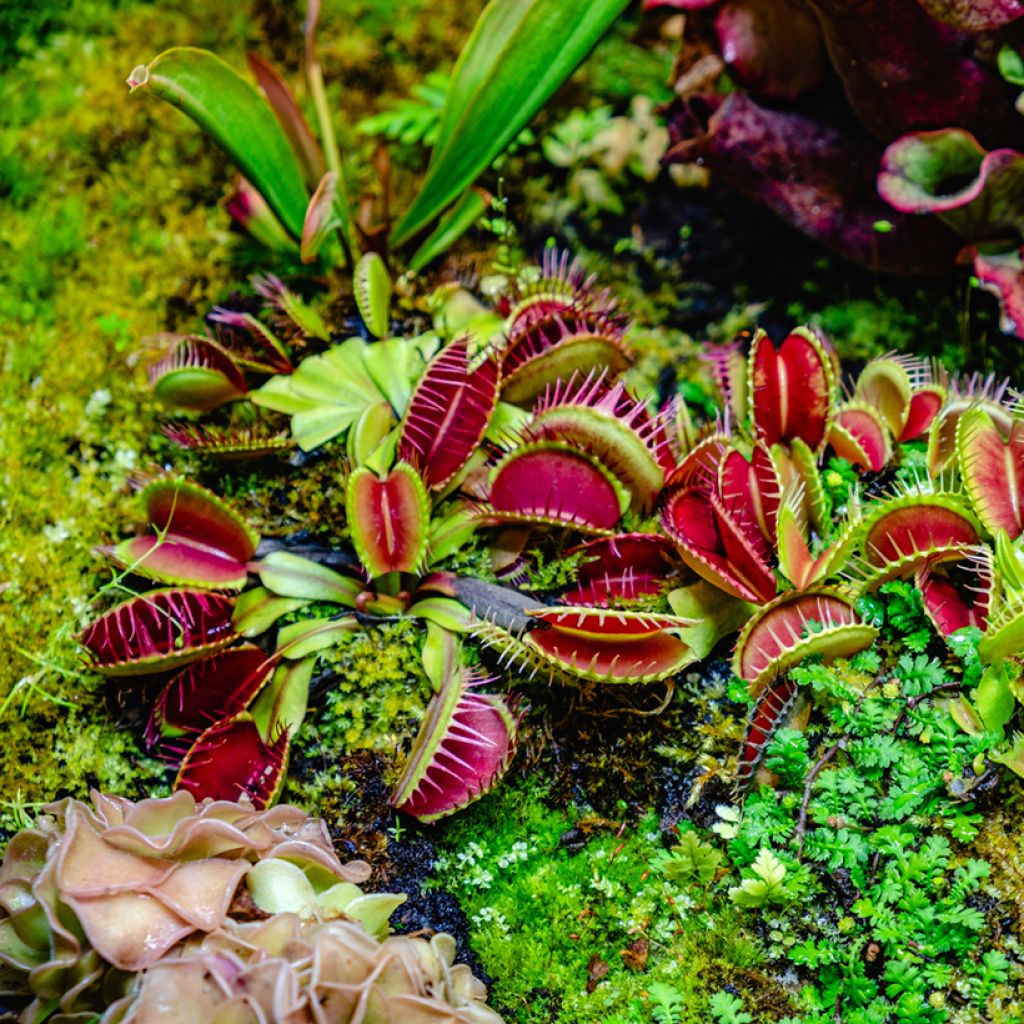
To optimise the cultivation of Dionaea muscipula, try to replicate its natural conditions as closely as possible. It thrives in very bright environments with high humidity. Using distilled or rainwater is recommended to avoid mineral buildup. The plant can be grown in pots or terrariums, provided there is good air circulation to prevent fungal diseases. Venus Flytrap coexists well with other carnivorous plants sharing similar requirements, such as certain species of Drosera or Sarracenia. Together, they create a fascinating ecosystem.
Report an error about the product description
Venus flytrap seeds - Dionaea muscipula in pictures
Flowering
Foliage
Plant habit
Botanical data
Dionaea
muscipula
Droseraceae
Venus flytrap
North America
Planting and care
Venus flytrap (Dionaea muscipula) seeds require cold stratification for more effective germination. To achieve this, mix the seeds with moist sphagnum moss or slightly damp absorbent paper, place them in a sealed bag or container, then refrigerate at 2-5°C for 4-6 weeks. Check regularly for any mould development.
Sow in a substrate of pure sphagnum moss or a 50/50 mix of peat and perlite, avoiding standard soil. Choose a shallow tray or pot with drainage holes. The seeds should be placed on the surface without being buried, as they require light to germinate. Water only with demineralised, osmosis-filtered water, or rainwater, keeping the substrate moist through capillary action by placing the pot in a tray of water. Intense light is essential: a horticultural lamp running for 16 hours daily or full sun exposure is ideal. Maintain temperatures between 20-30°C to encourage germination, which is more easily achieved in a heated greenhouse.
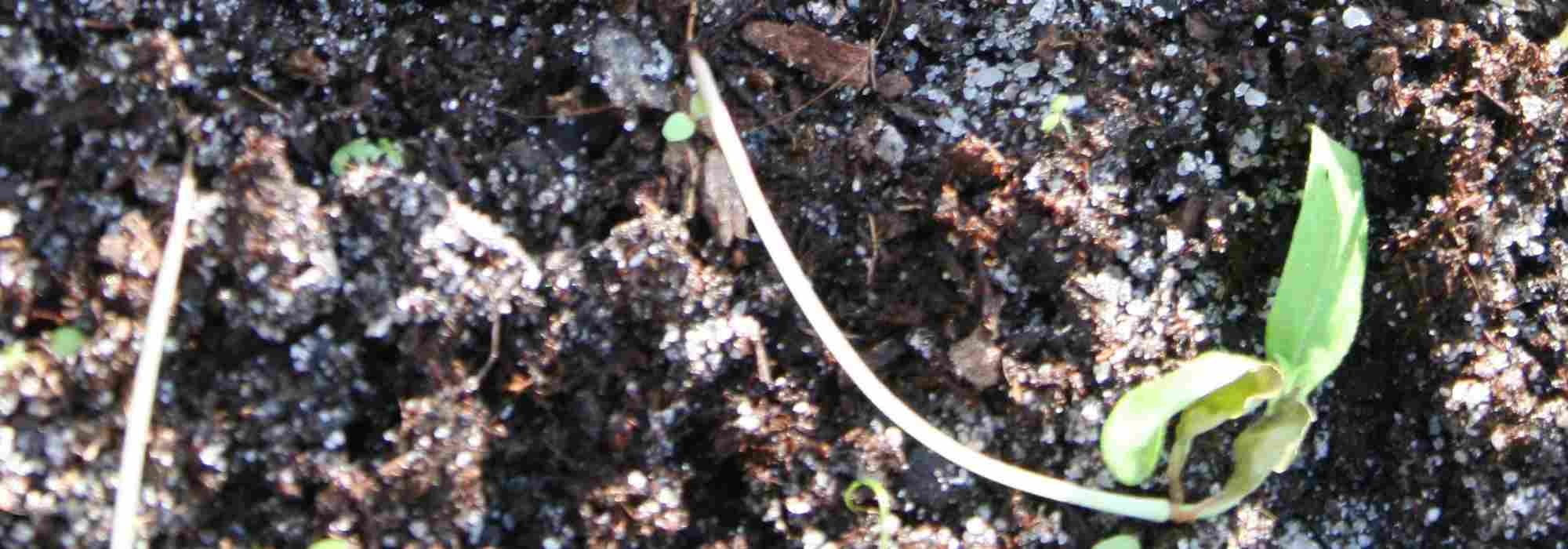
Germination takes 4-6 weeks, sometimes longer. Once seedlings appear, maintain high humidity without waterlogging. Avoid feeding for several months—only use highly diluted feed if absolutely necessary. Growth is slow, with Venus flytraps taking 2-4 years to reach maturity.
When young plants reach 1-2 cm, they can be separated and repotted individually. Gradual hardening to outdoor conditions, such as wind and direct sunlight, is required.
To avoid common mistakes: never bury the seeds, avoid tap water due to harmful minerals, ensure sufficient lighting to prevent mould, and be patient—germination can be unpredictable.
Cultivation: To grow Venus flytraps successfully, replicate their natural habitat. They prefer an acidic, nutrient-poor substrate, primarily peat or sphagnum moss mixed with non-calcareous sand or perlite for drainage. Full sun enhances trap colouration. Water with non-calcareous water (ideally rainwater), keeping the substrate consistently moist. In winter, the plant enters dormancy—reduce watering and protect from extreme cold.
Sowing period
Intended location
Planting & care advice
-
-
-
-
-
-

-

-
This item has not been reviewed yet - be the first to leave a review about it.
Recently viewed products
Haven't found what you were looking for?
Hardiness is the lowest winter temperature a plant can endure without suffering serious damage or even dying. However, hardiness is affected by location (a sheltered area, such as a patio), protection (winter cover) and soil type (hardiness is improved by well-drained soil).

The flowering period indicated on our website applies to countries and regions located in USDA zone 8 (France, the United Kingdom, Ireland, the Netherlands, etc.)
It will vary according to where you live:- In zones 9 to 10 (Italy, Spain, Greece, etc.), flowering will occur about 2 to 4 weeks earlier.
- In zones 6 to 7 (Germany, Poland, Slovenia, and lower mountainous regions), flowering will be delayed by 2 to 3 weeks.
- In zone 5 (Central Europe, Scandinavia), blooming will be delayed by 3 to 5 weeks.
In temperate climates, pruning of spring-flowering shrubs (forsythia, spireas, etc.) should be done just after flowering.
Pruning of summer-flowering shrubs (Indian Lilac, Perovskia, etc.) can be done in winter or spring.
In cold regions as well as with frost-sensitive plants, avoid pruning too early when severe frosts may still occur.
The planting period indicated on our website applies to countries and regions located in USDA zone 8 (France, United Kingdom, Ireland, Netherlands).
It will vary according to where you live:
- In Mediterranean zones (Marseille, Madrid, Milan, etc.), autumn and winter are the best planting periods.
- In continental zones (Strasbourg, Munich, Vienna, etc.), delay planting by 2 to 3 weeks in spring and bring it forward by 2 to 4 weeks in autumn.
- In mountainous regions (the Alps, Pyrenees, Carpathians, etc.), it is best to plant in late spring (May-June) or late summer (August-September).
The harvesting period indicated on our website applies to countries and regions in USDA zone 8 (France, England, Ireland, the Netherlands).
In colder areas (Scandinavia, Poland, Austria...) fruit and vegetable harvests are likely to be delayed by 3-4 weeks.
In warmer areas (Italy, Spain, Greece, etc.), harvesting will probably take place earlier, depending on weather conditions.
The sowing periods indicated on our website apply to countries and regions within USDA Zone 8 (France, UK, Ireland, Netherlands).
In colder areas (Scandinavia, Poland, Austria...), delay any outdoor sowing by 3-4 weeks, or sow under glass.
In warmer climes (Italy, Spain, Greece, etc.), bring outdoor sowing forward by a few weeks.
Shipping country and language
Your country of residence may be:
Your country of residence is:
For a better user experience on our website, you can select:
Your shipping country:
-
 Austria
-
 Belgium
-
 Bosnia & Herzegovina
-
 Bulgaria
-
 Croatia
-
 Cyprus
-
 Czechia
-
 Denmark
-
 Estonia
-
 Finland
-
 France
-
 Germany
-
 Greece
-
 Hungary
-
 Iceland
-
 Ireland
-
 Italy
Italy
-
 Latvia
-
 Liechtenstein
-
 Lithuania
-
 Luxembourg
-
 Malta
Malta
-
 Netherlands
-
 Poland
-
 Portugal
-
 Romania
-
 Serbia
-
 Slovakia
-
 Slovenia
-
 Spain
Spain
-
 Sweden
-
 Switzerland
Language:
-
French
-
 English
-
Spanish
-
Italian
-
German
-
Portuguese
-
Dutch
-
Finnish
My Account
Hello
My wish lists
My cart
Log in / Register
Existing customer?
This form is protected by reCAPTCHA - the Google Privacy Policy and Terms of Service apply.
New customer?
Create an account to track your orders, access our customer service and, if you wish, make the most of our upcoming offers.