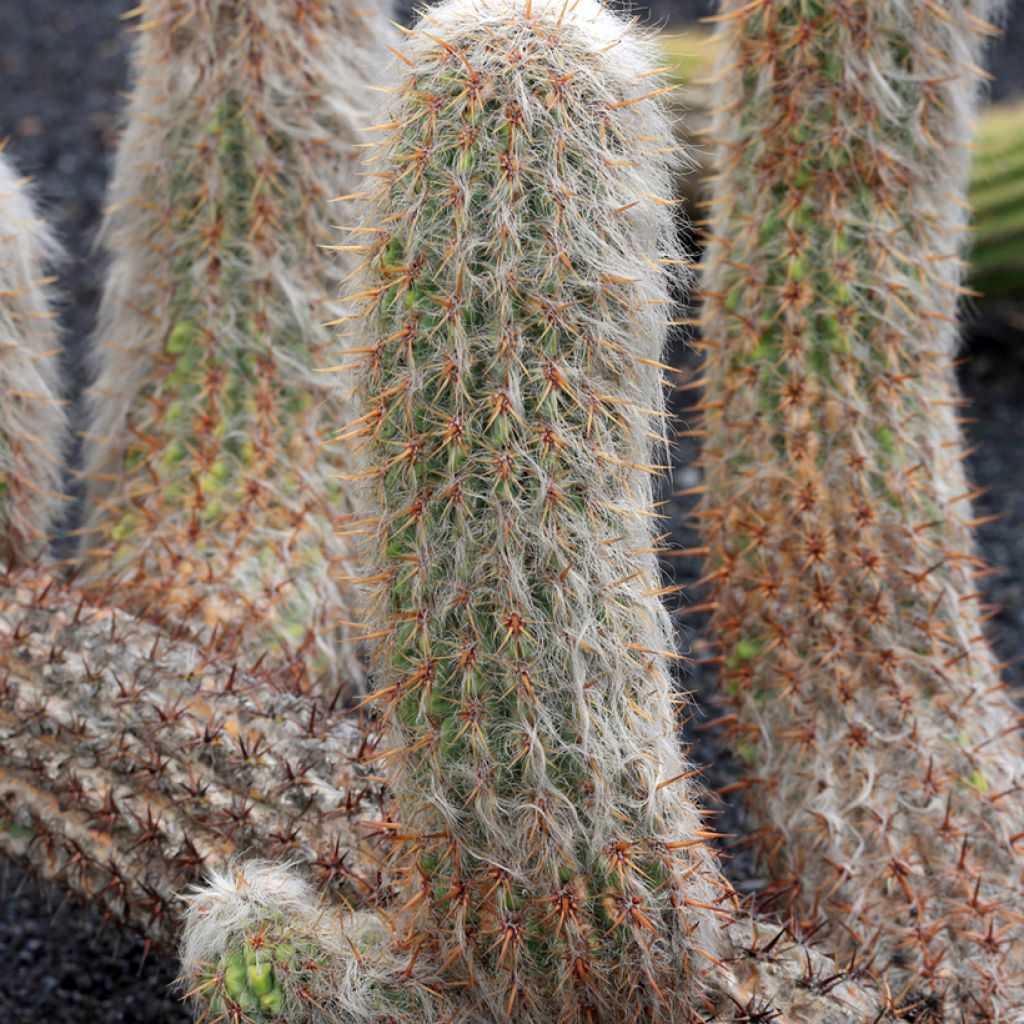
Oreocereus trollii - Old man of the Andes
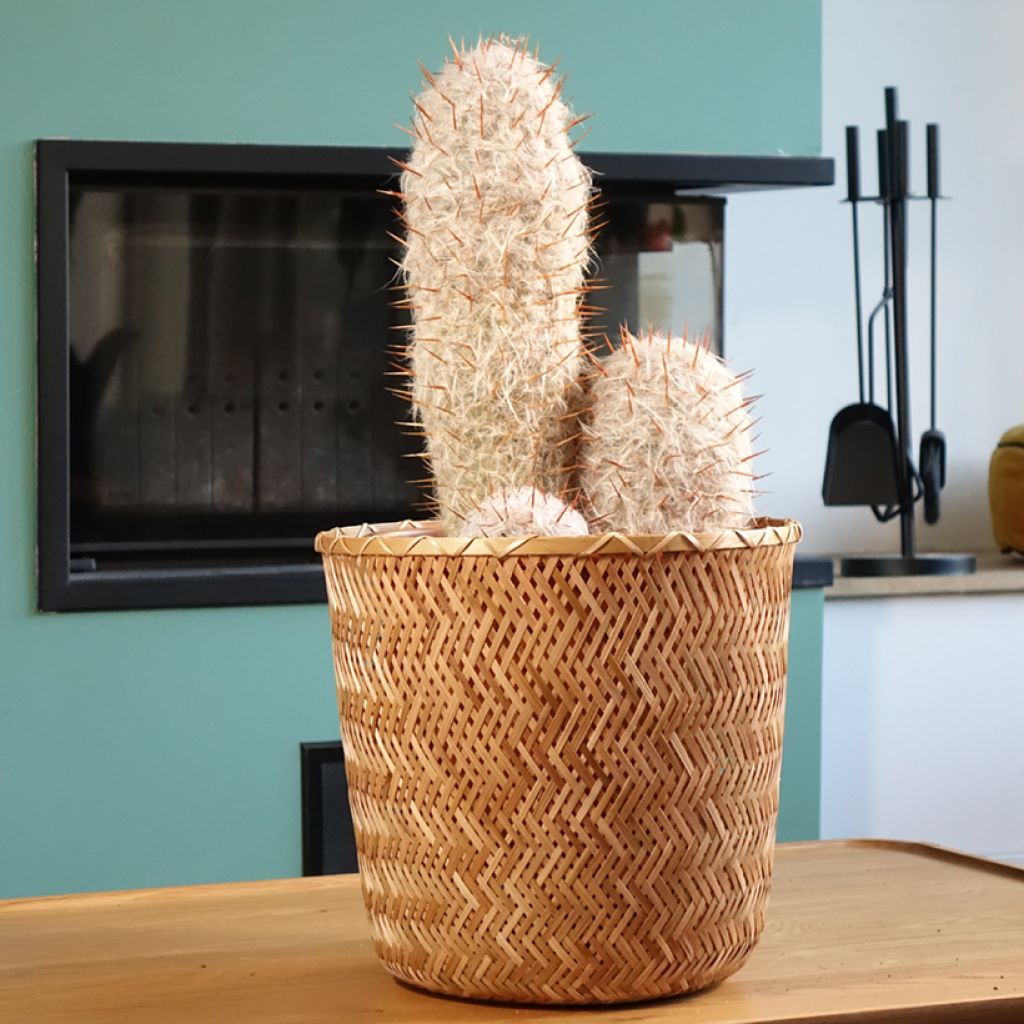
Oreocereus trollii - Old man of the Andes

Oreocereus trollii - Old man of the Andes
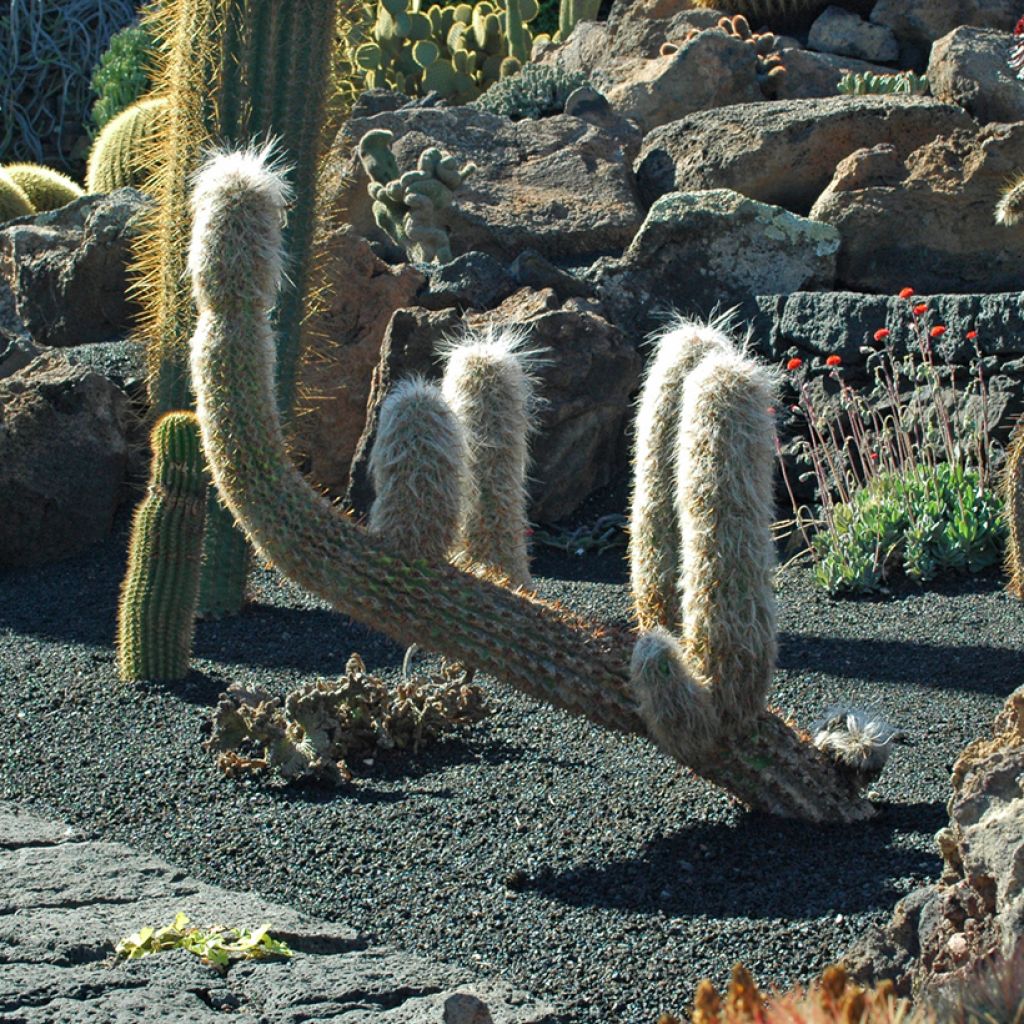
Oreocereus trollii - Old man of the Andes
Oreocereus trollii - Old man of the Andes
Oreocereus trollii
Old man of the Andes, old man of the mountain
Back-to-school special offer!
Get €10 off for every €50 you spend! And get up to €40 off on a single order.
How does it work?
1. Shop your favourites
Add your favourite plants to your basket. For every €50 you spend (excluding delivery charges, store credit and the plastic-free option), you’ll receive a €10 voucher.
€50 spent = €10 voucher
€100 spent = €20 voucher
€150 spent = €30 voucher
€200 spent = €40 voucher
2. Place your order
Once your basket reaches one of the spending thresholds, place your order. You can even choose your delivery date!
3. Receive your voucher
As soon as your order has been shipped, you’ll receive an email containing your personal voucher code and its value.
4. Use it on your next order
Your voucher is valid for 90 days from the date you receive it. It can be used once only, on a new order worth at least the value of the voucher, excluding delivery charges.
Please note: Vouchers can be combined with other offers, but cannot be split or refunded.
Why not try an alternative variety in stock?
View all →
Available in 2 sizes
Available in 1 sizes
Available in 1 sizes
Available in 1 sizes
Available in 1 sizes

Available in 1 sizes
Available in 1 sizes
Available in 1 sizes
Available in 2 sizes

Available in 1 sizes
This plant carries a 12 months recovery warranty
More information
We guarantee the quality of our plants for a full growing cycle, and will replace at our expense any plant that fails to recover under normal climatic and planting conditions.
Would this plant suit my garden?
Set up your Plantfit profile →
Description
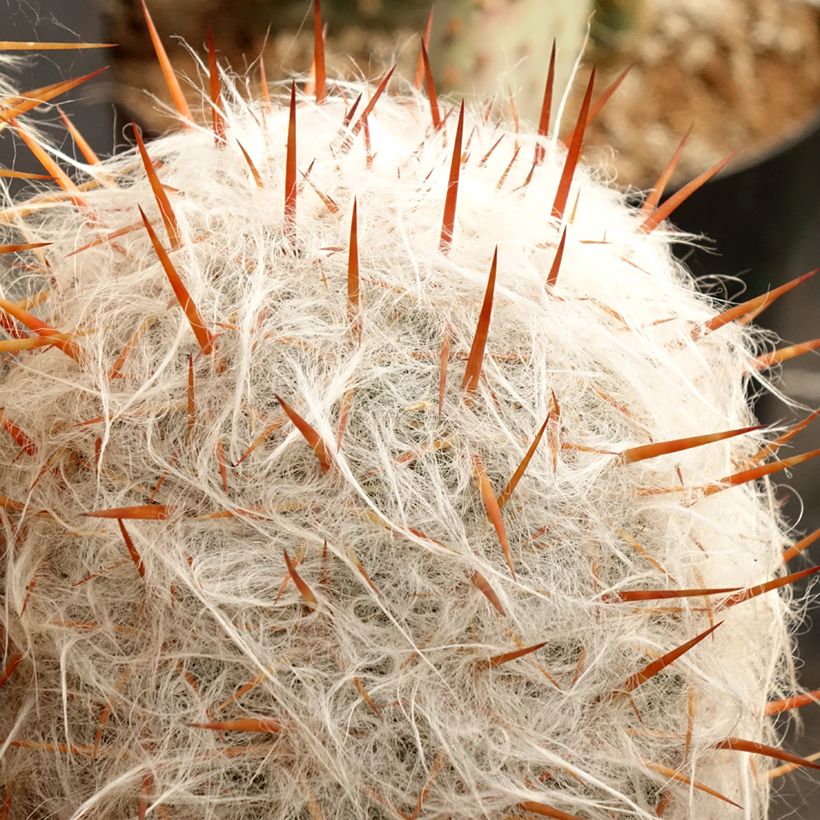
On the arid heights of the Andes stands Oreocereus trollii, the Old Man of the Andes, draped in its cloak of white wool, compacted into short, thick columns. Beneath this venerable fleece lurk formidable reddish prickles, testaments to its wild character. In full sun, in perfectly drained soil and under a dry climate, it will easily withstand frosts down to -12°C. Whether in a pot on a balcony or at the heart of a Mediterranean rockery, its singular personality never fails to make an impression.
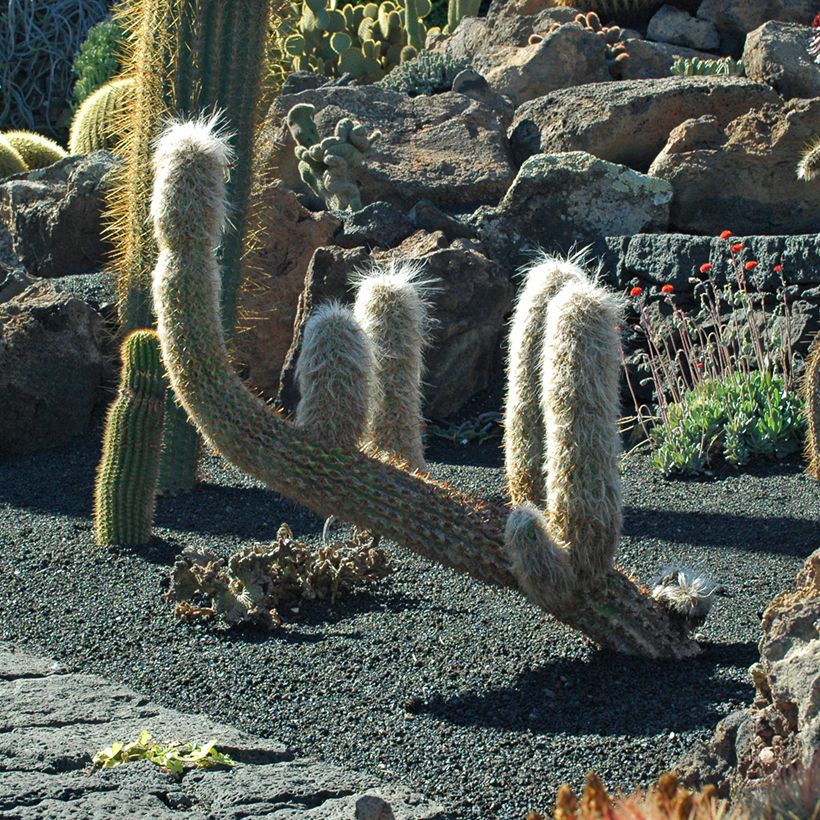
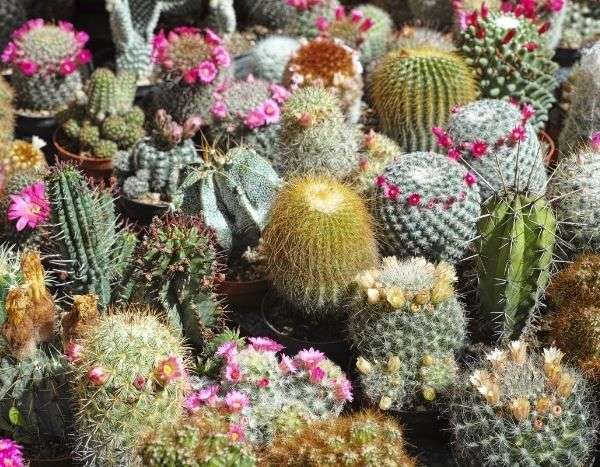
Oreocereus trollii, nicknamed the Old Man of the Andes, is a columnar cactus belonging to the Cactaceae family. Native to the mountainous regions of northern Argentina (provinces of Jujuy and Salta) and southern Bolivia (departments of Chuquisaca, Tarija, and Potosí), it thrives at altitudes between 2,900 and 4,300 m. This species was first described in 1929 by Walter Kupper under the name Cereus trollii, before being reclassified in 1936 by Curt Backeberg into the genus Oreocereus. The name Oreocereus trollii pays homage to the German botanist Wilhelm Troll. This cactus exhibits slow growth and develops columnar stems branched at the base, forming small clumps. The stems, initially almost spherical, become cylindrical over time, reaching 50 cm in height in cultivation, though in their natural habitat, they can grow up to 1 m. Their diameter ranges from 6 to 10 cm. The stems feature 15 to 25 tuberculate ribs, adorned with white areoles from which fine white woolly hairs, up to 7 cm long, emerge, protecting the plant from the extreme climatic conditions of its environment. The 3 to 5 central thorns are robust and measure up to 5 cm long. They display yellow, reddish, or brown hues with darker tips. The 10 to 15 radial thorns are finer and resemble hairs. The flowers appear between June and August, depending on the climate, on mature specimens. They are semi-tubular, pink to carmine red, and measure up to 4 cm long. Pollination is typically carried out by insects outdoors. The fruits are spherical, dry, and split when ripe to release black seeds.
To encourage flowering, it is essential that this cactus receives maximum sun exposure. Additionally, a cool, dry winter rest period is highly beneficial.
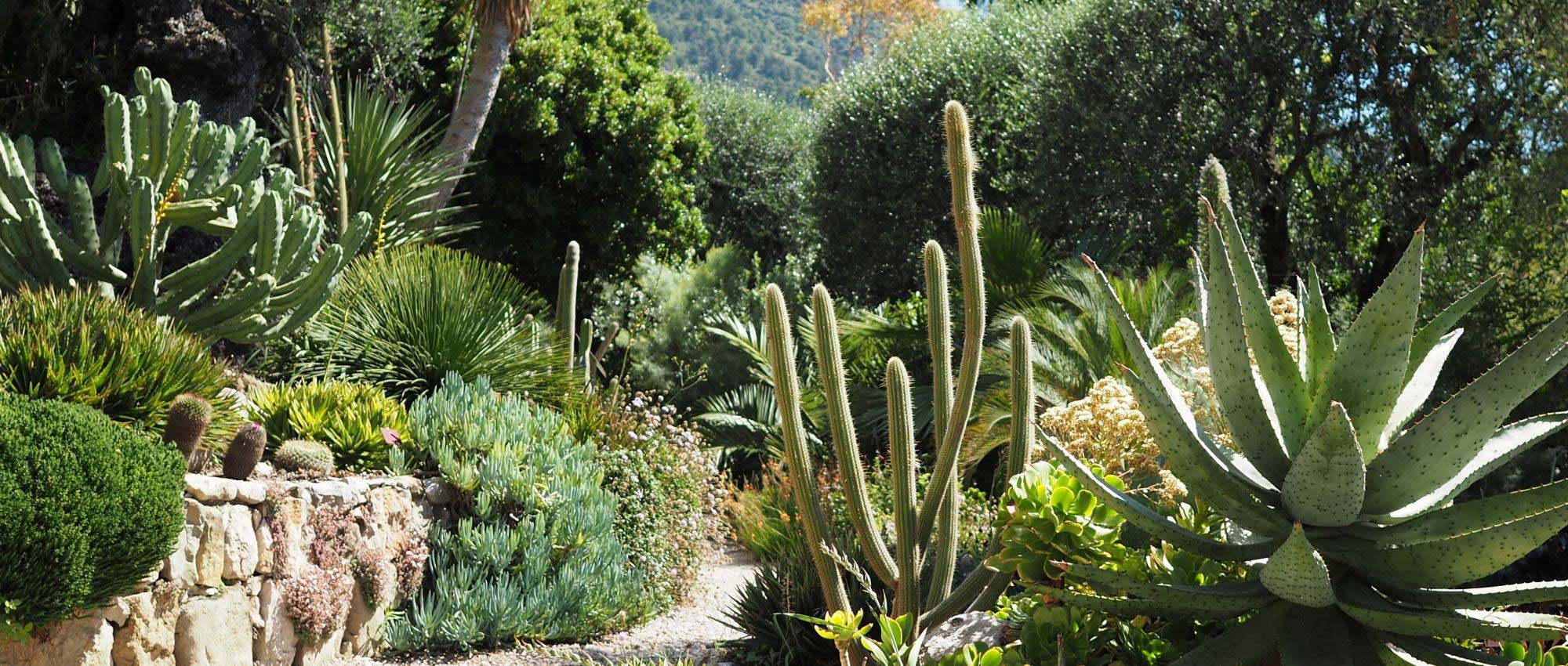
In a sun-drenched gravel garden, the Old Man of the Andes stands as a living sculpture. Its woolly silhouette contrasts starkly with raw stone and fleeting twilight shadows. Its columnar form pairs perfectly with the blue-tinged cushions of Senecio mandraliscae. Agave parrasana, with its compact cabbage-like rosettes, will sculpt the space around these two companions. In a pot on a sun-drenched terrace, lay a bed of light gravel to reflect the light and accentuate the softness of its fleece. Placed among terracotta or turquoise ceramics, it evokes the Andean landscapes.
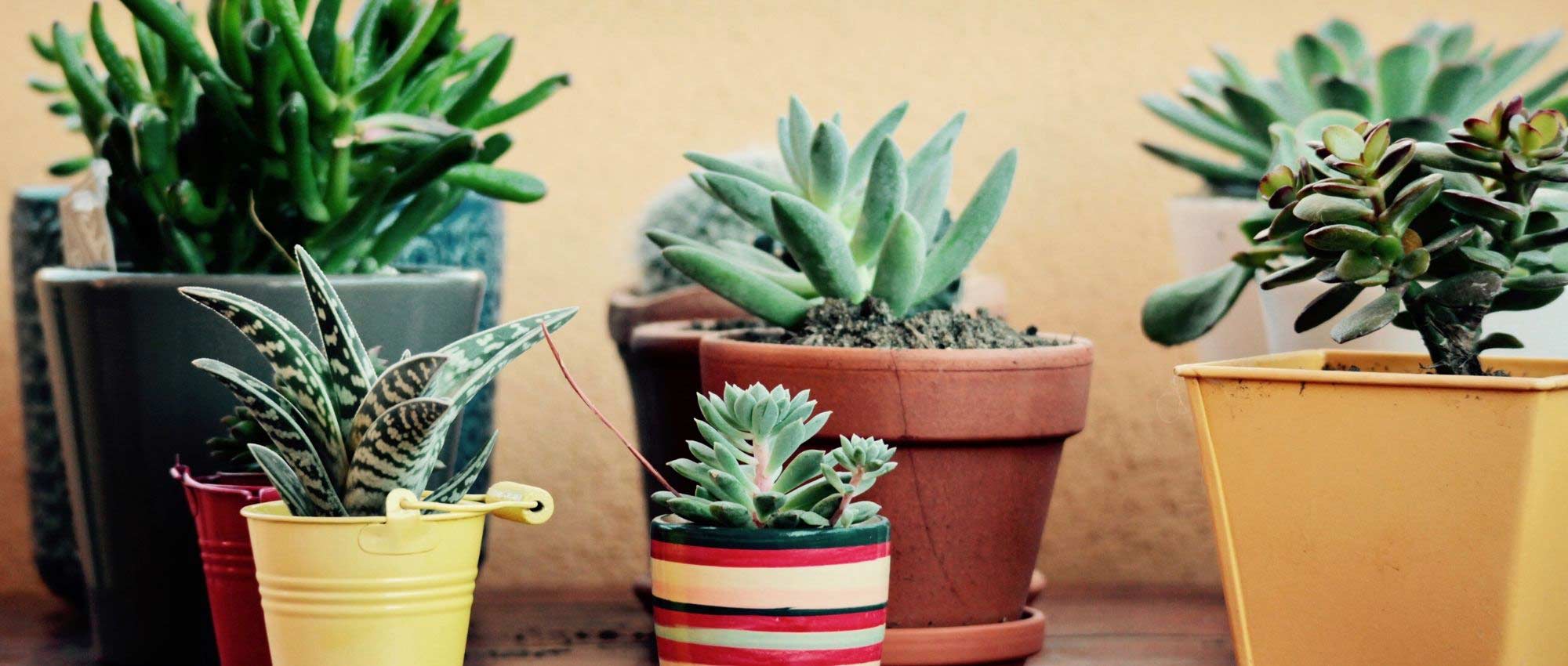
Oreocereus trollii - Old man of the Andes in pictures
Flowering
Foliage
Plant habit
Botanical data
Oreocereus
trollii
Cactaceae
Old man of the Andes, old man of the mountain
Cereus trollii, Borzicactus trollii, Echinopsis trollii, Pilocereus trollii
Andes Mountains, South America
Planting and care
Handle your Oreocereus trollii cactus with gloves and protective goggles.
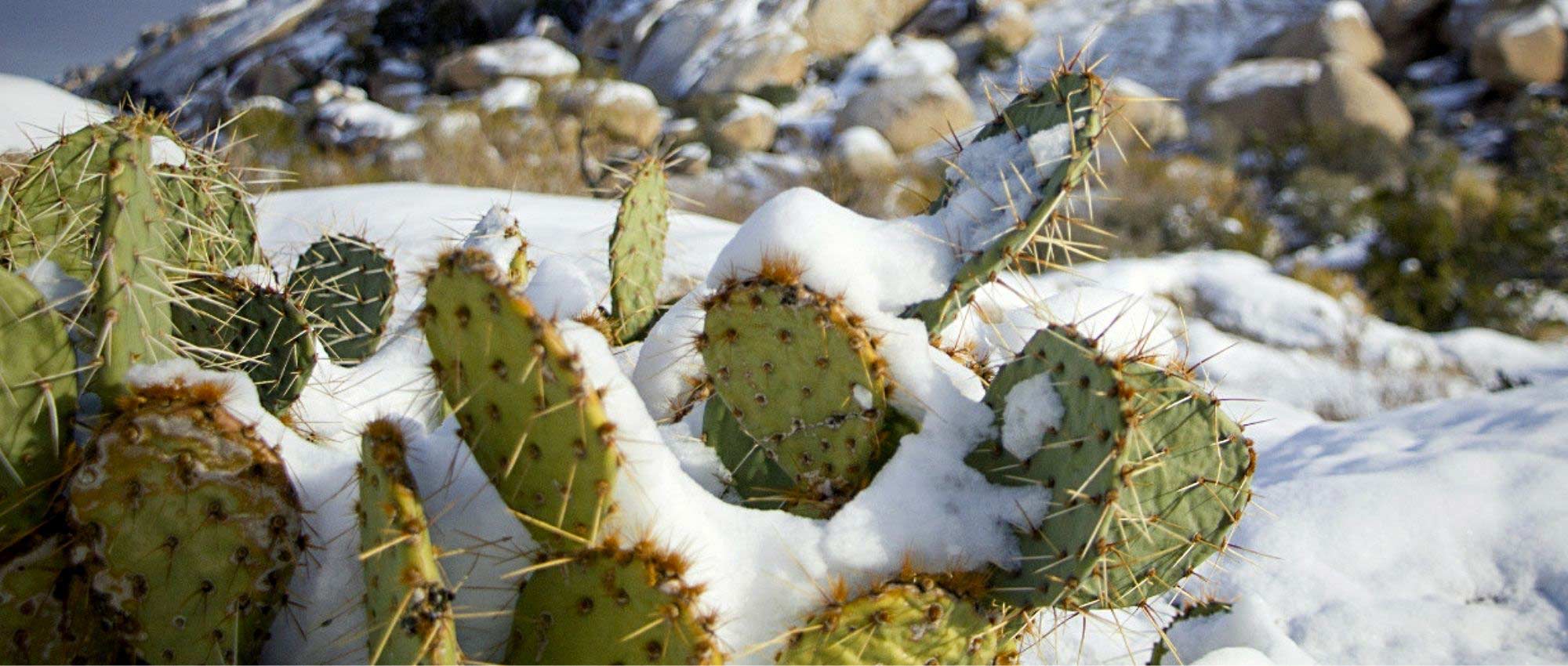
This plant originates from the Andes. Its hardiness is estimated at -12°C in well-drained soil, and even more in dry soil according to some sources. Like all cacti, it dislikes wet and cold winters.
Outdoor cultivation:
The cold resistance of Oreocereus trollii heavily depends on soil moisture. It is therefore essential to plant it in very well-drained soil, ideally on a slope or mound to facilitate water drainage. A south-facing exposure is recommended to maximise sunlight. This species is adapted to arid climates, dry in summer as well as in winter. Consequently, outdoor cultivation is easier in the driest regions. In these areas, it can be grown outdoors, provided it is protected from excess moisture.
Pot cultivation:
For regions with harsher or wetter winters, pot cultivation is preferable. Use a very well-draining substrate, composed for example, of a mix of cactus compost and coarse sand or gravel. Wide, shallow pots suit its root system well. It is advisable to add a layer of drainage gravel at the bottom of the pot to improve drainage. Place the pot in a very bright spot, ideally in full sun, during the growth period. In winter, reduce watering to a minimum and keep the plant dry, in a cool place but protected from frost. This winter rest period is crucial for its health and promotes flowering.
General advice:
-
Watering: during the growth period (spring and summer), water moderately when the substrate is dry on the surface. In autumn and winter, drastically reduce watering to avoid root rot.
-
Fertilisation: Apply a diluted cactus fertiliser once a month during the growth period.
-
Repotting: Repot every 2 to 3 years in spring, renewing the substrate to ensure good root aeration.
Planting period
Intended location
Care
Planting & care advice
-
-
-
-
-
-
-
-
This item has not been reviewed yet - be the first to leave a review about it.
Recently viewed products
Haven't found what you were looking for?
Hardiness is the lowest winter temperature a plant can endure without suffering serious damage or even dying. However, hardiness is affected by location (a sheltered area, such as a patio), protection (winter cover) and soil type (hardiness is improved by well-drained soil).

The flowering period indicated on our website applies to countries and regions located in USDA zone 8 (France, the United Kingdom, Ireland, the Netherlands, etc.)
It will vary according to where you live:- In zones 9 to 10 (Italy, Spain, Greece, etc.), flowering will occur about 2 to 4 weeks earlier.
- In zones 6 to 7 (Germany, Poland, Slovenia, and lower mountainous regions), flowering will be delayed by 2 to 3 weeks.
- In zone 5 (Central Europe, Scandinavia), blooming will be delayed by 3 to 5 weeks.
In temperate climates, pruning of spring-flowering shrubs (forsythia, spireas, etc.) should be done just after flowering.
Pruning of summer-flowering shrubs (Indian Lilac, Perovskia, etc.) can be done in winter or spring.
In cold regions as well as with frost-sensitive plants, avoid pruning too early when severe frosts may still occur.
The planting period indicated on our website applies to countries and regions located in USDA zone 8 (France, United Kingdom, Ireland, Netherlands).
It will vary according to where you live:
- In Mediterranean zones (Marseille, Madrid, Milan, etc.), autumn and winter are the best planting periods.
- In continental zones (Strasbourg, Munich, Vienna, etc.), delay planting by 2 to 3 weeks in spring and bring it forward by 2 to 4 weeks in autumn.
- In mountainous regions (the Alps, Pyrenees, Carpathians, etc.), it is best to plant in late spring (May-June) or late summer (August-September).
The harvesting period indicated on our website applies to countries and regions in USDA zone 8 (France, England, Ireland, the Netherlands).
In colder areas (Scandinavia, Poland, Austria...) fruit and vegetable harvests are likely to be delayed by 3-4 weeks.
In warmer areas (Italy, Spain, Greece, etc.), harvesting will probably take place earlier, depending on weather conditions.
The sowing periods indicated on our website apply to countries and regions within USDA Zone 8 (France, UK, Ireland, Netherlands).
In colder areas (Scandinavia, Poland, Austria...), delay any outdoor sowing by 3-4 weeks, or sow under glass.
In warmer climes (Italy, Spain, Greece, etc.), bring outdoor sowing forward by a few weeks.
Shipping country and language
Your country of residence may be:
Your country of residence is:
For a better user experience on our website, you can select:
Your shipping country:
-
 Austria
-
 Belgium
-
 Bosnia & Herzegovina
-
 Bulgaria
-
 Croatia
-
 Cyprus
-
 Czechia
-
 Denmark
-
 Estonia
-
 Finland
-
 France
-
 Germany
-
 Greece
-
 Hungary
-
 Iceland
-
 Ireland
-
 Italy
Italy
-
 Latvia
-
 Liechtenstein
-
 Lithuania
-
 Luxembourg
-
 Malta
Malta
-
 Netherlands
-
 Poland
-
 Portugal
-
 Romania
-
 Serbia
-
 Slovakia
-
 Slovenia
-
 Spain
Spain
-
 Sweden
-
 Switzerland
Language:
-
French
-
 English
-
Spanish
-
Italian
-
German
-
Portuguese
-
Dutch
-
Finnish
My Account
Hello
My wish lists
My cart
Log in / Register
Existing customer?
This form is protected by reCAPTCHA - the Google Privacy Policy and Terms of Service apply.
New customer?
Create an account to track your orders, access our customer service and, if you wish, make the most of our upcoming offers.