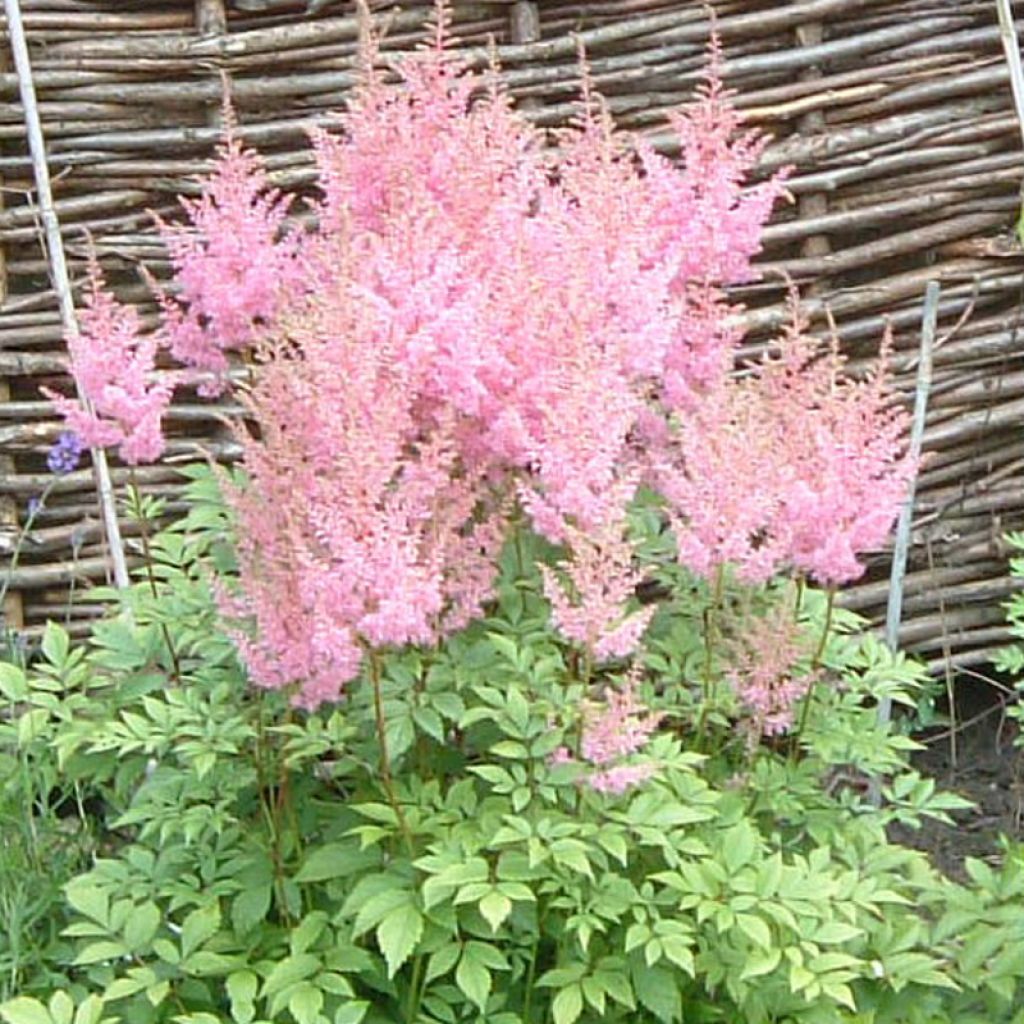
Astilbe Anita Pfeifer - Astilbe d'Arends, Voile de la mariée, Fausse Spirée
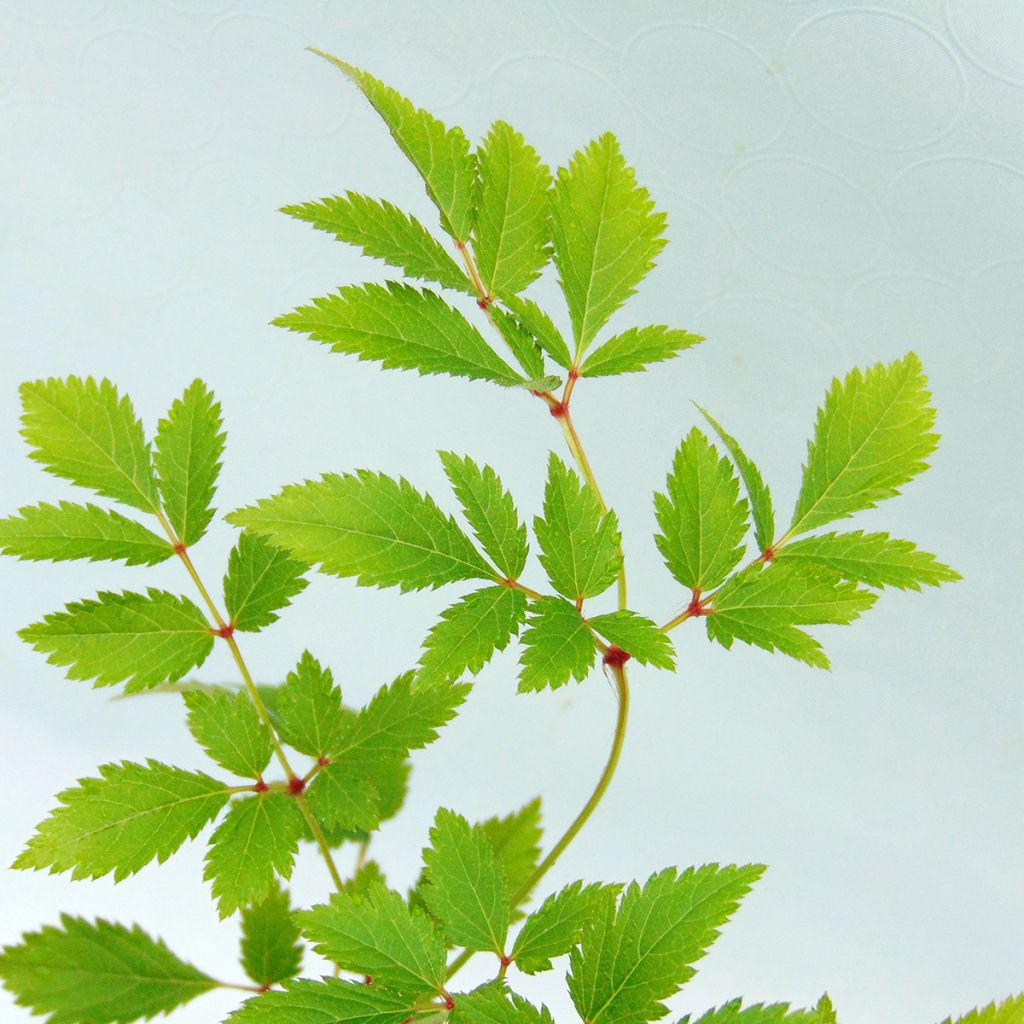
Astilbe Anita Pfeifer - Astilbe d'Arends, Voile de la mariée, Fausse Spirée
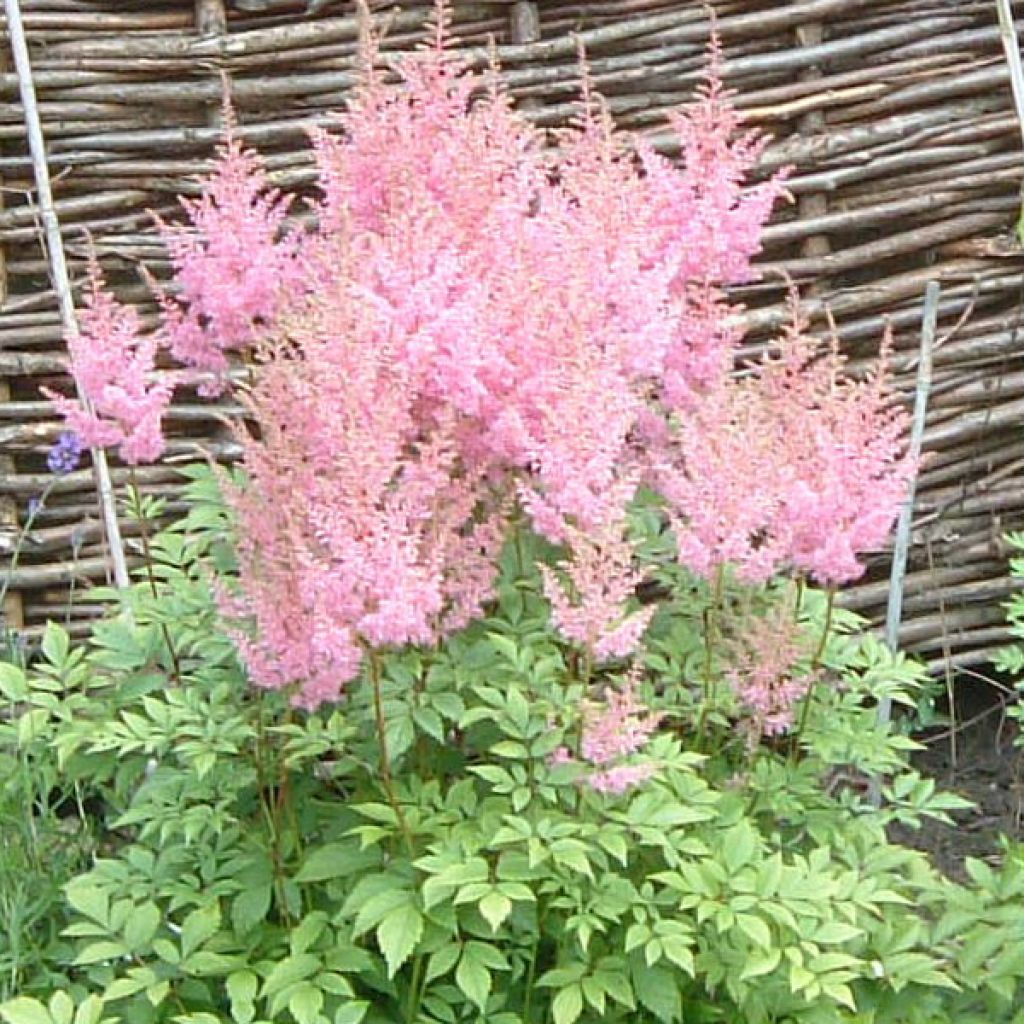
Astilbe Anita Pfeifer - Astilbe d'Arends, Voile de la mariée, Fausse Spirée
Astilbe Anita Pfeifer - Astilbe d'Arends, Voile de la mariée, Fausse Spirée
Astilbe Anita Pfeifer
The foliage is very pretty. A bit disappointed by the flowers which lack fullness.
Monica, 10/09/2025
Back-to-school special offer!
Get €10 off for every €50 you spend! And get up to €40 off on a single order.
How does it work?
1. Shop your favourites
Add your favourite plants to your basket. For every €50 you spend (excluding delivery charges, store credit and the plastic-free option), you’ll receive a €10 voucher.
€50 spent = €10 voucher
€100 spent = €20 voucher
€150 spent = €30 voucher
€200 spent = €40 voucher
2. Place your order
Once your basket reaches one of the spending thresholds, place your order. You can even choose your delivery date!
3. Receive your voucher
As soon as your order has been shipped, you’ll receive an email containing your personal voucher code and its value.
4. Use it on your next order
Your voucher is valid for 90 days from the date you receive it. It can be used once only, on a new order worth at least the value of the voucher, excluding delivery charges.
Please note: Vouchers can be combined with other offers, but cannot be split or refunded.
Home or relay delivery (depending on size and destination)
Important: You may be charged customs duties by your country’s customs authorities upon delivery.
Schedule delivery date,
and select date in basket
This plant carries a 12 months recovery warranty
More information
We guarantee the quality of our plants for a full growing cycle, and will replace at our expense any plant that fails to recover under normal climatic and planting conditions.
Would this plant suit my garden?
Set up your Plantfit profile →
Description
L’Astilbe ‘Anita Pfeifer’ est une vivace de mi-ombre appréciée pour ses panicules denses d’un rose soutenu nuancé de saumon. Elles se dressent en été au-dessus d’un feuillage finement découpé, d'abord rougeâtre, devenant vert foncé. Les tiges solides de cette variété portent sans faiblir ses inflorescences plumeuses pleinement épanouies. Elle se plante dans une plate-bande fraîche, au bord d’un bassin ou sous des arbres caducs dont le couvert laisse filtrer la lumière.
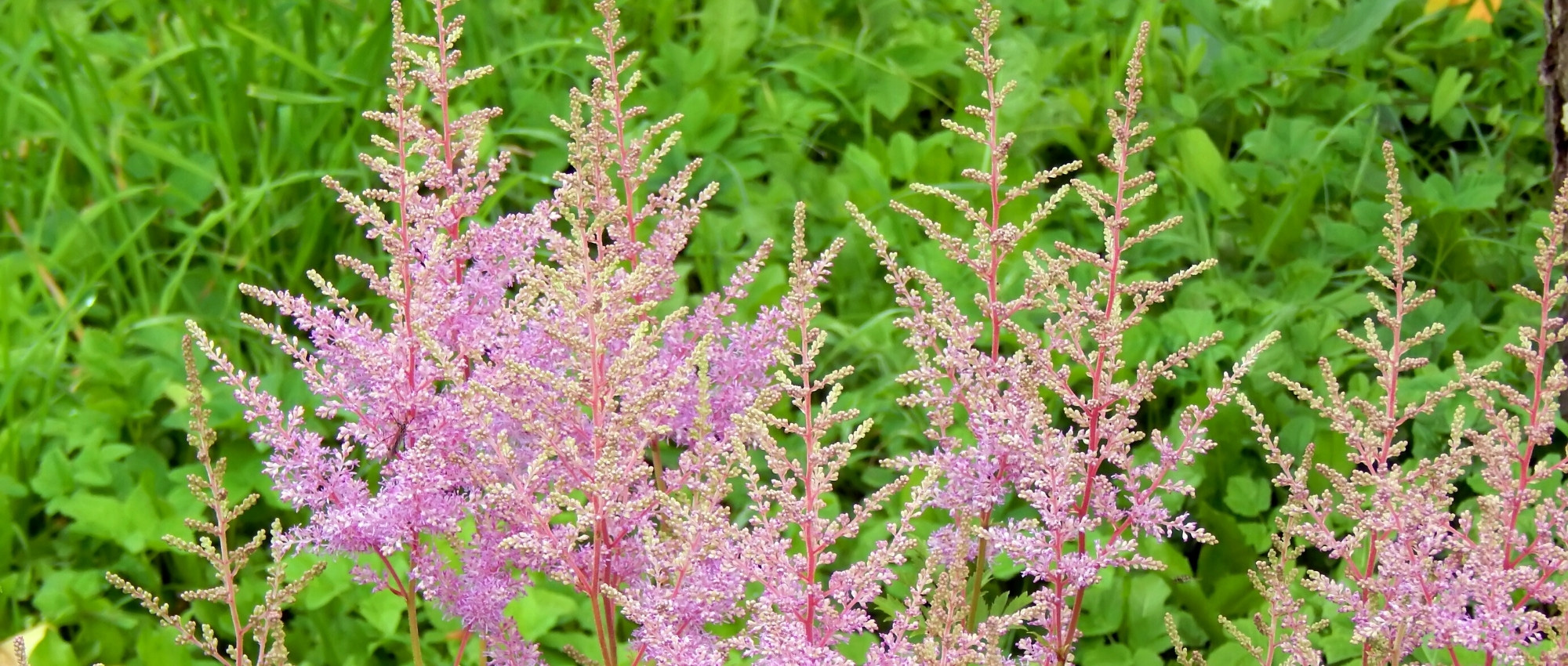
Cette variété appartient à la famille des Saxifragacées et au groupe horticole Arendsii. Ce groupe rassemble des astilbes hybrides obtenues à partir de plusieurs espèces asiatiques, notamment Astilbe japonica, A. chinensis, A. thunbergii et A. astilboides. Dans la nomenclature horticole, elle est encore souvent présentée sous le nom d'Astilbe × arendsii ‘Anita Pfeifer’ ; ‘Bonanza’ est un synonyme de cultivar. Georg Arends créa cette variété en Allemagne en 1930, au sein de la pépinière de Ronsdorf, où il mena un important travail de sélection sur les plantes vivaces. Il baptisa plusieurs de ses astilbes du nom des jardinières qui travaillaient dans l’entreprise ; Anita Pfeifer était l’une d’elles. Près d’un siècle après son introduction, elle reste cultivée pour la couleur chaude et peu courante de ses inflorescences. Cette plante pousse à partir d'une souche rhizomateuse qui s’élargit lentement sans produire de rejets. Elle développe une touffe dressée de 45 à 50 cm de largeur, composée de tiges brun rougeâtre et de feuilles alternes plusieurs fois divisées. Les folioles ovales, terminées en pointe, portent une bordure finement dentée. Les jeunes pousses teintées de rouge brun deviennent vert foncé et légèrement brillantes en cours de saison. Le feuillage disparaît entièrement en hiver. Les hampes florales atteignent 70 à 80 cm de hauteur et portent des panicules coniques, larges et bien ramifiées. Les boutons et les premières fleurs affichent un rose soutenu mêlé de saumon ; cette teinte s’éclaircit au fil de la floraison. Les inflorescences fanées restent décoratives et peuvent être conservées jusqu’à la fin de l’hiver. On peut aussi couper les tiges pour les utiliser dans les bouquets frais ou secs. Très rustique, cette astilbe supporte des températures inférieures à -20 °C lorsque sa souche est bien installée.
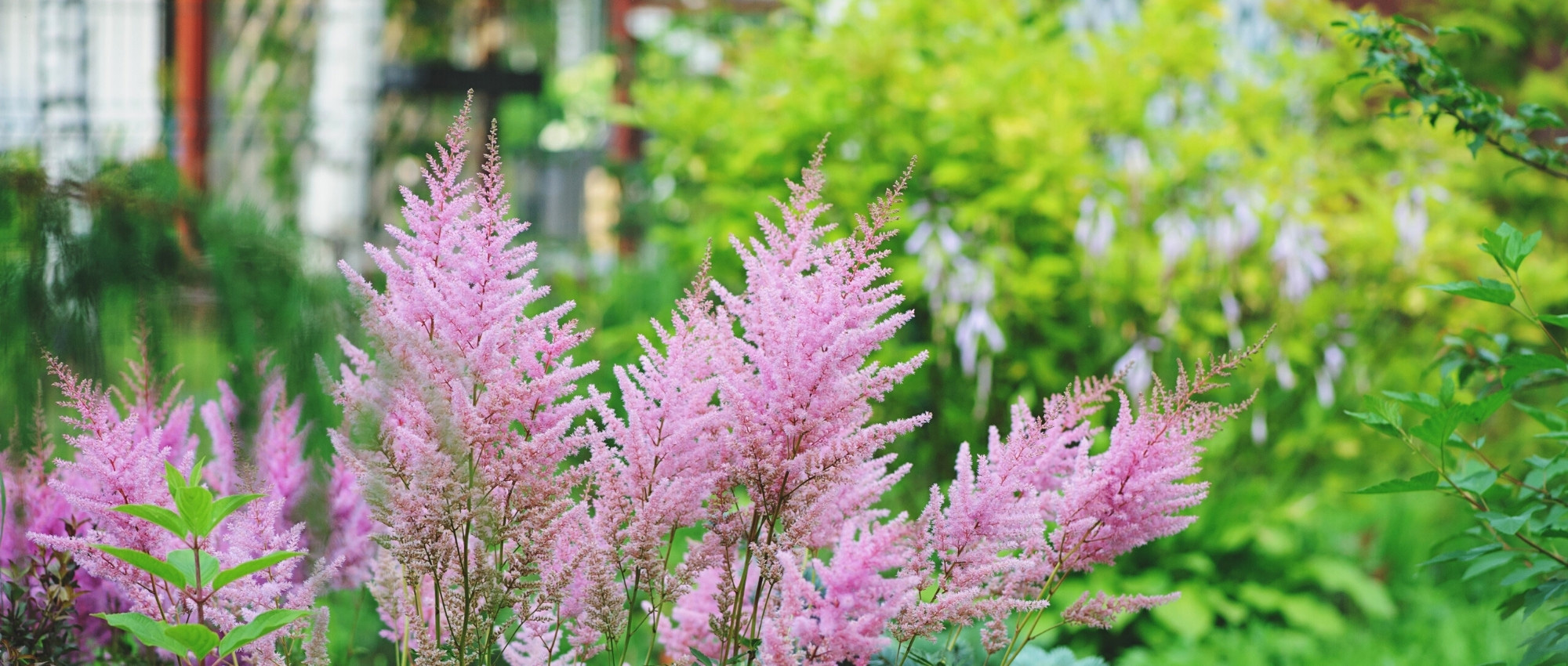
Dans une plate-bande de mi-ombre, en terrain humide et même argileux, cette ancienne variété peut être entourée d’astilbes aux ports différents, de rodgersias et d’herbes du Japon. Leurs couleurs et leurs textures très différentes rompent la monotonie de la plantation. Vous pouvez choisir les Astilbes ‘Chocolate Shogun’ et ‘Hennie Graafland’, le Rodgersia pinnata ‘Chocolate Wings’ et l’Hakonechloa macra ‘Nicolas’. Les tons de rose se mêlent aux verts, au bronze et au brun chocolat des feuillages dans une palette douce et cohérente.
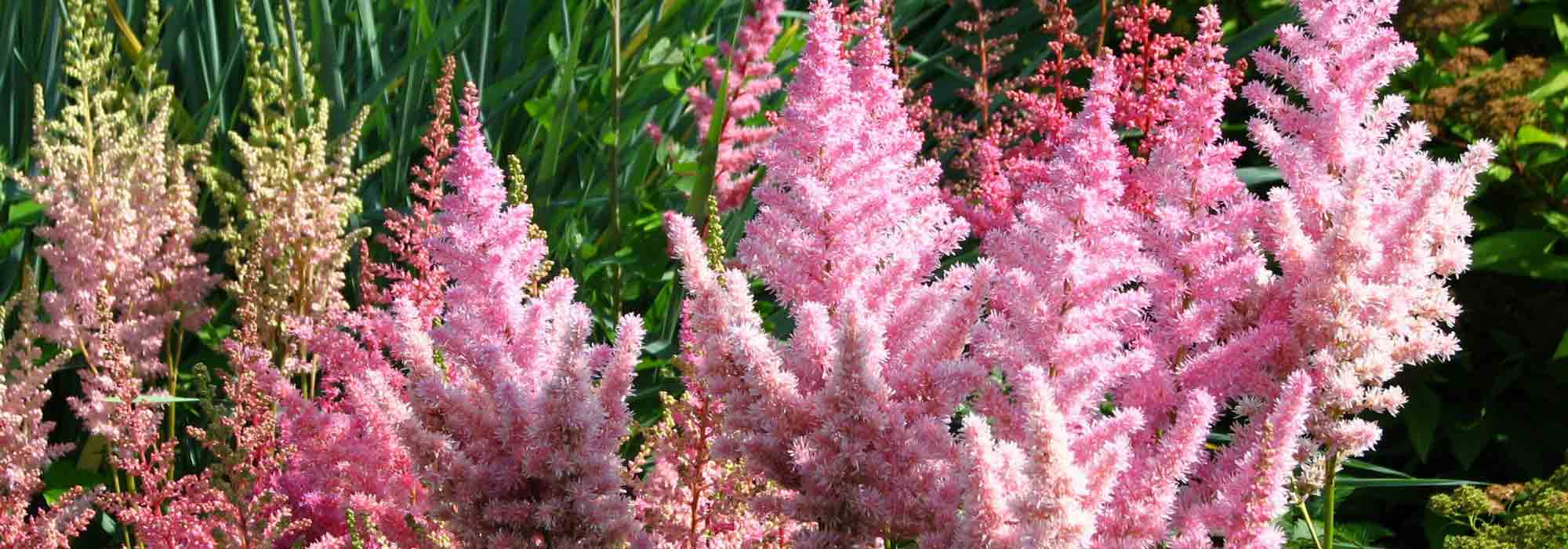
Astilbe Anita Pfeifer - Astilbe d'Arends, Voile de la mariée, Fausse Spirée in pictures
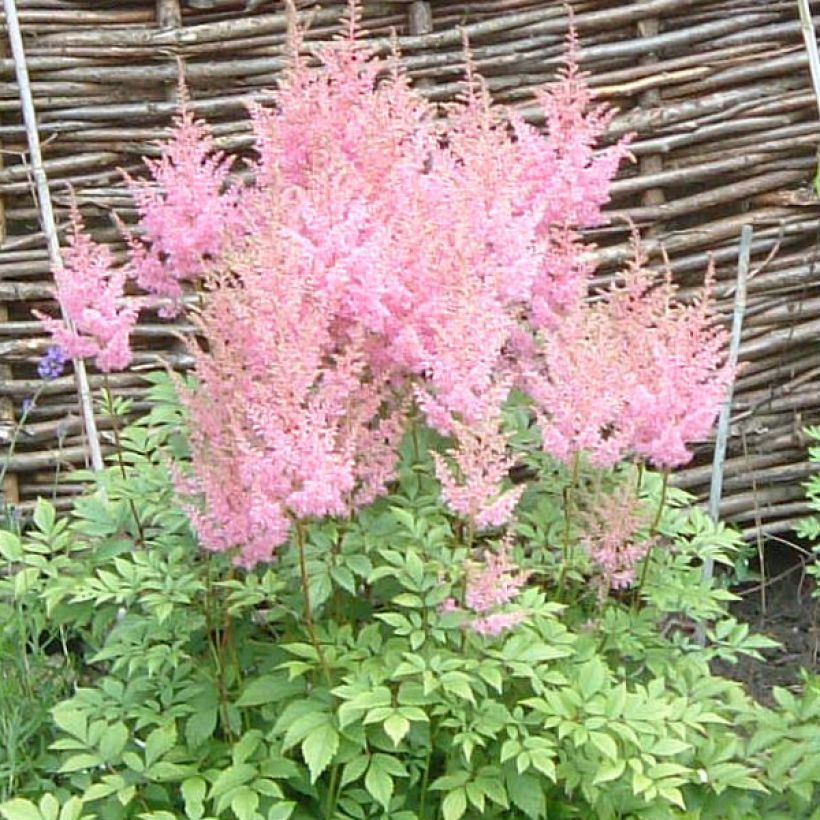
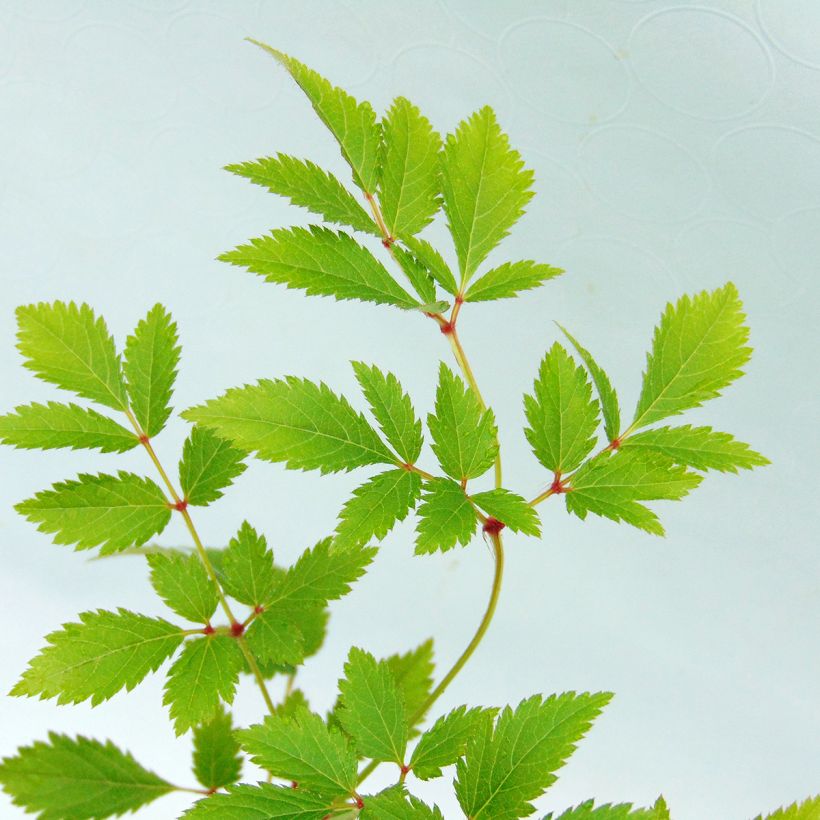
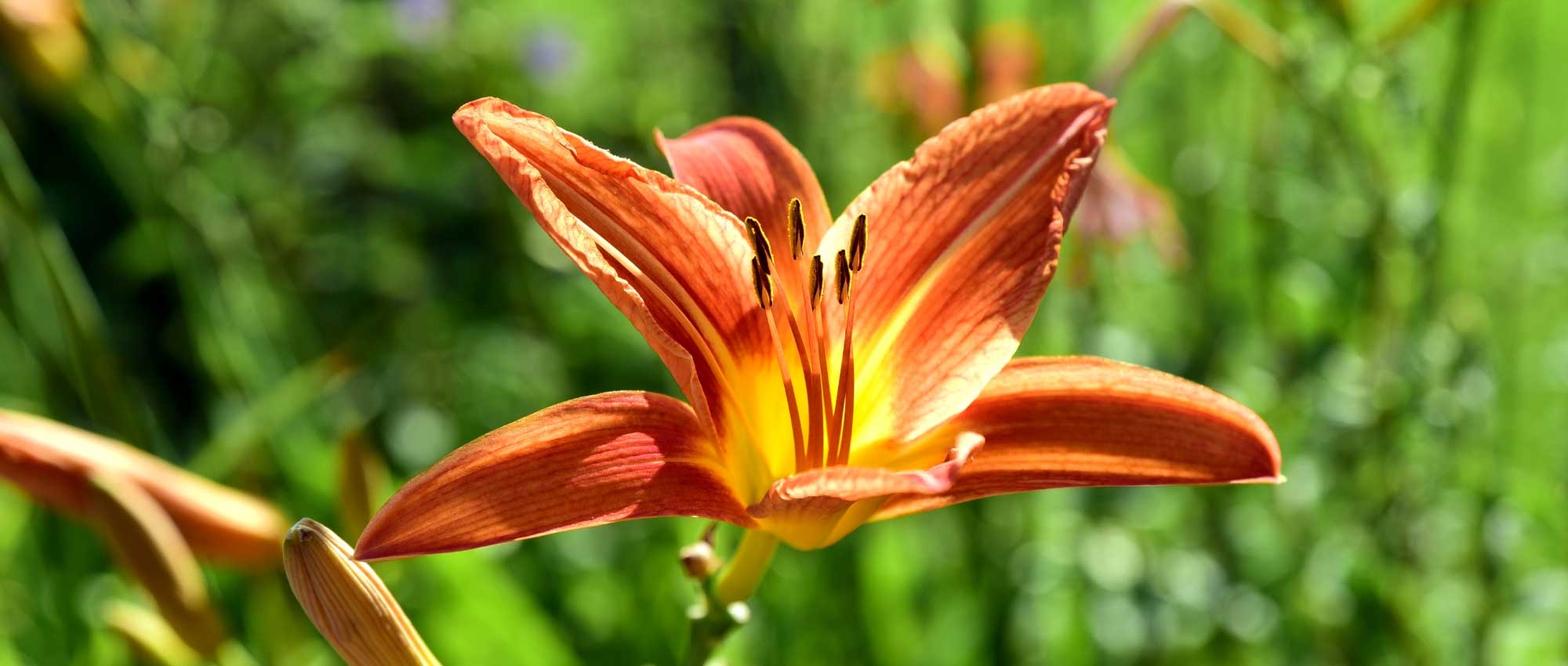
Flowering
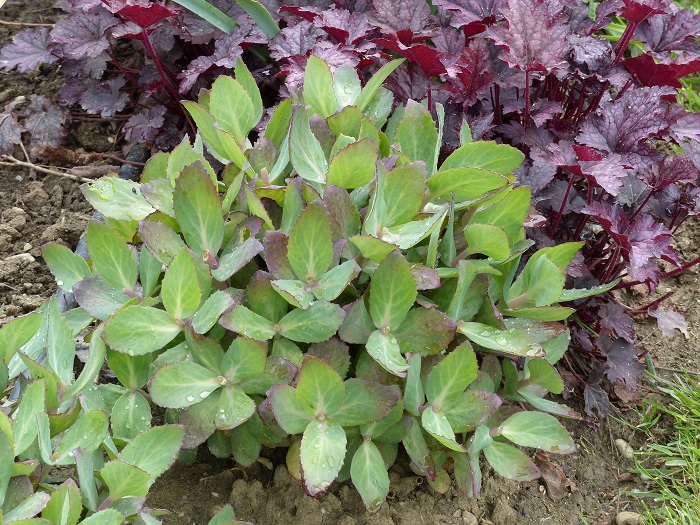
Foliage
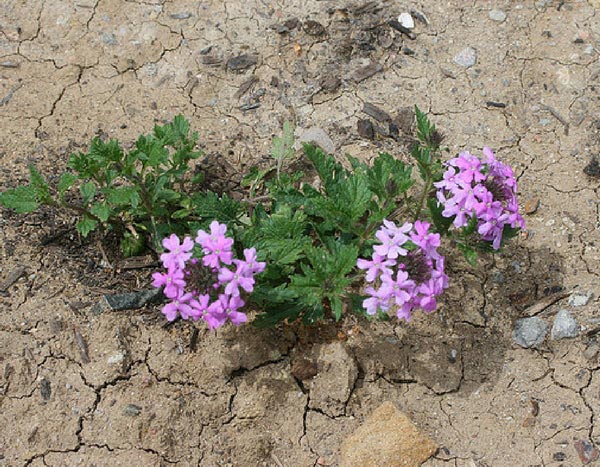
Plant habit
Botanical data
Astilbe
Anita Pfeifer
Saxifragaceae
Astilbe × arendsii ‘Anita Pfeifer’, Astilbe ‘Bonanza’
Cultivar or hybrid
Planting and care
Astilbe 'Anita Pfeifer' should be planted from February to April or from September to November, preferably in March and October. Choose a bright partial shade position, protected from the afternoon sun and drying winds. Work the soil deeply and incorporate mature compost or leaf mould to improve its humus content and its ability to retain water. Space the young plants 45 to 50 cm apart. Water generously after planting, then regularly for the first two years. Even when well rooted, this astilbe cannot tolerate drought: water as soon as the soil surface begins to dry out. A mulch of dead leaves or compost, renewed in spring, limits evaporation and feeds the stump. Divide the old clumps in spring, every four or five years, then immediately replant the divisions without letting the roots dry out. In a pot, provide a wide container of at least 35 cm, placed in partial shade, a rich substrate, and generous, very frequent watering in summer.
Planting period
Intended location
Care
Planting & care advice
-

-
-
-
-
-
-
-

-
, onOrder confirmed
Reply from on Promesse de fleurs
Recently viewed products
Haven't found what you were looking for?
Hardiness is the lowest winter temperature a plant can endure without suffering serious damage or even dying. However, hardiness is affected by location (a sheltered area, such as a patio), protection (winter cover) and soil type (hardiness is improved by well-drained soil).

The flowering period indicated on our website applies to countries and regions located in USDA zone 8 (France, the United Kingdom, Ireland, the Netherlands, etc.)
It will vary according to where you live:- In zones 9 to 10 (Italy, Spain, Greece, etc.), flowering will occur about 2 to 4 weeks earlier.
- In zones 6 to 7 (Germany, Poland, Slovenia, and lower mountainous regions), flowering will be delayed by 2 to 3 weeks.
- In zone 5 (Central Europe, Scandinavia), blooming will be delayed by 3 to 5 weeks.
In temperate climates, pruning of spring-flowering shrubs (forsythia, spireas, etc.) should be done just after flowering.
Pruning of summer-flowering shrubs (Indian Lilac, Perovskia, etc.) can be done in winter or spring.
In cold regions as well as with frost-sensitive plants, avoid pruning too early when severe frosts may still occur.
The planting period indicated on our website applies to countries and regions located in USDA zone 8 (France, United Kingdom, Ireland, Netherlands).
It will vary according to where you live:
- In Mediterranean zones (Marseille, Madrid, Milan, etc.), autumn and winter are the best planting periods.
- In continental zones (Strasbourg, Munich, Vienna, etc.), delay planting by 2 to 3 weeks in spring and bring it forward by 2 to 4 weeks in autumn.
- In mountainous regions (the Alps, Pyrenees, Carpathians, etc.), it is best to plant in late spring (May-June) or late summer (August-September).
The harvesting period indicated on our website applies to countries and regions in USDA zone 8 (France, England, Ireland, the Netherlands).
In colder areas (Scandinavia, Poland, Austria...) fruit and vegetable harvests are likely to be delayed by 3-4 weeks.
In warmer areas (Italy, Spain, Greece, etc.), harvesting will probably take place earlier, depending on weather conditions.
The sowing periods indicated on our website apply to countries and regions within USDA Zone 8 (France, UK, Ireland, Netherlands).
In colder areas (Scandinavia, Poland, Austria...), delay any outdoor sowing by 3-4 weeks, or sow under glass.
In warmer climes (Italy, Spain, Greece, etc.), bring outdoor sowing forward by a few weeks.
Shipping country and language
Your country of residence may be:
Your country of residence is:
For a better user experience on our website, you can select:
Your shipping country:
-
 Austria
-
 Belgium
-
 Bosnia & Herzegovina
-
 Bulgaria
-
 Croatia
-
 Cyprus
-
 Czechia
-
 Denmark
-
 Estonia
-
 Finland
-
 France
-
 Germany
-
 Greece
-
 Hungary
-
 Iceland
-
 Ireland
-
 Italy
Italy
-
 Latvia
-
 Liechtenstein
-
 Lithuania
-
 Luxembourg
-
 Malta
Malta
-
 Netherlands
-
 Poland
-
 Portugal
-
 Romania
-
 Serbia
-
 Slovakia
-
 Slovenia
-
 Spain
Spain
-
 Sweden
-
 Switzerland
Language:
-
French
-
 English
-
Spanish
-
Italian
-
German
-
Portuguese
-
Dutch
-
Finnish
My Account
Hello
My wish lists
My cart
Log in / Register
Existing customer?
This form is protected by reCAPTCHA - the Google Privacy Policy and Terms of Service apply.
New customer?
Create an account to track your orders, access our customer service and, if you wish, make the most of our upcoming offers.