Get 10% off your first order with the code: FIRST-10
Share your pictures? Hide split images
I have read and agree the terms and conditions of service.
New arrival

Rosa floribunda Comtesse Liger-Belair® - Floribunda rose

Rosa 'Delbreddab' Comtesse Liger-Belair®
Floribunda Rose

Be the first to leave a review

Schedule delivery date,

and select date in basket

This plant carries a 6 months recovery warranty

More information

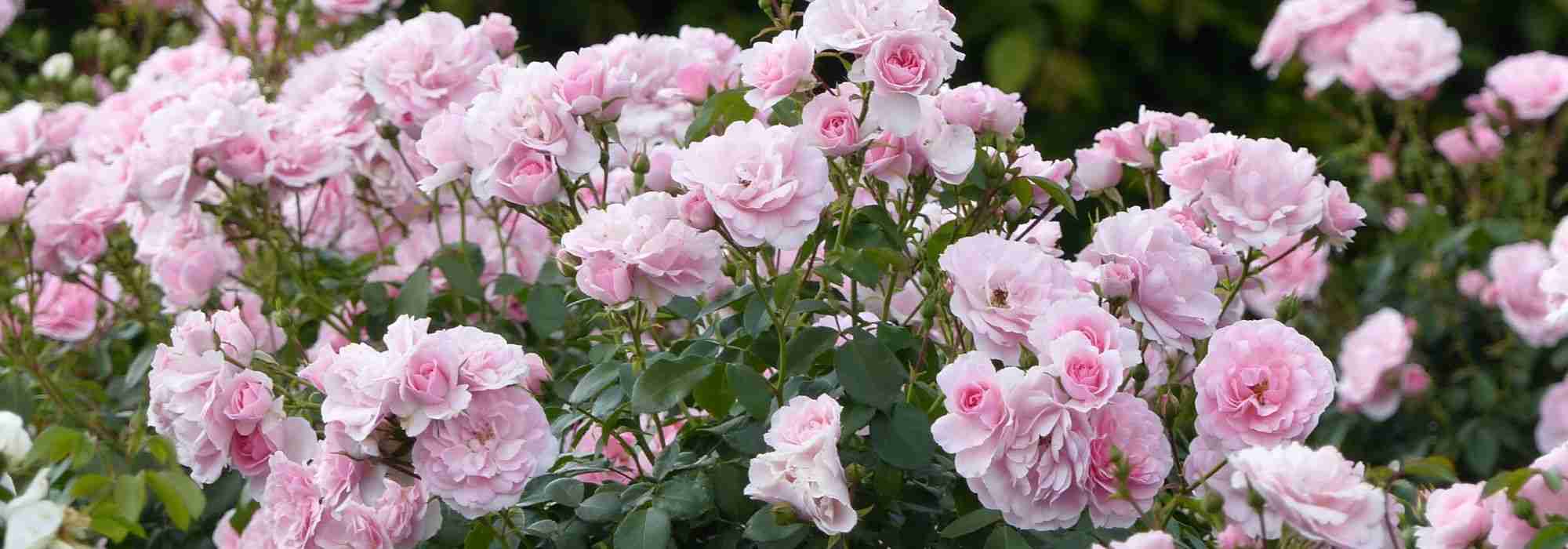
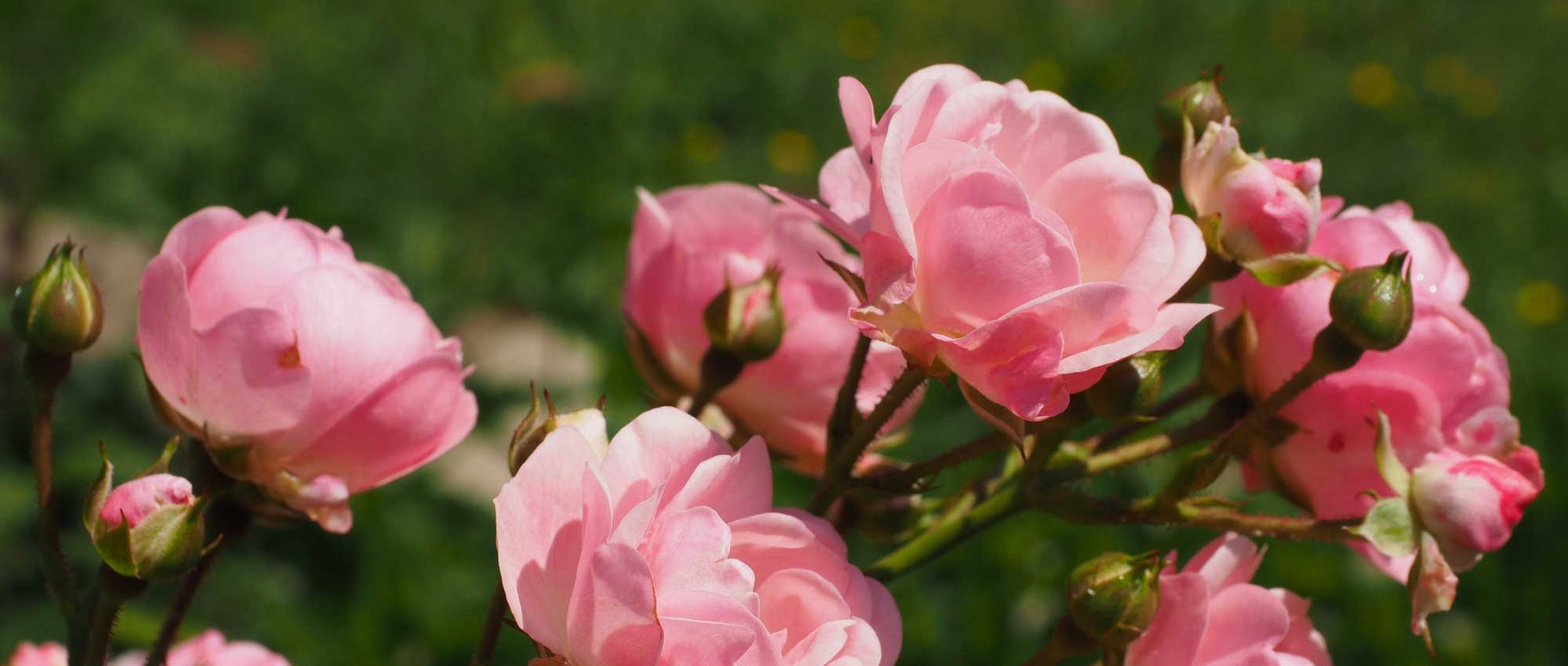
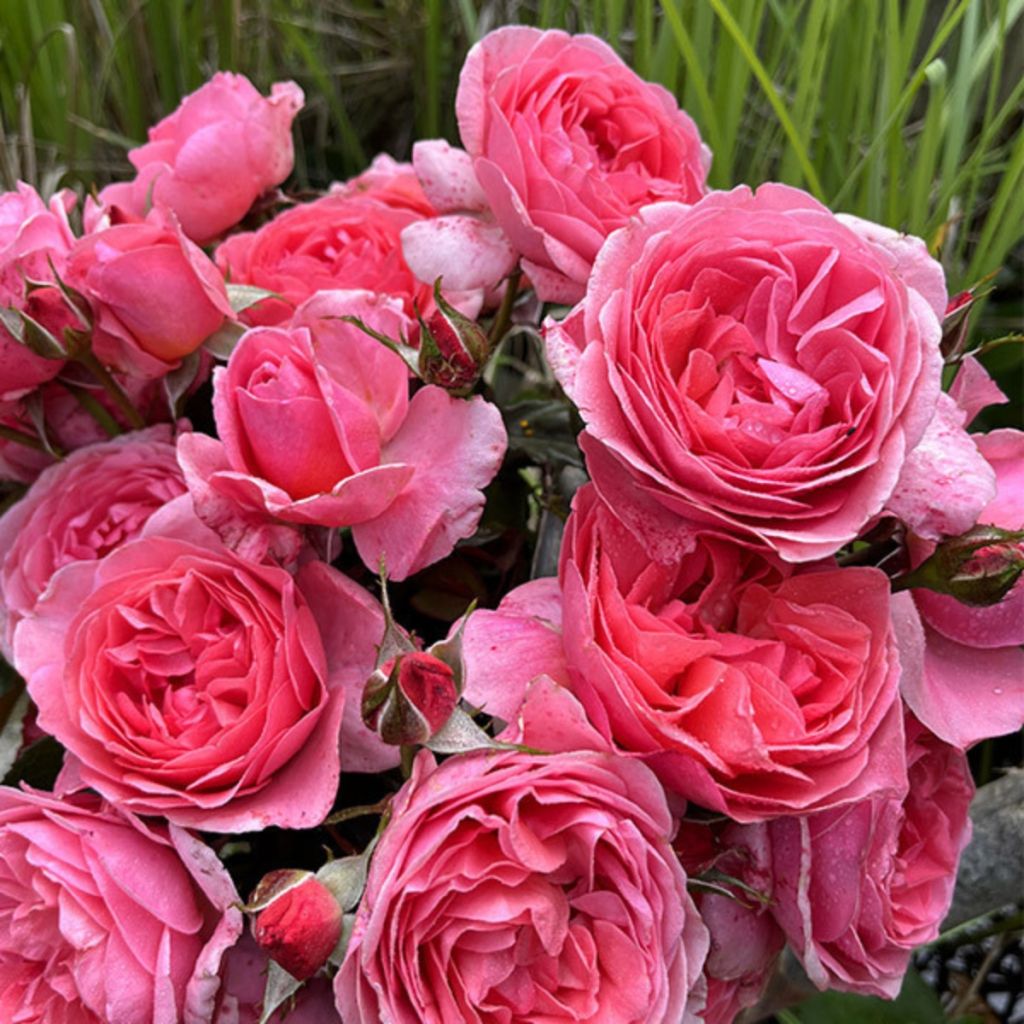
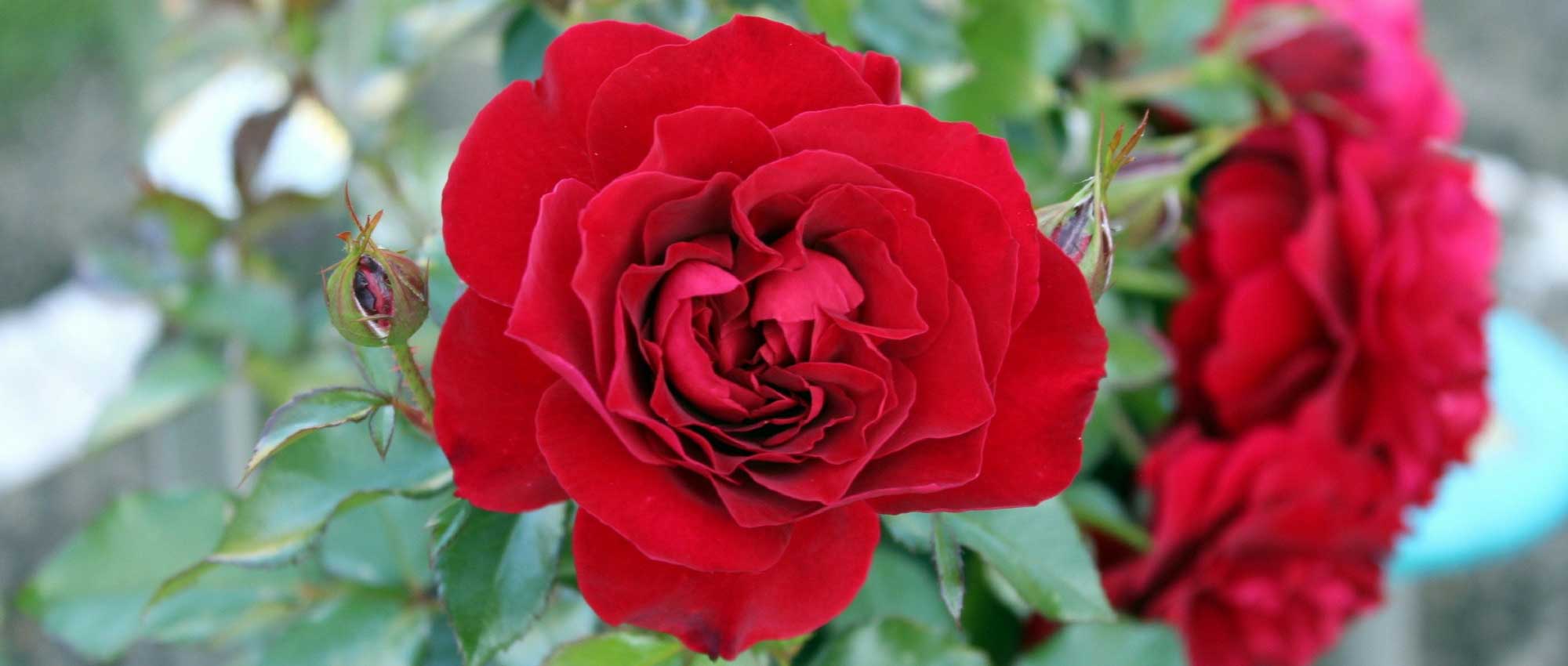
A compact bush rose, producing very double flowers in a deep pink, with a powerful fragrance. It is a repeat-flowering variety that blooms from May-June to September-October, in flushes. It has a branching habit and glossy dark green foliage, which is fairly disease-resistant. A pretty rose, suitable for beds, borders and growing in large pots. Awarded in Barcelona in 2025.
Flower size
8 cm
Height at maturity
70 cm
Spread at maturity
50 cm
Exposure
Sun
Hardiness
Hardy down to -20.5°C
Soil moisture
Moist soil
Best planting time March, October to November
Recommended planting time January to April, September to December
J
F
M
A
M
J
J
A
S
O
N
D
Flowering time May to October
J
F
M
A
M
J
J
A
S
O
N
D

Description

Rosa Comtesse Liger-Belair® is a cluster-flowered bush rose that combines a pronounced fragrance, a lovely deep pink colour and repeat flowering. It is a small, disease-resistant, easy-going bush that will easily find its place in a flowerbed, a large rose border or a container on the patio. This rose reflects the finesse, depth and olfactory complexity of a very fine wine.

This creation from the house of Delbard was named at the Domaine du Comte Liger-Belair in Vosne-Romanée, in the Côte-d'Or department; a Burgundian wine-growing village. Vosne-Romanée, at the heart of the Côte de Nuits, is home to several of the most famous Grands Crus: Romanée-Conti, La Romanée, La Tâche, Richebourg, Romanée-Saint-Vivant and La Grande Rue.
In May 2025, Comtesse Liger-Belair® ‘Delbreddab’ won three awards at the International Rose Competition in BarcelonaBest Flower, Most Fragrant Variety and the Master Perfumers' Prize.

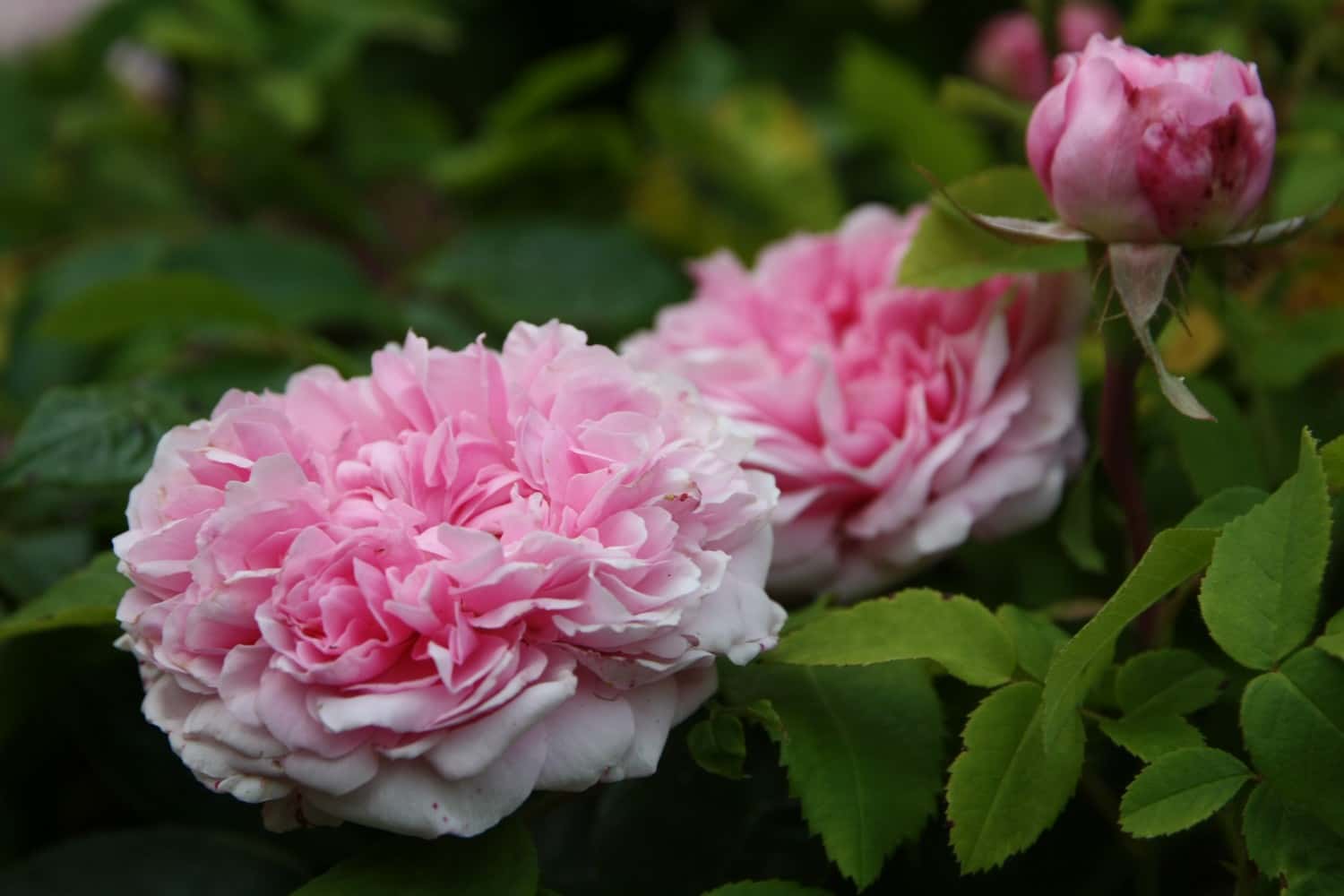
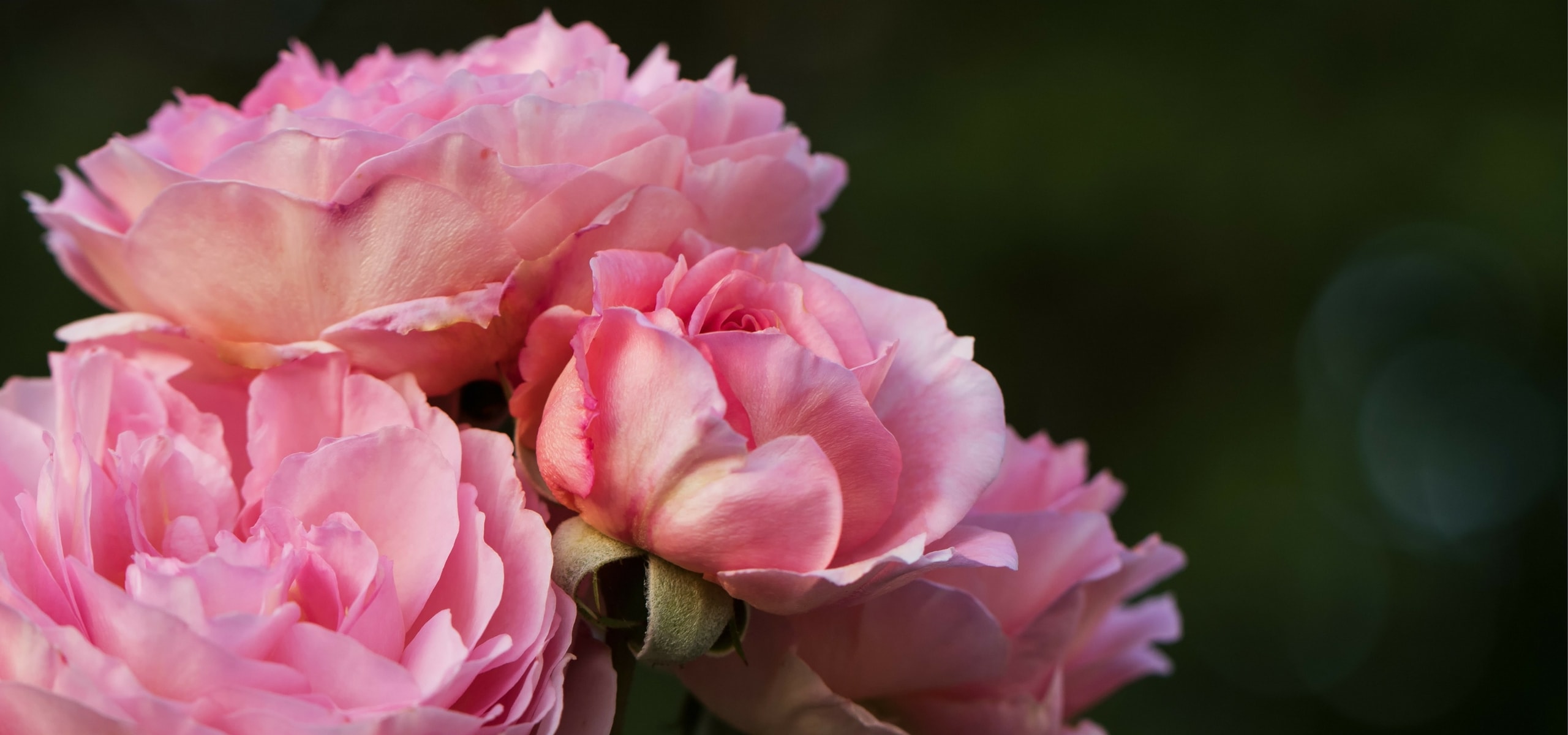
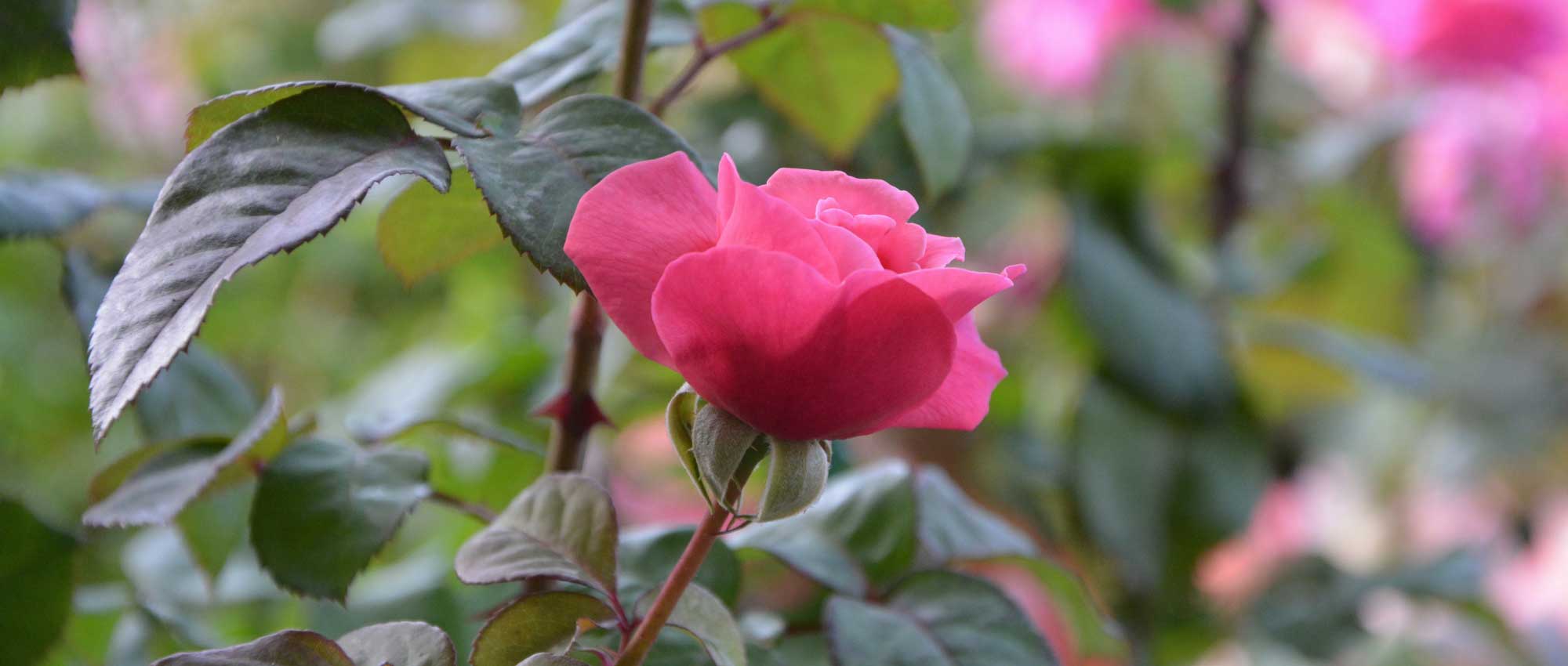
A small shrub with a bushy, rounded habit and moderately thorny stems, it reaches 60–80 cm in height and 50–60 cm in width at maturity. The flowers are gathered in small clusters of 3 to 7. They are very double, quartered, measuring 7 to 9 cm across, initially globular then opening into rosettes; their colour varies from bright pink to raspberry pink depending on sunlight and temperature. Their fragrance is intense and complex; it reveals top notes of citrus (bergamot, orange), floral heart notes (rose, lilac, lily of the valley) and base notes of red fruits and vanilla. Flowering begins in May-June and renews until October, in successive waves if faded flowers are removed and if the young plant has nutrients and water during dry periods. The lustrous dark green foliage has 5 to 7 ovate, finely toothed leaflets. It shows good tolerance to powdery mildew and downy mildew in an airy situation. It is deciduous foliage which falls in autumn and reappears in spring.
In a romantic flowerbed, pair its deep pink flowers with the white roses of the Iceberg rose, the sugared-almond pink pompons of Pomponella and the mauve corollas of ‘Novalis’. You can also plant near it a small pink herbaceous clematis (C. integrifolia Rosea) or a deep purplish-blue one ('China Purple'). Catmints and long-flowering hardy geraniums are also excellent companions for this Comtesse Liger-Belair® rose.

Report an error about the product description

Plant habit

Height at maturity 70 cm
Spread at maturity 50 cm
Habit irregular, bushy
Growth rate fast

Flowering

Flower colour pink
Flowering time May to October
Inflorescence Double
Flower size 8 cm
Fragrance Fragrant, rose fragrance with floral and fruity notes
Good for cut flowers Cut flower blooms
Repeat-flowering Blooms several times a year

Foliage

Foliage persistence Deciduous
Foliage colour dark green

Botanical data

Genus

Rosa

Cultivar

'Delbreddab' Comtesse Liger-Belair®

Family

Rosaceae

Other common names

Floribunda Rose

Botanical synonyms

Rosa 'Delbreddab', Rosa Comtesse Liger-Belair®

Origin

Cultivar or hybrid

Product reference25292

Planting and care

Plant your Comtesse Liger-Belair rose in a sunny position (or in light afternoon shade). Modern roses are tolerant, but do not appreciate shallow, poor and/or very dry soils in summer. They will adapt to any garden provided the ground is well-worked, deep, not too compact, very rich, and always slightly moist. To plant your rose, work your soil by breaking it up finely and placing a base fertiliser such as dried blood or dehydrated horn at the bottom of the planting hole. Water thoroughly after planting to eliminate air pockets. Water regularly for a few weeks to facilitate root establishment.

Roses often become spotted or unsightly by late summer, but this is not a problem for their development. These spots are not harmful to the rose; it is a natural phenomenon. 

1
17,50 €

Planting period

Best planting time March, October to November
Recommended planting time January to April, September to December

Intended location

Suitable for Meadow
Type of use Border, Cut flowers, Small gardens, Container
Preferred climate All
Hardiness Hardy down to -20.5°C (USDA zone 6b) Show map
Ease of cultivation Amateur
Planting density 1 per m2
Planting spacing Every 50 cm
Exposure Sun
Soil pH Any
Soil type Clayey (heavy), Clayey-chalky (heavy and alkaline), Silty-loamy (rich and light)
Soil moisture Moist soil, well worked, and light

Care

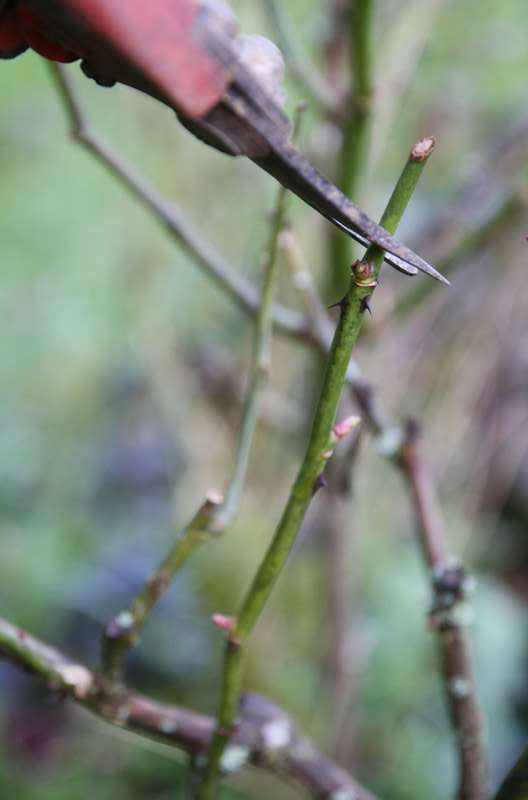
Pruning instructions You must prune modern repeat-flowering roses for good flowering. It is carried out in three stages: 1. Maintenance pruning: Regularly shorten the shoots that have flowered during the season. To encourage repeat flowering in roses, remove faded flowers along with their stem and 2 or 3 leaves. 2. Autumn pruning: Prune lightly ahead of spring pruning. This is not recommended in areas with cold winters, as it may weaken the shrub. 3. Spring pruning: in February-March, when the buds have become 2 to 3 cm long shoots, prune young, strong branches to a quarter of their length. Pruning always aims to open up the centre of the bush and remove dead wood, diseased branches, and weak shoots. The most vigorous ones are kept, usually 3 to 6 well-positioned branches to maintain a beautiful shape. Always prune at a slant, ½ cm or 1 cm above an outward-facing bud.



Pruning Pruning recommended once a year
Pruning time February to March, October to November
Soil moisture Moist soil
Disease resistance Good
Overwinter Can be left in the ground

This item has not been reviewed yet - be the first to leave a review about it.

Leave a review →

Similar products

19
From 8,90 € 10cm/11cm pot

Available in 4 sizes

33
From 13,90 € Wrapped bare root

Available in 3 sizes

28
From 8,90 € 10cm/11cm pot

Available in 4 sizes

18
From 18,50 € Wrapped bare root

Available in 2 sizes

41
From 14,90 € Wrapped bare root

Available in 2 sizes

7
From 54,50 € 7.5L/10L pot

Available in 2 sizes

Dispatched on 10 May
From 27,50 € 4L/5L pot

Available in 2 sizes

16
From 18,50 € Wrapped bare root

Available in 2 sizes

Haven't found what you were looking for?