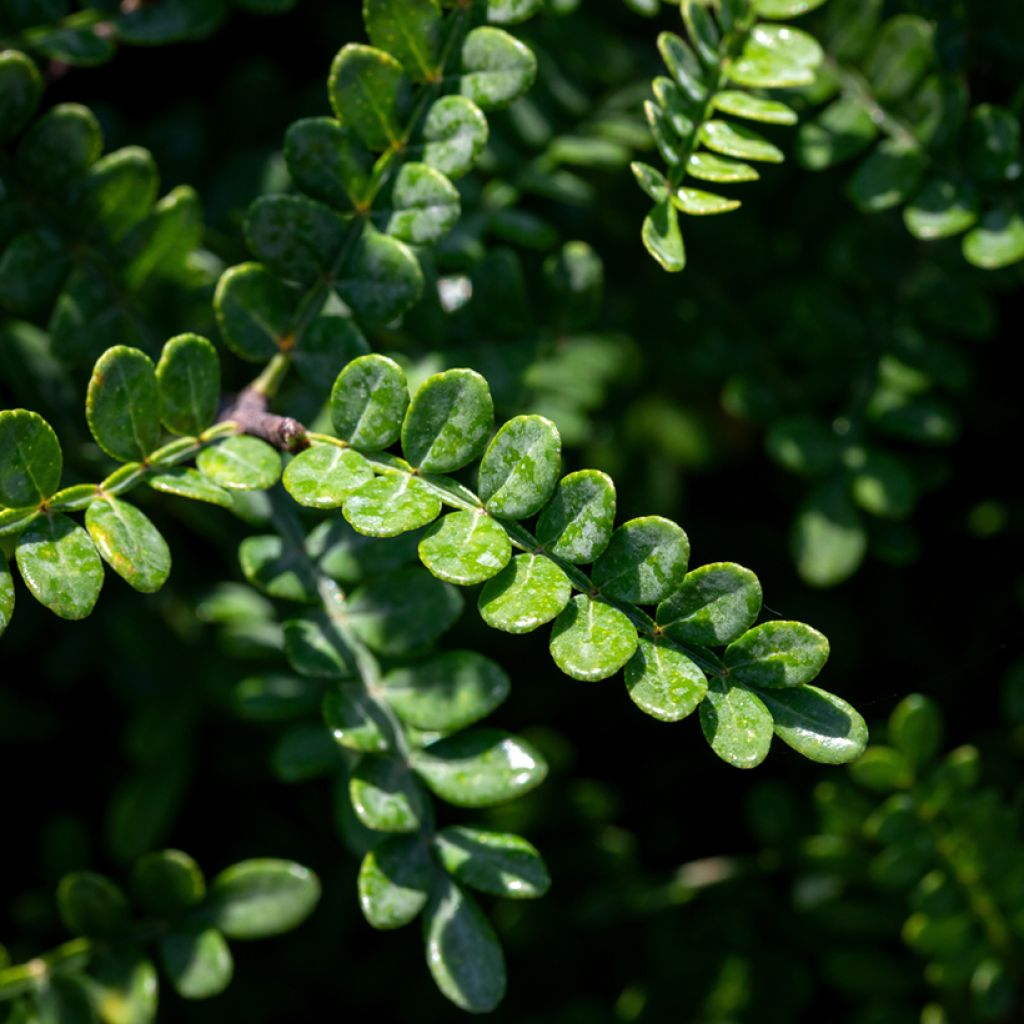
Operculicarya decaryi
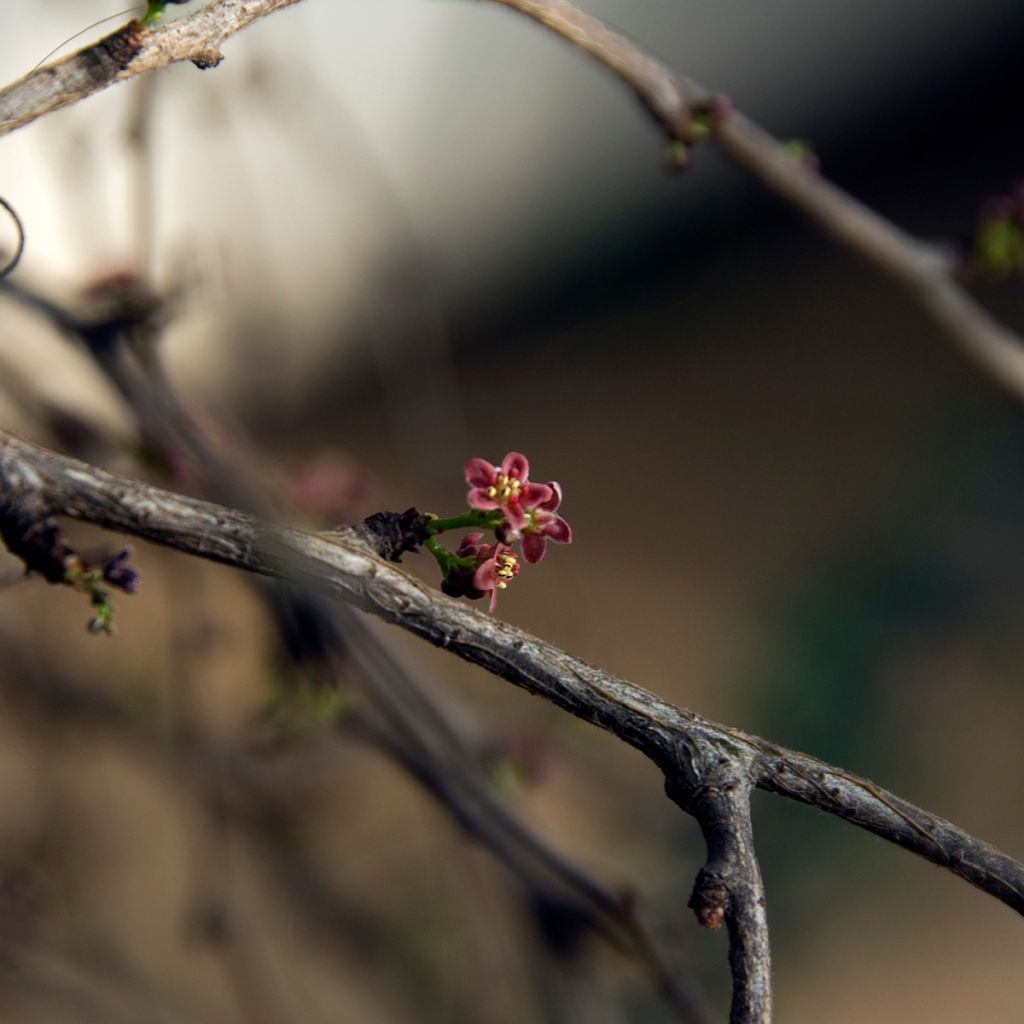
Operculicarya decaryi
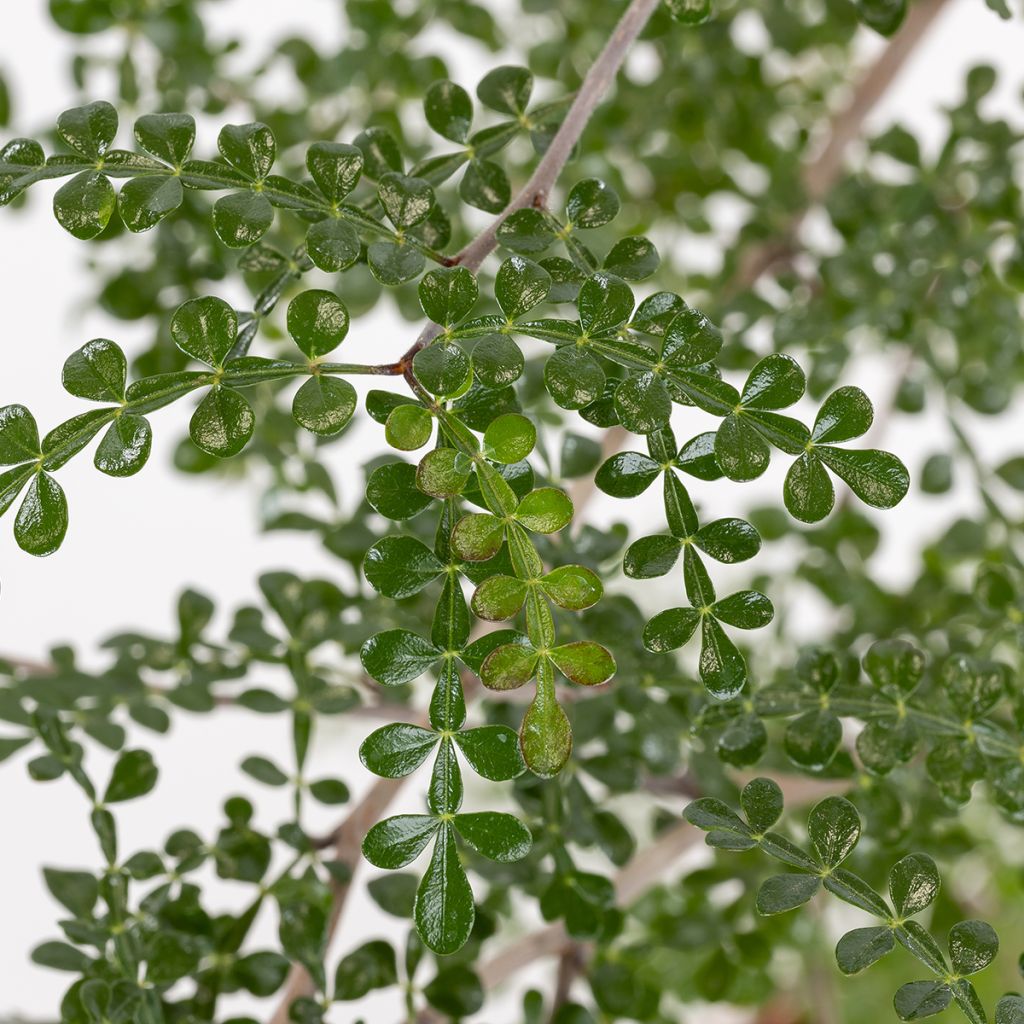
Operculicarya decaryi
Operculicarya decaryi
Operculicarya decaryi
Elephant Tree, Jabily
Thank you to the customer service team, as I benefited from the replacement guarantee for my first Japanese pepper tree, which succumbed to a scale insect attack. The Japanese pepper tree I have just received looks healthy. I hope it will get through its first winter here and continue to stay healthy in the spring.
Tamara, 06/10/2025
Back-to-school special offer!
Get €10 off for every €50 you spend! And get up to €40 off on a single order.
How does it work?
1. Shop your favourites
Add your favourite plants to your basket. For every €50 you spend (excluding delivery charges, store credit and the plastic-free option), you’ll receive a €10 voucher.
€50 spent = €10 voucher
€100 spent = €20 voucher
€150 spent = €30 voucher
€200 spent = €40 voucher
2. Place your order
Once your basket reaches one of the spending thresholds, place your order. You can even choose your delivery date!
3. Receive your voucher
As soon as your order has been shipped, you’ll receive an email containing your personal voucher code and its value.
4. Use it on your next order
Your voucher is valid for 90 days from the date you receive it. It can be used once only, on a new order worth at least the value of the voucher, excluding delivery charges.
Please note: Vouchers can be combined with other offers, but cannot be split or refunded.
Why not try an alternative variety in stock?
View all →
Available in 1 sizes
Available in 1 sizes

Available in 1 sizes
Available in 1 sizes
Available in 1 sizes
Available in 1 sizes

Available in 1 sizes
Available in 1 sizes
Available in 1 sizes
Available in 1 sizes
This plant carries a 24 months recovery warranty
More information
We guarantee the quality of our plants for a full growing cycle, and will replace at our expense any plant that fails to recover under normal climatic and planting conditions.
Would this plant suit my garden?
Set up your Plantfit profile →
Description
The Operculicarya decaryi, also known as the False Japanese Pepper Tree, is a tree native to Madagascar, distinguished by its very distinctive silhouette. It forms a massive and swollen trunk, topped with irregular branching and small-sized foliage, all adaptations to the aridity of its native environment. Growing quite slowly, it forms small trees of a few meters in height, with some mature specimens occasionally exceeding 10m (33ft). In most regions it will be easy to cultivate in a pot or container, as it is not hardy enough to withstand winter conditions. Being well-suited to pruning, it can be trained into a highly decorative bonsai, and can be placed in the sun during the summer.
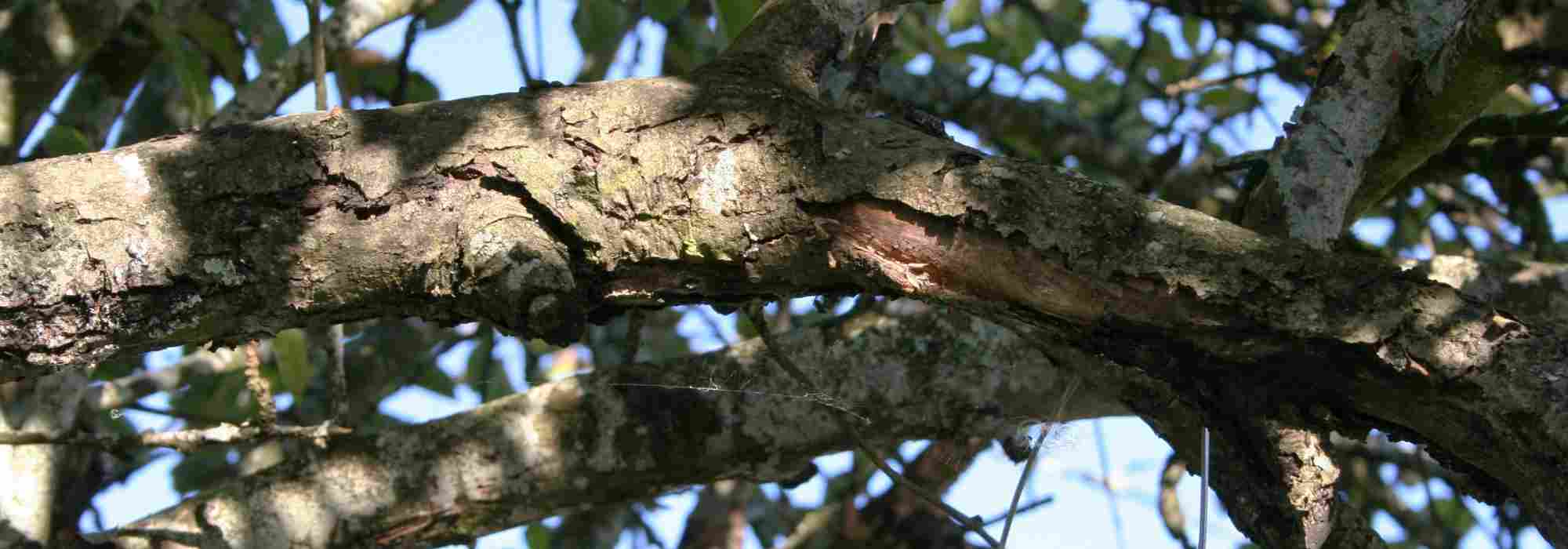
Despite its resemblance to a baobab, the Operculicarya decaryi belongs to a different family, the Anacardiaceae, like the Cotinus in our gardens, or the mango tree in the tropics. It grows in the south and southwest of Madagascar, in a natural area of about 350 km², in dry forests where water is present in the subsoil. 37 populations of this species have been identified, at altitudes ranging from sea level to approximately 1000m (3281ft). This plant generally reaches a height of 8 to 9m (26 to 29ft), with a crown about 6m (20ft) wide. The swollen trunk, cylindrical or slightly conical in shape, can reach up to 1m (3ft) in diameter. This caudex allows it to store water, which in this species constitutes 80% of the trunk's mass, enabling it to withstand periods of drought. The gray, rough bark is completely swollen, giving it a very strange appearance.
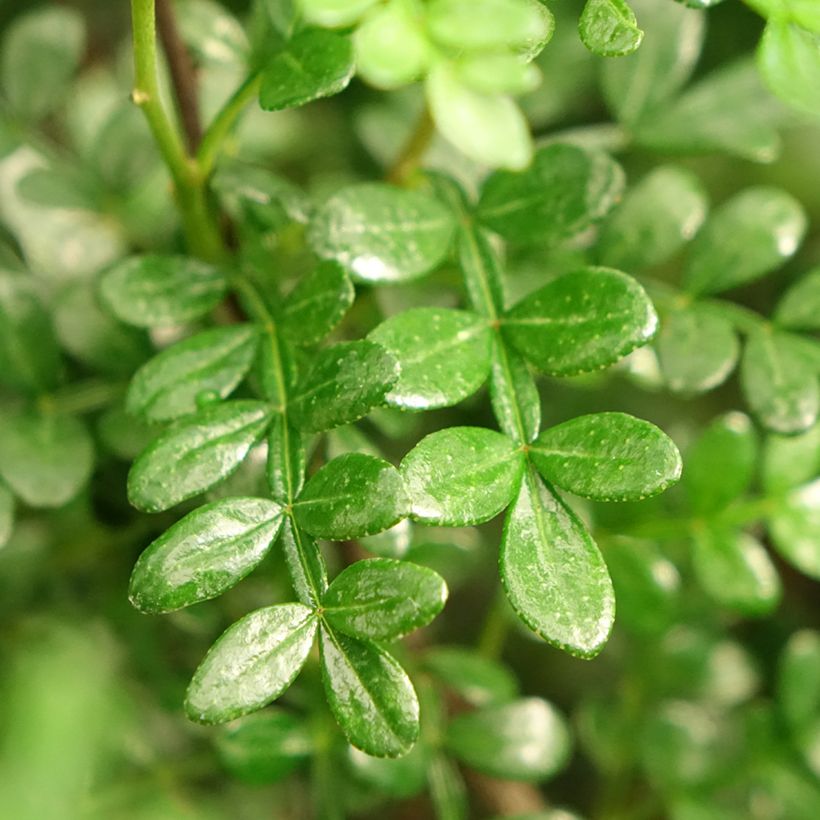
It produces short branches that grow in a zigzag pattern, with a crown that is sometimes conical, sometimes more spread out, in a rather irregular and asymmetrical manner. The leaves are compound, odd-pinnate, usually consisting of 5 or 7 pairs of lateral leaflets and one terminal leaflet. Measuring only 3 to 6cm (1 to 2in) in length, these dark green leaves are shiny and lighter green on the underside. Their small surface area and the protective cuticle that gives them their shiny appearance are adaptations to drought. The plant's transpiration is therefore minimized.
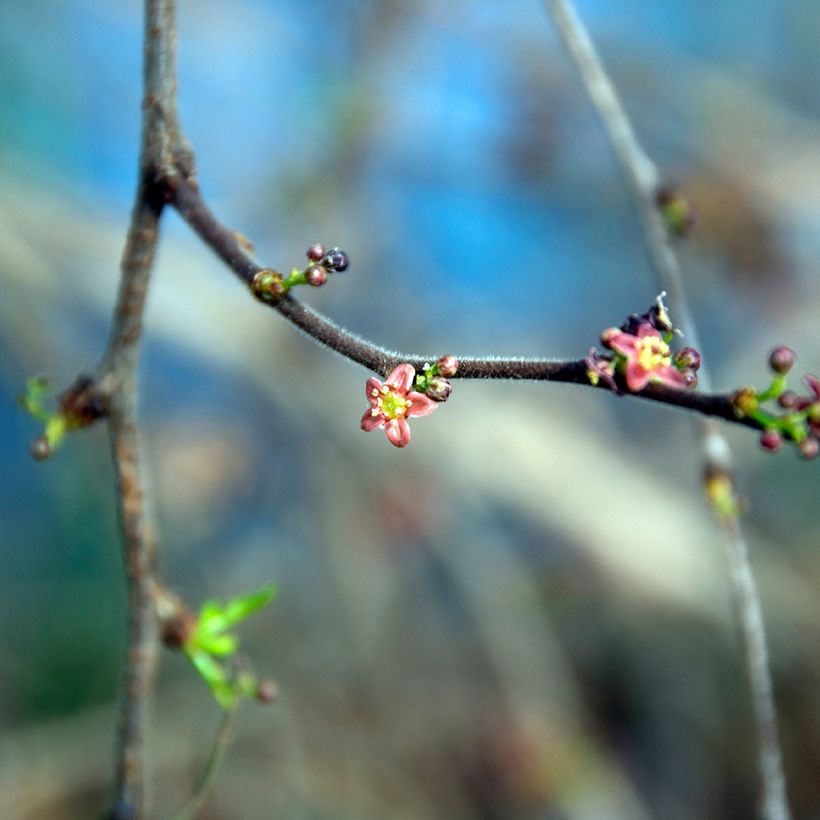
This tree is dioecious, meaning that there are male and female plants. In both cases, the plants produce very small flowers, about 2mm (1in) in size, with a reddish-brown color, very inconspicuous and without ornamental interest. Generally solitary, they appear in February. The female flowers then develop into small fleshy drupes, about 5 to 6mm (1in) in size. Being almost intolerant to frost, and suffering as soon as temperatures approach 5°C, it must be grown in a pot even in the mildest areas. The characteristics of this plant, particularly its imposing trunk and miniature foliage, make it an excellent subject for bonsai. Although its growth is slow, fortunately it quickly forms a decorative swollen trunk. The branches, on the other hand, lignify slowly, but the dimensions of the leaves are perfect for creating an aesthetic plant from the early years.
With its characteristic elephant tree silhouette, the Operculicarya decaryi will enhance your interior during winter and decorate your terrace during the summer, giving it an exotic touch. Its desert plant appearance will perfectly complement a candle cactus, such as the Vatricania guentheri, which you can also grow in a pot to create a beautiful scene alongside it. Aloes will also be good companions, with their graphic shapes and stunning flowering. A beautiful purple Aeonium, such as the small Aeonium arboreum Du Rozzen, with its overlapping geometric rosettes, will pleasantly complete this tableau.
Report an error about the product description
Operculicarya decaryi in pictures
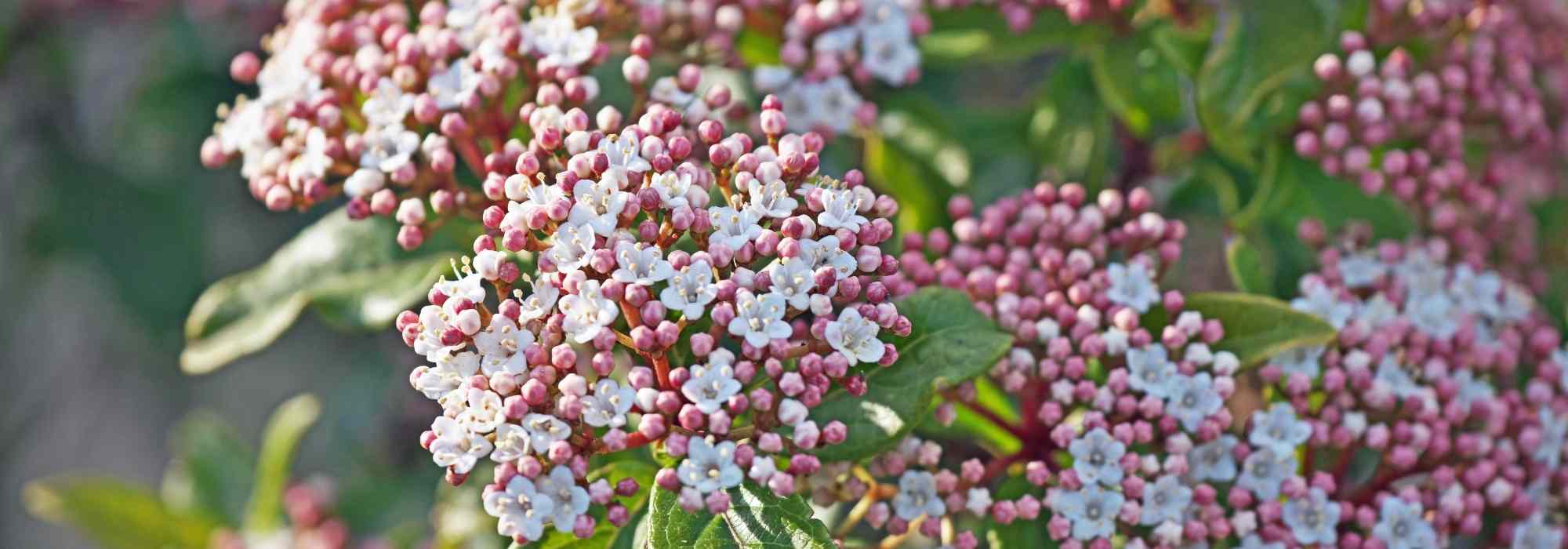
Plant habit
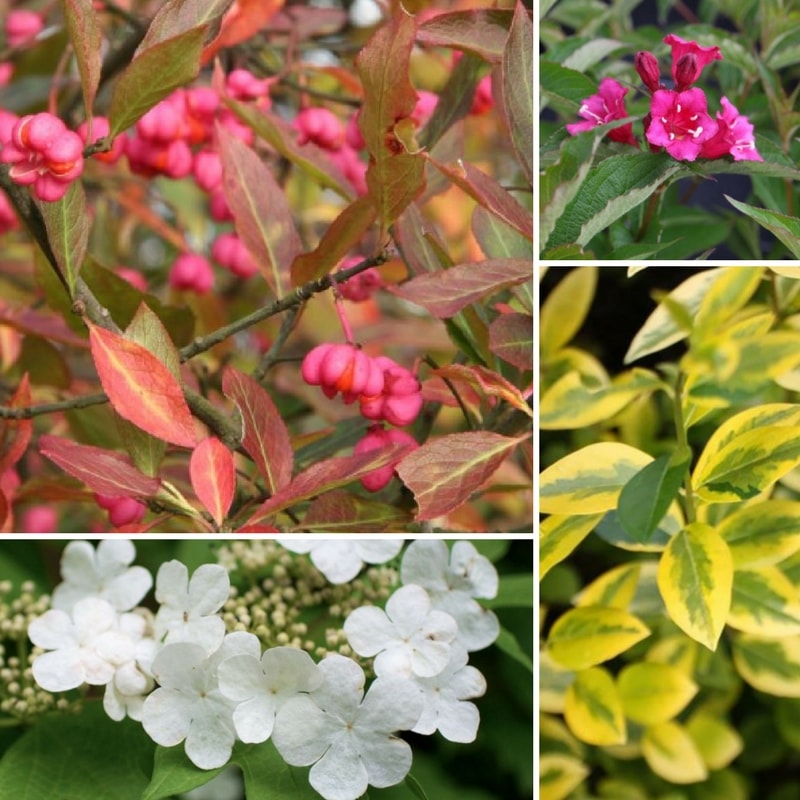
Flowering
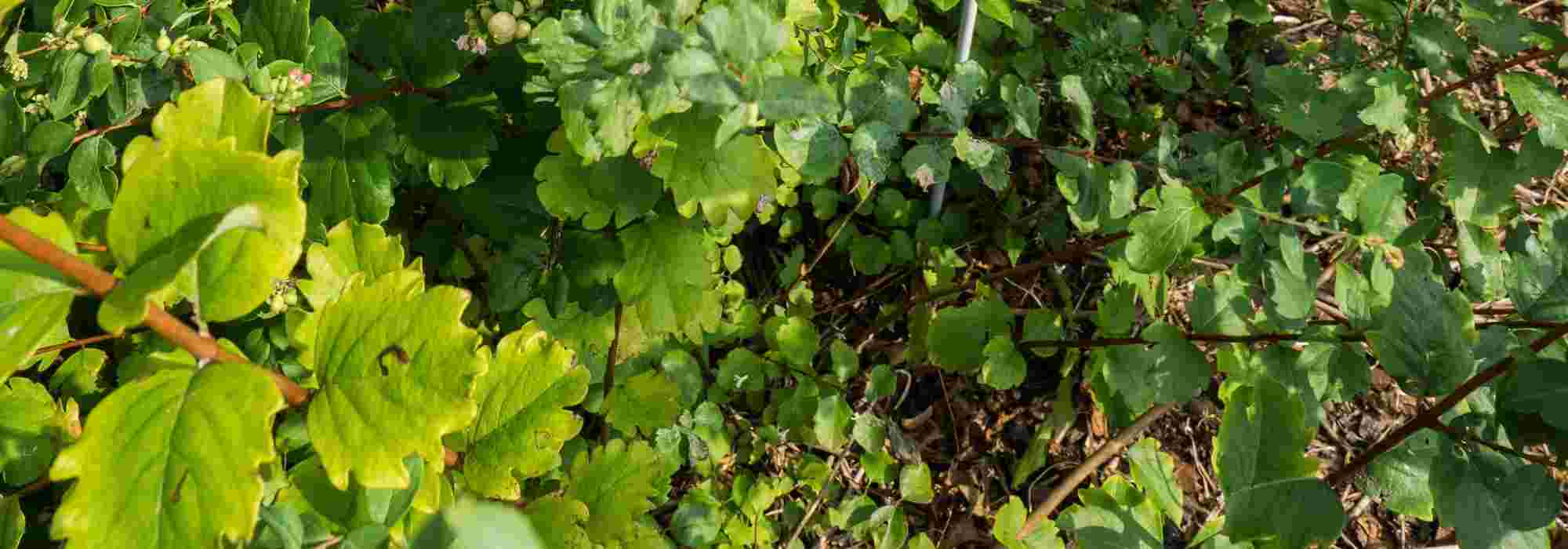
Foliage
Botanical data
Operculicarya
decaryi
Anacardiaceae
Elephant Tree, Jabily
Madagascar
Planting and care
Plant your Japanese Pepper Tree all year round. It can only be grown in a pot or container in our climates. The plant can spend the summer outdoors, but should be brought inside a very bright room as soon as the night time temperatures approach 5°C (41°F) (usually in October, or in November). Indeed, it is a tree of a very hot climate, governed by two very distinct seasons; the rainy season, from May to September-October, and the dry season from November to April. It cannot tolerate any frost and requires a long period of rest, in dry conditions.
This plant needs a very well-draining, sandy or rocky soil. You can use a cactus soil mix, and a large pot measuring 30 to 40 cm (12 to 16in) in all directions, with holes at the bottom. Do not put a saucer under the pot and place it in a very sunny position from April to wintering. Water it once a week with a little organic fertilizer and occasionally supplement with iron. No watering should be done from November to April, a period during which it lives off its reserves. Without a dry period, the roots rot, leading to the death of the plant. This small tree is not afraid of the dry air in our heated houses and apartments. It tolerates pruning well, which helps to limit its growth; a short pruning of the branches allows the trunk to grow faster. By pinching the tips of the young shoots, it will branch out more quickly.
Indoors, pay attention to attacks by spider mites. Simply spray the foliage to make them disappear.
Planting period
Intended location
Care
Planting & care advice
-
-
-
-

-
-
-

-

-
, onOrder confirmed
Reply from on Promesse de fleurs
Recently viewed products
Haven't found what you were looking for?
Hardiness is the lowest winter temperature a plant can endure without suffering serious damage or even dying. However, hardiness is affected by location (a sheltered area, such as a patio), protection (winter cover) and soil type (hardiness is improved by well-drained soil).

The flowering period indicated on our website applies to countries and regions located in USDA zone 8 (France, the United Kingdom, Ireland, the Netherlands, etc.)
It will vary according to where you live:- In zones 9 to 10 (Italy, Spain, Greece, etc.), flowering will occur about 2 to 4 weeks earlier.
- In zones 6 to 7 (Germany, Poland, Slovenia, and lower mountainous regions), flowering will be delayed by 2 to 3 weeks.
- In zone 5 (Central Europe, Scandinavia), blooming will be delayed by 3 to 5 weeks.
In temperate climates, pruning of spring-flowering shrubs (forsythia, spireas, etc.) should be done just after flowering.
Pruning of summer-flowering shrubs (Indian Lilac, Perovskia, etc.) can be done in winter or spring.
In cold regions as well as with frost-sensitive plants, avoid pruning too early when severe frosts may still occur.
The planting period indicated on our website applies to countries and regions located in USDA zone 8 (France, United Kingdom, Ireland, Netherlands).
It will vary according to where you live:
- In Mediterranean zones (Marseille, Madrid, Milan, etc.), autumn and winter are the best planting periods.
- In continental zones (Strasbourg, Munich, Vienna, etc.), delay planting by 2 to 3 weeks in spring and bring it forward by 2 to 4 weeks in autumn.
- In mountainous regions (the Alps, Pyrenees, Carpathians, etc.), it is best to plant in late spring (May-June) or late summer (August-September).
The harvesting period indicated on our website applies to countries and regions in USDA zone 8 (France, England, Ireland, the Netherlands).
In colder areas (Scandinavia, Poland, Austria...) fruit and vegetable harvests are likely to be delayed by 3-4 weeks.
In warmer areas (Italy, Spain, Greece, etc.), harvesting will probably take place earlier, depending on weather conditions.
The sowing periods indicated on our website apply to countries and regions within USDA Zone 8 (France, UK, Ireland, Netherlands).
In colder areas (Scandinavia, Poland, Austria...), delay any outdoor sowing by 3-4 weeks, or sow under glass.
In warmer climes (Italy, Spain, Greece, etc.), bring outdoor sowing forward by a few weeks.
Shipping country and language
Your country of residence may be:
Your country of residence is:
For a better user experience on our website, you can select:
Your shipping country:
-
 Austria
-
 Belgium
-
 Bosnia & Herzegovina
-
 Bulgaria
-
 Croatia
-
 Cyprus
-
 Czechia
-
 Denmark
-
 Estonia
-
 Finland
-
 France
-
 Germany
-
 Greece
-
 Hungary
-
 Iceland
-
 Ireland
-
 Italy
Italy
-
 Latvia
-
 Liechtenstein
-
 Lithuania
-
 Luxembourg
-
 Malta
Malta
-
 Netherlands
-
 Poland
-
 Portugal
-
 Romania
-
 Serbia
-
 Slovakia
-
 Slovenia
-
 Spain
Spain
-
 Sweden
-
 Switzerland
Language:
-
French
-
 English
-
Spanish
-
Italian
-
German
-
Portuguese
-
Dutch
-
Finnish
My Account
Hello
My wish lists
My cart
Log in / Register
Existing customer?
This form is protected by reCAPTCHA - the Google Privacy Policy and Terms of Service apply.
New customer?
Create an account to track your orders, access our customer service and, if you wish, make the most of our upcoming offers.