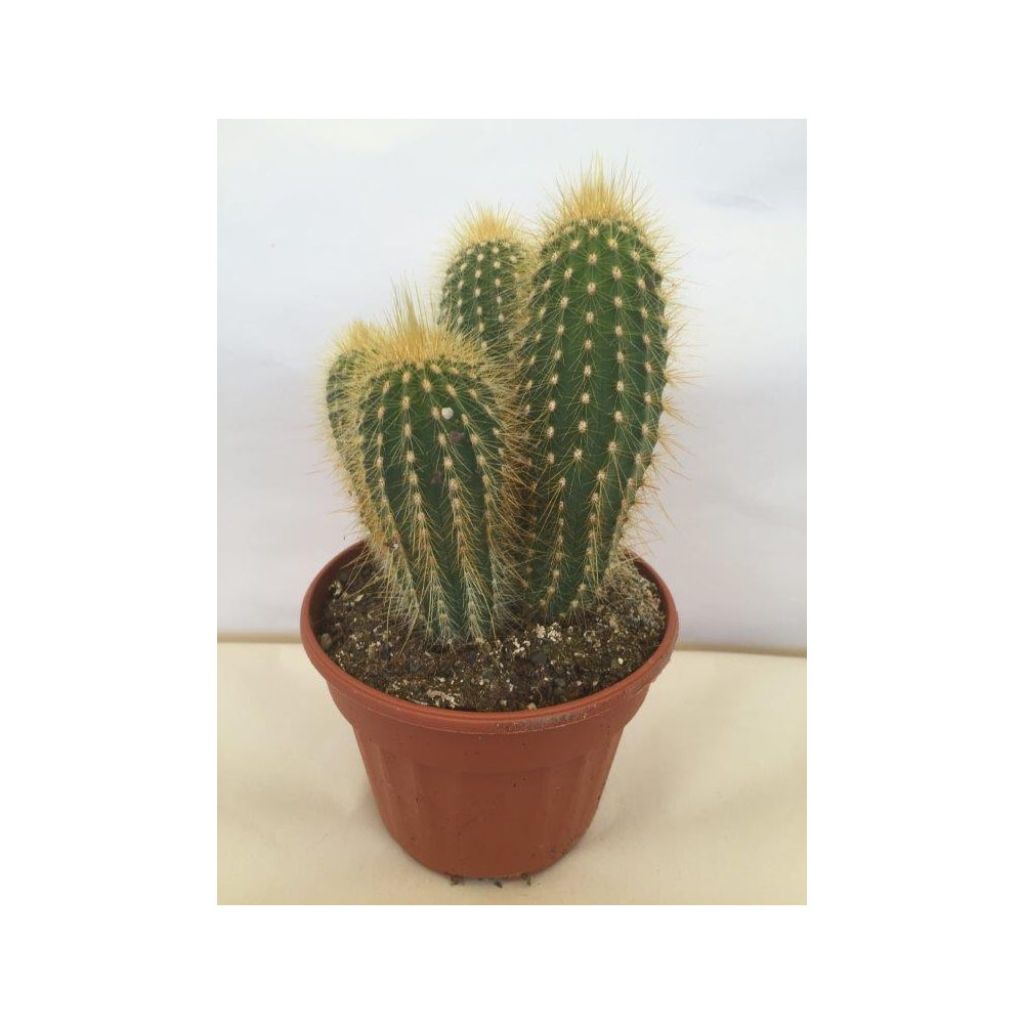
Vatricania guentheri
Vatricania guentheri
Vatricania guentheri
Ecuadorian Organ Pipe
Easy to maintain cactus, pay attention to mealybugs, dry atmospheric conditions, put in winter, young 1 to 2 months old, enhances flowering.
Philippe, 04/12/2020
Back-to-school special offer!
Get €10 off for every €50 you spend! And get up to €40 off on a single order.
How does it work?
1. Shop your favourites
Add your favourite plants to your basket. For every €50 you spend (excluding delivery charges, store credit and the plastic-free option), you’ll receive a €10 voucher.
€50 spent = €10 voucher
€100 spent = €20 voucher
€150 spent = €30 voucher
€200 spent = €40 voucher
2. Place your order
Once your basket reaches one of the spending thresholds, place your order. You can even choose your delivery date!
3. Receive your voucher
As soon as your order has been shipped, you’ll receive an email containing your personal voucher code and its value.
4. Use it on your next order
Your voucher is valid for 90 days from the date you receive it. It can be used once only, on a new order worth at least the value of the voucher, excluding delivery charges.
Please note: Vouchers can be combined with other offers, but cannot be split or refunded.
Why not try an alternative variety in stock?
View all →
Available in 0 sizes
Available in 1 sizes
Available in 2 sizes
Available in 1 sizes

Available in 2 sizes
Available in 1 sizes

Available in 1 sizes

Available in 0 sizes
Available in 1 sizes
Available in 1 sizes
This plant carries a 12 months recovery warranty
More information
We guarantee the quality of our plants for a full growing cycle, and will replace at our expense any plant that fails to recover under normal climatic and planting conditions.
Would this plant suit my garden?
Set up your Plantfit profile →
Description
Vatricania guentheri is a very decorative candle cactus that forms erect branches 10 cm (4in) wide and 2 m (7ft) tall, covered with a prickly down of short, dense, golden hairs. Initially columnar, it then develops a more bushy habit. Over time, curious brownish-red tufts of hair appear, from which several dozen large cream-yellow nocturnal flowers emerge in summer. It is not very hardy so best grown in a pot on a veranda or in a rockery or dry bed in frost-free gardens. Grow it in full sun in fertile, well-drained, sandy or rocky soil.
Native to mountain slopes and valleys in the eastern Andes of Bolivia, at altitudes between 800 and 1300 m (2625 and 4265ft), Vatricania guentheri is well adapted to arid conditions. It belongs to the cactus family and can be found in dry and hot mountain slope forests along with other cacti. In less arid regions, it mixes with more lush, shrubby, and treelike vegetation. It thrives in full sun in fertile, well-drained soils mixed with sand and gravel, and should never be watered; it tolerates cool temperatures better than other cacti. In pots, use a special cactus soil or a mix of potting soil and garden soil. This species can withstand short freezes down to -6°C (21.2°F) once mature.
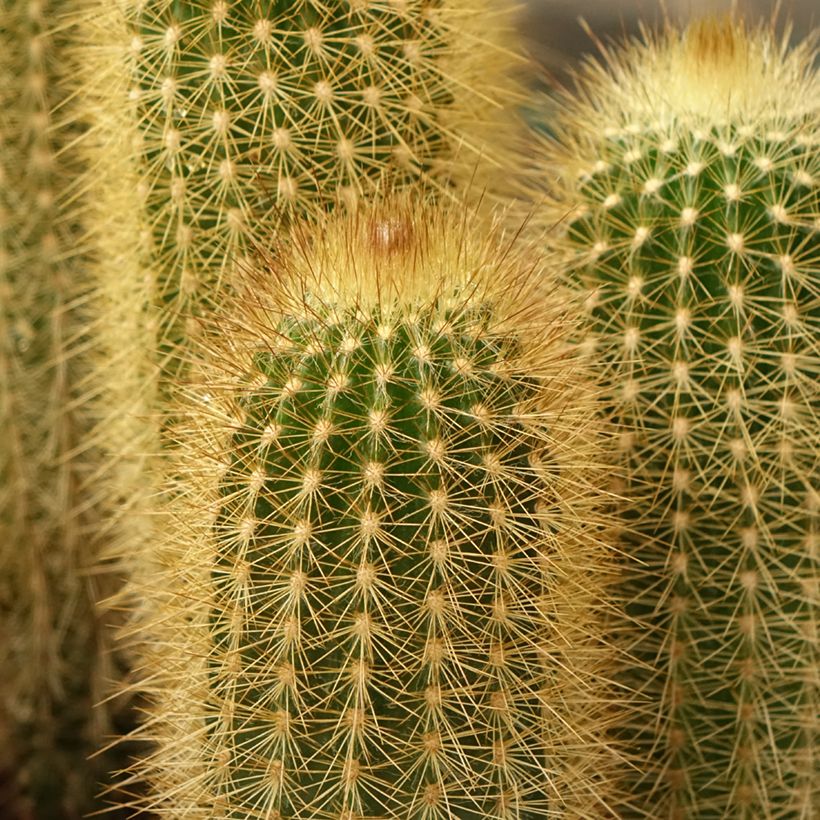
Vatricania guentheri, also known as Espostoa guentheri, is a perennial plant that begins as a candle cactus when young, initially developing a single pale green branch or "trunk". Its branches are about 10 cm (4in) in diameter with some distinct ribs (up to 27) punctuated by areoles that bear 25 short, thin, dense spines, 5 to 15 mm (0 to 1in) long, forming a beautiful golden down that shines when backlit. Its initially columnar habit becomes bushier with the development of several branches (up to 15) at its base. These branches will then bear curious tufts of very dense intense reddish-brown hair, about 5 cm (2in) long. It grows slowly and reaches 2 m (7ft) in all directions. In summer, under good growing conditions, flower buds form within these hair clusters and open into cream-yellow trumpet-shaped flowers, 8 cm (3in) long and 3 to 5 cm (1 to 2in) wide, at night.
In mild climates, Vatricania guentheri can be planted in a large rockery, a dry slope, or a raised bed enriched with gravel or coarse sand. It can be grown with hardy prickly pears like O. humifusa Millevaches, tall ferula, fairly hardy candle cacti (Cleistocactus strausii, Cylindropuntia imbricata), and ground-covering plants like dwarf artemisias, Rhodanthemum, Ajania pacifia, all of which are equally undemanding. Gardeners in colder regions can grow it in a very large pot on the terrace, carefully choosing the most sheltered spot and ensuring it receives full sun. This tender plant should be overwintered in a very bright, well-ventilated room in more humid and colder regions.
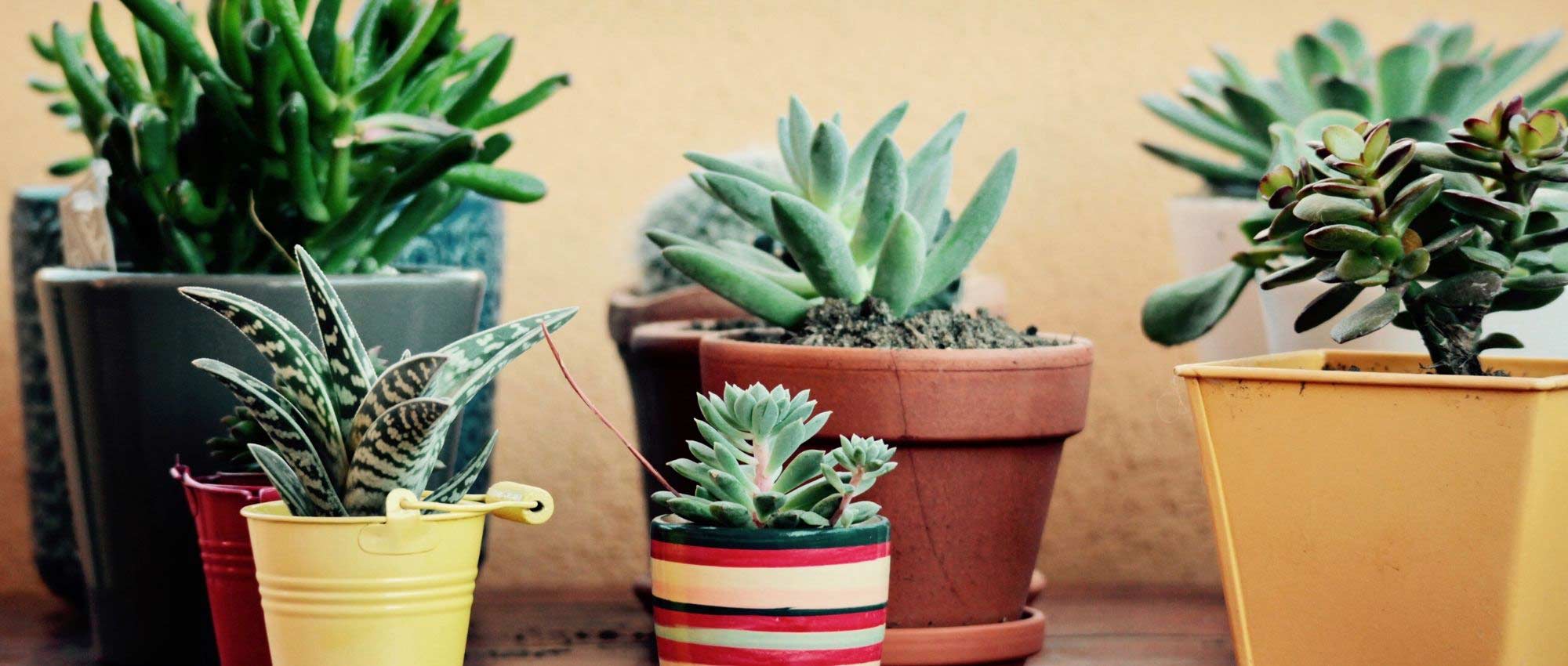
Vatricania guentheri in pictures
Flowering
Foliage
Plant habit
Botanical data
Vatricania
guentheri
Cactaceae
Ecuadorian Organ Pipe
Andes Mountains
Planting and care
Vatricania guentheri likes heat, dryness, and full sun. This species can withstand minimum temperatures of -6 °C but only develops well at temperatures above 12 °C. It can only be planted in the ground only in warm areas, in fertile, well-drained soils mixed with sand and rocks, which should never be watered, though it tolerates moisture better than other cacti. As loves dry or even arid soils in summer you could dig a pit of 50 cm (20in), fill it with a mixture of rocks and light soil, and plant the cactus in it, protecting the collar from stagnant water. The drier the soil, the more it will resist frost, to about -6°C.
In a pot on a terrace, balcony, or veranda, use special cactus soil or a mixture of potting soil and garden soil and only water when the substrate dries during the growing season. You can then store the pot away in winter, in a bright, ventilated place with little or no heating and stop watering. The plant can spend April to October, outdoors.
Make sure to wear protective gloves when handling this plant.
Planting period
Intended location
Care
Planting & care advice
-
-
-
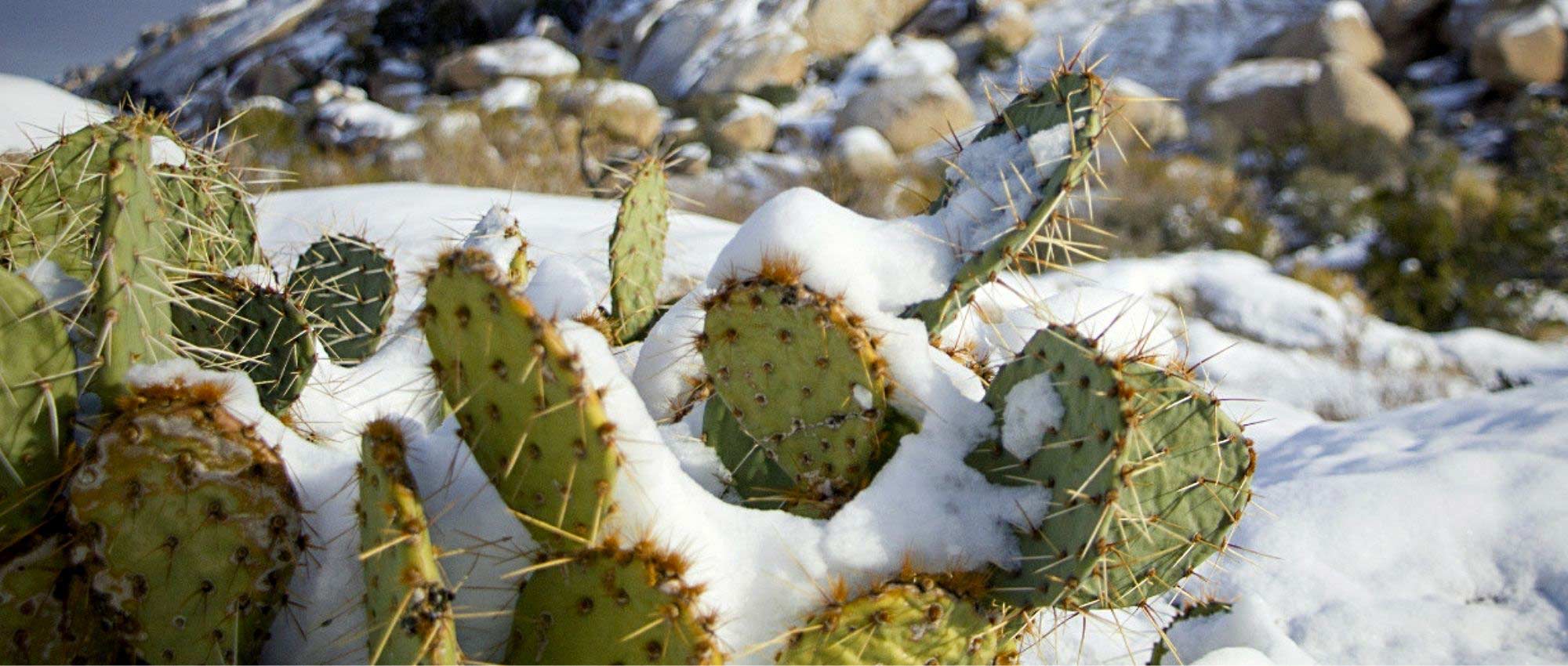
-
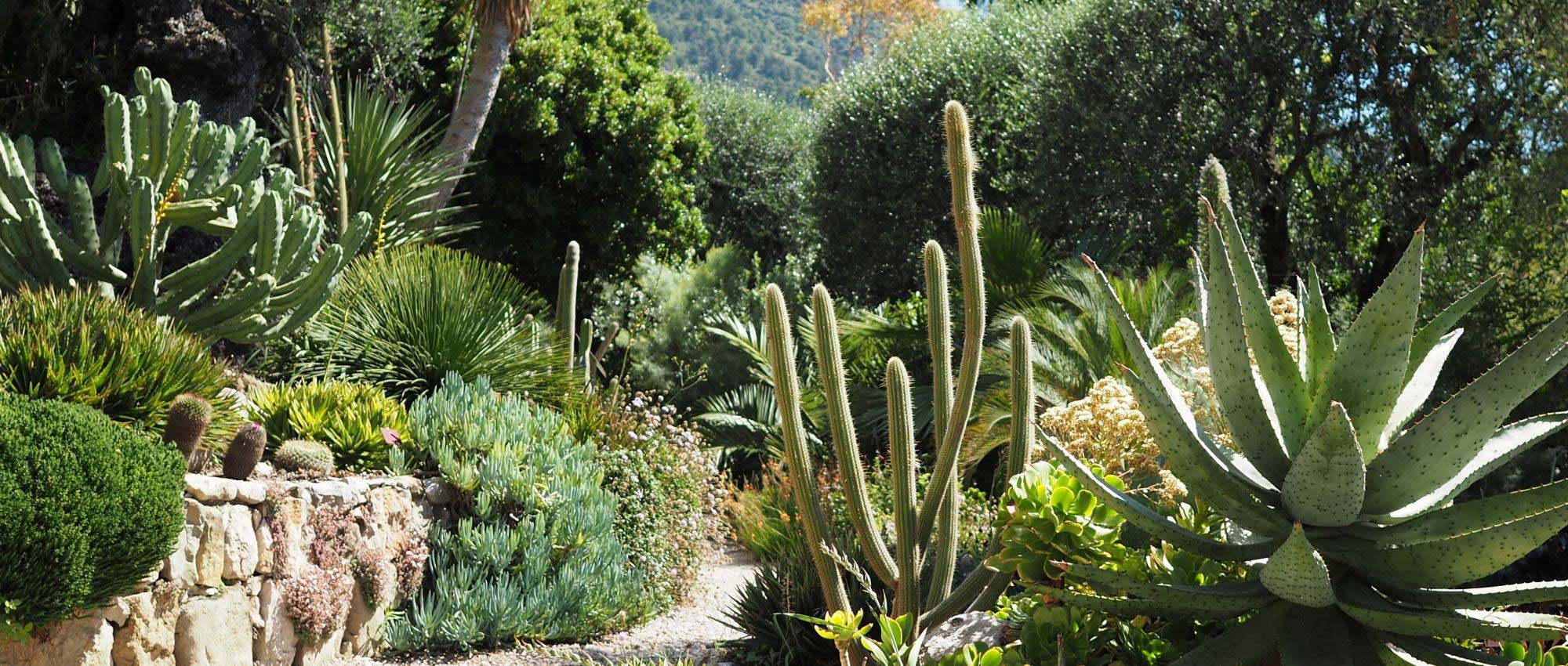
-
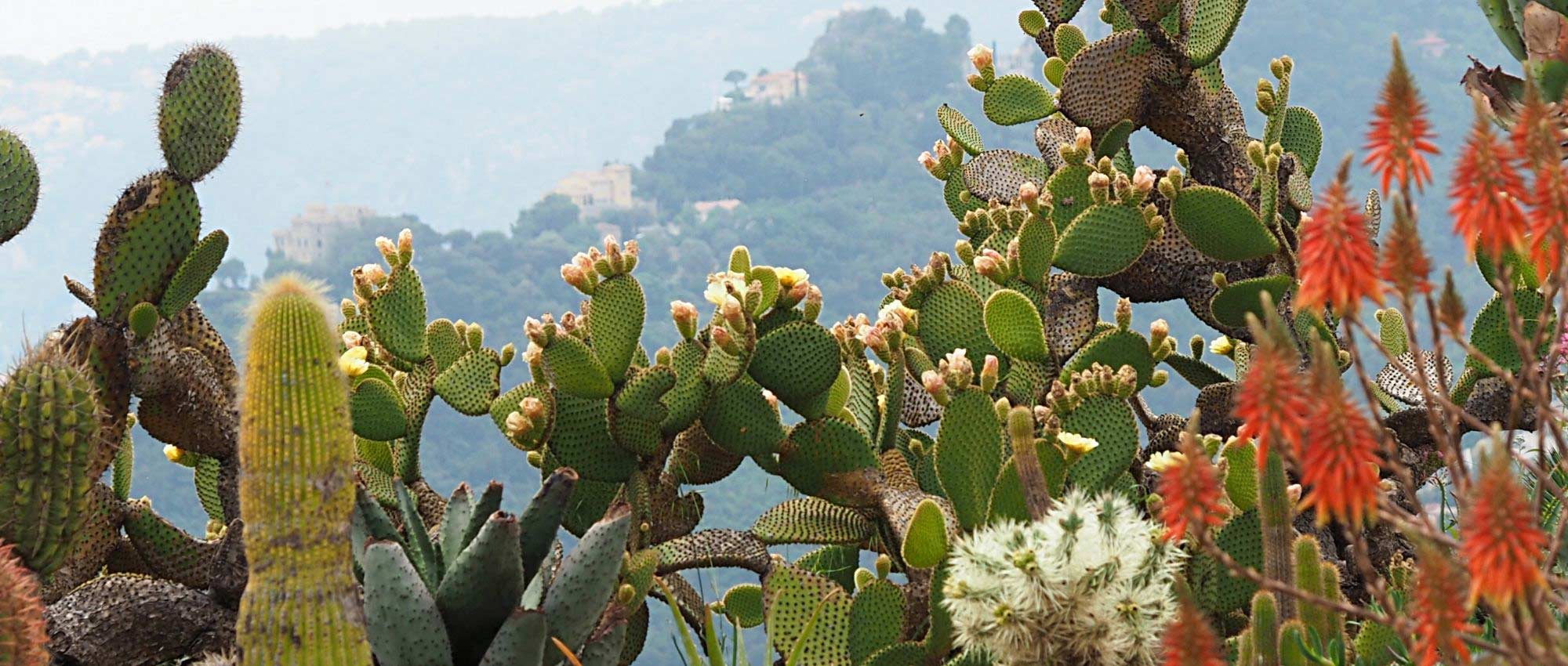
-

-
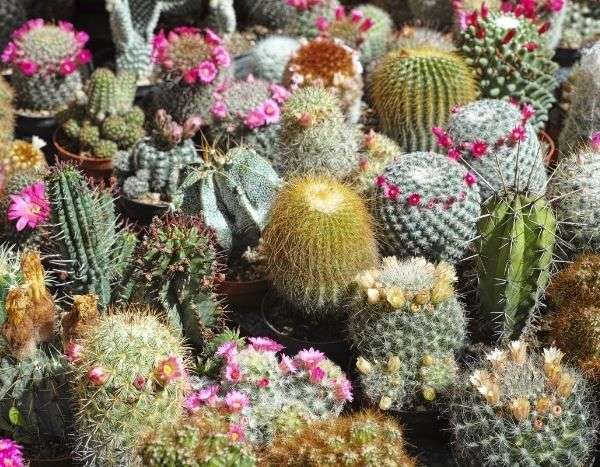
-

-
, onOrder confirmed
Reply from on Promesse de fleurs
Recently viewed products
Haven't found what you were looking for?
Hardiness is the lowest winter temperature a plant can endure without suffering serious damage or even dying. However, hardiness is affected by location (a sheltered area, such as a patio), protection (winter cover) and soil type (hardiness is improved by well-drained soil).

The flowering period indicated on our website applies to countries and regions located in USDA zone 8 (France, the United Kingdom, Ireland, the Netherlands, etc.)
It will vary according to where you live:- In zones 9 to 10 (Italy, Spain, Greece, etc.), flowering will occur about 2 to 4 weeks earlier.
- In zones 6 to 7 (Germany, Poland, Slovenia, and lower mountainous regions), flowering will be delayed by 2 to 3 weeks.
- In zone 5 (Central Europe, Scandinavia), blooming will be delayed by 3 to 5 weeks.
In temperate climates, pruning of spring-flowering shrubs (forsythia, spireas, etc.) should be done just after flowering.
Pruning of summer-flowering shrubs (Indian Lilac, Perovskia, etc.) can be done in winter or spring.
In cold regions as well as with frost-sensitive plants, avoid pruning too early when severe frosts may still occur.
The planting period indicated on our website applies to countries and regions located in USDA zone 8 (France, United Kingdom, Ireland, Netherlands).
It will vary according to where you live:
- In Mediterranean zones (Marseille, Madrid, Milan, etc.), autumn and winter are the best planting periods.
- In continental zones (Strasbourg, Munich, Vienna, etc.), delay planting by 2 to 3 weeks in spring and bring it forward by 2 to 4 weeks in autumn.
- In mountainous regions (the Alps, Pyrenees, Carpathians, etc.), it is best to plant in late spring (May-June) or late summer (August-September).
The harvesting period indicated on our website applies to countries and regions in USDA zone 8 (France, England, Ireland, the Netherlands).
In colder areas (Scandinavia, Poland, Austria...) fruit and vegetable harvests are likely to be delayed by 3-4 weeks.
In warmer areas (Italy, Spain, Greece, etc.), harvesting will probably take place earlier, depending on weather conditions.
The sowing periods indicated on our website apply to countries and regions within USDA Zone 8 (France, UK, Ireland, Netherlands).
In colder areas (Scandinavia, Poland, Austria...), delay any outdoor sowing by 3-4 weeks, or sow under glass.
In warmer climes (Italy, Spain, Greece, etc.), bring outdoor sowing forward by a few weeks.
Shipping country and language
Your country of residence may be:
Your country of residence is:
For a better user experience on our website, you can select:
Your shipping country:
-
 Austria
-
 Belgium
-
 Bosnia & Herzegovina
-
 Bulgaria
-
 Croatia
-
 Cyprus
-
 Czechia
-
 Denmark
-
 Estonia
-
 Finland
-
 France
-
 Germany
-
 Greece
-
 Hungary
-
 Iceland
-
 Ireland
-
 Italy
Italy
-
 Latvia
-
 Liechtenstein
-
 Lithuania
-
 Luxembourg
-
 Malta
Malta
-
 Netherlands
-
 Poland
-
 Portugal
-
 Romania
-
 Serbia
-
 Slovakia
-
 Slovenia
-
 Spain
Spain
-
 Sweden
-
 Switzerland
Language:
-
French
-
 English
-
Spanish
-
Italian
-
German
-
Portuguese
-
Dutch
-
Finnish
My Account
Hello
My wish lists
My cart
Log in / Register
Existing customer?
This form is protected by reCAPTCHA - the Google Privacy Policy and Terms of Service apply.
New customer?
Create an account to track your orders, access our customer service and, if you wish, make the most of our upcoming offers.