
Acer tataricum subsp. ginnala - Erable du fleuve Amour, Erable de l'Amour, Érable de Mandchourie, Érable de Sibérie

Acer tataricum subsp. ginnala - Erable du fleuve Amour, Erable de l'Amour, Érable de Mandchourie, Érable de Sibérie

Acer tataricum subsp. ginnala - Erable du fleuve Amour, Erable de l'Amour, Érable de Mandchourie, Érable de Sibérie

Acer tataricum subsp. ginnala - Erable du fleuve Amour, Erable de l'Amour, Érable de Mandchourie, Érable de Sibérie

Acer tataricum subsp. ginnala - Erable du fleuve Amour, Erable de l'Amour, Érable de Mandchourie, Érable de Sibérie
Acer tataricum subsp. ginnala - Erable du fleuve Amour, Erable de l'Amour, Érable de Mandchourie, Érable de Sibérie
Acer tataricum subsp. ginnala
small tree with naked root, quite tall and dry upon arrival, but the stem has produced leaves and it seems to be doing well.
CAT, 09/09/2024
Back-to-school special offer!
Get €10 off for every €50 you spend! And get up to €40 off on a single order.
How does it work?
1. Shop your favourites
Add your favourite plants to your basket. For every €50 you spend (excluding delivery charges, store credit and the plastic-free option), you’ll receive a €10 voucher.
€50 spent = €10 voucher
€100 spent = €20 voucher
€150 spent = €30 voucher
€200 spent = €40 voucher
2. Place your order
Once your basket reaches one of the spending thresholds, place your order. You can even choose your delivery date!
3. Receive your voucher
As soon as your order has been shipped, you’ll receive an email containing your personal voucher code and its value.
4. Use it on your next order
Your voucher is valid for 90 days from the date you receive it. It can be used once only, on a new order worth at least the value of the voucher, excluding delivery charges.
Please note: Vouchers can be combined with other offers, but cannot be split or refunded.
Home or relay delivery (depending on size and destination)
Important: You may be charged customs duties by your country’s customs authorities upon delivery.
Schedule delivery date,
and select date in basket
This plant carries a 24 months recovery warranty
More information
We guarantee the quality of our plants for a full growing cycle, and will replace at our expense any plant that fails to recover under normal climatic and planting conditions.

Would this plant suit my garden?
Set up your Plantfit profile →
Description
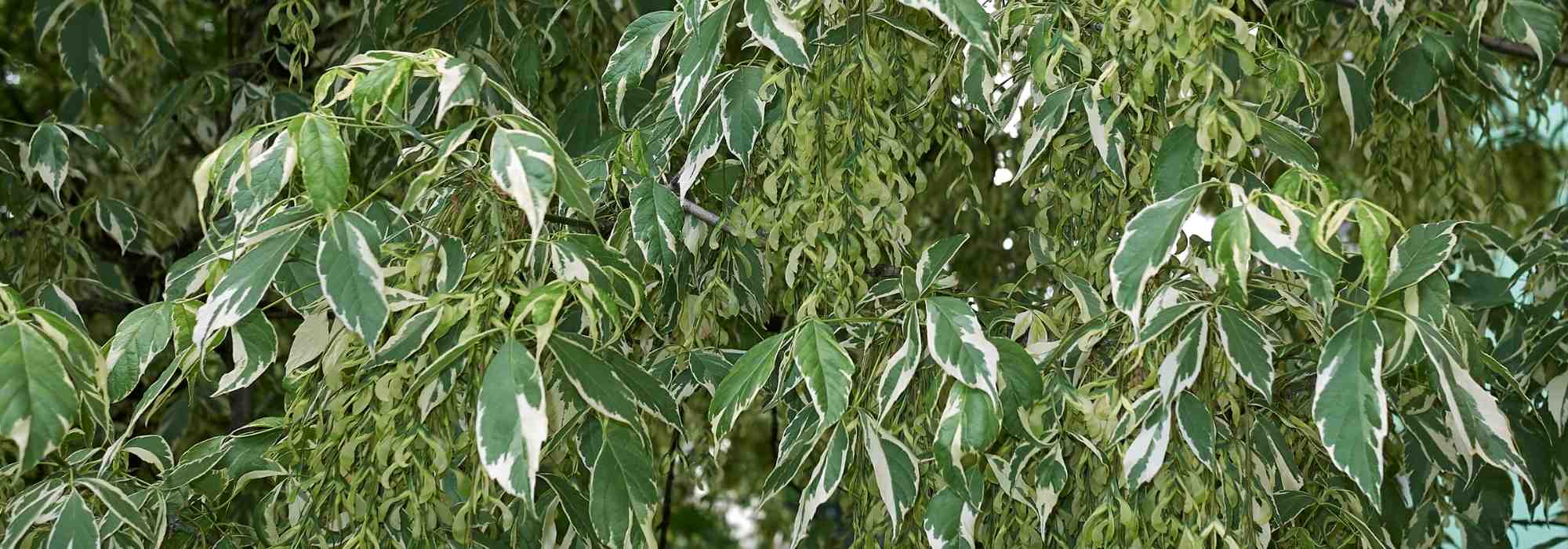
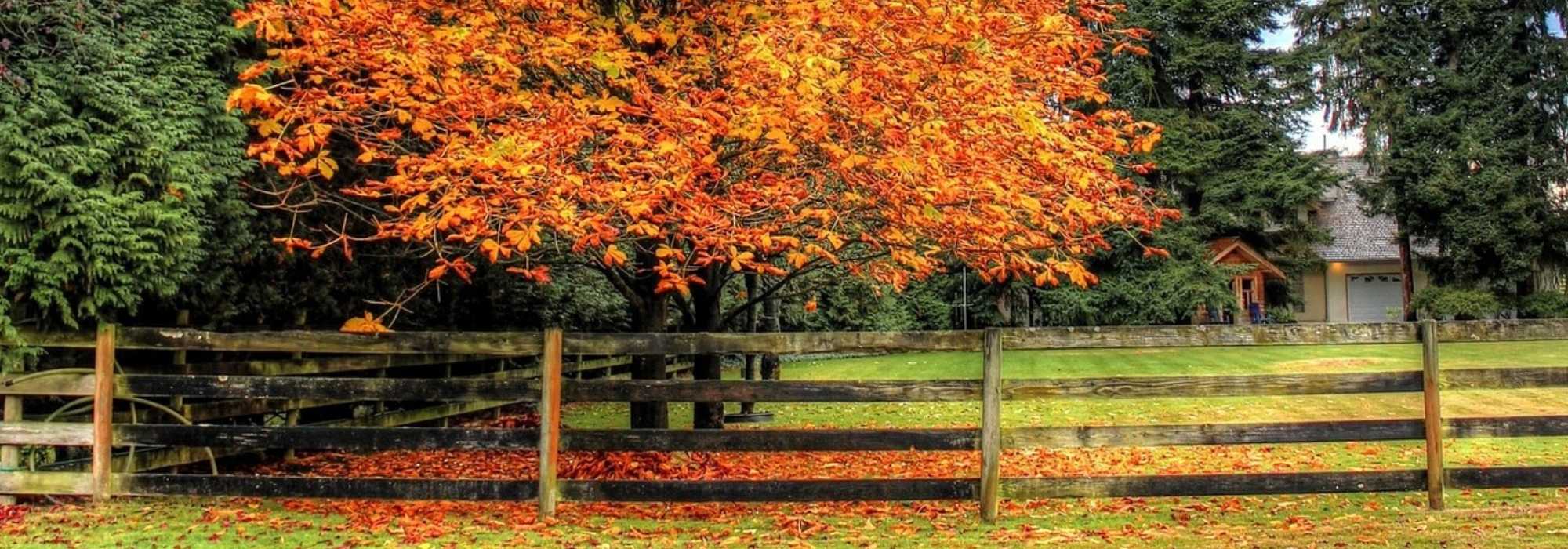
Acer ginnala, or the Amur Maple, is a small tree particularly valued for its autumn colours, which change from yellow to orange and then to scarlet red. Its spring flowers, discreet but fragrant, produce red winged fruits that are also decorative. More accommodating regarding soil type than many maples, it tolerates lime, wind, and short dry periods once well established. Its moderate growth makes it suitable for planting as a specimen, in a copse, or in an informal hedge.
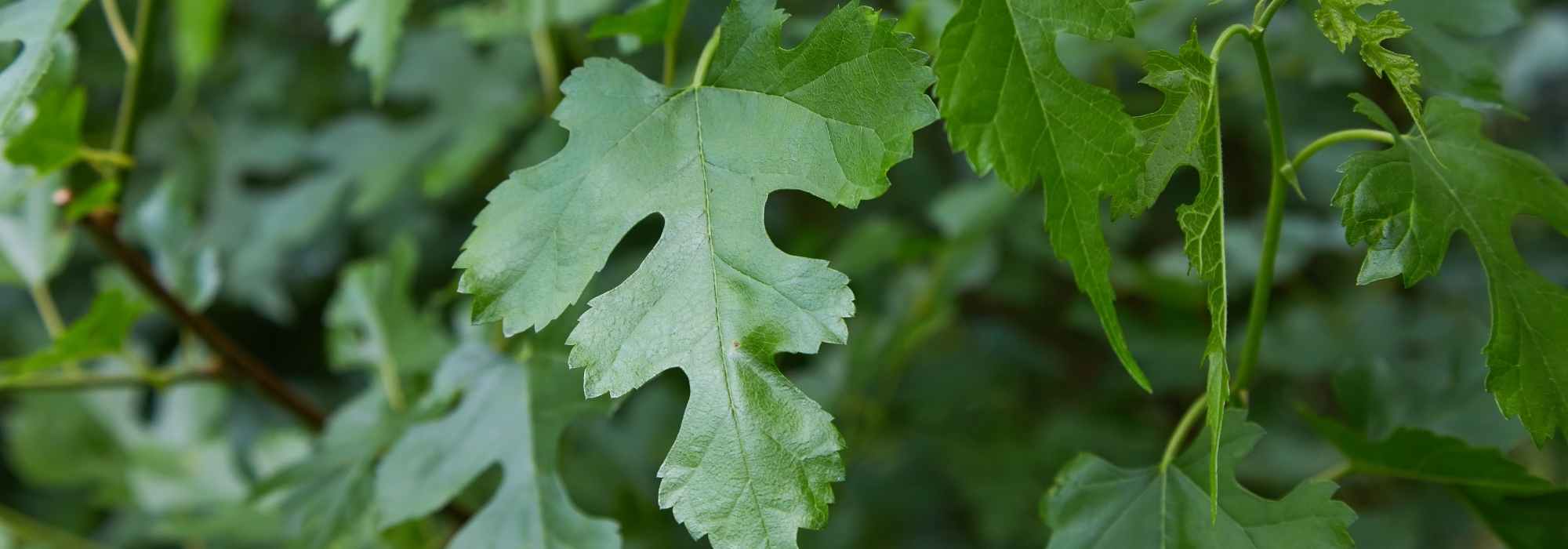
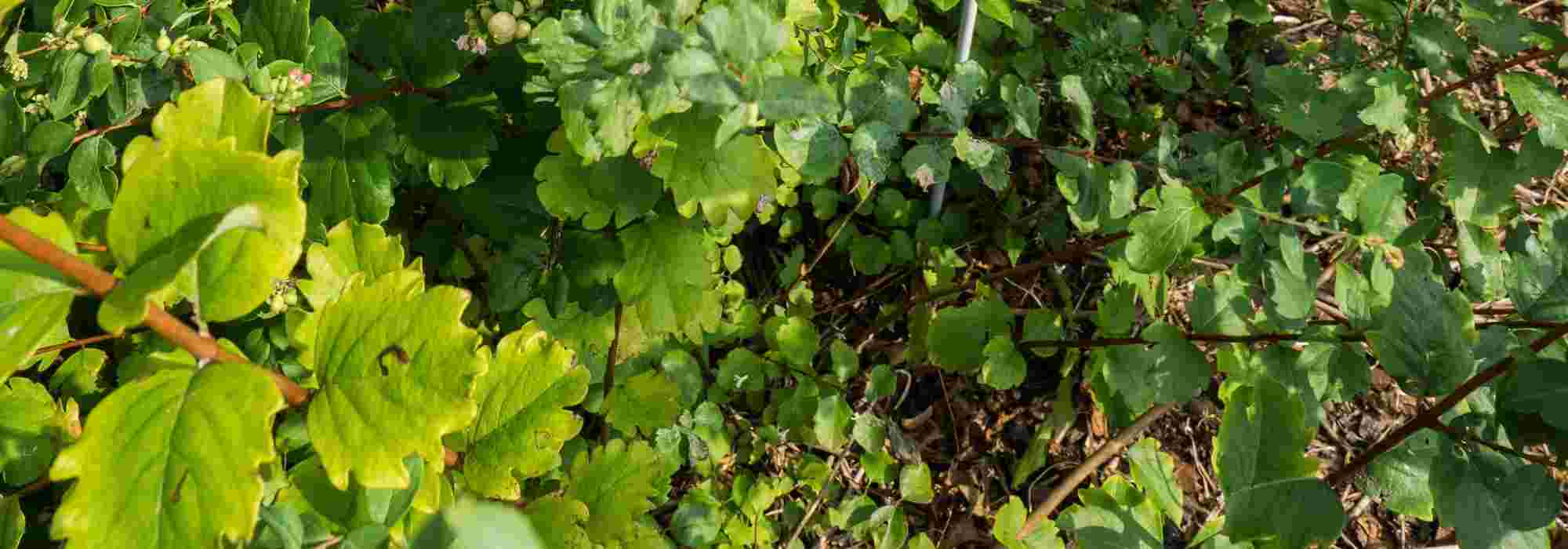
The Amur Maple belongs to the Sapindaceae family. The currently accepted botanical name is Acer tataricum subsp. ginnala, although the name Acer ginnala remains widely used in horticulture. It is a deciduous shrub or small tree: its foliage falls in autumn after changing colour. It grows spontaneously across a vast region of North-East Asia, from the Russian Far East to Korea and northern China, in climates marked by harsh winters. It generally develops several trunks and a bushy habit that becomes more spreading with age. In gardens, it reaches 4 to 6 m in height and 4 to 5 m in spread. Its growth, moderate to fairly rapid when young and grown in fertile soil, then slows down. The opposite leaves on the stems measure 5 to 10 cm in length. They are divided into three lobes, the central one being noticeably longer and more pointed than the two lateral lobes. Green in spring and summer, they turn yellow, orange, and red in autumn, with colour intensity greater in sunny positions and during cool autumns. In April or May, small cream-white to pale yellow flowers, gathered in upright clusters, emit a light fragrance that attracts pollinating insects. They are followed by samaras, the characteristic fruits of maples with two almost parallel wings. Initially green, then pinkish to red during summer, they turn brown as they ripen. This species is remarkably hardy and tolerates various soils, from slightly acidic to alkaline (lime-rich). It also accepts clay soils if they do not remain waterlogged. Capable of withstanding occasional drought after a few years of cultivation, this maple is not a tree for arid ground.
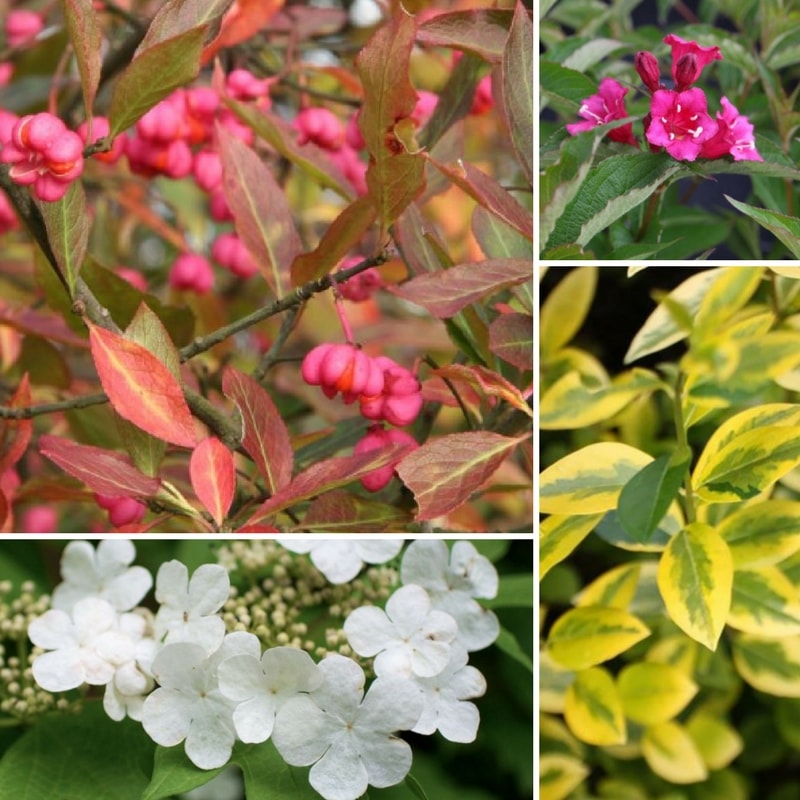
A good shade shrub, the Amur Maple is ideal as a specimen in the middle of a lawn, in a country hedge, or at the base of large trees to create an intermediate vegetative screen. In this situation, it can be kept in its natural form as a large multi-stemmed shrub or gradually trained into a small tree to reveal its branching structure. It can be paired with Cornus alba ‘Sibirica’, whose red stems remain decorative in winter, and with Viburnum opulus ‘Compactum’, valued for its fruit and autumn foliage. In lighter soil, a Spiraea japonica ‘Goldflame’ can be planted in front of its vegetation. Under a mature specimen, Epimedium ‘Frohnleiten’, capable of thriving in slightly dry shade, makes a colourful and undemanding groundcover. Allow enough space around the maple for its branches to spread naturally. It can also be trained as a bonsai.

Acer tataricum subsp. ginnala - Erable du fleuve Amour, Erable de l'Amour, Érable de Mandchourie, Érable de Sibérie in pictures


Plant habit
Flowering
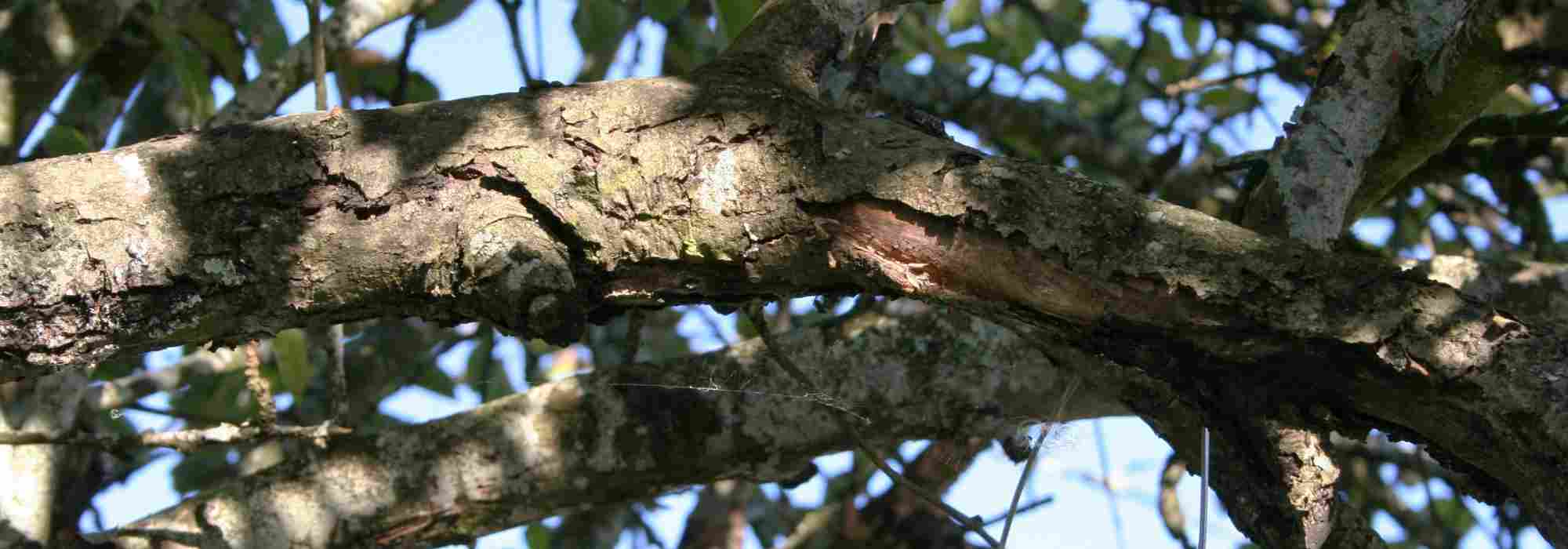
Foliage
Botanical data
Acer
tataricum subsp. ginnala
Sapindaceae
Acer tataricum subsp. ginnala
Eastern Europe, Russia, China, East Asia
Planting and care
Plant Acer ginnala preferably from October to March, outside of freezing periods, or in early spring in regions with harsh winters. Choose a sunny position for the most intense autumn colouring, or partial shade in regions with hot summers. Loosen the soil deeply and mix well-rotted compost into poor soil. In clay soil, plant it without burying the collar and avoid locations where water stagnates in winter. It tolerates lime well. Water regularly during the first two summers, then only during prolonged dry spells. An organic mulch limits soil drying out during rooting.
Planting period
Intended location
Care
Planting & care advice
-
-
-

-
-
-
-
-
-
, onOrder confirmed
Reply from on Promesse de fleurs
Recently viewed products
Haven't found what you were looking for?
Hardiness is the lowest winter temperature a plant can endure without suffering serious damage or even dying. However, hardiness is affected by location (a sheltered area, such as a patio), protection (winter cover) and soil type (hardiness is improved by well-drained soil).

The flowering period indicated on our website applies to countries and regions located in USDA zone 8 (France, the United Kingdom, Ireland, the Netherlands, etc.)
It will vary according to where you live:- In zones 9 to 10 (Italy, Spain, Greece, etc.), flowering will occur about 2 to 4 weeks earlier.
- In zones 6 to 7 (Germany, Poland, Slovenia, and lower mountainous regions), flowering will be delayed by 2 to 3 weeks.
- In zone 5 (Central Europe, Scandinavia), blooming will be delayed by 3 to 5 weeks.
In temperate climates, pruning of spring-flowering shrubs (forsythia, spireas, etc.) should be done just after flowering.
Pruning of summer-flowering shrubs (Indian Lilac, Perovskia, etc.) can be done in winter or spring.
In cold regions as well as with frost-sensitive plants, avoid pruning too early when severe frosts may still occur.
The planting period indicated on our website applies to countries and regions located in USDA zone 8 (France, United Kingdom, Ireland, Netherlands).
It will vary according to where you live:
- In Mediterranean zones (Marseille, Madrid, Milan, etc.), autumn and winter are the best planting periods.
- In continental zones (Strasbourg, Munich, Vienna, etc.), delay planting by 2 to 3 weeks in spring and bring it forward by 2 to 4 weeks in autumn.
- In mountainous regions (the Alps, Pyrenees, Carpathians, etc.), it is best to plant in late spring (May-June) or late summer (August-September).
The harvesting period indicated on our website applies to countries and regions in USDA zone 8 (France, England, Ireland, the Netherlands).
In colder areas (Scandinavia, Poland, Austria...) fruit and vegetable harvests are likely to be delayed by 3-4 weeks.
In warmer areas (Italy, Spain, Greece, etc.), harvesting will probably take place earlier, depending on weather conditions.
The sowing periods indicated on our website apply to countries and regions within USDA Zone 8 (France, UK, Ireland, Netherlands).
In colder areas (Scandinavia, Poland, Austria...), delay any outdoor sowing by 3-4 weeks, or sow under glass.
In warmer climes (Italy, Spain, Greece, etc.), bring outdoor sowing forward by a few weeks.
Shipping country and language
Your country of residence may be:
Your country of residence is:
For a better user experience on our website, you can select:
Your shipping country:
-
 Austria
-
 Belgium
-
 Bosnia & Herzegovina
-
 Bulgaria
-
 Croatia
-
 Cyprus
-
 Czechia
-
 Denmark
-
 Estonia
-
 Finland
-
 France
-
 Germany
-
 Greece
-
 Hungary
-
 Iceland
-
 Ireland
-
 Italy
Italy
-
 Latvia
-
 Liechtenstein
-
 Lithuania
-
 Luxembourg
-
 Malta
Malta
-
 Netherlands
-
 Poland
-
 Portugal
-
 Romania
-
 Serbia
-
 Slovakia
-
 Slovenia
-
 Spain
Spain
-
 Sweden
-
 Switzerland
Language:
-
French
-
 English
-
Spanish
-
Italian
-
German
-
Portuguese
-
Dutch
-
Finnish
My Account
Hello
My wish lists
My cart
Log in / Register
Existing customer?
This form is protected by reCAPTCHA - the Google Privacy Policy and Terms of Service apply.
New customer?
Create an account to track your orders, access our customer service and, if you wish, make the most of our upcoming offers.