Pyrus calleryana Chanticleer - Poirier d'ornement, Poirier de Callery
Pyrus calleryana Chanticleer - Poirier d'ornement, Poirier de Callery
Pyrus calleryana Chanticleer - Poirier d'ornement, Poirier de Callery
Pyrus calleryana Chanticleer - Poirier d'ornement, Poirier de Callery
Pyrus calleryana Chanticleer
Young tree arrived in good condition, tired from the journey, but it has recovered well after two days.
Jean-Baptiste, 28/06/2021
Back-to-school special offer!
Get €10 off for every €50 you spend! And get up to €40 off on a single order.
How does it work?
1. Shop your favourites
Add your favourite plants to your basket. For every €50 you spend (excluding delivery charges, store credit and the plastic-free option), you’ll receive a €10 voucher.
€50 spent = €10 voucher
€100 spent = €20 voucher
€150 spent = €30 voucher
€200 spent = €40 voucher
2. Place your order
Once your basket reaches one of the spending thresholds, place your order. You can even choose your delivery date!
3. Receive your voucher
As soon as your order has been shipped, you’ll receive an email containing your personal voucher code and its value.
4. Use it on your next order
Your voucher is valid for 90 days from the date you receive it. It can be used once only, on a new order worth at least the value of the voucher, excluding delivery charges.
Please note: Vouchers can be combined with other offers, but cannot be split or refunded.
Home or relay delivery (depending on size and destination)
Important: You may be charged customs duties by your country’s customs authorities upon delivery.
Schedule delivery date,
and select date in basket
This plant carries a 24 months recovery warranty
More information
We guarantee the quality of our plants for a full growing cycle, and will replace at our expense any plant that fails to recover under normal climatic and planting conditions.


Would this plant suit my garden?
Set up your Plantfit profile →
Description
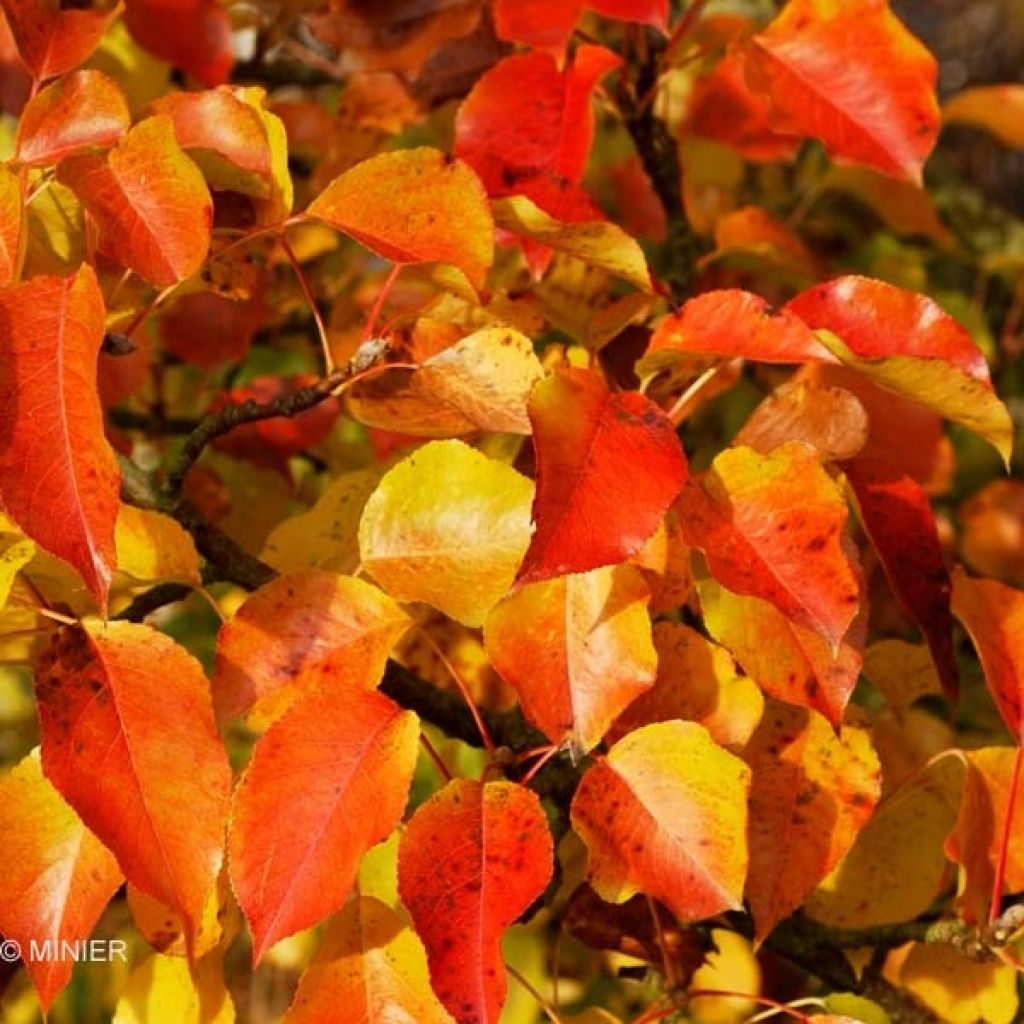
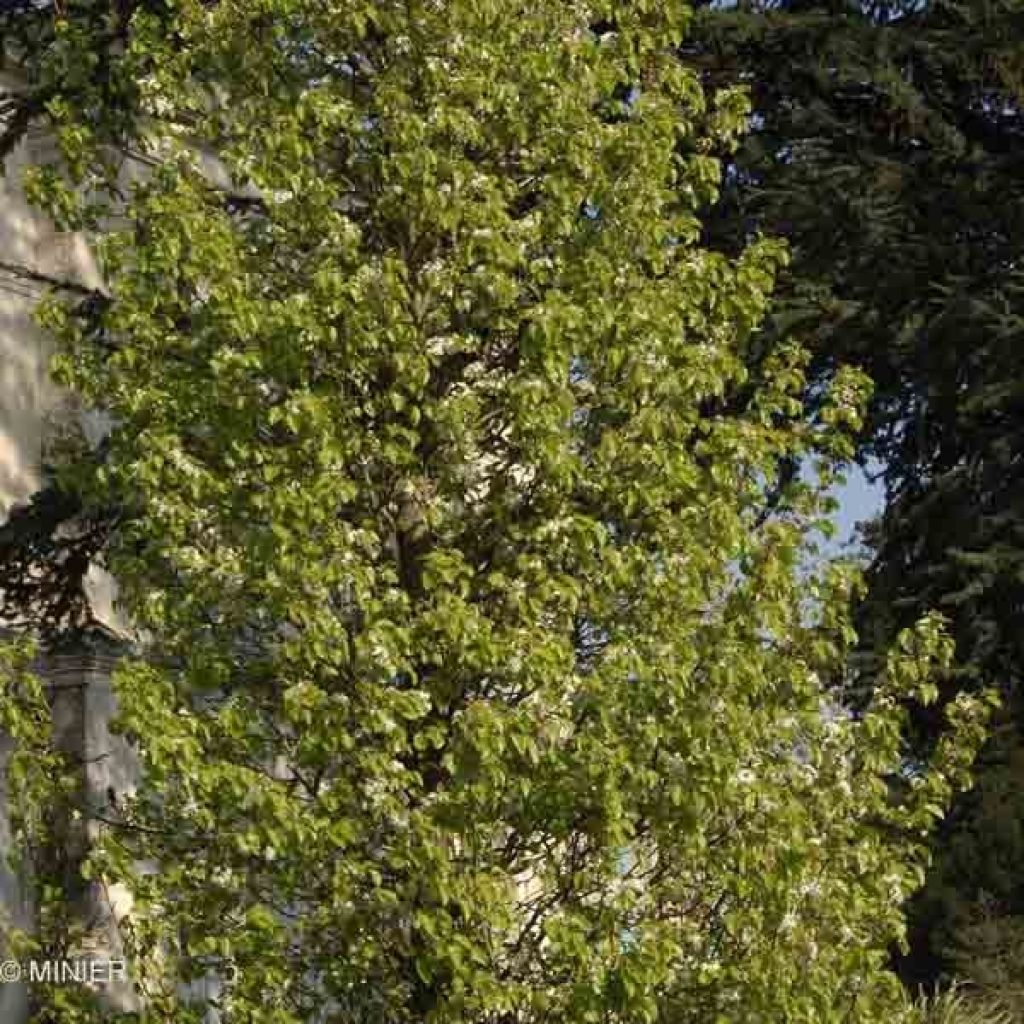
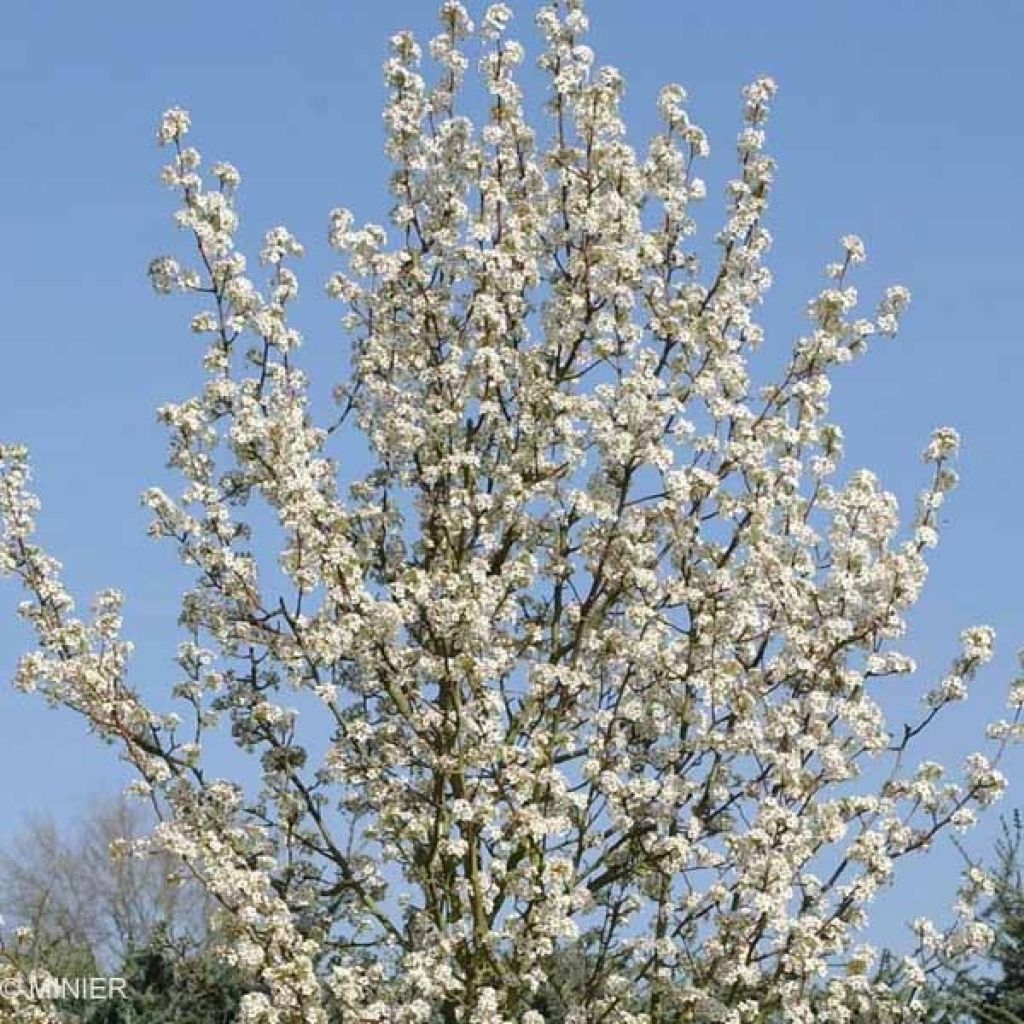
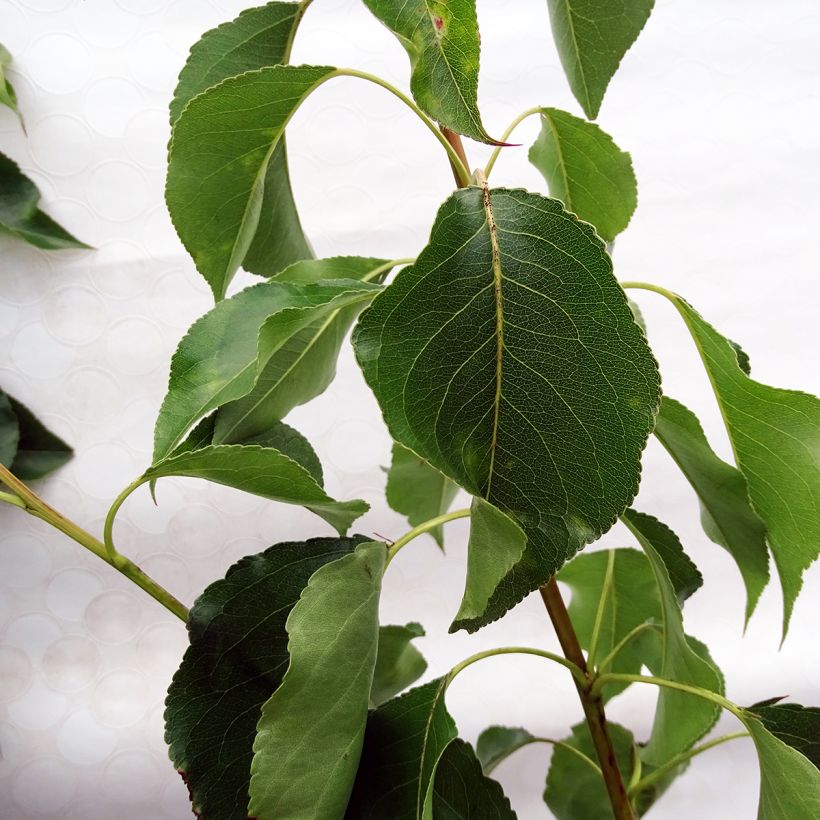
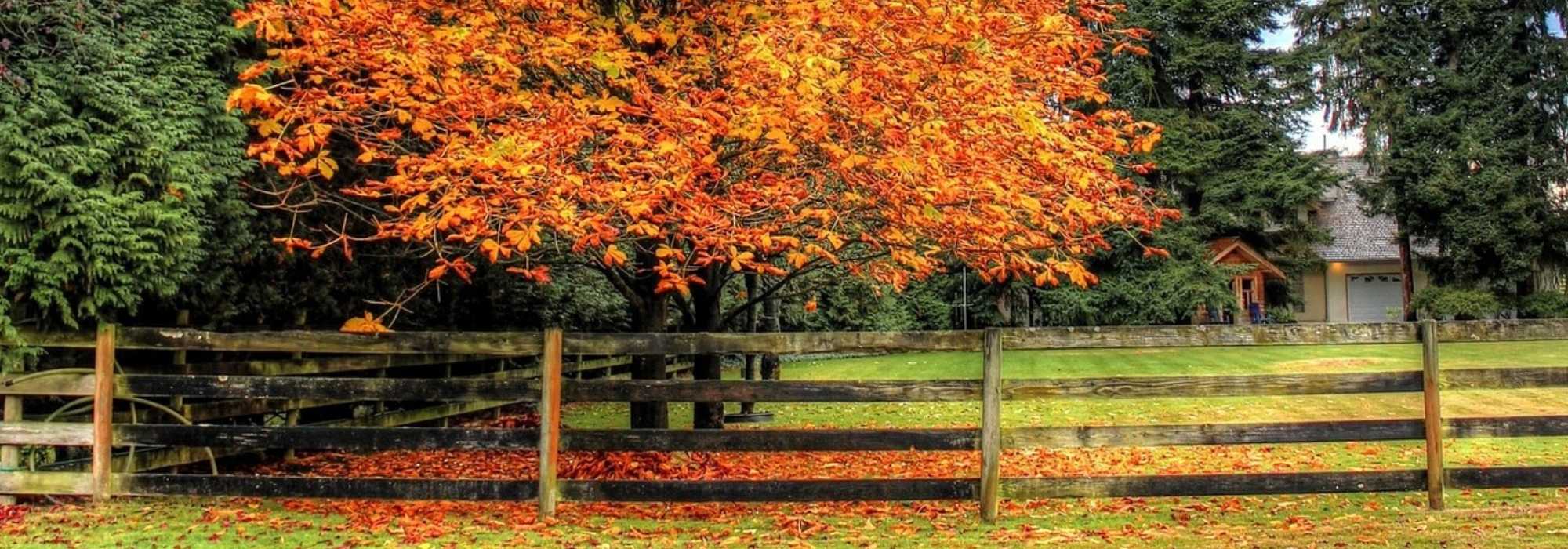
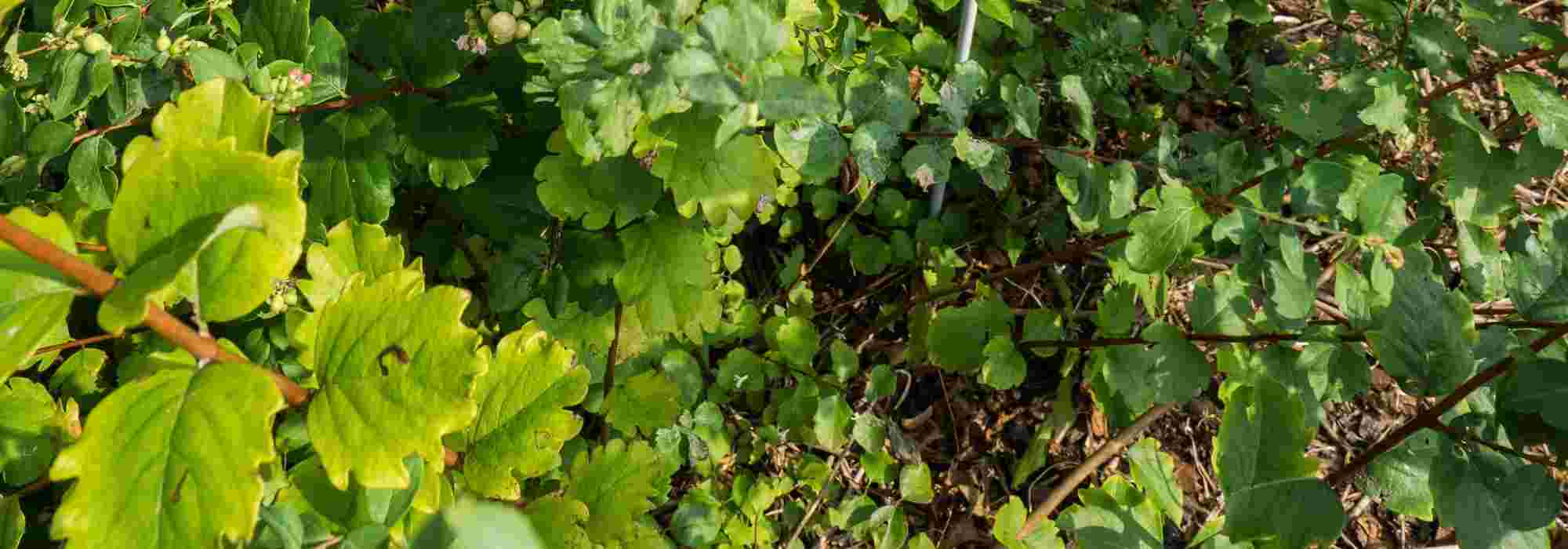
Pyrus calleryana ‘Chanticleer’, called the ornamental pear or Callery pear, is a medium-sized tree with a narrow pyramidal habit. Its regular crown takes up little width and is well suited to urban gardens and alignments. In early spring, its branches are covered with abundant white flowering. Its glossy dark green foliage takes on flamboyant hues in autumn. Its small brown pears, more or less abundant, remain on the tree until winter. Once well established, this pear tree withstands dry summers and high temperatures.
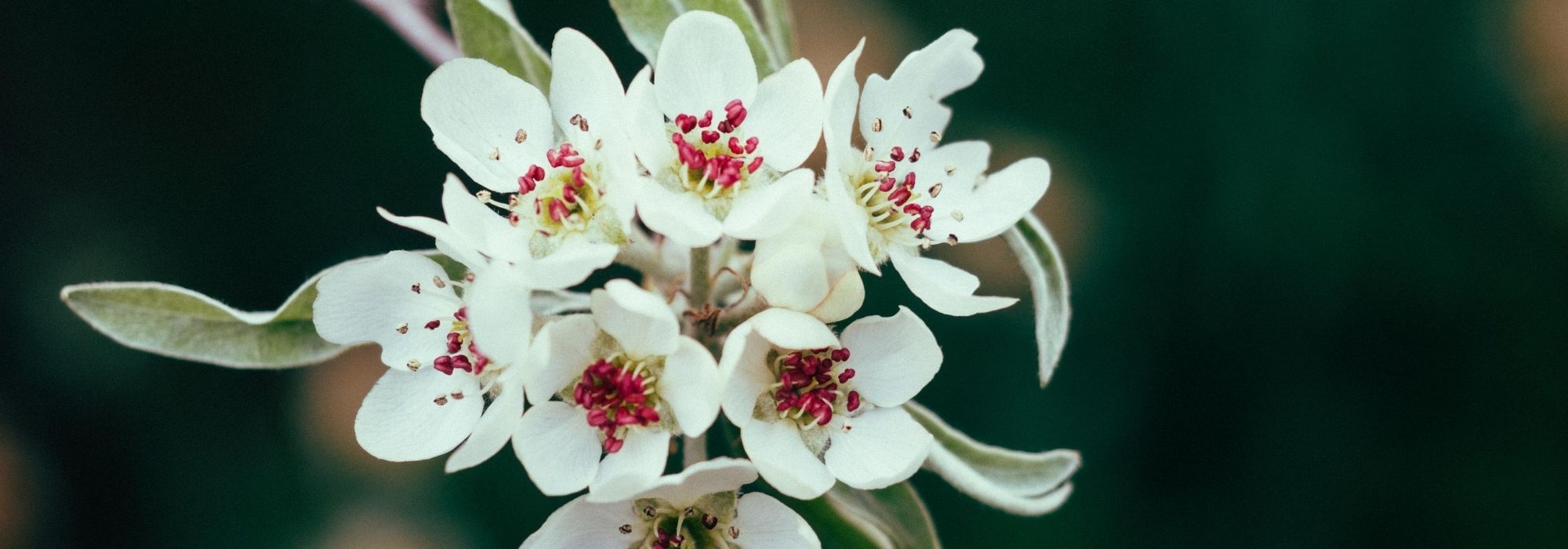
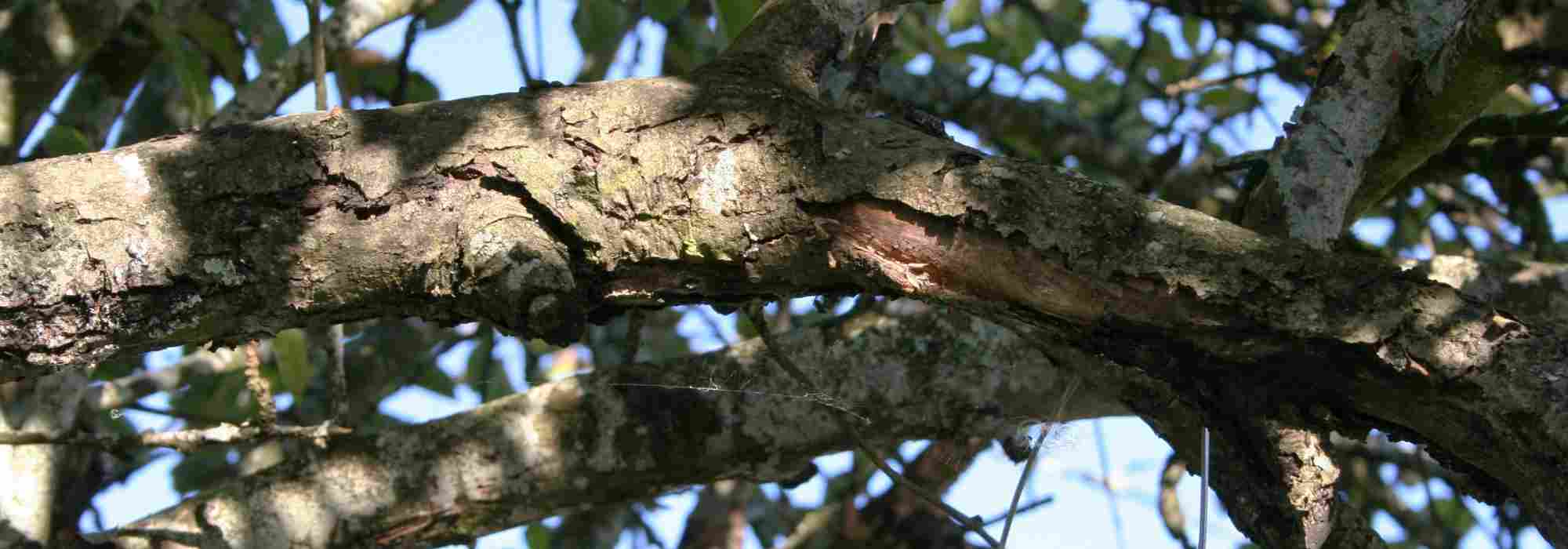
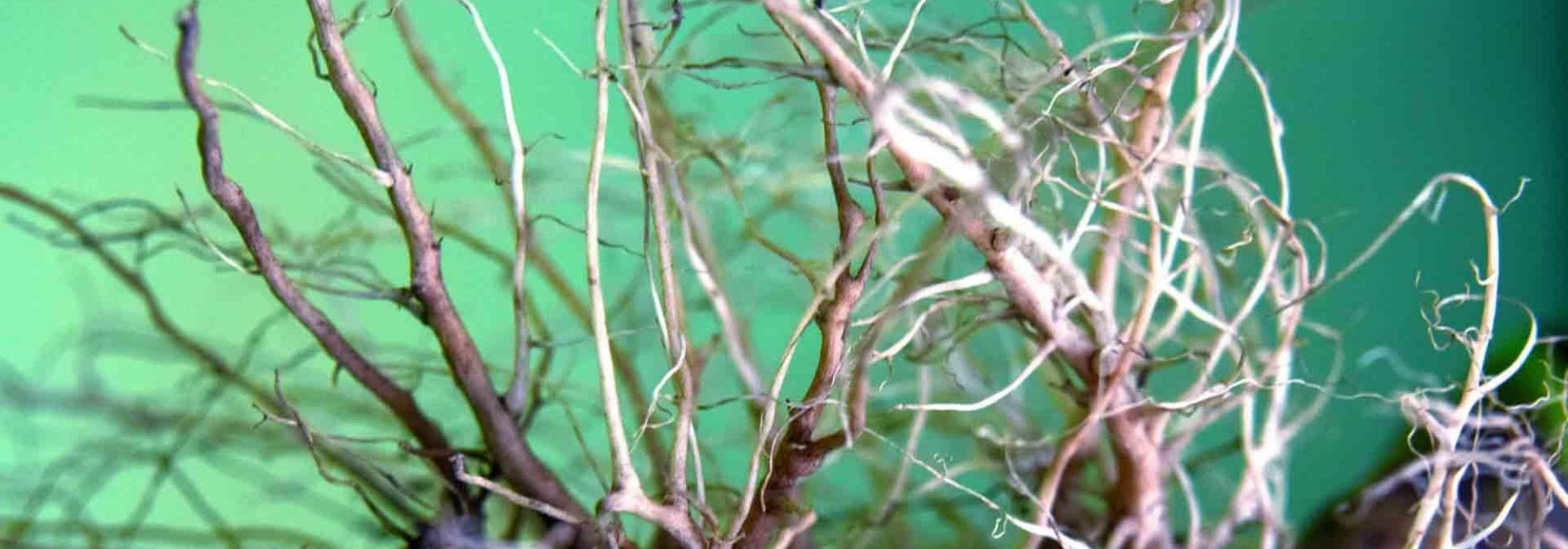
Pyrus calleryana belongs to the Rosaceae family, like apple trees, quince trees and other pear trees. This species is native to China, Korea, Japan, Taiwan and Vietnam. It grows naturally in valleys, on slopes, in thickets and open forests. 'Chanticleer' was selected in 1959 by the American nurseryman Edward H. Scanlon, from a tree noticed in Cleveland, Ohio. It was then distributed commercially during the 1960s. This cultivar has received the Award of Garden Merit from the Royal Horticultural Society. It differs from the botanical species by its narrow crown, regular branching and erect branches. Its growth is moderately fast: at around ten years old, it reaches 8 to 10 m in height for 3 to 4 m in spread. A mature specimen measures 10 to 12 m tall and 4 to 6 m wide. The main branches rise almost vertically, then spread slightly with age. The crown, initially conical, gradually becomes more ovoid. The trunk bears grey-brown bark, fairly smooth on young trees, becoming rougher and scaly with age. The deciduous leaves are oval to broadly oval, finely serrated and tipped with a point. They measure 4 to 10 cm long. Their thick lamina, dark green and glossy, retains its beautiful appearance for a long time in autumn. It then turns yellow, orange, scarlet red and purple before falling. The flowering occurs in March or April, often before the full development of the foliage. The flowers are grouped in dense clusters of six to twelve. Each measures about 2 cm in diameter and has five white petals arranged around numerous stamens. They attract bees and other pollinating insects in early spring. This flowering is followed by the formation of small pears almost round, 1 cm in diameter. Initially green, they become fawn-brown at maturity and are covered with small lighter dots. Discreet, they can nevertheless remain on the branches until December. The root system of this pear tree goes deep, ensuring good anchorage and allowing it to draw water from depth. The species name honours Joseph-Marie Callery, a French missionary and botanist who collected this pear tree in China in the 19th century. Very hardy, 'Chanticleer' withstands temperatures of around -20 to -23 °C.
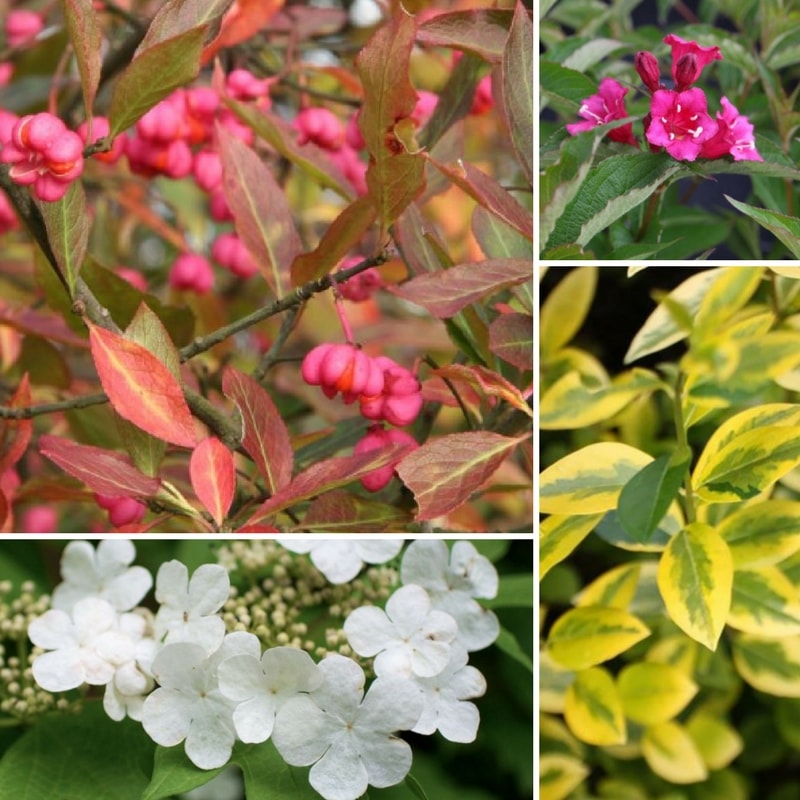
Unobtrusive and easy-going, this pear tree easily finds its place near an entrance, along a path or in a city garden. In a large sunny border, it can be surrounded by lower shrubs such as the Spiraea betulifolia ‘Tor Gold’ for its golden foliage covered with white flowers in spring, the Berberis thunbergii ‘Orange Rocket’ with orange leaves turning red in autumn and the Cotinus coggygria ‘Young Lady’ which offers large smoky pink plumes in summer and beautiful autumn colours.
Pyrus calleryana Chanticleer - Poirier d'ornement, Poirier de Callery in pictures
Plant habit
Flowering
Foliage
Planting and care
Plant the Pyrus calleryana ‘Chanticleer’ preferably from September to November or from February to April, outside frost periods. Place it in full sun, in an open location that will allow its crown to develop regularly. It adapts to clay, loamy or sandy soils, provided they are deep, loose and well-drained. It tolerates lime and also grows in neutral or slightly acid soils. When planting, loosen the soil widely and add mature compost if the ground is poor. Stake the young tree without tightening the trunk, then water thoroughly. Regular watering during the first two or three summers will help it form a deep root system; once established, it withstands dry periods well. Spread a mulch at the base, leaving the collar clear. This tree requires little care.
Planting period
Intended location
Care
Planting & care advice
-

-
-
-
-
-
-

-
-
, onOrder confirmed
Reply from on Promesse de fleurs
Recently viewed products
Haven't found what you were looking for?
Hardiness is the lowest winter temperature a plant can endure without suffering serious damage or even dying. However, hardiness is affected by location (a sheltered area, such as a patio), protection (winter cover) and soil type (hardiness is improved by well-drained soil).

The flowering period indicated on our website applies to countries and regions located in USDA zone 8 (France, the United Kingdom, Ireland, the Netherlands, etc.)
It will vary according to where you live:- In zones 9 to 10 (Italy, Spain, Greece, etc.), flowering will occur about 2 to 4 weeks earlier.
- In zones 6 to 7 (Germany, Poland, Slovenia, and lower mountainous regions), flowering will be delayed by 2 to 3 weeks.
- In zone 5 (Central Europe, Scandinavia), blooming will be delayed by 3 to 5 weeks.
In temperate climates, pruning of spring-flowering shrubs (forsythia, spireas, etc.) should be done just after flowering.
Pruning of summer-flowering shrubs (Indian Lilac, Perovskia, etc.) can be done in winter or spring.
In cold regions as well as with frost-sensitive plants, avoid pruning too early when severe frosts may still occur.
The planting period indicated on our website applies to countries and regions located in USDA zone 8 (France, United Kingdom, Ireland, Netherlands).
It will vary according to where you live:
- In Mediterranean zones (Marseille, Madrid, Milan, etc.), autumn and winter are the best planting periods.
- In continental zones (Strasbourg, Munich, Vienna, etc.), delay planting by 2 to 3 weeks in spring and bring it forward by 2 to 4 weeks in autumn.
- In mountainous regions (the Alps, Pyrenees, Carpathians, etc.), it is best to plant in late spring (May-June) or late summer (August-September).
The harvesting period indicated on our website applies to countries and regions in USDA zone 8 (France, England, Ireland, the Netherlands).
In colder areas (Scandinavia, Poland, Austria...) fruit and vegetable harvests are likely to be delayed by 3-4 weeks.
In warmer areas (Italy, Spain, Greece, etc.), harvesting will probably take place earlier, depending on weather conditions.
The sowing periods indicated on our website apply to countries and regions within USDA Zone 8 (France, UK, Ireland, Netherlands).
In colder areas (Scandinavia, Poland, Austria...), delay any outdoor sowing by 3-4 weeks, or sow under glass.
In warmer climes (Italy, Spain, Greece, etc.), bring outdoor sowing forward by a few weeks.
Shipping country and language
Your country of residence may be:
Your country of residence is:
For a better user experience on our website, you can select:
Your shipping country:
-
 Austria
-
 Belgium
-
 Bosnia & Herzegovina
-
 Bulgaria
-
 Croatia
-
 Cyprus
-
 Czechia
-
 Denmark
-
 Estonia
-
 Finland
-
 France
-
 Germany
-
 Greece
-
 Hungary
-
 Iceland
-
 Ireland
-
 Italy
Italy
-
 Latvia
-
 Liechtenstein
-
 Lithuania
-
 Luxembourg
-
 Malta
Malta
-
 Netherlands
-
 Poland
-
 Portugal
-
 Romania
-
 Serbia
-
 Slovakia
-
 Slovenia
-
 Spain
Spain
-
 Sweden
-
 Switzerland
Language:
-
French
-
 English
-
Spanish
-
Italian
-
German
-
Portuguese
-
Dutch
-
Finnish
My Account
Hello
My wish lists
My cart
Log in / Register
Existing customer?
This form is protected by reCAPTCHA - the Google Privacy Policy and Terms of Service apply.
New customer?
Create an account to track your orders, access our customer service and, if you wish, make the most of our upcoming offers.