
Syringa vulgaris Président Grevy - Common Lilac

Syringa vulgaris Président Grevy - Common Lilac

Syringa vulgaris Président Grevy - Common Lilac
Syringa vulgaris Président Grevy - Common Lilac
Syringa vulgaris Président Grevy
Common Lilac, Lilac
The plant is small in size, and the branches are very frail. Not sure if it will take, as there are no signs of any shoots.
Manu, 27/03/2024
Back-to-school special offer!
Get €10 off for every €50 you spend! And get up to €40 off on a single order.
How does it work?
1. Shop your favourites
Add your favourite plants to your basket. For every €50 you spend (excluding delivery charges, store credit and the plastic-free option), you’ll receive a €10 voucher.
€50 spent = €10 voucher
€100 spent = €20 voucher
€150 spent = €30 voucher
€200 spent = €40 voucher
2. Place your order
Once your basket reaches one of the spending thresholds, place your order. You can even choose your delivery date!
3. Receive your voucher
As soon as your order has been shipped, you’ll receive an email containing your personal voucher code and its value.
4. Use it on your next order
Your voucher is valid for 90 days from the date you receive it. It can be used once only, on a new order worth at least the value of the voucher, excluding delivery charges.
Please note: Vouchers can be combined with other offers, but cannot be split or refunded.
Home or relay delivery (depending on size and destination)
Important: You may be charged customs duties by your country’s customs authorities upon delivery.
Schedule delivery date,
and select date in basket
This plant carries a 24 months recovery warranty
More information
We guarantee the quality of our plants for a full growing cycle, and will replace at our expense any plant that fails to recover under normal climatic and planting conditions.

Would this plant suit my garden?
Set up your Plantfit profile →
Description
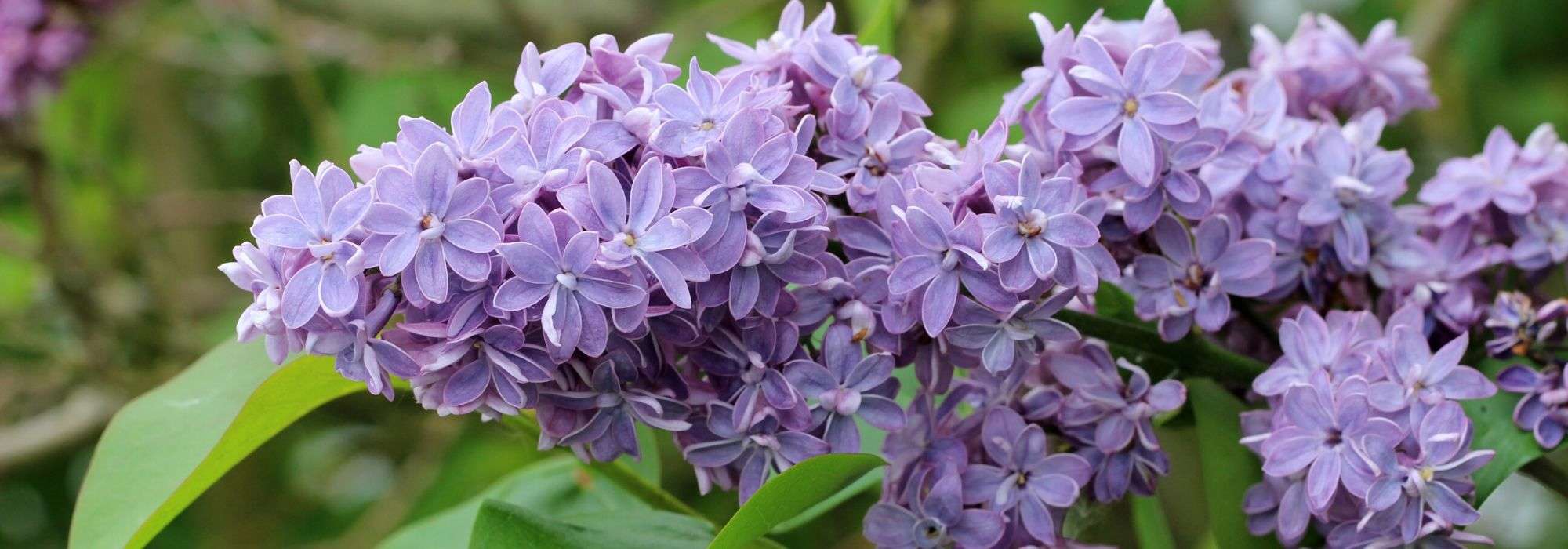
Syringa vulgaris ‘Président Grévy’, le lilas commun ‘Président Grévy’, est l’un des grands lilas français créés par Victor Lemoine à Nancy. Sa floraison prend la forme de grandes grappes de fleurs doubles bleu lilacé à bleu cobalt, lavées de mauve, qui s’ouvrent à partir de boutons violet rougeâtre. Leur parfum puissant est celui que l’on attend d’un lilas ancien. Vigoureuse et florifère, cette variété historique se plante dans un emplacement dégagé ; à chaque passage, elle fournira d'opulents rameaux fleuris pour les bouquets.
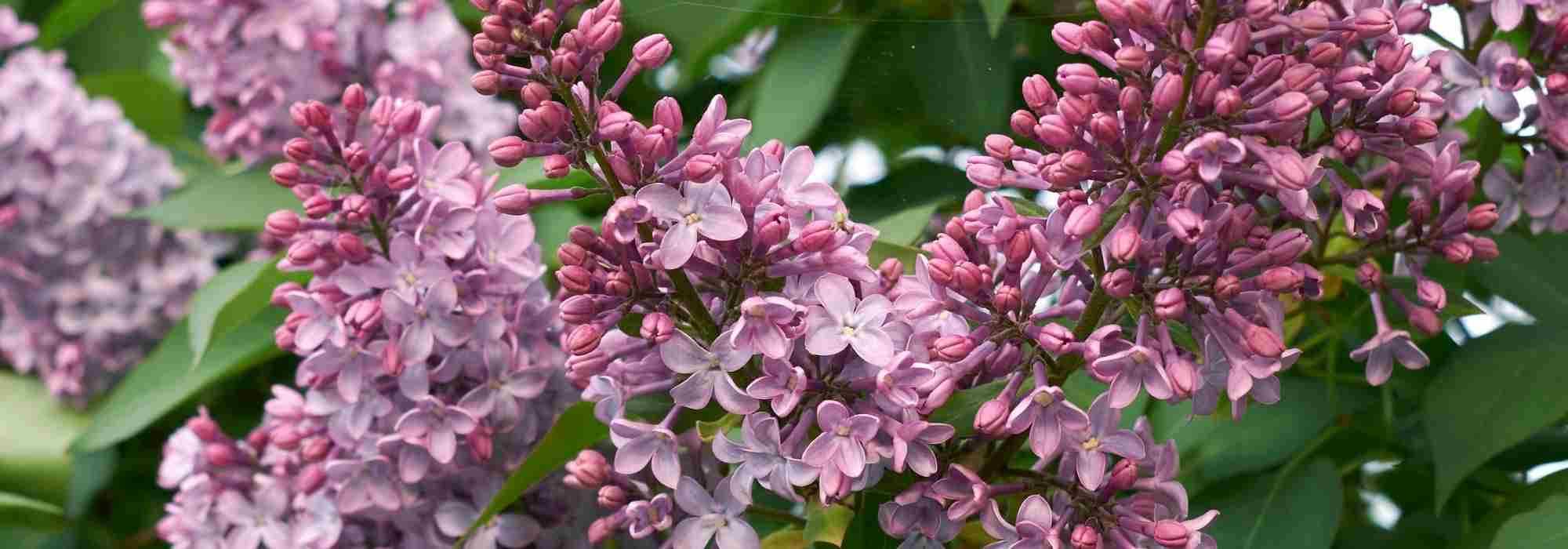
Ce lilas appartient à la famille des Oléacées. C’est un arbuste caduc : sa ramure reste en place en hiver, mais ses feuilles tombent à l’automne. Syringa vulgaris est une espèce originaire du nord de la péninsule Balkanique, présente jusqu’au nord de la Roumanie centrale. La variété ‘Président Grévy’ a été obtenue à Nancy par Victor Lemoine et introduite dans le commerce en 1886. À la fin du XIXᵉ siècle, la pépinière Lemoine renouvela profondément les lilas à grandes fleurs en sélectionnant de nombreuses formes doubles. 'Président Grévy’ appartient à cette génération de créations françaises encore cultivées aujourd’hui. Elle porte le nom de Jules Grévy, président de la République française de 1879 à 1887, et reçut un Award of Merit de la Royal Horticultural Society en 1892. Cette variété forme un grand buisson vigoureux, dressé dans sa jeunesse puis plus large avec l’âge, qui atteint 3,50 à 4 m de hauteur pour 2,50 à 3 m d’envergure. Comme beaucoup de lilas communs, elle peut produire des rejets depuis sa souche et s’élargir progressivement. Ses feuilles, largement ovales et cordiformes à la base, sont vert clair au débourrement puis vert moyen. La floraison est portée par les rameaux formés l’année précédente. Selon le climat, celle-ci peut commencer en avril ou se dérouler en mai. De grandes panicules coniques de 15 à 25 cm rassemblent des boutons violet rougeâtre qui s’ouvrent en fleurs semi-doubles à doubles. Elles exhalent un parfum intense, floral, typique des lilas communs. Cet arbuste résiste à des gelées sévères, jusqu'à -29°C en pointe.
De culture facile, le lilas commun ‘Président Grevy’ se plaît dans les sols frais à pas trop secs, bien drainés. Dans un grand massif champêtre ou une haie fleurie, cette variété s’associe naturellement à d’autres lilas parfumés et à d'autres grands arbustes peu exigeants. Elle peut aussi être plantée en sujet isolé sur une pelouse, près d’un passage ou non loin d'un banc. Dans un jardin de curé ou un jardin à l’anglaise, on peut l’associer au Philadelphus ‘Virginal’, au Deutzia ‘Pride of Rochester’, au Viburnum opulus ‘Roseum’ ou à la grande spirée blanche Spiraea vanhouttei.
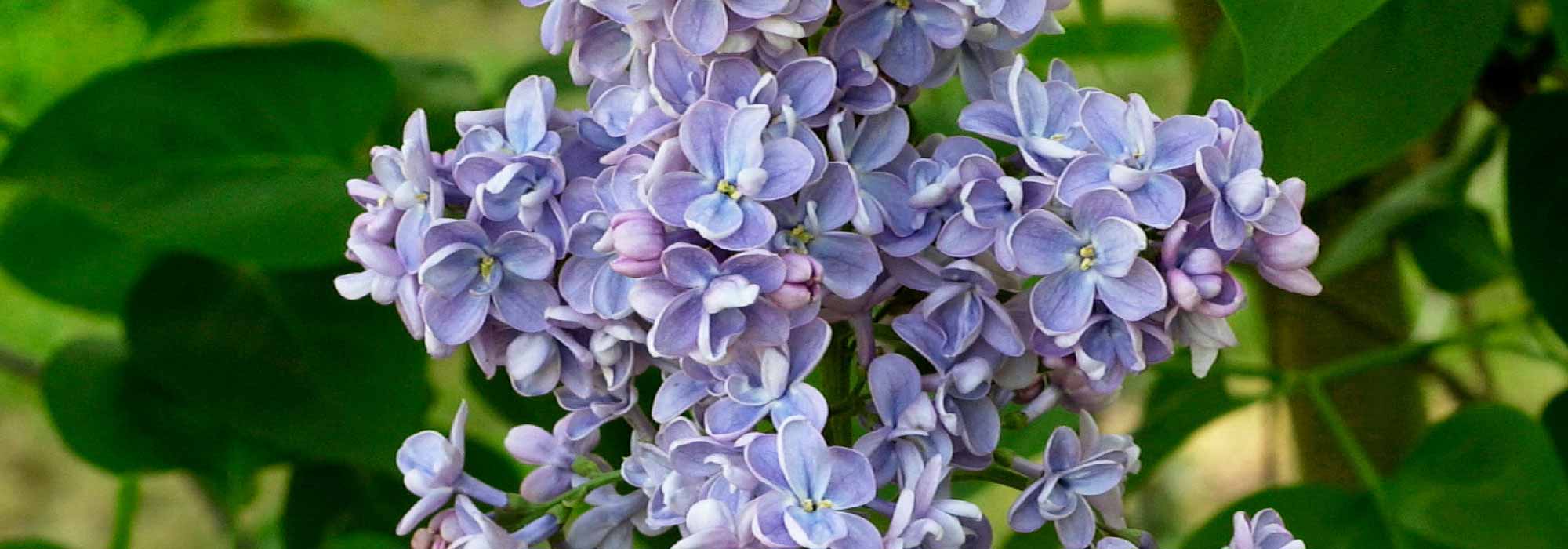
Syringa vulgaris Président Grevy - Common Lilac in pictures


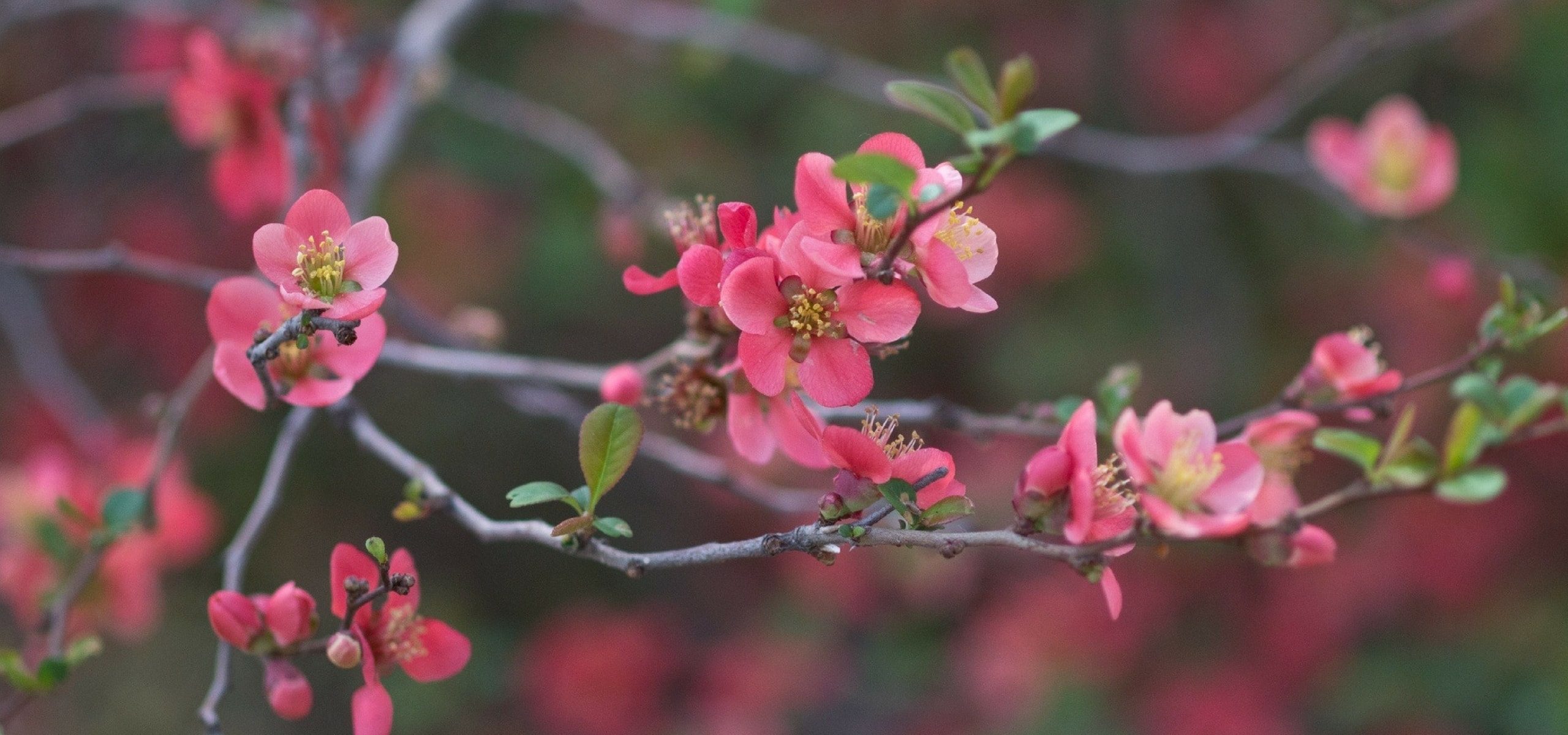
Plant habit
Flowering
Foliage
Botanical data
Syringa
vulgaris
Président Grevy
Oleaceae
Common Lilac, Lilac
Cultivar or hybrid
Planting and care
Syringa vulgaris ‘Président Grévy’ is best planted from autumn to early spring, when the ground is not frozen, in a sunny, open position. Plant it in deep, well-worked soil, preferably fertile, neutral to alkaline, which drains freely in winter. It tolerates clay soils if their drainage is good. Water regularly during the first year or two in dry periods; once well established, it needs much less water, but water must not be lacking during the growth and flowering period. Remove suckers if you want to keep a well-defined bush.
Planting period
Intended location
Care
Planting & care advice
-
-

-
-

-

-
-

-
-
, onOrder confirmed
Reply from on Promesse de fleurs
Recently viewed products
Haven't found what you were looking for?
Hardiness is the lowest winter temperature a plant can endure without suffering serious damage or even dying. However, hardiness is affected by location (a sheltered area, such as a patio), protection (winter cover) and soil type (hardiness is improved by well-drained soil).

The flowering period indicated on our website applies to countries and regions located in USDA zone 8 (France, the United Kingdom, Ireland, the Netherlands, etc.)
It will vary according to where you live:- In zones 9 to 10 (Italy, Spain, Greece, etc.), flowering will occur about 2 to 4 weeks earlier.
- In zones 6 to 7 (Germany, Poland, Slovenia, and lower mountainous regions), flowering will be delayed by 2 to 3 weeks.
- In zone 5 (Central Europe, Scandinavia), blooming will be delayed by 3 to 5 weeks.
In temperate climates, pruning of spring-flowering shrubs (forsythia, spireas, etc.) should be done just after flowering.
Pruning of summer-flowering shrubs (Indian Lilac, Perovskia, etc.) can be done in winter or spring.
In cold regions as well as with frost-sensitive plants, avoid pruning too early when severe frosts may still occur.
The planting period indicated on our website applies to countries and regions located in USDA zone 8 (France, United Kingdom, Ireland, Netherlands).
It will vary according to where you live:
- In Mediterranean zones (Marseille, Madrid, Milan, etc.), autumn and winter are the best planting periods.
- In continental zones (Strasbourg, Munich, Vienna, etc.), delay planting by 2 to 3 weeks in spring and bring it forward by 2 to 4 weeks in autumn.
- In mountainous regions (the Alps, Pyrenees, Carpathians, etc.), it is best to plant in late spring (May-June) or late summer (August-September).
The harvesting period indicated on our website applies to countries and regions in USDA zone 8 (France, England, Ireland, the Netherlands).
In colder areas (Scandinavia, Poland, Austria...) fruit and vegetable harvests are likely to be delayed by 3-4 weeks.
In warmer areas (Italy, Spain, Greece, etc.), harvesting will probably take place earlier, depending on weather conditions.
The sowing periods indicated on our website apply to countries and regions within USDA Zone 8 (France, UK, Ireland, Netherlands).
In colder areas (Scandinavia, Poland, Austria...), delay any outdoor sowing by 3-4 weeks, or sow under glass.
In warmer climes (Italy, Spain, Greece, etc.), bring outdoor sowing forward by a few weeks.
Shipping country and language
Your country of residence may be:
Your country of residence is:
For a better user experience on our website, you can select:
Your shipping country:
-
 Austria
-
 Belgium
-
 Bosnia & Herzegovina
-
 Bulgaria
-
 Croatia
-
 Cyprus
-
 Czechia
-
 Denmark
-
 Estonia
-
 Finland
-
 France
-
 Germany
-
 Greece
-
 Hungary
-
 Iceland
-
 Ireland
-
 Italy
-
 Latvia
-
 Liechtenstein
-
 Lithuania
-
 Luxembourg
-
 Malta
-
 Netherlands
-
 Poland
-
 Portugal
-
 Romania
-
 Serbia
-
 Slovakia
-
 Slovenia
-
 Spain
-
 Sweden
-
 Switzerland
Language:
-
French
-
 English
-
Spanish
-
Italian
-
German
-
Portuguese
-
Dutch
-
Finnish
My Account
Hello
My wish lists
My cart
Log in / Register
Existing customer?
This form is protected by reCAPTCHA - the Google Privacy Policy and Terms of Service apply.
New customer?
Create an account to track your orders, access our customer service and, if you wish, make the most of our upcoming offers.