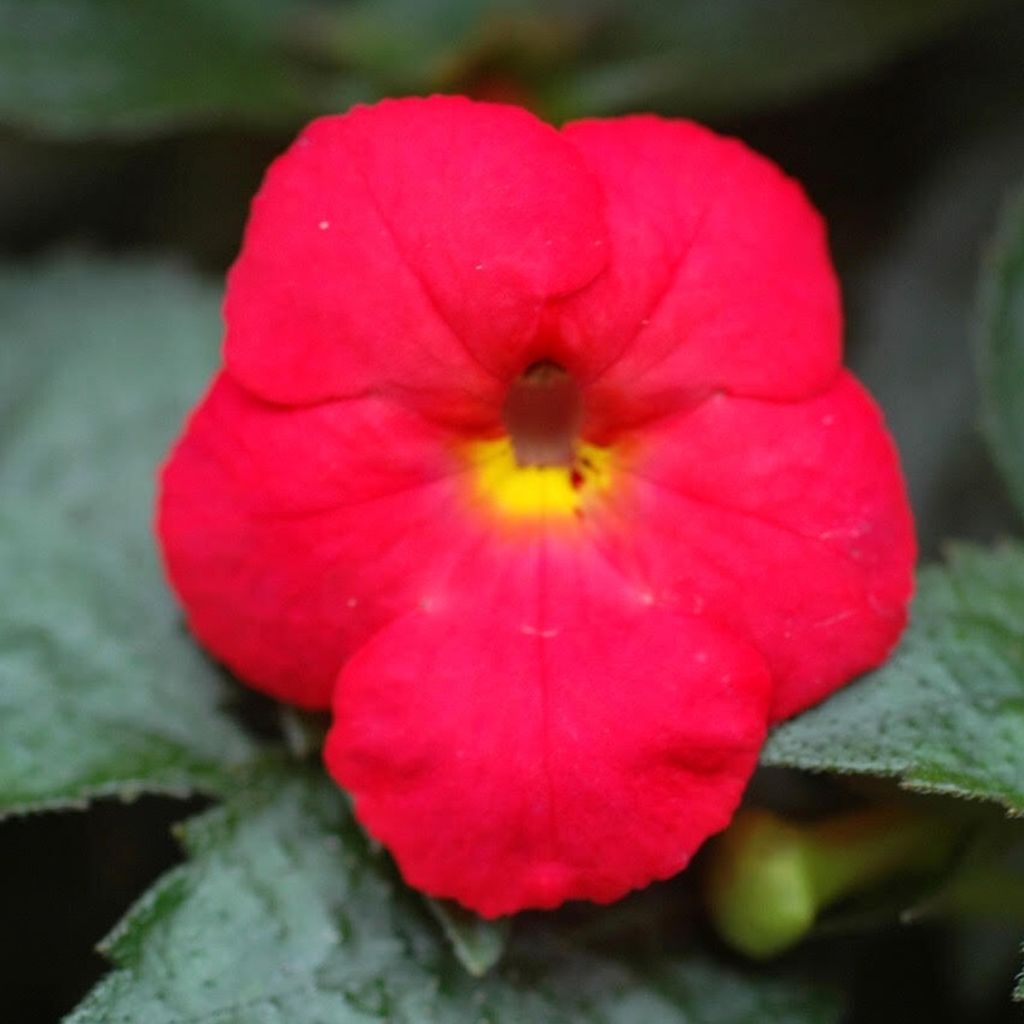
Achimenes Red - Magic Flower
Achimenes Red - Magic Flower
Achimenes x hybridum Rouge
Magic Flower, Cupid's Bower, Nut Orchid, Hot Water Plant
Very disappointed with the pink and red achimenes bulbs, completely dry; I don't know whether they will shoot given their condition. Thank you for your reply. Kind regards
elisabeth, 11/06/2024
Back-to-school special offer!
Get €10 off for every €50 you spend! And get up to €40 off on a single order.
How does it work?
1. Shop your favourites
Add your favourite plants to your basket. For every €50 you spend (excluding delivery charges, store credit and the plastic-free option), you’ll receive a €10 voucher.
€50 spent = €10 voucher
€100 spent = €20 voucher
€150 spent = €30 voucher
€200 spent = €40 voucher
2. Place your order
Once your basket reaches one of the spending thresholds, place your order. You can even choose your delivery date!
3. Receive your voucher
As soon as your order has been shipped, you’ll receive an email containing your personal voucher code and its value.
4. Use it on your next order
Your voucher is valid for 90 days from the date you receive it. It can be used once only, on a new order worth at least the value of the voucher, excluding delivery charges.
Please note: Vouchers can be combined with other offers, but cannot be split or refunded.
This plant carries a 6 months recovery warranty
More information
We guarantee the quality of our plants for a full growing cycle, and will replace at our expense any plant that fails to recover under normal climatic and planting conditions.
Would this plant suit my garden?
Set up your Plantfit profile →
Description
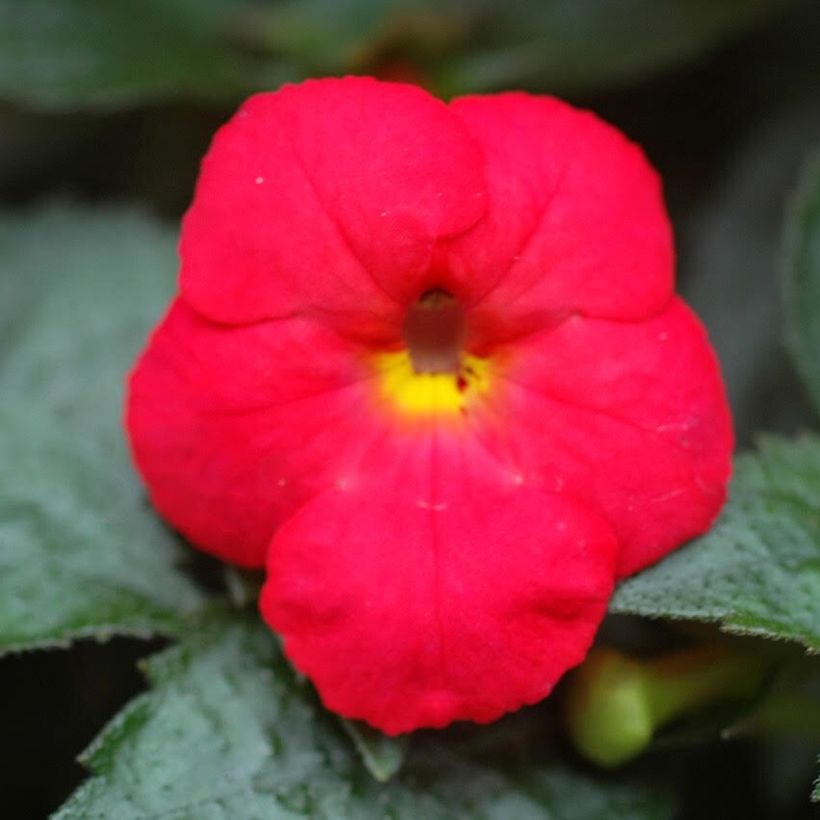
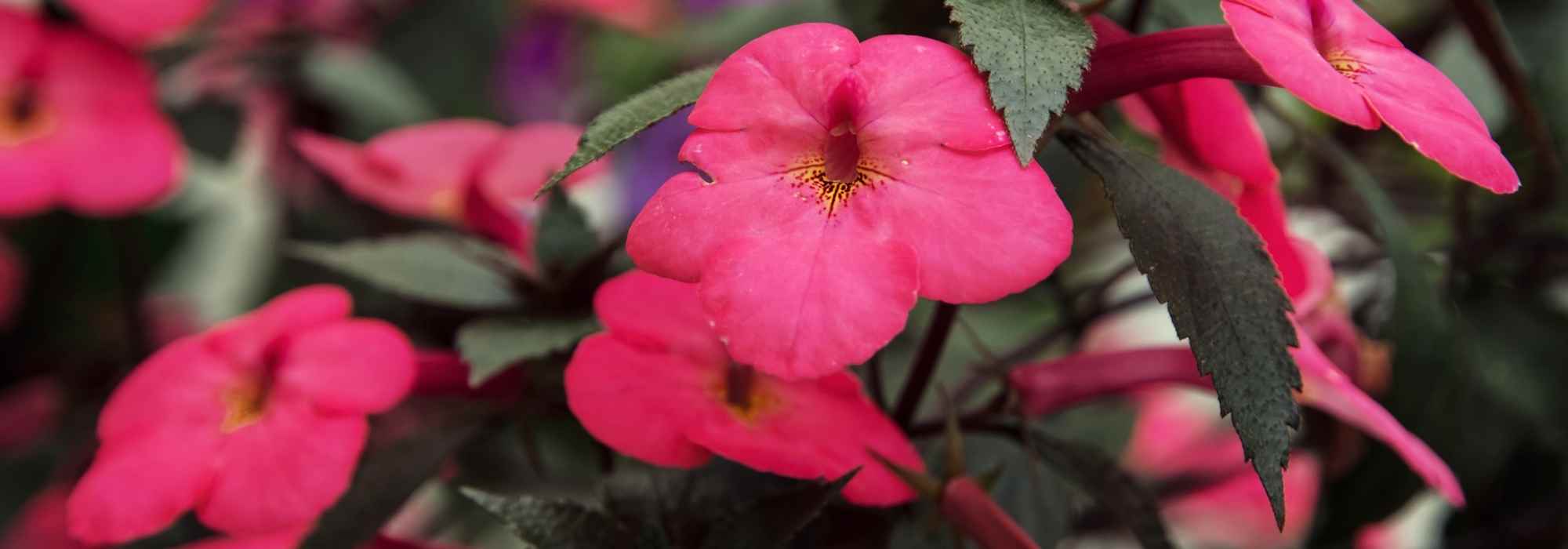
The Red Achimenes is a tender plant, often grown indoors, appreciated for its attractive trailing habit and its endless flowering of vibrant vermillion red. Each flower only lives for a few days, but they continuously renew themselves for several months on flexible stems, highlighted by very dark green foliage. To create a beautiful potted display or fill a hanging basket, we recommend planting several rhizomes together. You can place it outside on the terrace or in the garden during summer, in a gently sunny and sheltered spot. The plant rests during winter, protected from the cold, in a dry and shaded area.
Achimenes x hybridum, or Achimenes, belongs to the Gesneriad family and is a rhizomatous plant native to tropical America, the Antilles, Mexico, and Guatemala, sensitive to temperatures below 10°C. In nature, it is found in slightly humid and semi-shaded places, anchored to stone walls or rocks, sometimes at higher altitudes. Introduced to Europe in the 19th century, different species have been hybridized, giving rise to beautiful varieties for the decoration of verandas and interiors. The storage organ is a tuberous root. Eventually, the plant forms a rounded and trailing clump that measures approximately 30-40cm (12-16in) in height and 40-50cm (16-20in) in width. Growth begins in spring, with flexible and slightly brittle stems carrying oval and pointed leaves, measuring between 3 and 5cm (1 and 2in) in width, slightly fuzzy, with toothed edges, and dark green in colour. Flowering usually starts in May and continues until September-October. The flowers, 3 to 5cm (1 to 2in) in diameter, are formed by a long tube that opens into a corolla with 5 petals. The foliage naturally dries up in autumn, after flowering. It is then time to dig up the rhizomes and store them, for example, in dry sand, in a cool room, protected from light.
Achimenes are often grown as annuals, although they can be kept for several years if they are carefully overwintered in a dry and shaded place. They are generous, colourful, and graceful plants, perfectly suited for hanging baskets and potted displays. You can associate them, for example, with Plectranthus, impatiens, lobelias, African violets... During summer, this fast-growing plant is capable of forming beautiful trailing clumps, for example, to be placed among begonias.
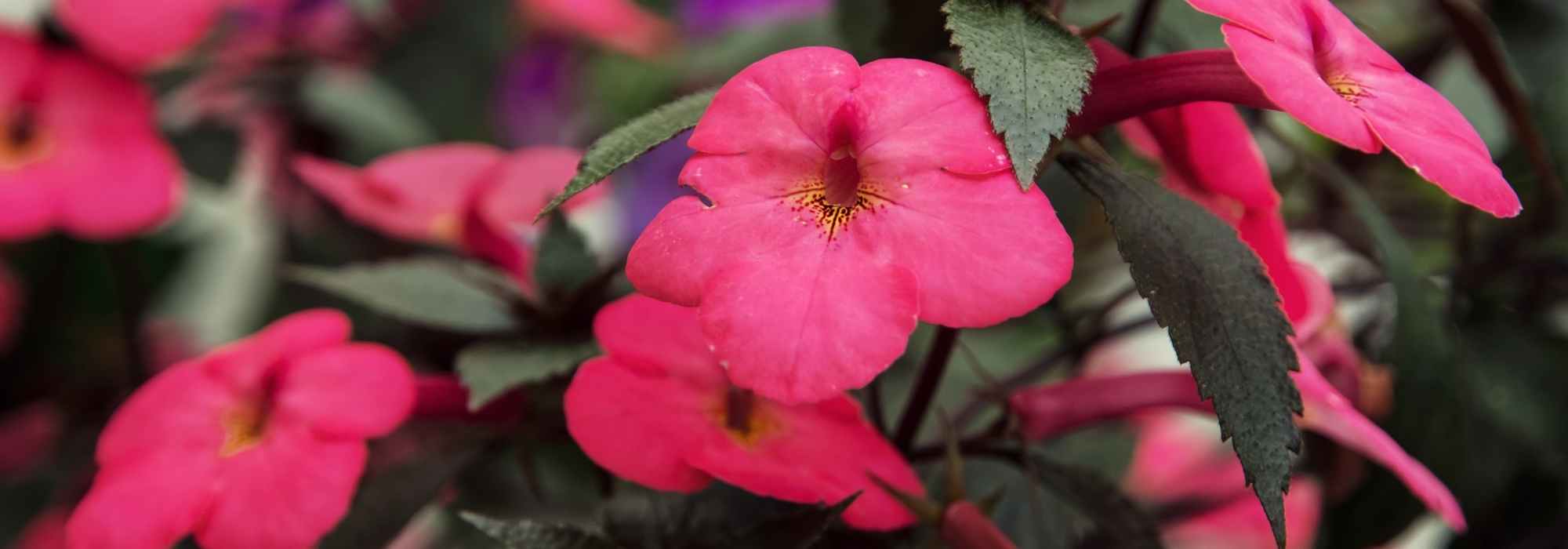
Achimenes Red - Magic Flower in pictures
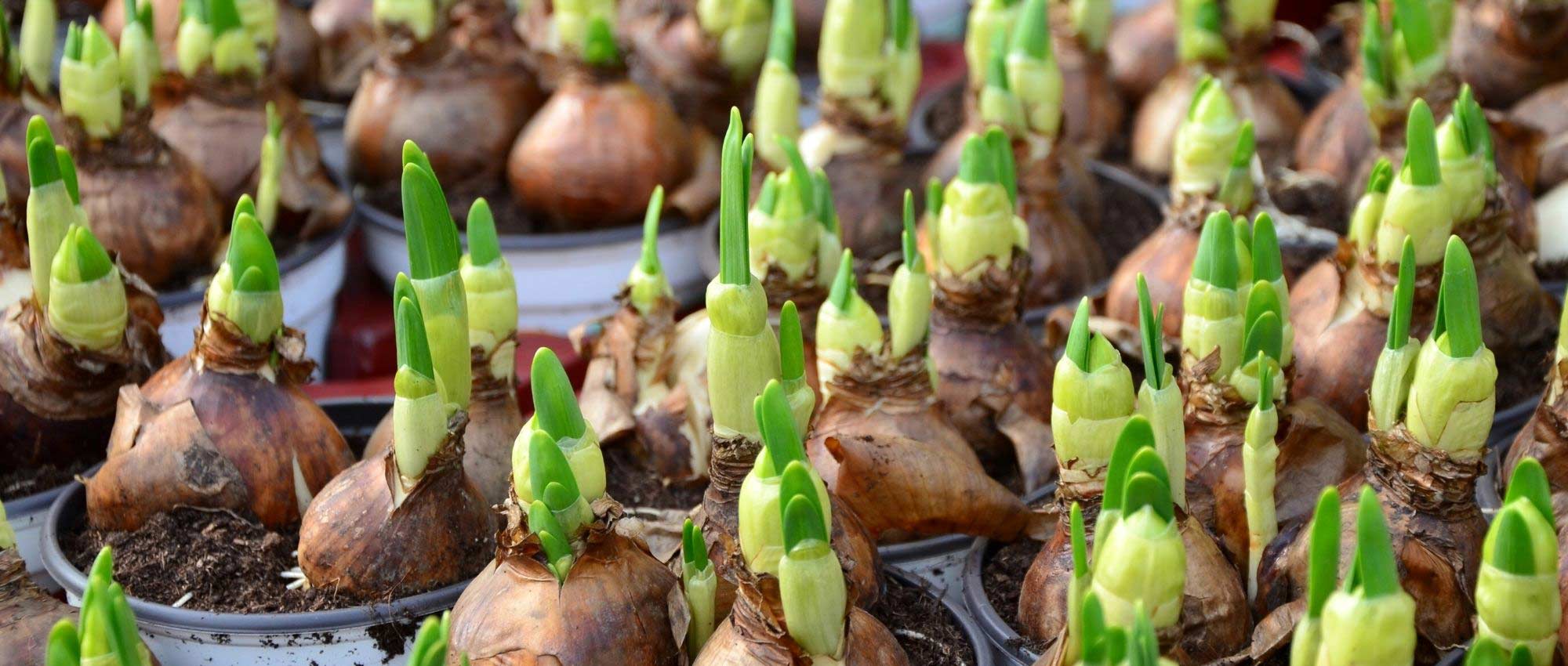
Plant habit
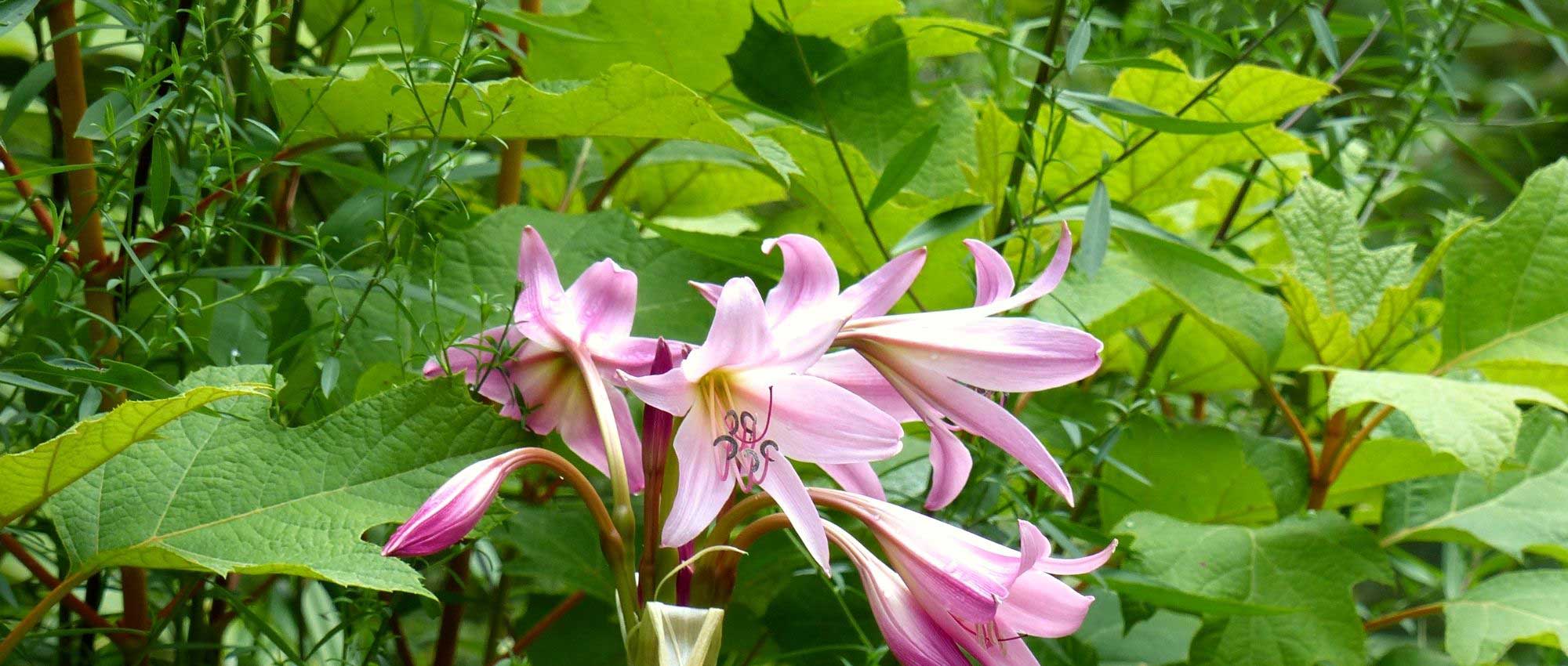
Flowering
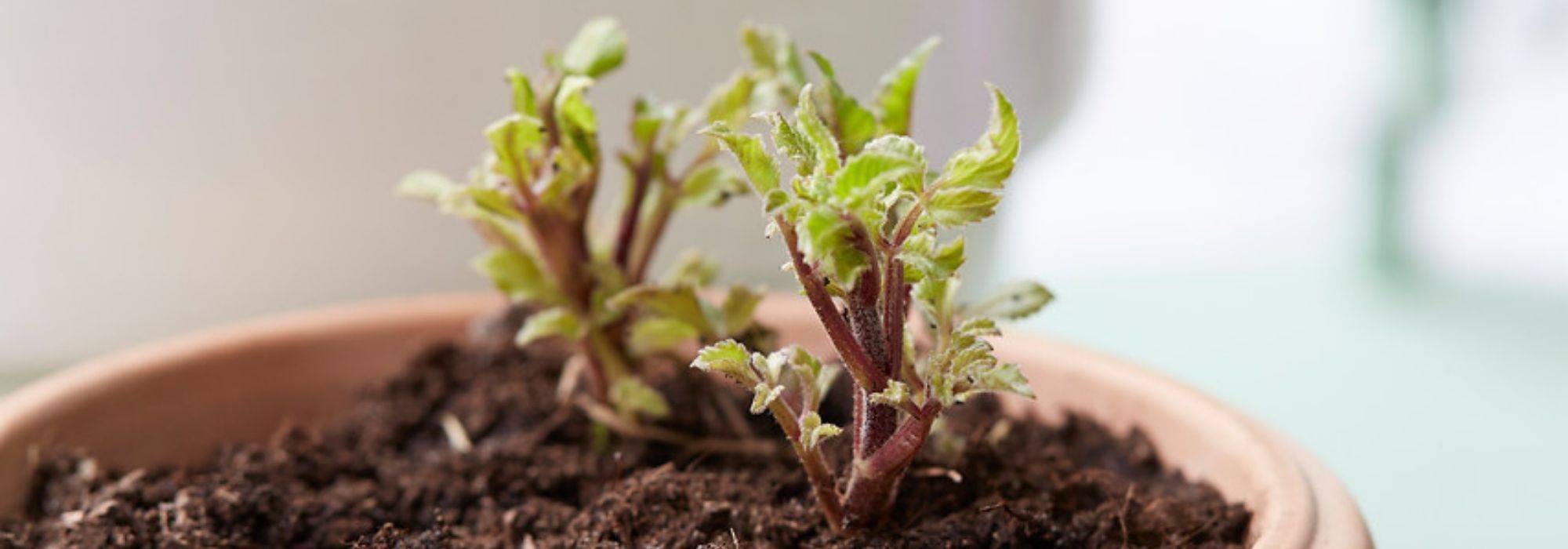
Foliage
Botanical data
Achimenes
x hybridum
Rouge
Gesneriaceae
Magic Flower, Cupid's Bower, Nut Orchid, Hot Water Plant
Cultivar or hybrid
Planting and care
Plant your Achimenes in the spring in a light substrate, composed of a mixture of heather soil and compost, preferably acidic. The rhizomes are placed under 3 to 4cm (1 to 2in) of compost. Place them in partial shade, in a bright location but away from direct sunlight. Be careful of windy areas and drafts, as the stems are brittle. These tropical plants appreciate slightly humid atmospheres and warmth during the growth period, and they cannot tolerate temperatures below 10°C (50°F). They are often cultivated indoors, at temperatures above 16°C (60.8°F) during the growth period (from spring to the end of summer).
Stop watering in September, the foliage will naturally dry out. Cut it off. Dig up the rhizomes and store them in dry sand, for example in a cupboard, in a cool room. They will remain there throughout the winter. Winter rest is essential for obtaining beautiful flowering. Around March, you will replant them, place them in a bright location, and gradually resume watering. Provide half a dose of soluble fertilizer for flowering plants three to four weeks later, then once a month to support flowering. Prefer watering with non-calcareous water (rainwater or Volvic mineral water, for example). Water regularly, but without excess, and do not wet the foliage. Do not leave a saucer filled with water under the pot, as this could cause the rhizomes to rot.
Regularly remove faded flowers, this will promote the appearance of new flowers. To encourage the plant to branch out, you can pinch the tips of the stems during the first month of growth.
A slightly wide pot or hanging basket can accommodate multiple rhizomes that will form a beautiful clump.
Planting period
Intended location
Care
Planting & care advice
-
-
-
-
-
-
-
-
-
, onOrder confirmed
Reply from on Promesse de fleurs
Recently viewed products
Haven't found what you were looking for?
Hardiness is the lowest winter temperature a plant can endure without suffering serious damage or even dying. However, hardiness is affected by location (a sheltered area, such as a patio), protection (winter cover) and soil type (hardiness is improved by well-drained soil).

The flowering period indicated on our website applies to countries and regions located in USDA zone 8 (France, the United Kingdom, Ireland, the Netherlands, etc.)
It will vary according to where you live:- In zones 9 to 10 (Italy, Spain, Greece, etc.), flowering will occur about 2 to 4 weeks earlier.
- In zones 6 to 7 (Germany, Poland, Slovenia, and lower mountainous regions), flowering will be delayed by 2 to 3 weeks.
- In zone 5 (Central Europe, Scandinavia), blooming will be delayed by 3 to 5 weeks.
In temperate climates, pruning of spring-flowering shrubs (forsythia, spireas, etc.) should be done just after flowering.
Pruning of summer-flowering shrubs (Indian Lilac, Perovskia, etc.) can be done in winter or spring.
In cold regions as well as with frost-sensitive plants, avoid pruning too early when severe frosts may still occur.
The planting period indicated on our website applies to countries and regions located in USDA zone 8 (France, United Kingdom, Ireland, Netherlands).
It will vary according to where you live:
- In Mediterranean zones (Marseille, Madrid, Milan, etc.), autumn and winter are the best planting periods.
- In continental zones (Strasbourg, Munich, Vienna, etc.), delay planting by 2 to 3 weeks in spring and bring it forward by 2 to 4 weeks in autumn.
- In mountainous regions (the Alps, Pyrenees, Carpathians, etc.), it is best to plant in late spring (May-June) or late summer (August-September).
The harvesting period indicated on our website applies to countries and regions in USDA zone 8 (France, England, Ireland, the Netherlands).
In colder areas (Scandinavia, Poland, Austria...) fruit and vegetable harvests are likely to be delayed by 3-4 weeks.
In warmer areas (Italy, Spain, Greece, etc.), harvesting will probably take place earlier, depending on weather conditions.
The sowing periods indicated on our website apply to countries and regions within USDA Zone 8 (France, UK, Ireland, Netherlands).
In colder areas (Scandinavia, Poland, Austria...), delay any outdoor sowing by 3-4 weeks, or sow under glass.
In warmer climes (Italy, Spain, Greece, etc.), bring outdoor sowing forward by a few weeks.
Shipping country and language
Your country of residence may be:
Your country of residence is:
For a better user experience on our website, you can select:
Your shipping country:
-
 Austria
-
 Belgium
-
 Bosnia & Herzegovina
-
 Bulgaria
-
 Croatia
-
 Cyprus
-
 Czechia
-
 Denmark
-
 Estonia
-
 Finland
-
 France
-
 Germany
-
 Greece
-
 Hungary
-
 Iceland
-
 Ireland
-
 Italy
Italy
-
 Latvia
-
 Liechtenstein
-
 Lithuania
-
 Luxembourg
-
 Malta
Malta
-
 Netherlands
-
 Poland
-
 Portugal
-
 Romania
-
 Serbia
-
 Slovakia
-
 Slovenia
-
 Spain
Spain
-
 Sweden
-
 Switzerland
Language:
-
French
-
 English
-
Spanish
-
Italian
-
German
-
Portuguese
-
Dutch
-
Finnish
My Account
Hello
My wish lists
My cart
Log in / Register
Existing customer?
This form is protected by reCAPTCHA - the Google Privacy Policy and Terms of Service apply.
New customer?
Create an account to track your orders, access our customer service and, if you wish, make the most of our upcoming offers.