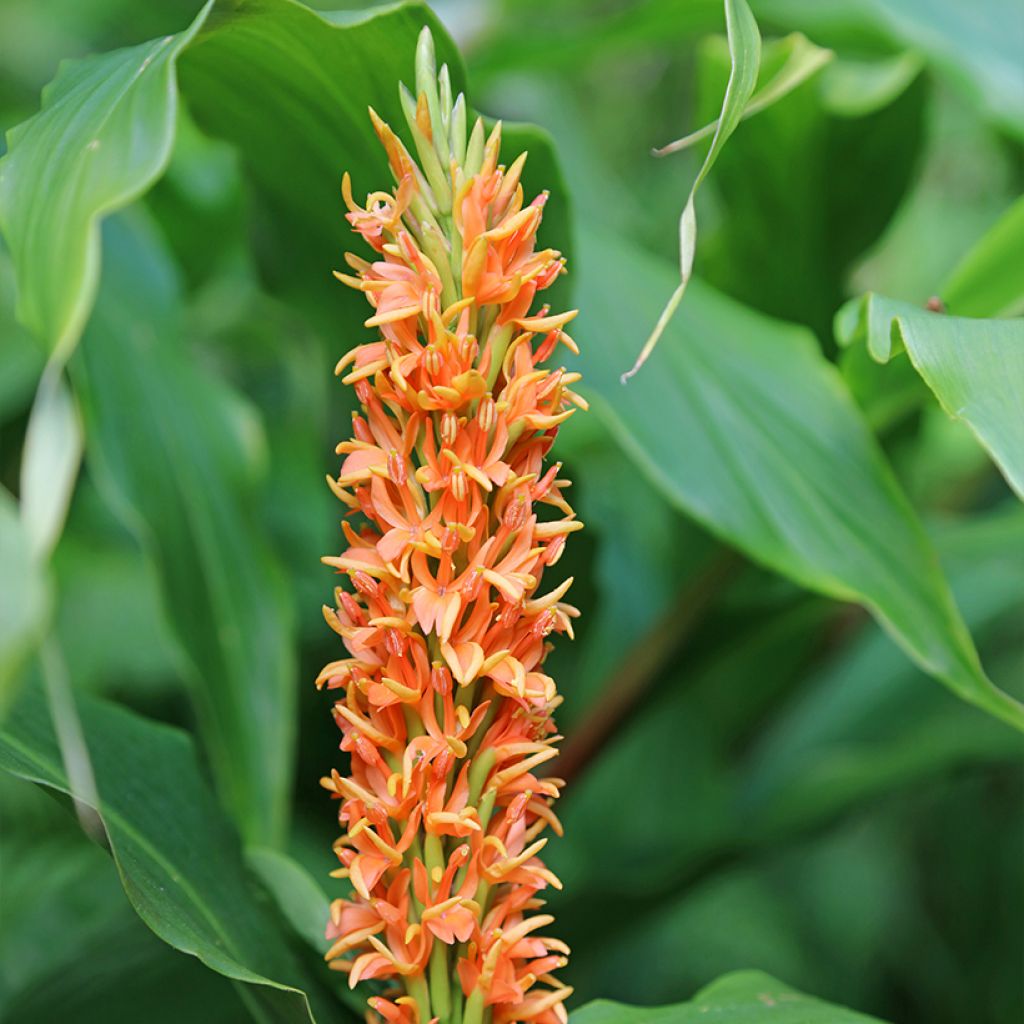
Hedychium densiflorum
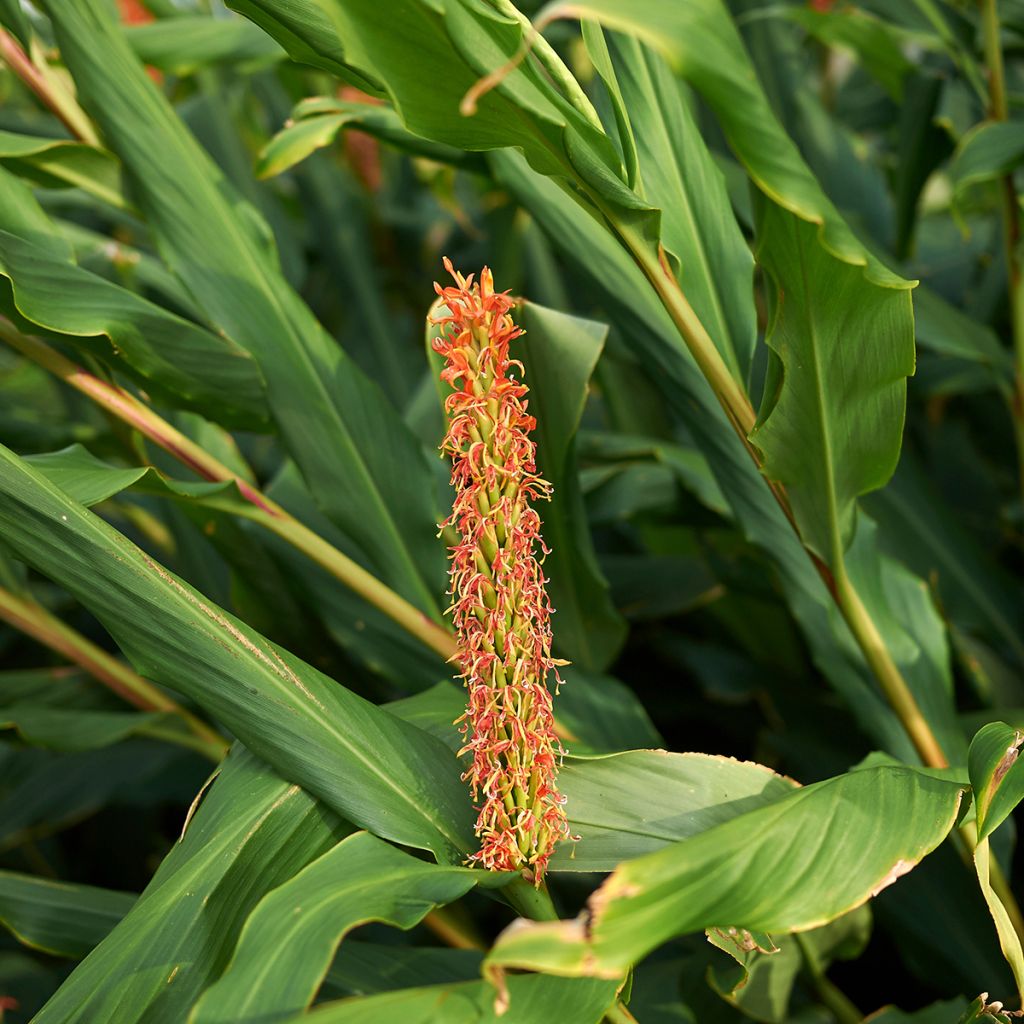
Hedychium densiflorum
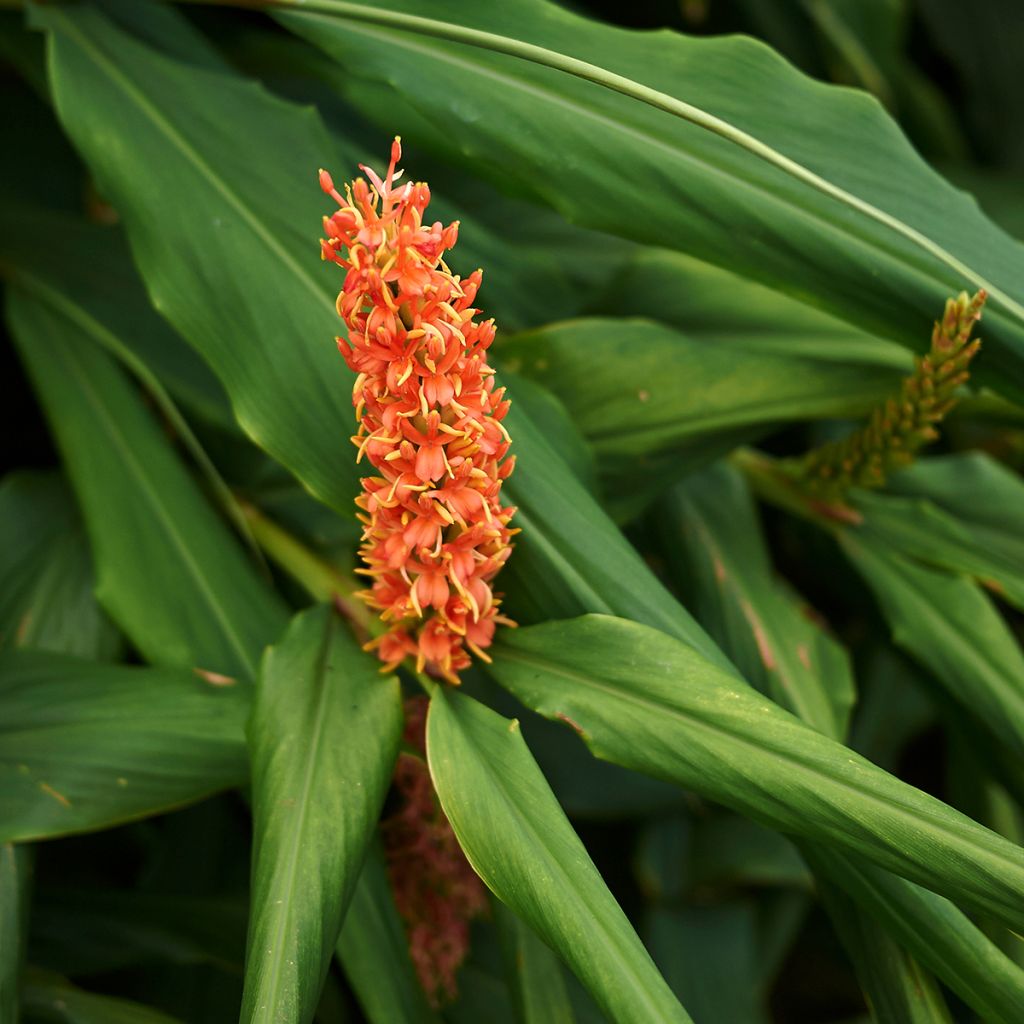
Hedychium densiflorum
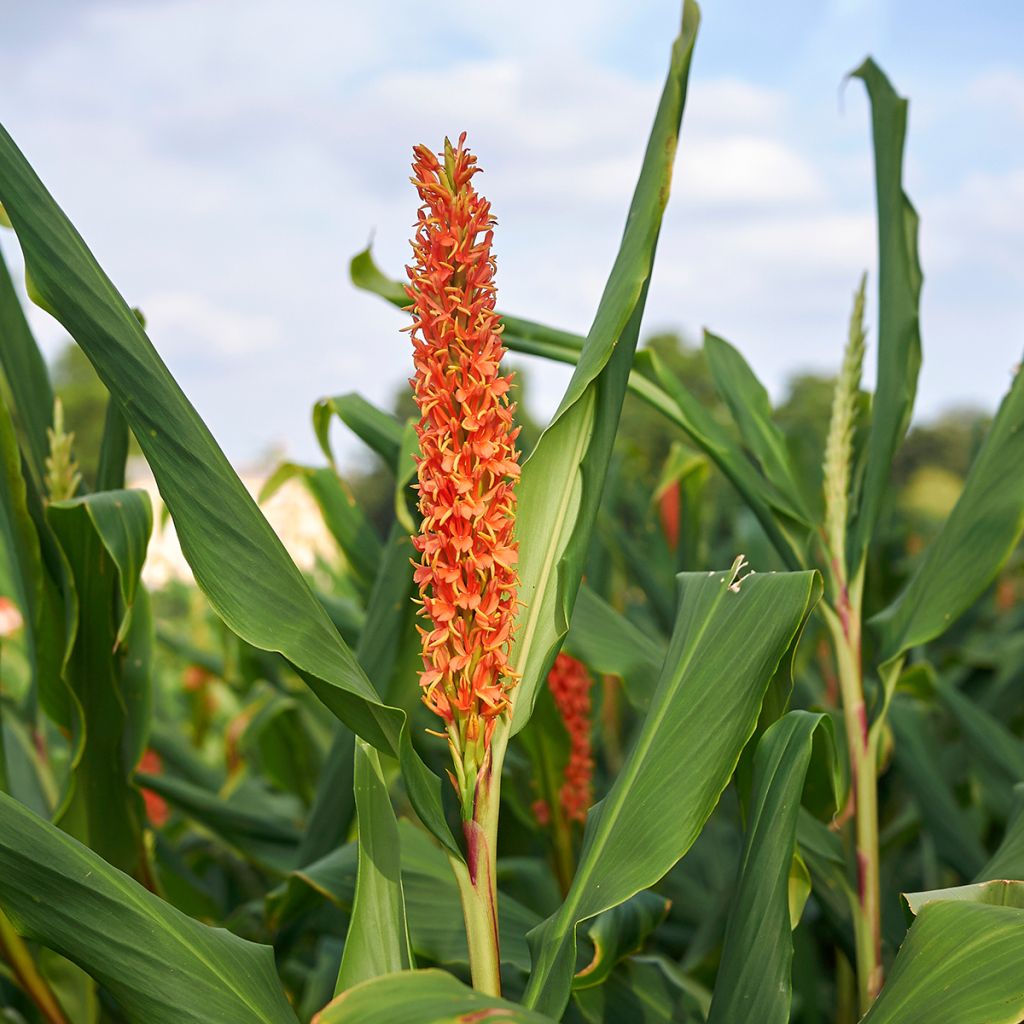
Hedychium densiflorum
Hedychium densiflorum
Hedychium densiflorum
Hedychium densiflorum
Dense ginger lily, Dense-flowered ginger lily
Unfortunately, the bulb never produced anything whatsoever.
Elise, 12/08/2024
Back-to-school special offer!
Get €10 off for every €50 you spend! And get up to €40 off on a single order.
How does it work?
1. Shop your favourites
Add your favourite plants to your basket. For every €50 you spend (excluding delivery charges, store credit and the plastic-free option), you’ll receive a €10 voucher.
€50 spent = €10 voucher
€100 spent = €20 voucher
€150 spent = €30 voucher
€200 spent = €40 voucher
2. Place your order
Once your basket reaches one of the spending thresholds, place your order. You can even choose your delivery date!
3. Receive your voucher
As soon as your order has been shipped, you’ll receive an email containing your personal voucher code and its value.
4. Use it on your next order
Your voucher is valid for 90 days from the date you receive it. It can be used once only, on a new order worth at least the value of the voucher, excluding delivery charges.
Please note: Vouchers can be combined with other offers, but cannot be split or refunded.
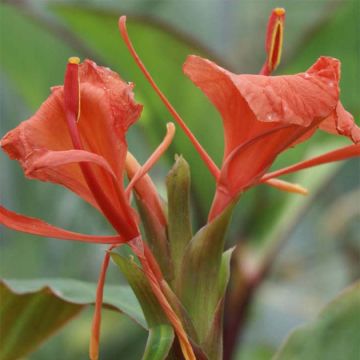
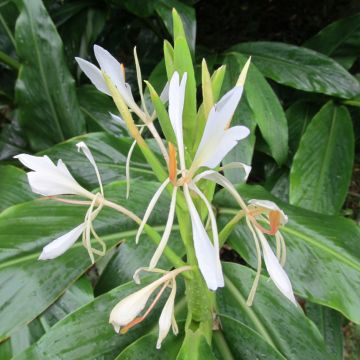
Why not try an alternative variety in stock?
View all →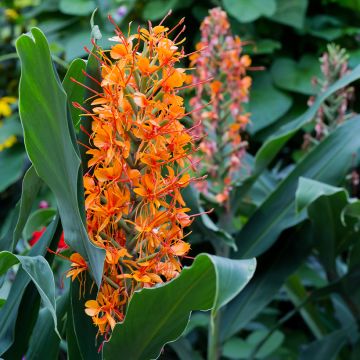
Available in 1 sizes
Available in 1 sizes
Available in 1 sizes
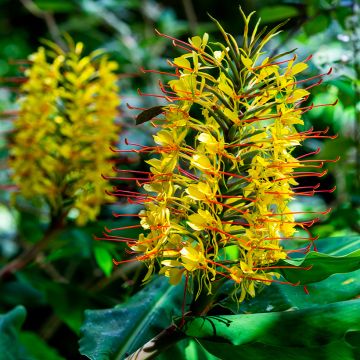
Available in 1 sizes
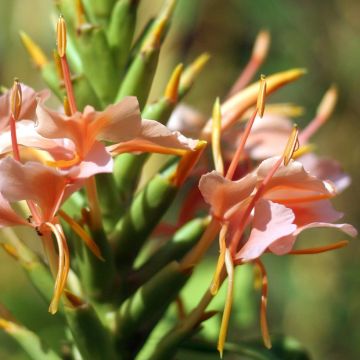
Available in 1 sizes
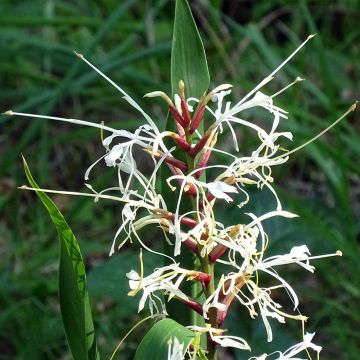
Available in 1 sizes
This plant carries a 6 months recovery warranty
More information
We guarantee the quality of our plants for a full growing cycle, and will replace at our expense any plant that fails to recover under normal climatic and planting conditions.

Would this plant suit my garden?
Set up your Plantfit profile →
Description
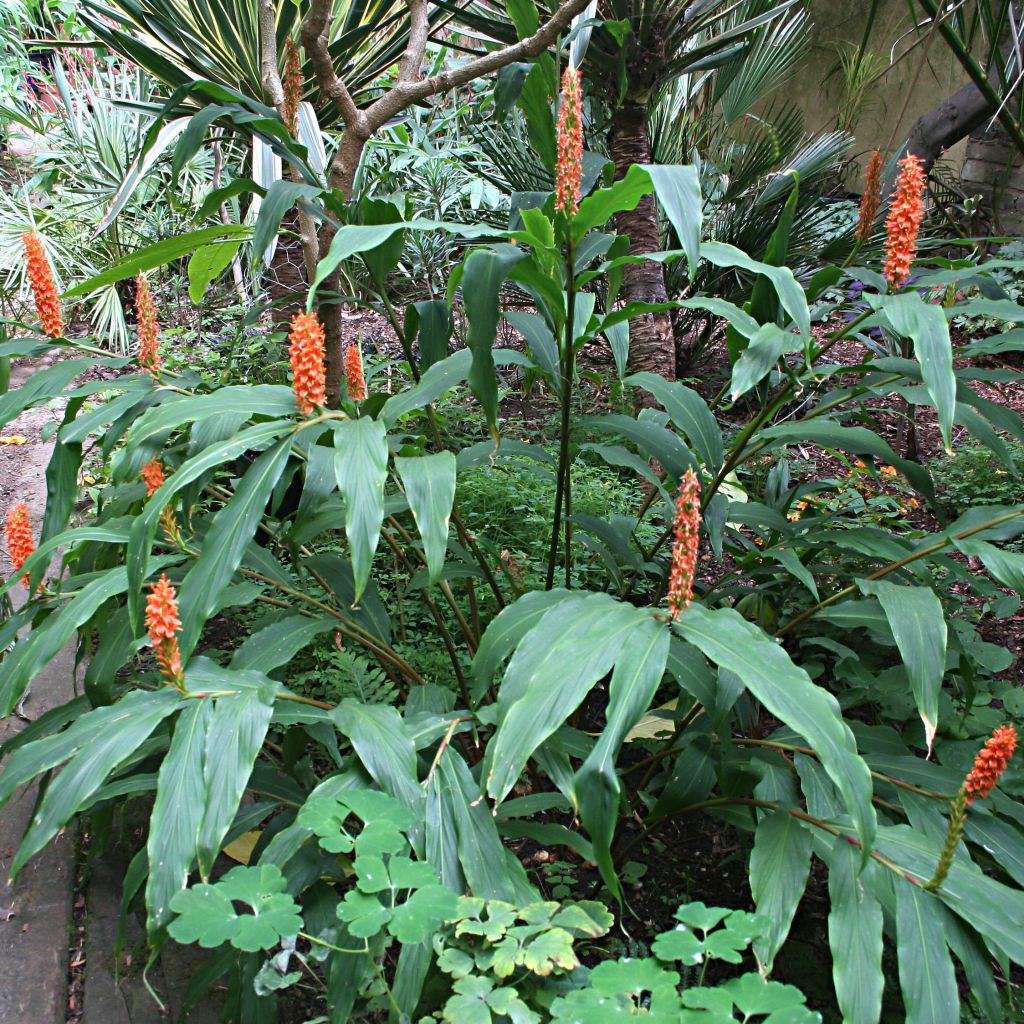
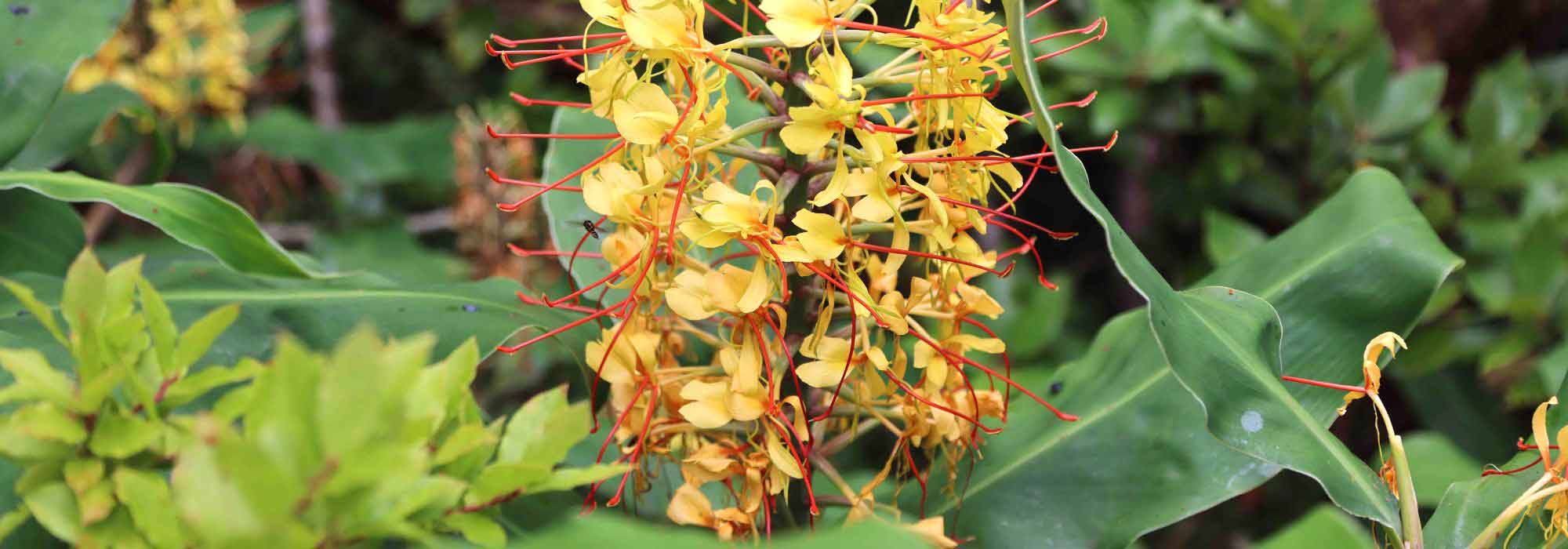
Hedychium densiflorum is one of the hardiest ornamental gingers. This high-altitude Himalayan botanical species tolerates cold weather fairly well, down to -10 to -12°C (14 to 10.4°F) in healthy soil, making it suitable for gardens in many regions. This superb rhizomatous perennial forms a dense clump of tall leafy stems from spring onwards, which adds to the landscape even when not in bloom, revealing itself in late summer with dense spikes of yellow-orange flowers. An exceptional plant for passionate and patient gardeners!
Hedychium densiflorum, native to the eastern Himalayas (Nepal, Bhutan, Sikkim), can be found at altitudes of over 2800m (9186ft), in monsoon-watered forests, in partial shade, on rocky slopes bordering river valleys and on rocky riverbanks. It belongs to the Zingiberaceae family. It produces numerous fleshy rhizomes, which often surface or emerge from the ground. This species is of moderate stature and is sometimes slow to establish. It will reach about 1.3m (4ft) in height at maturity, spreading laterally over time to form large clumps up to 1m (3ft) wide. The plant develops slender pseudostems in April, bearing long sword-shaped leaves with pointed tips. They are dark green and highly ornamental. Flowering occurs in September in mild climates, and in autumn elsewhere. The dense inflorescence, which can reach up to 15cm (6in) in height, is composed of numerous small, yellow-orange flowers, somewhat resembling those of gauras with their compound structure of small petals surrounding protruding stamens, 7cm (3in) long. They attract many bees. The opposite leaves are arranged in a fishbone pattern. The plant disappears in autumn, cut back by frost, but regenerates from the stump in spring.
Hedychiums are superb perennial plants to be used without moderation in exotic gardens. They thrive in rich and deep soil that is preferably dry in winter but moist to wet during the growing season. They also require a warm and sheltered location, as the fragrant flowers bloom late in our gardens. In warmer regions, they may appear as early as August. In the garden, you can create a tropical-inspired bed, for example, by combining Hedychium densiflorum with a Chinese palm or a Japanese banana tree, against a backdrop of giant cannas. In mild climates, the ornamental ginger can accompany the flowering of abutilons, cassias, lantanas, brugmansias, or even the trumpets of the lesser-known Iochroma cyaneum. It thrives in container cultivation, as this plant likes to have its roots confined. Moreover, in areas with severe frost, Hedychium densiflorum makes a beautiful orangery or conservatory plant. It will retain is beautiful foliage in such a setting, remaining attractive from November to March.
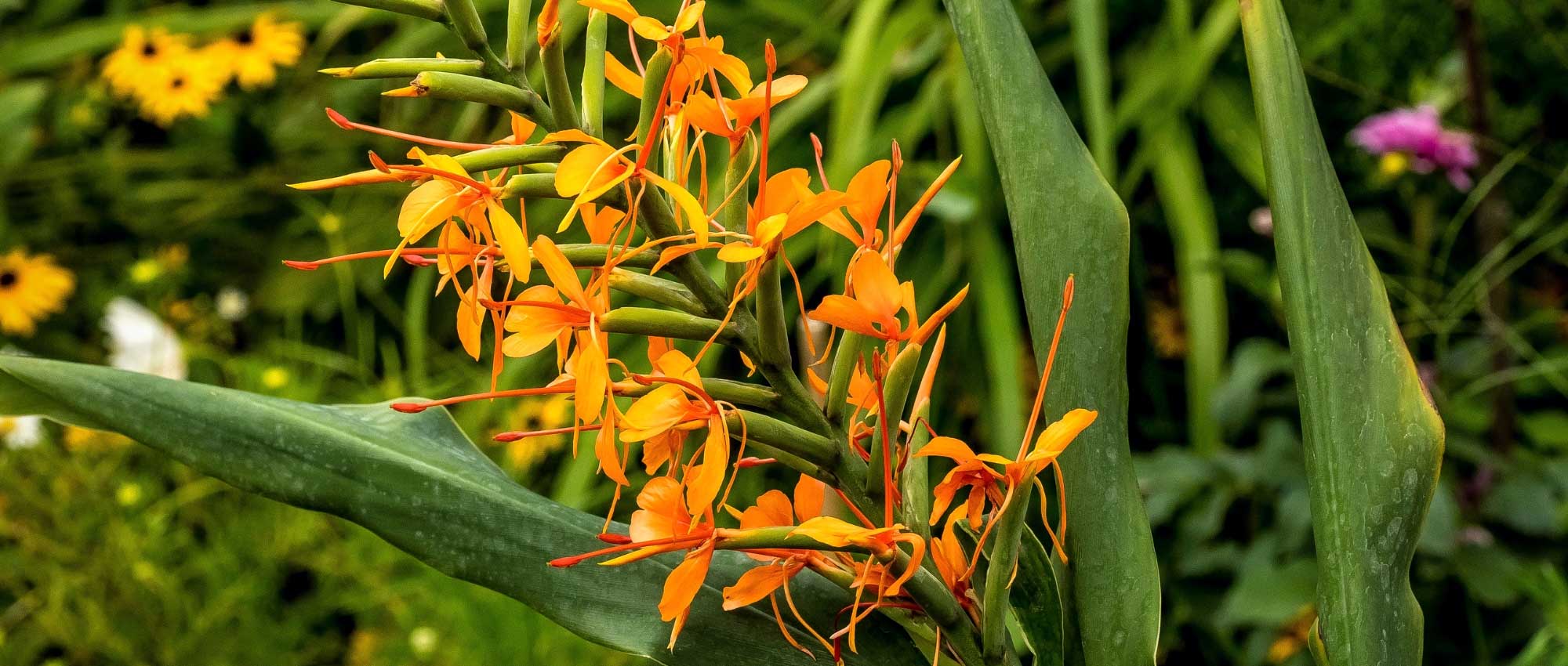
Hedychium densiflorum in pictures
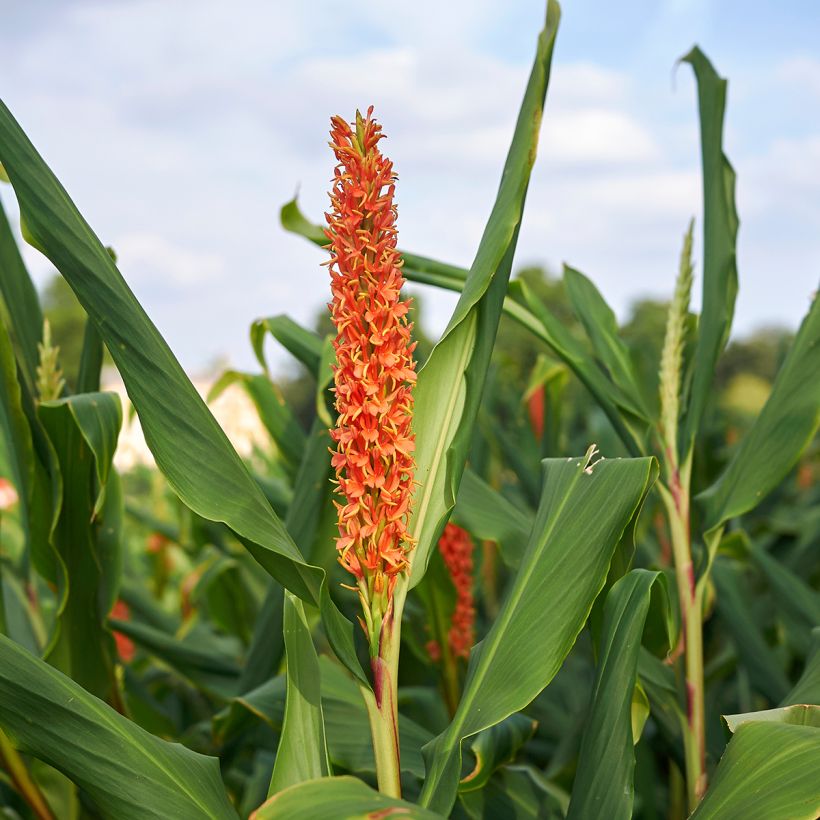
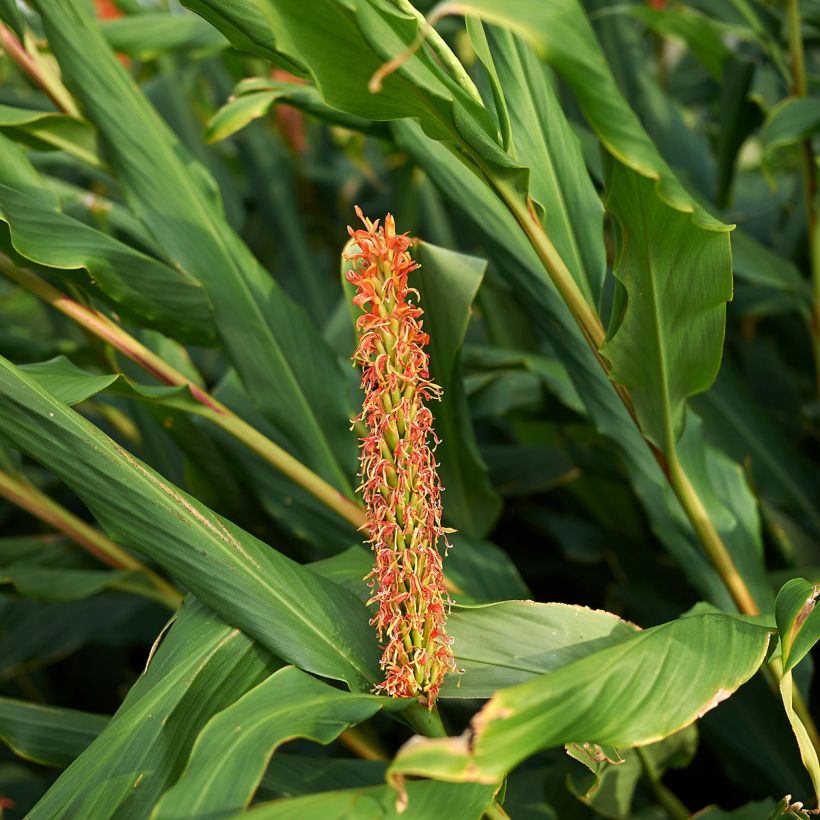
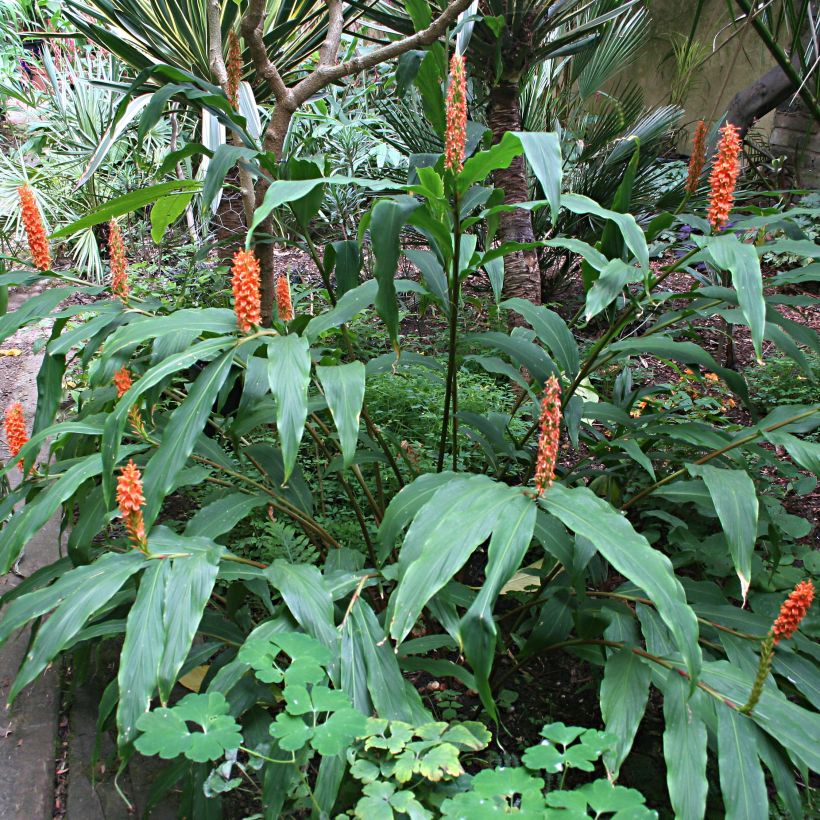
Plant habit
Flowering
Foliage
Botanical data
Hedychium
densiflorum
Zingiberaceae
Dense ginger lily, Dense-flowered ginger lily
Himalayas
Planting and care
Hedychiums are renowned for a lack of hardiness and poor resistance to cold. However, Hedychium densiflorum is one of the hardiest varieties, capable of withstanding extreme negative temperatures of around -12°C (10.4°F) under a thick protective mulch. Our stumps have stayed in the ground for about 9 to 10 years and none have died so far. At the first frost, we cut the foliage down to the ground and then mulch the stumps with a thick layer of dead leaves. This has always been sufficient. The stumps can also be dug up and treated like cannas. Choose a warm and sunny location, sheltered from strong winds. In partial shade, Hedychium tends to grow taller, but its foliage is sensitive to the burn of overly harsh sunlight. The soil should remain moist throughout the growing season. Rich, deep, and well-drained soil is the most suitable.
Growing in large containers is possible. In this case, the plant should be stored frost-free, in a bright and unheated space during winter. Watering should be reduced in winter and abundant from spring to summer.
Stumps are only shipped in plugs from March to May.
Planting period
Intended location
Care
Planting & care advice
-
-
-
-
-
-
-
-
-
, onOrder confirmed
Reply from on Promesse de fleurs
Recently viewed products
Haven't found what you were looking for?
Hardiness is the lowest winter temperature a plant can endure without suffering serious damage or even dying. However, hardiness is affected by location (a sheltered area, such as a patio), protection (winter cover) and soil type (hardiness is improved by well-drained soil).

The flowering period indicated on our website applies to countries and regions located in USDA zone 8 (France, the United Kingdom, Ireland, the Netherlands, etc.)
It will vary according to where you live:- In zones 9 to 10 (Italy, Spain, Greece, etc.), flowering will occur about 2 to 4 weeks earlier.
- In zones 6 to 7 (Germany, Poland, Slovenia, and lower mountainous regions), flowering will be delayed by 2 to 3 weeks.
- In zone 5 (Central Europe, Scandinavia), blooming will be delayed by 3 to 5 weeks.
In temperate climates, pruning of spring-flowering shrubs (forsythia, spireas, etc.) should be done just after flowering.
Pruning of summer-flowering shrubs (Indian Lilac, Perovskia, etc.) can be done in winter or spring.
In cold regions as well as with frost-sensitive plants, avoid pruning too early when severe frosts may still occur.
The planting period indicated on our website applies to countries and regions located in USDA zone 8 (France, United Kingdom, Ireland, Netherlands).
It will vary according to where you live:
- In Mediterranean zones (Marseille, Madrid, Milan, etc.), autumn and winter are the best planting periods.
- In continental zones (Strasbourg, Munich, Vienna, etc.), delay planting by 2 to 3 weeks in spring and bring it forward by 2 to 4 weeks in autumn.
- In mountainous regions (the Alps, Pyrenees, Carpathians, etc.), it is best to plant in late spring (May-June) or late summer (August-September).
The harvesting period indicated on our website applies to countries and regions in USDA zone 8 (France, England, Ireland, the Netherlands).
In colder areas (Scandinavia, Poland, Austria...) fruit and vegetable harvests are likely to be delayed by 3-4 weeks.
In warmer areas (Italy, Spain, Greece, etc.), harvesting will probably take place earlier, depending on weather conditions.
The sowing periods indicated on our website apply to countries and regions within USDA Zone 8 (France, UK, Ireland, Netherlands).
In colder areas (Scandinavia, Poland, Austria...), delay any outdoor sowing by 3-4 weeks, or sow under glass.
In warmer climes (Italy, Spain, Greece, etc.), bring outdoor sowing forward by a few weeks.
Shipping country and language
Your country of residence may be:
Your country of residence is:
For a better user experience on our website, you can select:
Your shipping country:
-
 Austria
-
 Belgium
-
 Bosnia & Herzegovina
-
 Bulgaria
-
 Croatia
-
 Cyprus
-
 Czechia
-
 Denmark
-
 Estonia
-
 Finland
-
 France
-
 Germany
-
 Greece
-
 Hungary
-
 Iceland
-
 Ireland
-
 Italy
Italy
-
 Latvia
-
 Liechtenstein
-
 Lithuania
-
 Luxembourg
-
 Malta
Malta
-
 Netherlands
-
 Poland
-
 Portugal
-
 Romania
-
 Serbia
-
 Slovakia
-
 Slovenia
-
 Spain
Spain
-
 Sweden
-
 Switzerland
Language:
-
French
-
 English
-
Spanish
-
Italian
-
German
-
Portuguese
-
Dutch
-
Finnish
My Account
Hello
My wish lists
My cart
Log in / Register
Existing customer?
This form is protected by reCAPTCHA - the Google Privacy Policy and Terms of Service apply.
New customer?
Create an account to track your orders, access our customer service and, if you wish, make the most of our upcoming offers.