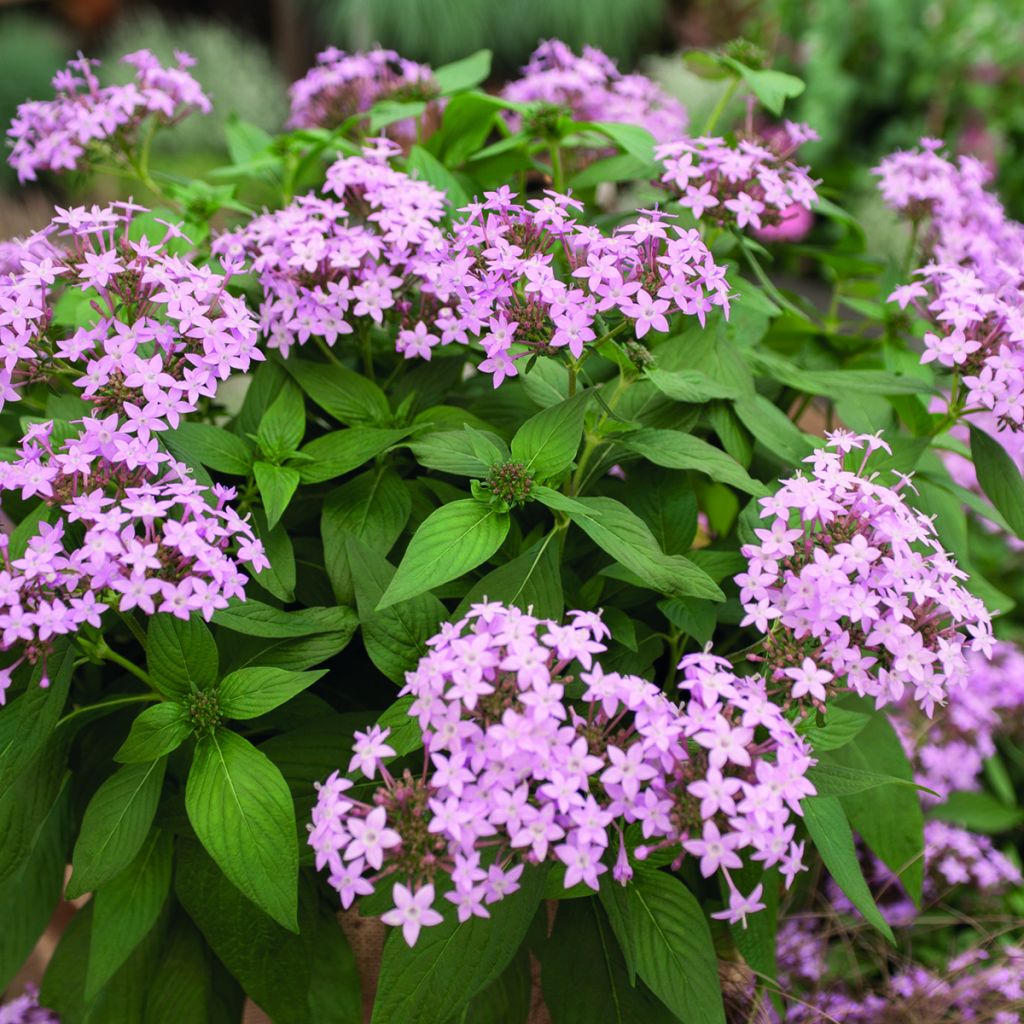
Pentas lanceolata Northern Lights Lavender seeds - Egyptian star
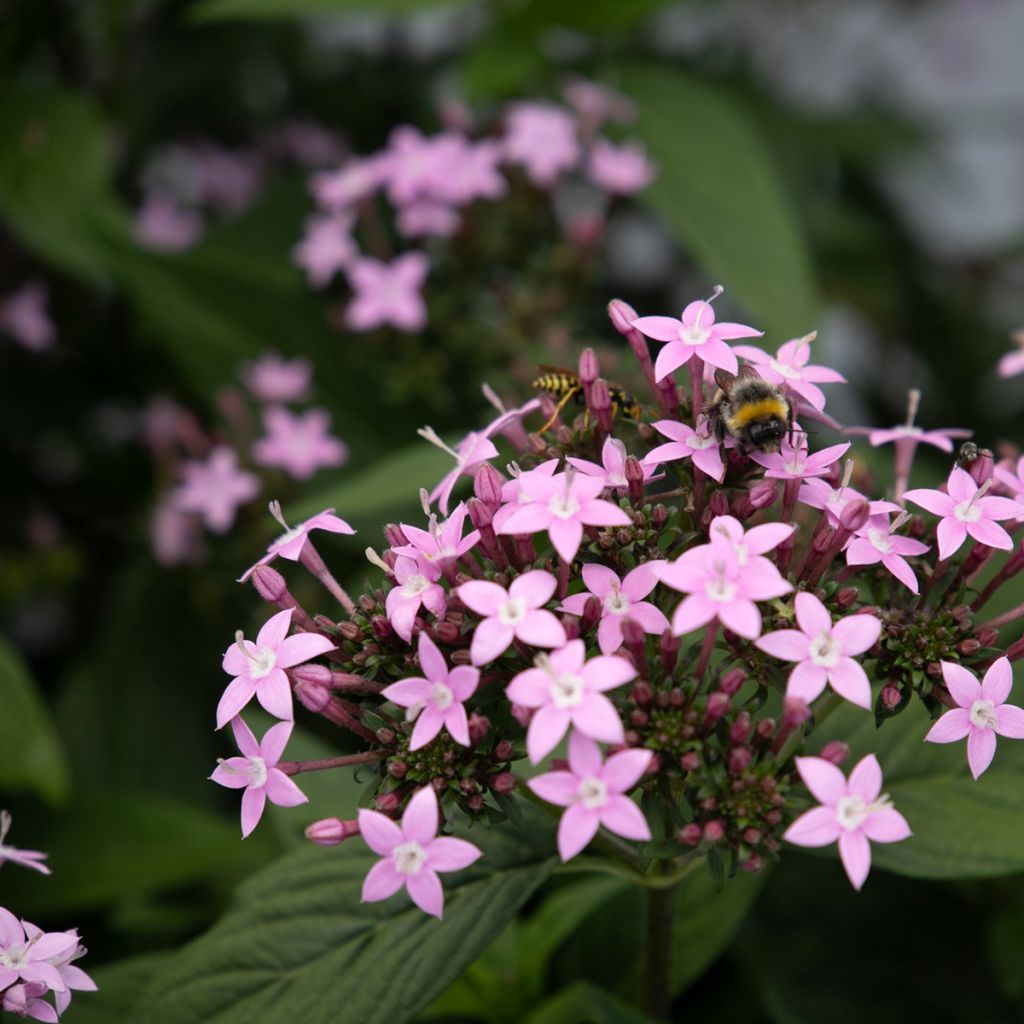
Pentas lanceolata Northern Lights Lavender seeds - Egyptian star
Pentas lanceolata Northern Lights Lavender seeds - Egyptian star
Pentas lanceolata Northern Lights Lavender
Egyptian star cluster, star cluster
Back-to-school special offer!
Get €10 off for every €50 you spend! And get up to €40 off on a single order.
How does it work?
1. Shop your favourites
Add your favourite plants to your basket. For every €50 you spend (excluding delivery charges, store credit and the plastic-free option), you’ll receive a €10 voucher.
€50 spent = €10 voucher
€100 spent = €20 voucher
€150 spent = €30 voucher
€200 spent = €40 voucher
2. Place your order
Once your basket reaches one of the spending thresholds, place your order. You can even choose your delivery date!
3. Receive your voucher
As soon as your order has been shipped, you’ll receive an email containing your personal voucher code and its value.
4. Use it on your next order
Your voucher is valid for 90 days from the date you receive it. It can be used once only, on a new order worth at least the value of the voucher, excluding delivery charges.
Please note: Vouchers can be combined with other offers, but cannot be split or refunded.
Home or relay delivery (depending on size and destination)
Important: You may be charged customs duties by your country’s customs authorities upon delivery.
Schedule delivery date
and select date in basket
This plant carries a 6 months recovery warranty
More information
We guarantee the quality of our plants for a full growing cycle, and will replace at our expense any plant that fails to recover under normal climatic and planting conditions.
Would this plant suit my garden?
Set up your Plantfit profile →
Description
Pentas lanceolata Northern Lights Lavender is a tropical perennial typically grown as an annual in our temperate climates. It forms a compact dome that begins its long flowering period from May. Clusters of small star-shaped flowers in a delightful lavender mauve then adorn the dark green foliage, creating a perfect picture. Blooming continuously throughout the growing season, especially if spent flowers are regularly removed, the inflorescences flourish until early autumn. This easy-to-grow undershrub adapts perfectly to container cultivation, allowing it to be sheltered from frost in winter to enjoy again the following year. It can also be planted in beds as an annual, where it will attract butterflies.
Pentas belongs to the large Rubiaceae family, comprising 600 genera and over 10,000 species! This cosmopolitan family includes all types of vegetation—trees, shrubs, climbers, herbaceous plants—with some genera having economic importance (Coffee plant) while others are valued ornamentally, like the enchanting fragrant Gardenia or the surprising Cephalanthus, which deserves to be better known.
The Pentas genus includes around forty species found in tropical Africa, Madagascar, and the Arabian Peninsula. These are shrubs or herbaceous plants, mainly perennial and more rarely biennial. Pentas lanceolata (synonym Ophiorrhiza lanceolata) is commonly called Egyptian Star. It grows naturally in the Arabian Peninsula, the Comoros, and from Ethiopia to Mozambique, at altitudes ranging from sea level to 700m. It is found in savannah areas as well as wooded environments, forming perennial clumps about fifty centimetres high, flowering almost year-round.
The 'Northern Lights Lavender' variety is a horticultural selection with attractive ornamental qualities and notably better tolerance to cool temperatures, allowing its distribution across a wider area. The plant remains somewhat frost-tender, enduring only brief frosts around -3°C, which explains why it is mainly used as an annual. This Pentas forms a regular dome approximately 40-50cm high and 50-60cm wide, with a dense habit enhanced by regular pinching to encourage branching. Its lanceolate foliage, consisting of leaves which are very tapered at the tip, measuring approximately 6-8cm long by 2.5-3cm wide, is a darker green than the botanical species. This further highlights the flowering by providing a dark background.
By sowing seeds as early as January in a heated shelter, you can obtain young plants that begin to flower in May. The plant then forms inflorescences called cymes, grouping several dozen star-shaped flowers with 5 petals, measuring 8-10mm in diameter. In this variety, they take on a beautiful lavender mauve colour. It will flower continuously until September or even October, new inflorescences developing before the previous ones completely fade, maintaining an always interesting decorative appearance. However, it is advisable to remove spent flowers to aid renewal. At the end of the season, shelter the plant in a similar way to a Pelargonium to overwinter it and enjoy it again the following season. You can then keep it for 3 to 4 years.
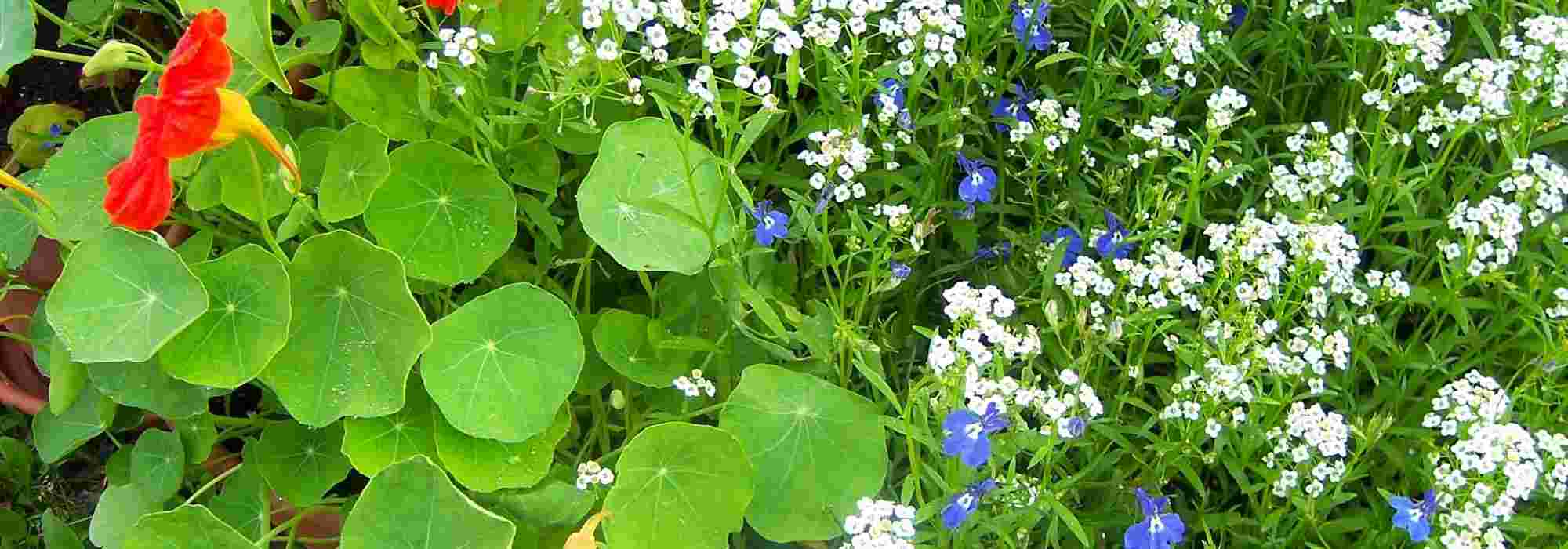
Pentas Northern Lights Lavender seeds will allow you to ensure, easily and at low cost, original and very aesthetic flowering throughout the growing season. The Northern Lights range has been specially developed to adapt to temperate, sometimes cool climates, but temperatures below 10°C will prevent the flowers from opening. Beneficial to pollinators, this Pentas enjoys full sun. You can create beautiful flowering pots to decorate your terrace, and pair it with Gazania, another flowering champion whose large daisy-like flowers will create an interesting contrast with the small lavender stars. In the same vein, the charming Anthemis will also allow you to create beautiful scenes.
Report an error about the product description
Pentas lanceolata Northern Lights Lavender seeds - Egyptian star in pictures
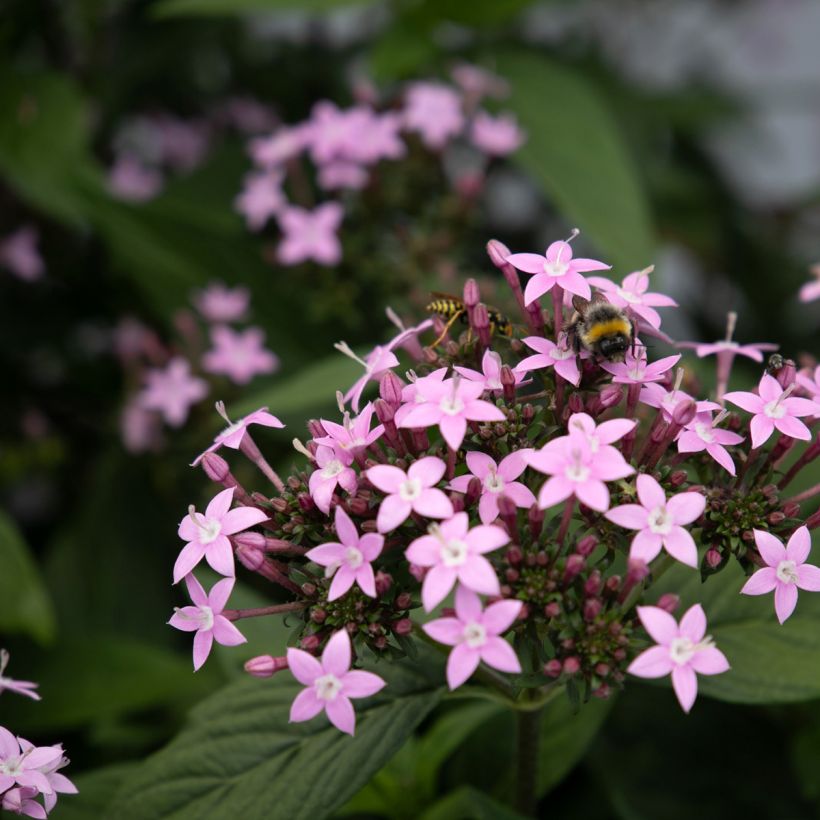
Flowering
Foliage
Plant habit
Botanical data
Pentas
lanceolata
Northern Lights Lavender
Rubiaceae
Egyptian star cluster, star cluster
Ophiorrhiza lanceolata, Pentas carnea, Mussaenda luteola
Cultivar or hybrid
Planting and care
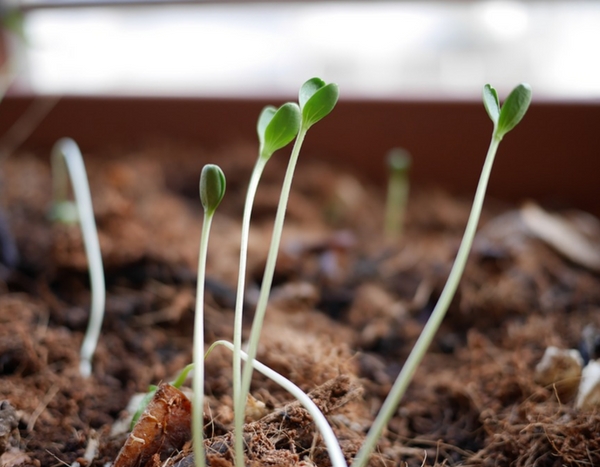
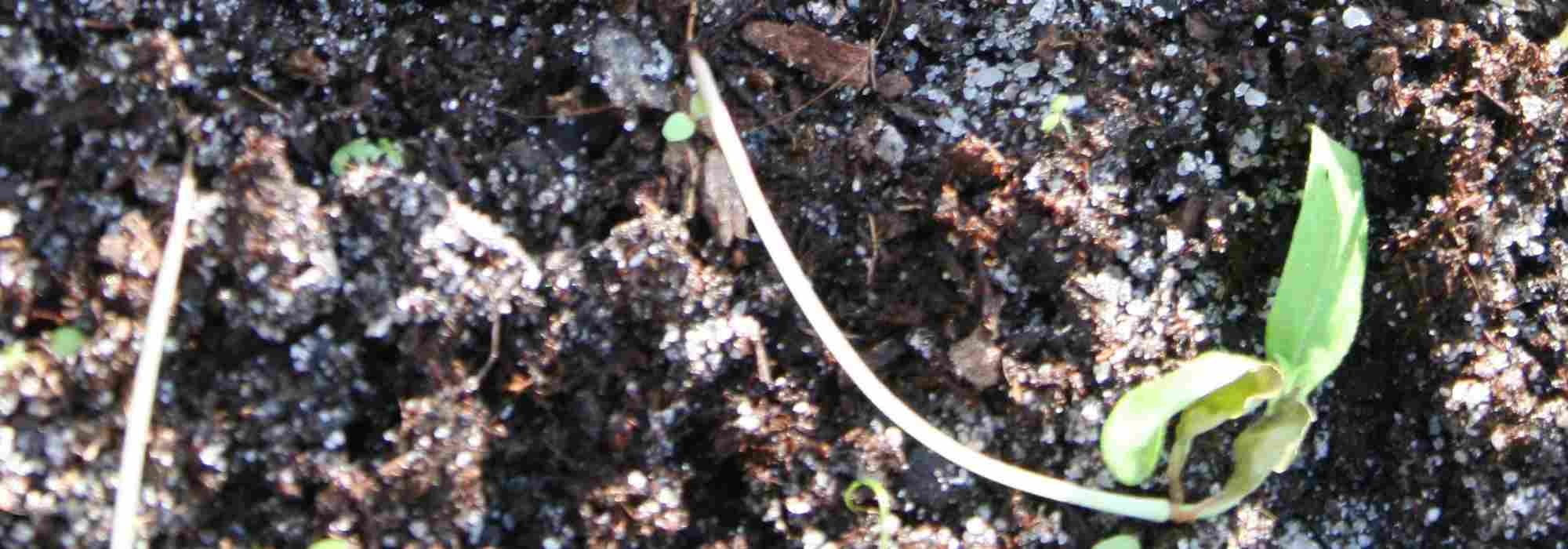
Sow the seeds of Pentas Northern Lights Lavender from January onwards to obtain flowers from May. Choose a seed compost with a pH between 5.8 and 7.2. Do not bury the seeds, as light increases the germination rate and promotes uniformity of the seedlings. If necessary, you can press the seeds 1 mm deep or sprinkle them with a very light layer of vermiculite. Place your sowing tray in a propagator with very high humidity, around 95%, and an ideal temperature of 23°C to 26°C, minimum 10°C to 20°C. Germination is rapid and occurs within 7 to 10 days. Allow the seedlings to grow sufficiently until they reach 5-8 cm tall before transplanting them into 7 or 8 cm plugs or 9-10 cm pots, filled with a standard growing compost (pH around 6.3-6.5). Grow them at a temperature of 15°C to 20°C and pinch them several times to encourage good branching.
When they are sufficiently sturdy, around April, repot them into their final container, such as a bowl, planter, or decorative pot. Move them outside when night temperatures no longer drop below 10°C to avoid restricting flowering. Place them in full sun; in hot regions, they can tolerate light afternoon shade. The plant is fairly drought-tolerant, but it is best to water regularly, allowing the substrate to dry slightly between waterings. Approximately every three weeks, mix a liquid fertiliser rich in potash (NPK ratio of 1-0.5-2) into the watering water to support flowering. Continuously remove faded flowers to encourage the development of new inflorescences. Pentas Northern Lights Lavender tolerates cooler temperatures better than classic varieties, which is a definite advantage. You can overwinter your potted plant in a frost-free location, cutting it back in spring when you bring it out again. This will allow you to keep it for 2 to 4 years before it deteriorates.
Sowing period
Intended location
Planting & care advice
-
-
-
-
-

-
-

-
This item has not been reviewed yet - be the first to leave a review about it.
Recently viewed products
Haven't found what you were looking for?
Hardiness is the lowest winter temperature a plant can endure without suffering serious damage or even dying. However, hardiness is affected by location (a sheltered area, such as a patio), protection (winter cover) and soil type (hardiness is improved by well-drained soil).

The flowering period indicated on our website applies to countries and regions located in USDA zone 8 (France, the United Kingdom, Ireland, the Netherlands, etc.)
It will vary according to where you live:- In zones 9 to 10 (Italy, Spain, Greece, etc.), flowering will occur about 2 to 4 weeks earlier.
- In zones 6 to 7 (Germany, Poland, Slovenia, and lower mountainous regions), flowering will be delayed by 2 to 3 weeks.
- In zone 5 (Central Europe, Scandinavia), blooming will be delayed by 3 to 5 weeks.
In temperate climates, pruning of spring-flowering shrubs (forsythia, spireas, etc.) should be done just after flowering.
Pruning of summer-flowering shrubs (Indian Lilac, Perovskia, etc.) can be done in winter or spring.
In cold regions as well as with frost-sensitive plants, avoid pruning too early when severe frosts may still occur.
The planting period indicated on our website applies to countries and regions located in USDA zone 8 (France, United Kingdom, Ireland, Netherlands).
It will vary according to where you live:
- In Mediterranean zones (Marseille, Madrid, Milan, etc.), autumn and winter are the best planting periods.
- In continental zones (Strasbourg, Munich, Vienna, etc.), delay planting by 2 to 3 weeks in spring and bring it forward by 2 to 4 weeks in autumn.
- In mountainous regions (the Alps, Pyrenees, Carpathians, etc.), it is best to plant in late spring (May-June) or late summer (August-September).
The harvesting period indicated on our website applies to countries and regions in USDA zone 8 (France, England, Ireland, the Netherlands).
In colder areas (Scandinavia, Poland, Austria...) fruit and vegetable harvests are likely to be delayed by 3-4 weeks.
In warmer areas (Italy, Spain, Greece, etc.), harvesting will probably take place earlier, depending on weather conditions.
The sowing periods indicated on our website apply to countries and regions within USDA Zone 8 (France, UK, Ireland, Netherlands).
In colder areas (Scandinavia, Poland, Austria...), delay any outdoor sowing by 3-4 weeks, or sow under glass.
In warmer climes (Italy, Spain, Greece, etc.), bring outdoor sowing forward by a few weeks.
Shipping country and language
Your country of residence may be:
Your country of residence is:
For a better user experience on our website, you can select:
Your shipping country:
-
 Austria
-
 Belgium
-
 Bosnia & Herzegovina
-
 Bulgaria
-
 Croatia
-
 Cyprus
-
 Czechia
-
 Denmark
-
 Estonia
-
 Finland
-
 France
-
 Germany
-
 Greece
-
 Hungary
-
 Iceland
-
 Ireland
-
 Italy
Italy
-
 Latvia
-
 Liechtenstein
-
 Lithuania
-
 Luxembourg
-
 Malta
Malta
-
 Netherlands
-
 Poland
-
 Portugal
-
 Romania
-
 Serbia
-
 Slovakia
-
 Slovenia
-
 Spain
Spain
-
 Sweden
-
 Switzerland
Language:
-
French
-
 English
-
Spanish
-
Italian
-
German
-
Portuguese
-
Dutch
-
Finnish
My Account
Hello
My wish lists
My cart
Log in / Register
Existing customer?
This form is protected by reCAPTCHA - the Google Privacy Policy and Terms of Service apply.
New customer?
Create an account to track your orders, access our customer service and, if you wish, make the most of our upcoming offers.