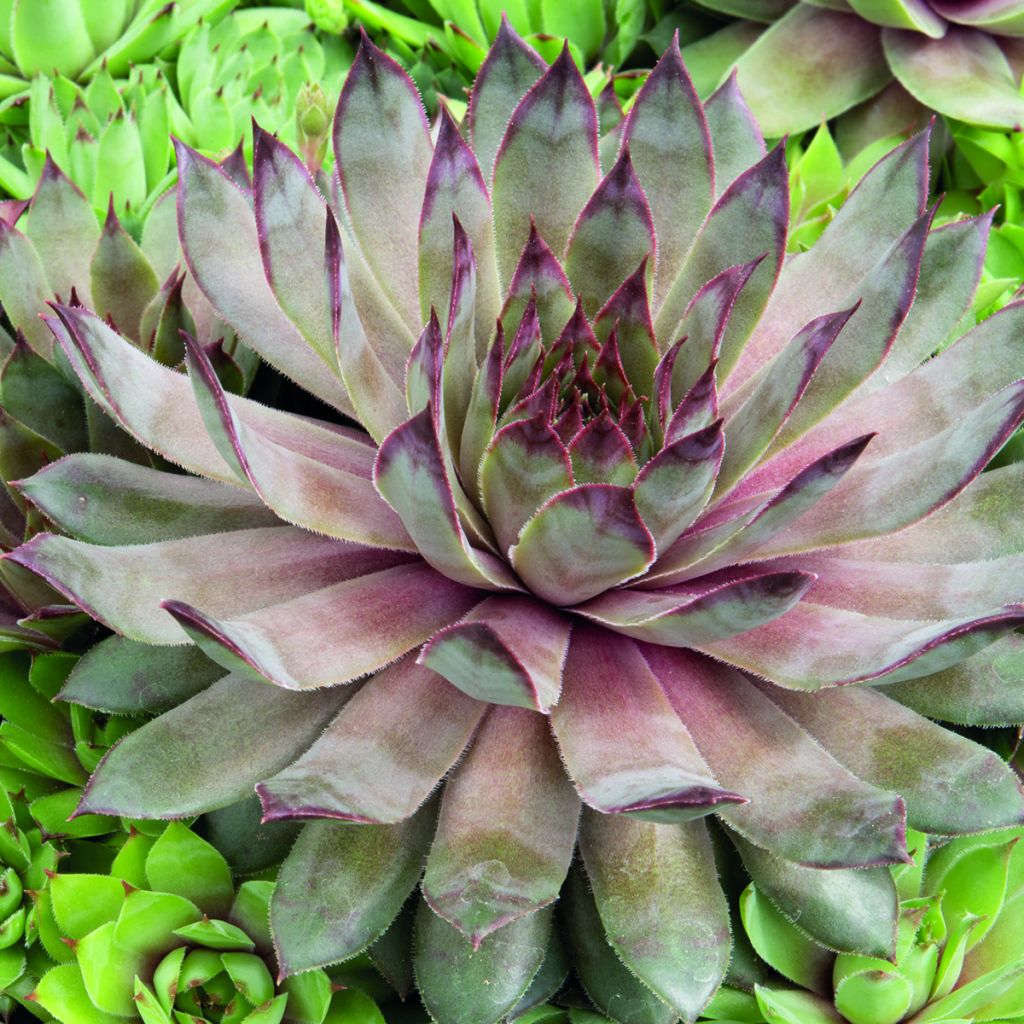
Sempervivum Hippie Chicks - Hybrid houseleek Hippie Chicks
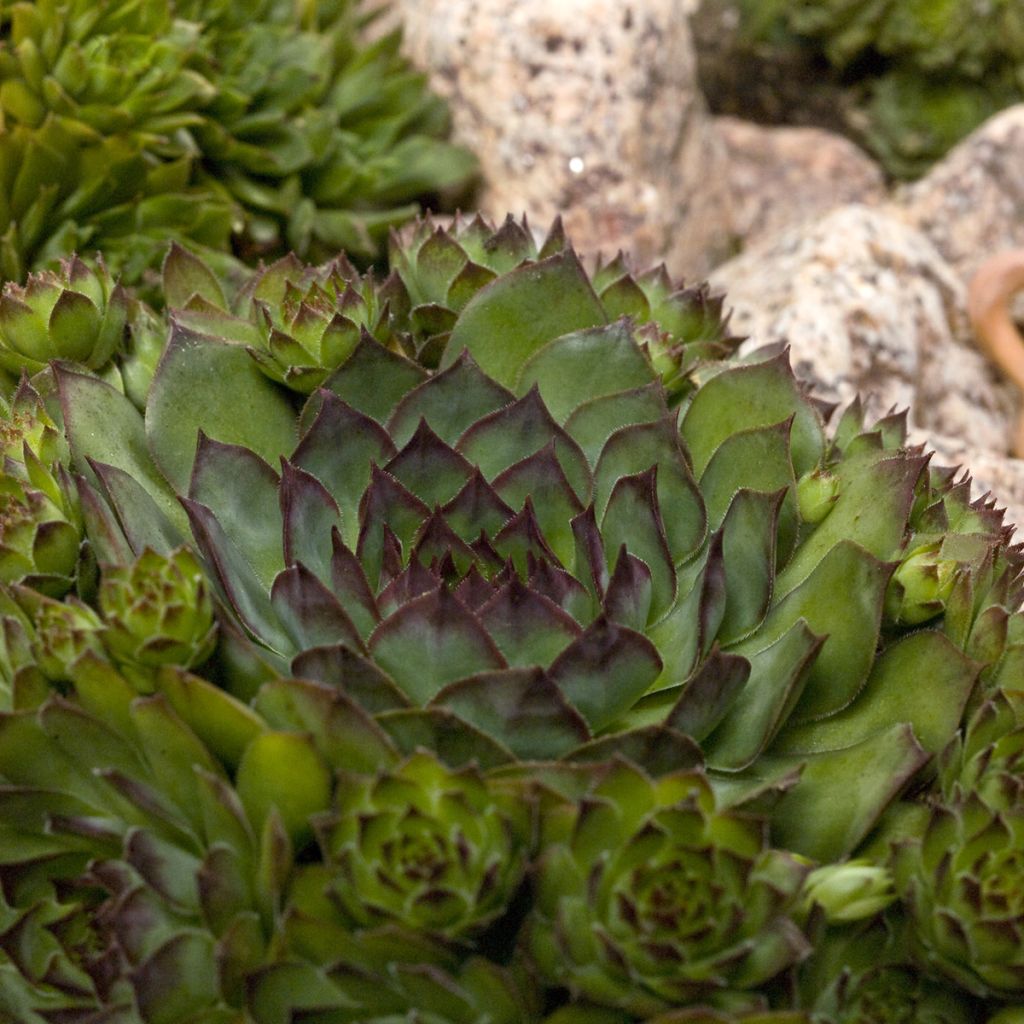
Sempervivum Hippie Chicks - Hybrid houseleek Hippie Chicks
Sempervivum Hippie Chicks - Hybrid houseleek Hippie Chicks
Sempervivum Hippie Chicks
Back-to-school special offer!
Get €10 off for every €50 you spend! And get up to €40 off on a single order.
How does it work?
1. Shop your favourites
Add your favourite plants to your basket. For every €50 you spend (excluding delivery charges, store credit and the plastic-free option), you’ll receive a €10 voucher.
€50 spent = €10 voucher
€100 spent = €20 voucher
€150 spent = €30 voucher
€200 spent = €40 voucher
2. Place your order
Once your basket reaches one of the spending thresholds, place your order. You can even choose your delivery date!
3. Receive your voucher
As soon as your order has been shipped, you’ll receive an email containing your personal voucher code and its value.
4. Use it on your next order
Your voucher is valid for 90 days from the date you receive it. It can be used once only, on a new order worth at least the value of the voucher, excluding delivery charges.
Please note: Vouchers can be combined with other offers, but cannot be split or refunded.
Home or relay delivery (depending on size and destination)
Important: You may be charged customs duties by your country’s customs authorities upon delivery.
Schedule delivery date
and select date in basket
This plant carries a 6 months recovery warranty
More information
We guarantee the quality of our plants for a full growing cycle, and will replace at our expense any plant that fails to recover under normal climatic and planting conditions.
Would this plant suit my garden?
Set up your Plantfit profile →
Description
La Joubarbe 'Hippie Chicks' (Sempervivum) est une petite merveille pour la rocaille. Cette variété développe de jolies rosettes charnues aux couleurs variées et changeantes, allant du vert tendre au pourpre intense selon les saisons. Compacte, graphique, elle trouve facilement sa place en pot ou sur une toiture végétalisée. Cette vivace succulente forme avec le temps un tapis spectaculaire grâce à ses nombreux rejets. Résistante au froid, à la sécheresse et peu exigeante, elle demande simplement un sol bien drainé et une exposition ensoleillée pour s’épanouir pleinement
Le Sempervivum 'Hippie Chicks' est un cultivar hybride appartenant à la famille des Crassulacées. Le genre Sempervivum, dont le nom signifie "toujours vivant", est originaire des régions montagneuses d'Europe et d'Asie occidentale, s'étendant du Maroc à l'Iran, en passant par les Alpes, les Carpates et les Balkans. Ces plantes sont adaptées aux environnements rocheux et ensoleillés, où elles prospèrent grâce à leur capacité à stocker l'eau dans leurs feuilles charnues.
'Hippie Chicks' est une sélection de plusieurs Sempervivum hybrides, caractérisée par une grande diversité de couleurs et de formes de rosettes. Chaque plante vivace forme des rosettes mesurant de 5 à 10 cm de diamètre. Elle forme un tapis dense grâce à la production de rejets latéraux appelés "poussins", qui s'étendent rapidement pour couvrir le sol. Sa croissance est modérée, la taille adulte est atteinte en 2 à 3 ans. Les feuilles sont épaisses et charnues, elles présentent une forme lancéolée à spatulée, avec des bords plus ou moins ciliés. La coloration varie selon les plantes, les saisons et l'exposition, allant du vert clair au rouge foncé, avec des nuances pourpres ou grises. Le feuillage est persistant, il reste décoratif tout au long de l'année, même en hiver. La floraison intervient généralement en été, entre juin et août, sur les rosettes matures. Les inflorescences sont des hampes florales non ramifiées portant de petites fleurs étoilées, dont la couleur peut varier du rose pâle au pourpre. La pollinisation est assurée par les abeilles. Après la floraison, la rosette mère meurt, laissant place aux rejets qui assurent la pérennité de la plante. Les fruits sont des follicules secs contenant de nombreuses graines minuscules. Ils mûrissent à la fin de l'été ou au début de l'automne.
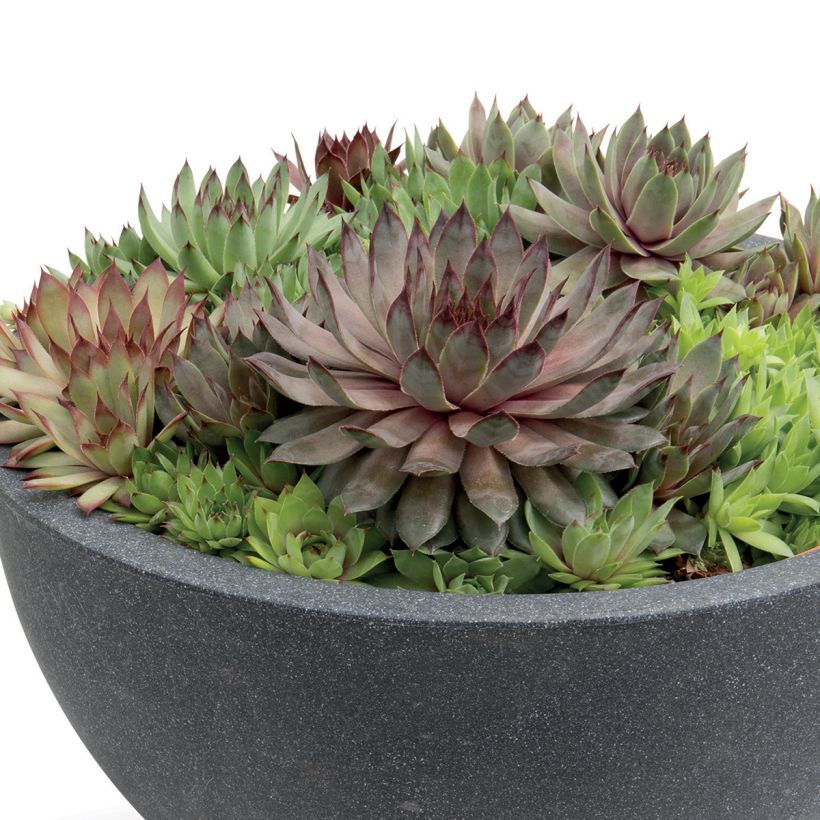
Le Sempervivym 'Hippie Chicks' permet de composer de jolies scènes minérales et de style contemporain. Cette joubarbe se glisse entre les pierres d’une rocaille, tapisse le rebord d’un muret ou garnit le dessus d’un pot en terre cuite, seule ou en mélange. Associez-la par exemple à l’Echeveria 'Perle von Nürnberg', aux reflets nacrés, au Sedum spurium 'Dragon’s Blood', au feuillage pourpre et floraison rose, ou encore à l’Agave pygmae 'Dragon Toes' pour un contraste de textures et de silhouettes. Ces compagnons partagent son goût pour le soleil et les sols secs, tout en mettant en valeur son style un brin bohème.
Les graines enrobées de Joubarbe 'Hippie Chicks' sont recouvertes d'une fine couche protectrice qui facilite leur manipulation, leur semis et leur répartition homogène dans le substrat. Cette enveloppe améliore la précision du semis, limite les pertes et permet une levée plus régulière.
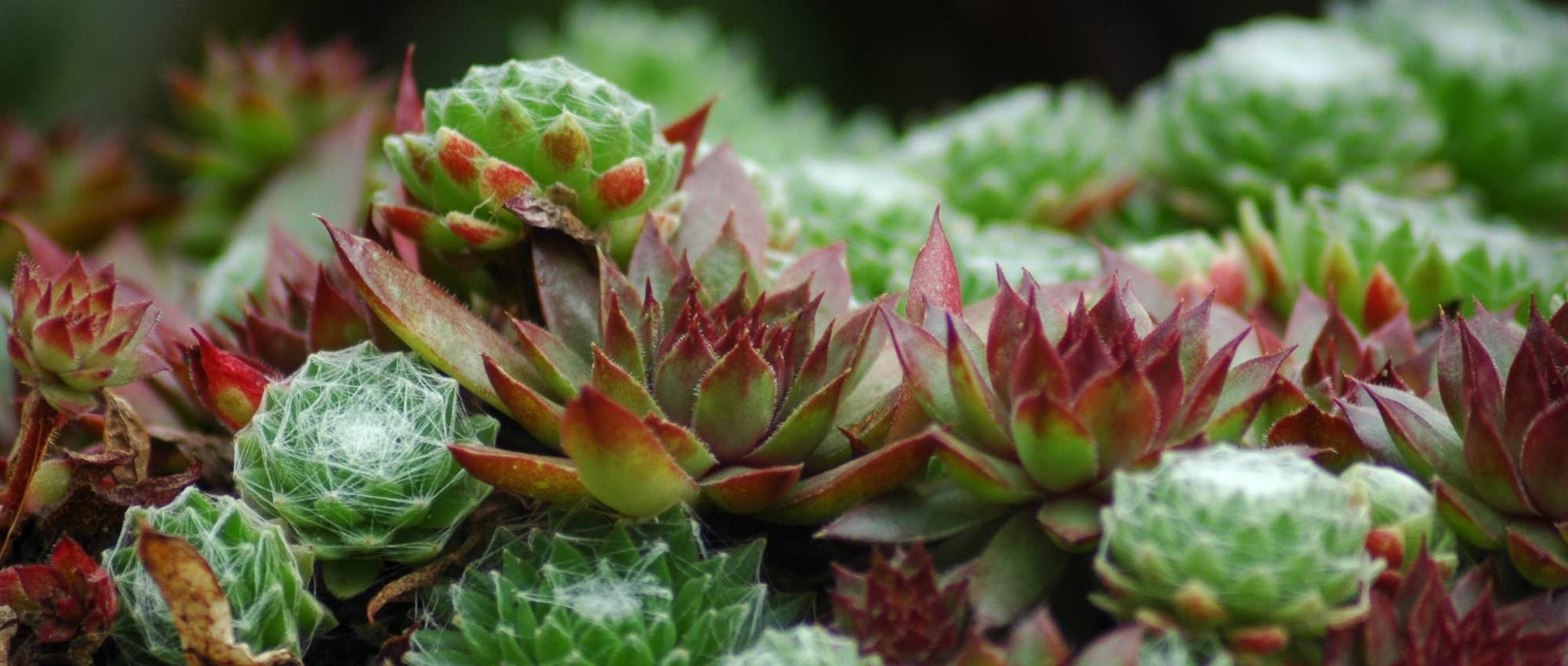
Sempervivum Hippie Chicks - Hybrid houseleek Hippie Chicks in pictures
Flowering
Foliage
Plant habit
Botanical data
Sempervivum
Hippie Chicks
Crassulaceae
Cultivar or hybrid
Planting and care
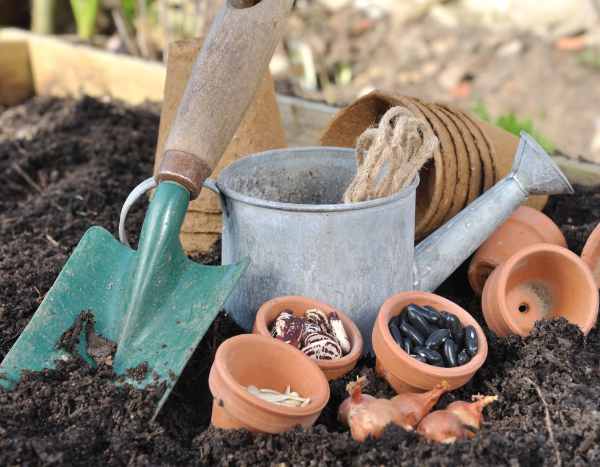
Sowing of the Houseleek 'Hippie Chicks' is carried out in spring, at temperatures between 18 and 22°C. Depending on outdoor temperatures, you can sow under cover, in warmth, or outdoors.
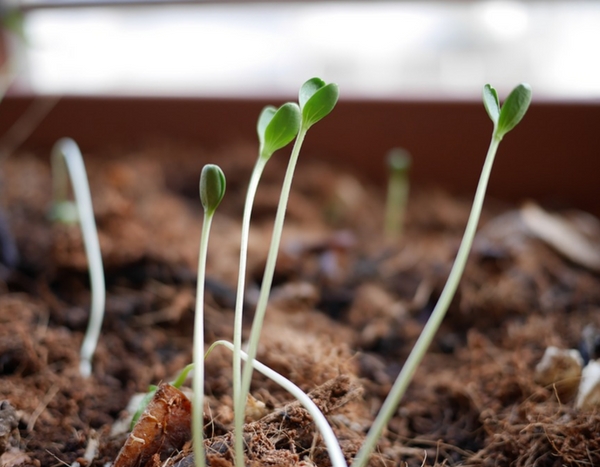
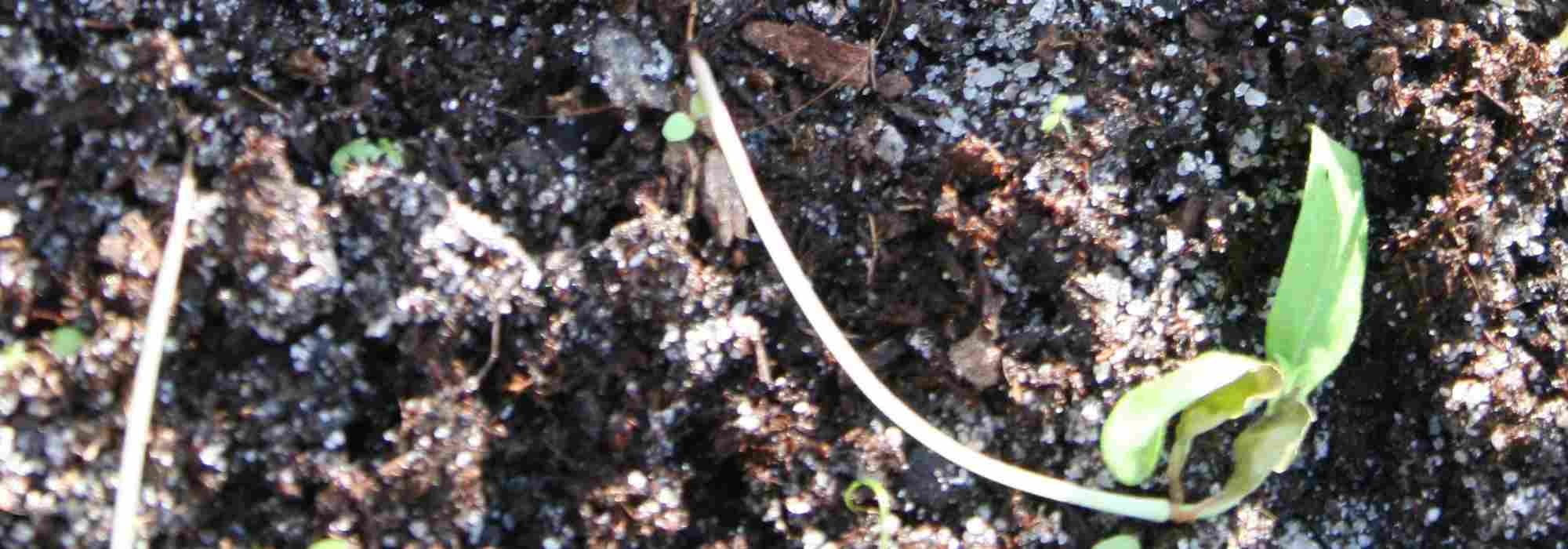
Sow the coated seeds on the surface of a light, well-draining, and slightly moistened substrate, without covering them, as they need light to germinate. Germination may take 2 to 4 weeks.
Once the young seedlings are sufficiently developed, transplant them into individual pots or directly into containers. Whether in open ground or containers, choose a very sunny location and mineral, poor, and draining soil.
In pots, ensure the bottom is well-perforated to prevent any water retention, and prefer a cactus mix or add coarse sand to your compost. Water sparingly, only when the substrate is completely dry, especially in winter.
This hardy plant requires little maintenance but dislikes excess stagnant moisture.
Sowing period
Intended location
Planting & care advice
-
-
-
-

-

-
-

-
This item has not been reviewed yet - be the first to leave a review about it.
Recently viewed products
Haven't found what you were looking for?
Hardiness is the lowest winter temperature a plant can endure without suffering serious damage or even dying. However, hardiness is affected by location (a sheltered area, such as a patio), protection (winter cover) and soil type (hardiness is improved by well-drained soil).

The flowering period indicated on our website applies to countries and regions located in USDA zone 8 (France, the United Kingdom, Ireland, the Netherlands, etc.)
It will vary according to where you live:- In zones 9 to 10 (Italy, Spain, Greece, etc.), flowering will occur about 2 to 4 weeks earlier.
- In zones 6 to 7 (Germany, Poland, Slovenia, and lower mountainous regions), flowering will be delayed by 2 to 3 weeks.
- In zone 5 (Central Europe, Scandinavia), blooming will be delayed by 3 to 5 weeks.
In temperate climates, pruning of spring-flowering shrubs (forsythia, spireas, etc.) should be done just after flowering.
Pruning of summer-flowering shrubs (Indian Lilac, Perovskia, etc.) can be done in winter or spring.
In cold regions as well as with frost-sensitive plants, avoid pruning too early when severe frosts may still occur.
The planting period indicated on our website applies to countries and regions located in USDA zone 8 (France, United Kingdom, Ireland, Netherlands).
It will vary according to where you live:
- In Mediterranean zones (Marseille, Madrid, Milan, etc.), autumn and winter are the best planting periods.
- In continental zones (Strasbourg, Munich, Vienna, etc.), delay planting by 2 to 3 weeks in spring and bring it forward by 2 to 4 weeks in autumn.
- In mountainous regions (the Alps, Pyrenees, Carpathians, etc.), it is best to plant in late spring (May-June) or late summer (August-September).
The harvesting period indicated on our website applies to countries and regions in USDA zone 8 (France, England, Ireland, the Netherlands).
In colder areas (Scandinavia, Poland, Austria...) fruit and vegetable harvests are likely to be delayed by 3-4 weeks.
In warmer areas (Italy, Spain, Greece, etc.), harvesting will probably take place earlier, depending on weather conditions.
The sowing periods indicated on our website apply to countries and regions within USDA Zone 8 (France, UK, Ireland, Netherlands).
In colder areas (Scandinavia, Poland, Austria...), delay any outdoor sowing by 3-4 weeks, or sow under glass.
In warmer climes (Italy, Spain, Greece, etc.), bring outdoor sowing forward by a few weeks.
Shipping country and language
Your country of residence may be:
Your country of residence is:
For a better user experience on our website, you can select:
Your shipping country:
-
 Austria
-
 Belgium
-
 Bosnia & Herzegovina
-
 Bulgaria
-
 Croatia
-
 Cyprus
-
 Czechia
-
 Denmark
-
 Estonia
-
 Finland
-
 France
-
 Germany
-
 Greece
-
 Hungary
-
 Iceland
-
 Ireland
-
 Italy
Italy
-
 Latvia
-
 Liechtenstein
-
 Lithuania
-
 Luxembourg
-
 Malta
Malta
-
 Netherlands
-
 Poland
-
 Portugal
-
 Romania
-
 Serbia
-
 Slovakia
-
 Slovenia
-
 Spain
Spain
-
 Sweden
-
 Switzerland
Language:
-
French
-
 English
-
Spanish
-
Italian
-
German
-
Portuguese
-
Dutch
-
Finnish
My Account
Hello
My wish lists
My cart
Log in / Register
Existing customer?
This form is protected by reCAPTCHA - the Google Privacy Policy and Terms of Service apply.
New customer?
Create an account to track your orders, access our customer service and, if you wish, make the most of our upcoming offers.