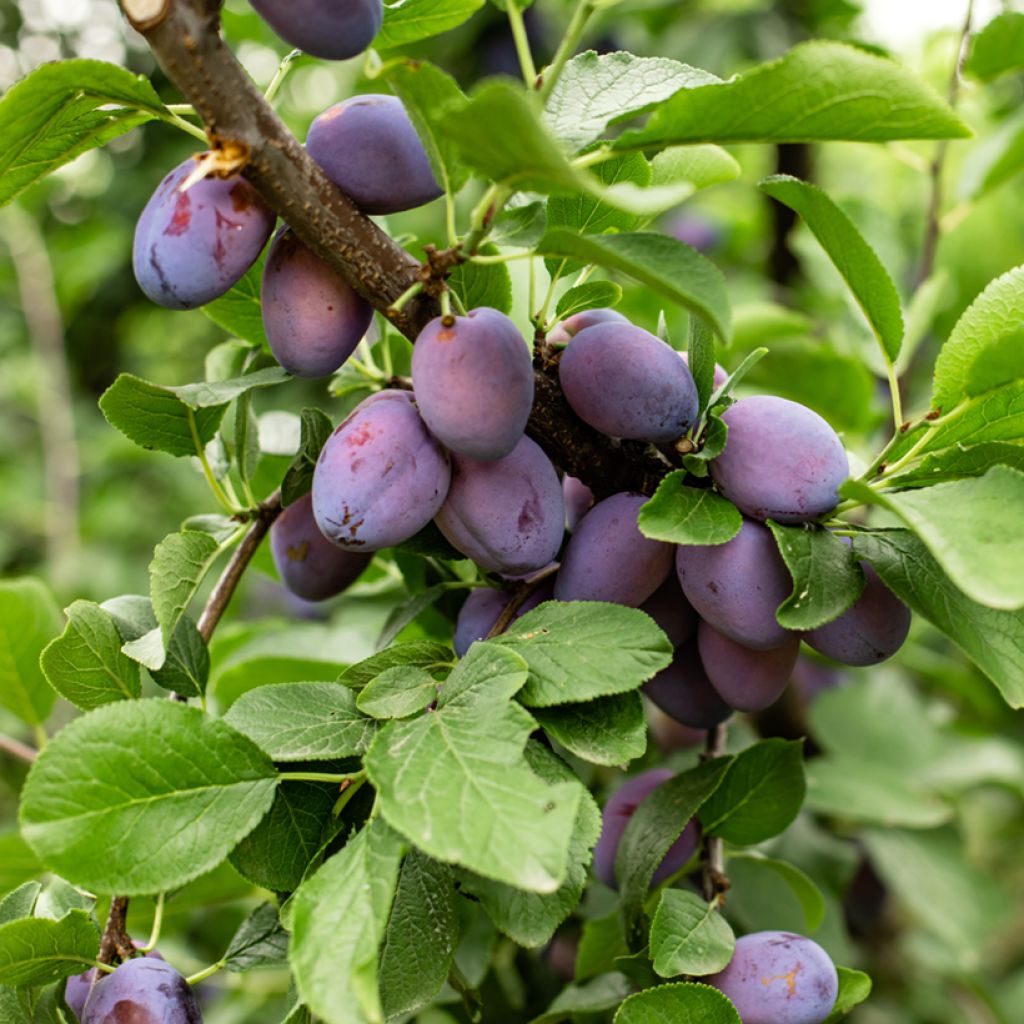
Prunus domestica Węgierka Zwykła - Common plum
Prunus domestica Węgierka Zwykła - Common plum
Prunus domestica Węgierka Zwykła
Plum, European plum
Back-to-school special offer!
Get €10 off for every €50 you spend! And get up to €40 off on a single order.
How does it work?
1. Shop your favourites
Add your favourite plants to your basket. For every €50 you spend (excluding delivery charges, store credit and the plastic-free option), you’ll receive a €10 voucher.
€50 spent = €10 voucher
€100 spent = €20 voucher
€150 spent = €30 voucher
€200 spent = €40 voucher
2. Place your order
Once your basket reaches one of the spending thresholds, place your order. You can even choose your delivery date!
3. Receive your voucher
As soon as your order has been shipped, you’ll receive an email containing your personal voucher code and its value.
4. Use it on your next order
Your voucher is valid for 90 days from the date you receive it. It can be used once only, on a new order worth at least the value of the voucher, excluding delivery charges.
Please note: Vouchers can be combined with other offers, but cannot be split or refunded.
Why not try an alternative variety in stock?
View all →
Available in 0 sizes
Available in 0 sizes
Available in 0 sizes
Available in 0 sizes
Available in 2 sizes
Available in 5 sizes
Available in 2 sizes
Available in 2 sizes
Available in 1 sizes
Available in 1 sizes
This plant carries a 12 months recovery warranty
More information
We guarantee the quality of our plants for a full growing cycle, and will replace at our expense any plant that fails to recover under normal climatic and planting conditions.
Description
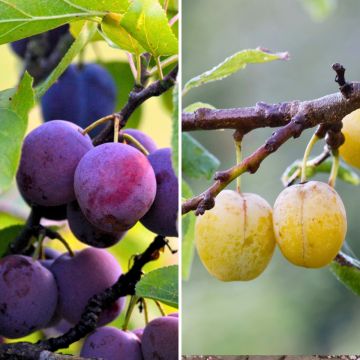
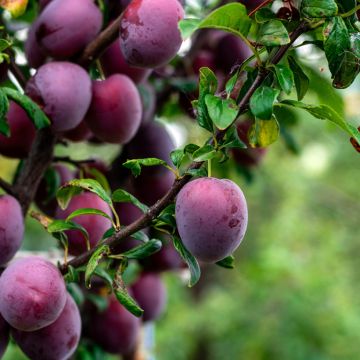
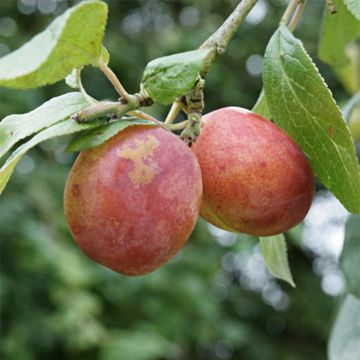
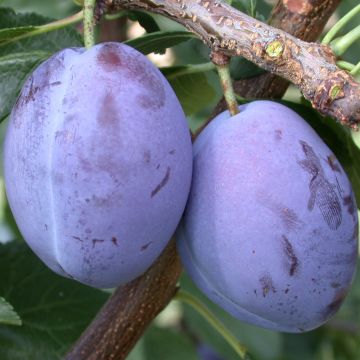
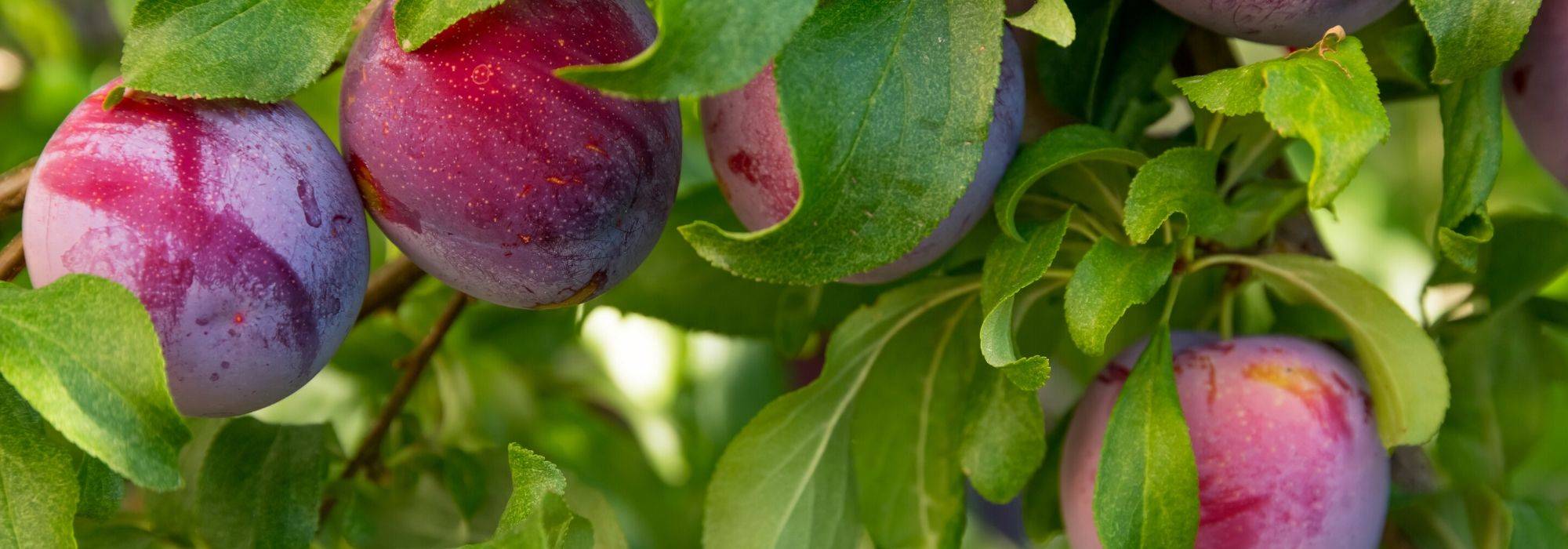
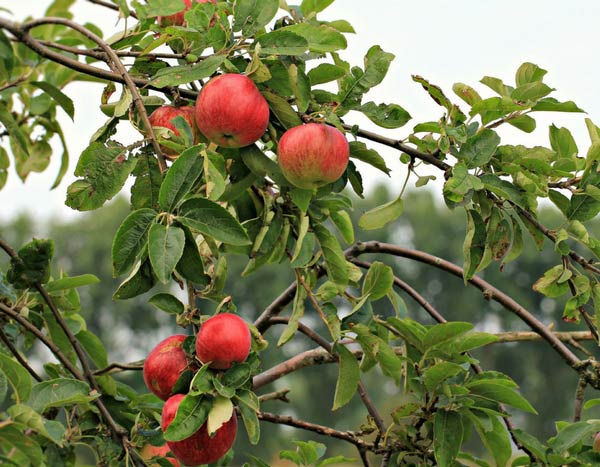
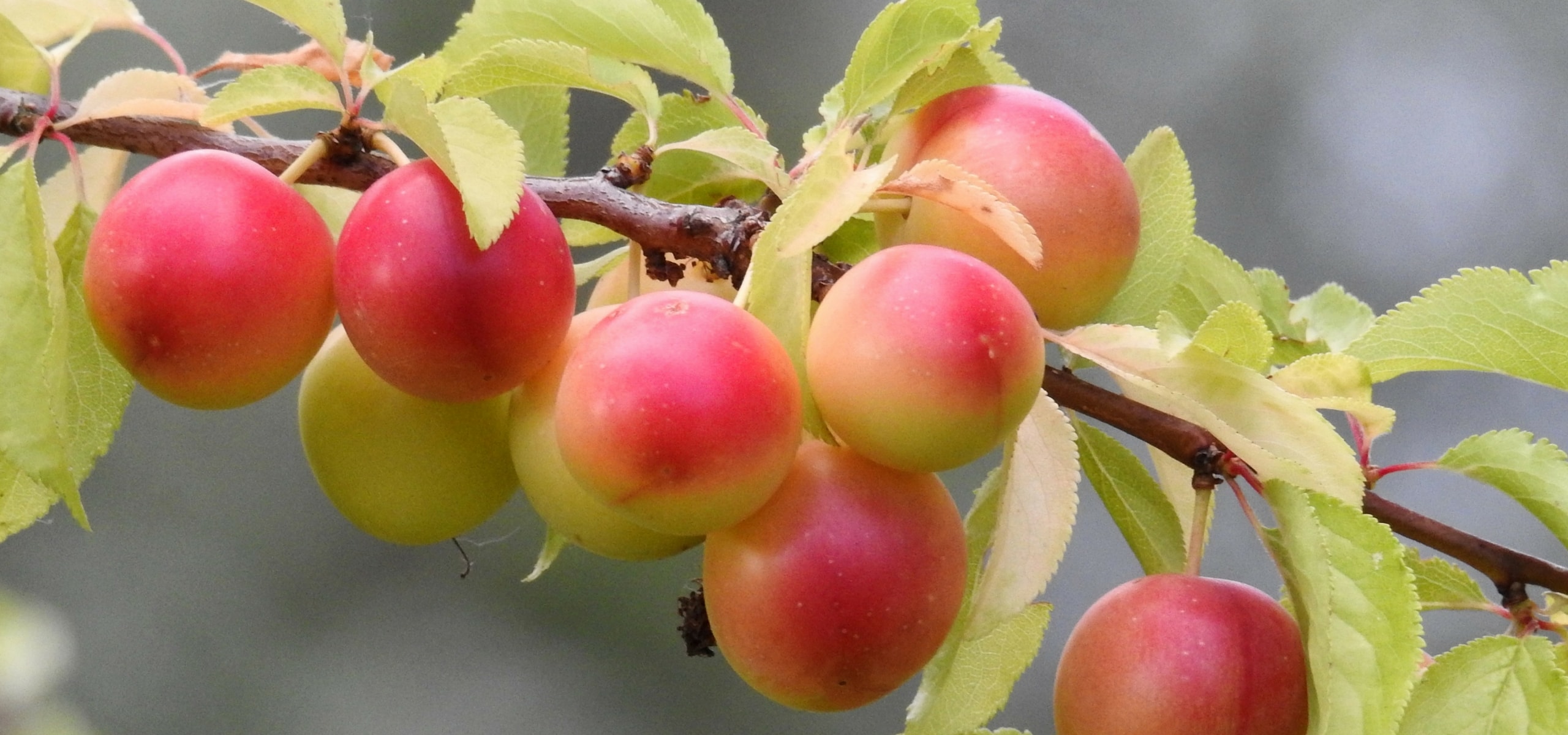
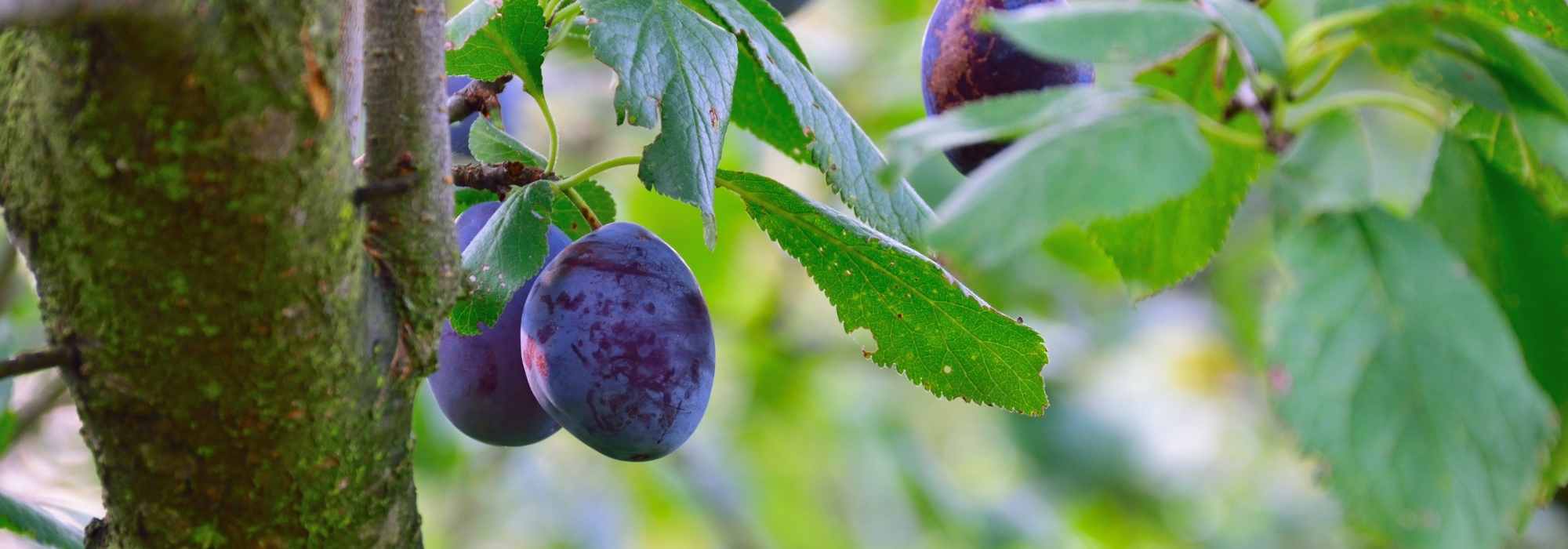
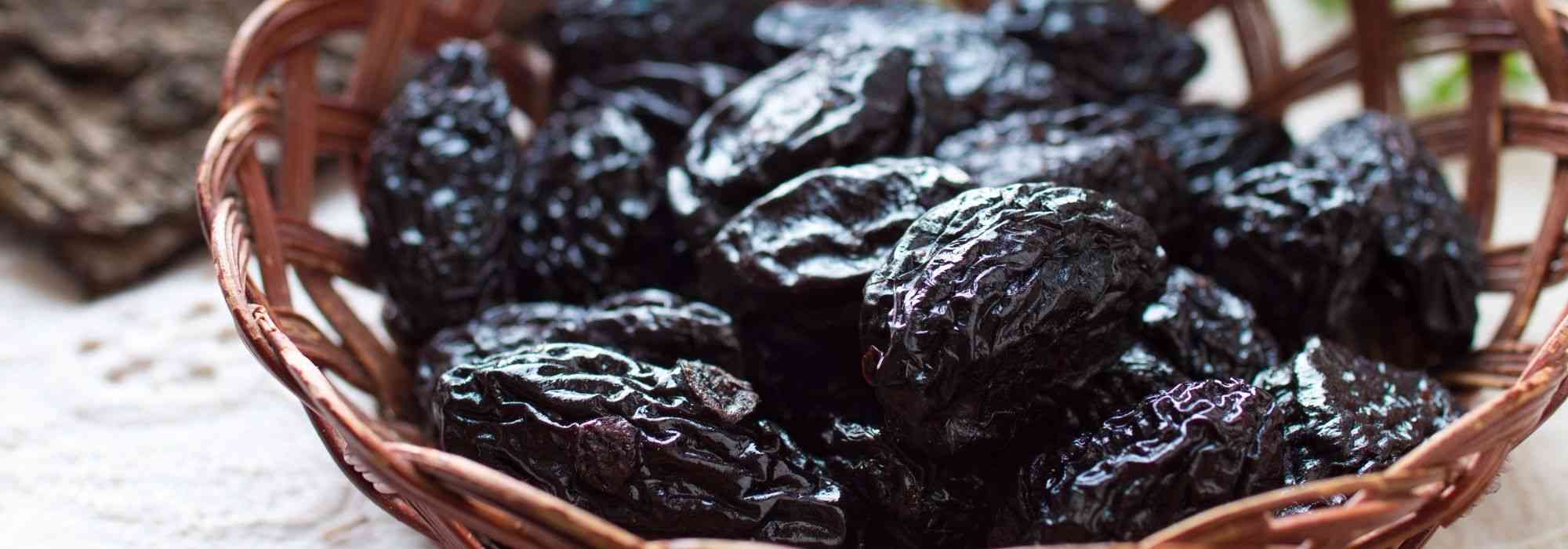
The 'Węgierka Zwykła' plum is one of the oldest varieties still in cultivation. This small tree takes several years before bearing fruit, then offers abundant harvests. Small, purple plums with golden and sweet flesh can be enjoyed fresh, in desserts, or preserved. They are harvested in September and are perfect for making delicious jams. A historic, self-fertile Plum tree, moderately resistant to diseases.
The Plum tree is a member of the vast Rosaceae family (rich in about 5000 species), like most of our other fruit trees (Apple tree, Apricot tree, Quince tree and even Strawberry). The genus Prunus includes 300 species, fruit-bearing, ornamental, or both. The Common Plum tree (Prunus domestica), believed to be a cross between the Blackthorn (P. spinosa) and the Cherry Plum (P. cerasifera), forms a tree 8 to 10 m high, with branches that break easily. Originating from Anatolia and the Caucasus, it can be found up to 1300 m altitude. It has been extensively cultivated and improved in Western Asia, particularly in Syria, where the famous Damson plums were appreciated by the Roman legions. It is said to have been introduced to Europe during the Crusades.
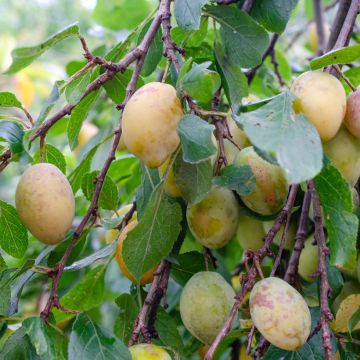
'Węgierka Zwykła' means "Common Hungarian" in Polish, as this variety is said to have passed through the Caspian Sea and Hungary before reaching Poland, probably in the first half of the 17th century. It forms a small tree, 3 to 5 m high, with a crown initially conical, then rounded. The branches bear medium green leaves, slightly more elongated than other varieties. In April, a white flowering occurs, consisting of small, single, 1.5 cm diameter, self-fertile flowers. However, the first fruiting occurs only 4 to 5 years after planting. The production is generally abundant, although it consists of small fruits, weighing on average 20 to 25 g. The plums are elongated, purple and covered with a whitish bloom, and their golden flesh easily separates from the stone. It is firm, moderately juicy, and sweet. Plums can be harvested from September, to be consumed immediately, or used in desserts and jams. They are also used to make a popular brandy in the Balkans, called "slivovitz."
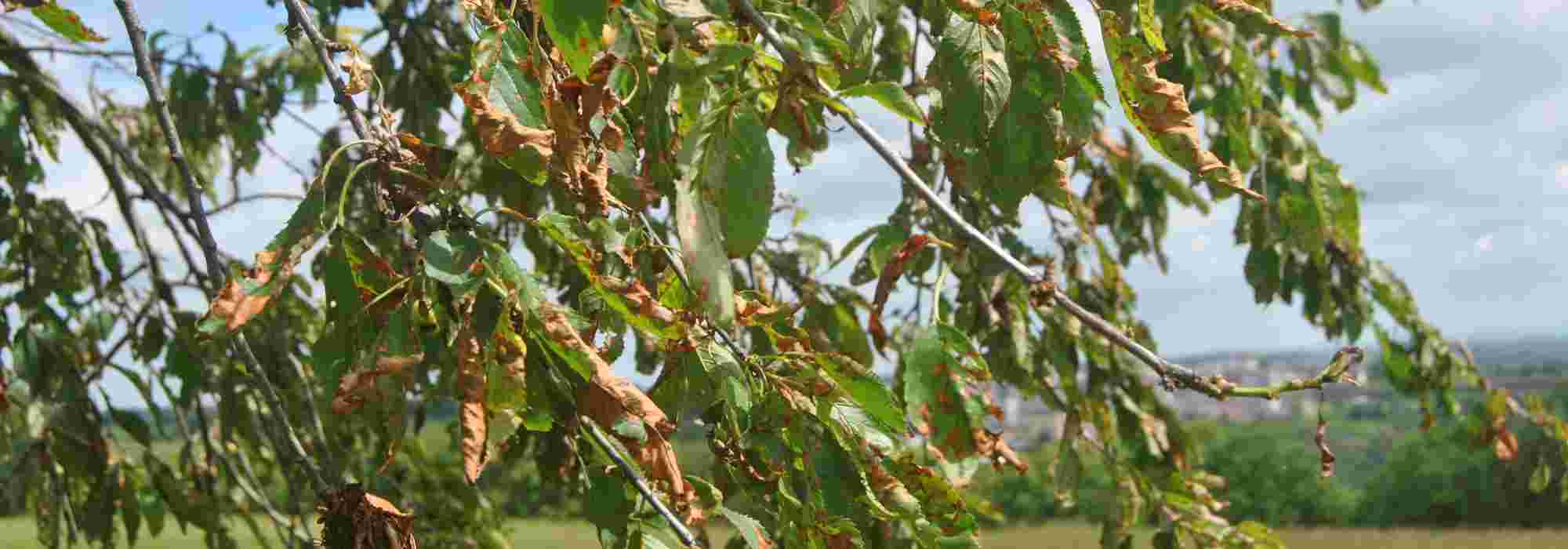
The 'Węgierka Zwykła' plum is resistant to scab but is sensitive to botrytis and some viruses. It will appeal to enthusiasts of old varieties, eager to perpetuate the cultivation of this historic variety. The Common Medlar 'Westerveld' (Mespilus germanica) is a small fruit tree with a long history, producing fruits which are somewhat forgotten today, whose harvest will extend that of your Plum tree. The Apple tree 'Reinette Clochard', known since at least the 18th century, will find a place in your traditional orchard, especially since its fruits, with a sweet and tangy flavour, keep very well. The Pear tree 'William's Bon Chrétien', appearing at the end of the 18th century, will also be a perfect companion for your other fruit trees, offering you melting, sweet, and fragrant pears.
Plant habit
Fruit
Flowering
Foliage
Botanical data
Prunus
domestica
Węgierka Zwykła
Rosaceae
Plum, European plum
Cultivar or hybrid
Planting and care
The easy-to-grow plum, 'Węgierka Zwykła' thrives in any light, rich soil, close to neutral (optimal pH 6.8 to 7.2), moist but not excessively wet, therefore well-draining. Ensure proper drainage in the planting hole with a thin layer of gravel. Dig a hole two to three weeks before planting, twice as wide and deep as the pot. On the day of planting, place the tree with its pot in a bucket of water to moisten the entire root ball by capillarity. Add compost to the bottom of the hole. Position the tree in the hole, backfill with soil mixed with compost. Do not bury the graft union. Firmly tamp down the soil around the base. The root ball should be completely covered. Water generously. In winter, you can add a small scoop of wood ash, rich in potash, to improve fruiting. This variety is quite frost-resistant once established but may be a bit more sensitive in the first few years.
Planting period
Intended location
Care
Planting & care advice
-
-
-
-
-
-
-
-
This item has not been reviewed yet - be the first to leave a review about it.
Recently viewed products
Haven't found what you were looking for?
Hardiness is the lowest winter temperature a plant can endure without suffering serious damage or even dying. However, hardiness is affected by location (a sheltered area, such as a patio), protection (winter cover) and soil type (hardiness is improved by well-drained soil).

The flowering period indicated on our website applies to countries and regions located in USDA zone 8 (France, the United Kingdom, Ireland, the Netherlands, etc.)
It will vary according to where you live:- In zones 9 to 10 (Italy, Spain, Greece, etc.), flowering will occur about 2 to 4 weeks earlier.
- In zones 6 to 7 (Germany, Poland, Slovenia, and lower mountainous regions), flowering will be delayed by 2 to 3 weeks.
- In zone 5 (Central Europe, Scandinavia), blooming will be delayed by 3 to 5 weeks.
In temperate climates, pruning of spring-flowering shrubs (forsythia, spireas, etc.) should be done just after flowering.
Pruning of summer-flowering shrubs (Indian Lilac, Perovskia, etc.) can be done in winter or spring.
In cold regions as well as with frost-sensitive plants, avoid pruning too early when severe frosts may still occur.
The planting period indicated on our website applies to countries and regions located in USDA zone 8 (France, United Kingdom, Ireland, Netherlands).
It will vary according to where you live:
- In Mediterranean zones (Marseille, Madrid, Milan, etc.), autumn and winter are the best planting periods.
- In continental zones (Strasbourg, Munich, Vienna, etc.), delay planting by 2 to 3 weeks in spring and bring it forward by 2 to 4 weeks in autumn.
- In mountainous regions (the Alps, Pyrenees, Carpathians, etc.), it is best to plant in late spring (May-June) or late summer (August-September).
The harvesting period indicated on our website applies to countries and regions in USDA zone 8 (France, England, Ireland, the Netherlands).
In colder areas (Scandinavia, Poland, Austria...) fruit and vegetable harvests are likely to be delayed by 3-4 weeks.
In warmer areas (Italy, Spain, Greece, etc.), harvesting will probably take place earlier, depending on weather conditions.
The sowing periods indicated on our website apply to countries and regions within USDA Zone 8 (France, UK, Ireland, Netherlands).
In colder areas (Scandinavia, Poland, Austria...), delay any outdoor sowing by 3-4 weeks, or sow under glass.
In warmer climes (Italy, Spain, Greece, etc.), bring outdoor sowing forward by a few weeks.
Shipping country and language
Your country of residence may be:
Your country of residence is:
For a better user experience on our website, you can select:
Your shipping country:
-
 Austria
-
 Belgium
-
 Bosnia & Herzegovina
-
 Bulgaria
-
 Croatia
-
 Cyprus
-
 Czechia
-
 Denmark
-
 Estonia
-
 Finland
-
 France
-
 Germany
-
 Greece
-
 Hungary
-
 Iceland
-
 Ireland
-
 Italy
Italy
-
 Latvia
-
 Liechtenstein
-
 Lithuania
-
 Luxembourg
-
 Malta
Malta
-
 Netherlands
-
 Poland
-
 Portugal
-
 Romania
-
 Serbia
-
 Slovakia
-
 Slovenia
-
 Spain
Spain
-
 Sweden
-
 Switzerland
Language:
-
French
-
 English
-
Spanish
-
Italian
-
German
-
Portuguese
-
Dutch
-
Finnish
My Account
Hello
My wish lists
My cart
Log in / Register
Existing customer?
This form is protected by reCAPTCHA - the Google Privacy Policy and Terms of Service apply.
New customer?
Create an account to track your orders, access our customer service and, if you wish, make the most of our upcoming offers.