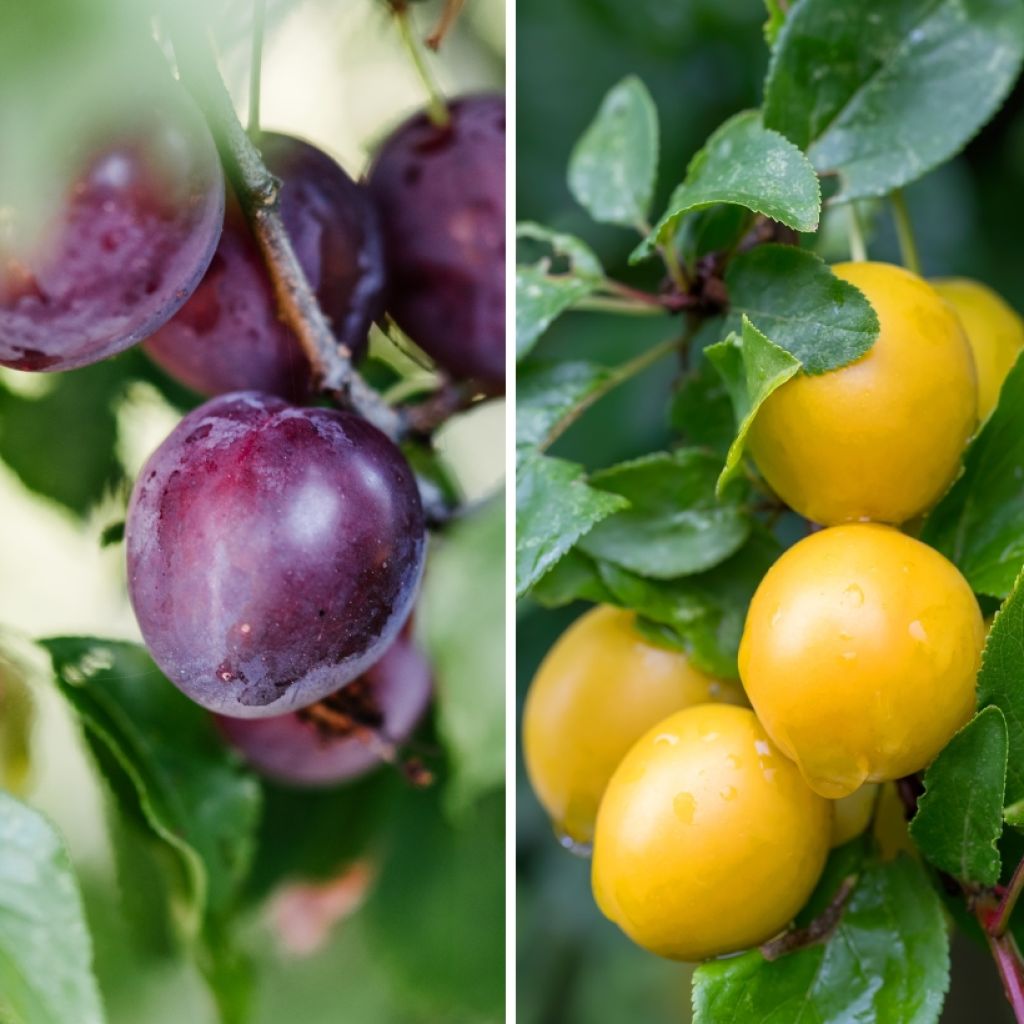
Two-in-one plum tree - Prunus Black Amber and Golden Japan
Two-in-one plum tree - Prunus Black Amber and Golden Japan
Prunus Black Amber, Golden Japan
Plum
Back-to-school special offer!
Get €10 off for every €50 you spend! And get up to €40 off on a single order.
How does it work?
1. Shop your favourites
Add your favourite plants to your basket. For every €50 you spend (excluding delivery charges, store credit and the plastic-free option), you’ll receive a €10 voucher.
€50 spent = €10 voucher
€100 spent = €20 voucher
€150 spent = €30 voucher
€200 spent = €40 voucher
2. Place your order
Once your basket reaches one of the spending thresholds, place your order. You can even choose your delivery date!
3. Receive your voucher
As soon as your order has been shipped, you’ll receive an email containing your personal voucher code and its value.
4. Use it on your next order
Your voucher is valid for 90 days from the date you receive it. It can be used once only, on a new order worth at least the value of the voucher, excluding delivery charges.
Please note: Vouchers can be combined with other offers, but cannot be split or refunded.
Why not try an alternative variety in stock?
View all →
Available in 0 sizes
Available in 0 sizes
Available in 0 sizes
Available in 1 sizes
Available in 0 sizes
Available in 5 sizes
Available in 2 sizes
Available in 2 sizes
Available in 2 sizes
Available in 1 sizes
This plant carries a 12 months recovery warranty
More information
We guarantee the quality of our plants for a full growing cycle, and will replace at our expense any plant that fails to recover under normal climatic and planting conditions.
Description
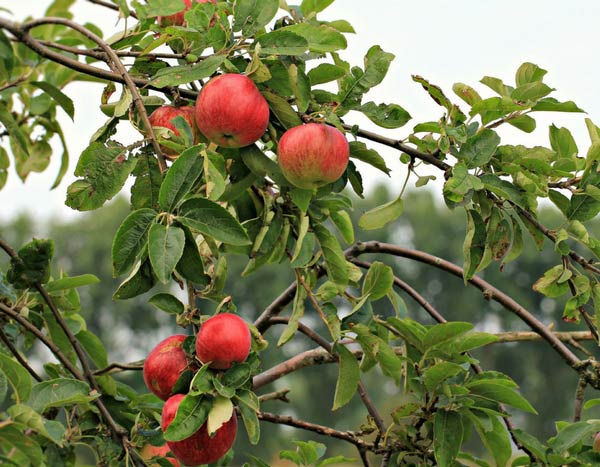
The 'Black Amber' and 'Golden Japan' two-in-one plum tree produces a beautiful harvest from July to August. They cross-pollinate for abundant fruiting on a single tree. These varieties are grafted in a Y-shape onto the same rootstock, saving space in the garden while offering their distinctly different flavours and colours. After the decorative, nectar-rich white spring blossom, the tree develops its foliage. In summer, its shade is appreciated. This hardy, plum tree thrives in ordinary, well-worked, rich, and deep soil, not too dry in summer. Plant it as a standalone specimen in a lawn, within an orchard, or as part of a fruit hedge.
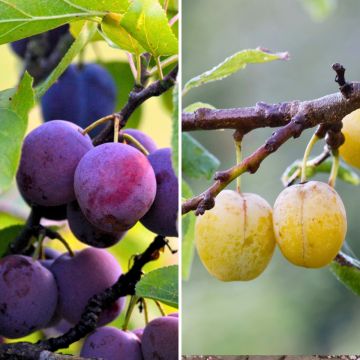
This tree combines two grafts:
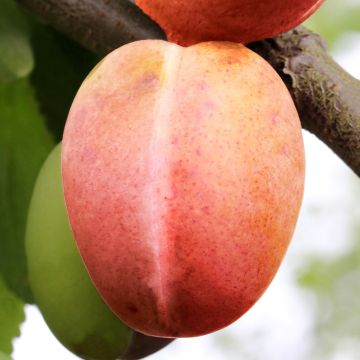
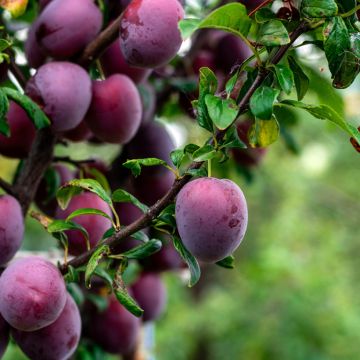
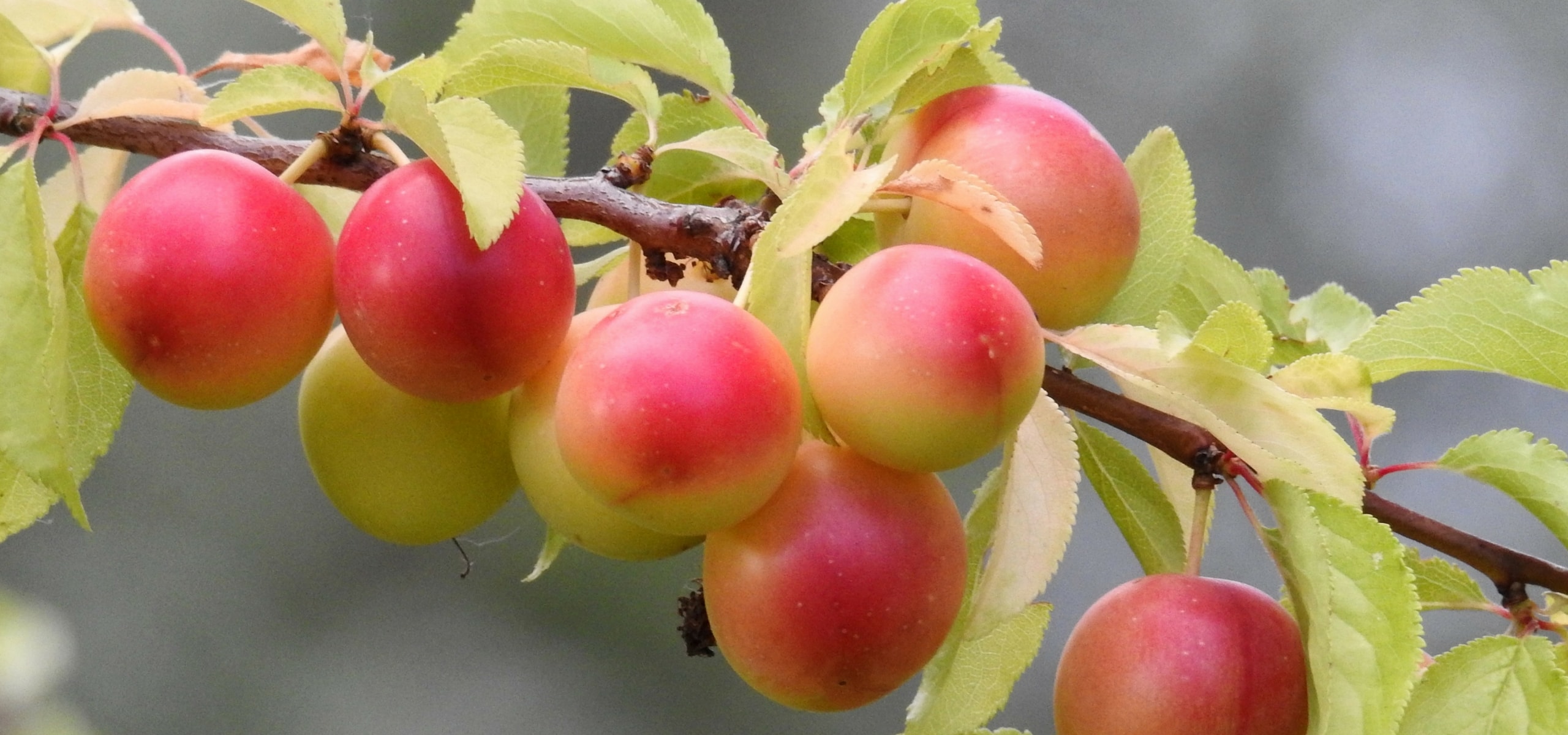
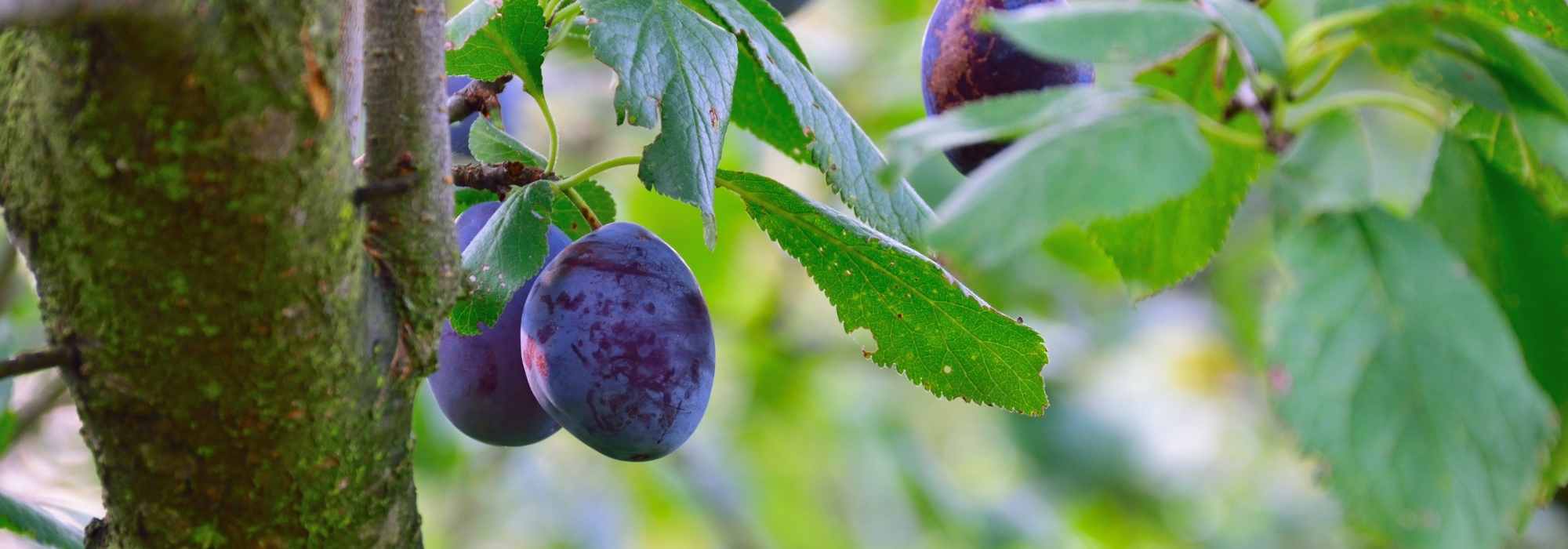
- A 'Black Amber' Plum graft: This variety produces round plums with almost black skin and amber-yellow flesh, firm and juicy, with a sweet-tart flavour. Highly prized for its crisp texture, it can be enjoyed fresh, in jams, or in pastries. Harvest in August.
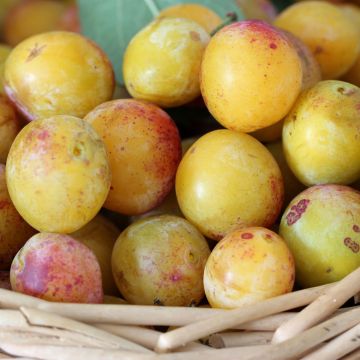
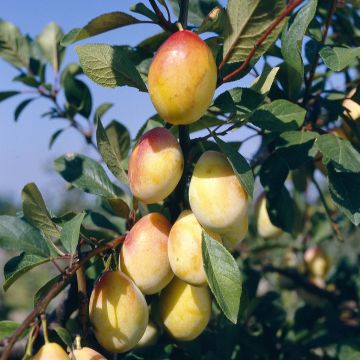
- A 'Golden Japan' Plum graft: This early-ripening variety offers large, round, golden plums with melting, very sweet flesh, ideal for fresh consumption. Harvest begins in July, allowing you to enjoy the first summer fruits.
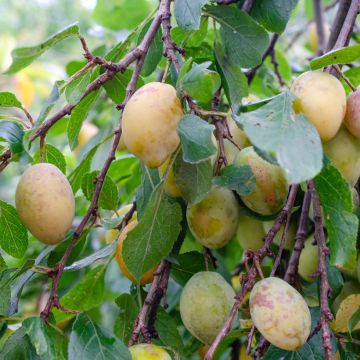
Prunus salicina (Japanese Plum) is a fruit tree belonging to the Rosaceae family, like apricot, almond, and peach trees. Unlike Prunus domestica (European plum), it originates from China, where it has grown wild for millennia before being introduced to Japan and then the West. The ‘Black Amber’ variety was developed in the United States. It is particularly cultivated in California, where it benefits from a favourable climate for ripening. The ‘Golden Japan’ variety, on the other hand, is an ancient variety from Japan, known for its early fruiting and golden, juicy, sweet plums. It has spread widely in Europe and Mediterranean orchards due to its great adaptability and productivity. This two-in-one Black Amber & Golden Japan plum tree forms a fruit tree with a rounded framework, reaching around 4 to 5 metres in height, producing numerous shoots grouped into spreading crowns. Its habit suits free forms, whether grown as a standard, half-standard, or bush. Its deciduous foliage consists of obovate, 6 to 8 cm long, scalloped and toothed leaves, slightly hairy underneath, and a vibrant dark green. Flowering begins in late March to early April, with an explosion of white, 1.5 to 2.5 cm in diameter flowers appearing on the previous year's shoots before the leaves emerge.
The ‘Golden Japan’ variety is earlier, flowering in late March, while ‘Black Amber’ follows in early April. Although sensitive to spring frosts, the blossom is so abundant that it ensures a good yield despite potential losses. It is a true spring spectacle, attracting bees and pollinators with its rich, honey-producing nectar.
This double plum tree is hardy down to -20°C and has the advantage of being self-fertile. The presence of both varieties on the same tree promotes cross-pollination, improving the quantity and quality of the fruit produced. These two plum varieties, grafted onto the same tree, offer generous and regular fruiting, with quick fruit setting, as early as 3 to 4 years after planting. Full production is reached between 5 and 7 years. A mature plum tree, aged 10 to 20 years, can produce an average of 35 to 50 kg of plums per year.
As plums are delicate fruits, harvest them carefully by hand or with a picking pole, taking care not to damage them. They are ready to eat straight from the tree, fresh and juicy, perfect for snacking on or adding to a fruit salad. They also elevate desserts like clafoutis, cakes, crumbles, or tarts and complement savoury dishes, particularly with white meats (turkey, chicken, veal) or in tagines. These plums are also ideal for turning into jams, compotes, juices, or syrup preserves. Beyond being delicious, plums are a healthy choice. They are low in calories, rich in potassium, calcium, magnesium, and contain a notable amount of iron. Packed with vitamins C, B, E, and K, as well as antioxidants and fibre, they are energising and hydrating.
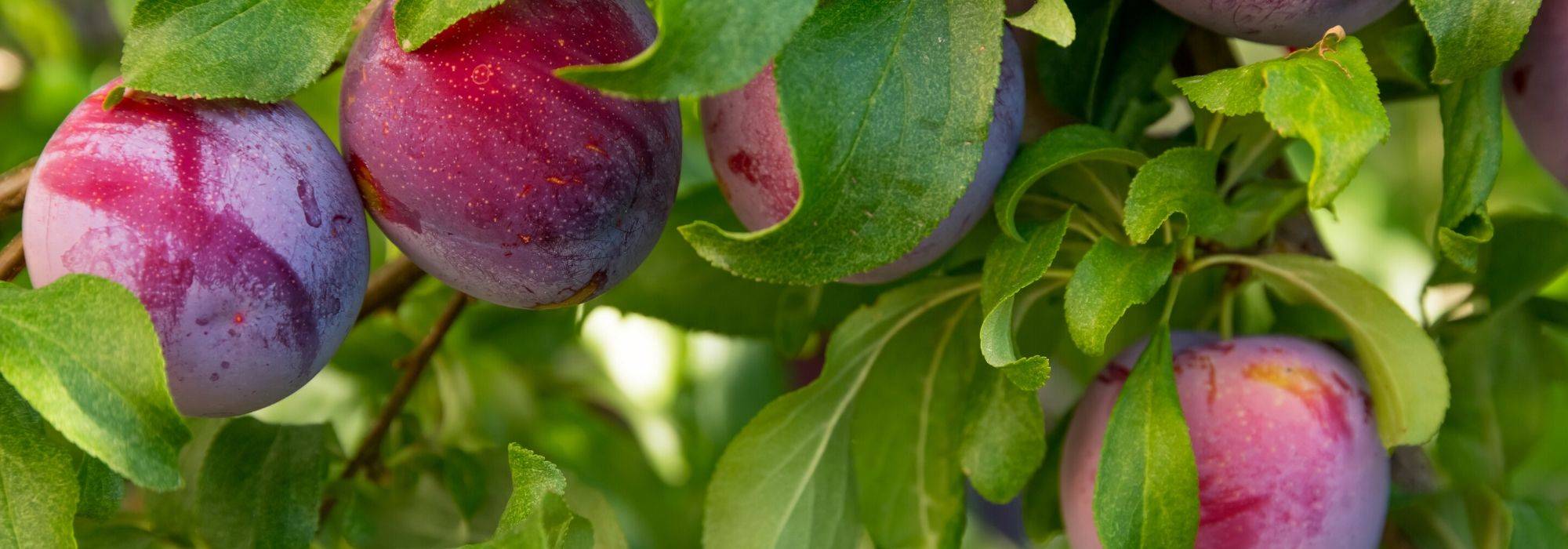
Two-in-one plum tree - Prunus Black Amber and Golden Japan in pictures
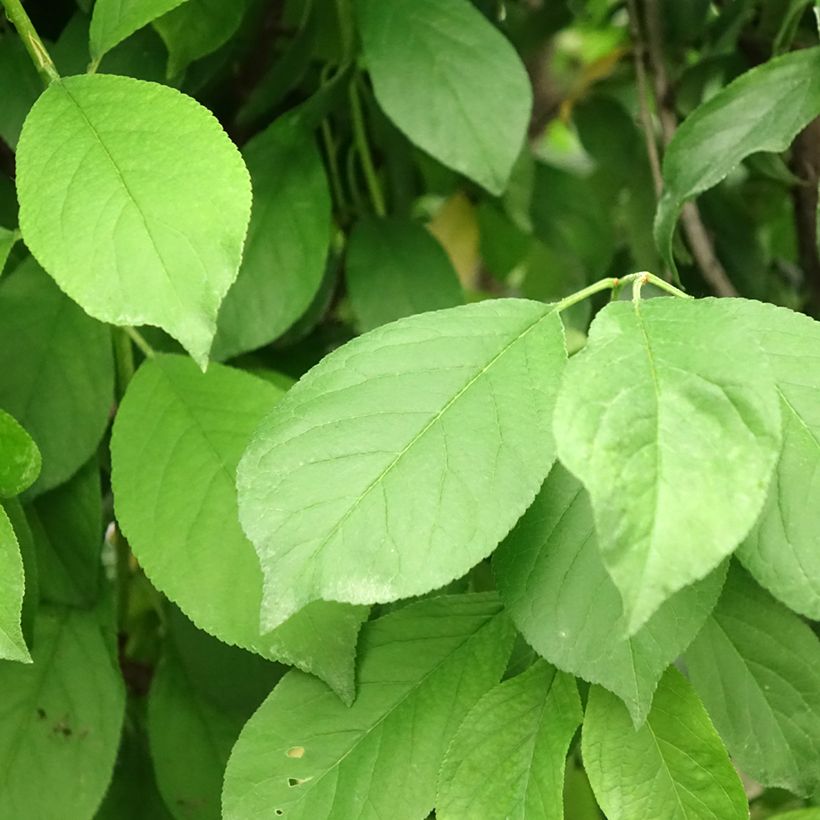
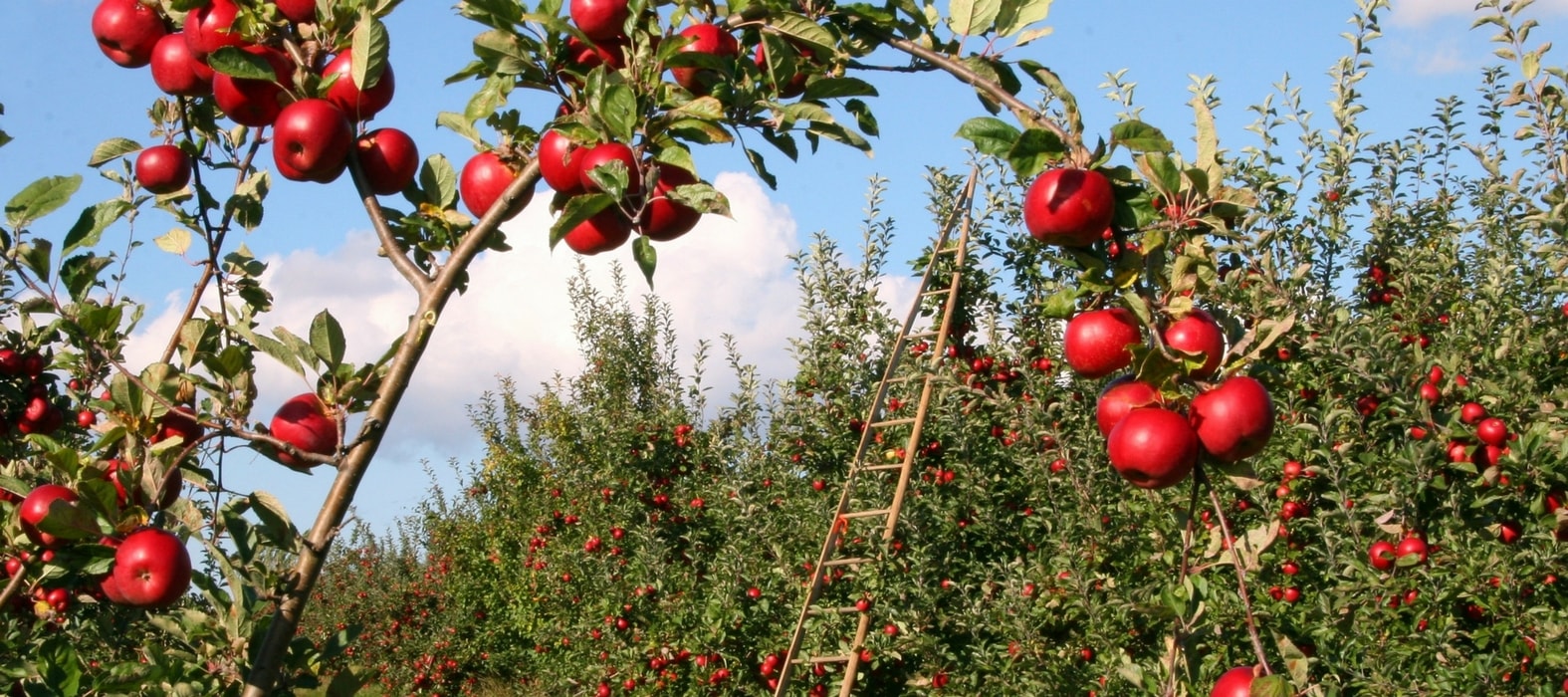
Plant habit
Fruit
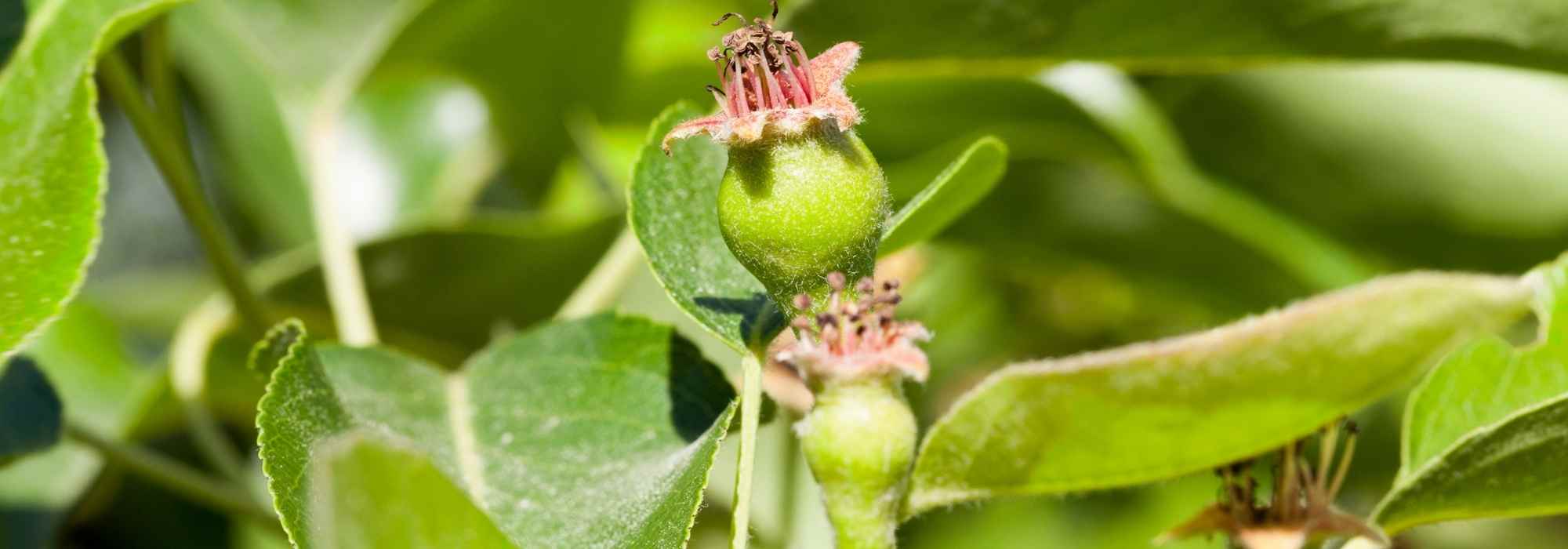
Flowering
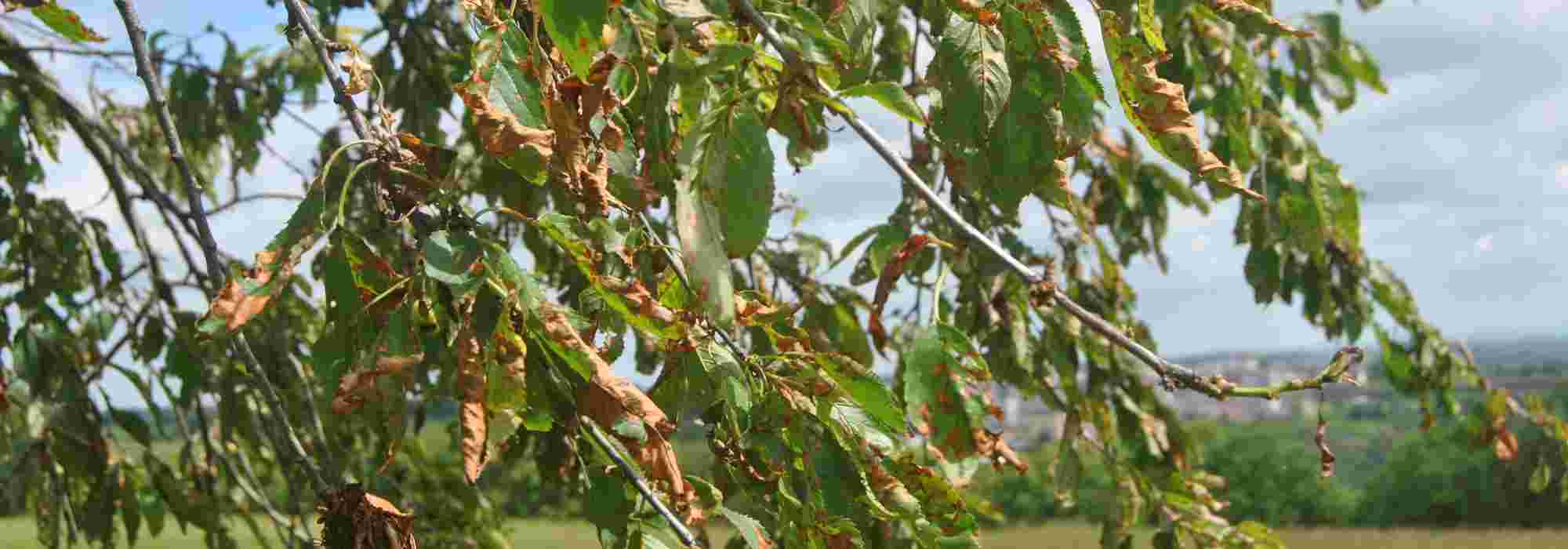
Foliage
Botanical data
Prunus
Black Amber, Golden Japan
Rosaceae
Plum
Cultivar or hybrid
Planting and care
The perfectly hardy Duo Plum Tree Black Amber / Golden Japan can withstand temperatures below -15°C and can be cultivated up to 1,000 metres in altitude. Grown under good conditions, it is one of the easiest fruit trees to cultivate, as it is both generous and resilient. Plum trees flower early in spring and are therefore exposed to frost, although frost rarely compromises the plum harvest. Avoid areas overly exposed to north and east winds in colder regions. To produce beautiful fruit, the plum tree thrives in warmth and sunny locations sheltered from strong winds (the branches are very brittle). It is a vigorous tree suitable for all types of soil, though it prefers rich, moist, deep, and well-drained soils with a slightly acidic tendency, without waterlogging or excessive limestone. It only really dislikes waterlogged soils. Plum trees are cultivated exclusively in free forms, known as open-grown. With its white blossom, it brings a touch of freshness to a natural garden or orchard in spring.
Plant the plum tree from November to March during the dormant period, avoiding frost. Trees sold in containers can be planted year-round, provided the soil is neither frozen nor waterlogged. Don’t forget to trim and dress the bare roots before planting. In open ground, you can plant the plum tree in groups of 3 or 5, spacing them 6 to 7 metres apart.
Prepare the ground thoroughly. Dig a wide planting hole at least 3 times the size of the root ball (80×80 cm). Ensure drainage with a layer of gravel. Place the tree in the hole and install a stake without tightening the ties too much. Fill in gradually, firming the soil as you go, using garden soil enriched with compost, well-rotted manure, and 2 or 3 handfuls of ground horn, without burying the graft union (leave the graft point 10 cm above the soil). Create a basin around the base and water generously and regularly to help your plum tree establish itself.
After planting and for the first three years, water regularly, as the soil should remain moist throughout summer. It dislikes overly dry soils. In case of water shortage, its fruit may drop prematurely. After 2 or 3 years, it will tolerate short periods of drought better. Mulch the base of your plum tree during the first few years with dry organic matter (bark, dead leaves, straw, etc.) to retain moisture in summer.
You can thin out the fruit. Ripe plums attract wasps, so collect fallen fruit from the ground. Remove any suckers that may have grown at the base of the tree over time, but hoe carefully, as its roots are shallow. In autumn or spring, apply manure or fruit tree fertiliser.
Planting period
Intended location
Care
Planting & care advice
-
-
-
-
-
-
-
-
This item has not been reviewed yet - be the first to leave a review about it.
Recently viewed products
Haven't found what you were looking for?
Hardiness is the lowest winter temperature a plant can endure without suffering serious damage or even dying. However, hardiness is affected by location (a sheltered area, such as a patio), protection (winter cover) and soil type (hardiness is improved by well-drained soil).

The flowering period indicated on our website applies to countries and regions located in USDA zone 8 (France, the United Kingdom, Ireland, the Netherlands, etc.)
It will vary according to where you live:- In zones 9 to 10 (Italy, Spain, Greece, etc.), flowering will occur about 2 to 4 weeks earlier.
- In zones 6 to 7 (Germany, Poland, Slovenia, and lower mountainous regions), flowering will be delayed by 2 to 3 weeks.
- In zone 5 (Central Europe, Scandinavia), blooming will be delayed by 3 to 5 weeks.
In temperate climates, pruning of spring-flowering shrubs (forsythia, spireas, etc.) should be done just after flowering.
Pruning of summer-flowering shrubs (Indian Lilac, Perovskia, etc.) can be done in winter or spring.
In cold regions as well as with frost-sensitive plants, avoid pruning too early when severe frosts may still occur.
The planting period indicated on our website applies to countries and regions located in USDA zone 8 (France, United Kingdom, Ireland, Netherlands).
It will vary according to where you live:
- In Mediterranean zones (Marseille, Madrid, Milan, etc.), autumn and winter are the best planting periods.
- In continental zones (Strasbourg, Munich, Vienna, etc.), delay planting by 2 to 3 weeks in spring and bring it forward by 2 to 4 weeks in autumn.
- In mountainous regions (the Alps, Pyrenees, Carpathians, etc.), it is best to plant in late spring (May-June) or late summer (August-September).
The harvesting period indicated on our website applies to countries and regions in USDA zone 8 (France, England, Ireland, the Netherlands).
In colder areas (Scandinavia, Poland, Austria...) fruit and vegetable harvests are likely to be delayed by 3-4 weeks.
In warmer areas (Italy, Spain, Greece, etc.), harvesting will probably take place earlier, depending on weather conditions.
The sowing periods indicated on our website apply to countries and regions within USDA Zone 8 (France, UK, Ireland, Netherlands).
In colder areas (Scandinavia, Poland, Austria...), delay any outdoor sowing by 3-4 weeks, or sow under glass.
In warmer climes (Italy, Spain, Greece, etc.), bring outdoor sowing forward by a few weeks.
Shipping country and language
Your country of residence may be:
Your country of residence is:
For a better user experience on our website, you can select:
Your shipping country:
-
 Austria
-
 Belgium
-
 Bosnia & Herzegovina
-
 Bulgaria
-
 Croatia
-
 Cyprus
-
 Czechia
-
 Denmark
-
 Estonia
-
 Finland
-
 France
-
 Germany
-
 Greece
-
 Hungary
-
 Iceland
-
 Ireland
-
 Italy
Italy
-
 Latvia
-
 Liechtenstein
-
 Lithuania
-
 Luxembourg
-
 Malta
Malta
-
 Netherlands
-
 Poland
-
 Portugal
-
 Romania
-
 Serbia
-
 Slovakia
-
 Slovenia
-
 Spain
Spain
-
 Sweden
-
 Switzerland
Language:
-
French
-
 English
-
Spanish
-
Italian
-
German
-
Portuguese
-
Dutch
-
Finnish
My Account
Hello
My wish lists
My cart
Log in / Register
Existing customer?
This form is protected by reCAPTCHA - the Google Privacy Policy and Terms of Service apply.
New customer?
Create an account to track your orders, access our customer service and, if you wish, make the most of our upcoming offers.