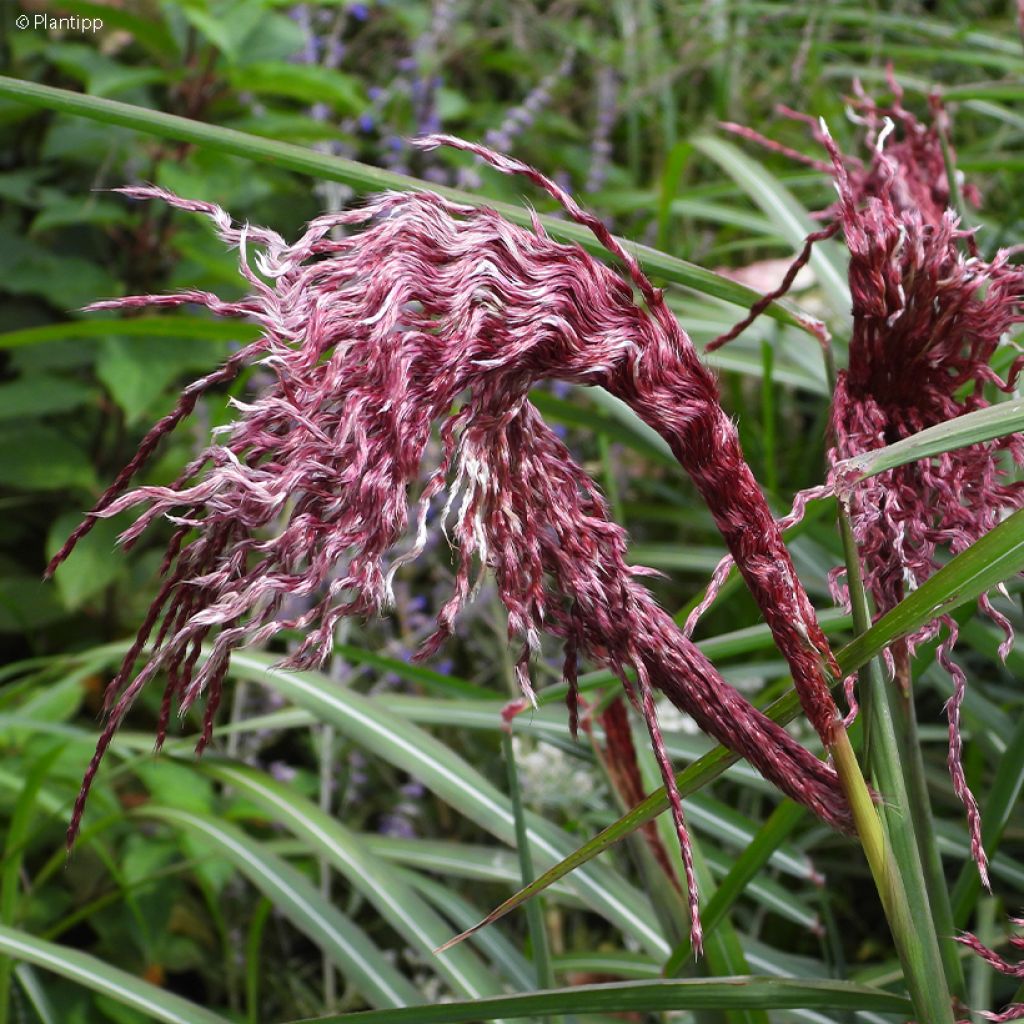
Miscanthus sinensis Boucle - Silvergrass
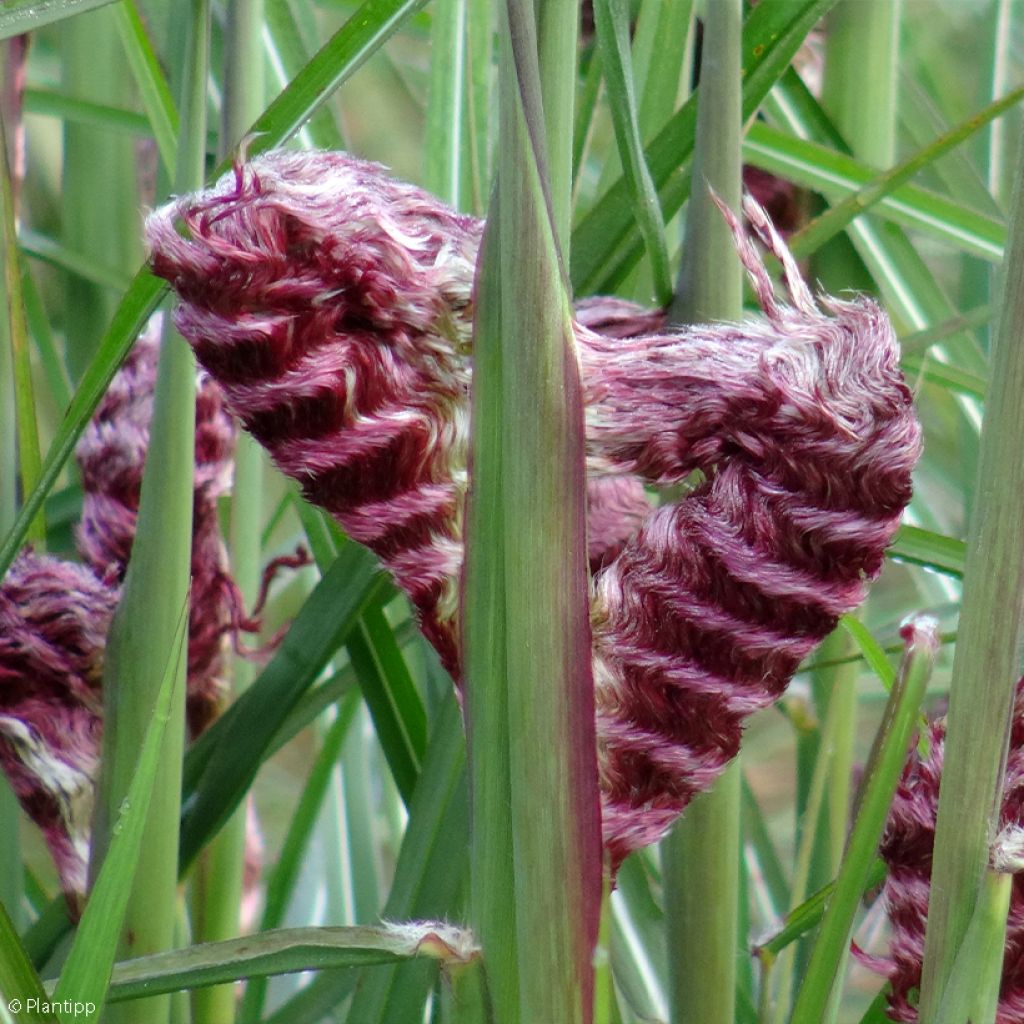
Miscanthus sinensis Boucle - Silvergrass
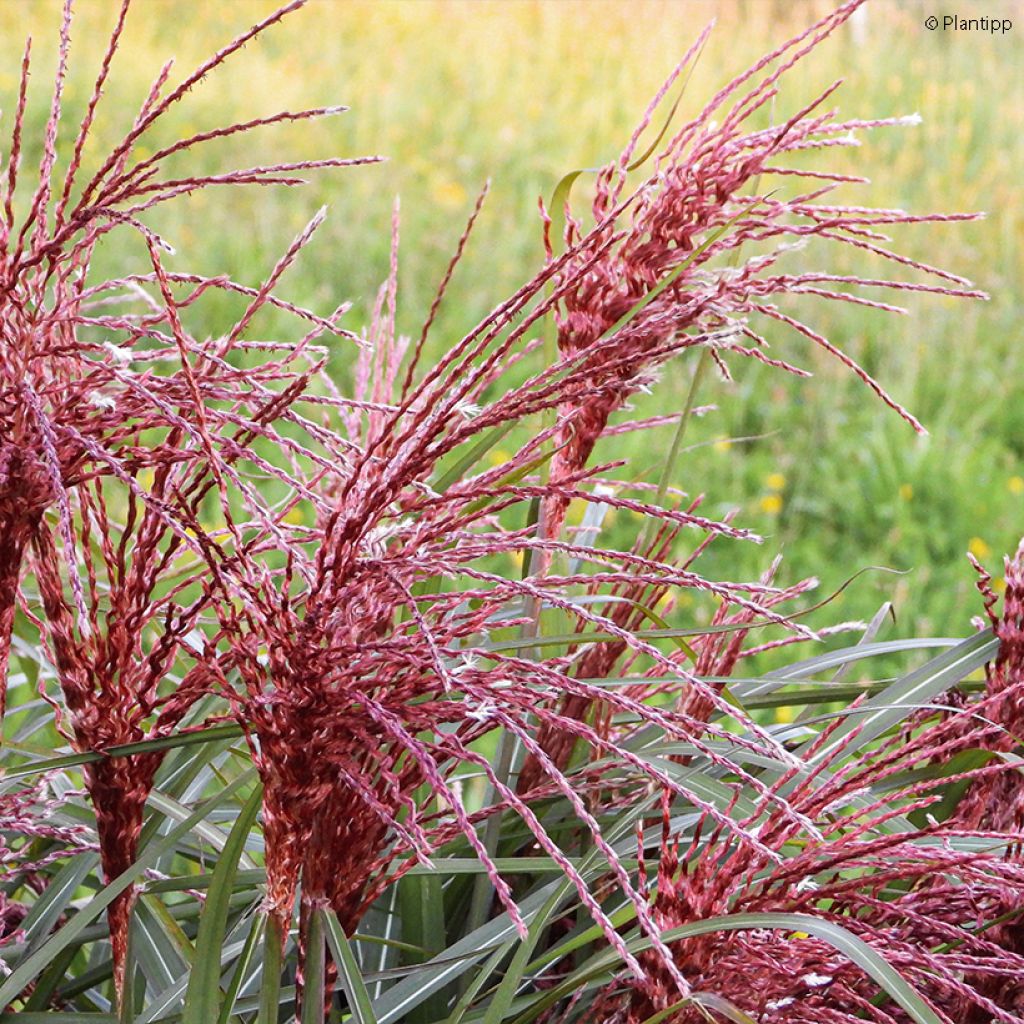
Miscanthus sinensis Boucle - Silvergrass
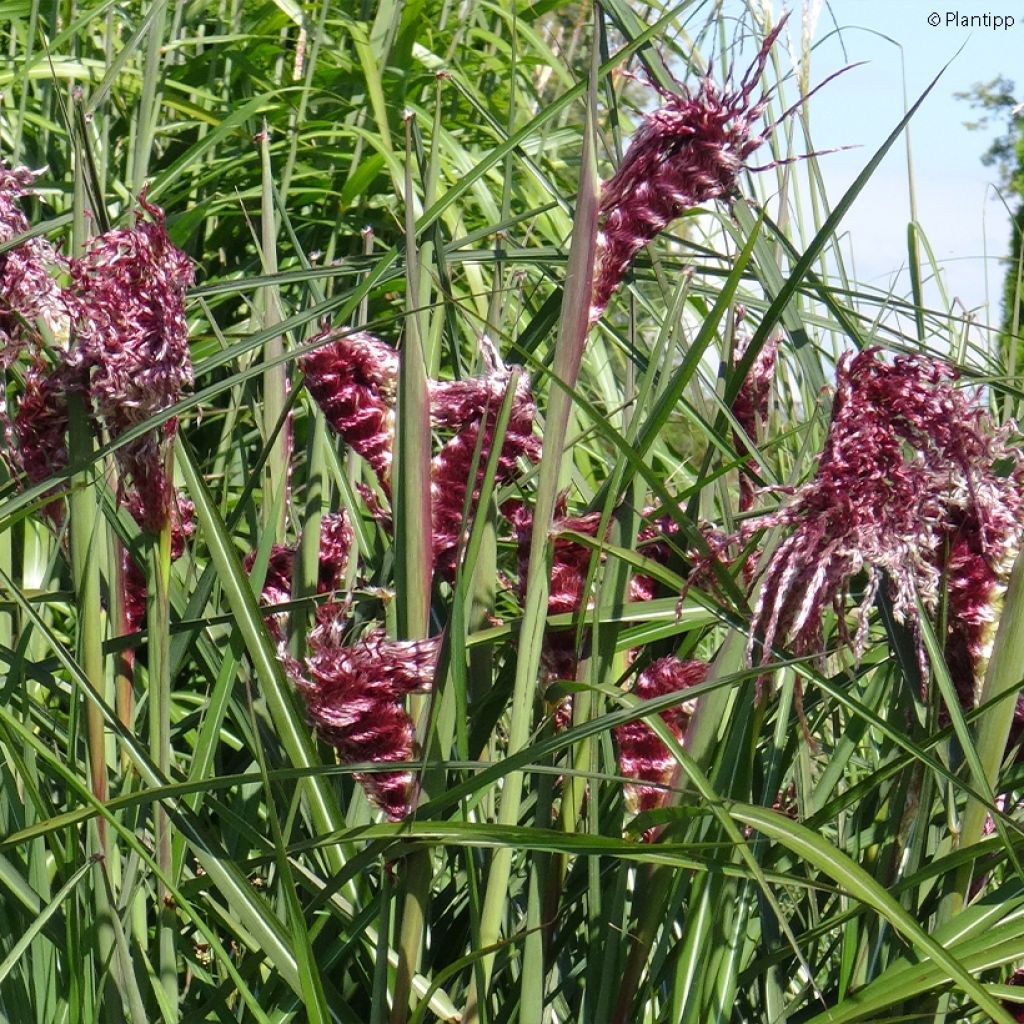
Miscanthus sinensis Boucle - Silvergrass
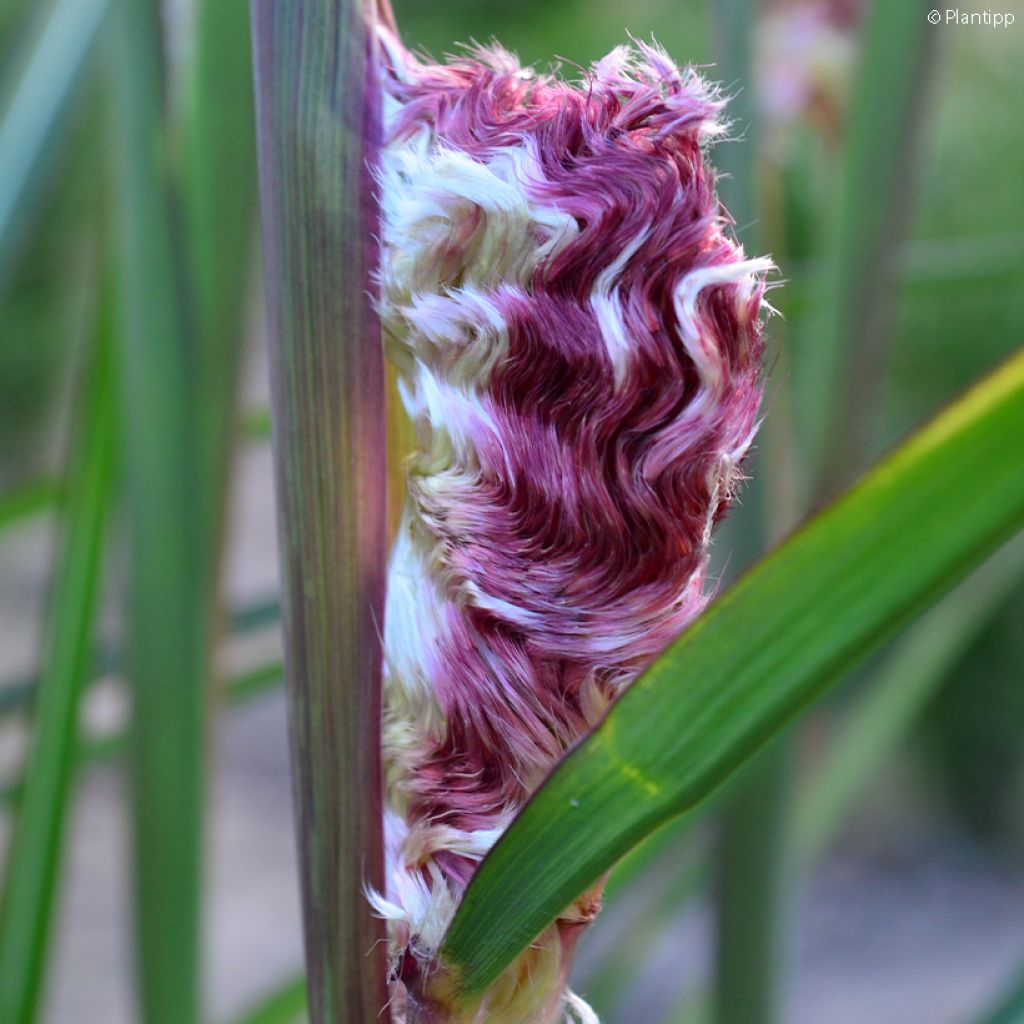
Miscanthus sinensis Boucle - Silvergrass

Miscanthus sinensis Boucle - Silvergrass
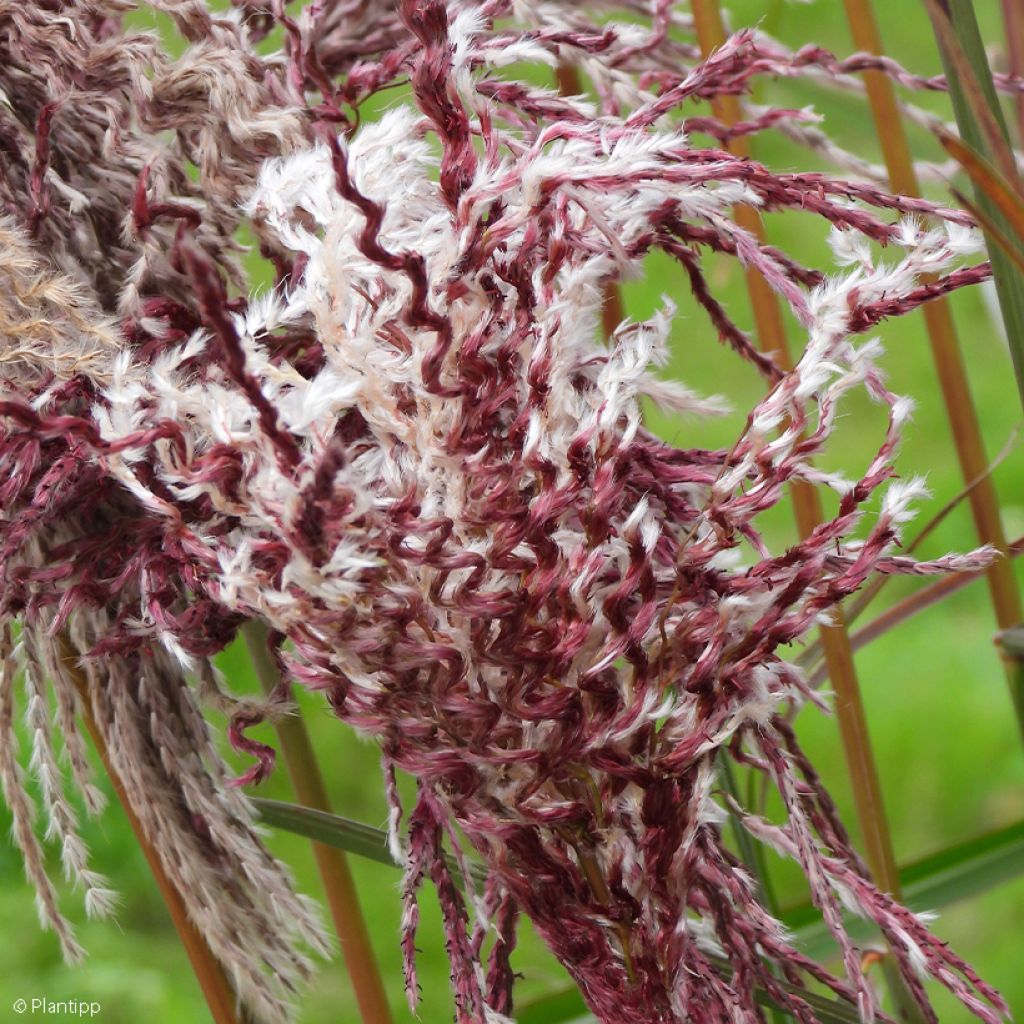
Miscanthus sinensis Boucle - Silvergrass
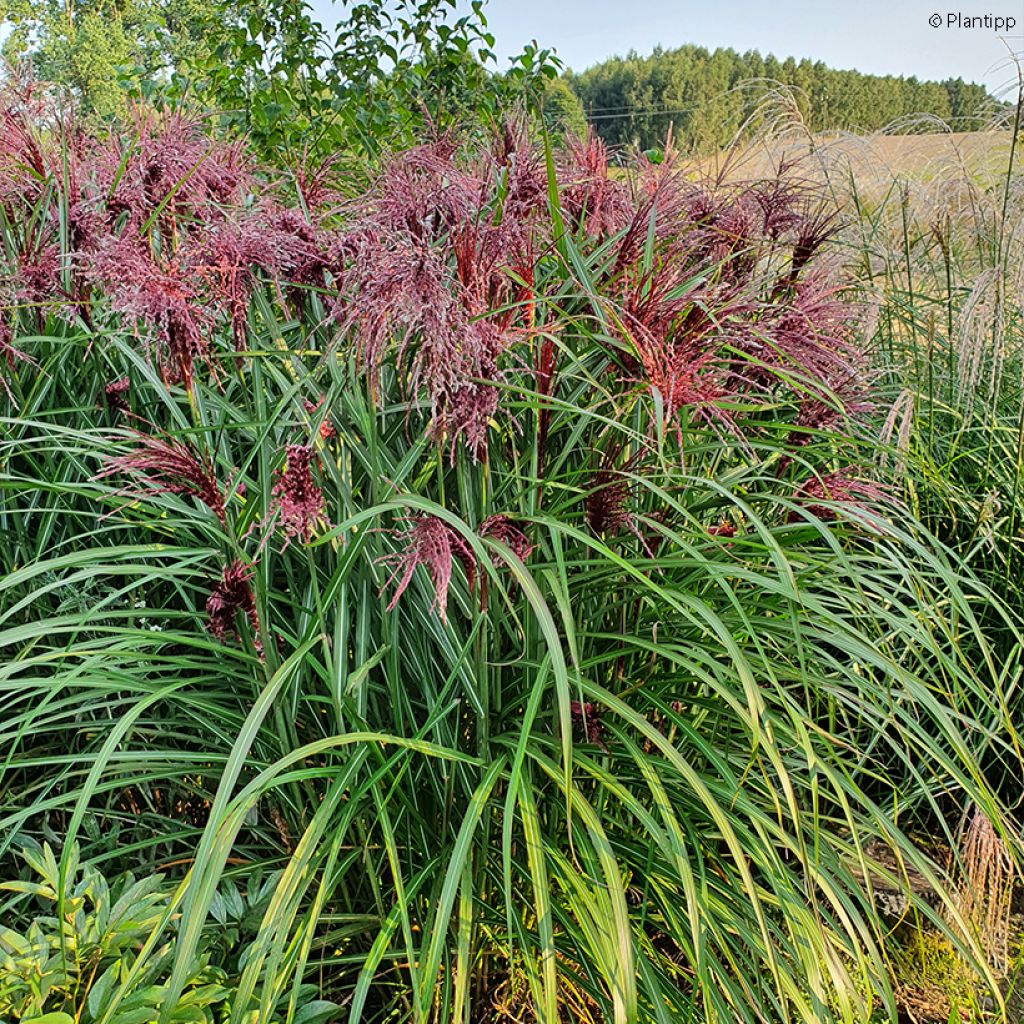
Miscanthus sinensis Boucle - Silvergrass
Miscanthus sinensis Boucle - Silvergrass
Miscanthus sinensis Boucle PBR EU 57849
Eulalia, Porcupine Grass, Chinese silver Grass, Maiden Grass, Zebra Grass, Susuki Grass
Out of the 3 young plants I bought last autumn, none have properly taken root. I planted them as soon as I received them, preparing the soil carefully as I always do for my Miscanthus, but this variety seems very fragile. A small part of one of the 3 plants did produce a leaf, but it dried out in the sun just two days later. If anyone has advice, I’d be happy to hear it. Should I wait until next year to give them more time?
Julien, 28/06/2025
Back-to-school special offer!
Get €10 off for every €50 you spend! And get up to €40 off on a single order.
How does it work?
1. Shop your favourites
Add your favourite plants to your basket. For every €50 you spend (excluding delivery charges, store credit and the plastic-free option), you’ll receive a €10 voucher.
€50 spent = €10 voucher
€100 spent = €20 voucher
€150 spent = €30 voucher
€200 spent = €40 voucher
2. Place your order
Once your basket reaches one of the spending thresholds, place your order. You can even choose your delivery date!
3. Receive your voucher
As soon as your order has been shipped, you’ll receive an email containing your personal voucher code and its value.
4. Use it on your next order
Your voucher is valid for 90 days from the date you receive it. It can be used once only, on a new order worth at least the value of the voucher, excluding delivery charges.
Please note: Vouchers can be combined with other offers, but cannot be split or refunded.
Why not try an alternative variety in stock?
View all →
Available in 0 sizes

Available in 2 sizes

Available in 3 sizes

Available in 3 sizes

Available in 3 sizes

Available in 1 sizes

Available in 2 sizes

Available in 2 sizes

Available in 1 sizes
Available in 1 sizes
This plant carries a 12 months recovery warranty
More information
We guarantee the quality of our plants for a full growing cycle, and will replace at our expense any plant that fails to recover under normal climatic and planting conditions.

Would this plant suit my garden?
Set up your Plantfit profile →
Description
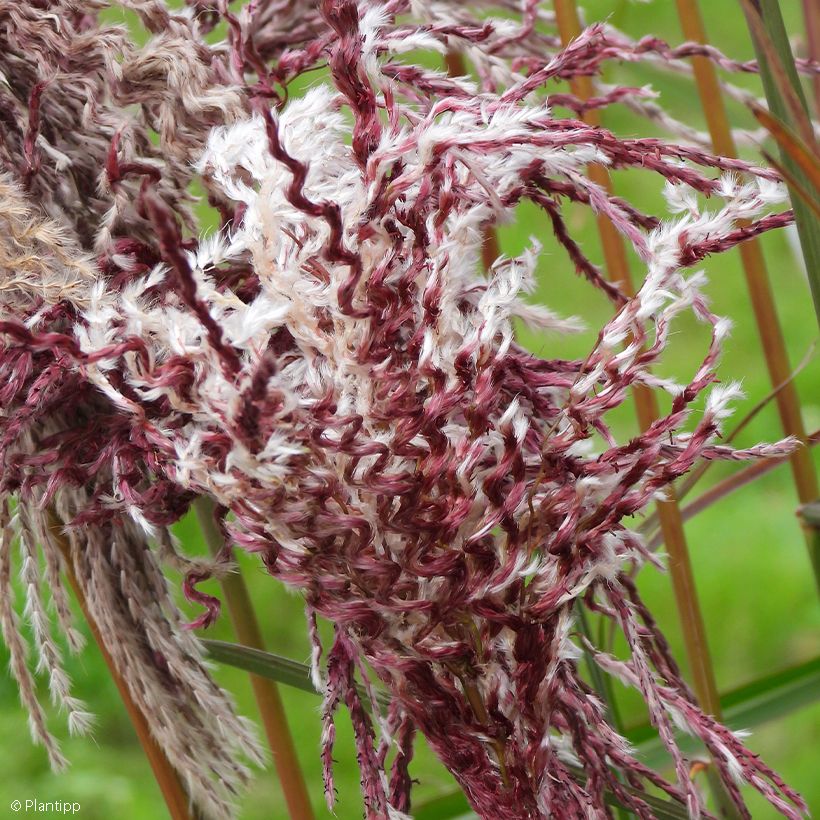
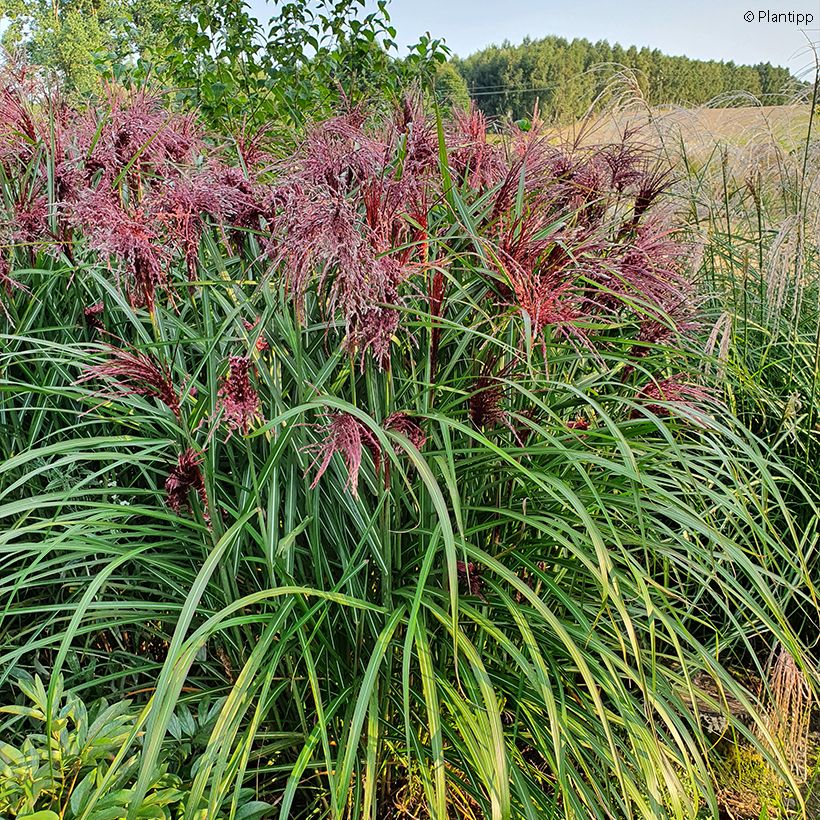
Miscanthus sinensis 'Boucle' is one of the most amazing Chinese reeds selected in recent years. This medium-sized variety offers an unprecedented flowering with its particularly dark colour. Its compressed, wrinkled, plump inflorescences open slowly to reveal feathery plumes. This fascinating flowering, one of the darkest observed in eulalia, ripens in shimmering silver tones in autumn. The foliage is more classic, changing from summer green to orange tones at the end of the season. This hardy and easy-to-grow grass deserves a prime location, in the sun, in the heart of a perennial bed or in a large container on a patio. Like most of the Chinese reeds, this variety requires moist and loose soil to fully express itself.
'Boucle' belongs to the large Poaceae family. It is a horticultural form derived from Miscanthus sinensis, a hardy species native to East Asia and Oceania. This variety was recently selected in Poland by Artur Maj. A clump-forming perennial grass with short rhizomes, it develops into a non-invasive tuft. Its growth rate is quite fast. The plant reaches a height of about 1.1m (4ft) at maturity, with a spread of 50 to 60cm (20 to 24in). The linear leaves are very thin, very long, and flexible. They are dark green with a white main vein and a violet tip. Gradually, starting in August, the base of the leaves begins to change colour. Different shades of orange slowly spread throughout the leaf tuft. Long flowering stems emerge from the foliage, from September to November, in the form of thick, wrinkled, silky-looking cone-shaped spikes. The colour of the inflorescence changes from purple-brown to purple, to purplish pink. When fading, they take on a lovely silvery hue. The plumes are made up of tiny flowers that close slightly after blooming, only to open again when mature. They then take on a paler and fluffier appearance and persist on the plant throughout winter. The deciduous foliage dries up and turns yellow in winter.
The hardy and highly ornamental Miscanthus sinensis 'Boucle' is ideal for gardens of all styles. It is a remarkably ornamental 'grass', which should be prominently placed in flower beds, along a path or near the entrance of the garden. It is suitable for wild gardens and contemplative gardeners. You can simply plant it among asters, landscape roses, and daylilies. Watch it grow and expand, play with the wind and the low light of autumn, and bend under rain showers. It also has its place in modern gardens with clean lines, accompanied by dwarf bamboos or ferns if the soil is moist. In an urban garden, 'Boucle' softens concrete structures. Cultivating it in large containers is also highly recommended, decorating a patio or balcony with panache and elegance.

Miscanthus sinensis Boucle - Silvergrass in pictures

Flowering
Foliage
Plant habit
Botanical data
Miscanthus
sinensis
Boucle PBR EU 57849
Poaceae
Eulalia, Porcupine Grass, Chinese silver Grass, Maiden Grass, Zebra Grass, Susuki Grass
Cultivar or hybrid
Planting and care
Miscanthus sinensis 'Boucle' thrives in warm exposures and healthy, fairly rich, deep soil that is well-drained but remains moist in summer. This plant tolerates occasional drought if planted in deep soil. It can adapt to poor soil, but will be less imposing and its growth slower. It is best to cut back the foliage to ground level in early spring, after the strongest frosts have passed. For container planting, choose a large container (minimum 30L) filled with a fertile, draining and flexible growing medium. A mix composed of 20% good garden soil, 20% draining elements (pumice or gravel or coarse river sand), and 60% horticultural compost is ideal. Apply well-decomposed compost once or twice a year (end of winter and autumn) or slow-release fertiliser. When it becomes less floriferous, divide the clump and retrieve the peripheral shoots for replanting.
Planting period
Intended location
Care
Planting & care advice
-

-

-

-

-

-

-

-

-
, onOrder confirmed
Reply from on Promesse de fleurs
Recently viewed products
Haven't found what you were looking for?
Hardiness is the lowest winter temperature a plant can endure without suffering serious damage or even dying. However, hardiness is affected by location (a sheltered area, such as a patio), protection (winter cover) and soil type (hardiness is improved by well-drained soil).

The flowering period indicated on our website applies to countries and regions located in USDA zone 8 (France, the United Kingdom, Ireland, the Netherlands, etc.)
It will vary according to where you live:- In zones 9 to 10 (Italy, Spain, Greece, etc.), flowering will occur about 2 to 4 weeks earlier.
- In zones 6 to 7 (Germany, Poland, Slovenia, and lower mountainous regions), flowering will be delayed by 2 to 3 weeks.
- In zone 5 (Central Europe, Scandinavia), blooming will be delayed by 3 to 5 weeks.
In temperate climates, pruning of spring-flowering shrubs (forsythia, spireas, etc.) should be done just after flowering.
Pruning of summer-flowering shrubs (Indian Lilac, Perovskia, etc.) can be done in winter or spring.
In cold regions as well as with frost-sensitive plants, avoid pruning too early when severe frosts may still occur.
The planting period indicated on our website applies to countries and regions located in USDA zone 8 (France, United Kingdom, Ireland, Netherlands).
It will vary according to where you live:
- In Mediterranean zones (Marseille, Madrid, Milan, etc.), autumn and winter are the best planting periods.
- In continental zones (Strasbourg, Munich, Vienna, etc.), delay planting by 2 to 3 weeks in spring and bring it forward by 2 to 4 weeks in autumn.
- In mountainous regions (the Alps, Pyrenees, Carpathians, etc.), it is best to plant in late spring (May-June) or late summer (August-September).
The harvesting period indicated on our website applies to countries and regions in USDA zone 8 (France, England, Ireland, the Netherlands).
In colder areas (Scandinavia, Poland, Austria...) fruit and vegetable harvests are likely to be delayed by 3-4 weeks.
In warmer areas (Italy, Spain, Greece, etc.), harvesting will probably take place earlier, depending on weather conditions.
The sowing periods indicated on our website apply to countries and regions within USDA Zone 8 (France, UK, Ireland, Netherlands).
In colder areas (Scandinavia, Poland, Austria...), delay any outdoor sowing by 3-4 weeks, or sow under glass.
In warmer climes (Italy, Spain, Greece, etc.), bring outdoor sowing forward by a few weeks.
Shipping country and language
Your country of residence may be:
Your country of residence is:
For a better user experience on our website, you can select:
Your shipping country:
-
 Austria
-
 Belgium
-
 Bosnia & Herzegovina
-
 Bulgaria
-
 Croatia
-
 Cyprus
-
 Czechia
-
 Denmark
-
 Estonia
-
 Finland
-
 France
-
 Germany
-
 Greece
-
 Hungary
-
 Iceland
-
 Ireland
-
 Italy
Italy
-
 Latvia
-
 Liechtenstein
-
 Lithuania
-
 Luxembourg
-
 Malta
Malta
-
 Netherlands
-
 Poland
-
 Portugal
-
 Romania
-
 Serbia
-
 Slovakia
-
 Slovenia
-
 Spain
Spain
-
 Sweden
-
 Switzerland
Language:
-
French
-
 English
-
Spanish
-
Italian
-
German
-
Portuguese
-
Dutch
-
Finnish
My Account
Hello
My wish lists
My cart
Log in / Register
Existing customer?
This form is protected by reCAPTCHA - the Google Privacy Policy and Terms of Service apply.
New customer?
Create an account to track your orders, access our customer service and, if you wish, make the most of our upcoming offers.