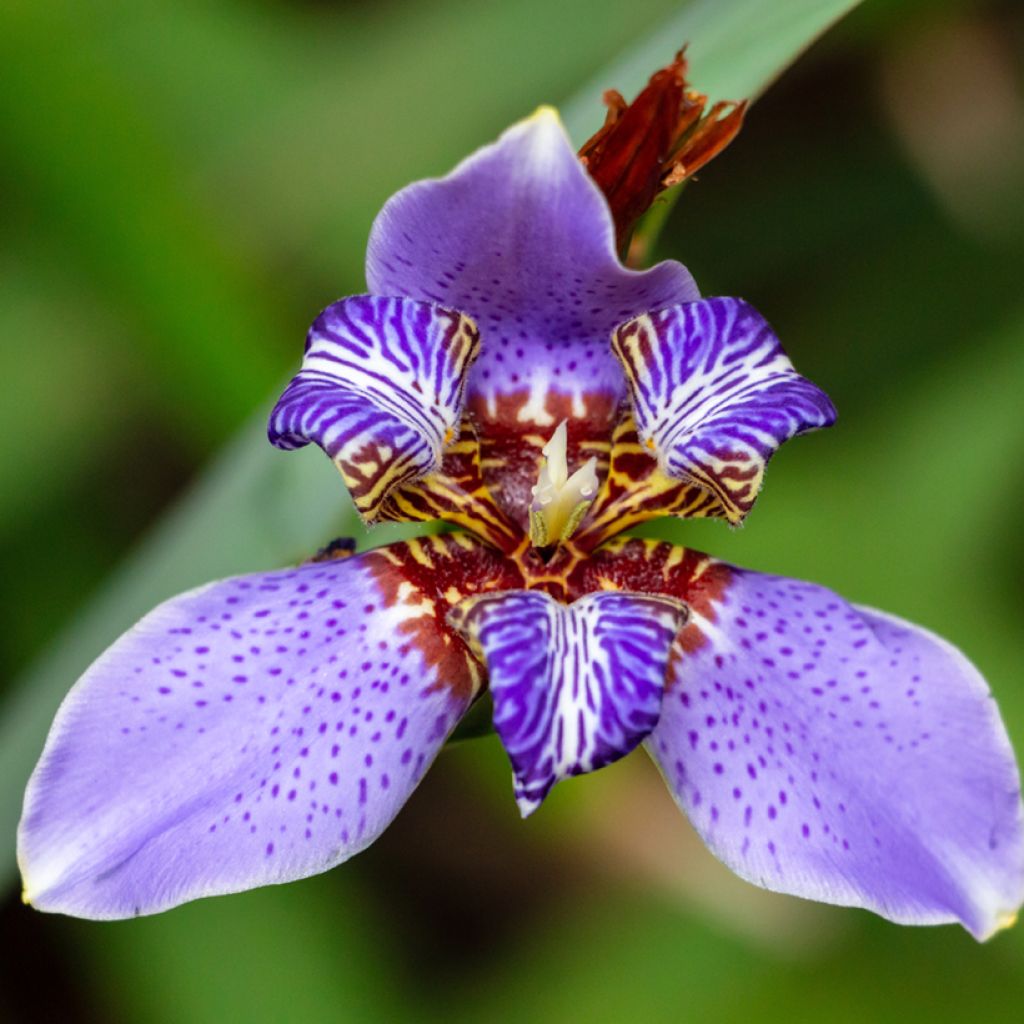
Neomarica caerulea Sky Blue - Blue Walking Iris
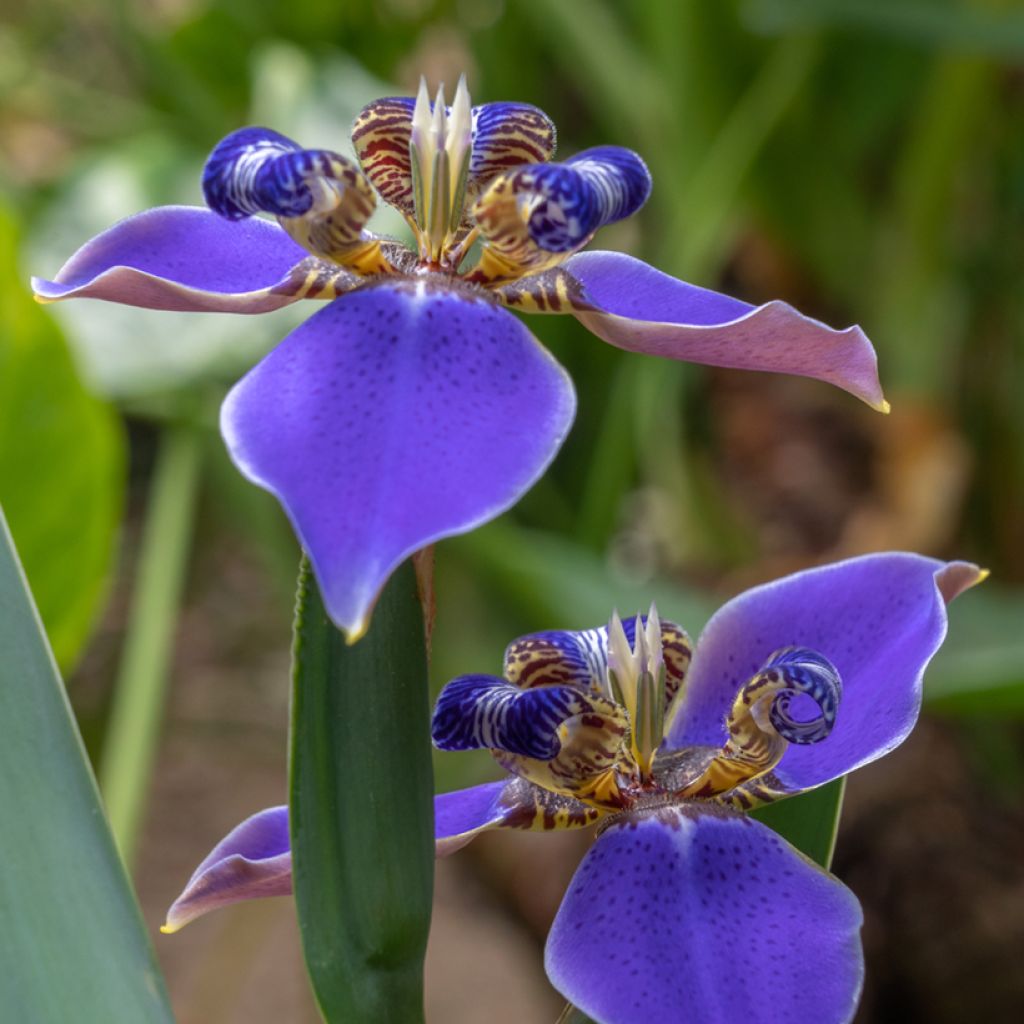
Neomarica caerulea Sky Blue - Blue Walking Iris
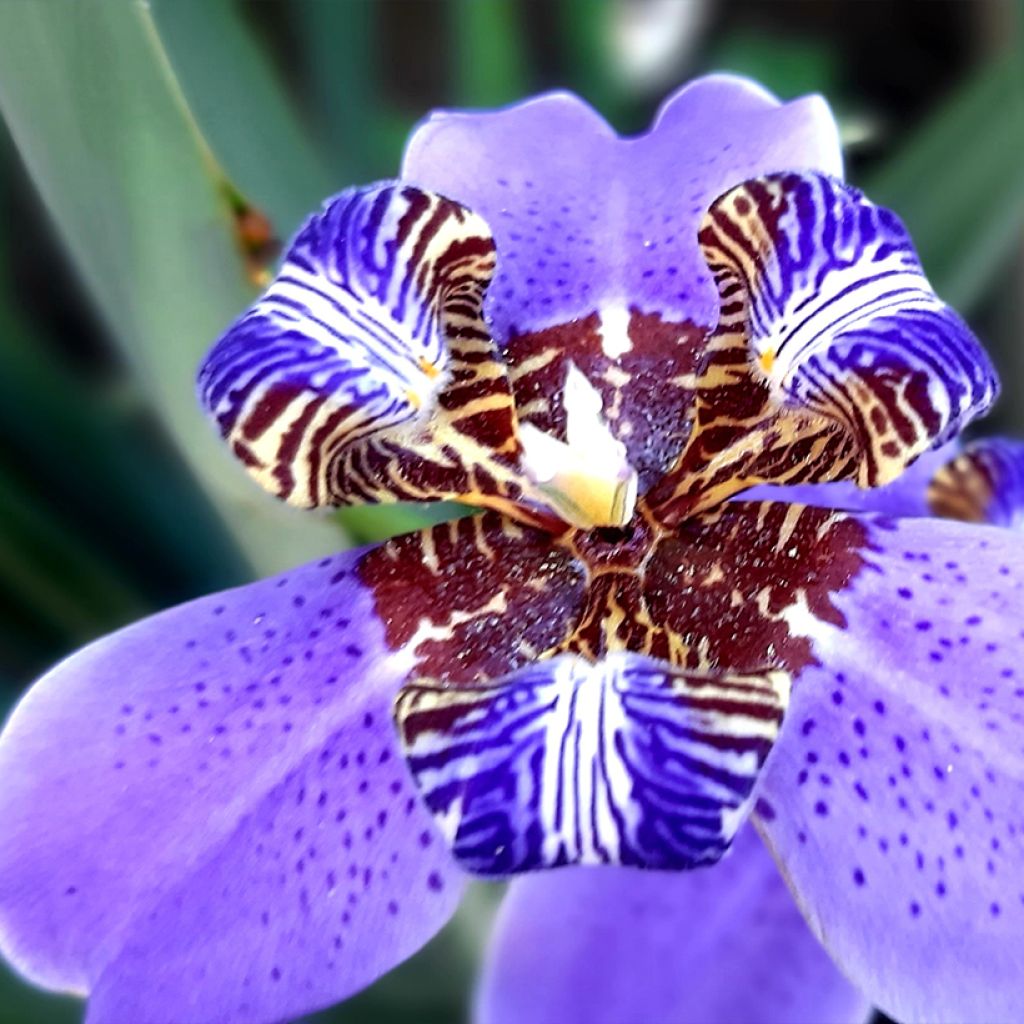
Neomarica caerulea Sky Blue - Blue Walking Iris
Neomarica caerulea Sky Blue - Blue Walking Iris
Neomarica caerulea Sky Blue
Blue Walking Iris
Back-to-school special offer!
Get €10 off for every €50 you spend! And get up to €40 off on a single order.
How does it work?
1. Shop your favourites
Add your favourite plants to your basket. For every €50 you spend (excluding delivery charges, store credit and the plastic-free option), you’ll receive a €10 voucher.
€50 spent = €10 voucher
€100 spent = €20 voucher
€150 spent = €30 voucher
€200 spent = €40 voucher
2. Place your order
Once your basket reaches one of the spending thresholds, place your order. You can even choose your delivery date!
3. Receive your voucher
As soon as your order has been shipped, you’ll receive an email containing your personal voucher code and its value.
4. Use it on your next order
Your voucher is valid for 90 days from the date you receive it. It can be used once only, on a new order worth at least the value of the voucher, excluding delivery charges.
Please note: Vouchers can be combined with other offers, but cannot be split or refunded.
Why not try an alternative variety in stock?
View all →
Available in 1 sizes
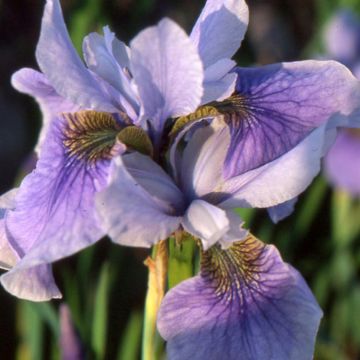
Available in 1 sizes
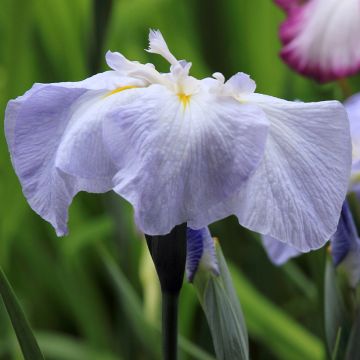
Available in 2 sizes
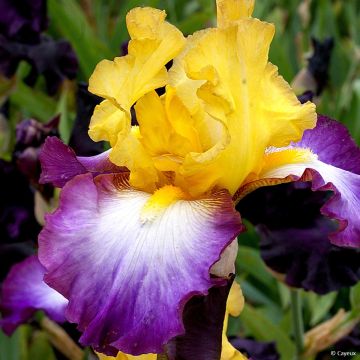
Available in 2 sizes
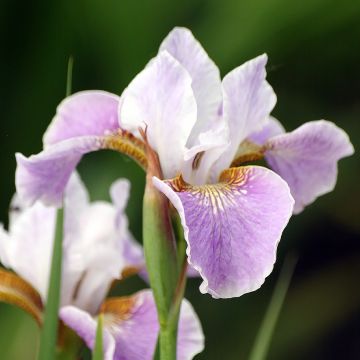
Available in 1 sizes
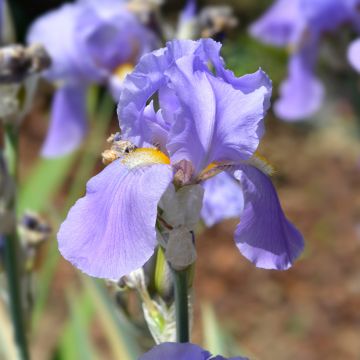
Available in 1 sizes
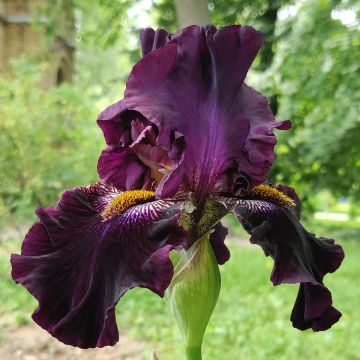
Available in 2 sizes
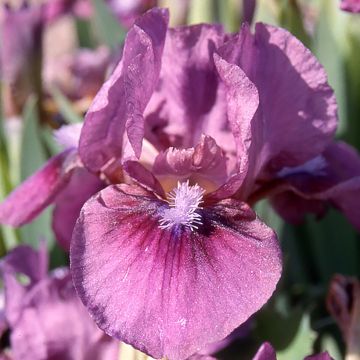
Available in 2 sizes
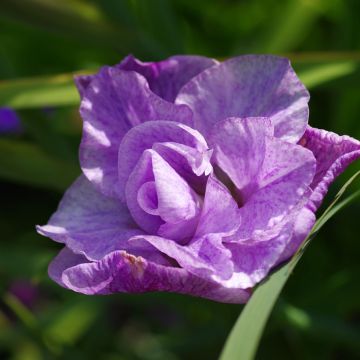
Available in 1 sizes
Available in 1 sizes
This plant carries a 12 months recovery warranty
More information
We guarantee the quality of our plants for a full growing cycle, and will replace at our expense any plant that fails to recover under normal climatic and planting conditions.
Would this plant suit my garden?
Set up your Plantfit profile →
Description
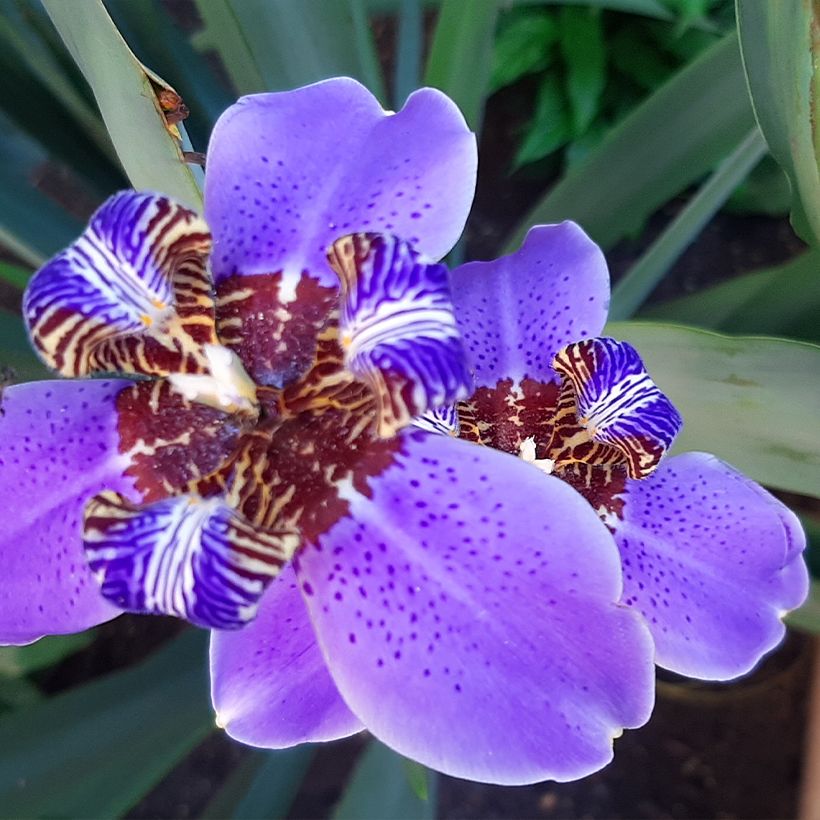
Neomarica caerulea 'Sky Blue', nicknamed Giant Brazilian Iris, is an exotic perennial sought after by collectors. Its light green evergreen foliage forms an elegant clump all year round. From late spring, it reveals its stunning bright blue flowers, which are ephemeral but bloom successively over several weeks. With its slender flower spikes that can exceed 1.50 m, it is a real eye-catcher. Magnificent in borders or pots on a terrace, this unique plant thrives in partial shade, particularly at the foot of trees. Suited to mild winters, it can also be grown in pots.
Neomarica caerulea, commonly known as Giant Brazilian Iris or Walking Iris, belongs to the Iridaceae family. This plant is native to southern and southeastern Brazil and Paraguay, where it grows in forests and open wooded areas from sea level up to around 1,600 m in altitude. It was first described in 1820 as Marica coerulea by the British nurseryman and botanist George Loddiges. The 'Sky Blue' cultivar is a horticultural selection from this species. It stands out for its brilliant sky-blue flowers, measuring 7 to 10 cm in diameter. The petals feature intricate patterns at the centre, blending shades of yellow, white, and cinnamon. The plant grows from short, fleshy rootstocks that serve as storage organs during the dry season. It forms dense clumps of sword-shaped, upright and fairly flexible leaves, reaching between 60 and 90 cm in height, with a spread of 90 cm to 1.50 m. The flower spikes, which appear from June onwards, bear ephemeral but very beautiful flowers. Although each flower lasts only a day, the succession of blooms over 4 to 6 weeks provides a prolonged display. After flowering, seedlings form towards the tips of the flower stems. As they grow, their weight causes the stem to bend towards the ground, where they take root, allowing the plant to "walk" and colonise new areas. This vegetative propagation method can lead to the formation of dense colonies if conditions are favourable.
Neomarica caerulea 'Sky Blue' thrives in mild oceanic climates or Mediterranean climates with some summer watering. Grown in pots, it makes an excellent choice for brightening up a shaded terrace or patio during the warmer months. An attractive plant in many ways but somewhat tender, it is stunning in gardens with an exotic theme, particularly at the base of large tropical trees like Jacaranda mimosifolia where it can survive. To enhance this plant, you can pair it with Blechnum brasiliense 'Volcano', a fern with young red fronds, to play with contrasting textures. Alongside it, Tricyrtis formosana, or toad lily, extends ornamental interest into autumn with its speckled flowers in mauve and purple hues.
Report an error about the product description
Neomarica caerulea Sky Blue - Blue Walking Iris in pictures
Flowering
Foliage
Plant habit
Botanical data
Neomarica
caerulea
Sky Blue
Iridaceae
Blue Walking Iris
Cypella caerulea, Marica caerulea
South America
Planting and care
Neomarica caerulea 'Sky Blue' can be grown in the ground in regions with mild winters, or in pots to be overwintered indoors.
When planted in the ground, this plant thrives in partial shade, though it can tolerate full sun in humid and less sunny climates. However, too much shade may reduce flowering. It prefers rich, well-drained soil, though it can tolerate slightly clayey soils as long as they don’t retain too much moisture in winter. It’s best planted in spring, after the last frosts, to allow it time to establish properly. Water regularly during the growth period, keeping the soil slightly moist but not waterlogged. In winter, reduce watering to avoid the risk of root rot. It is not very hardy and can withstand temperatures down to -5°C for short periods, but winter protection such as a thick mulch will help it survive the season more comfortably.
In pots, it’s important to choose a deep container with drainage holes, providing enough space for its root system. The ideal substrate is a mix of rich compost, garden soil, and coarse sand to ensure good drainage. Place the pot in partial shade, avoiding direct exposure to harsh sunlight. Water regularly to maintain consistent moisture in the substrate, ensuring no water stagnates in the saucer. In winter, reduce watering and place the plant in a cool, bright spot, protected from frost. A balanced liquid fertiliser applied every 4 to 6 weeks during the growth period will encourage abundant flowering. Repotting every 2 to 3 years is recommended to refresh the substrate and keep the plant healthy.
You can collect the young seedlings that grow on the flowering stems to propagate this iris.
Planting period
Intended location
Care
Planting & care advice
-
-
-
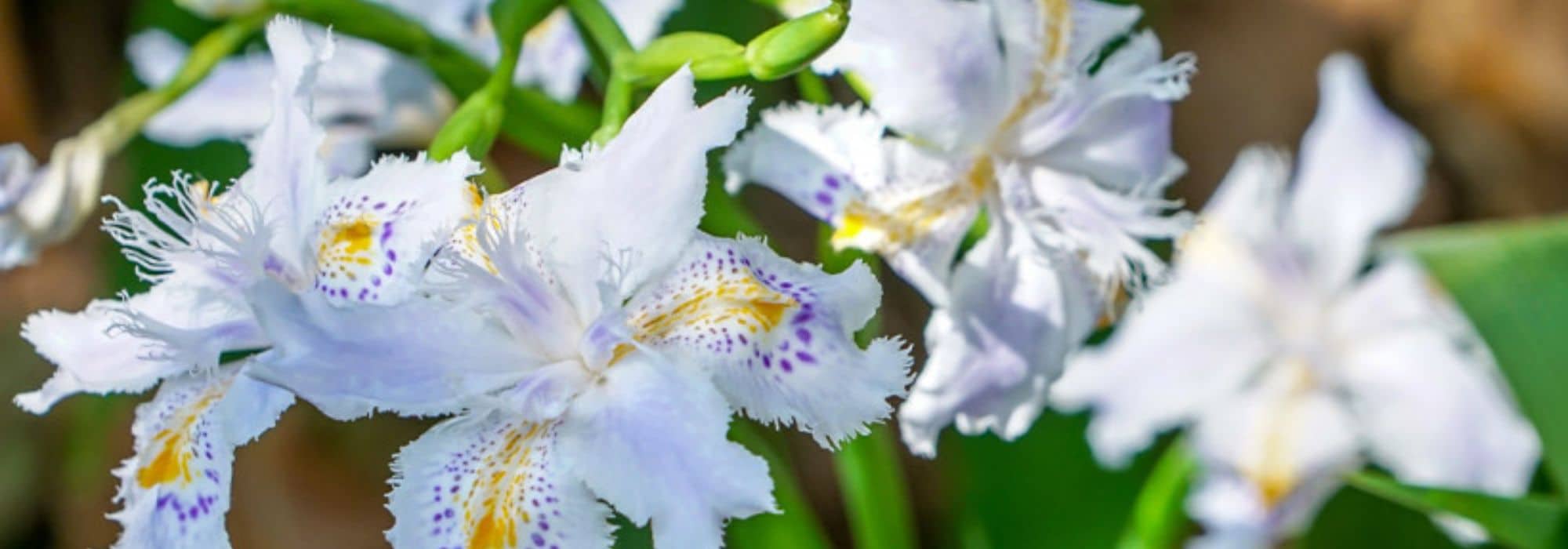
-
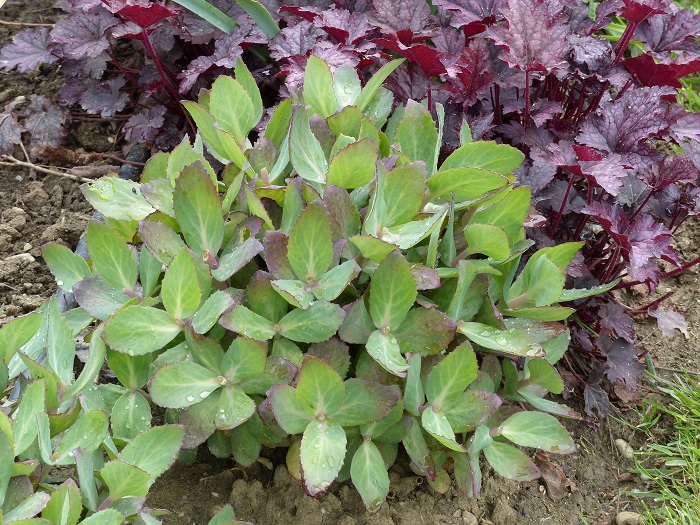
-
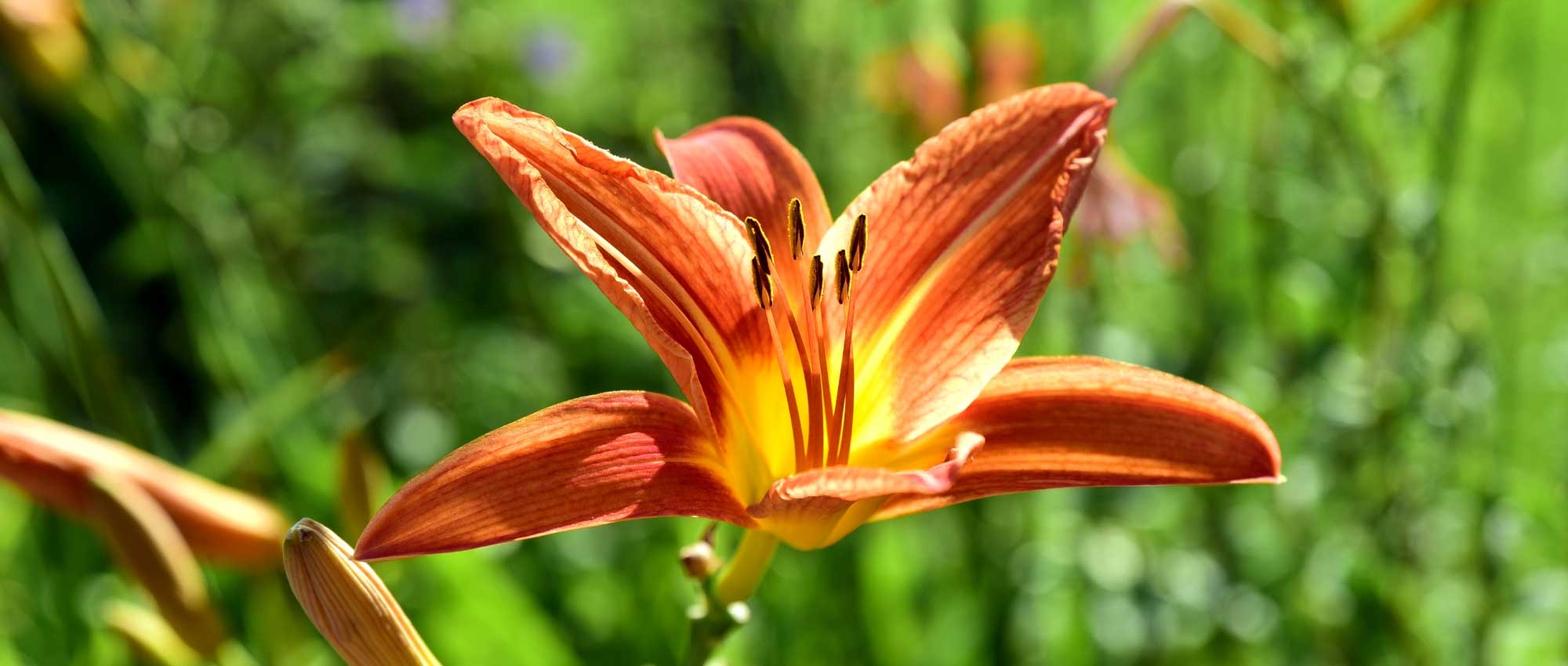
-
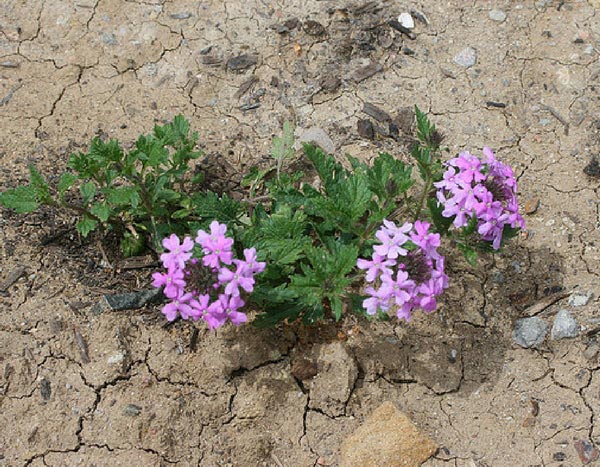
-
-

This item has not been reviewed yet - be the first to leave a review about it.
Recently viewed products
Haven't found what you were looking for?
Hardiness is the lowest winter temperature a plant can endure without suffering serious damage or even dying. However, hardiness is affected by location (a sheltered area, such as a patio), protection (winter cover) and soil type (hardiness is improved by well-drained soil).

The flowering period indicated on our website applies to countries and regions located in USDA zone 8 (France, the United Kingdom, Ireland, the Netherlands, etc.)
It will vary according to where you live:- In zones 9 to 10 (Italy, Spain, Greece, etc.), flowering will occur about 2 to 4 weeks earlier.
- In zones 6 to 7 (Germany, Poland, Slovenia, and lower mountainous regions), flowering will be delayed by 2 to 3 weeks.
- In zone 5 (Central Europe, Scandinavia), blooming will be delayed by 3 to 5 weeks.
In temperate climates, pruning of spring-flowering shrubs (forsythia, spireas, etc.) should be done just after flowering.
Pruning of summer-flowering shrubs (Indian Lilac, Perovskia, etc.) can be done in winter or spring.
In cold regions as well as with frost-sensitive plants, avoid pruning too early when severe frosts may still occur.
The planting period indicated on our website applies to countries and regions located in USDA zone 8 (France, United Kingdom, Ireland, Netherlands).
It will vary according to where you live:
- In Mediterranean zones (Marseille, Madrid, Milan, etc.), autumn and winter are the best planting periods.
- In continental zones (Strasbourg, Munich, Vienna, etc.), delay planting by 2 to 3 weeks in spring and bring it forward by 2 to 4 weeks in autumn.
- In mountainous regions (the Alps, Pyrenees, Carpathians, etc.), it is best to plant in late spring (May-June) or late summer (August-September).
The harvesting period indicated on our website applies to countries and regions in USDA zone 8 (France, England, Ireland, the Netherlands).
In colder areas (Scandinavia, Poland, Austria...) fruit and vegetable harvests are likely to be delayed by 3-4 weeks.
In warmer areas (Italy, Spain, Greece, etc.), harvesting will probably take place earlier, depending on weather conditions.
The sowing periods indicated on our website apply to countries and regions within USDA Zone 8 (France, UK, Ireland, Netherlands).
In colder areas (Scandinavia, Poland, Austria...), delay any outdoor sowing by 3-4 weeks, or sow under glass.
In warmer climes (Italy, Spain, Greece, etc.), bring outdoor sowing forward by a few weeks.
Shipping country and language
Your country of residence may be:
Your country of residence is:
For a better user experience on our website, you can select:
Your shipping country:
-
 Austria
-
 Belgium
-
 Bosnia & Herzegovina
-
 Bulgaria
-
 Croatia
-
 Cyprus
-
 Czechia
-
 Denmark
-
 Estonia
-
 Finland
-
 France
-
 Germany
-
 Greece
-
 Hungary
-
 Iceland
-
 Ireland
-
 Italy
Italy
-
 Latvia
-
 Liechtenstein
-
 Lithuania
-
 Luxembourg
-
 Malta
Malta
-
 Netherlands
-
 Poland
-
 Portugal
-
 Romania
-
 Serbia
-
 Slovakia
-
 Slovenia
-
 Spain
Spain
-
 Sweden
-
 Switzerland
Language:
-
French
-
 English
-
Spanish
-
Italian
-
German
-
Portuguese
-
Dutch
-
Finnish
My Account
Hello
My wish lists
My cart
Log in / Register
Existing customer?
This form is protected by reCAPTCHA - the Google Privacy Policy and Terms of Service apply.
New customer?
Create an account to track your orders, access our customer service and, if you wish, make the most of our upcoming offers.