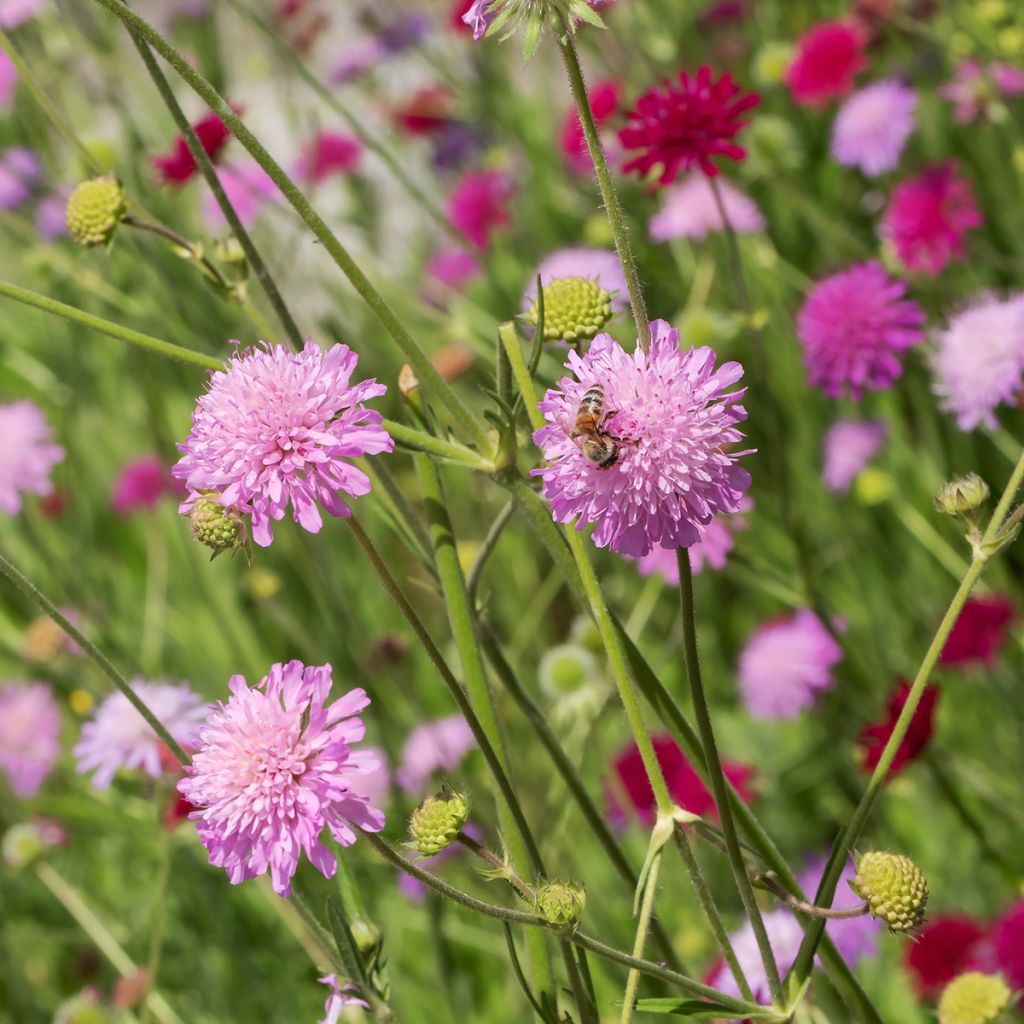
Knautia macedonica Melton Pastels - Macedonian scabious
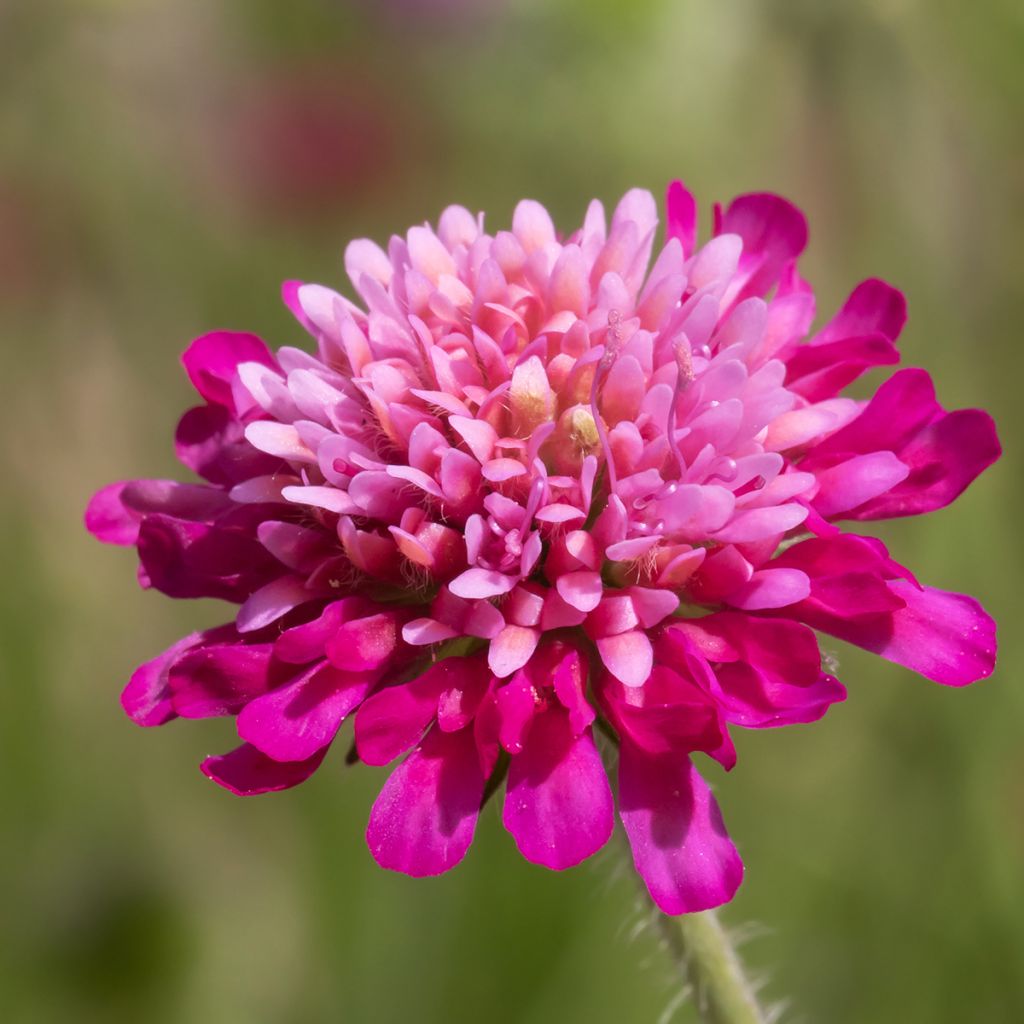
Knautia macedonica Melton Pastels - Macedonian scabious
Knautia macedonica Melton Pastels - Macedonian scabious
Knautia macedonica Melton Pastels
Macedonian Scabious
Back-to-school special offer!
Get €10 off for every €50 you spend! And get up to €40 off on a single order.
How does it work?
1. Shop your favourites
Add your favourite plants to your basket. For every €50 you spend (excluding delivery charges, store credit and the plastic-free option), you’ll receive a €10 voucher.
€50 spent = €10 voucher
€100 spent = €20 voucher
€150 spent = €30 voucher
€200 spent = €40 voucher
2. Place your order
Once your basket reaches one of the spending thresholds, place your order. You can even choose your delivery date!
3. Receive your voucher
As soon as your order has been shipped, you’ll receive an email containing your personal voucher code and its value.
4. Use it on your next order
Your voucher is valid for 90 days from the date you receive it. It can be used once only, on a new order worth at least the value of the voucher, excluding delivery charges.
Please note: Vouchers can be combined with other offers, but cannot be split or refunded.
Home or relay delivery (depending on size and destination)
Important: You may be charged customs duties by your country’s customs authorities upon delivery.
Schedule delivery date
and select date in basket
This plant carries a 12 months recovery warranty
More information
We guarantee the quality of our plants for a full growing cycle, and will replace at our expense any plant that fails to recover under normal climatic and planting conditions.

Would this plant suit my garden?
Set up your Plantfit profile →
Description
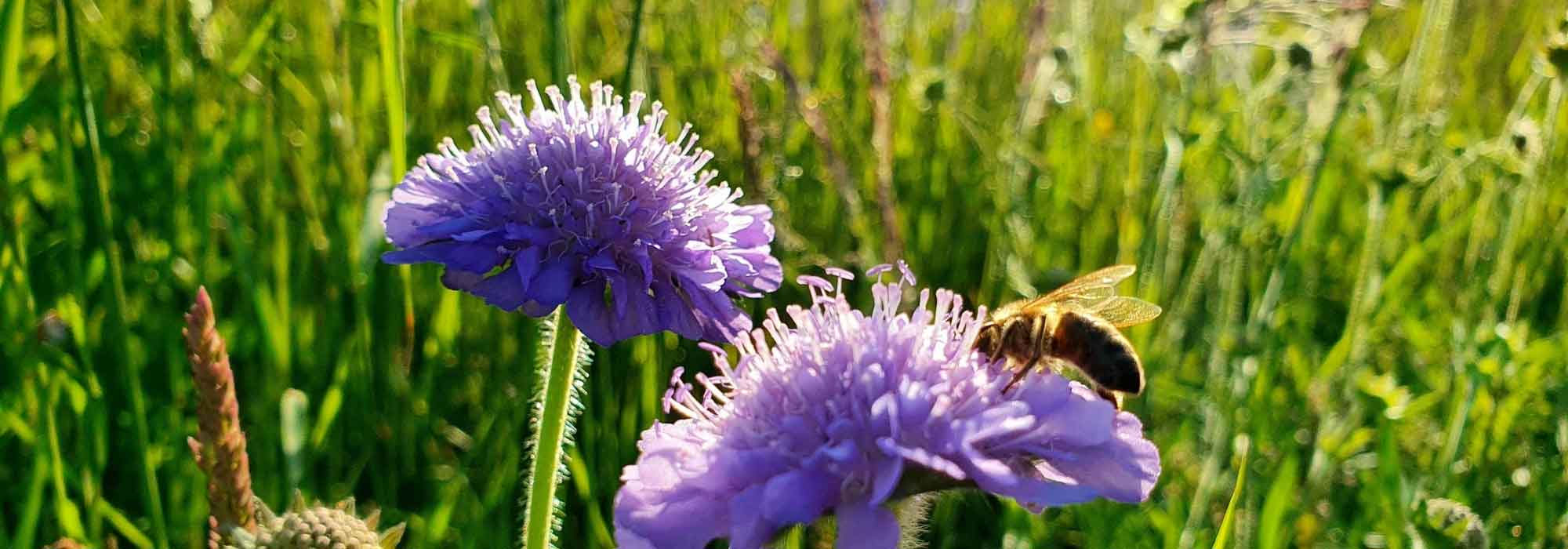
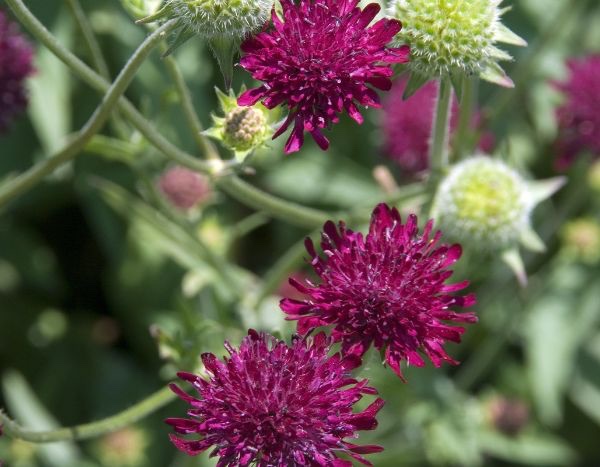
Knautia macedonica 'Melton Pastels' is a light and generous perennial that enlivens sunny borders with its pastel pompons from early summer until the first frosts. This small Macedonian scabious offers a whole palette of pinks, mauves, raspberry and salmon. It is nectar-rich and brings a very natural feel to mixed borders and beds. Undemanding and hardy, it finds its place in unpretentious gardens or a large container on the terrace.
Botanically, Knautia macedonica 'Melton Pastels' belongs to the Caprifoliaceae family. The wild form Knautia macedonica, called Macedonian knautia or small Macedonian scabious, is a perennial or biennial plant native to Southeastern Europe, the Balkans, from southeastern Romania to Albania, Bulgaria, Greece, North Macedonia and European Turkey. In the wild, it colonises dry meadows, roadsides and calcareous slopes in full sun.
The 'Melton Pastels' selection is a mix of pastel colours, sometimes sold under the names Scabiosa rumelica ‘Melton Pastels’, Knautia arvensis ‘Melton’s Pastels’ or under the mix name ‘Watercolours’. It has received the Award of Garden Merit from the Royal Horticultural Society, a guarantee of reliability in the garden.
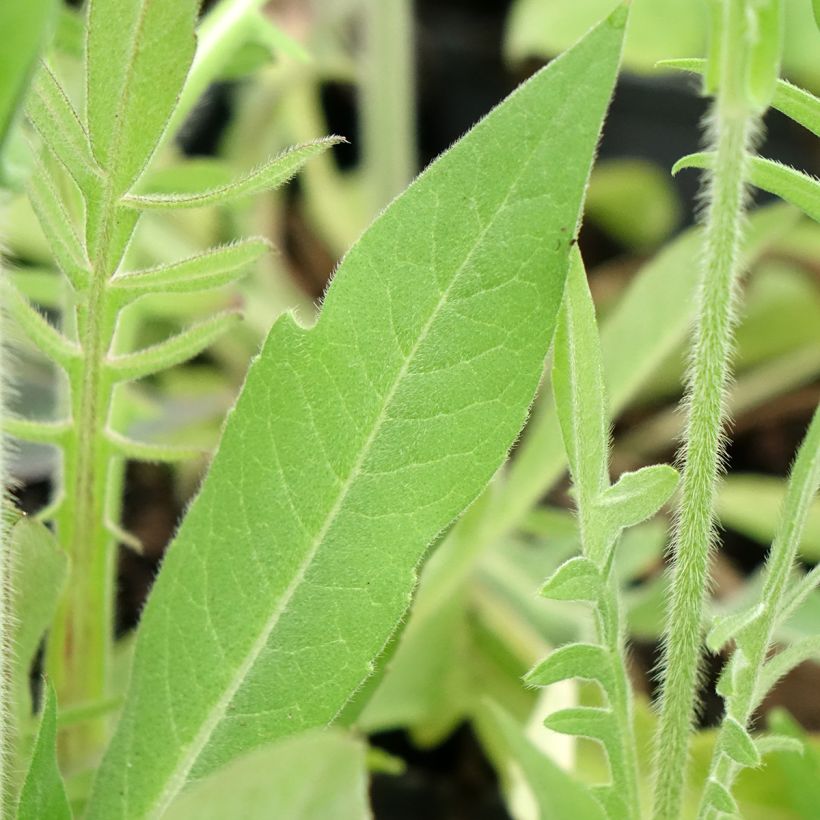
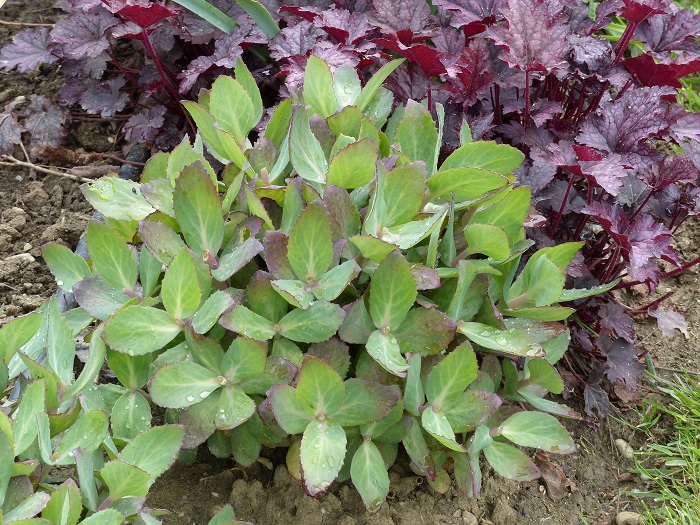
The plant forms a basal rosette of dark green, 8 to 15 cm long, entire or pinnate leaves, slightly hairy to the touch. From this rosette, slender, branching stems emerge in spring to carry the flowers well above the foliage. The flowering stems rise to a height of 70–90 cm. The solitary flower heads at the stem tips measure 3 to 4 cm in diameter and resemble a small pincushion: the tight centre of tubular flowers is surrounded by flatter florets. The foliage is deciduous to semi-evergreen depending on the climate: it may disappear completely in winter in cold regions, while it often remains as a low rosette where winters are mild. Flowering lasts from June to September, or even until October if faded flowers are regularly removed. The nectar-rich inflorescences are pollinated by numerous insects (bees, bumblebees, hoverflies, butterflies). After flowering, the dried flowers remain decorative for a while and bear small achenes that ensure some self-sowing. The deep taproot of this scabious gives it good drought resistance but it does not tolerate late transplanting well.
In the garden, plant Knautia 'Melton Pastels' in light clumps in the middle or at the front of a perennial border, in a flowering meadow or in a cottage garden. It can be combined with Achillea millefolium 'Peachy Seduction', purple toadflax Linaria purpurea ‘Canon J. Went’, with its very airy pale pink spikes, and Eryngium planum topped with small steel-blue thistles. In all cases, you benefit from a long flowering period and a very lively plant, always animated by pollinating insects. Its light flowers lend themselves well to rustic cut flower arrangements or even as dried flowers.
The Knautia genus is named after the German botanists Christoph and Christian Knaut, and in several European languages these flowers are associated with the popular name "widow's flower", a reminder of their former use in funeral bouquets.

Knautia macedonica Melton Pastels - Macedonian scabious in pictures
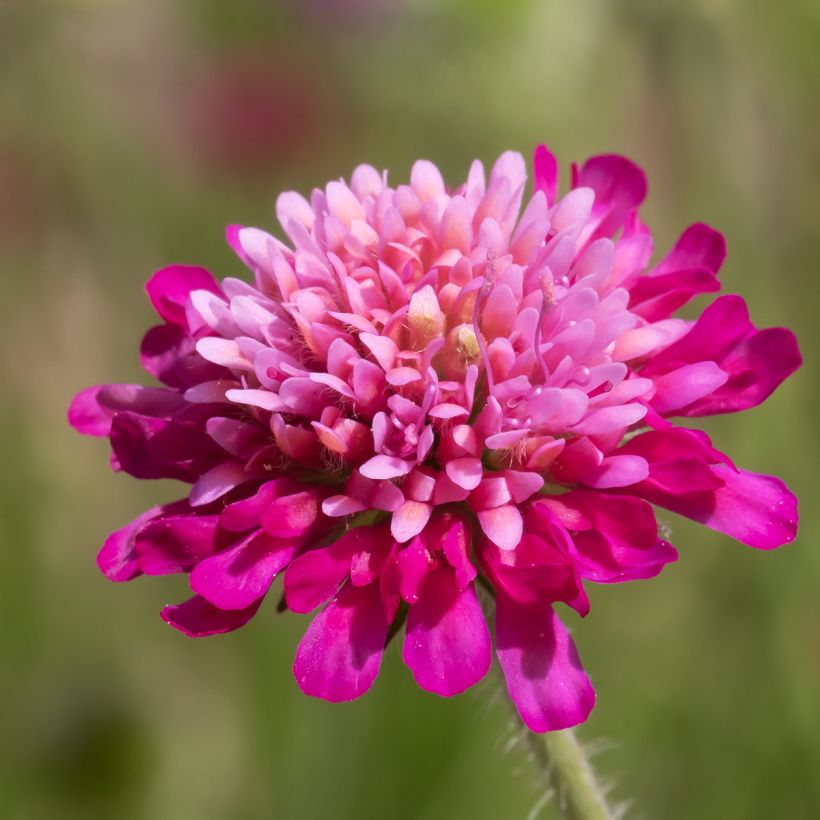
Flowering
Foliage
Plant habit
Botanical data
Knautia
macedonica
Melton Pastels
Caprifoliaceae
Macedonian Scabious
Scabiosa rumelica ‘Melton Pastels’, Knautia arvensis ‘Melton’s Pastels’, Knautia ‘Watercolours’ Mix
Cultivar or hybrid
Planting and care
Macedonian Knautia Melton Pastels tolerate slightly moist soil, even though they are drought-tolerant once well-rooted. In humus-bearing and rich soil, it may be useful to discreetly stake the clumps so they do not collapse. This precaution is unnecessary in poor and dry soil, where their growth will be more limited. The Macedonian Knautia thrives well in clay-loam type soils, but somewhat stony (thus well-drained), tending towards calcareous, in warm, sunny to partially shaded exposure.
Self-seeds in a single stony area, not always true to the parent plant.
Planting period
Intended location
Care
Planting & care advice
-
-
-
-
-
-
-

-
This item has not been reviewed yet - be the first to leave a review about it.
Recently viewed products
Haven't found what you were looking for?
Hardiness is the lowest winter temperature a plant can endure without suffering serious damage or even dying. However, hardiness is affected by location (a sheltered area, such as a patio), protection (winter cover) and soil type (hardiness is improved by well-drained soil).

The flowering period indicated on our website applies to countries and regions located in USDA zone 8 (France, the United Kingdom, Ireland, the Netherlands, etc.)
It will vary according to where you live:- In zones 9 to 10 (Italy, Spain, Greece, etc.), flowering will occur about 2 to 4 weeks earlier.
- In zones 6 to 7 (Germany, Poland, Slovenia, and lower mountainous regions), flowering will be delayed by 2 to 3 weeks.
- In zone 5 (Central Europe, Scandinavia), blooming will be delayed by 3 to 5 weeks.
In temperate climates, pruning of spring-flowering shrubs (forsythia, spireas, etc.) should be done just after flowering.
Pruning of summer-flowering shrubs (Indian Lilac, Perovskia, etc.) can be done in winter or spring.
In cold regions as well as with frost-sensitive plants, avoid pruning too early when severe frosts may still occur.
The planting period indicated on our website applies to countries and regions located in USDA zone 8 (France, United Kingdom, Ireland, Netherlands).
It will vary according to where you live:
- In Mediterranean zones (Marseille, Madrid, Milan, etc.), autumn and winter are the best planting periods.
- In continental zones (Strasbourg, Munich, Vienna, etc.), delay planting by 2 to 3 weeks in spring and bring it forward by 2 to 4 weeks in autumn.
- In mountainous regions (the Alps, Pyrenees, Carpathians, etc.), it is best to plant in late spring (May-June) or late summer (August-September).
The harvesting period indicated on our website applies to countries and regions in USDA zone 8 (France, England, Ireland, the Netherlands).
In colder areas (Scandinavia, Poland, Austria...) fruit and vegetable harvests are likely to be delayed by 3-4 weeks.
In warmer areas (Italy, Spain, Greece, etc.), harvesting will probably take place earlier, depending on weather conditions.
The sowing periods indicated on our website apply to countries and regions within USDA Zone 8 (France, UK, Ireland, Netherlands).
In colder areas (Scandinavia, Poland, Austria...), delay any outdoor sowing by 3-4 weeks, or sow under glass.
In warmer climes (Italy, Spain, Greece, etc.), bring outdoor sowing forward by a few weeks.
Shipping country and language
Your country of residence may be:
Your country of residence is:
For a better user experience on our website, you can select:
Your shipping country:
-
 Austria
-
 Belgium
-
 Bosnia & Herzegovina
-
 Bulgaria
-
 Croatia
-
 Cyprus
-
 Czechia
-
 Denmark
-
 Estonia
-
 Finland
-
 France
-
 Germany
-
 Greece
-
 Hungary
-
 Iceland
-
 Ireland
-
 Italy
Italy
-
 Latvia
-
 Liechtenstein
-
 Lithuania
-
 Luxembourg
-
 Malta
Malta
-
 Netherlands
-
 Poland
-
 Portugal
-
 Romania
-
 Serbia
-
 Slovakia
-
 Slovenia
-
 Spain
Spain
-
 Sweden
-
 Switzerland
Language:
-
French
-
 English
-
Spanish
-
Italian
-
German
-
Portuguese
-
Dutch
-
Finnish
My Account
Hello
My wish lists
My cart
Log in / Register
Existing customer?
This form is protected by reCAPTCHA - the Google Privacy Policy and Terms of Service apply.
New customer?
Create an account to track your orders, access our customer service and, if you wish, make the most of our upcoming offers.