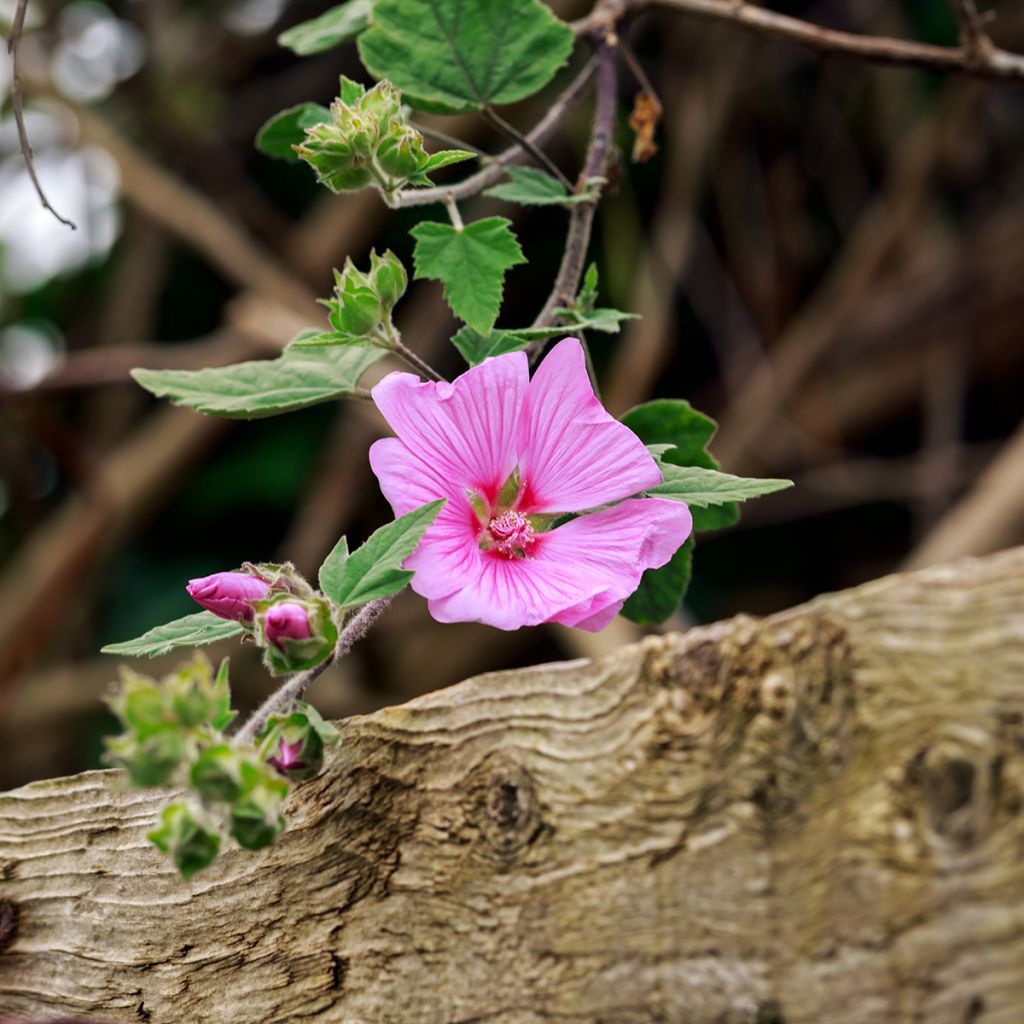
Malva x clementii Candy Floss - Lavatère arbustive, Mauve en arbre
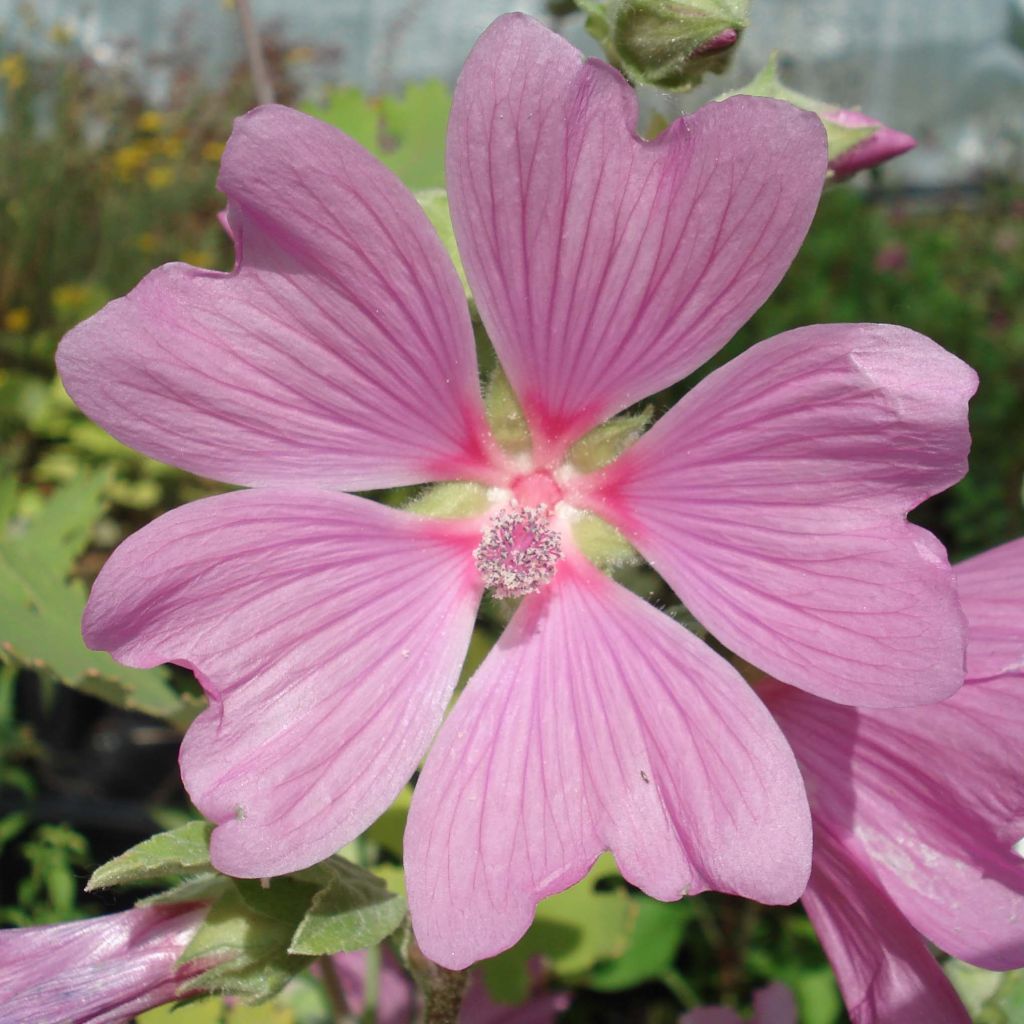
Malva x clementii Candy Floss - Lavatère arbustive, Mauve en arbre
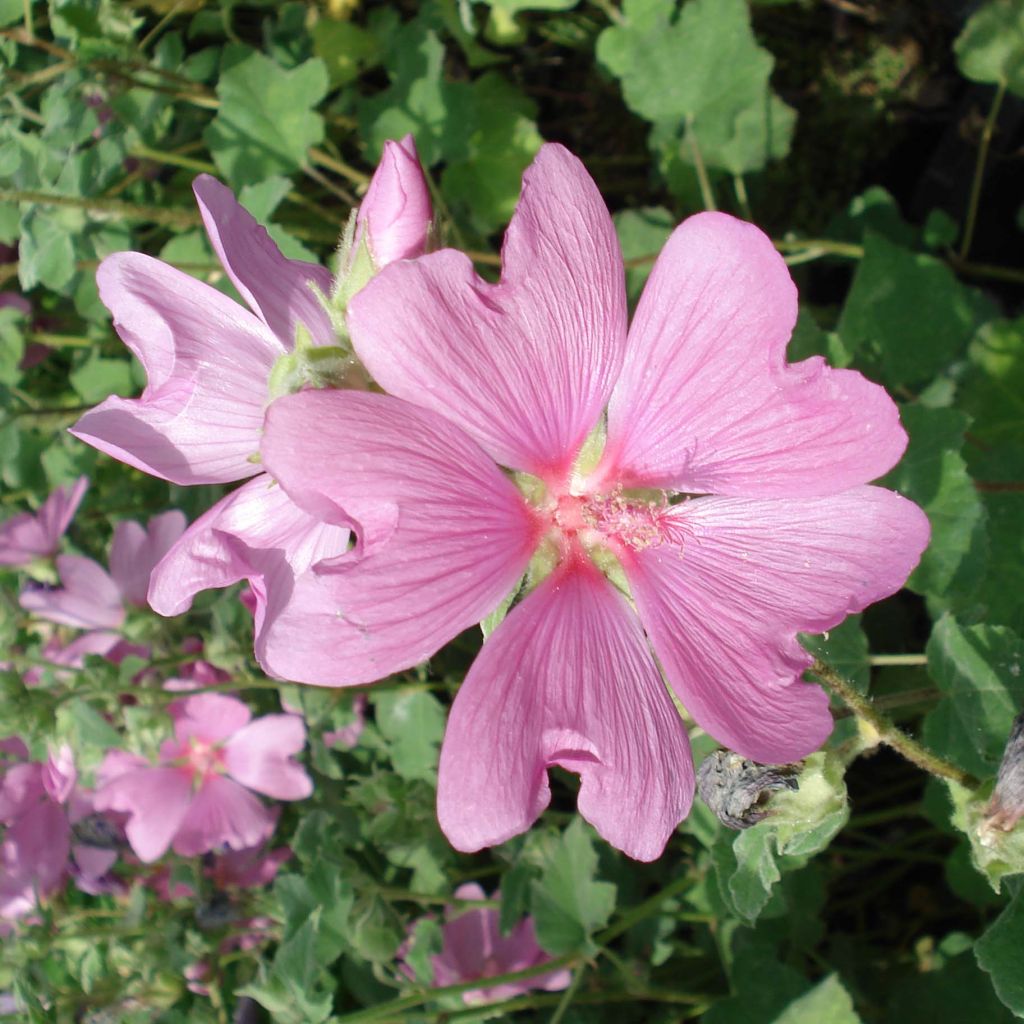
Malva x clementii Candy Floss - Lavatère arbustive, Mauve en arbre
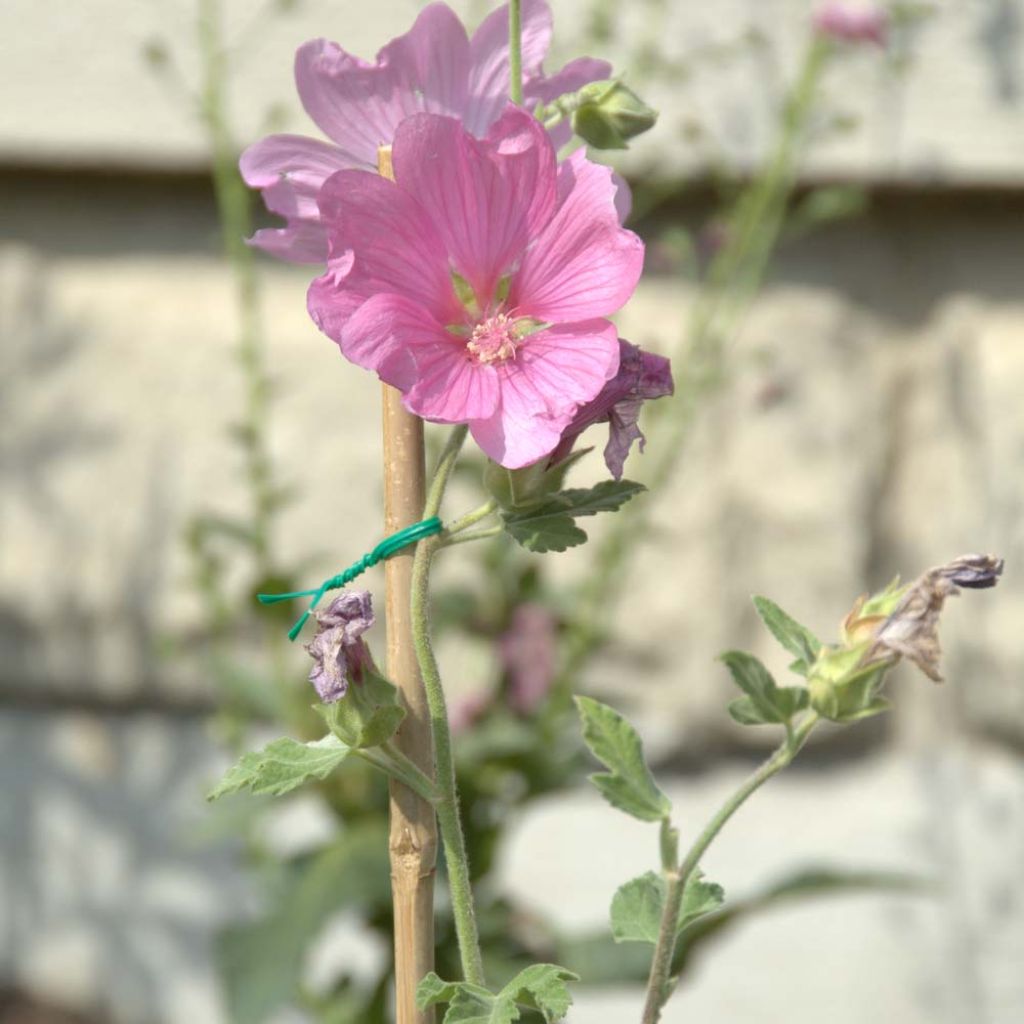
Malva x clementii Candy Floss - Lavatère arbustive, Mauve en arbre
Malva x clementii Candy Floss - Lavatère arbustive, Mauve en arbre
Malva x clementii Candy Floss
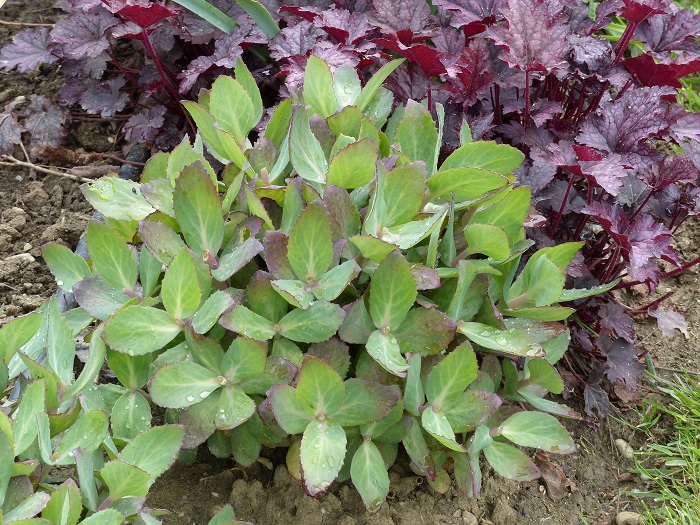
Planted in spring 2020, this young lavatera disappointed me. It remained small and bare without any variegation. However, the planting conditions seem good to me. The color is very dull. It's a shame, I hope it will be more vigorous in 2021. Mid-March, no bud...?
Dany, 12/03/2021
Back-to-school special offer!
Get €10 off for every €50 you spend! And get up to €40 off on a single order.
How does it work?
1. Shop your favourites
Add your favourite plants to your basket. For every €50 you spend (excluding delivery charges, store credit and the plastic-free option), you’ll receive a €10 voucher.
€50 spent = €10 voucher
€100 spent = €20 voucher
€150 spent = €30 voucher
€200 spent = €40 voucher
2. Place your order
Once your basket reaches one of the spending thresholds, place your order. You can even choose your delivery date!
3. Receive your voucher
As soon as your order has been shipped, you’ll receive an email containing your personal voucher code and its value.
4. Use it on your next order
Your voucher is valid for 90 days from the date you receive it. It can be used once only, on a new order worth at least the value of the voucher, excluding delivery charges.
Please note: Vouchers can be combined with other offers, but cannot be split or refunded.
Home or relay delivery (depending on size and destination)
Important: You may be charged customs duties by your country’s customs authorities upon delivery.
Schedule delivery date,
and select date in basket
This plant carries a 12 months recovery warranty
More information
We guarantee the quality of our plants for a full growing cycle, and will replace at our expense any plant that fails to recover under normal climatic and planting conditions.


Would this plant suit my garden?
Set up your Plantfit profile →
Description
The Lavatera ‘Candy Floss’, now named Malva × clementii ‘Candy Floss’, is a shrubby tree mallow with a long flowering period of pale pink blooms. Fast-growing, it forms a rounded bush in one or two seasons, adorned with silky flowers reminiscent of small hollyhocks. Their pastel hue, enhanced by grey-green foliage, is particularly suited to romantic gardens, vicar's gardens and coastal borders. This excellent variety received the Award of Garden Merit from the Royal Horticultural Society in 1997.
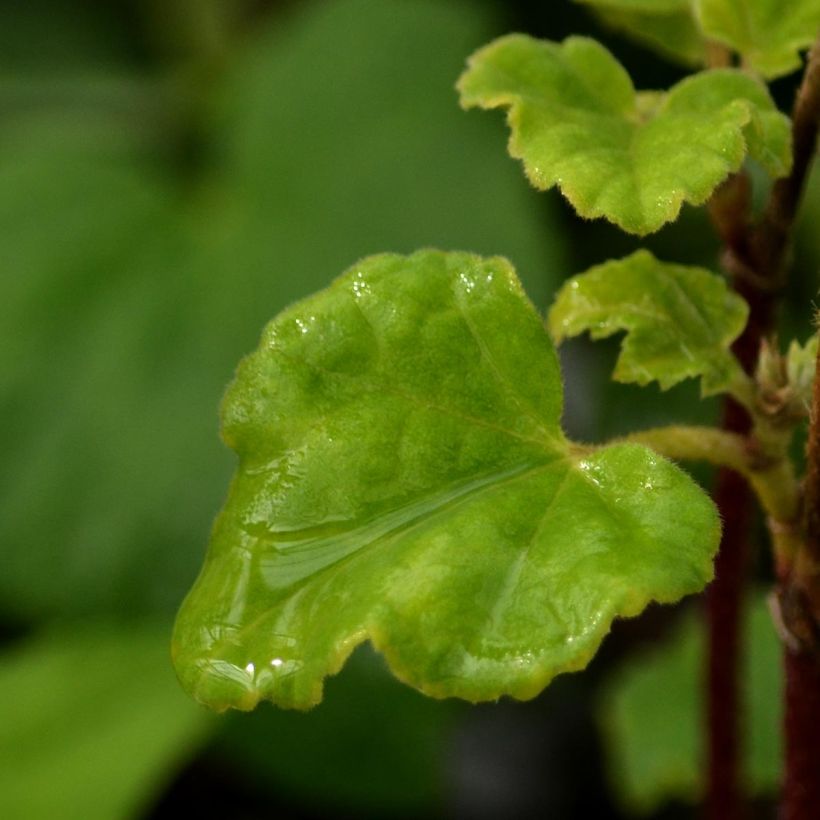
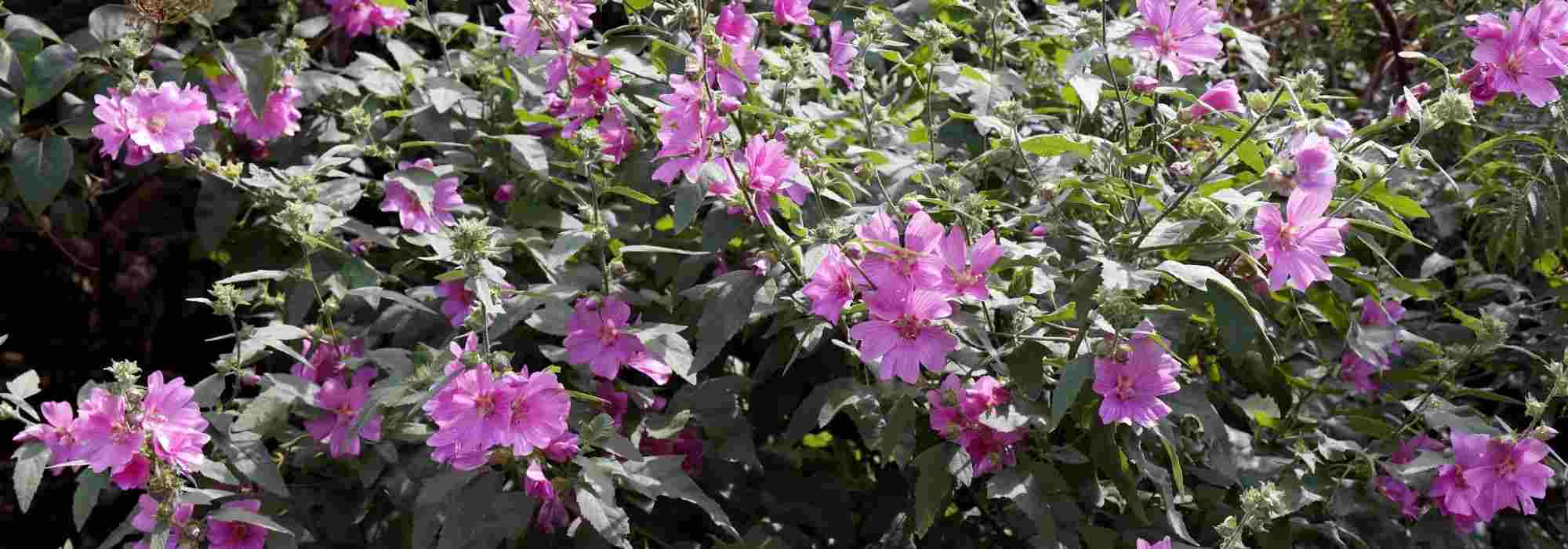
'Candy Floss' belongs to the Malvaceae family. It is derived from Malva × clementii, a hybrid between Malva olbia, native to the Mediterranean basin, and M. thuringiaca, widespread from Europe to temperate Asia. It is still very often sold under its former name of Lavatera × clementii. It is a perennial undershrub, whose base becomes woody, developing long floriferous shoots after spring pruning. Its upright, well-branched growth habit usually reaches 1.50 m in height with a spread of 1.20 to 1.50 m. In a coastal garden or under a very mild climate, a lightly pruned plant can become more substantial. The stems bear ovate to cordate leaves, divided into three to five shallow lobes. Their slightly downy surface gives them a grey-green tint; the underside is paler and more felted. The foliage persists for part of the winter in mild regions, but disappears after hard frosts. From June to September, sometimes until October when autumn is kind, the flowers follow one another on the upper part of the young shoots. They measure 5 to 7 cm in diameter and open into wide cups formed of five slightly notched petals. Of a soft pink colour, these petals are traversed by fine, slightly darker veins. The buds present along the stems open gradually, over several weeks. The flowers particularly attract bees and butterflies. This tree mallow grows in full sun in ordinary soil, even chalky or rather poor. Once well established, it tolerates dry spells, but occasional watering will sustain flowering during very hot summers. It fears stagnant moisture in winter more than lack of water in summer. Its stump withstands frosts close to -12 °C in well-drained soil and a sheltered position. In colder regions, place it against a south- or west-facing wall and protect its base in winter.
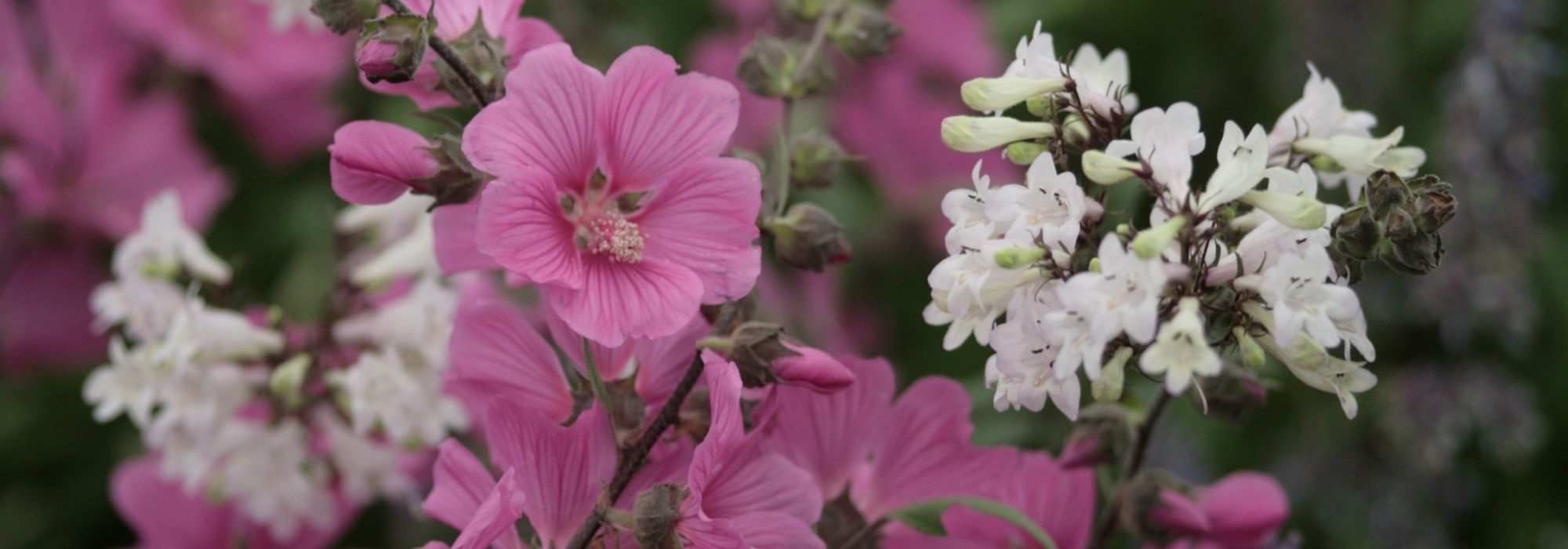
This 'Candy Floss' variety finds its place at the back of a sunny border, in a small flowering hedge or near a terrace. It pairs well with the blue-pink flowers of the Verbena rigida ‘Polaris’ and the mauve stars of the Aster turbinellus. To compose a border of shrubby mallows, it can be paired with ‘Barnsley’, almost white with a pink centre, and ‘Burgundy Wine’, of a deeper purplish pink. In soil that does not dry out too much, it also forms beautiful associations with romantic shrub roses such as ‘Felicia’, silver-pink and apricot, or ‘Bouquet Parfait’, creamy white tinged with soft pink. In a coastal garden, it tolerates sea spray, but shelter it from strong winds which may break its long stems.

Malva x clementii Candy Floss - Lavatère arbustive, Mauve en arbre in pictures
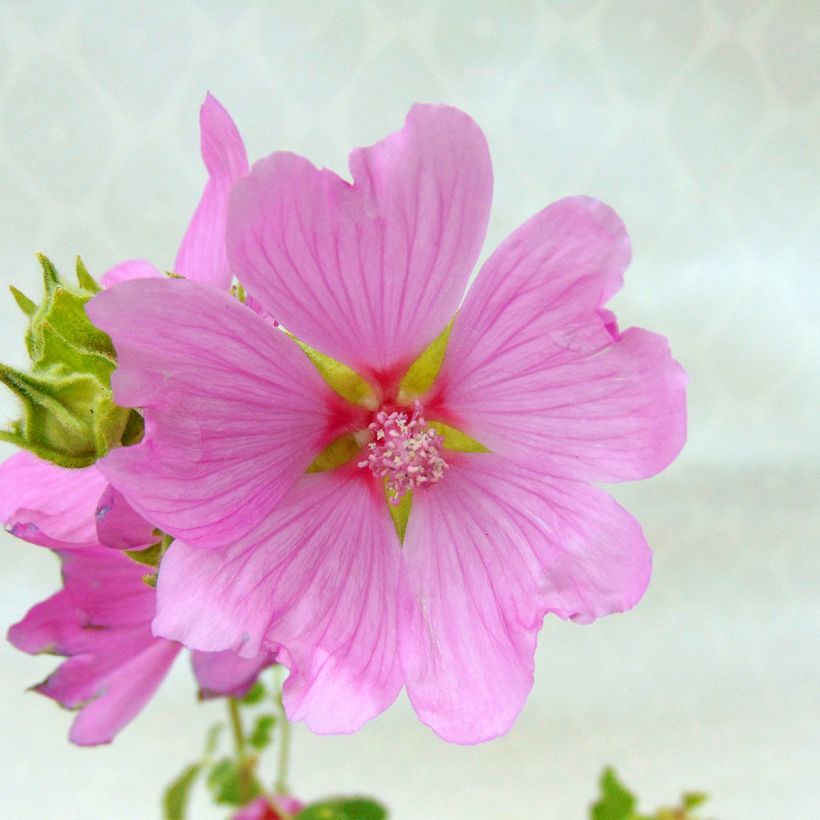
Flowering
Foliage
Plant habit
Botanical data
Malva
x clementii
Candy Floss
Malvaceae
Malva x clementii 'Candy Floss', Lavatera × clementii ‘Candy Floss’, Lavatera ‘Candy Floss’
Cultivar or hybrid
Planting and care
Plant the lavatera 'Candy Floss' preferably in spring in cold regions, or in early autumn in mild climates. Choose a warm, sunny position, sheltered from strong winds. Loosen the soil deeply and add gravel or coarse sand if it retains water in winter. Avoid heavy applications of compost or nitrogenous fertiliser: soil that is too rich encourages long, less sturdy shoots.
Water regularly during the first summer, then only during prolonged dry spells. A shrubby lavatera often lives for four to five years; a few cuttings taken in spring make it easy to renew.
Planting period
Intended location
Care
Planting & care advice
-
-
-
-
-
-
-

-
-
, onOrder confirmed
Reply from on Promesse de fleurs
Recently viewed products
Haven't found what you were looking for?
Hardiness is the lowest winter temperature a plant can endure without suffering serious damage or even dying. However, hardiness is affected by location (a sheltered area, such as a patio), protection (winter cover) and soil type (hardiness is improved by well-drained soil).

The flowering period indicated on our website applies to countries and regions located in USDA zone 8 (France, the United Kingdom, Ireland, the Netherlands, etc.)
It will vary according to where you live:- In zones 9 to 10 (Italy, Spain, Greece, etc.), flowering will occur about 2 to 4 weeks earlier.
- In zones 6 to 7 (Germany, Poland, Slovenia, and lower mountainous regions), flowering will be delayed by 2 to 3 weeks.
- In zone 5 (Central Europe, Scandinavia), blooming will be delayed by 3 to 5 weeks.
In temperate climates, pruning of spring-flowering shrubs (forsythia, spireas, etc.) should be done just after flowering.
Pruning of summer-flowering shrubs (Indian Lilac, Perovskia, etc.) can be done in winter or spring.
In cold regions as well as with frost-sensitive plants, avoid pruning too early when severe frosts may still occur.
The planting period indicated on our website applies to countries and regions located in USDA zone 8 (France, United Kingdom, Ireland, Netherlands).
It will vary according to where you live:
- In Mediterranean zones (Marseille, Madrid, Milan, etc.), autumn and winter are the best planting periods.
- In continental zones (Strasbourg, Munich, Vienna, etc.), delay planting by 2 to 3 weeks in spring and bring it forward by 2 to 4 weeks in autumn.
- In mountainous regions (the Alps, Pyrenees, Carpathians, etc.), it is best to plant in late spring (May-June) or late summer (August-September).
The harvesting period indicated on our website applies to countries and regions in USDA zone 8 (France, England, Ireland, the Netherlands).
In colder areas (Scandinavia, Poland, Austria...) fruit and vegetable harvests are likely to be delayed by 3-4 weeks.
In warmer areas (Italy, Spain, Greece, etc.), harvesting will probably take place earlier, depending on weather conditions.
The sowing periods indicated on our website apply to countries and regions within USDA Zone 8 (France, UK, Ireland, Netherlands).
In colder areas (Scandinavia, Poland, Austria...), delay any outdoor sowing by 3-4 weeks, or sow under glass.
In warmer climes (Italy, Spain, Greece, etc.), bring outdoor sowing forward by a few weeks.
Shipping country and language
Your country of residence may be:
Your country of residence is:
For a better user experience on our website, you can select:
Your shipping country:
-
 Austria
-
 Belgium
-
 Bosnia & Herzegovina
-
 Bulgaria
-
 Croatia
-
 Cyprus
-
 Czechia
-
 Denmark
-
 Estonia
-
 Finland
-
 France
-
 Germany
-
 Greece
-
 Hungary
-
 Iceland
-
 Ireland
-
 Italy
Italy
-
 Latvia
-
 Liechtenstein
-
 Lithuania
-
 Luxembourg
-
 Malta
Malta
-
 Netherlands
-
 Poland
-
 Portugal
-
 Romania
-
 Serbia
-
 Slovakia
-
 Slovenia
-
 Spain
Spain
-
 Sweden
-
 Switzerland
Language:
-
French
-
 English
-
Spanish
-
Italian
-
German
-
Portuguese
-
Dutch
-
Finnish
My Account
Hello
My wish lists
My cart
Log in / Register
Existing customer?
This form is protected by reCAPTCHA - the Google Privacy Policy and Terms of Service apply.
New customer?
Create an account to track your orders, access our customer service and, if you wish, make the most of our upcoming offers.