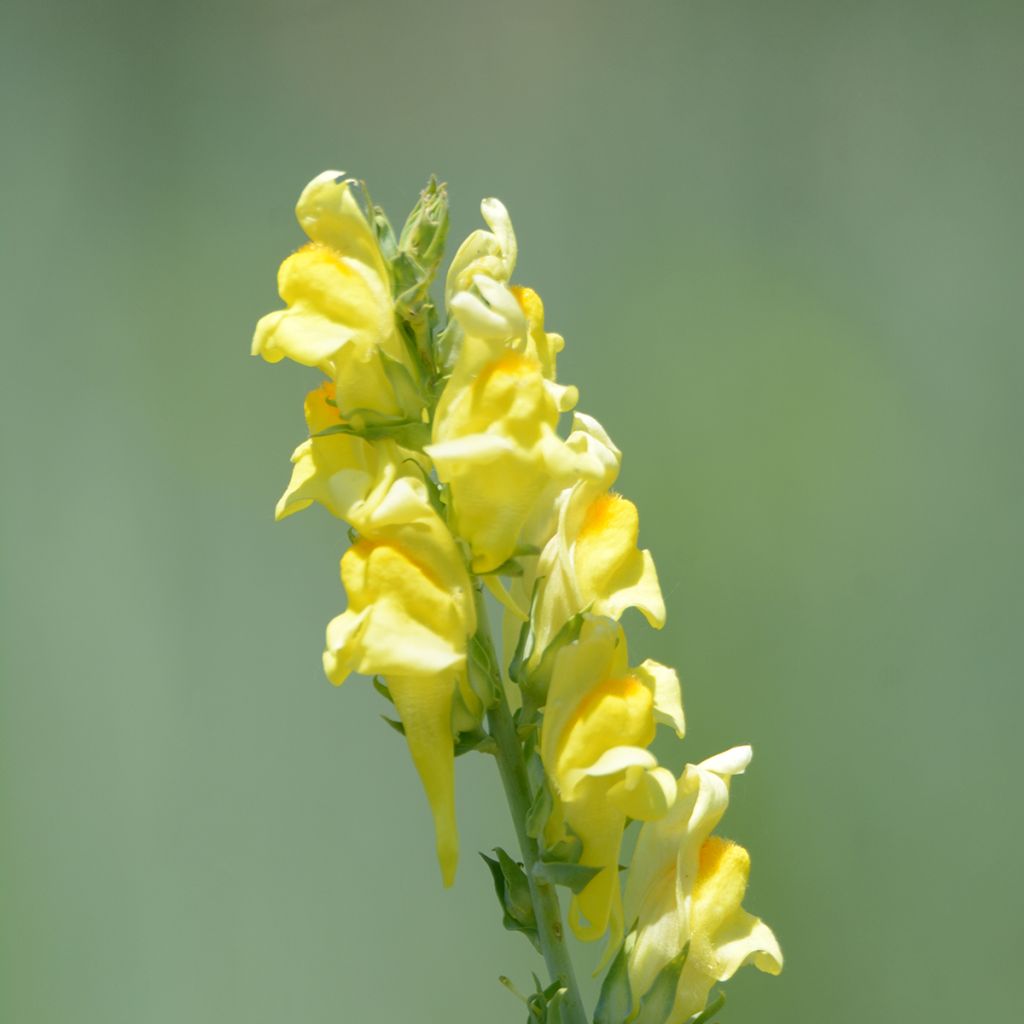
Linaria dalmatica - Linaire de Dalmatie, Linaire à feuilles larges
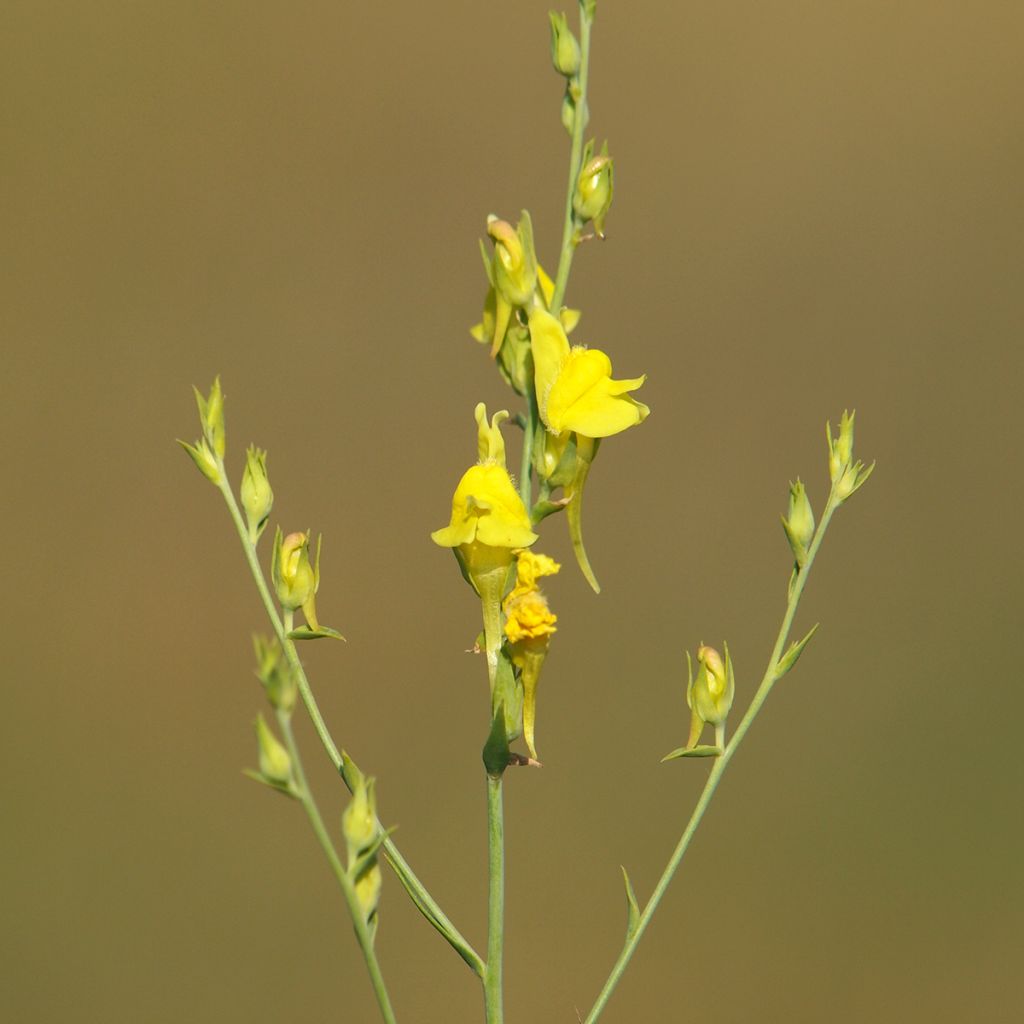
Linaria dalmatica - Linaire de Dalmatie, Linaire à feuilles larges
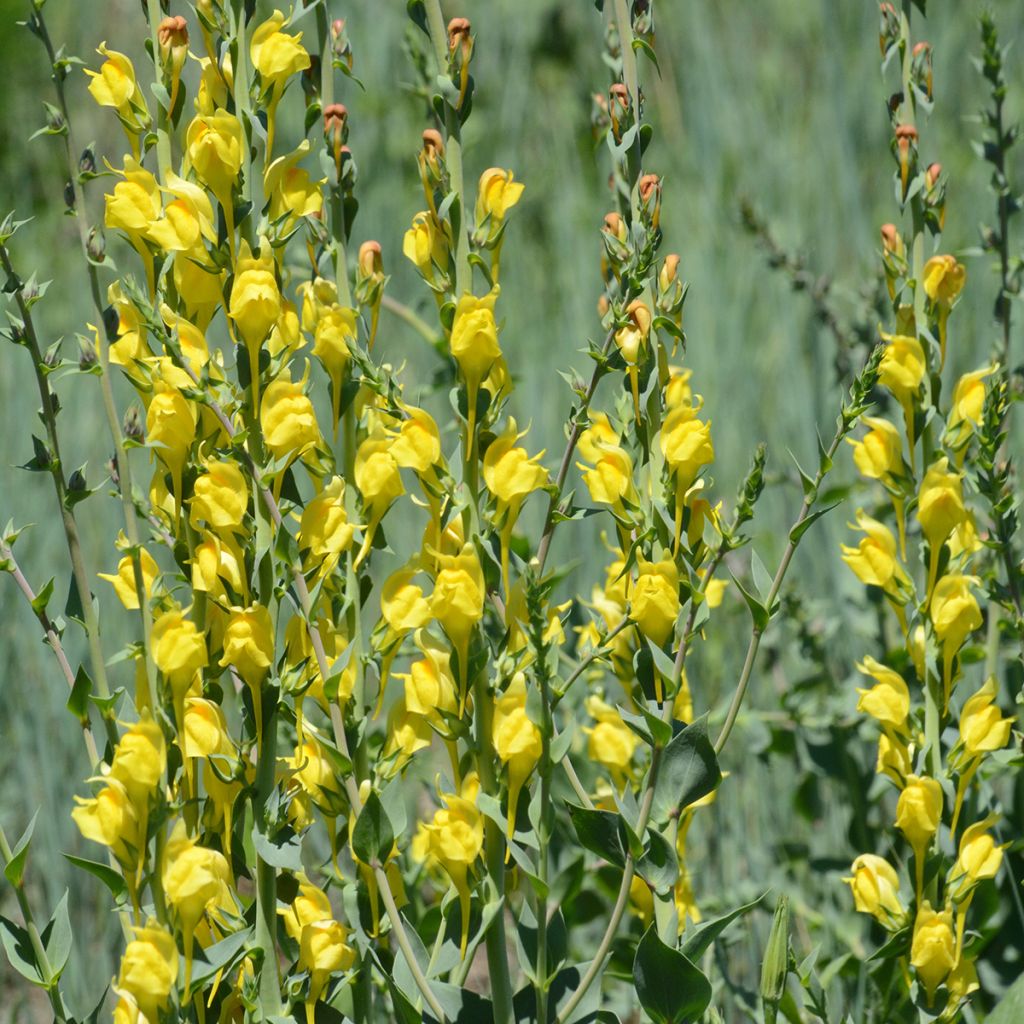
Linaria dalmatica - Linaire de Dalmatie, Linaire à feuilles larges
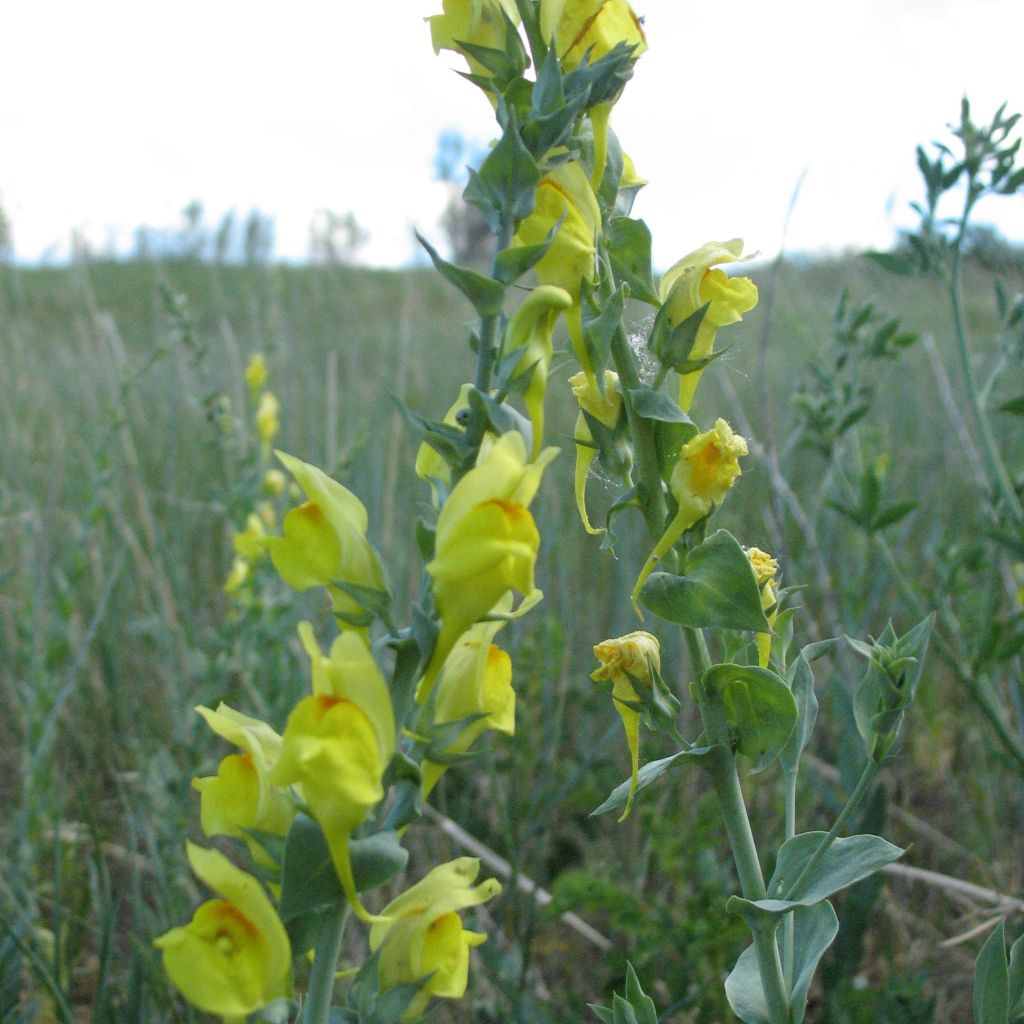
Linaria dalmatica - Linaire de Dalmatie, Linaire à feuilles larges
Linaria dalmatica - Linaire de Dalmatie, Linaire à feuilles larges
Linaria dalmatica - Linaire de Dalmatie, Linaire à feuilles larges
Linaria dalmatica
Back-to-school special offer!
Get €10 off for every €50 you spend! And get up to €40 off on a single order.
How does it work?
1. Shop your favourites
Add your favourite plants to your basket. For every €50 you spend (excluding delivery charges, store credit and the plastic-free option), you’ll receive a €10 voucher.
€50 spent = €10 voucher
€100 spent = €20 voucher
€150 spent = €30 voucher
€200 spent = €40 voucher
2. Place your order
Once your basket reaches one of the spending thresholds, place your order. You can even choose your delivery date!
3. Receive your voucher
As soon as your order has been shipped, you’ll receive an email containing your personal voucher code and its value.
4. Use it on your next order
Your voucher is valid for 90 days from the date you receive it. It can be used once only, on a new order worth at least the value of the voucher, excluding delivery charges.
Please note: Vouchers can be combined with other offers, but cannot be split or refunded.
Why not try an alternative variety in stock?
View all →
Available in 2 sizes
Available in 1 sizes
Available in 1 sizes
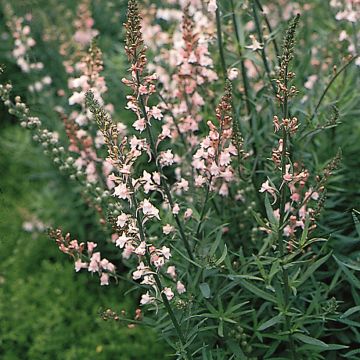
Available in 1 sizes

Available in 1 sizes
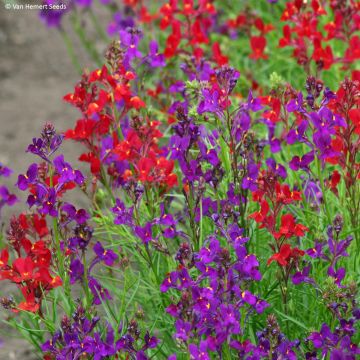
Available in 1 sizes
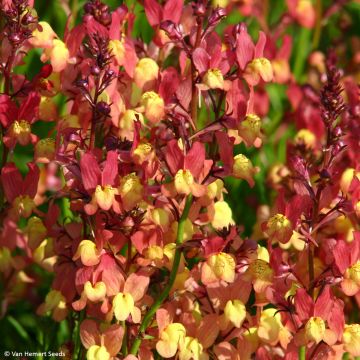
Available in 1 sizes
This plant carries a 12 months recovery warranty
More information
We guarantee the quality of our plants for a full growing cycle, and will replace at our expense any plant that fails to recover under normal climatic and planting conditions.
Would this plant suit my garden?
Set up your Plantfit profile →
Description
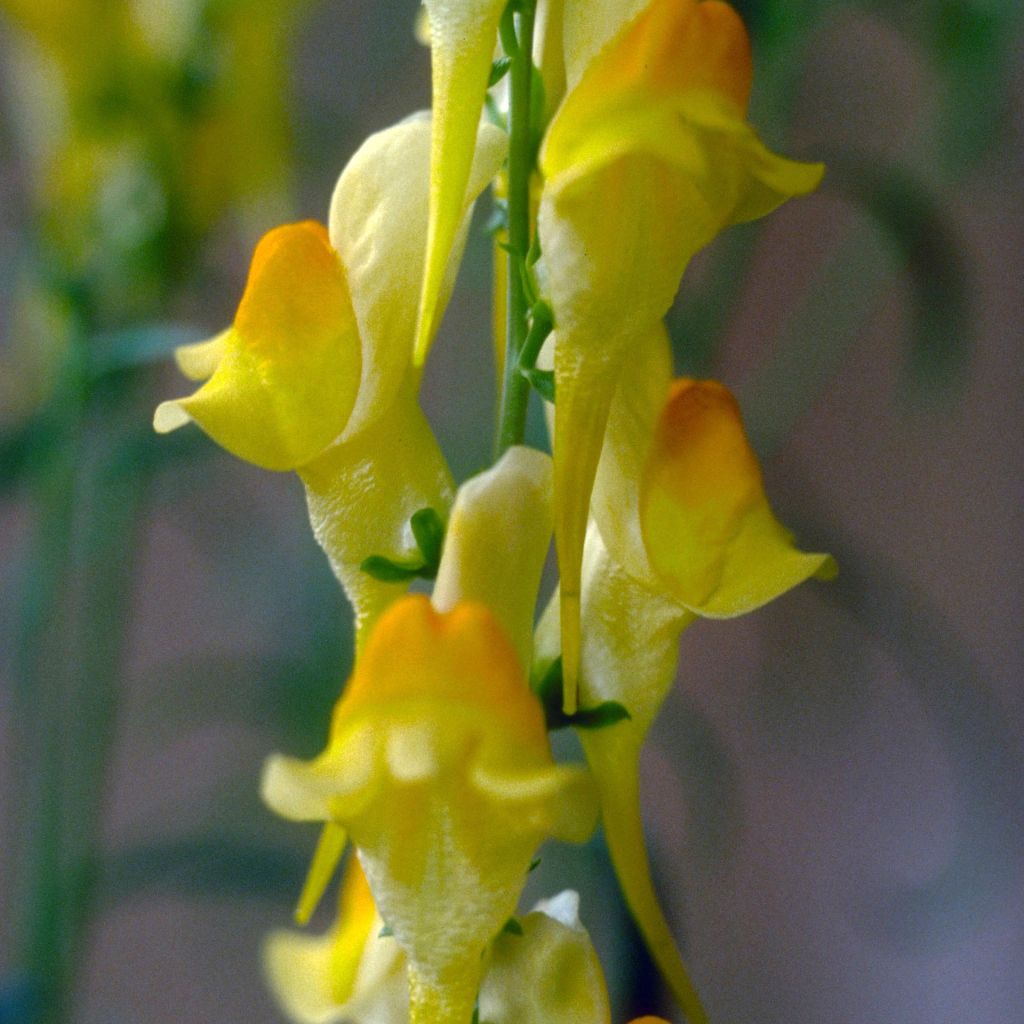
Linaria dalmatica, the Dalmatian toadflax, is distinguished from other toadflaxes by its robust stems bearing broad, glaucous leaves that embrace the stem. Throughout the summer, they bear long clusters of lemon-yellow flowers with an orange throat, resembling snapdragon blooms. This dry-land perennial is well suited for ornamenting rock gardens, slopes, dry beds and gravel borders. Very hardy (-20°C) and undemanding, it may be necessary to control its spread.
Linaria dalmatica belongs to the Plantaginaceae family. Its common names are Dalmatian toadflax and broad-leaved toadflax. Its main botanical synonyms are Antirrhinum dalmaticum, Linaria genistifolia subsp. dalmatica, Linaria macedonica and Linaria smithii. This species is native to southeastern Europe and western Asia, notably Italy, the Balkan Peninsula, Greece, Bulgaria, Romania, Lebanon and Syria. It grows in open, sunny places on dry, coarse or stony, well-drained soils. It is a short-lived herbaceous perennial: a single plant lives three to five years, but it sustains itself by self-sowing and by new shoots arising from the roots. In spring, the stump produces several erect stems, smooth and branched in the upper part. A maintained clump reaches about 80 to 90 cm tall and 50 to 60 cm wide; left free, it can spread further. The leaves embrace the stem at their base. 1 to 4 cm wide and 2 to 6 cm long, they are ovate to lanceolate, pointed, glabrous and covered with a waxy film that gives them a grey-green to bluish tint. This toadflax flowers from June to September. Its flowers are gathered in terminal clusters that lengthen over the summer. Each lemon-yellow corolla has two lips, an orange bulge at the entrance to the throat and a long spur pointing backwards. Bumblebees and other sturdy bees push aside the lower lip to reach the nectar. Fertilised flowers produce small capsules containing numerous seeds. The stems dry up with the cold, but short basal shoots may persist during mild winters. The taproot of this toadflax penetrates deep into the soil; running lateral roots can produce new shoots. This root system explains its drought resistance, but also its tendency to spread.
Introduced to North America as an ornamental, dye and medicinal plant, it escaped from gardens and is now considered a noxious weed in several regions.
On a sunny slope or in a dry garden, Dalmatian toadflax can occupy the back of a planting of ornamental grasses and perennials suited to poor soils such as Schizachyrium scoparium ‘Standing Ovation’ with bluish foliage that colours in autumn and Stipa tenuissima ‘Pony Tails’. Echinops bannaticus ‘Taplow Blue’ will dot the scene with steel-blue spheres and Perovskia ‘Blue Spire’ will unfurl its lavender-blue spikes during summer. These plants tolerate full sun, drought and chalky stony soils. Their blue foliage and flowers temper the bright yellow of the toadflax.
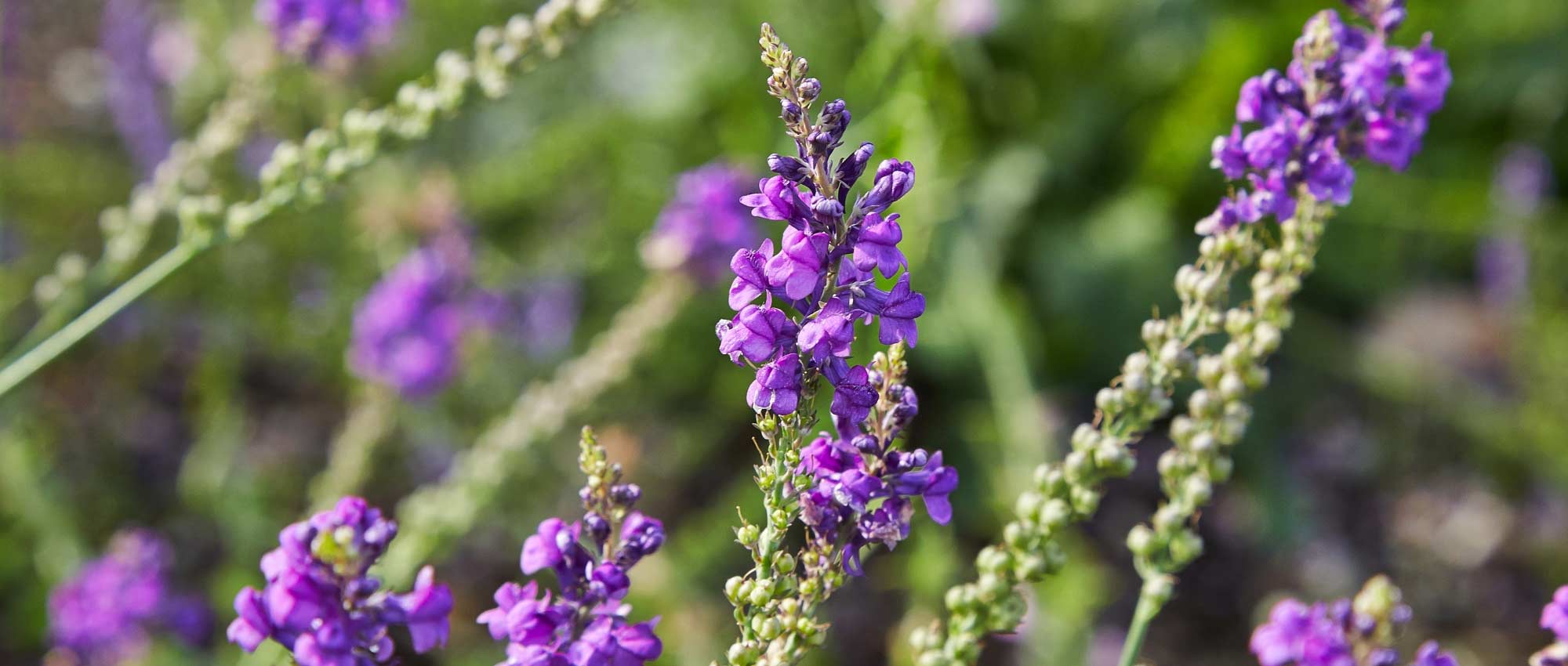
Linaria dalmatica - Linaire de Dalmatie, Linaire à feuilles larges in pictures
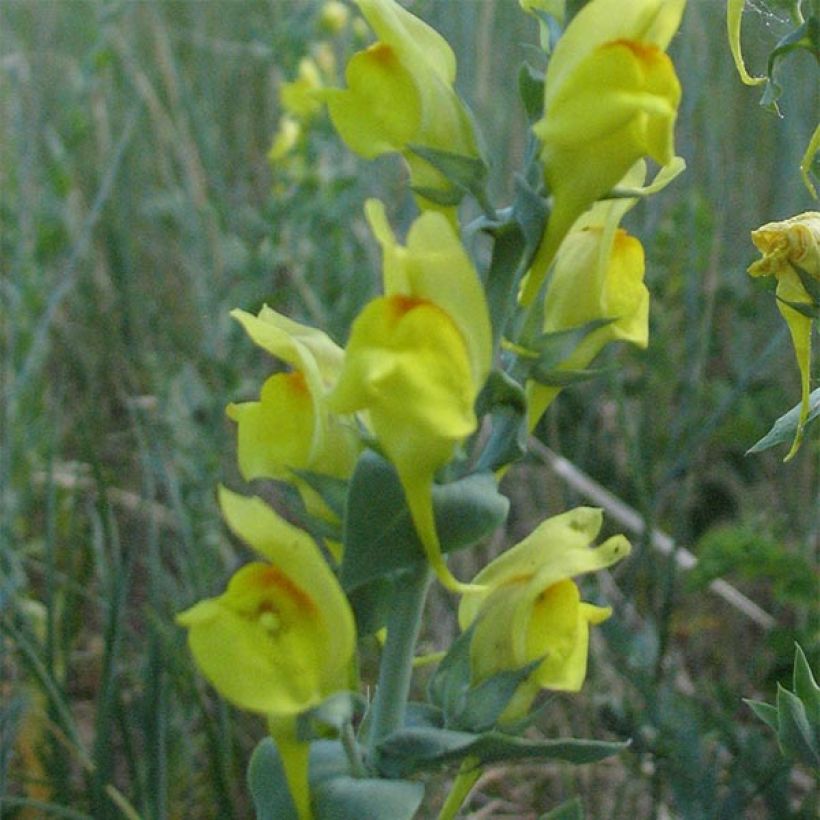
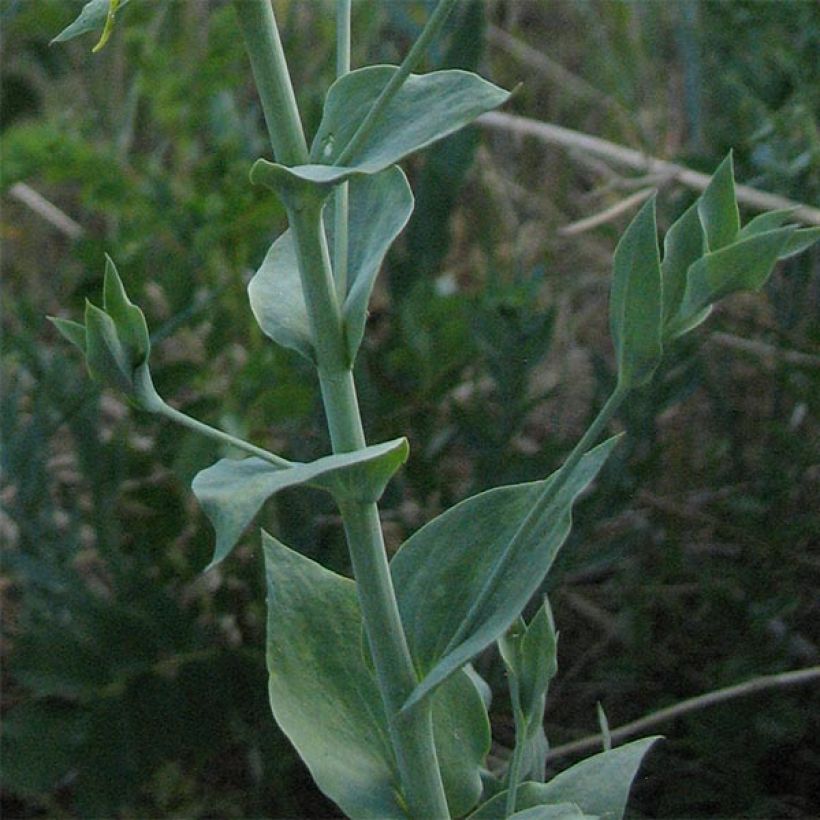
Flowering
Foliage
Plant habit
Botanical data
Linaria
dalmatica
Plantaginaceae
Antirrhinum dalmaticum, Linaria genistifolia subsp. dalmatica, Linaria macedonica, Linaria smithii
Southern Europe, West Asia
Planting and care
Linaria dalmatica should be planted from February to April or from September to November, outside periods of frost and drought. Plant Dalmatian toadflax in full sun, in light, well-drained soil. It tolerates poor, stony or sandy soils, even lime-bearing ones, and can withstand some moisture during its growth period. However, it dislikes stagnant moisture, especially in winter. If your garden soil is heavy, it is better to plant on a slope or on a mound. Water after planting, then during the first few weeks if the weather remains dry. Once well-rooted, it requires neither regular watering nor fertiliser. Offshoots can be removed as they appear.
Planting period
Intended location
Care
Planting & care advice
-
-
-
-
-
-

-
-

This item has not been reviewed yet - be the first to leave a review about it.
Recently viewed products
Haven't found what you were looking for?
Hardiness is the lowest winter temperature a plant can endure without suffering serious damage or even dying. However, hardiness is affected by location (a sheltered area, such as a patio), protection (winter cover) and soil type (hardiness is improved by well-drained soil).

The flowering period indicated on our website applies to countries and regions located in USDA zone 8 (France, the United Kingdom, Ireland, the Netherlands, etc.)
It will vary according to where you live:- In zones 9 to 10 (Italy, Spain, Greece, etc.), flowering will occur about 2 to 4 weeks earlier.
- In zones 6 to 7 (Germany, Poland, Slovenia, and lower mountainous regions), flowering will be delayed by 2 to 3 weeks.
- In zone 5 (Central Europe, Scandinavia), blooming will be delayed by 3 to 5 weeks.
In temperate climates, pruning of spring-flowering shrubs (forsythia, spireas, etc.) should be done just after flowering.
Pruning of summer-flowering shrubs (Indian Lilac, Perovskia, etc.) can be done in winter or spring.
In cold regions as well as with frost-sensitive plants, avoid pruning too early when severe frosts may still occur.
The planting period indicated on our website applies to countries and regions located in USDA zone 8 (France, United Kingdom, Ireland, Netherlands).
It will vary according to where you live:
- In Mediterranean zones (Marseille, Madrid, Milan, etc.), autumn and winter are the best planting periods.
- In continental zones (Strasbourg, Munich, Vienna, etc.), delay planting by 2 to 3 weeks in spring and bring it forward by 2 to 4 weeks in autumn.
- In mountainous regions (the Alps, Pyrenees, Carpathians, etc.), it is best to plant in late spring (May-June) or late summer (August-September).
The harvesting period indicated on our website applies to countries and regions in USDA zone 8 (France, England, Ireland, the Netherlands).
In colder areas (Scandinavia, Poland, Austria...) fruit and vegetable harvests are likely to be delayed by 3-4 weeks.
In warmer areas (Italy, Spain, Greece, etc.), harvesting will probably take place earlier, depending on weather conditions.
The sowing periods indicated on our website apply to countries and regions within USDA Zone 8 (France, UK, Ireland, Netherlands).
In colder areas (Scandinavia, Poland, Austria...), delay any outdoor sowing by 3-4 weeks, or sow under glass.
In warmer climes (Italy, Spain, Greece, etc.), bring outdoor sowing forward by a few weeks.
Shipping country and language
Your country of residence may be:
Your country of residence is:
For a better user experience on our website, you can select:
Your shipping country:
-
 Austria
-
 Belgium
-
 Bosnia & Herzegovina
-
 Bulgaria
-
 Croatia
-
 Cyprus
-
 Czechia
-
 Denmark
-
 Estonia
-
 Finland
-
 France
-
 Germany
-
 Greece
-
 Hungary
-
 Iceland
-
 Ireland
-
 Italy
Italy
-
 Latvia
-
 Liechtenstein
-
 Lithuania
-
 Luxembourg
-
 Malta
Malta
-
 Netherlands
-
 Poland
-
 Portugal
-
 Romania
-
 Serbia
-
 Slovakia
-
 Slovenia
-
 Spain
Spain
-
 Sweden
-
 Switzerland
Language:
-
French
-
 English
-
Spanish
-
Italian
-
German
-
Portuguese
-
Dutch
-
Finnish
My Account
Hello
My wish lists
My cart
Log in / Register
Existing customer?
This form is protected by reCAPTCHA - the Google Privacy Policy and Terms of Service apply.
New customer?
Create an account to track your orders, access our customer service and, if you wish, make the most of our upcoming offers.