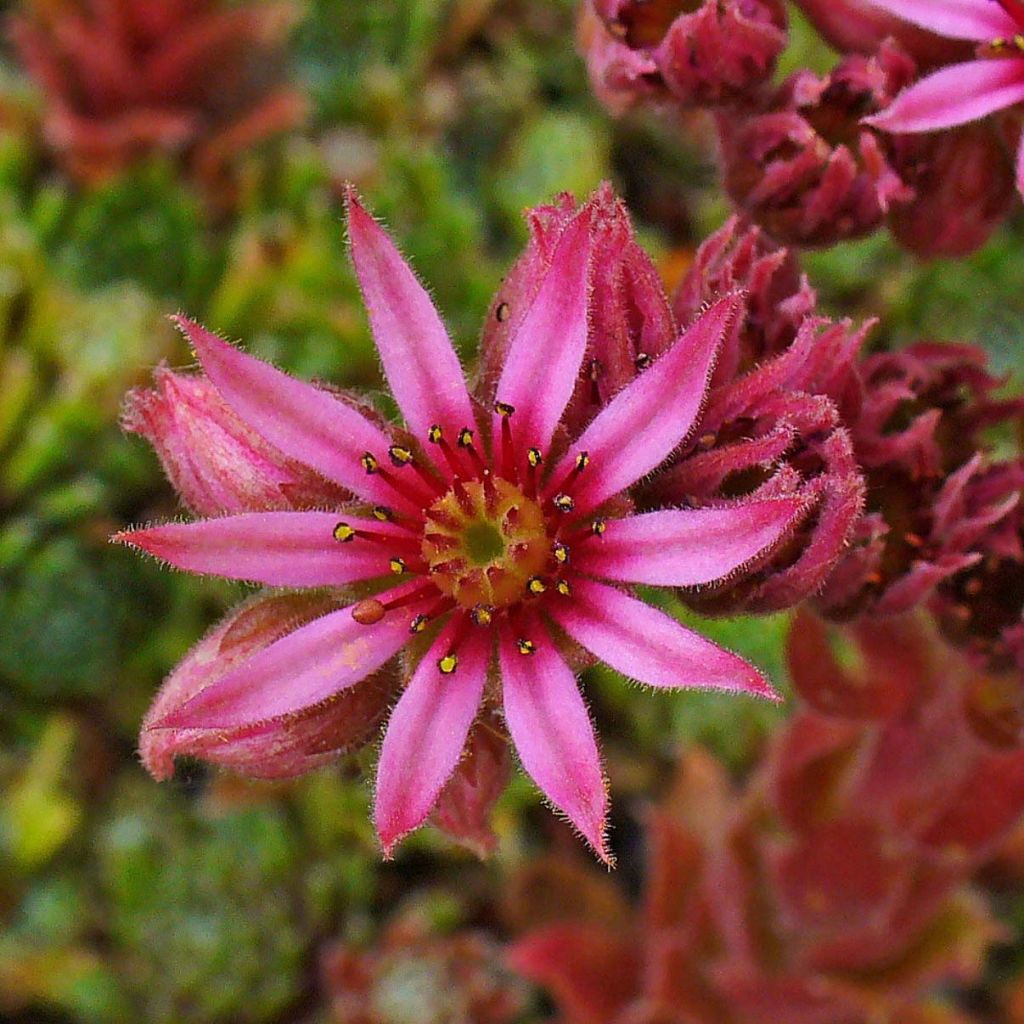
Sempervivum x arachnoideum Alpha
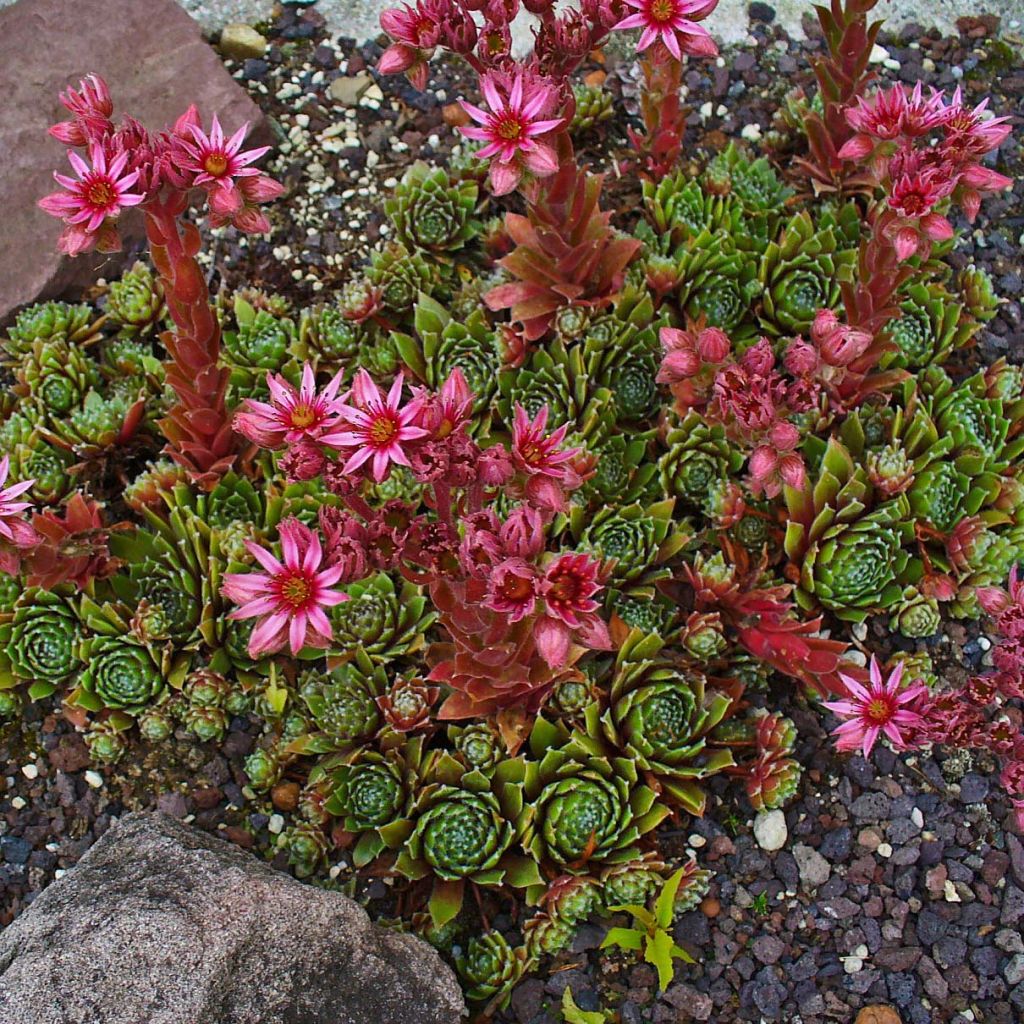
Sempervivum x arachnoideum Alpha
Sempervivum x arachnoideum Alpha
Sempervivum x arachnoideum Alpha
Cobweb Houseleek
Very pretty succulents and of good quality, thank you.
Christine, 24/03/2023
Back-to-school special offer!
Get €10 off for every €50 you spend! And get up to €40 off on a single order.
How does it work?
1. Shop your favourites
Add your favourite plants to your basket. For every €50 you spend (excluding delivery charges, store credit and the plastic-free option), you’ll receive a €10 voucher.
€50 spent = €10 voucher
€100 spent = €20 voucher
€150 spent = €30 voucher
€200 spent = €40 voucher
2. Place your order
Once your basket reaches one of the spending thresholds, place your order. You can even choose your delivery date!
3. Receive your voucher
As soon as your order has been shipped, you’ll receive an email containing your personal voucher code and its value.
4. Use it on your next order
Your voucher is valid for 90 days from the date you receive it. It can be used once only, on a new order worth at least the value of the voucher, excluding delivery charges.
Please note: Vouchers can be combined with other offers, but cannot be split or refunded.
Why not try an alternative variety in stock?
View all →
Available in 1 sizes
Available in 2 sizes

Available in 1 sizes
Available in 1 sizes
Available in 1 sizes

Available in 1 sizes
Available in 1 sizes
Available in 1 sizes

Available in 1 sizes
Available in 1 sizes
This plant carries a 12 months recovery warranty
More information
We guarantee the quality of our plants for a full growing cycle, and will replace at our expense any plant that fails to recover under normal climatic and planting conditions.

Would this plant suit my garden?
Set up your Plantfit profile →
Description
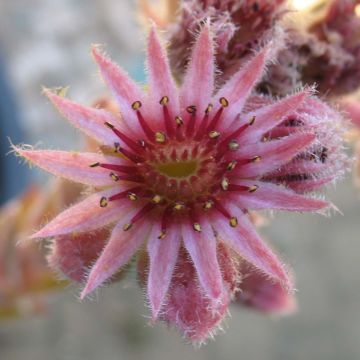
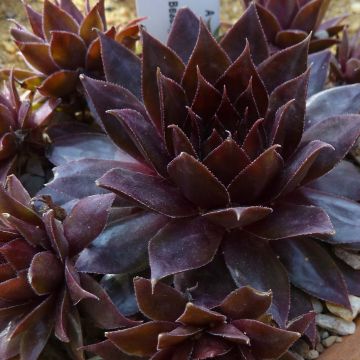
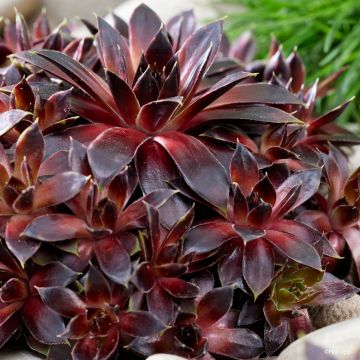
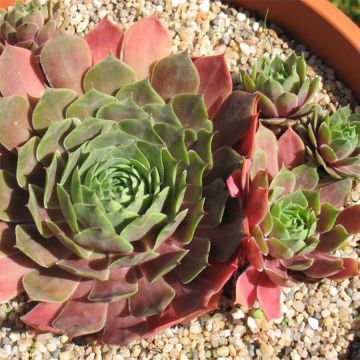
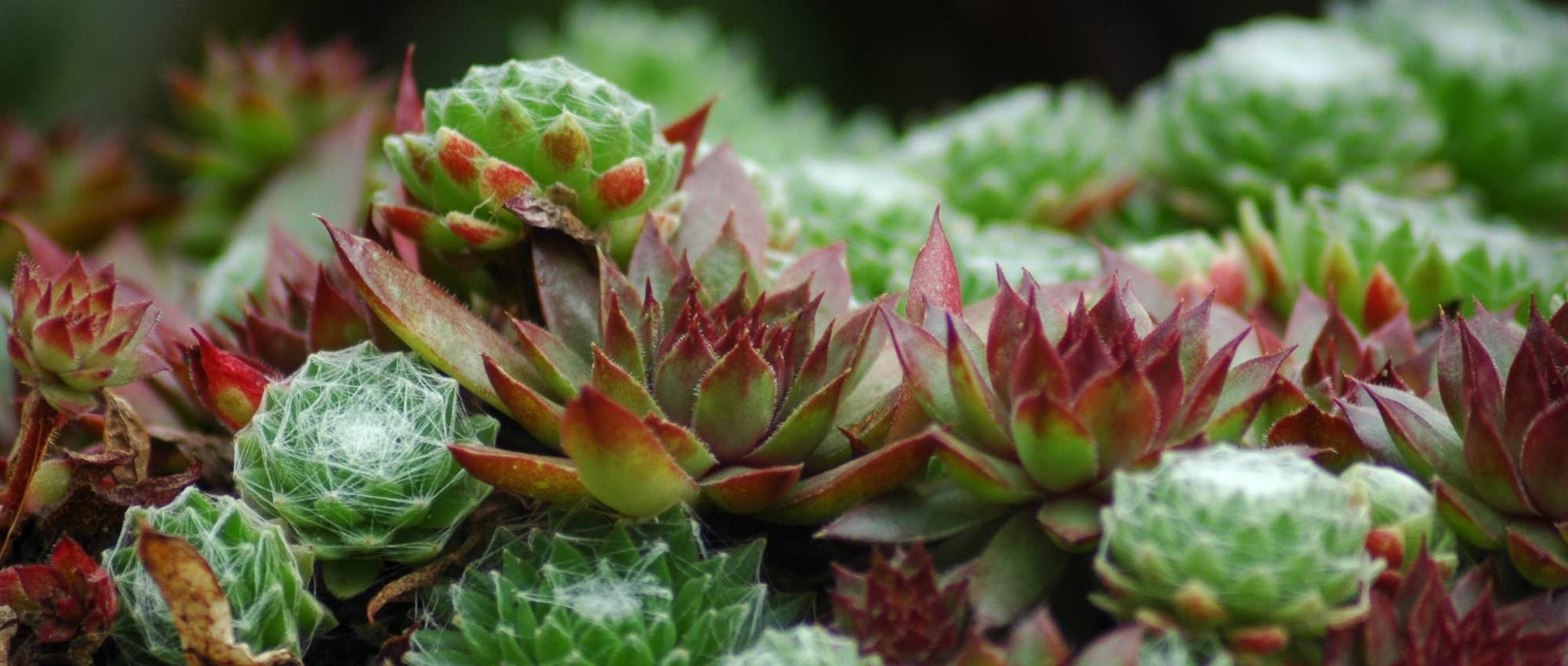
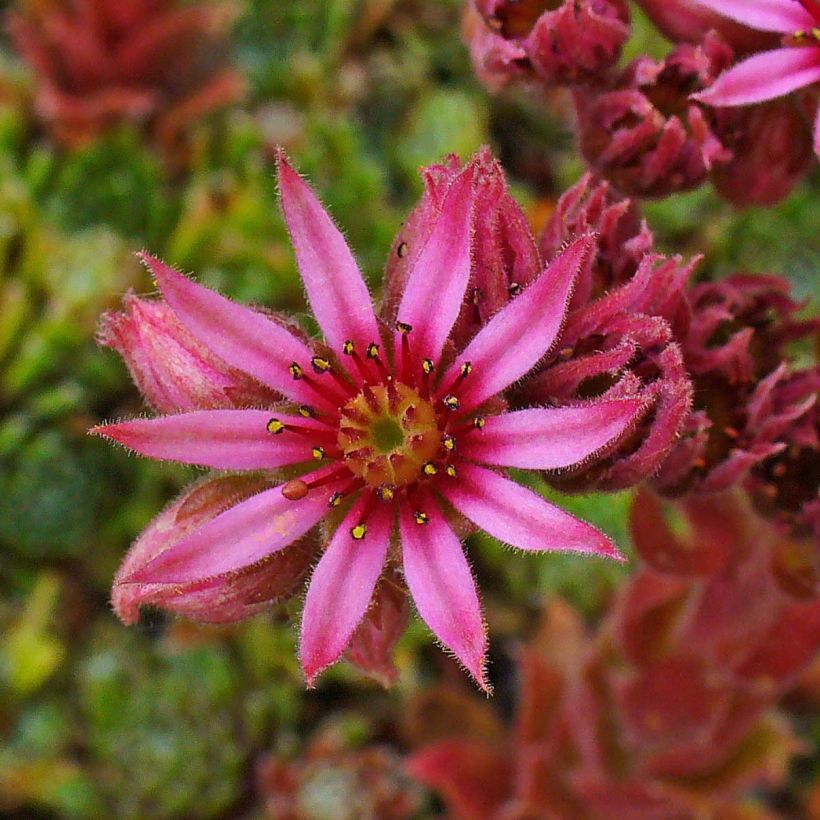
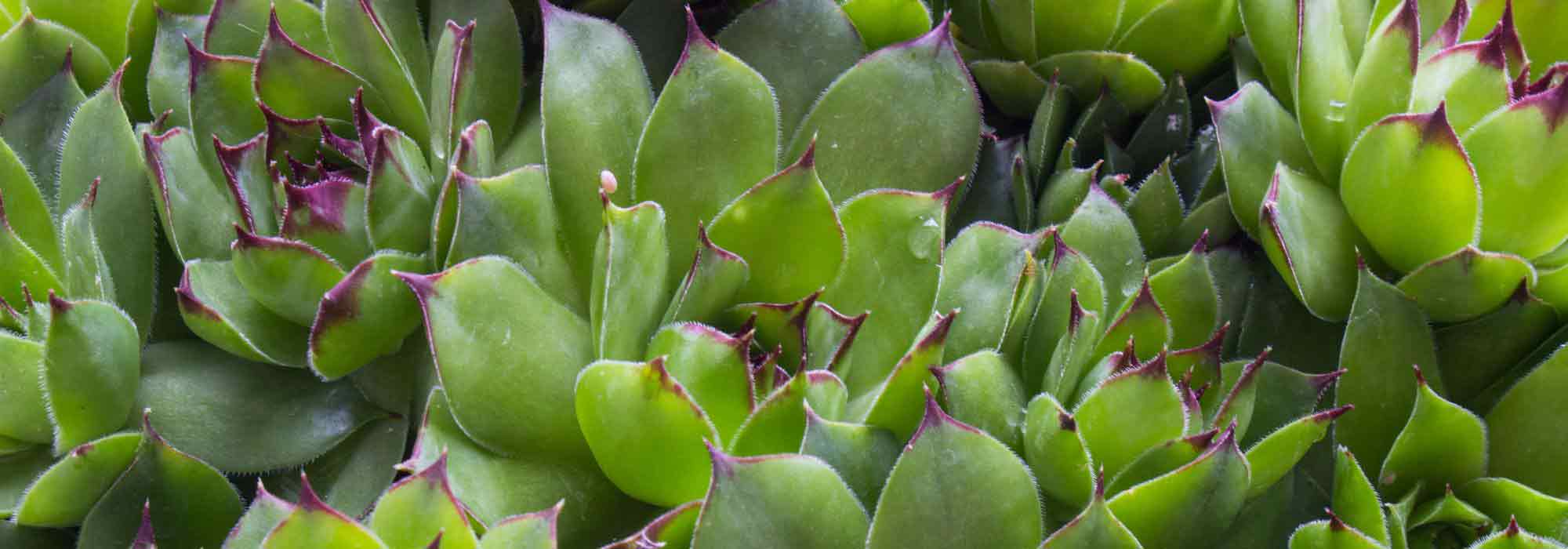
Sempervivum 'Alpha' is a classic. Created in 1927, it is one of the first hybrid varieties of houseleek. Its tight rosettes appear green in spring, then gradually turn red, becoming a beautiful coppery brown in autumn. Its silky leaves are delicately connected by silken threads, as if woven by a spider. In summer, a small cluster of star-shaped flowers in bright carmine pink emerges from the heart of the oldest rosettes. This houseleek is a small succulent plant ideal for arid and mineral areas. It requires nothing more than an open location. Without any maintenance, it miraculously survives with almost no soil, in a dry, poor, siliceous environment, relying only on rainwater, even if it is scarce.
Sempervivum belongs to the Crassulaceae family. It grows on rocks or scree, scattering its fine seeds in crevices and clinging to the smallest cracks to slowly form small colonies of rosettes of different sizes. The hybrid cultivar 'Alpha' was created in 1927 by the German nurseryman Georg Arends, from Sempervivum tectorum (houseleek) and S. arachnoideum (cobweb houseleek). S. 'Alpha' has in turn become the ancestor of many cultivated houseleeks today. It remains a very popular variety, and one of G. Arends' greatest successes.
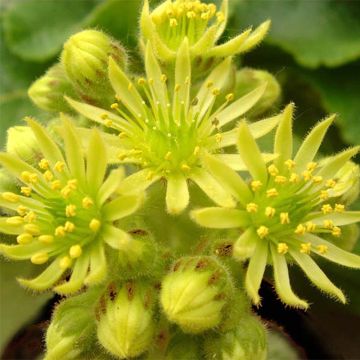
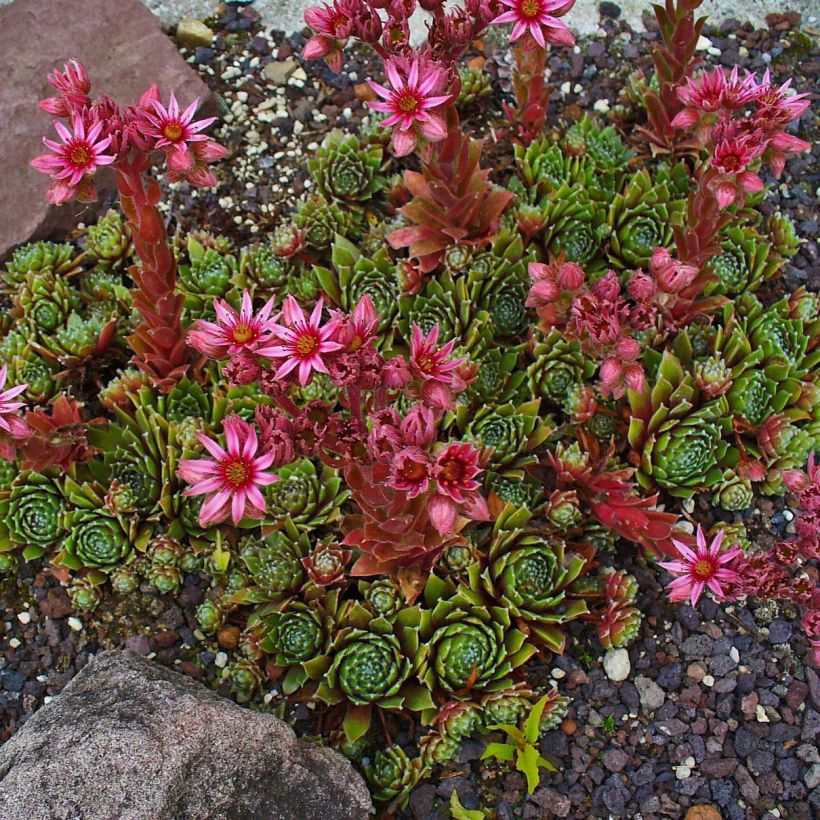
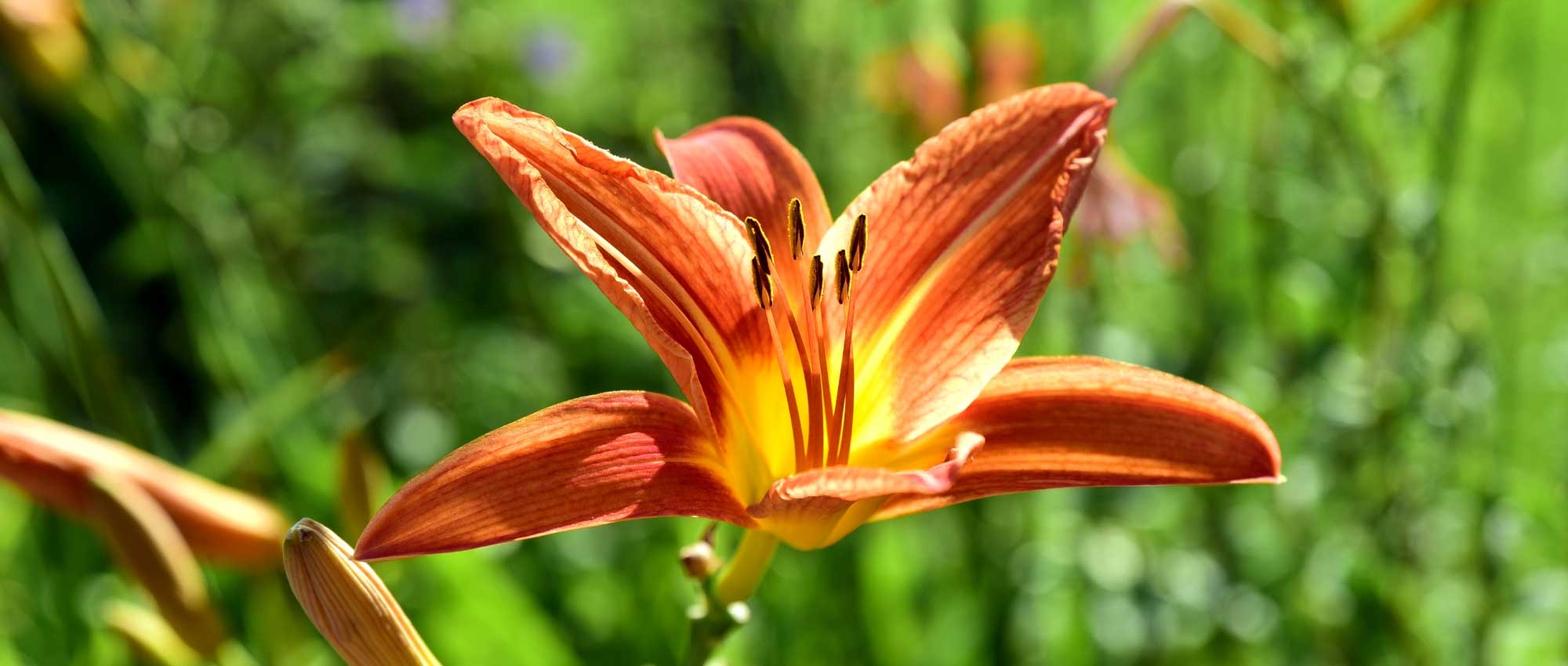
The tightly-packed rosettes of Sempervivum 'Alpha' do not exceed 10cm (4in) in all directions when mature. Over time, it grows through its stoloniferous stems to form a spreading cushion reaching 50 to 60cm (20 to 24in) on the ground, perfectly conforming to the terrain. Resembling a slightly open artichoke, each perfectly organised rosette is composed of numerous fleshy, pointed leaves without petioles. The white threads, stretched between the central leaves, shimmer in the sun, as do the cilia that border them. The reddish colour of the leaves intensifies in summer. The flowering appears on rosettes that are 2 or 3 years old, which will then disappear, having ensured the plant's perpetuity by producing several small rosettes on the periphery. The flower stalks develop in summer, formed by thick stems that bear 1 to 5 flowers with 8 to 10 bright carmine petals. The roots of this perennial are thick and long; they penetrate deeply into the crevices of rocks, ensuring a good grip on the walls while drawing water from deep below.
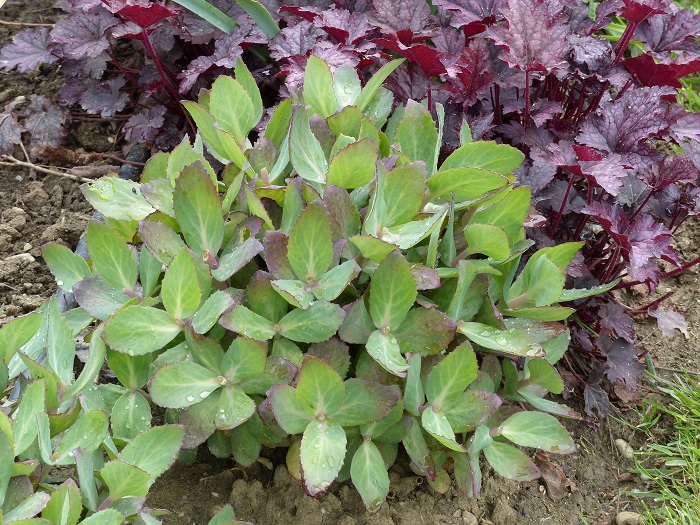
Sempervivum 'Alpha' is a boon for gardens with thin soil, where few species survive, colonising abandoned spaces. You can still enjoy this hardy perennial if your soil is poor, rather dry, rocky, stony, or even slightly calcareous. It withstands temperatures below -15°C (5°F)) and requires no maintenance. It promises to enliven any pile of stones, a wall, or even a green roof. Houseleeks are extremely easy-to-care-for succulent plants, offering flowers and foliage in various shades that create stunning compositions. They are magnificent in pots, especially in low, 'bonsai-style' terracotta containers, and they are irreplaceable in borders, troughs, or rock gardens, alongside sedum, saxifrages, wall bellflowers, or Lewisia cotyledon. These miniature perennials quickly inspire the desire to multiply them. Consider choosing companions with staggered flowering times (thyme, Saponaria ocymioides) and colourful foliage (Sedum spathulifolium) for a variegated and joyful rock garden.
Sempervivum x arachnoideum Alpha in pictures
Flowering
Foliage
Plant habit
Botanical data
Sempervivum
x arachnoideum
Alpha
Crassulaceae
Cobweb Houseleek
Cultivar or hybrid
Planting and care
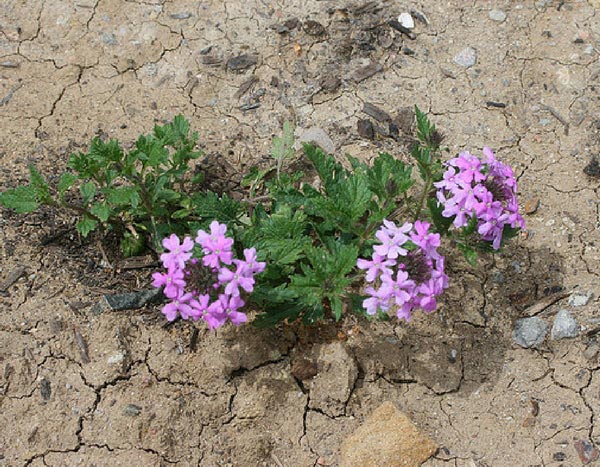
Sempervivum 'Alpha' enjoys sunny exposures and perfectly drained, moist to dry and poor, sandy soils, preferably without excess limestone. You can plant it in the ground or in a container in spring or autumn, adding gravel or coarse sand to the planting substrate. Conversely, if you place it in a rock garden or on a wall, just give it a little potting soil to help it establish. Afterwards, it will manage on its own. It only fears competition from taller plants, which create shade and moisture and compete with its growth.
If you want to multiply it, simply cut a few young rosettes and replant them elsewhere, burying the roots just slightly. Take care of it by ensuring that it is not overwhelmed by taller plants, that it does not become covered in dead leaves or vegetation residues, and by possibly removing small faded inflorescences.
Planting period
Intended location
Care
Planting & care advice
-
-
-
-
-
-

-

-

-
, onOrder confirmed
Reply from on Promesse de fleurs
Recently viewed products
Haven't found what you were looking for?
Hardiness is the lowest winter temperature a plant can endure without suffering serious damage or even dying. However, hardiness is affected by location (a sheltered area, such as a patio), protection (winter cover) and soil type (hardiness is improved by well-drained soil).

The flowering period indicated on our website applies to countries and regions located in USDA zone 8 (France, the United Kingdom, Ireland, the Netherlands, etc.)
It will vary according to where you live:- In zones 9 to 10 (Italy, Spain, Greece, etc.), flowering will occur about 2 to 4 weeks earlier.
- In zones 6 to 7 (Germany, Poland, Slovenia, and lower mountainous regions), flowering will be delayed by 2 to 3 weeks.
- In zone 5 (Central Europe, Scandinavia), blooming will be delayed by 3 to 5 weeks.
In temperate climates, pruning of spring-flowering shrubs (forsythia, spireas, etc.) should be done just after flowering.
Pruning of summer-flowering shrubs (Indian Lilac, Perovskia, etc.) can be done in winter or spring.
In cold regions as well as with frost-sensitive plants, avoid pruning too early when severe frosts may still occur.
The planting period indicated on our website applies to countries and regions located in USDA zone 8 (France, United Kingdom, Ireland, Netherlands).
It will vary according to where you live:
- In Mediterranean zones (Marseille, Madrid, Milan, etc.), autumn and winter are the best planting periods.
- In continental zones (Strasbourg, Munich, Vienna, etc.), delay planting by 2 to 3 weeks in spring and bring it forward by 2 to 4 weeks in autumn.
- In mountainous regions (the Alps, Pyrenees, Carpathians, etc.), it is best to plant in late spring (May-June) or late summer (August-September).
The harvesting period indicated on our website applies to countries and regions in USDA zone 8 (France, England, Ireland, the Netherlands).
In colder areas (Scandinavia, Poland, Austria...) fruit and vegetable harvests are likely to be delayed by 3-4 weeks.
In warmer areas (Italy, Spain, Greece, etc.), harvesting will probably take place earlier, depending on weather conditions.
The sowing periods indicated on our website apply to countries and regions within USDA Zone 8 (France, UK, Ireland, Netherlands).
In colder areas (Scandinavia, Poland, Austria...), delay any outdoor sowing by 3-4 weeks, or sow under glass.
In warmer climes (Italy, Spain, Greece, etc.), bring outdoor sowing forward by a few weeks.
Shipping country and language
Your country of residence may be:
Your country of residence is:
For a better user experience on our website, you can select:
Your shipping country:
-
 Austria
-
 Belgium
-
 Bosnia & Herzegovina
-
 Bulgaria
-
 Croatia
-
 Cyprus
-
 Czechia
-
 Denmark
-
 Estonia
-
 Finland
-
 France
-
 Germany
-
 Greece
-
 Hungary
-
 Iceland
-
 Ireland
-
 Italy
Italy
-
 Latvia
-
 Liechtenstein
-
 Lithuania
-
 Luxembourg
-
 Malta
Malta
-
 Netherlands
-
 Poland
-
 Portugal
-
 Romania
-
 Serbia
-
 Slovakia
-
 Slovenia
-
 Spain
Spain
-
 Sweden
-
 Switzerland
Language:
-
French
-
 English
-
Spanish
-
Italian
-
German
-
Portuguese
-
Dutch
-
Finnish
My Account
Hello
My wish lists
My cart
Log in / Register
Existing customer?
This form is protected by reCAPTCHA - the Google Privacy Policy and Terms of Service apply.
New customer?
Create an account to track your orders, access our customer service and, if you wish, make the most of our upcoming offers.