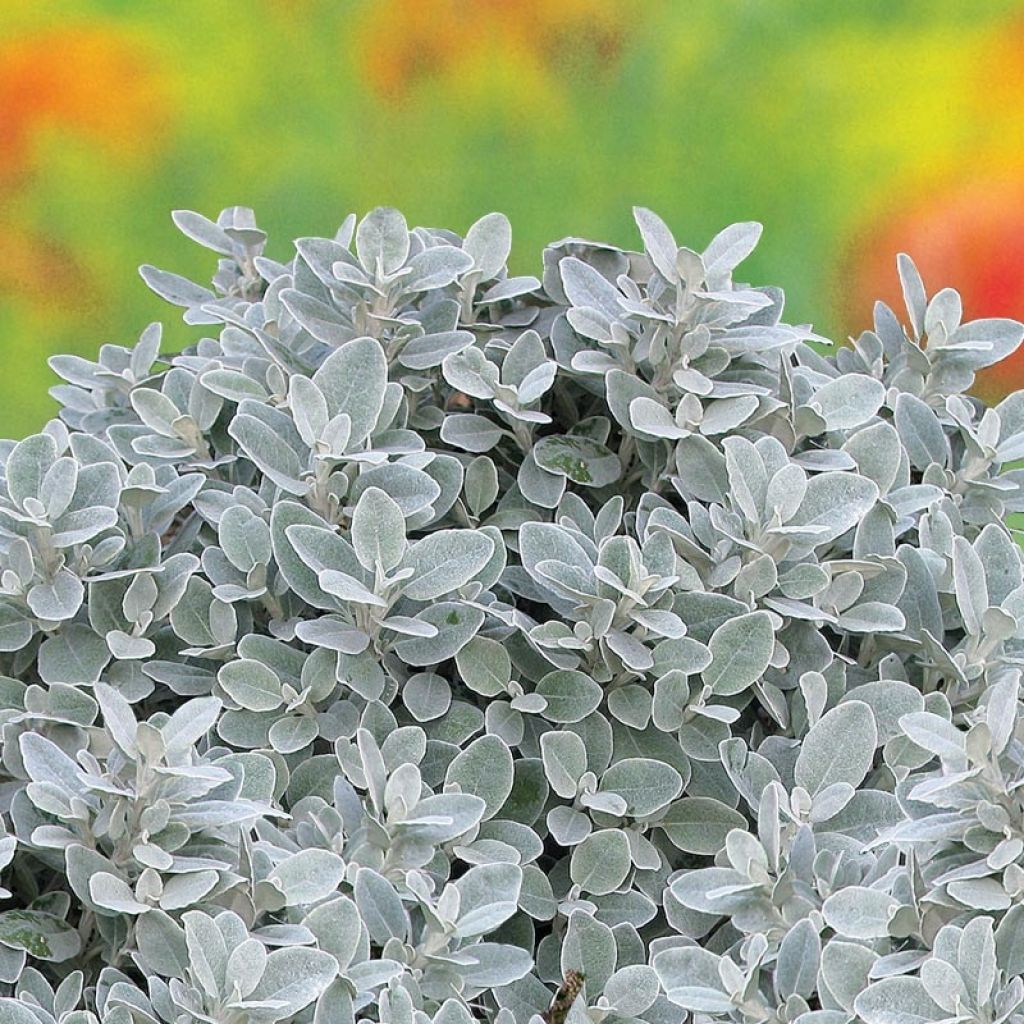
Brachyglottis Walbertons Silver Dormouse
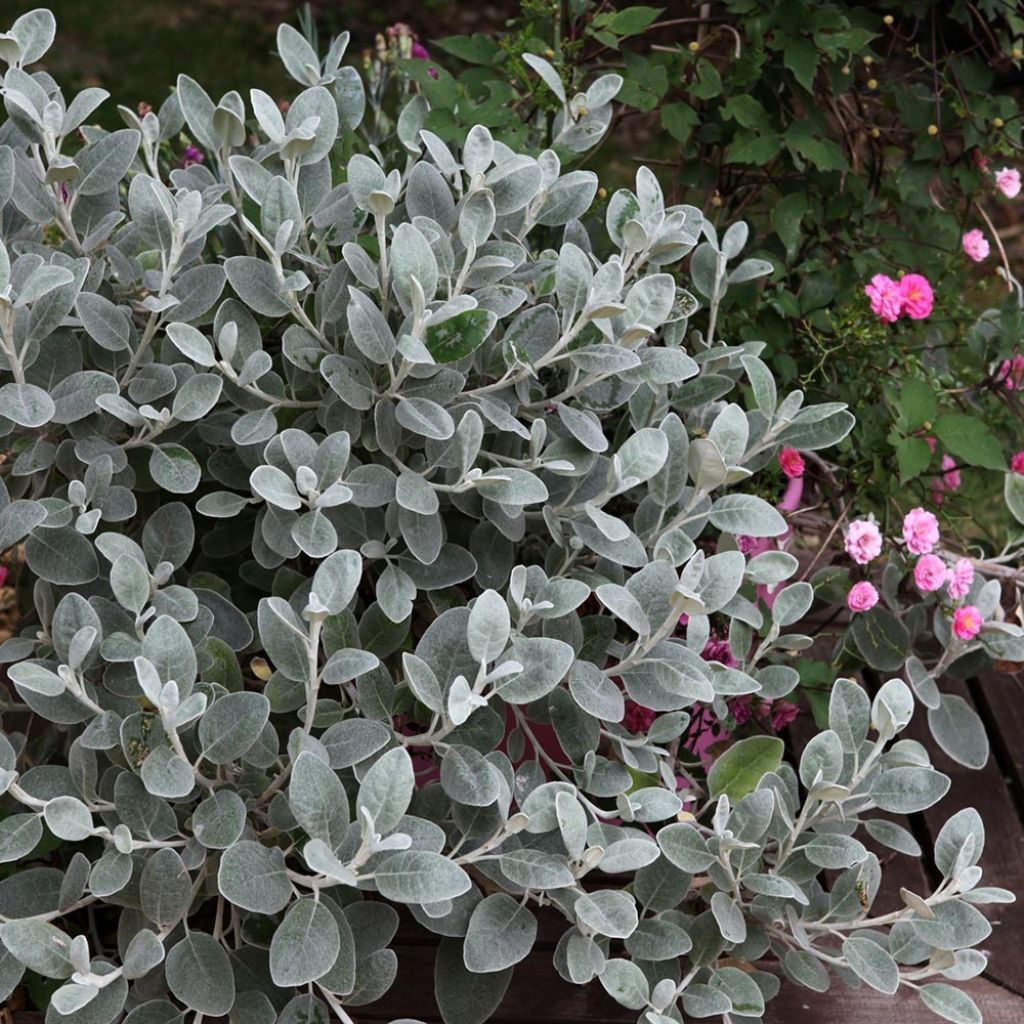
Brachyglottis Walbertons Silver Dormouse
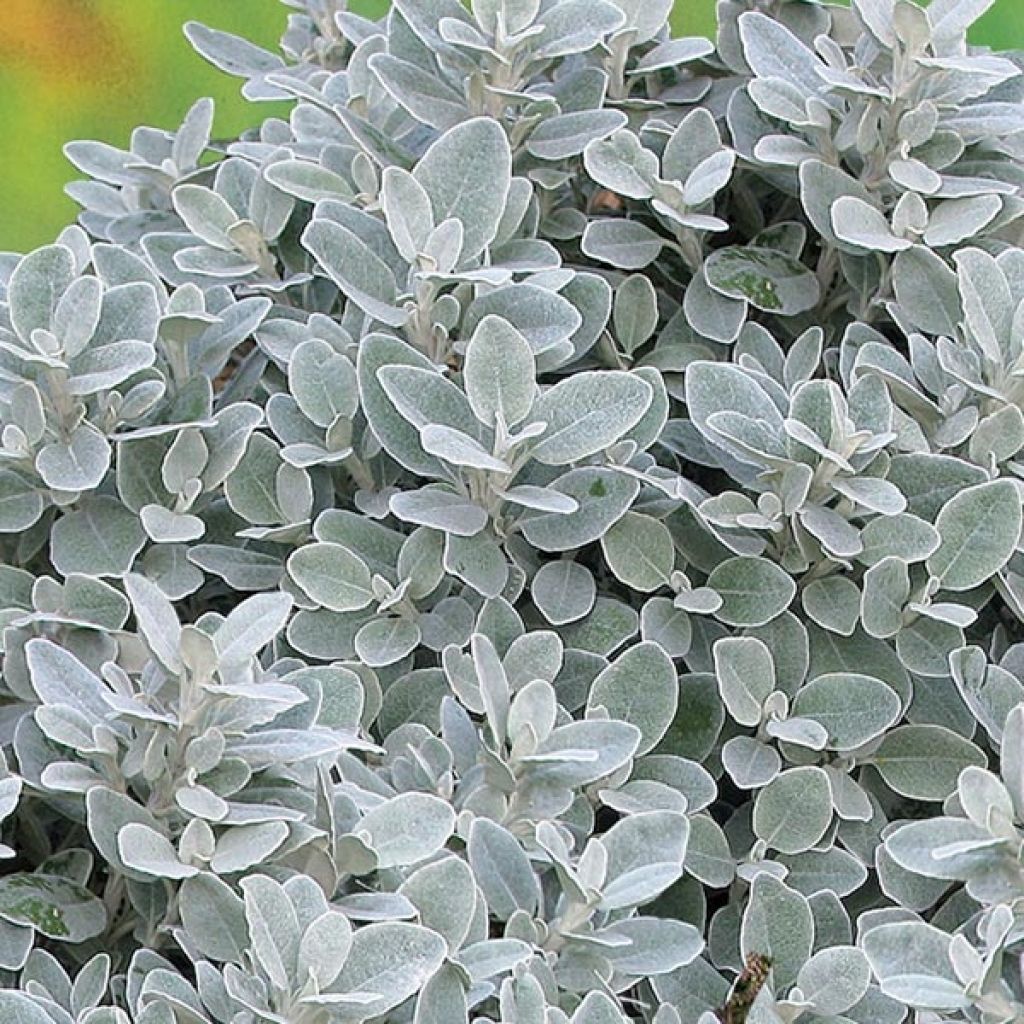
Brachyglottis Walbertons Silver Dormouse
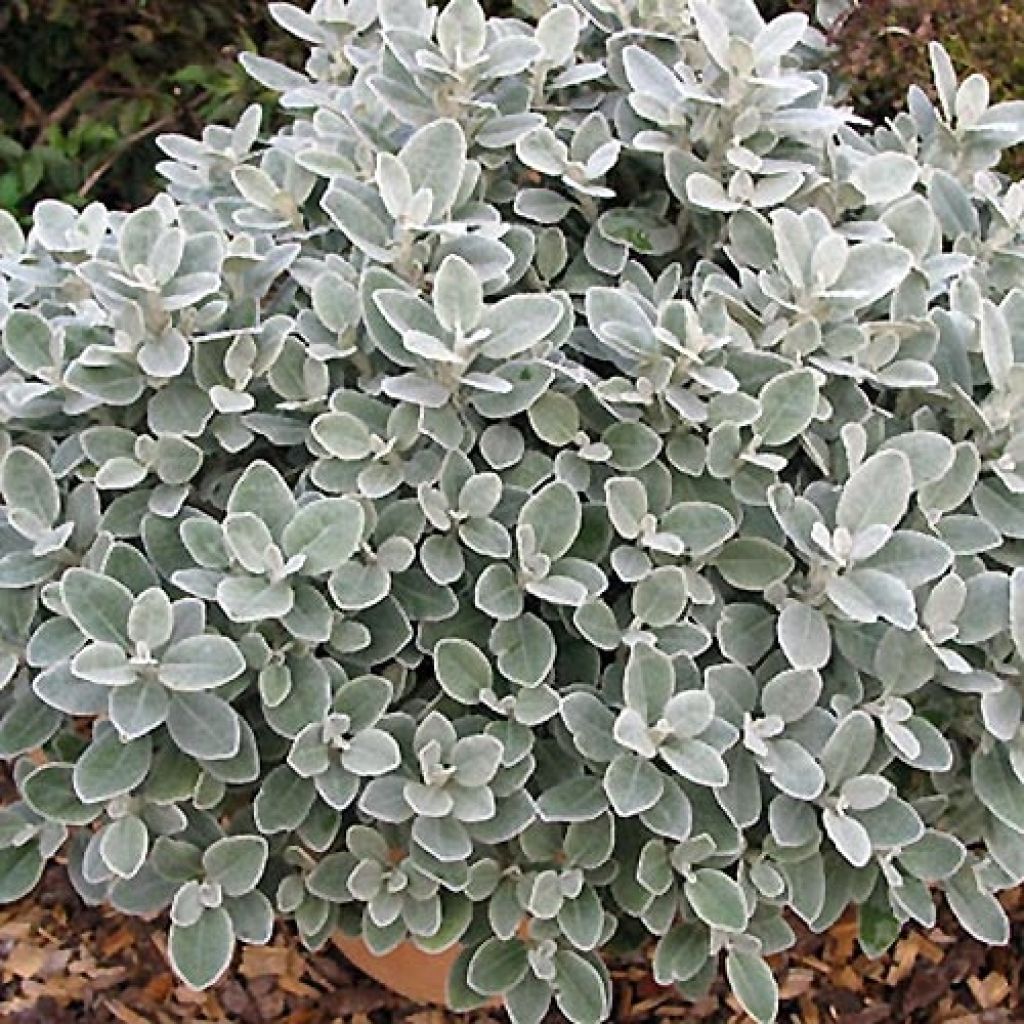
Brachyglottis Walbertons Silver Dormouse
Brachyglottis Walbertons Silver Dormouse
Brachyglottis Walbertons Silver Dormouse
Senecio x greyi Walberton's® Silver Dormouse
Daisy Bush, New Zealand Ragwort
Back-to-school special offer!
Get €10 off for every €50 you spend! And get up to €40 off on a single order.
How does it work?
1. Shop your favourites
Add your favourite plants to your basket. For every €50 you spend (excluding delivery charges, store credit and the plastic-free option), you’ll receive a €10 voucher.
€50 spent = €10 voucher
€100 spent = €20 voucher
€150 spent = €30 voucher
€200 spent = €40 voucher
2. Place your order
Once your basket reaches one of the spending thresholds, place your order. You can even choose your delivery date!
3. Receive your voucher
As soon as your order has been shipped, you’ll receive an email containing your personal voucher code and its value.
4. Use it on your next order
Your voucher is valid for 90 days from the date you receive it. It can be used once only, on a new order worth at least the value of the voucher, excluding delivery charges.
Please note: Vouchers can be combined with other offers, but cannot be split or refunded.
Home or relay delivery (depending on size and destination)
Important: You may be charged customs duties by your country’s customs authorities upon delivery.
Schedule delivery date,
and select date in basket
This plant carries a 24 months recovery warranty
More information
We guarantee the quality of our plants for a full growing cycle, and will replace at our expense any plant that fails to recover under normal climatic and planting conditions.
Would this plant suit my garden?
Set up your Plantfit profile →
Description
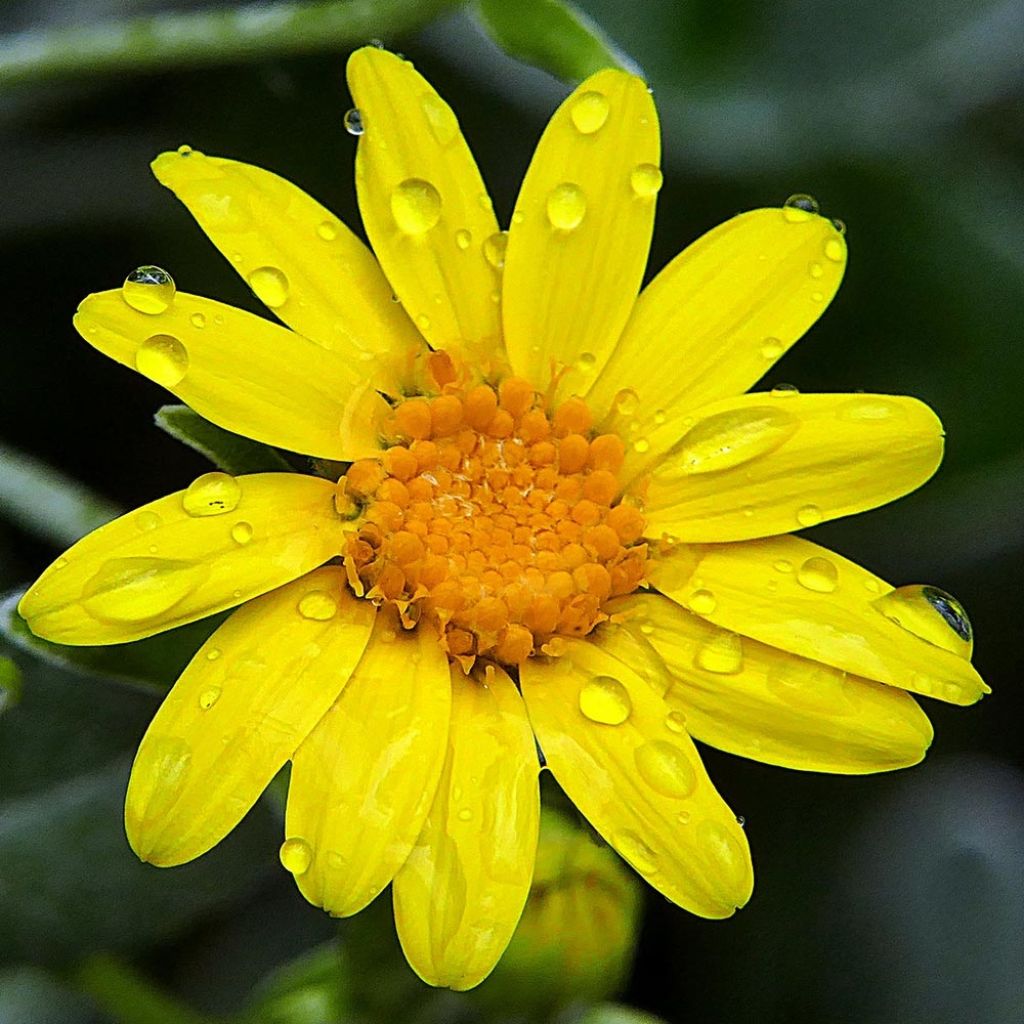
Brachyglottis or Senecio Walberton's Silver Dormouse is a variety of tree senecio recently selected in England for its compact habit, dense and harmonious growth, as well as its more pronounced foliage and flower colours, which are well contrasted. This bush forms a large cushion covered with beautiful grey downy leaves, decorative even in winter, and comes alive all summer with a multitude of small golden yellow daisies. As pleasing to the eye as it is to the touch, it works wonders by the seaside, in dry gardens, and in large pots. This excellent variety has been awarded in England by the R.H.S (Royal Horticultural Society) for its ornamental qualities and performance in the garden.
Brachyglottis, formerly classified as Senecio, are all native to New Zealand. They are charming small shrubs, resistant to sea spray and drought, not demanding in well-drained soil, hardy down to -12/-15°C, and perfectly suited to our Mediterranean and oceanic climates. Senecio greyi is a shrubby plant belonging to the Asteraceae family, surpassed in horticulture by its hybrids, including 'Sunshine', which is probably the most widely planted in gardens. The Walberton's Silver Dormouse selection outperforms 'Sunshine' in terms of colours and tidy appearance: the shrub, more compact and shorter, ages well, and its leaves do not tend to brown in the centre of the growth. The type species, native to New Zealand, grows on cliffs and rocky outcrops, from the coast to the gorges of inland rivers, in the south of the North Island.
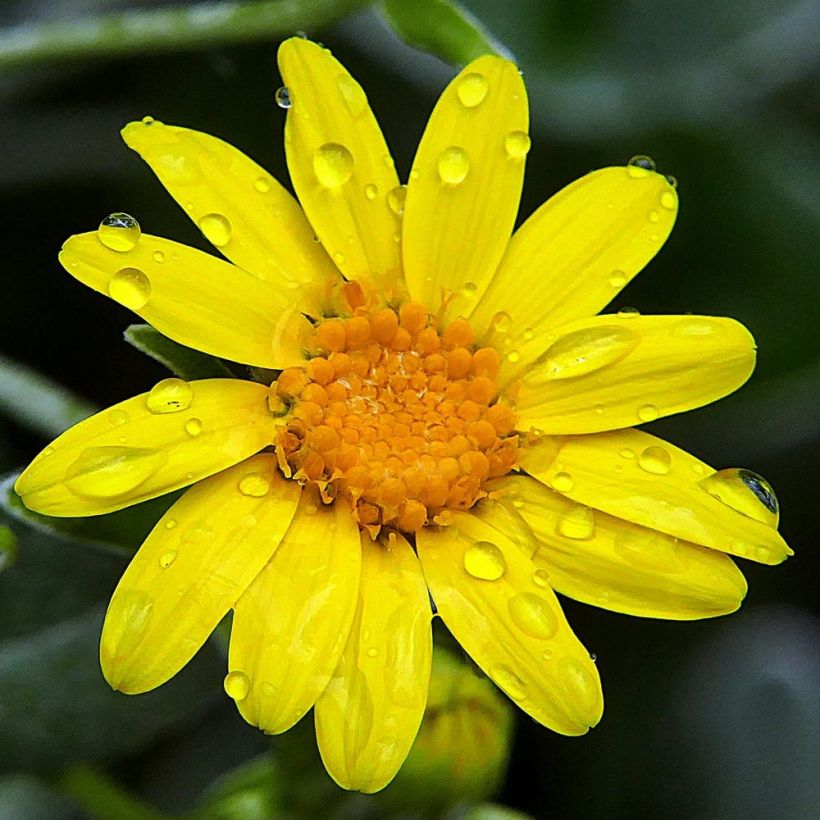
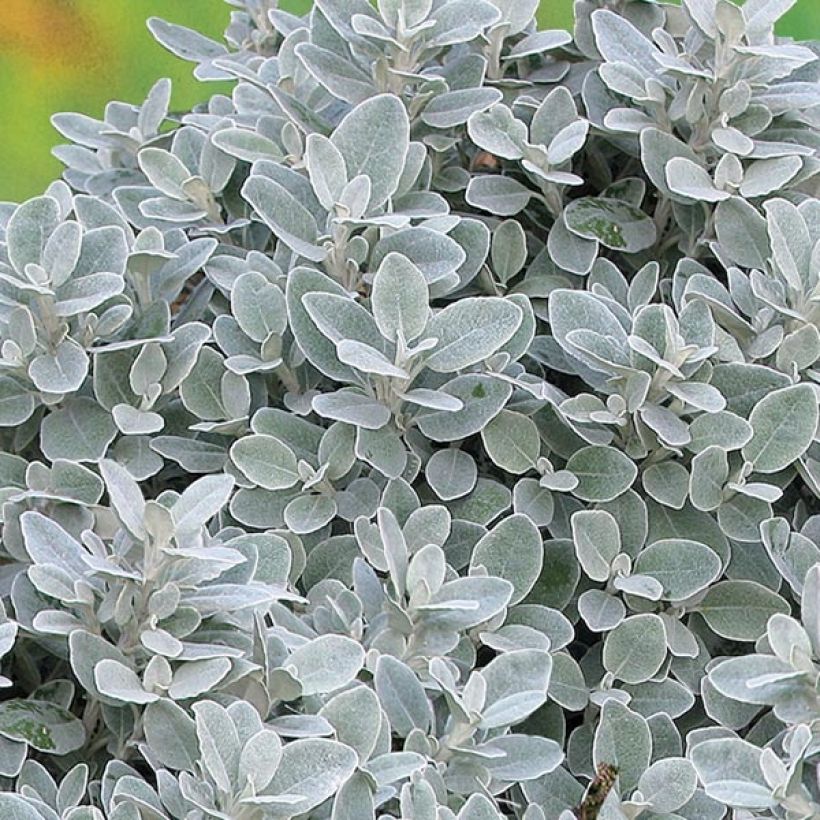
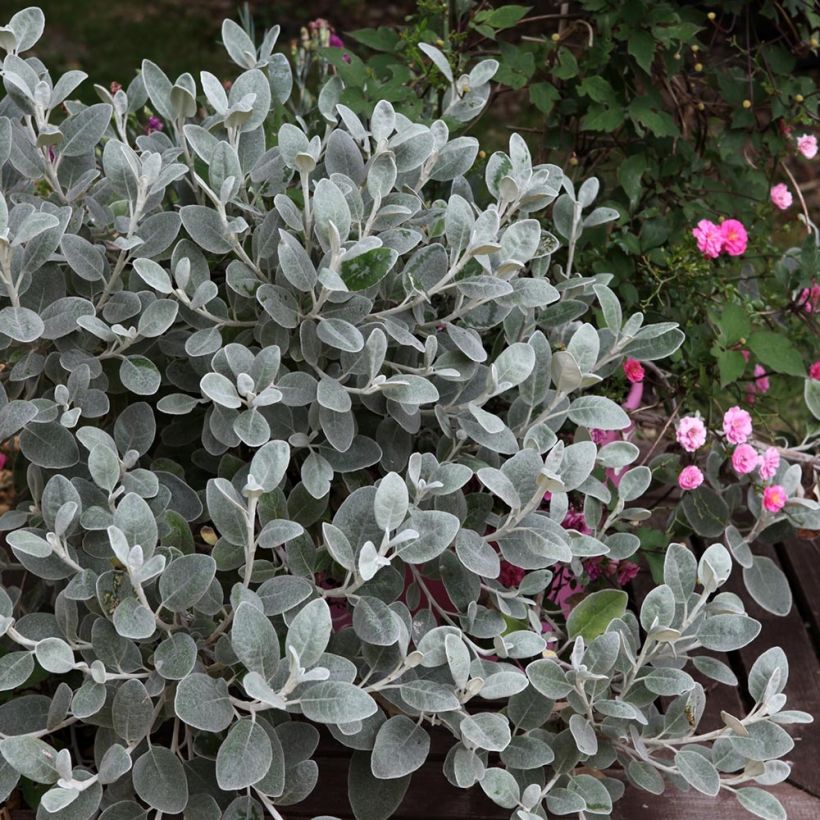
Eventually forming a regular, slightly spreading, bushy shrub, about 90cm (35.4in) tall and 1.20m (3ft 11in) wide, this Senecio Walberton's Silver Dormouse requires little pruning, except perhaps in fertile and moist soil where it may tend to thin out at the base. The growth of this plant occurs at a regular, rather rapid pace, with the help of rainfall, mainly in late summer and spring in mild climates. The branches bear entire, ovate leaves, 10cm (3.9in) long. They are grey, whiter underneath, completely covered with silky hairs. Each leaf is surrounded by a thin white border. Flowering generally begins in May-June in the south, resumes in September with the help of rainfall, but takes place from June to September-October further north, as long as the soil remains moist. Leafy floral stems at the base and branched at their tips rise among the foliage, bearing inflorescences in small 2.5cm (1in) diameter heads, of a very bright yellow, arranged in loose clusters.
Brachyglottis Walberton's Silver Dormouse is a plant suited to maritime climates and dry soil, relatively hardy if care is taken to plant it in well-drained soil and in a sheltered location. It naturally blends in, in a dry garden or on a large rockery, with Mediterranean plants such as lavenders, rosemary, Helychrisum italicum, Cistus, or Convolvulus cneorum. To allow it to stand out in a border, away from other gray or silver foliage that could overshadow it, it can also be mixed with purple foliage such as that of Loropetalum 'Fire Dance' or Pittosporum 'Tom Thumb'. The bright pink or red flowers of rose campions (Lychnis coronaria) and shrubby salvias (Salvia greigii, Salvia Royal Bumble) are perfectly complemented by all grey foliage, from spring to late autumn.
Report an error about the product description
Brachyglottis Walbertons Silver Dormouse in pictures
Plant habit
Flowering
Foliage
Botanical data
Senecio
x greyi
Walberton's® Silver Dormouse
Asteraceae
Daisy Bush, New Zealand Ragwort
Cultivar or hybrid
Planting and care
Plant Walberton's Silver Dormouse in spring, after the last frost in cold regions, or in autumn in dry and hot climates. It can be planted directly in the ground in mild to moderate climates, or in a large pot anywhere else. Plant it in well-draining soil, optionally mixing coarse sand, gravel, and pumice with your garden soil. Choose a sheltered, warm, and sunny location. Some generous watering in summer, in dry and hot climates, will promote the establishment of a young plant. Once well-established, this Senecio will be satisfied with rainwater, even if the summer is hot and dry. Native to New Zealand, it tolerates sea spray perfectly.
Pruning: it is often necessary to maintain a dense and bushy habit and beautiful foliage, especially in fertile and moist soil: remove faded inflorescences, reaching deep into the clump, until the division from which new leafy stems emerge.
Multiplication: very easy by taking cuttings of stems with a few leaves in spring.
Planting period
Intended location
Care
Planting & care advice
-
-
-
-

-
-
-

-

This item has not been reviewed yet - be the first to leave a review about it.
Recently viewed products
Haven't found what you were looking for?
Hardiness is the lowest winter temperature a plant can endure without suffering serious damage or even dying. However, hardiness is affected by location (a sheltered area, such as a patio), protection (winter cover) and soil type (hardiness is improved by well-drained soil).

The flowering period indicated on our website applies to countries and regions located in USDA zone 8 (France, the United Kingdom, Ireland, the Netherlands, etc.)
It will vary according to where you live:- In zones 9 to 10 (Italy, Spain, Greece, etc.), flowering will occur about 2 to 4 weeks earlier.
- In zones 6 to 7 (Germany, Poland, Slovenia, and lower mountainous regions), flowering will be delayed by 2 to 3 weeks.
- In zone 5 (Central Europe, Scandinavia), blooming will be delayed by 3 to 5 weeks.
In temperate climates, pruning of spring-flowering shrubs (forsythia, spireas, etc.) should be done just after flowering.
Pruning of summer-flowering shrubs (Indian Lilac, Perovskia, etc.) can be done in winter or spring.
In cold regions as well as with frost-sensitive plants, avoid pruning too early when severe frosts may still occur.
The planting period indicated on our website applies to countries and regions located in USDA zone 8 (France, United Kingdom, Ireland, Netherlands).
It will vary according to where you live:
- In Mediterranean zones (Marseille, Madrid, Milan, etc.), autumn and winter are the best planting periods.
- In continental zones (Strasbourg, Munich, Vienna, etc.), delay planting by 2 to 3 weeks in spring and bring it forward by 2 to 4 weeks in autumn.
- In mountainous regions (the Alps, Pyrenees, Carpathians, etc.), it is best to plant in late spring (May-June) or late summer (August-September).
The harvesting period indicated on our website applies to countries and regions in USDA zone 8 (France, England, Ireland, the Netherlands).
In colder areas (Scandinavia, Poland, Austria...) fruit and vegetable harvests are likely to be delayed by 3-4 weeks.
In warmer areas (Italy, Spain, Greece, etc.), harvesting will probably take place earlier, depending on weather conditions.
The sowing periods indicated on our website apply to countries and regions within USDA Zone 8 (France, UK, Ireland, Netherlands).
In colder areas (Scandinavia, Poland, Austria...), delay any outdoor sowing by 3-4 weeks, or sow under glass.
In warmer climes (Italy, Spain, Greece, etc.), bring outdoor sowing forward by a few weeks.
Shipping country and language
Your country of residence may be:
Your country of residence is:
For a better user experience on our website, you can select:
Your shipping country:
-
 Austria
-
 Belgium
-
 Bosnia & Herzegovina
-
 Bulgaria
-
 Croatia
-
 Cyprus
-
 Czechia
-
 Denmark
-
 Estonia
-
 Finland
-
 France
-
 Germany
-
 Greece
-
 Hungary
-
 Iceland
-
 Ireland
-
 Italy
Italy
-
 Latvia
-
 Liechtenstein
-
 Lithuania
-
 Luxembourg
-
 Malta
Malta
-
 Netherlands
-
 Poland
-
 Portugal
-
 Romania
-
 Serbia
-
 Slovakia
-
 Slovenia
-
 Spain
Spain
-
 Sweden
-
 Switzerland
Language:
-
French
-
 English
-
Spanish
-
Italian
-
German
-
Portuguese
-
Dutch
-
Finnish
My Account
Hello
My wish lists
My cart
Log in / Register
Existing customer?
This form is protected by reCAPTCHA - the Google Privacy Policy and Terms of Service apply.
New customer?
Create an account to track your orders, access our customer service and, if you wish, make the most of our upcoming offers.