
Lonicera ligustrina Elegant - Box Honeysuckle

Lonicera ligustrina Elegant - Box Honeysuckle

Lonicera ligustrina Elegant - Box Honeysuckle

Lonicera ligustrina Elegant - Box Honeysuckle
Lonicera ligustrina Elegant - Box Honeysuckle
Lonicera ligustrina var. yunnanensis Elegant
Box Honeysuckle, Wilson's Honeysuckle, Boxwood Honeysuckle, Boxleaf Honeysuckle
A very vigorous young plant, very good.
Elizabeth WARTNER, 03/11/2025
Back-to-school special offer!
Get €10 off for every €50 you spend! And get up to €40 off on a single order.
How does it work?
1. Shop your favourites
Add your favourite plants to your basket. For every €50 you spend (excluding delivery charges, store credit and the plastic-free option), you’ll receive a €10 voucher.
€50 spent = €10 voucher
€100 spent = €20 voucher
€150 spent = €30 voucher
€200 spent = €40 voucher
2. Place your order
Once your basket reaches one of the spending thresholds, place your order. You can even choose your delivery date!
3. Receive your voucher
As soon as your order has been shipped, you’ll receive an email containing your personal voucher code and its value.
4. Use it on your next order
Your voucher is valid for 90 days from the date you receive it. It can be used once only, on a new order worth at least the value of the voucher, excluding delivery charges.
Please note: Vouchers can be combined with other offers, but cannot be split or refunded.
Home or relay delivery (depending on size and destination)
Important: You may be charged customs duties by your country’s customs authorities upon delivery.
Schedule delivery date
and select date in basket
This plant carries a 24 months recovery warranty
More information
We guarantee the quality of our plants for a full growing cycle, and will replace at our expense any plant that fails to recover under normal climatic and planting conditions.

Would this plant suit my garden?
Set up your Plantfit profile →
Description
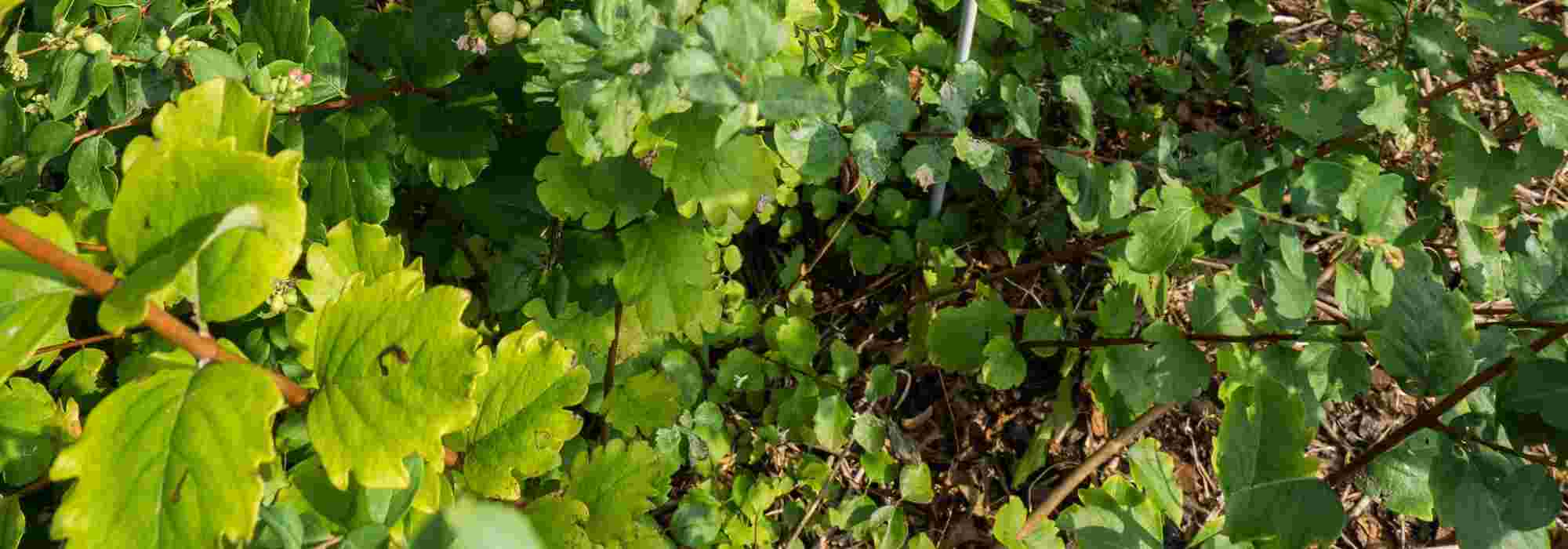
Le Lonicera nitida ‘Elegant’, ou chèvrefeuille à feuilles de buis, est un petit arbuste persistant apprécié surtout pour son feuillage dense et sa faculté à supporter des tailles répétées. Plus bas et plus étalé que les formes courantes de l’espèce, il porte de fins rameaux horizontaux ou légèrement retombants, couverts de petites feuilles vert mat. Sa croissance assez rapide permet de former en peu de temps des bordures, des haies basses et des topiaires. Laissé libre, il prend un port souple et étalé qui couvre les talus et le premier plan des grands massifs.
Ce chèvrefeuille appartient à la famille des Caprifoliacées. Le nom Lonicera nitida, encore très employé en horticulture, est aujourd’hui traité comme un synonyme de Lonicera ligustrina var. yunnanensis. Cette espèce botanique est originaire de Chine, notamment du Yunnan et de l’ouest du Sichuan, où elle pousse dans les régions tempérées. Elle fut introduite dans les jardins occidentaux par Ernest Henry Wilson en 1908. 'Elegant’ correspond à un ancien clone diffusé par des pépinières allemandes sous le nom de Lonicera pileata yunnanensis ; le dendrologue Gerd Krüssmann lui a attribué son nom horticole actuel. C'est un arbuste dense, plus large que haut, qui atteint 80 cm à 1 m de hauteur pour 1 à 1,20 m d’envergure lorsqu’il n’est pas régulièrement taillé. Les rameaux principaux sont étalés, horizontaux ou légèrement retombants. Les jeunes pousses peuvent être teintées de pourpre et portent une fine pilosité. Les feuilles, ovales à presque arrondies, mesurent 1 à 2 cm de long. Elles sont vert mat, serrées sur les tiges, persistantes en hiver. En mai, parfois jusqu’en juin, apparaissent à l’aisselle des feuilles de petites fleurs tubulaires blanc crème, réunies par deux. Elles sont discrètes et légèrement parfumées. Sur les sujets laissés libres, elles peuvent être suivies à l’automne de petites baies bleu pourpré foncé ; les tailles répétées limitent naturellement cette fructification. L’arbuste est rustique jusqu’à -18 à -20 °C et supporte les situations ventées. Il pousse au soleil comme à mi-ombre, dans une terre ordinaire bien drainée, qu’elle soit acide, neutre ou calcaire. Une fois installé, il supporte des périodes sèches, mais pas aussi bien que le buis. Sa vigueur et sa bonne réaction à la taille permettent de le maintenir facilement aux dimensions souhaitées. Il s’adapte également aux jardins du littoral et aux embruns.
Ce chèvrefeuille arbustif constitue une bonne alternative au buis dans les régions où sévit la pyrale. On l'utilise de mille manières : pour créer une bordure persistante ou une petite haie taillée, encadrer une allée ou réaliser des boules et d’autres formes simples. Laissée libre, cette plante peut aussi couvrir un talus ou garnir le pied d’arbustes plus hauts. Son style convient aux jardins à la française comme aux compositions contemporaines, mais son port naturel trouve aussi sa place dans un jardin plus libre avec des potentilles arbustives ou des rosiers nains par exemple. On peut l’associer à d’autres petits arbustes tels que l’Euonymus fortunei ‘Emerald Gaiety’, le Berberis thunbergii ‘Kobold’, l’Ilex crenata ‘Convexa’ ou le Berberis buxifolia ‘Nana’.
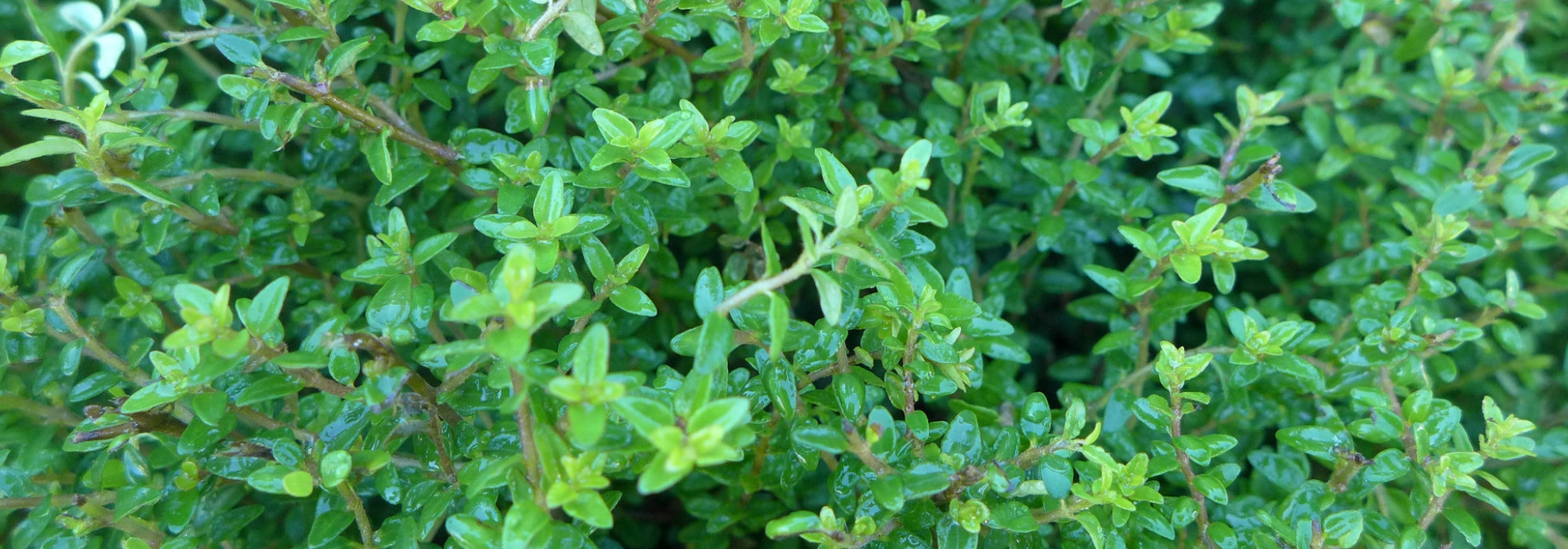
Lonicera ligustrina Elegant - Box Honeysuckle in pictures


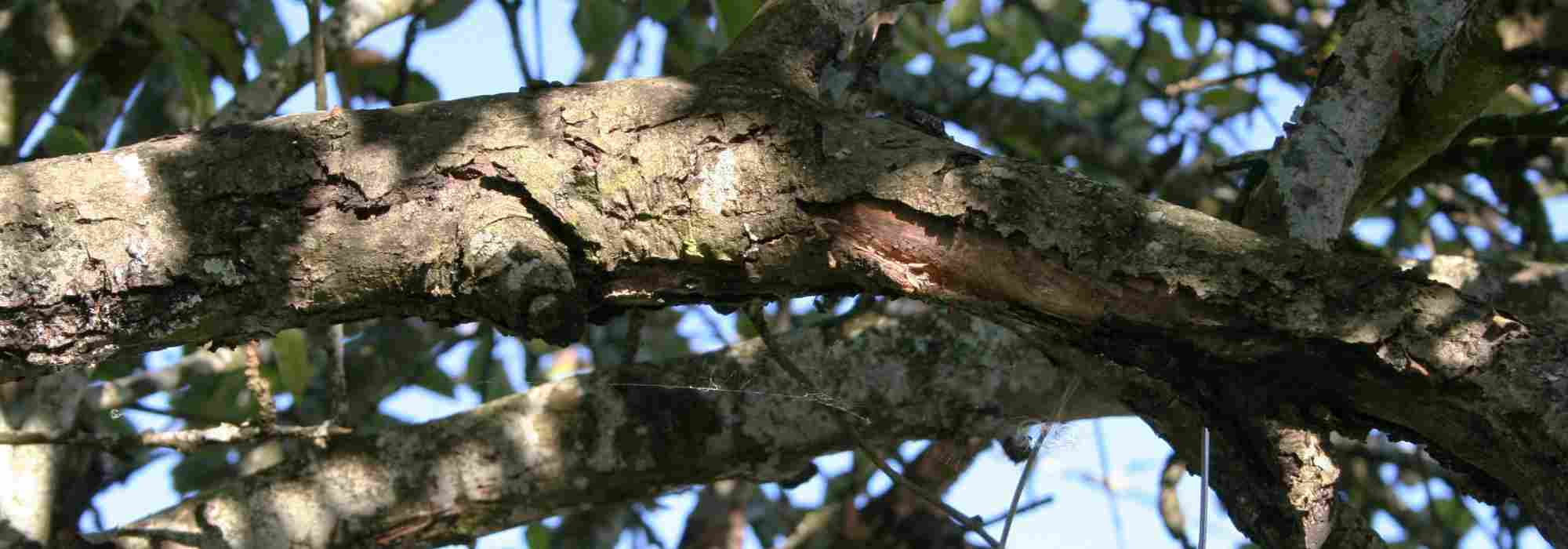
Plant habit
Flowering
Foliage
Botanical data
Lonicera
ligustrina var. yunnanensis
Elegant
Caprifoliaceae
Box Honeysuckle, Wilson's Honeysuckle, Boxwood Honeysuckle, Boxleaf Honeysuckle
Lonicera nitisa ‘Elegant’
Cultivar or hybrid
Planting and care
Lonicera nitida ‘Elegant’ is best planted in autumn or spring, outside periods of frost and very dry spells. Position it in full sun or partial shade in an ordinary, well-cultivated and well-drained soil. It tolerates chalk, clay and soils of average fertility, but dislikes standing water and very dry sites. Water regularly during the first year, then reduce the frequency of watering once the shrub is well rooted. For a low hedge, plant them fairly close together so that they quickly join up. In a tub, choose a container with drainage holes and a growing medium combining garden soil and potting compost, without retaining excess water.
Planting period
Intended location
Care
Planting & care advice
-

-
-
-
-
-
-

-
-
, onOrder confirmed
Reply from on Promesse de fleurs
Recently viewed products
Haven't found what you were looking for?
Hardiness is the lowest winter temperature a plant can endure without suffering serious damage or even dying. However, hardiness is affected by location (a sheltered area, such as a patio), protection (winter cover) and soil type (hardiness is improved by well-drained soil).

The flowering period indicated on our website applies to countries and regions located in USDA zone 8 (France, the United Kingdom, Ireland, the Netherlands, etc.)
It will vary according to where you live:- In zones 9 to 10 (Italy, Spain, Greece, etc.), flowering will occur about 2 to 4 weeks earlier.
- In zones 6 to 7 (Germany, Poland, Slovenia, and lower mountainous regions), flowering will be delayed by 2 to 3 weeks.
- In zone 5 (Central Europe, Scandinavia), blooming will be delayed by 3 to 5 weeks.
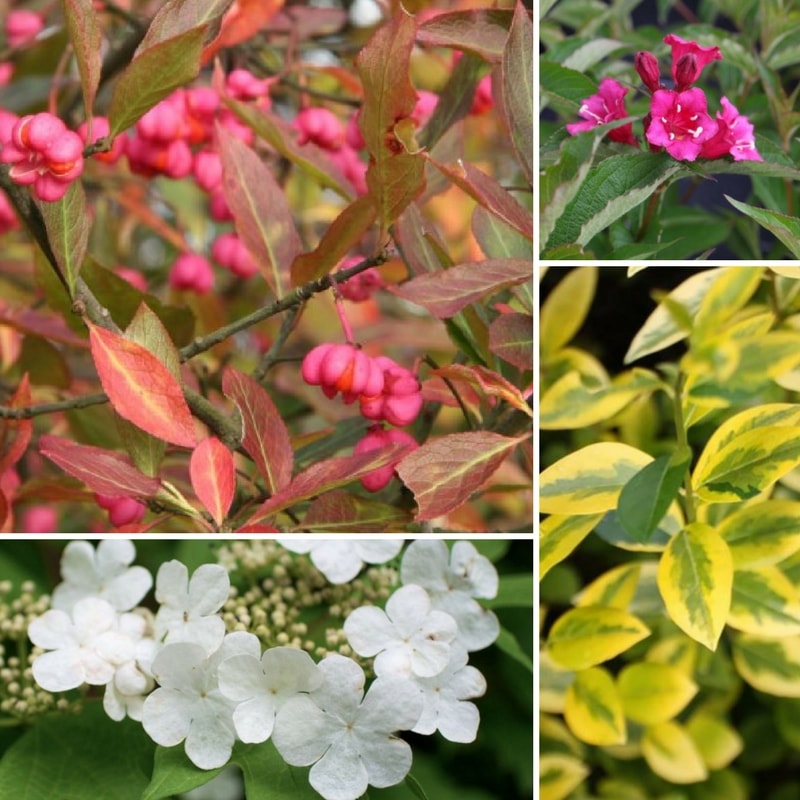
In temperate climates, pruning of spring-flowering shrubs (forsythia, spireas, etc.) should be done just after flowering.
Pruning of summer-flowering shrubs (Indian Lilac, Perovskia, etc.) can be done in winter or spring.
In cold regions as well as with frost-sensitive plants, avoid pruning too early when severe frosts may still occur.
The planting period indicated on our website applies to countries and regions located in USDA zone 8 (France, United Kingdom, Ireland, Netherlands).
It will vary according to where you live:
- In Mediterranean zones (Marseille, Madrid, Milan, etc.), autumn and winter are the best planting periods.
- In continental zones (Strasbourg, Munich, Vienna, etc.), delay planting by 2 to 3 weeks in spring and bring it forward by 2 to 4 weeks in autumn.
- In mountainous regions (the Alps, Pyrenees, Carpathians, etc.), it is best to plant in late spring (May-June) or late summer (August-September).
The harvesting period indicated on our website applies to countries and regions in USDA zone 8 (France, England, Ireland, the Netherlands).
In colder areas (Scandinavia, Poland, Austria...) fruit and vegetable harvests are likely to be delayed by 3-4 weeks.
In warmer areas (Italy, Spain, Greece, etc.), harvesting will probably take place earlier, depending on weather conditions.
The sowing periods indicated on our website apply to countries and regions within USDA Zone 8 (France, UK, Ireland, Netherlands).
In colder areas (Scandinavia, Poland, Austria...), delay any outdoor sowing by 3-4 weeks, or sow under glass.
In warmer climes (Italy, Spain, Greece, etc.), bring outdoor sowing forward by a few weeks.
Shipping country and language
Your country of residence may be:
Your country of residence is:
For a better user experience on our website, you can select:
Your shipping country:
-
 Austria
-
 Belgium
-
 Bosnia & Herzegovina
-
 Bulgaria
-
 Croatia
-
 Cyprus
-
 Czechia
-
 Denmark
-
 Estonia
-
 Finland
-
 France
-
 Germany
-
 Greece
-
 Hungary
-
 Iceland
-
 Ireland
-
 Italy
-
 Latvia
-
 Liechtenstein
-
 Lithuania
-
 Luxembourg
-
 Malta
-
 Netherlands
-
 Poland
-
 Portugal
-
 Romania
-
 Serbia
-
 Slovakia
-
 Slovenia
-
 Spain
-
 Sweden
-
 Switzerland
Language:
-
French
-
 English
-
Spanish
-
Italian
-
German
-
Portuguese
-
Dutch
-
Finnish
My Account
Hello
My wish lists
My cart
Log in / Register
Existing customer?
This form is protected by reCAPTCHA - the Google Privacy Policy and Terms of Service apply.
New customer?
Create an account to track your orders, access our customer service and, if you wish, make the most of our upcoming offers.