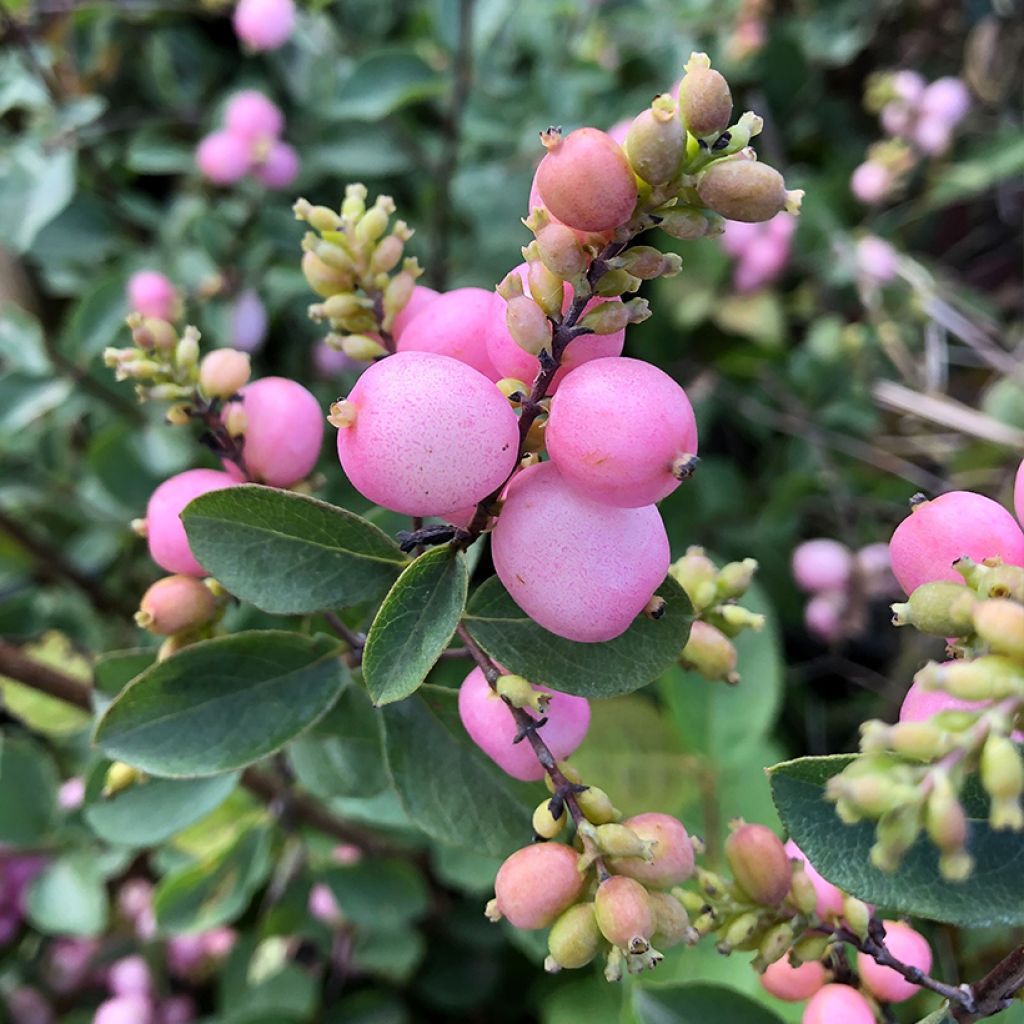
Symphorycarpos doorenboosii ‘Kordes’ Amethyst - Arbre aux perles
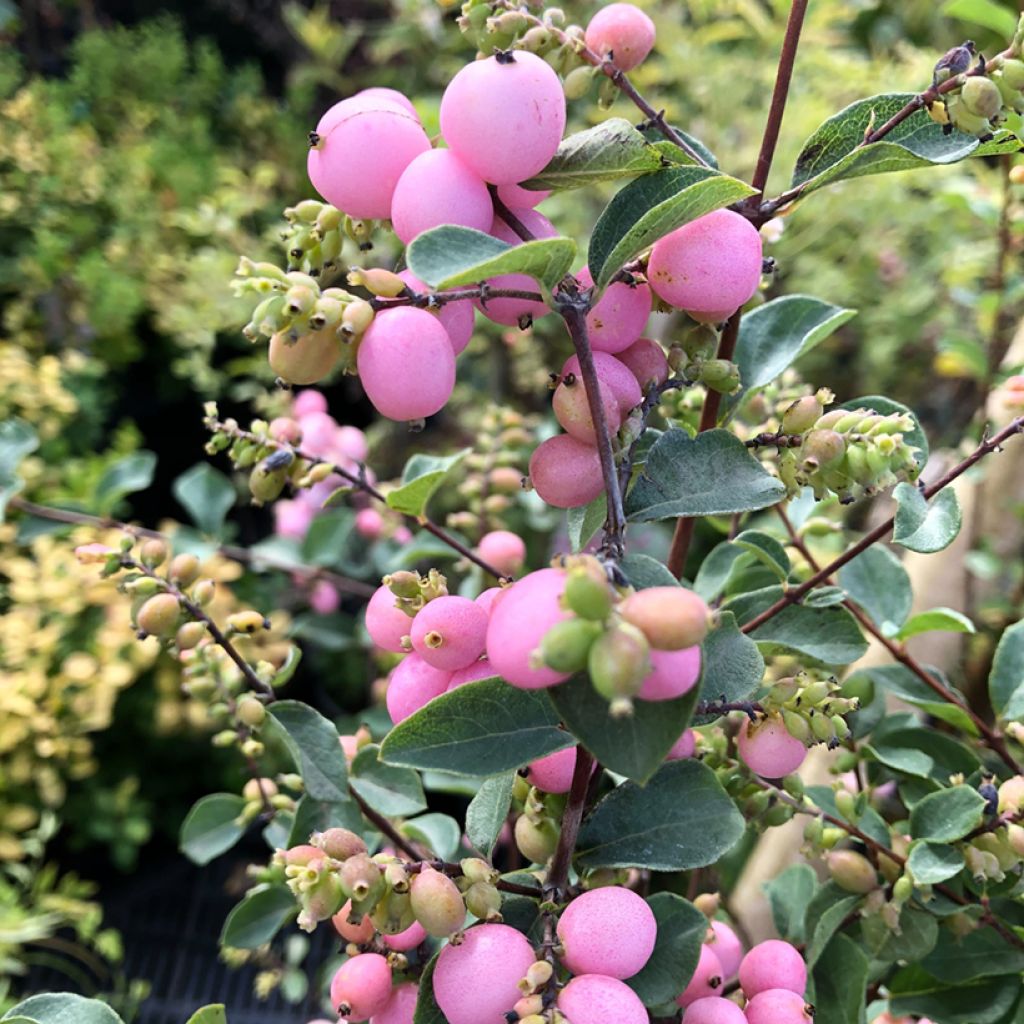
Symphorycarpos doorenboosii ‘Kordes’ Amethyst - Arbre aux perles
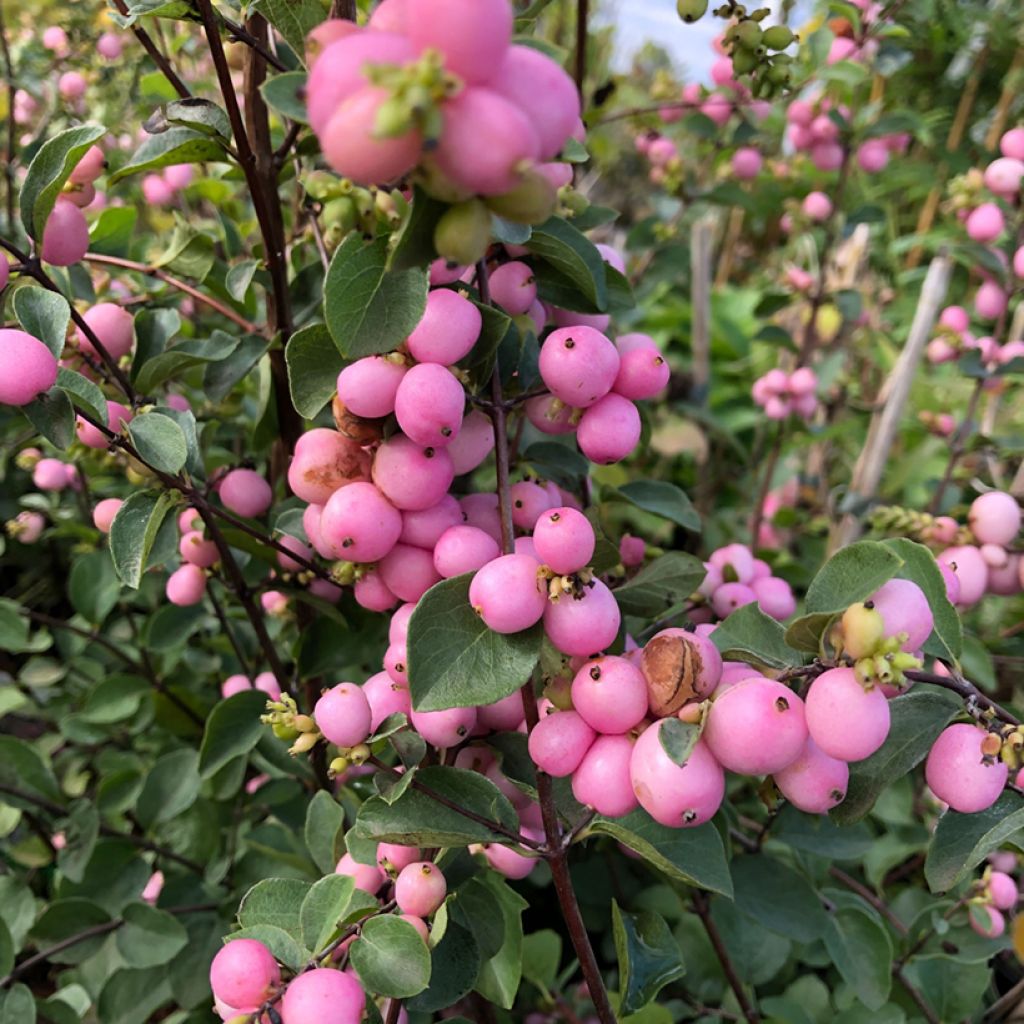
Symphorycarpos doorenboosii ‘Kordes’ Amethyst - Arbre aux perles
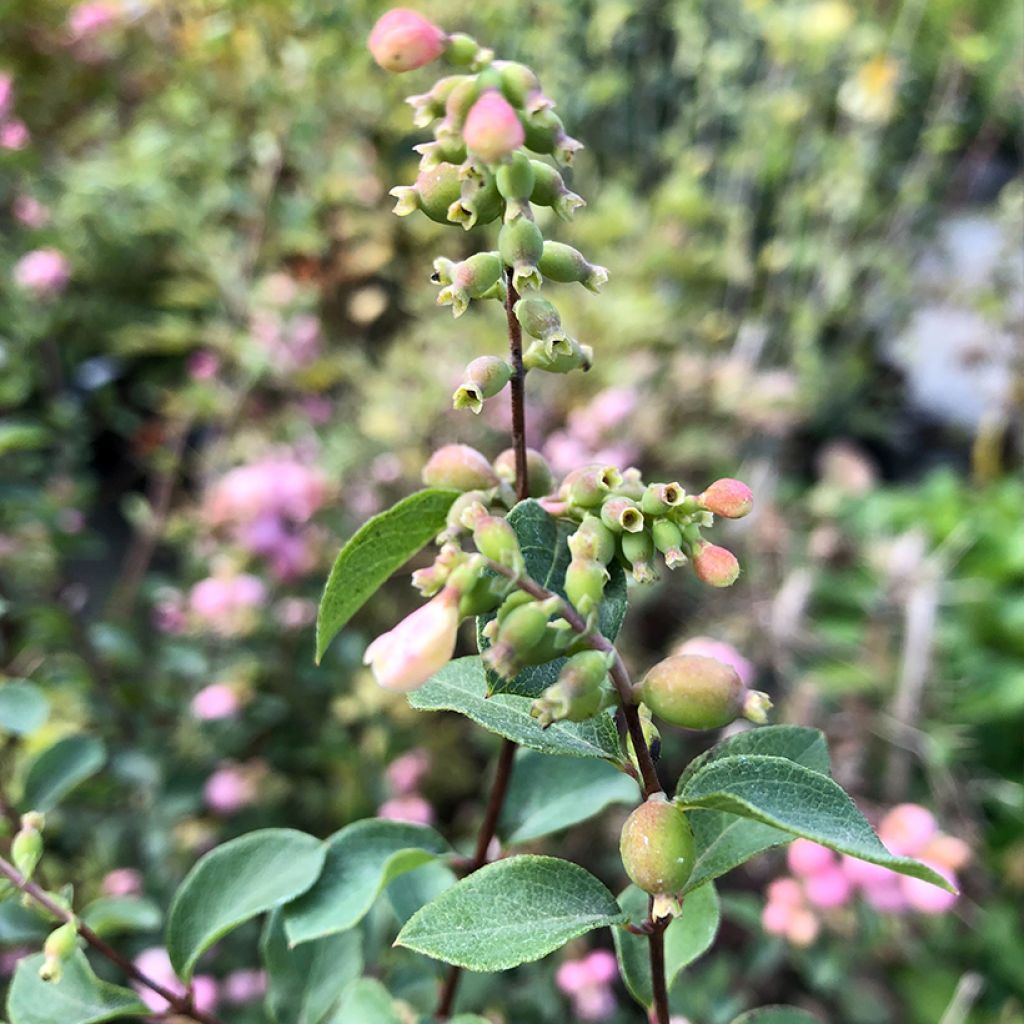
Symphorycarpos doorenboosii ‘Kordes’ Amethyst - Arbre aux perles
Symphorycarpos doorenboosii ‘Kordes’ Amethyst - Arbre aux perles
Symphorycarpos doorenboosii ‘Kordes’ Amethyst - Arbre aux perles
Symphorycarpos doorenboosii ‘Kordes’ Amethyst - Arbre aux perles
Symphorycarpos doorenboosii ‘Kordes’ Amethyst - Arbre aux perles
Symphorycarpos doorenboosii ‘Kordes’ Amethyst - Arbre aux perles
Symphorycarpos doorenboosii ‘Kordes’ Amethyst - Arbre aux perles
Symphorycarpos doorenboosii ‘Kordes’ Amethyst - Arbre aux perles
Symphorycarpos doorenboosii ‘Kordes’ Amethyst
Received in good condition. It has taken well, and the first leaves are appearing.
Monique, 23/04/2025
Back-to-school special offer!
Get €10 off for every €50 you spend! And get up to €40 off on a single order.
How does it work?
1. Shop your favourites
Add your favourite plants to your basket. For every €50 you spend (excluding delivery charges, store credit and the plastic-free option), you’ll receive a €10 voucher.
€50 spent = €10 voucher
€100 spent = €20 voucher
€150 spent = €30 voucher
€200 spent = €40 voucher
2. Place your order
Once your basket reaches one of the spending thresholds, place your order. You can even choose your delivery date!
3. Receive your voucher
As soon as your order has been shipped, you’ll receive an email containing your personal voucher code and its value.
4. Use it on your next order
Your voucher is valid for 90 days from the date you receive it. It can be used once only, on a new order worth at least the value of the voucher, excluding delivery charges.
Please note: Vouchers can be combined with other offers, but cannot be split or refunded.
Home or relay delivery (depending on size and destination)
Important: You may be charged customs duties by your country’s customs authorities upon delivery.
Schedule delivery date,
and select date in basket
This plant carries a 24 months recovery warranty
More information
We guarantee the quality of our plants for a full growing cycle, and will replace at our expense any plant that fails to recover under normal climatic and planting conditions.
Would this plant suit my garden?
Set up your Plantfit profile →
Description
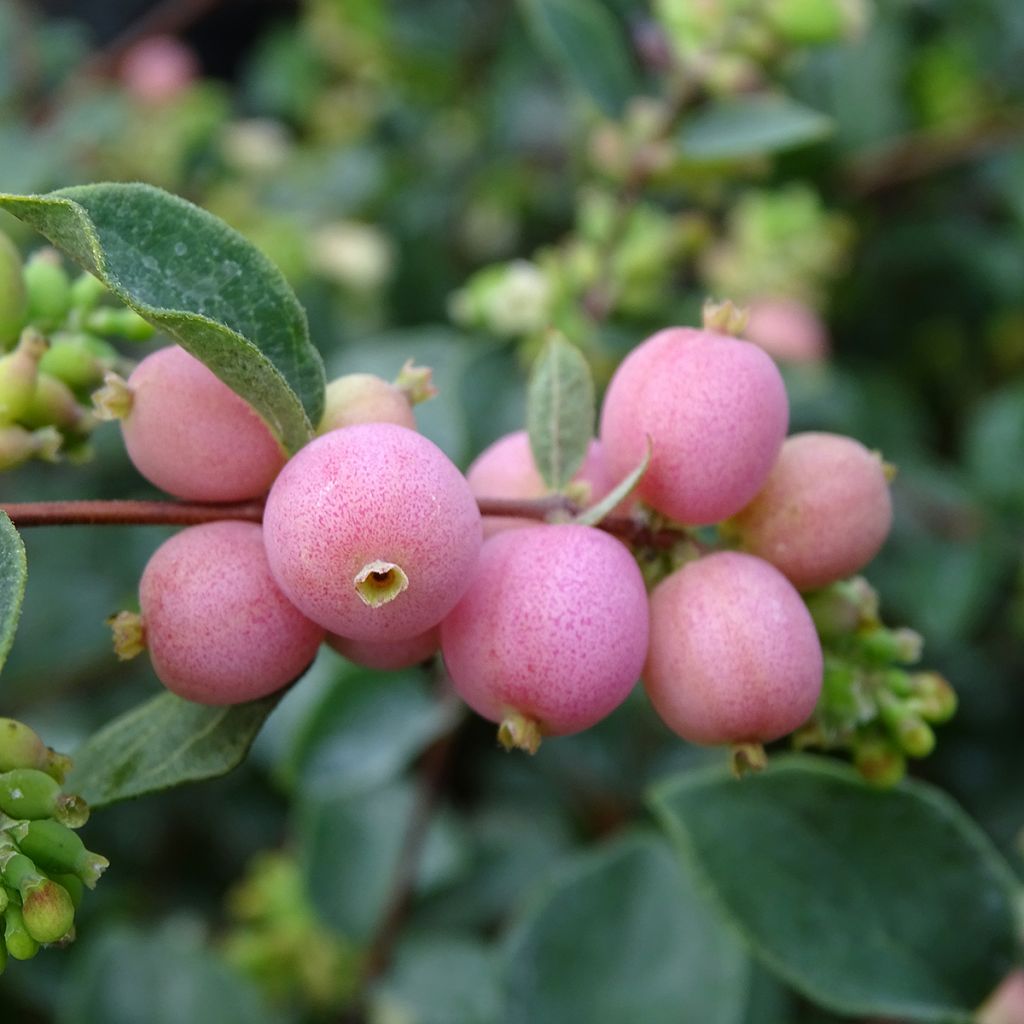
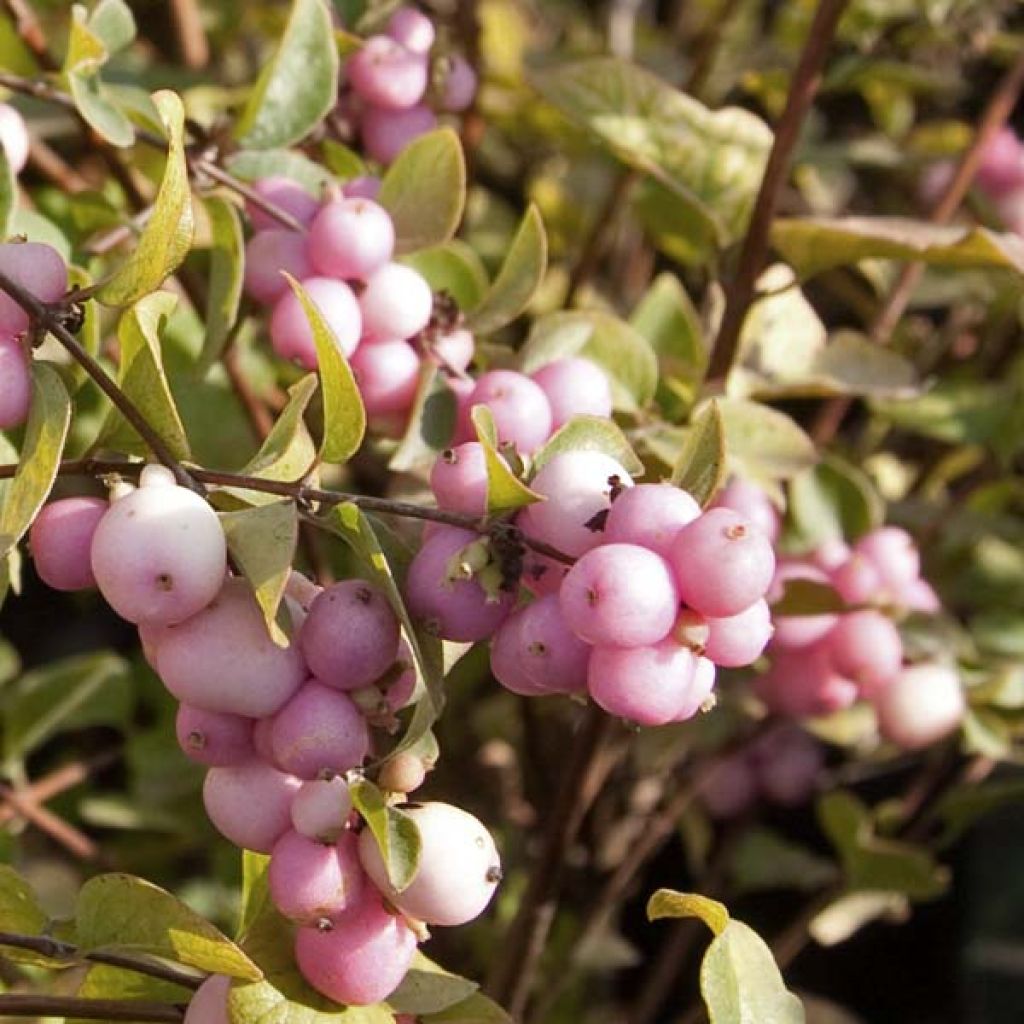
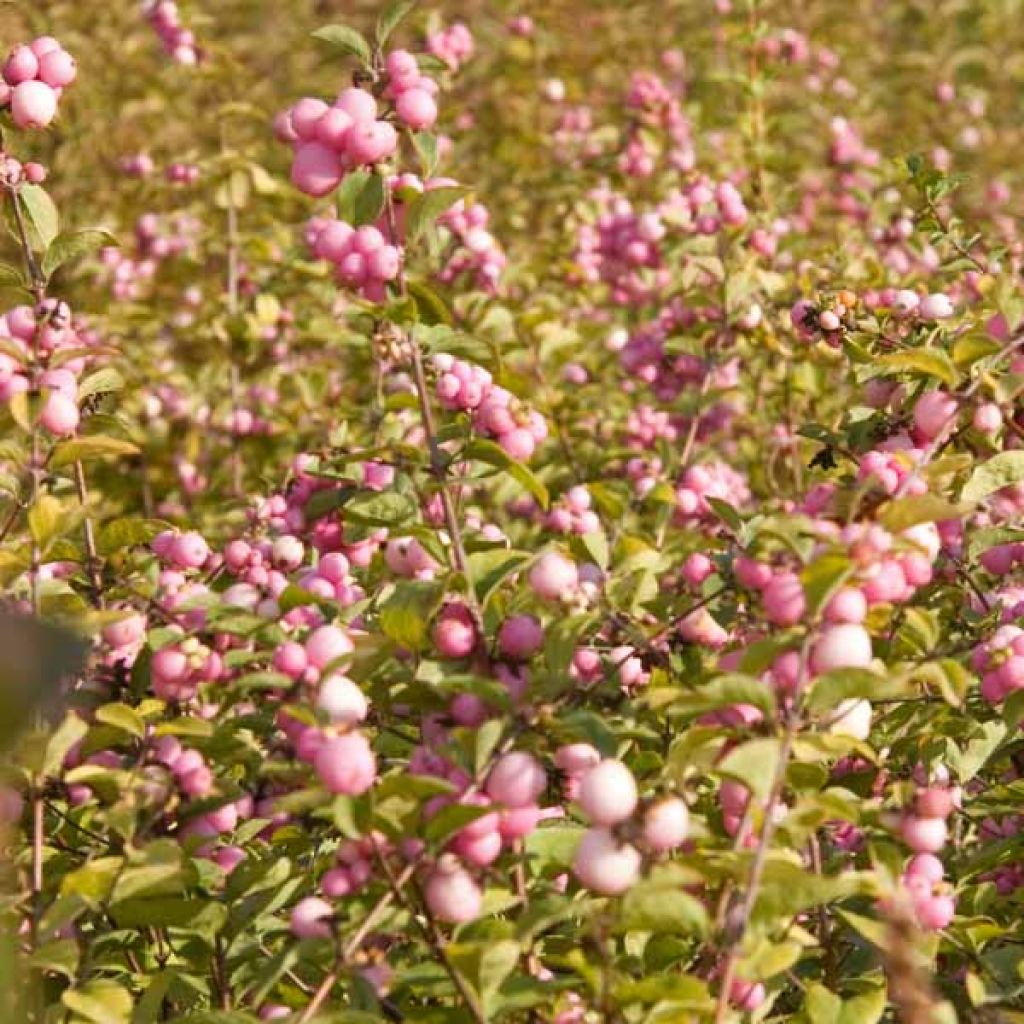
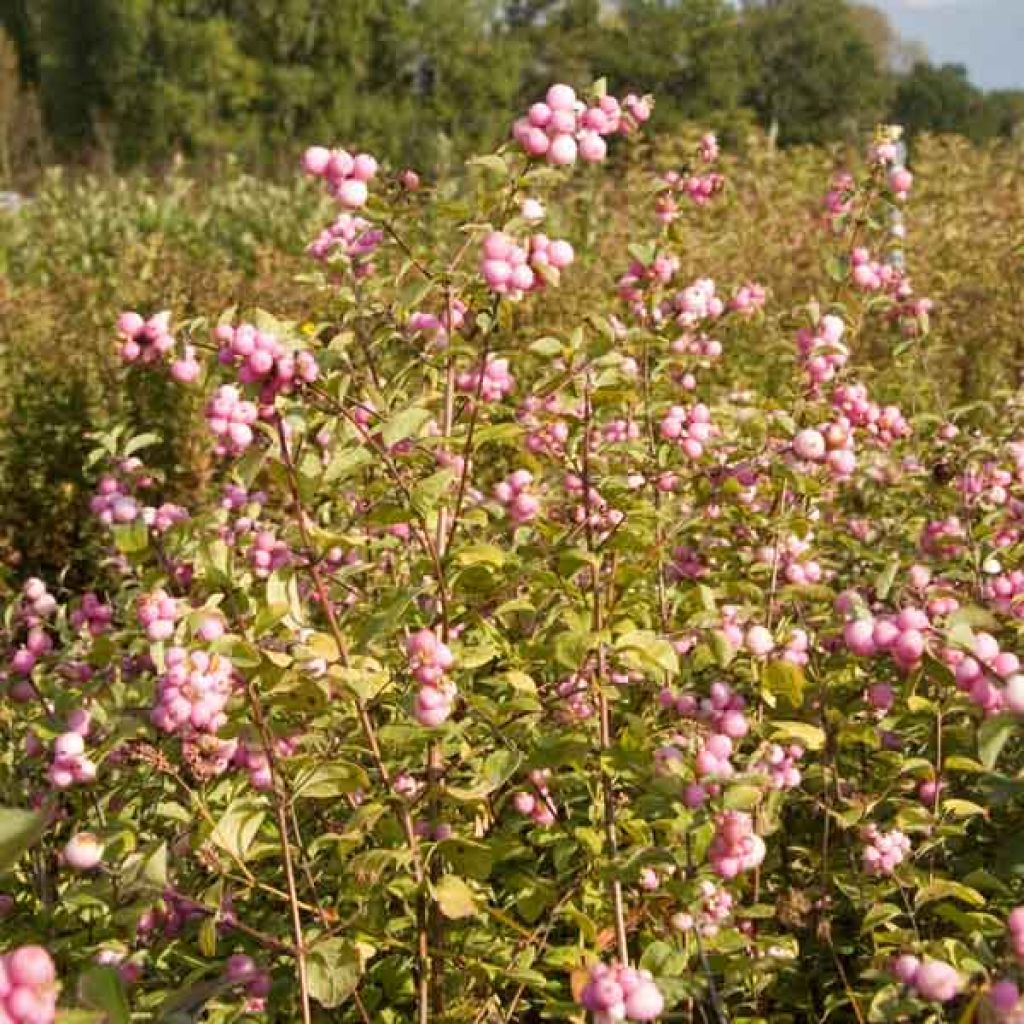
The Symphoricarpos × doorenbosii Amethyst is a variety of snowberry remarkable for its dense clusters of bright pink to mauve-pink berries, more colourful than those of many selections. They form from late summer onwards and remain attached to the branches after leaf fall. Very hardy, accommodating regarding soil and capable of flowering in shade, this well-branched shrub also provides beautiful stems for autumn cut flower arrangements.
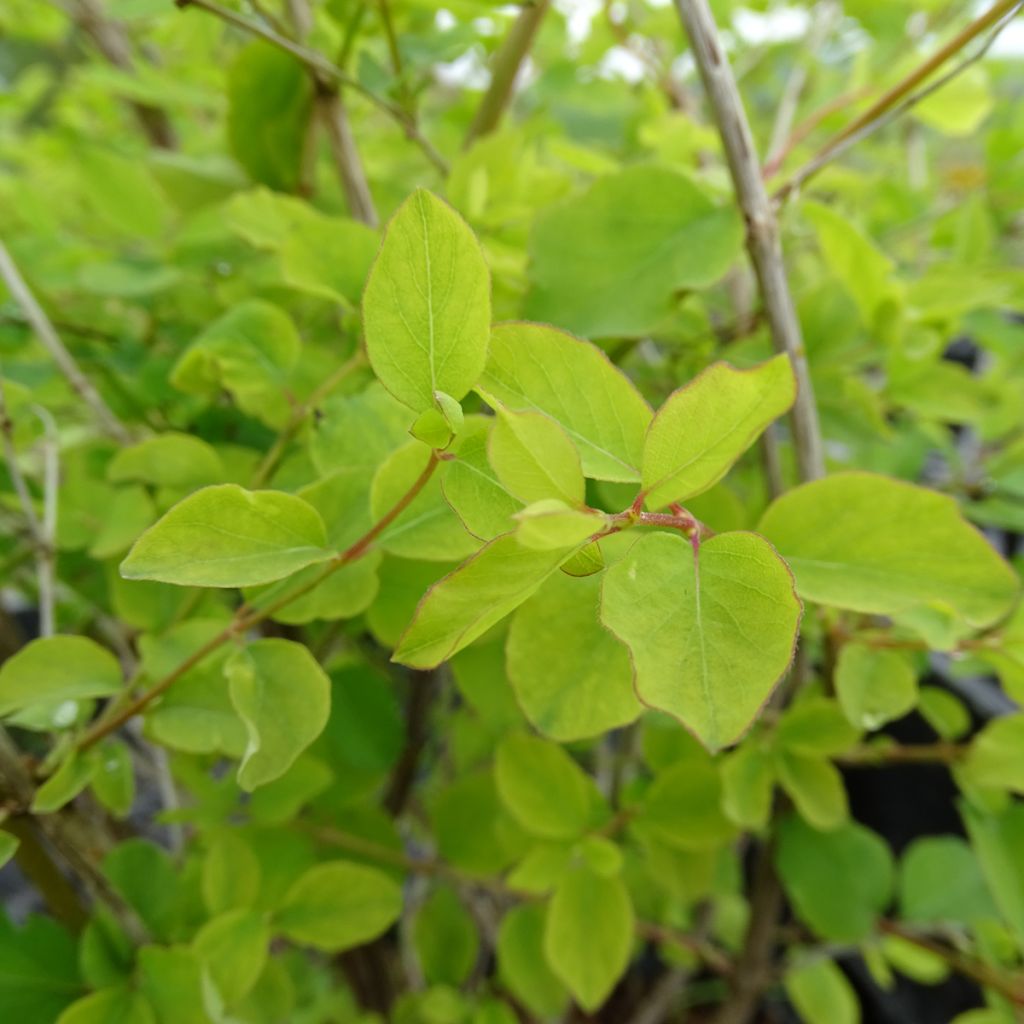
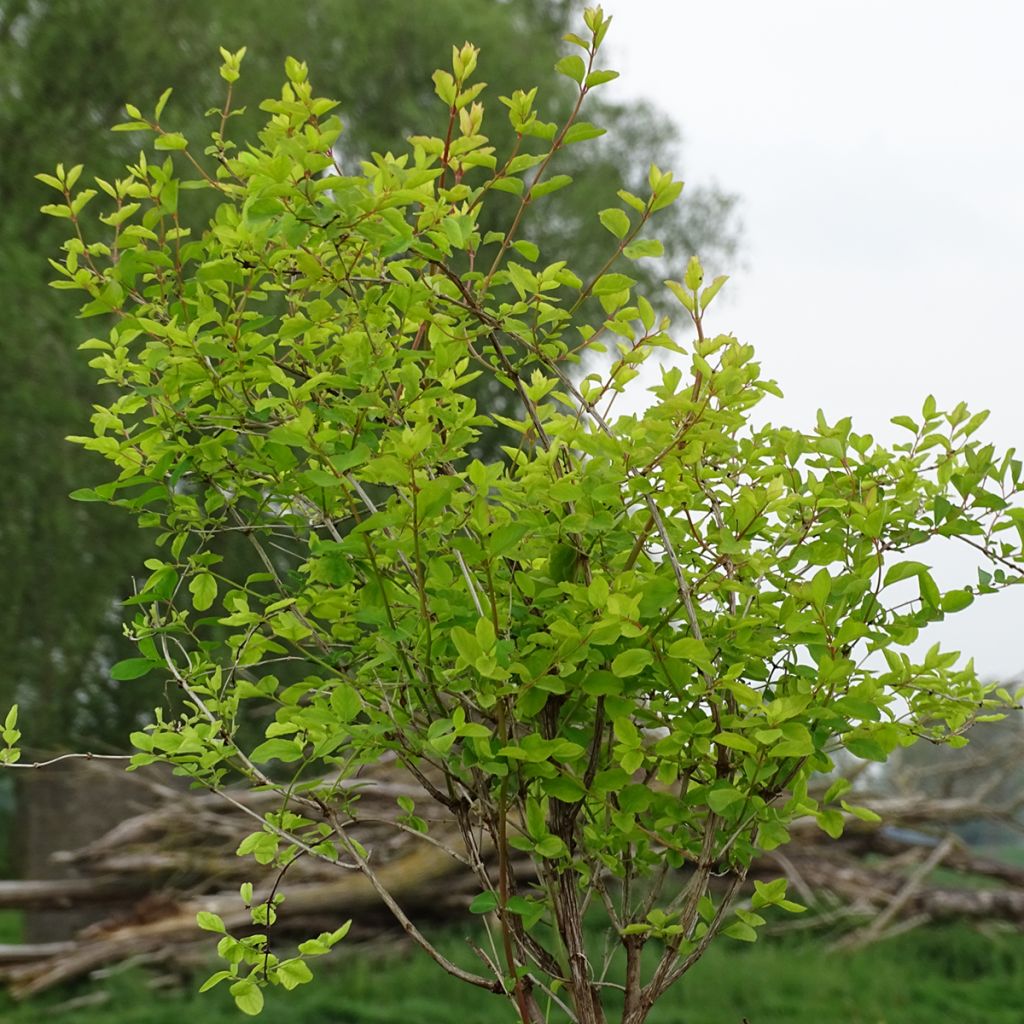
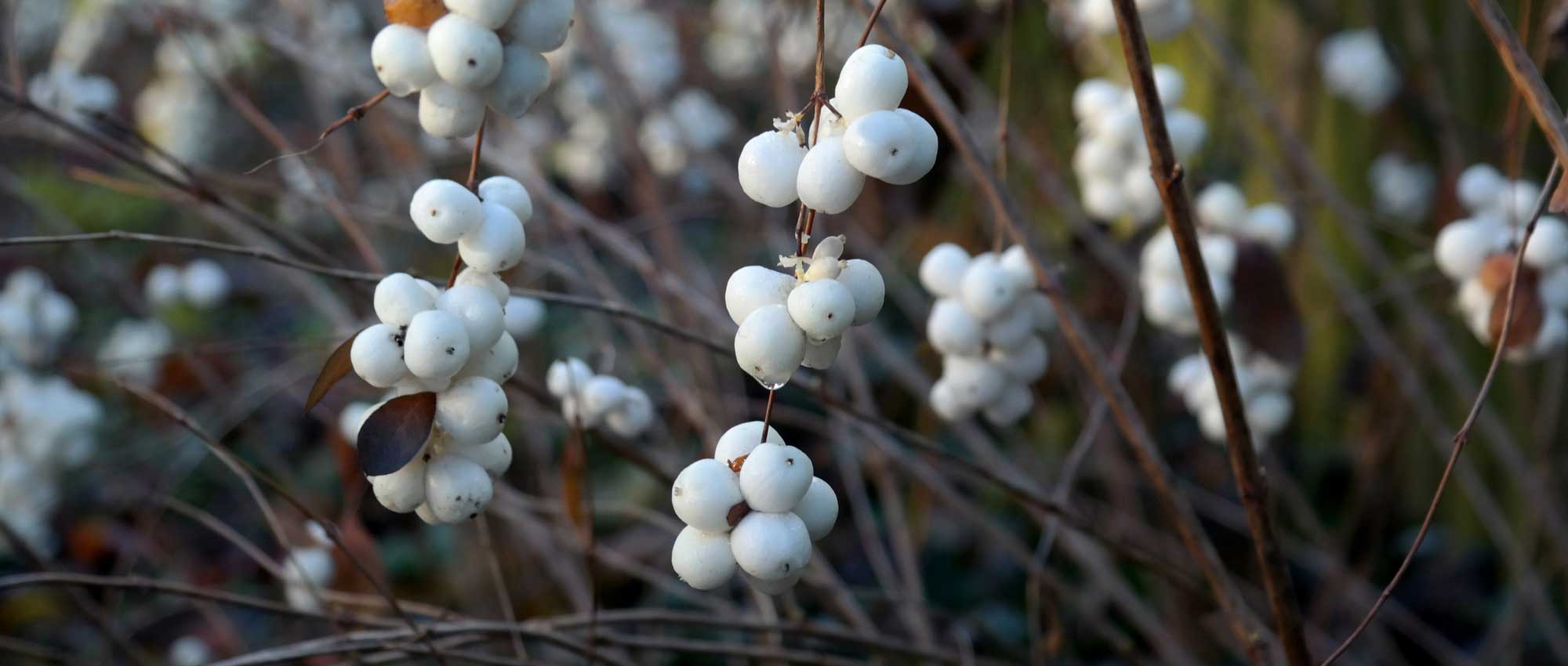
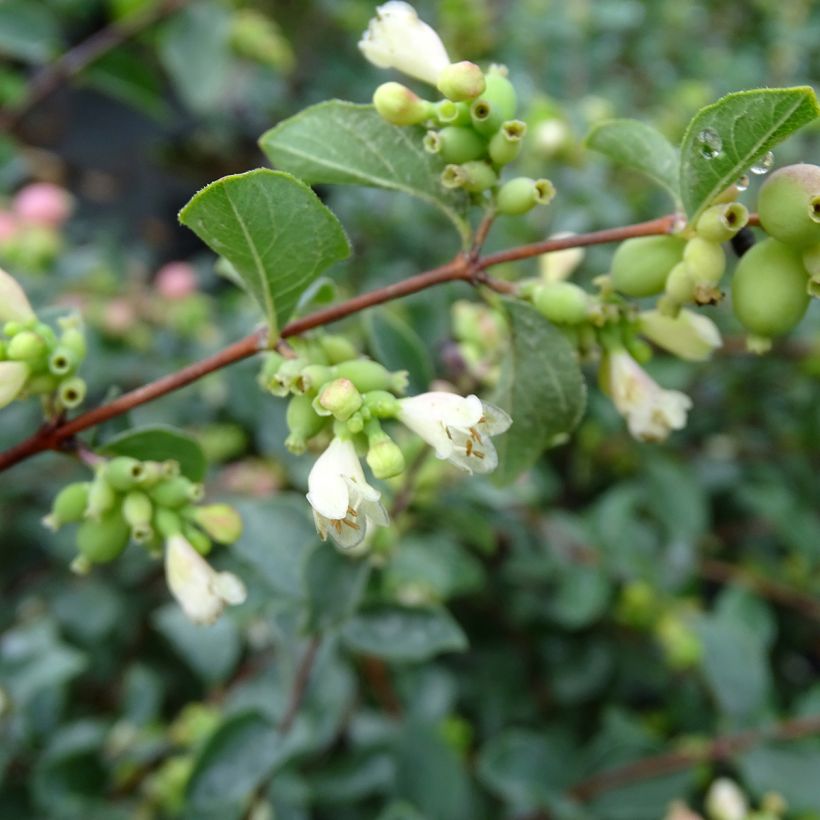
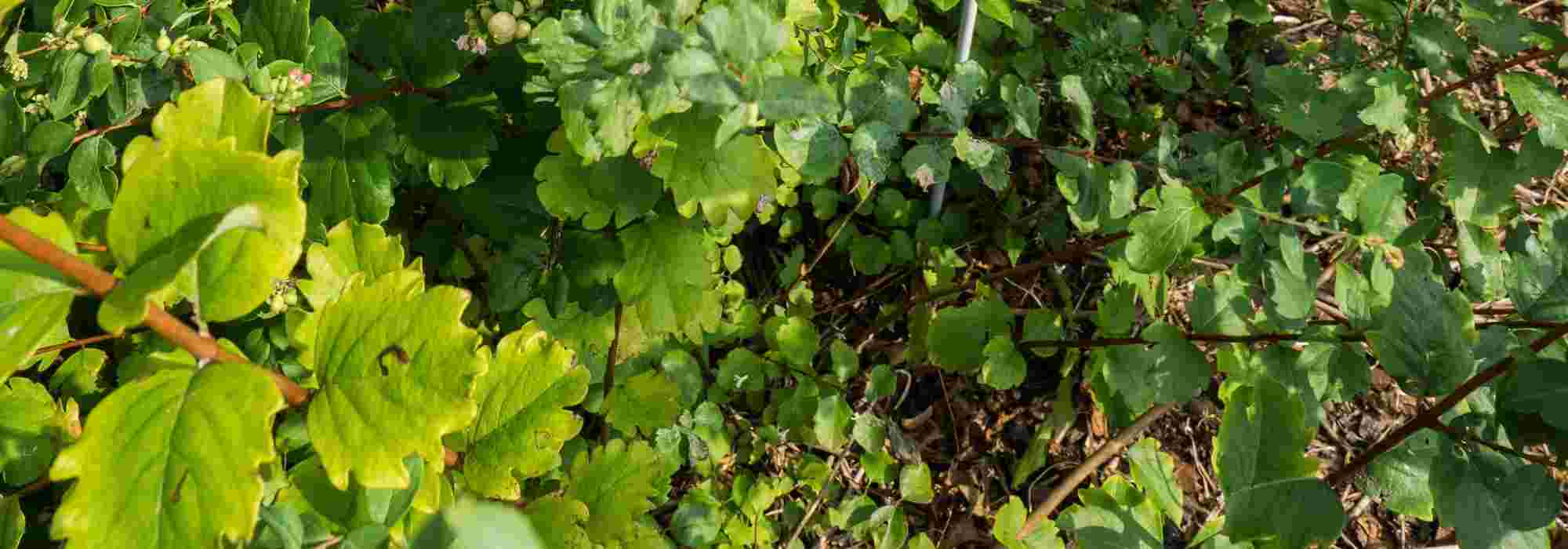
Snowberries belong to the Caprifoliaceae family, like honeysuckles and viburnums. They are deciduous shrubs: their branches persist in winter, but they lose their leaves in autumn. The Symphoricarpos × doorenbosii group was created in the Netherlands in the 1940s by horticulturist G. A. Doorenbos, from several North American snowberries, notably Symphoricarpos albus var. laevigatus, S. orbiculatus and S. × chenaultii. The plant sold under the name Amethyst bears the varietal denomination ‘Kordes’ and comes from a German selection. It was originally chosen for the production of stems intended for cut flowers. In 2013, the Association of Specialty Cut Flower Growers designated it cut flower of the year in the woody plant category. The shrub forms a large, dense bush of 1.20 to 1.50 m in all directions. Its young stems are initially upright, then they bend slightly under the weight of the fruit. Offshoots may appear around the stump. The small opposite leaves, oval to rounded, measure a few centimetres in length. Medium to dark green on the upper surface, paler on the reverse, they form a fairly fine foliage that showcases the fruiting well. In June and July, small bell-shaped flowers appear, white washed with pink, discreet but visited by pollinating insects. They are followed by the formation of round, fleshy fruit measuring around 1 cm in diameter. Gathered in dense clusters along the branches, they ripen in September in a raspberry pink tinged with lilac. These berries remain decorative until early winter, depending on the weather and the appetite of birds. These fruits are not edible. The plant withstands harsh winters (down to -29°C), urban pollution, wind and various soils. Its fruiting is, however, more generous in full sun or light shade, in soil that retains some moisture in summer.
In a loose hedge or a shrub border, give this snowberry enough space for its flexible branches to spread out. Alongside it, the variety ‘Mother of Pearl’, with much paler fruit, allows for a variation in colours. These two shrubs can be mixed with Cornus alba ‘Sibirica’, whose red wood becomes visible in winter, and Callicarpa ‘Profusion’, laden with purple fruit in autumn. In a more romantic garden, soft pink or white shrub roses and a few Japanese anemones will be good companions in moist soil. The berry-laden branches of Symphoricarpos are cut in autumn to fill fresh cut flower arrangements, with decorative dahlias, hydrangeas and chrysanthemums 'Nebelrose', for example.
Symphorycarpos doorenboosii ‘Kordes’ Amethyst - Arbre aux perles in pictures

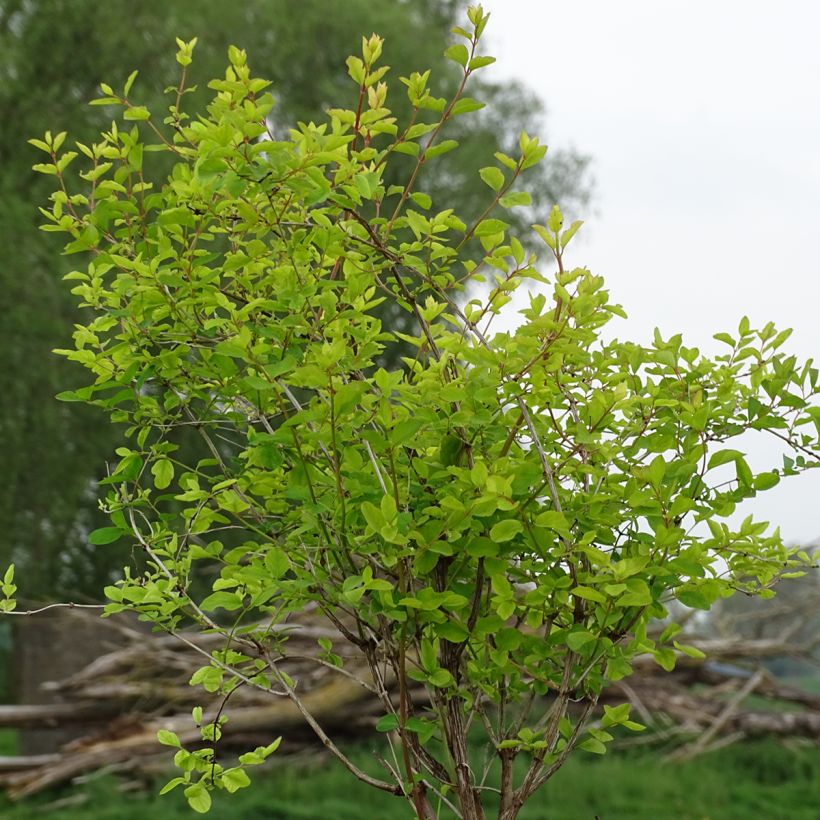
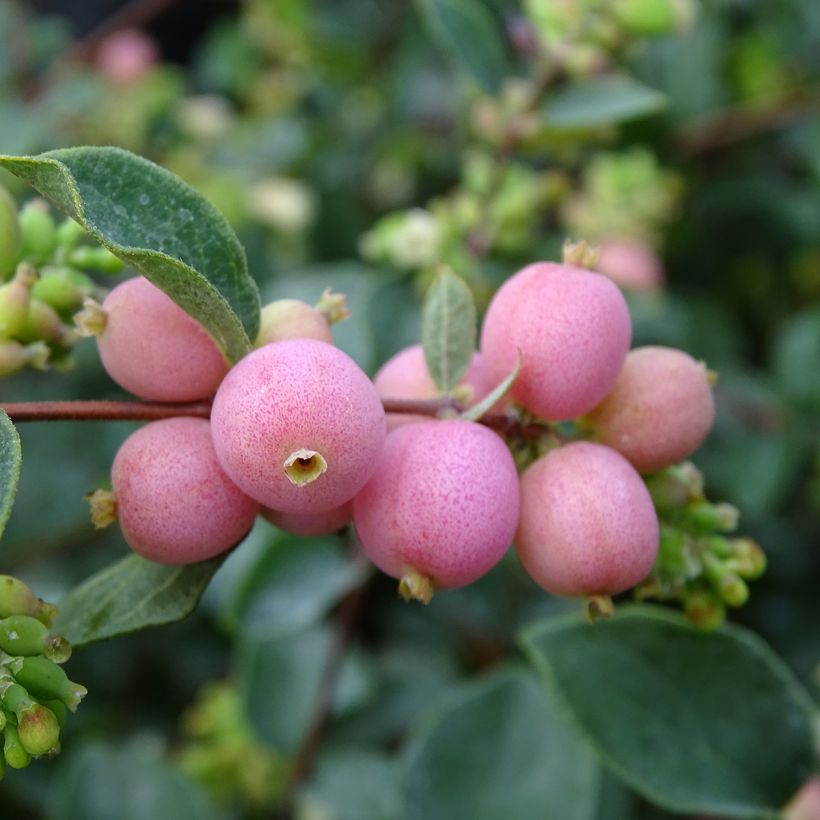
Plant habit
Flowering
Foliage
Botanical data
Symphorycarpos
doorenboosii
‘Kordes’ Amethyst
Caprifoliaceae
Symphoricarpos × doorenbosii ‘Kordes’, Symphoricarpos × doorenbosii Amethyst
Cultivar or hybrid
Planting and care
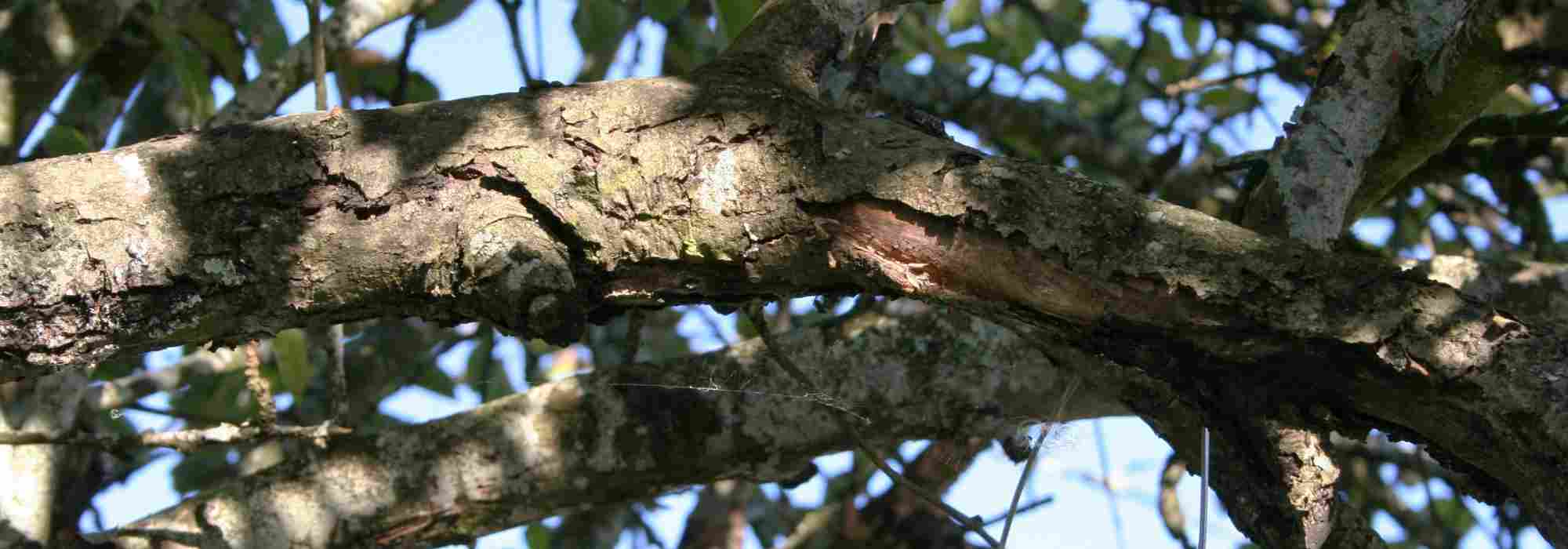
The Symphoricarpos × doorenbosii Amethyst is best planted from September to November, or from February to April, outside of frost periods. Position it in full sun for abundant fruiting, or in partial shade in regions with hot summers. It tolerates shade, but produces fewer berries there. Ordinary soil is sufficient, whether clay or chalky, provided it does not remain constantly waterlogged. Loosen the soil widely and mix in some compost if the soil is poor. Water regularly during the first two summers. Once established, the shrub withstands dry periods, but its berries develop better in soil that retains some moisture. Mulching limits drying out.
Planting period
Intended location
Care
Planting & care advice
-
-

-
-

-

-
-
-

-
, onOrder confirmed
Reply from on Promesse de fleurs
Recently viewed products
Haven't found what you were looking for?
Hardiness is the lowest winter temperature a plant can endure without suffering serious damage or even dying. However, hardiness is affected by location (a sheltered area, such as a patio), protection (winter cover) and soil type (hardiness is improved by well-drained soil).

The flowering period indicated on our website applies to countries and regions located in USDA zone 8 (France, the United Kingdom, Ireland, the Netherlands, etc.)
It will vary according to where you live:- In zones 9 to 10 (Italy, Spain, Greece, etc.), flowering will occur about 2 to 4 weeks earlier.
- In zones 6 to 7 (Germany, Poland, Slovenia, and lower mountainous regions), flowering will be delayed by 2 to 3 weeks.
- In zone 5 (Central Europe, Scandinavia), blooming will be delayed by 3 to 5 weeks.
In temperate climates, pruning of spring-flowering shrubs (forsythia, spireas, etc.) should be done just after flowering.
Pruning of summer-flowering shrubs (Indian Lilac, Perovskia, etc.) can be done in winter or spring.
In cold regions as well as with frost-sensitive plants, avoid pruning too early when severe frosts may still occur.
The planting period indicated on our website applies to countries and regions located in USDA zone 8 (France, United Kingdom, Ireland, Netherlands).
It will vary according to where you live:
- In Mediterranean zones (Marseille, Madrid, Milan, etc.), autumn and winter are the best planting periods.
- In continental zones (Strasbourg, Munich, Vienna, etc.), delay planting by 2 to 3 weeks in spring and bring it forward by 2 to 4 weeks in autumn.
- In mountainous regions (the Alps, Pyrenees, Carpathians, etc.), it is best to plant in late spring (May-June) or late summer (August-September).
The harvesting period indicated on our website applies to countries and regions in USDA zone 8 (France, England, Ireland, the Netherlands).
In colder areas (Scandinavia, Poland, Austria...) fruit and vegetable harvests are likely to be delayed by 3-4 weeks.
In warmer areas (Italy, Spain, Greece, etc.), harvesting will probably take place earlier, depending on weather conditions.
The sowing periods indicated on our website apply to countries and regions within USDA Zone 8 (France, UK, Ireland, Netherlands).
In colder areas (Scandinavia, Poland, Austria...), delay any outdoor sowing by 3-4 weeks, or sow under glass.
In warmer climes (Italy, Spain, Greece, etc.), bring outdoor sowing forward by a few weeks.
Shipping country and language
Your country of residence may be:
Your country of residence is:
For a better user experience on our website, you can select:
Your shipping country:
-
 Austria
-
 Belgium
-
 Bosnia & Herzegovina
-
 Bulgaria
-
 Croatia
-
 Cyprus
-
 Czechia
-
 Denmark
-
 Estonia
-
 Finland
-
 France
-
 Germany
-
 Greece
-
 Hungary
-
 Iceland
-
 Ireland
-
 Italy
Italy
-
 Latvia
-
 Liechtenstein
-
 Lithuania
-
 Luxembourg
-
 Malta
Malta
-
 Netherlands
-
 Poland
-
 Portugal
-
 Romania
-
 Serbia
-
 Slovakia
-
 Slovenia
-
 Spain
Spain
-
 Sweden
-
 Switzerland
Language:
-
French
-
 English
-
Spanish
-
Italian
-
German
-
Portuguese
-
Dutch
-
Finnish
My Account
Hello
My wish lists
My cart
Log in / Register
Existing customer?
This form is protected by reCAPTCHA - the Google Privacy Policy and Terms of Service apply.
New customer?
Create an account to track your orders, access our customer service and, if you wish, make the most of our upcoming offers.