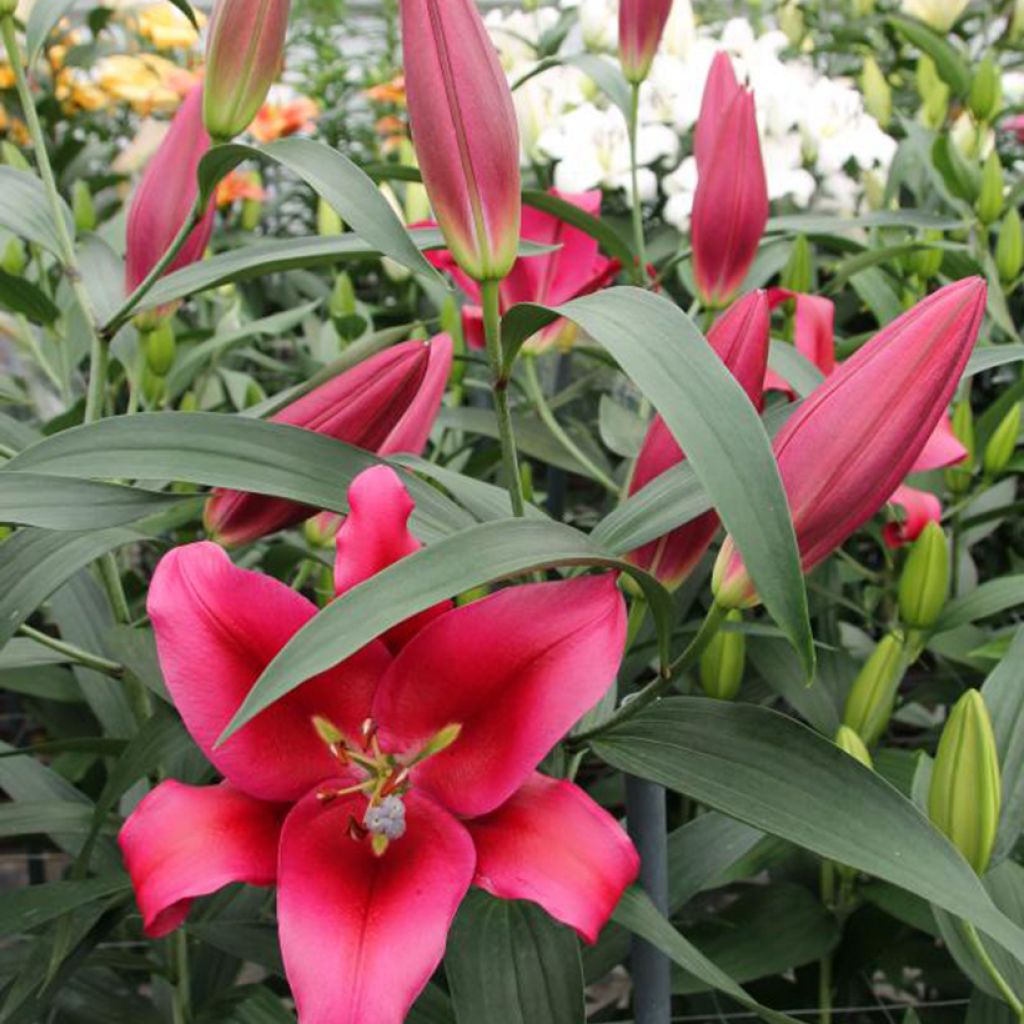
Lilium Red Desire - Lily
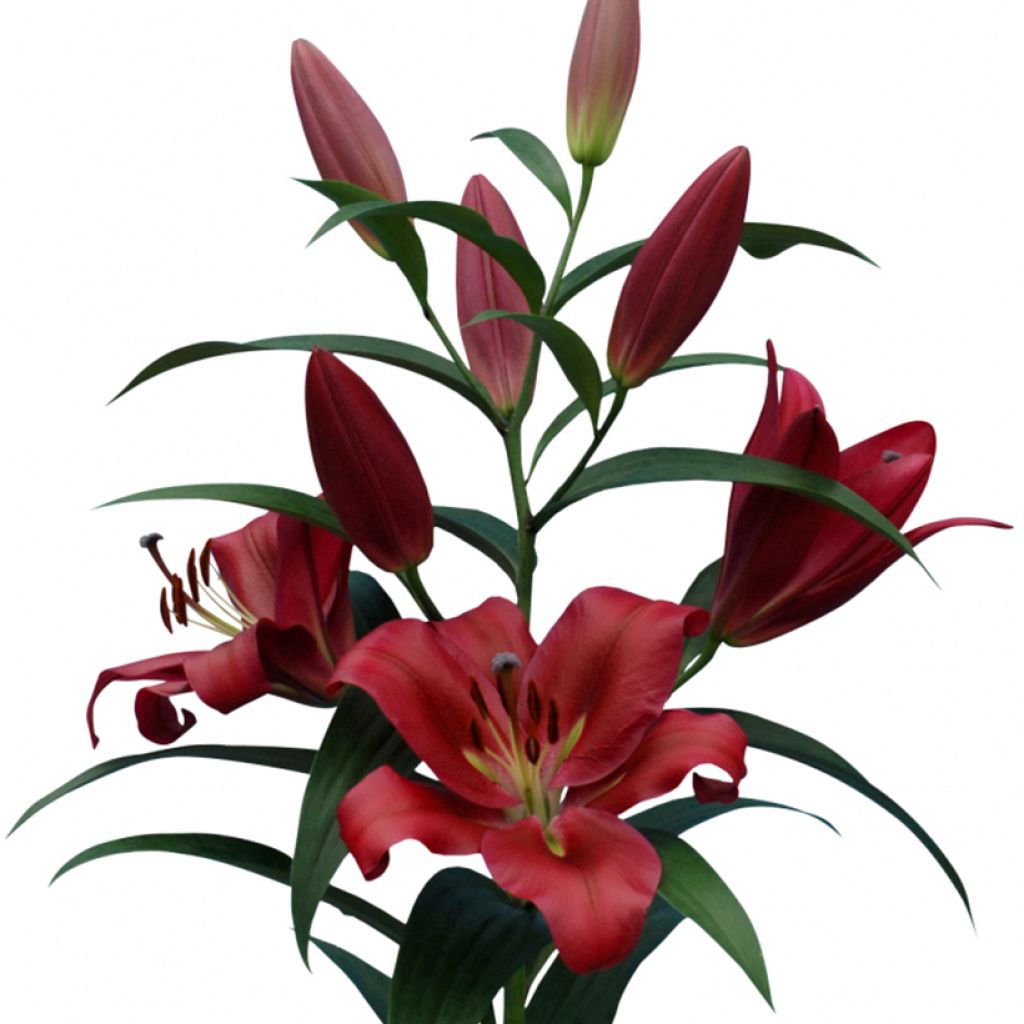
Lilium Red Desire - Lily
Lilium Red Desire - Lily
Lilium Red Desire
Lily
Back-to-school special offer!
Get €10 off for every €50 you spend! And get up to €40 off on a single order.
How does it work?
1. Shop your favourites
Add your favourite plants to your basket. For every €50 you spend (excluding delivery charges, store credit and the plastic-free option), you’ll receive a €10 voucher.
€50 spent = €10 voucher
€100 spent = €20 voucher
€150 spent = €30 voucher
€200 spent = €40 voucher
2. Place your order
Once your basket reaches one of the spending thresholds, place your order. You can even choose your delivery date!
3. Receive your voucher
As soon as your order has been shipped, you’ll receive an email containing your personal voucher code and its value.
4. Use it on your next order
Your voucher is valid for 90 days from the date you receive it. It can be used once only, on a new order worth at least the value of the voucher, excluding delivery charges.
Please note: Vouchers can be combined with other offers, but cannot be split or refunded.
Why not try an alternative variety in stock?
View all →
Available in 1 sizes

Available in 1 sizes
Available in 1 sizes
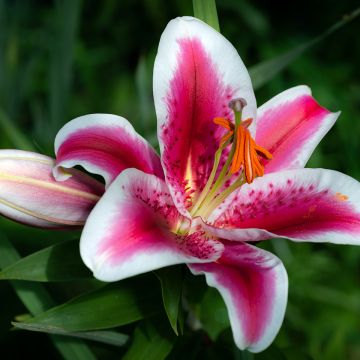
Available in 1 sizes
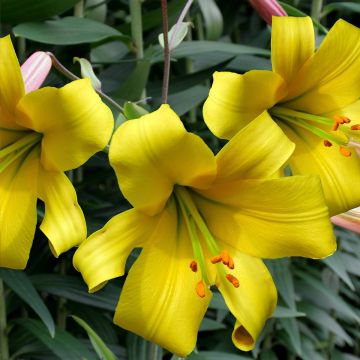
Available in 1 sizes
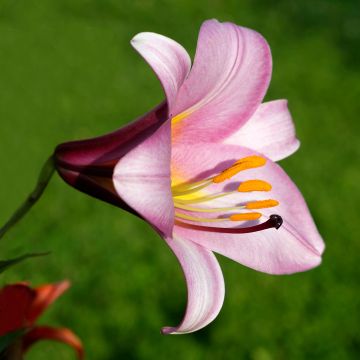
Available in 2 sizes
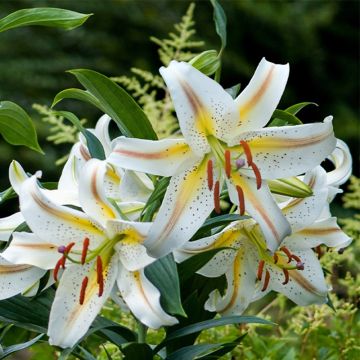
Available in 1 sizes
Available in 1 sizes
Available in 1 sizes
Available in 1 sizes
This plant carries a 6 months recovery warranty
More information
We guarantee the quality of our plants for a full growing cycle, and will replace at our expense any plant that fails to recover under normal climatic and planting conditions.
Would this plant suit my garden?
Set up your Plantfit profile →
Description
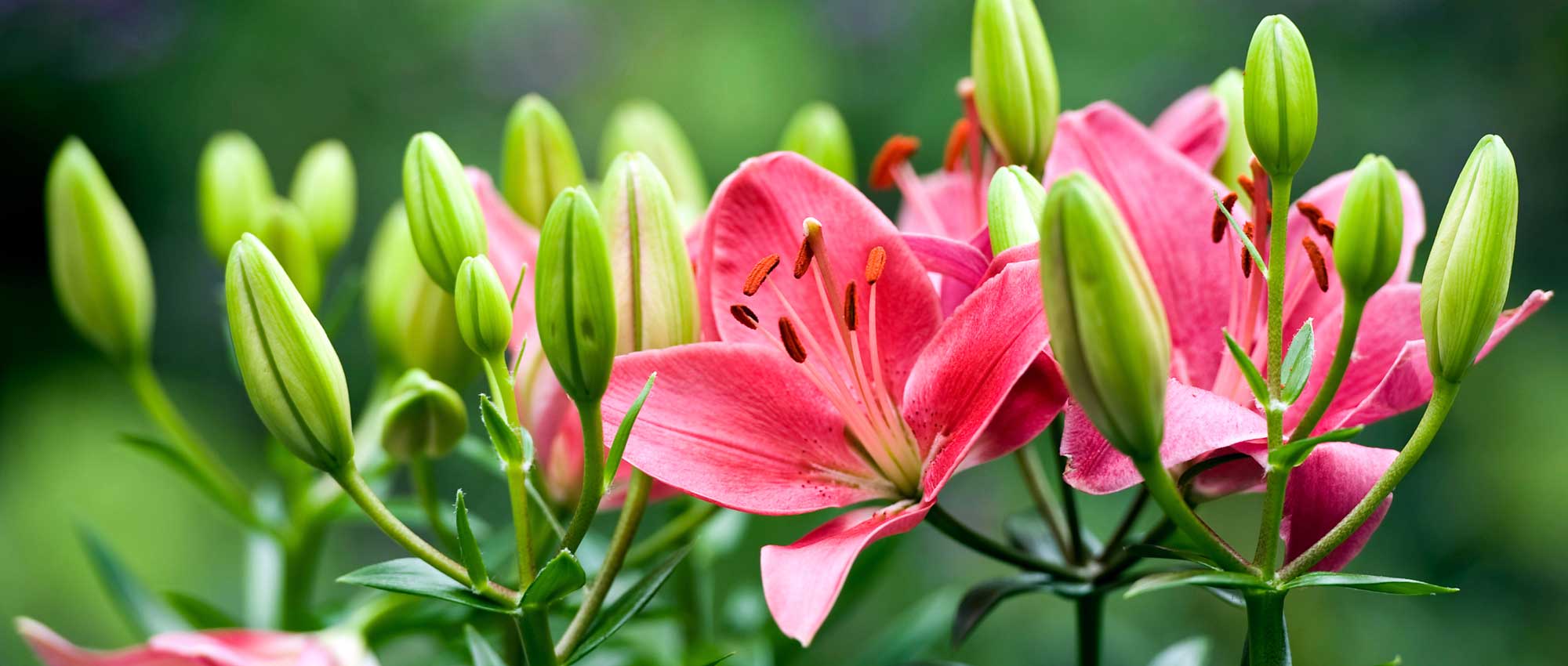
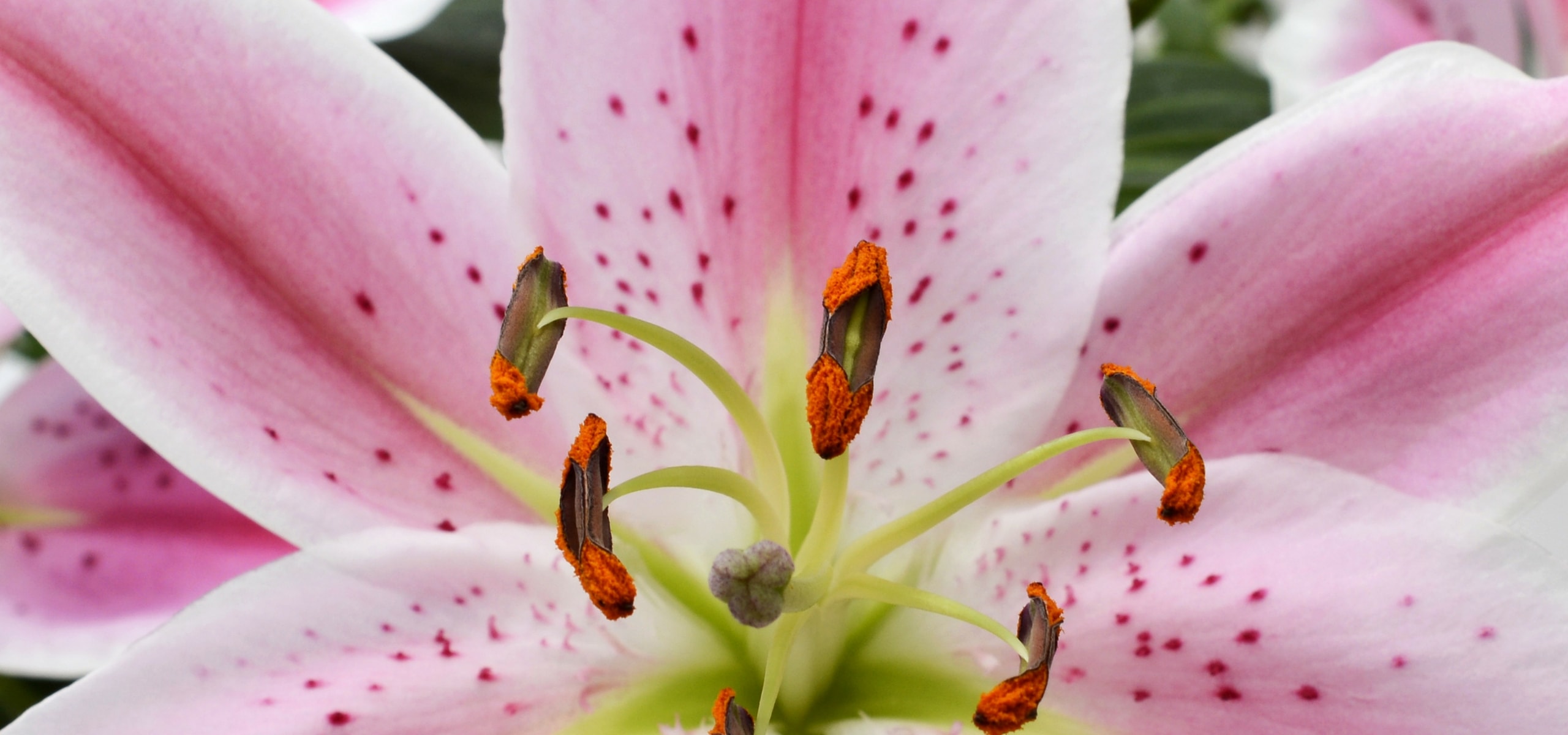
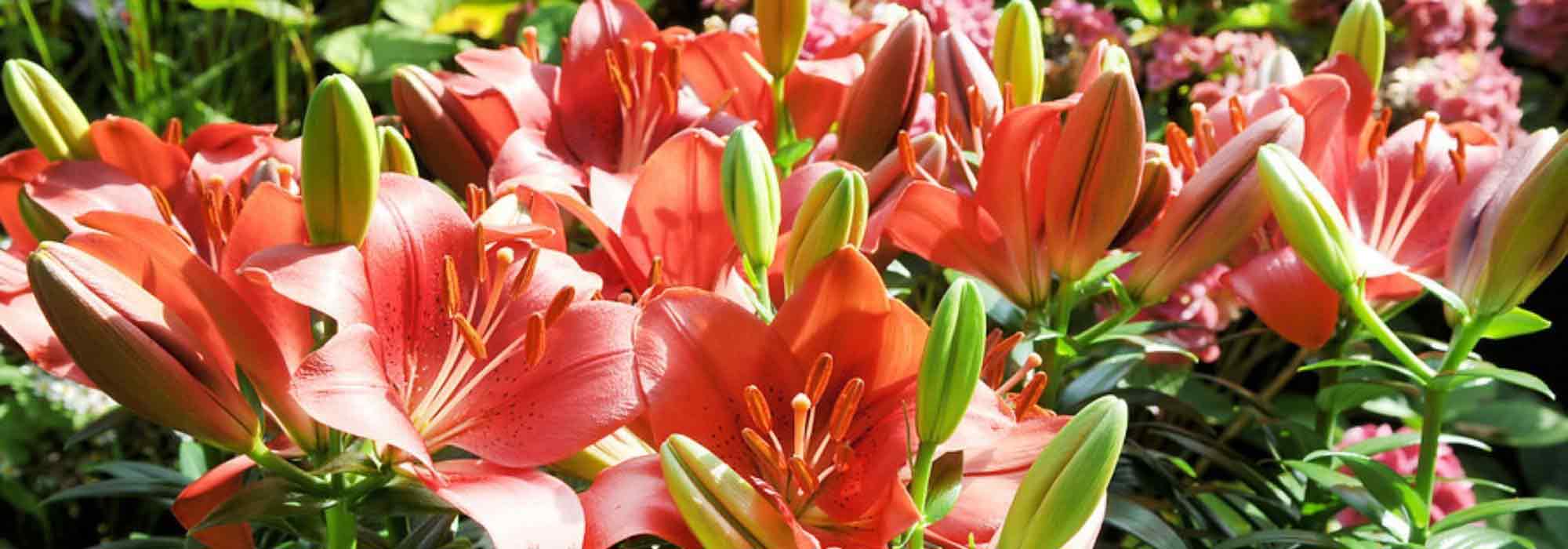
The Oriental Hybrid Lily 'Red Desire' is a variety with single flowers that belongs to the group of oriental lilies. It offers large, intense flowers in colour, with a deep raspberry-red hue on satin petals. The centre is yellow-green. Fragrant, this oriental lily blooms faithfully in very well-drained, limestone-free soil in a border, in a pot, or even in a large rockery.
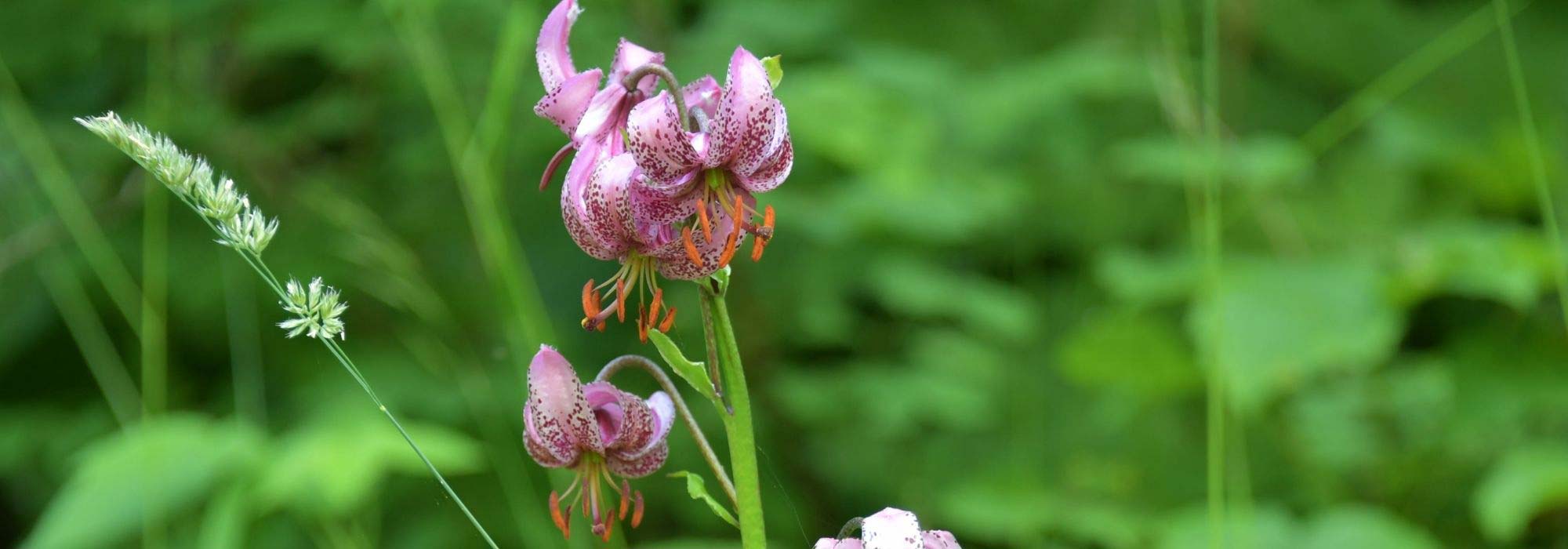
The genus Lilium belongs to the family Liliaceae, its representatives are bulbous plants whose deciduous vegetation disappears in winter. In spring, leafy stems emerge from the ground, rising to form a narrow and very vertical clump. 'Red Desire' is a horticultural hybrid obtained through the cross-breeding of various species originating from the Far East. This plant reaches approximately 1m to 1.10m in height when in flower, and the clump spreads indefinitely over time, with bulbs producing bulblets through vegetative multiplication. In late July to early August, flower umbels appear, facing outward and upward, beautifully on display. They are trumpet-shaped, very wide, measuring up to 20cm in diameter, and are very pleasantly fragrant. The stems are sturdy, covered with alternate, dark green, shiny, lanceolate leaves.
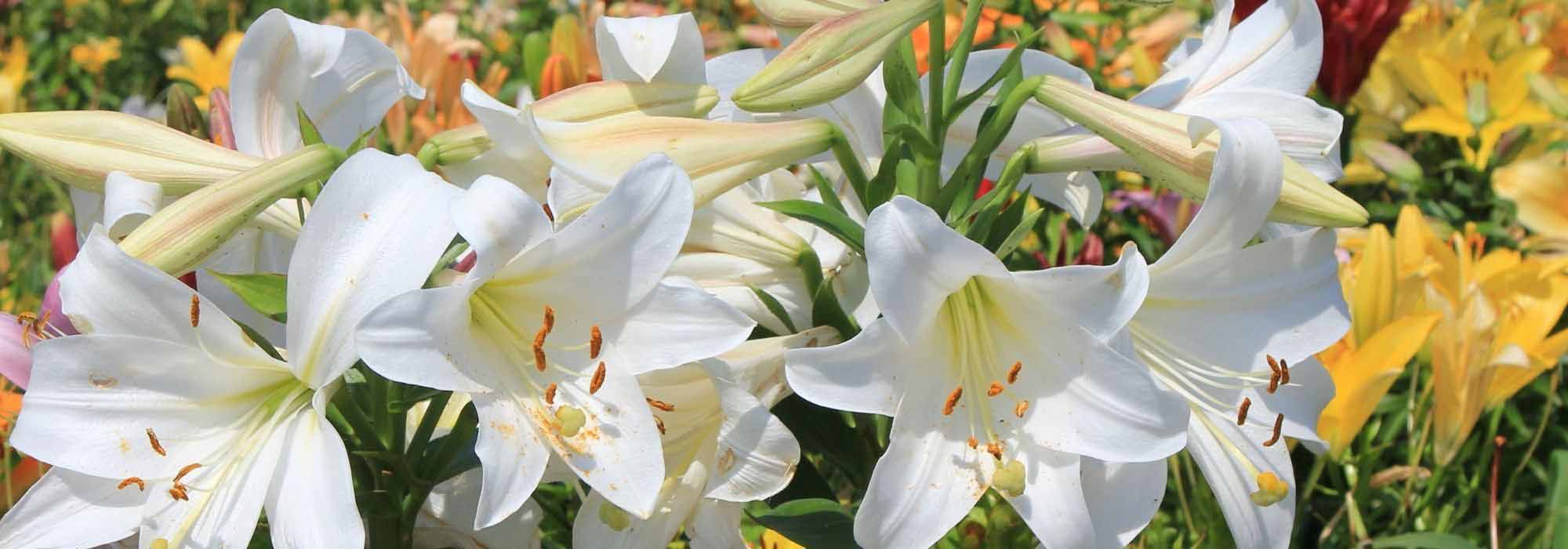
Oriental lilies require specific conditions to thrive, slightly more demanding than those of Asian lilies. They prefer a rich humus soil, well-drained and non-calcareous, as excess moisture in winter can harm the bulbs. In acidic soil, their colours intensify. Partial shade, especially in the afternoon, helps prolong flowering and preserve the brightness of the flowers. For an elegant border, Lilium 'Red Desire' pairs well with yellow or white lilies, gladioli, or daylilies. Grasses and perennials around the lily help shade the ground and stabilize the stems against harsh weather. Oriental lilies are also cultivated at the edge of a wooded area, surrounded by small bushes like rhododendrons or azaleas, and are perfect for creating beautiful bouquets.
Plant habit
Flowering
Foliage
Botanical data
Lilium
Red Desire
Liliaceae
Lily
Cultivar or hybrid
Planting and care
The 'Red Desire' lily does not appreciate calcareous, poorly drained, and heavy soils. You will plant it in full sun, with the base in the shade, preferably in spring, burying the bulbs 15 cm deep in a pocket of soil mixed with leaf compost. Surround them with a pocket of sand to prevent rot and slug attacks, while allowing them to grow more easily. Mark the planting location, as vegetation only starts in April. When the stems reach 30 cm high, discreetly stake them. Some afternoon shade in summer is appreciated to maintain colour intensity.
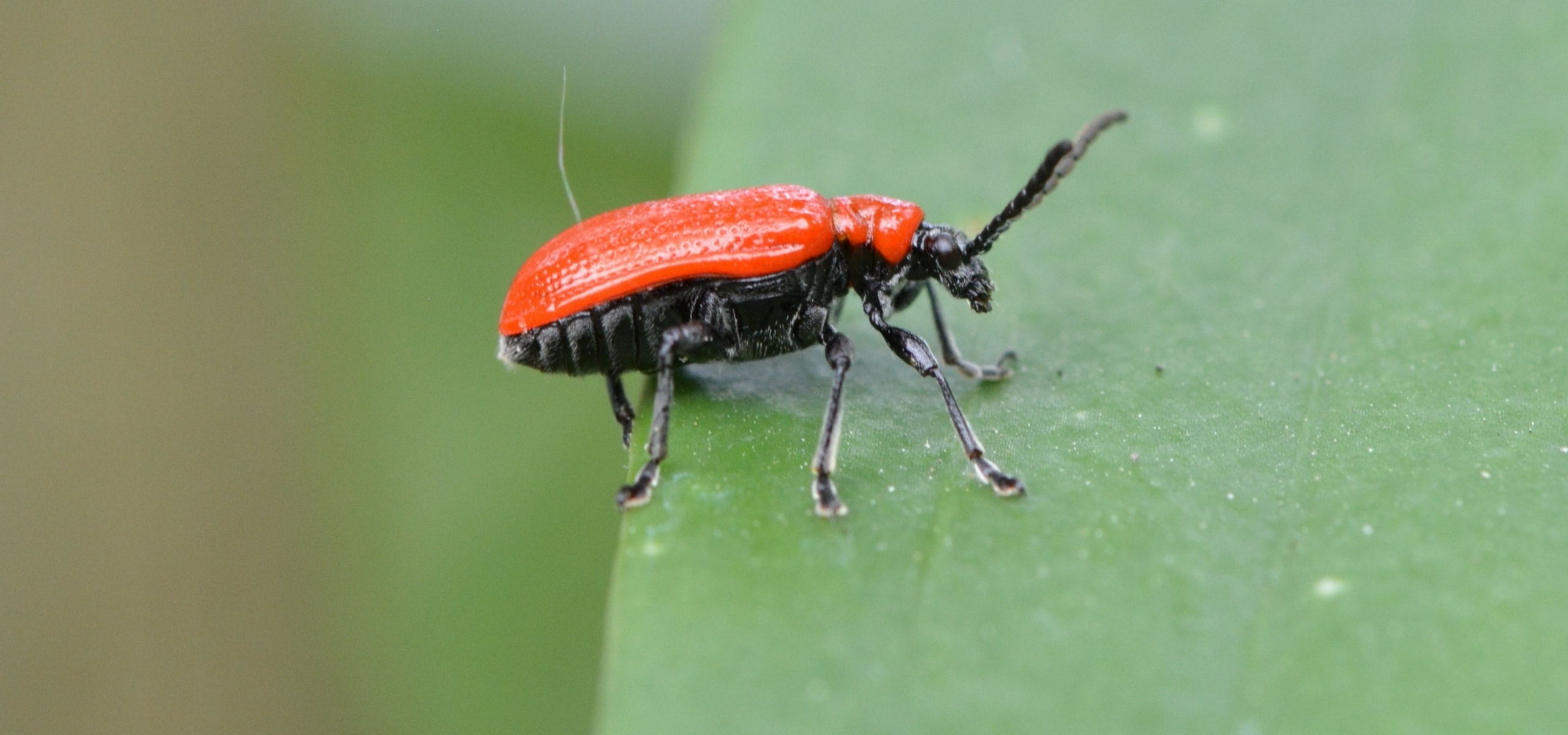
If red insects appear, treat them promptly; they are red lily beetles whose larvae can devour all the leaves. The most effective method is to catch them by hand; be careful, they drop as soon as touched, so place a box underneath. Otherwise, treat regularly with permethrin.
After flowering, it is useful to cut off the faded flowers halfway to keep the bed beautiful during summer.
Tip for planting lilies in compact soil: The scaly bulbs of tall lilies fear clayey soils that suffocate them and cause rot. In Eastern Europe, the following technique is used to help these bulbs survive the winter. Plant them on 'benches' built above ground level. These benches consist of a first layer of gravel, on which tightly packed branches are placed. Cover everything with a thick layer of compost 20 to 30 cm deep. Plant the bulbs in the compost, where you can also let some ground-covering plants creep.
On the terrace, you can create sumptuous pots with lilies. Choose a container wide and deep enough (at least 16 cm in diameter for 1 bulb). Fill it with a mix of leaf compost and sand. Plant the lilies in groups of 3 to 5 bulbs, 10-15 cm apart, then water generously. Place the pots in a cool room or outside once the frosts have passed. The ambient temperature should be around 12°C. When shoots appear, move the pot to a bright conservatory or room at around 18°C. Apply liquid fertiliser twice a month until floral buds appear.
Planting period
Intended location
Care
Planting & care advice



This item has not been reviewed yet - be the first to leave a review about it.
Recently viewed products
Haven't found what you were looking for?
Hardiness is the lowest winter temperature a plant can endure without suffering serious damage or even dying. However, hardiness is affected by location (a sheltered area, such as a patio), protection (winter cover) and soil type (hardiness is improved by well-drained soil).

The flowering period indicated on our website applies to countries and regions located in USDA zone 8 (France, the United Kingdom, Ireland, the Netherlands, etc.)
It will vary according to where you live:- In zones 9 to 10 (Italy, Spain, Greece, etc.), flowering will occur about 2 to 4 weeks earlier.
- In zones 6 to 7 (Germany, Poland, Slovenia, and lower mountainous regions), flowering will be delayed by 2 to 3 weeks.
- In zone 5 (Central Europe, Scandinavia), blooming will be delayed by 3 to 5 weeks.
In temperate climates, pruning of spring-flowering shrubs (forsythia, spireas, etc.) should be done just after flowering.
Pruning of summer-flowering shrubs (Indian Lilac, Perovskia, etc.) can be done in winter or spring.
In cold regions as well as with frost-sensitive plants, avoid pruning too early when severe frosts may still occur.
The planting period indicated on our website applies to countries and regions located in USDA zone 8 (France, United Kingdom, Ireland, Netherlands).
It will vary according to where you live:
- In Mediterranean zones (Marseille, Madrid, Milan, etc.), autumn and winter are the best planting periods.
- In continental zones (Strasbourg, Munich, Vienna, etc.), delay planting by 2 to 3 weeks in spring and bring it forward by 2 to 4 weeks in autumn.
- In mountainous regions (the Alps, Pyrenees, Carpathians, etc.), it is best to plant in late spring (May-June) or late summer (August-September).
The harvesting period indicated on our website applies to countries and regions in USDA zone 8 (France, England, Ireland, the Netherlands).
In colder areas (Scandinavia, Poland, Austria...) fruit and vegetable harvests are likely to be delayed by 3-4 weeks.
In warmer areas (Italy, Spain, Greece, etc.), harvesting will probably take place earlier, depending on weather conditions.
The sowing periods indicated on our website apply to countries and regions within USDA Zone 8 (France, UK, Ireland, Netherlands).
In colder areas (Scandinavia, Poland, Austria...), delay any outdoor sowing by 3-4 weeks, or sow under glass.
In warmer climes (Italy, Spain, Greece, etc.), bring outdoor sowing forward by a few weeks.
Shipping country and language
Your country of residence may be:
Your country of residence is:
For a better user experience on our website, you can select:
Your shipping country:
-
 Austria
-
 Belgium
-
 Bosnia & Herzegovina
-
 Bulgaria
-
 Croatia
-
 Cyprus
-
 Czechia
-
 Denmark
-
 Estonia
-
 Finland
-
 France
-
 Germany
-
 Greece
-
 Hungary
-
 Iceland
-
 Ireland
-
 Italy
Italy
-
 Latvia
-
 Liechtenstein
-
 Lithuania
-
 Luxembourg
-
 Malta
Malta
-
 Netherlands
-
 Poland
-
 Portugal
-
 Romania
-
 Serbia
-
 Slovakia
-
 Slovenia
-
 Spain
Spain
-
 Sweden
-
 Switzerland
Language:
-
French
-
 English
-
Spanish
-
Italian
-
German
-
Portuguese
-
Dutch
-
Finnish
My Account
Hello
My wish lists
My cart
Log in / Register
Existing customer?
This form is protected by reCAPTCHA - the Google Privacy Policy and Terms of Service apply.
New customer?
Create an account to track your orders, access our customer service and, if you wish, make the most of our upcoming offers.