Artemisia annua

Artemisia annua
Artemisia annua
Artemisia annua
Huanghuahaosu, Sweet Wormwood
He wasn't in the package. Deformed package; in my opinion, the cardboard was too lightweight for the weight of the 2 young plants it contained. The ordered seed packet was not inside. The Montcap kiwi young plant arrived broken. It only has a stump left. It should regrow, but I will have to keep it in a pot for 1 year. The plants were surrounded by a bit of cardboard, but it's not enough; there was too much space in a too lightweight packaging. They should have been secured so they wouldn't move. In the end, a very disappointed customer who won't come back. 76 euros for a kiwi stump and a hazelnut tree...
c. espinet, 04/12/2023
Back-to-school special offer!
Get €10 off for every €50 you spend! And get up to €40 off on a single order.
How does it work?
1. Shop your favourites
Add your favourite plants to your basket. For every €50 you spend (excluding delivery charges, store credit and the plastic-free option), you’ll receive a €10 voucher.
€50 spent = €10 voucher
€100 spent = €20 voucher
€150 spent = €30 voucher
€200 spent = €40 voucher
2. Place your order
Once your basket reaches one of the spending thresholds, place your order. You can even choose your delivery date!
3. Receive your voucher
As soon as your order has been shipped, you’ll receive an email containing your personal voucher code and its value.
4. Use it on your next order
Your voucher is valid for 90 days from the date you receive it. It can be used once only, on a new order worth at least the value of the voucher, excluding delivery charges.
Please note: Vouchers can be combined with other offers, but cannot be split or refunded.
Home or relay delivery (depending on size and destination)
Important: You may be charged customs duties by your country’s customs authorities upon delivery.
Schedule delivery date
and select date in basket
This plant carries a 6 months recovery warranty
More information
We guarantee the quality of our plants for a full growing cycle, and will replace at our expense any plant that fails to recover under normal climatic and planting conditions.
Description
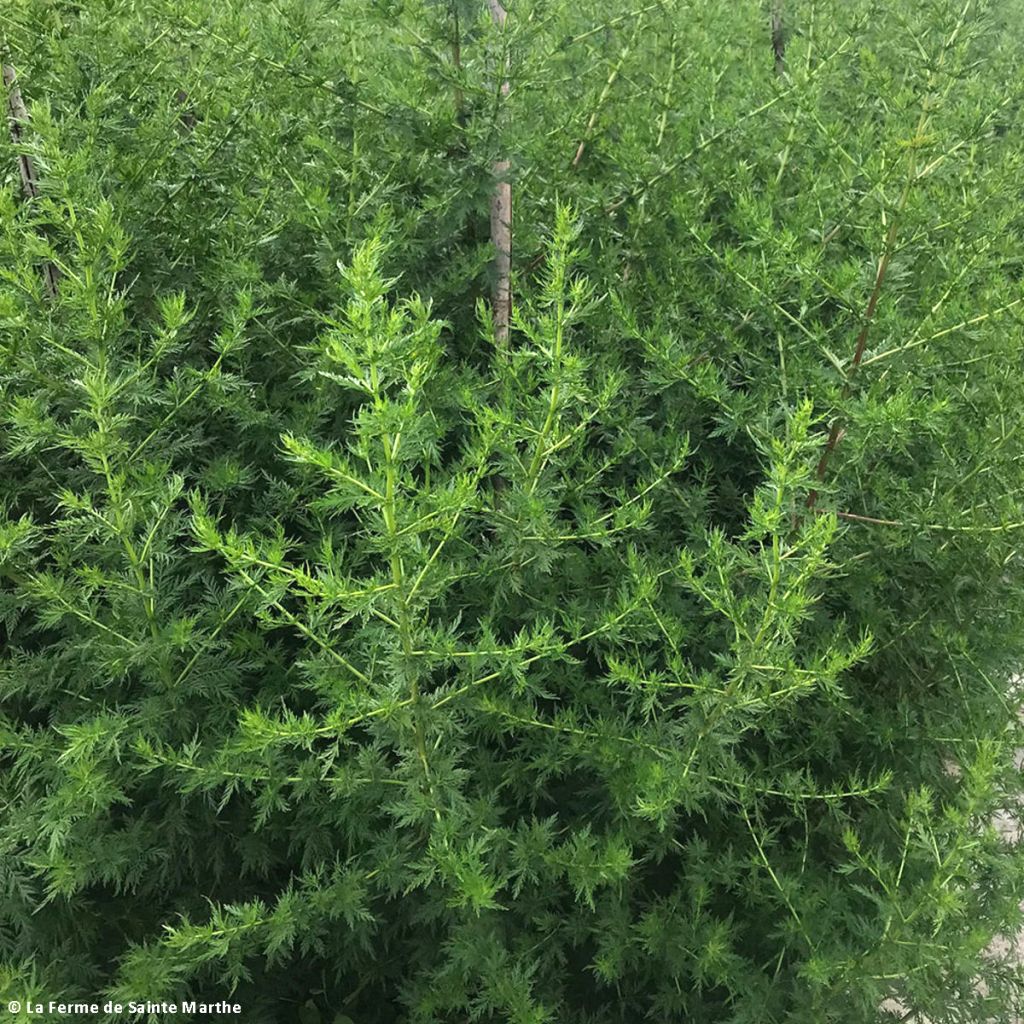
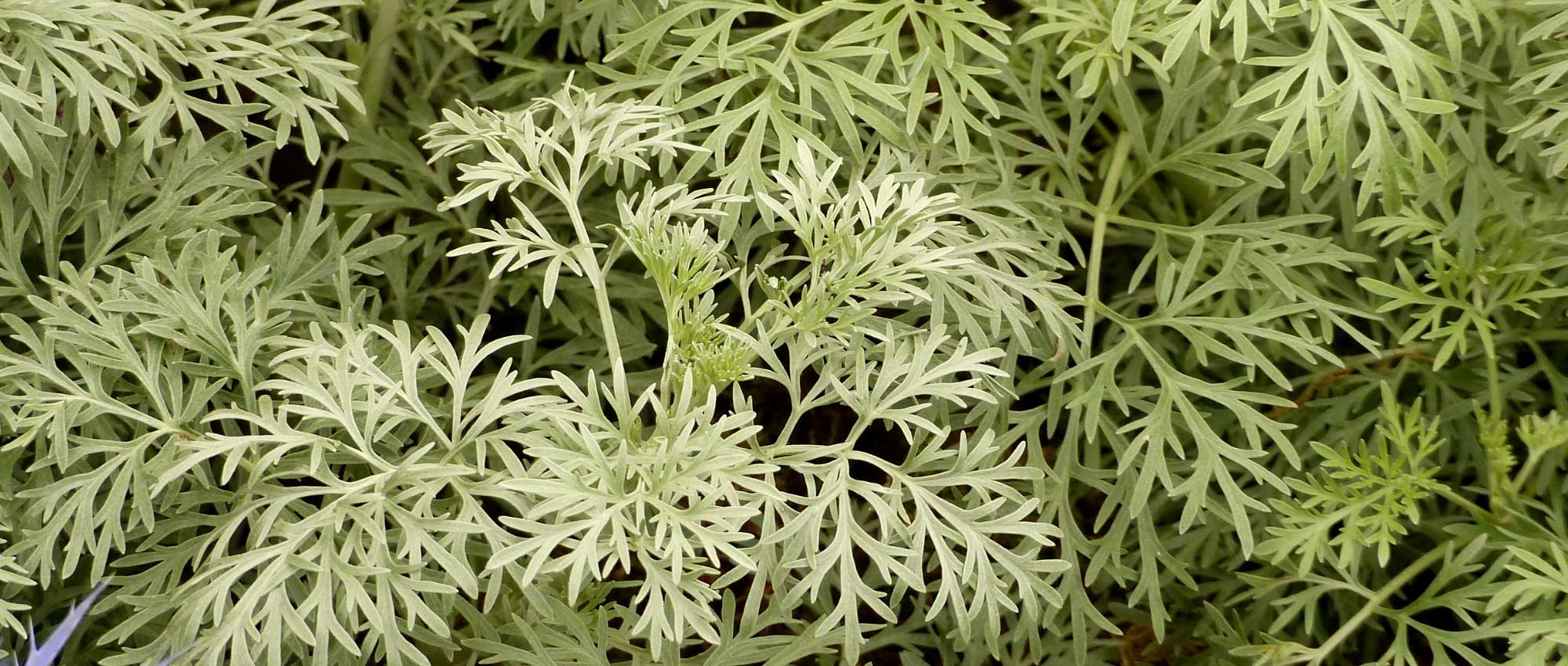
Sweet Wormwood, in Latin Artemisia annua, belongs to the Asteraceae family. It is an aromatic herb that is known as Qing Hao in Chinese pharmacies. It forms an erect clump that can reach a height of 2 to 3 metres (7 to 10 feet), with finely cut light green foliage. It can easily be confused with its cousins, Ambrosia artemisiifolia and Artemisia vulgaris, from which it is distinguished by its strong-smelling leaves. The flowering, from August to October, occurs in terminal clusters of cylindrical heads, 2 to 8 mm (0.4in) in diameter, yellow-green, briefly pedunculated. Tolerant to drought, Sweet Wormwood is cultivated in sunny, rich, light, and well-drained soil. Sow in trays from March to May, then transplant when the plant has 5-6 leaves into a pot and plant in the garden in May-June, when there is no longer a risk of frost and temperatures are rising. The seeds are not sterile and can self-seed.
Sweet Wormwood is an aromatic and medicinal plant. The leaves and flowering tops are consumed as herbal tea, and the leaves are used as powdered plant, as a dietary supplement.
Harvest: The leaves can be harvested in July-August from sufficiently large plants. It is preferable to prune a few branches (about a third of the plant) and let the plant continue to grow. This way, several harvests can be made before the Artemisia flowers and loses its leaves. Another way to proceed is to wait until the plant begins the flowering process, around the end of August. This is when the leaves contain the highest level of Artemisinin (the active molecule).
Storage: Once harvested, the leaves of Sweet Wormwood can be dried for preservation. The quality of the product will depend on the quality of the drying process. Regardless of the method, it should be done away from direct light (not in direct sunlight), at a temperature below 40°C (104°F). Place the leaves so that they do not overlap to ensure even drying. Dry until the leaves are completely crumbly.
Gardener's tip: To reduce watering, we recommend mulching the soil with thin successive layers of grass clippings, if possible mixed with dead leaves, starting from June. This protection, which keeps the soil moist, also reduces weed growth.
Organic or 'AB' seeds come from plants grown without insecticides and herbicides. These seeds also do not undergo any post-harvest treatment. They carry the AB label and are certified by Ecocert, an independent organisation.
Harvest
Plant habit
Foliage
Botanical data
Artemisia
annua
Asteraceae
Huanghuahaosu, Sweet Wormwood
North Africa
Annual
Planting and care
Sowing:
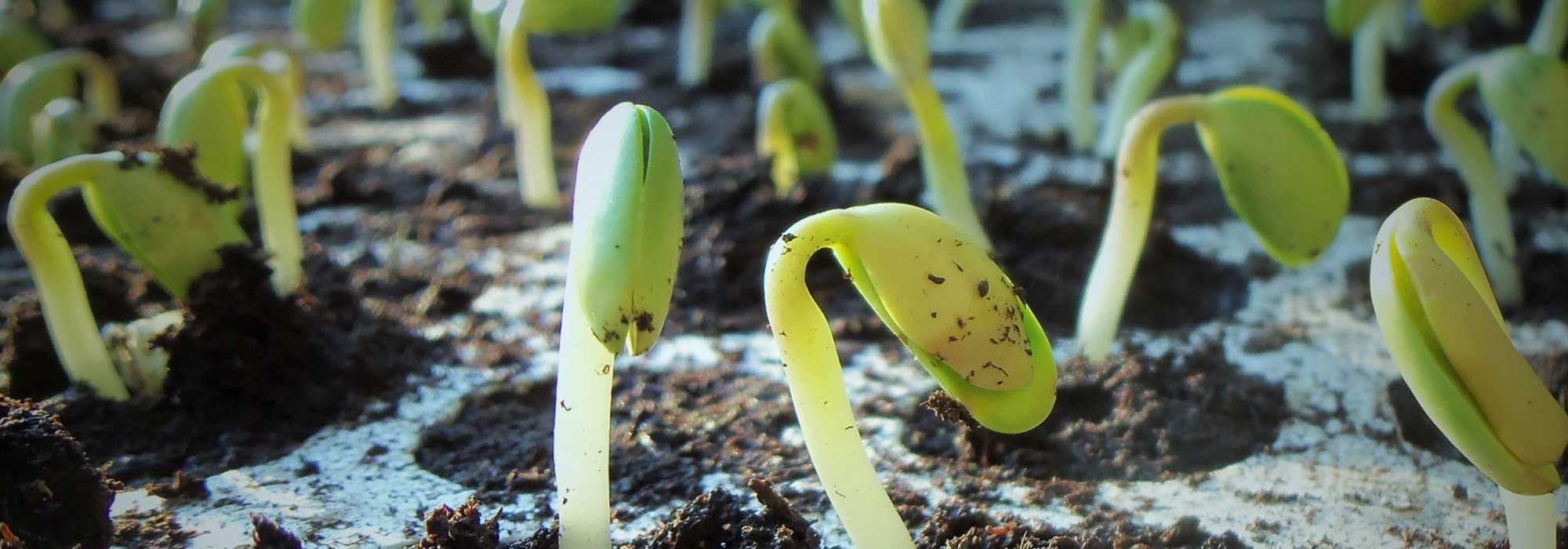
The germination of Artemisia annua occurs at a temperature of about 18°. The seedlings emerge between 7 and 21 days.
Sowing is done in trays, in a bright position from March to April or in autumn.
Starting sowing from March, at home or in a greenhouse, in a tray with drainage holes and filled with special sowing compost. Do not cover the seeds as they need light to germinate. Keep the sowing moist by watering with a very fine spray, using a sprayer. When your young plants have 5 to 6 leaves, transplant them into pots that you will place in the garden when the risk of frost is gone and temperatures exceed 15° C.
Cultivation:
Artemisia annua should be grown in sunny, rich, light, and well-drained soil. If compost is needed, it should preferably be applied in autumn, in the form of well-rotted compost (no manure), by scratching it into a depth of 5 cm (2in), after loosening the soil as you would for any vegetable cultivation.
When planting in the garden, space the plants 60 to 100 cm (24 to 39in) apart.
Seedlings
Care
Intended location
Planting & care advice
-
-
-
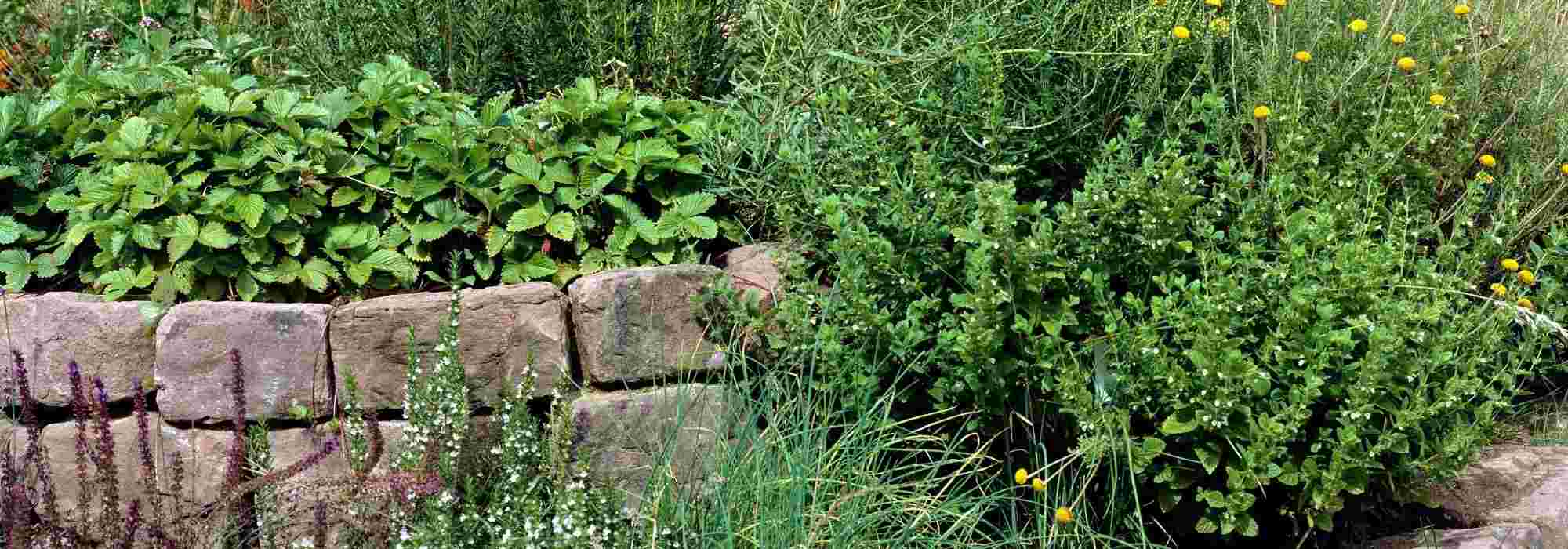
-
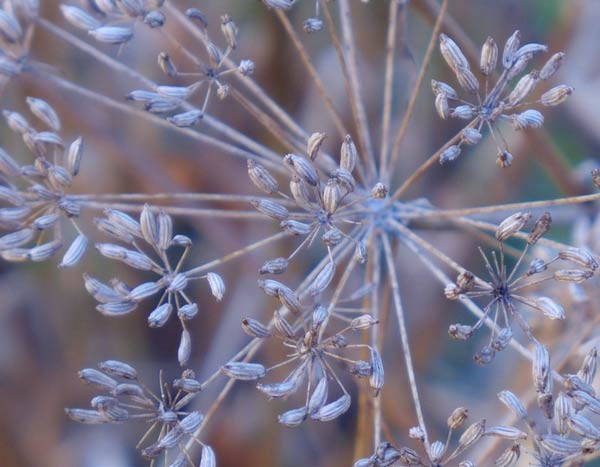
-

-
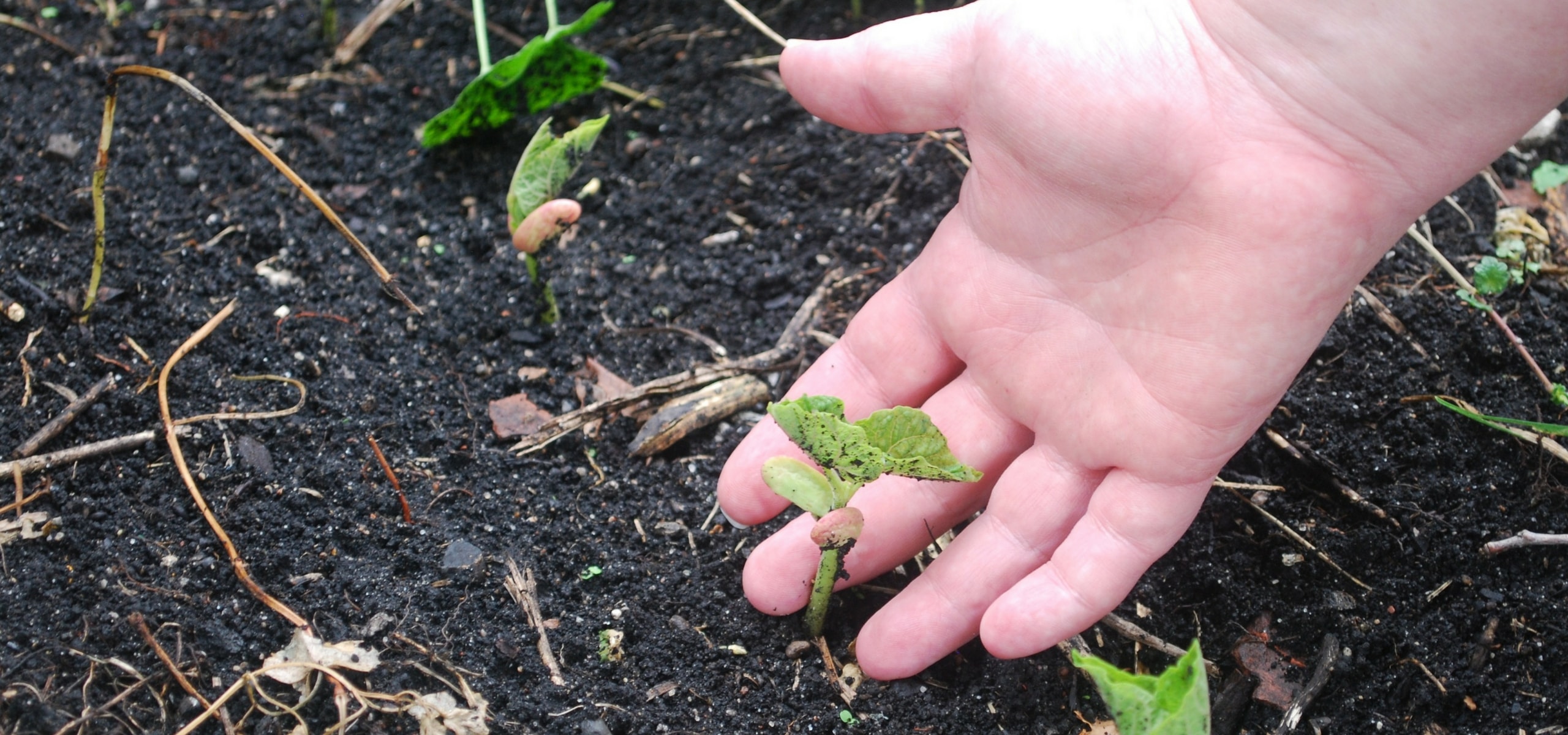
-
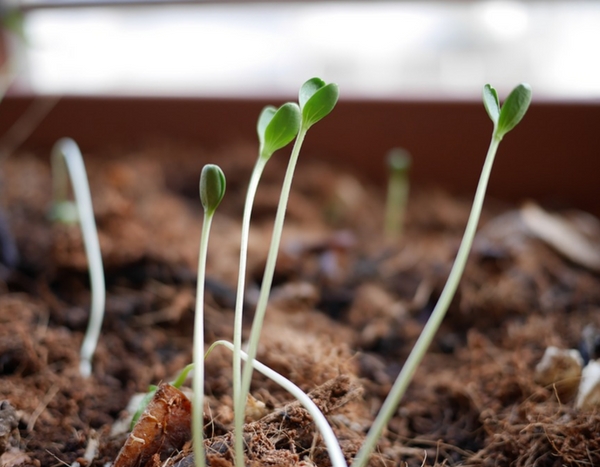
-
-
, onOrder confirmed
Reply from on Promesse de fleurs
Recently viewed products
Haven't found what you were looking for?
Hardiness is the lowest winter temperature a plant can endure without suffering serious damage or even dying. However, hardiness is affected by location (a sheltered area, such as a patio), protection (winter cover) and soil type (hardiness is improved by well-drained soil).

The flowering period indicated on our website applies to countries and regions located in USDA zone 8 (France, the United Kingdom, Ireland, the Netherlands, etc.)
It will vary according to where you live:- In zones 9 to 10 (Italy, Spain, Greece, etc.), flowering will occur about 2 to 4 weeks earlier.
- In zones 6 to 7 (Germany, Poland, Slovenia, and lower mountainous regions), flowering will be delayed by 2 to 3 weeks.
- In zone 5 (Central Europe, Scandinavia), blooming will be delayed by 3 to 5 weeks.
In temperate climates, pruning of spring-flowering shrubs (forsythia, spireas, etc.) should be done just after flowering.
Pruning of summer-flowering shrubs (Indian Lilac, Perovskia, etc.) can be done in winter or spring.
In cold regions as well as with frost-sensitive plants, avoid pruning too early when severe frosts may still occur.
The planting period indicated on our website applies to countries and regions located in USDA zone 8 (France, United Kingdom, Ireland, Netherlands).
It will vary according to where you live:
- In Mediterranean zones (Marseille, Madrid, Milan, etc.), autumn and winter are the best planting periods.
- In continental zones (Strasbourg, Munich, Vienna, etc.), delay planting by 2 to 3 weeks in spring and bring it forward by 2 to 4 weeks in autumn.
- In mountainous regions (the Alps, Pyrenees, Carpathians, etc.), it is best to plant in late spring (May-June) or late summer (August-September).
The harvesting period indicated on our website applies to countries and regions in USDA zone 8 (France, England, Ireland, the Netherlands).
In colder areas (Scandinavia, Poland, Austria...) fruit and vegetable harvests are likely to be delayed by 3-4 weeks.
In warmer areas (Italy, Spain, Greece, etc.), harvesting will probably take place earlier, depending on weather conditions.
The sowing periods indicated on our website apply to countries and regions within USDA Zone 8 (France, UK, Ireland, Netherlands).
In colder areas (Scandinavia, Poland, Austria...), delay any outdoor sowing by 3-4 weeks, or sow under glass.
In warmer climes (Italy, Spain, Greece, etc.), bring outdoor sowing forward by a few weeks.
Shipping country and language
Your country of residence may be:
Your country of residence is:
For a better user experience on our website, you can select:
Your shipping country:
-
 Austria
-
 Belgium
-
 Bosnia & Herzegovina
-
 Bulgaria
-
 Croatia
-
 Cyprus
-
 Czechia
-
 Denmark
-
 Estonia
-
 Finland
-
 France
-
 Germany
-
 Greece
-
 Hungary
-
 Iceland
-
 Ireland
-
 Italy
Italy
-
 Latvia
-
 Liechtenstein
-
 Lithuania
-
 Luxembourg
-
 Malta
Malta
-
 Netherlands
-
 Poland
-
 Portugal
-
 Romania
-
 Serbia
-
 Slovakia
-
 Slovenia
-
 Spain
Spain
-
 Sweden
-
 Switzerland
Language:
-
French
-
 English
-
Spanish
-
Italian
-
German
-
Portuguese
-
Dutch
-
Finnish
My Account
Hello
My wish lists
My cart
Log in / Register
Existing customer?
This form is protected by reCAPTCHA - the Google Privacy Policy and Terms of Service apply.
New customer?
Create an account to track your orders, access our customer service and, if you wish, make the most of our upcoming offers.