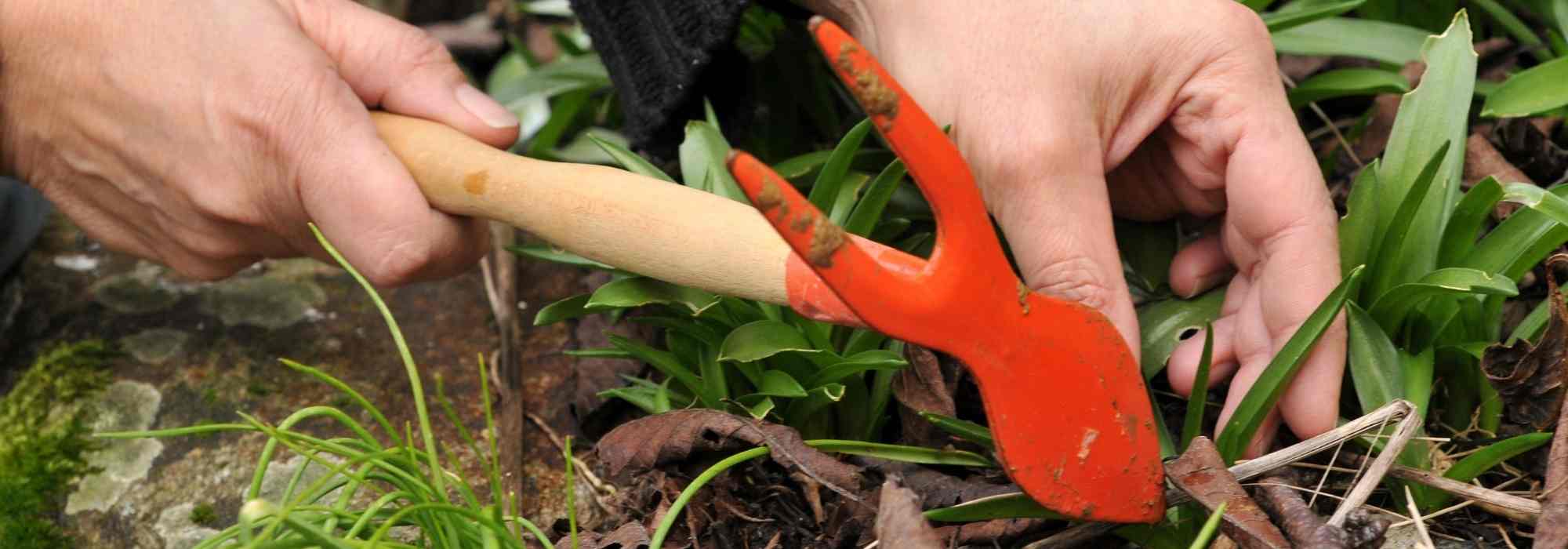
What is a hand hoe used for?
A funny name for an indispensable garden tool
Contents
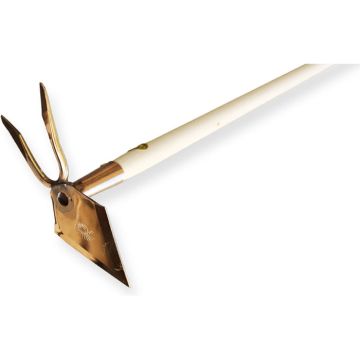
The hand hoe is undoubtedly the most versatile gardening tool. Very similar to a hoe, it is used for hoeing, weeding, digging, raking, earthing up… in the vegetable garden, but also in ornamental gardens and even in containers and window boxes. The hand hoe is characterised by being “equipped” with two tools on the same shaft: always a blade (for earthing up, digging and weeding), but either a tongue (for making furrows) or a mini-fork for raking and aerating. The hand hoe, sometimes called a “furrower”, is so practical that you will use it every day in the garden. Whether it has a long shaft or, on the contrary, a short one, no gardener should venture into the garden without a hand hoe.

What is a hand cultivator?
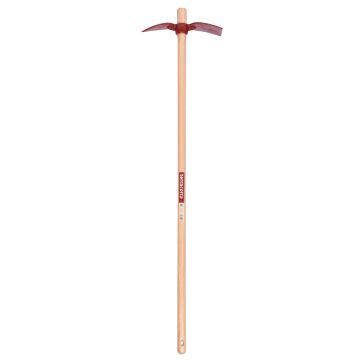
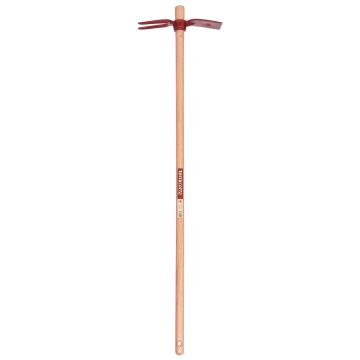
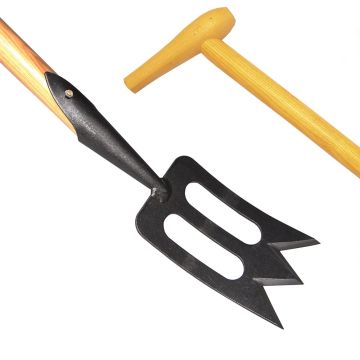
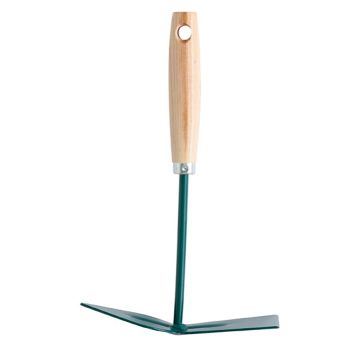
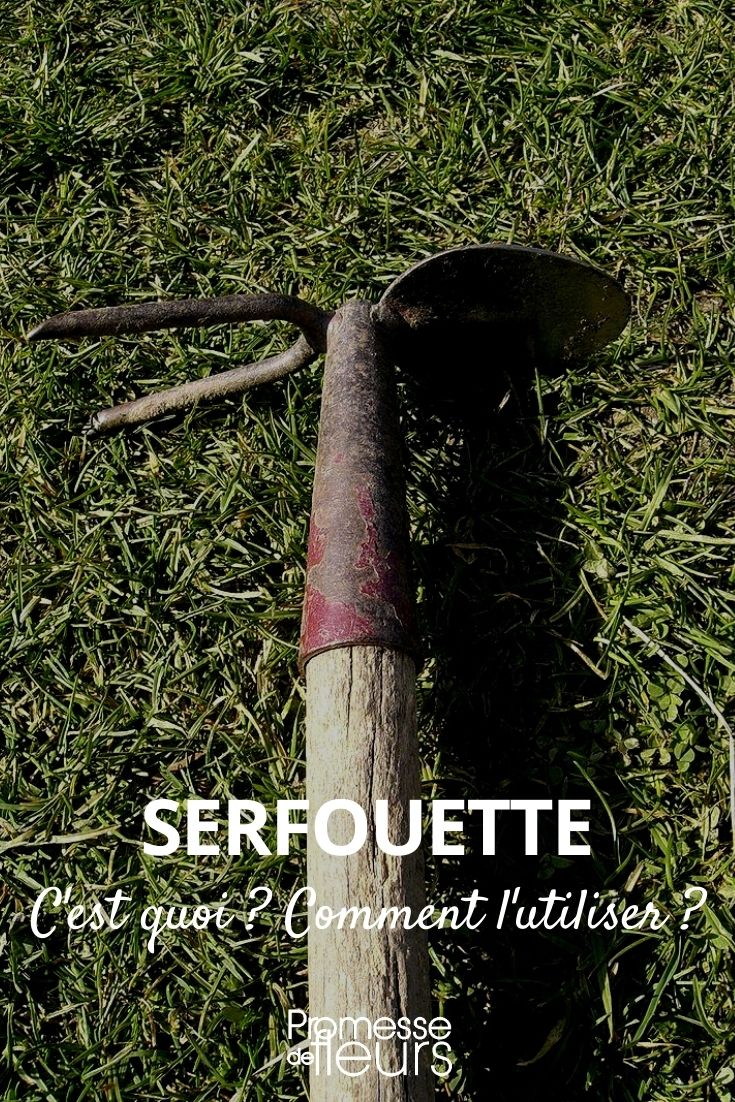
The hand hoe, sometimes called a “rayonnoir“, is a small, lightweight tool that always has two different tools facing opposite directions on the same handle. The hand hoe is either made up of a blade and a pointed tine (in which case it is sometimes called a “furrow marker“), or a blade and a fork. The blade is flat and square, and looks like a mini-hoe. The pointed tine (or ox-tongue tine) is sharper than the blade and shaped… like a tongue. The fork has two or three tines, depending on the model.
This funny and appealing name, “serfouette“, comes from its use: “serfouir or sarfouir the soil” means “to stir or scratch the soil”. Over the years and across different regions, the hand hoe has acquired other names, such as “binochon”, “houette”, “rayonnoir”, “marochon” and even “bêchelon”.
The hand hoe can be fitted with a short or long handle, the latter being perfect for protecting your back. If you choose a short-handled hand hoe for light work in your beds or planters, do not hesitate to squat while keeping your back straight.
The hand hoe head, whether it has a pointed tine or a fork, must be made of steel. The handle can be made of wood, steel or plastic. Choose a simple and sturdy tool, as it is used every day in the garden. Some hand hoes can be fitted with interchangeable handles, allowing you to choose between a short or long handle as you wish.
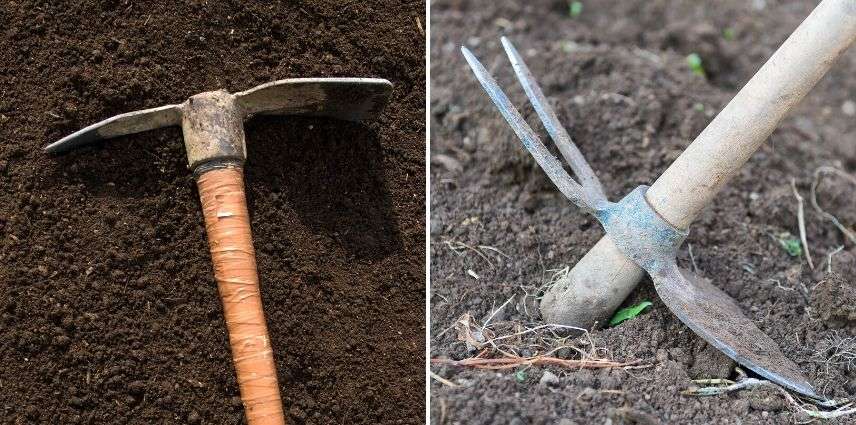
Hand hoes
Read also
Garden tools: essentialsHow to use a hand hoe?
The hand hoe has many uses in both the ornamental garden and the vegetable garden.
- Hoeing: this is a general term for aerating, loosening and weeding the soil. Whatever type of hand hoe you choose, it can be used to hoe your vegetable garden and beds;
- Weeding and hoeing: the blade can be used to weed by scraping the surface of the soil like a mini-hoe; this is called shallow hoeing;
- Digging and making furrows: the blade and the pointed end can be used in turn to dig small planting holes or seed furrows;
- Earthing up: the blade can also be used to earth up certain plants or vegetables, like a hoe.
- Raking and aerating: this is the fork’s main role. The tines aerate the soil, allowing water and air to penetrate it more easily. The tines of the mini-fork can also be used to rake the soil to help with weeding or to incorporate compost, manure…
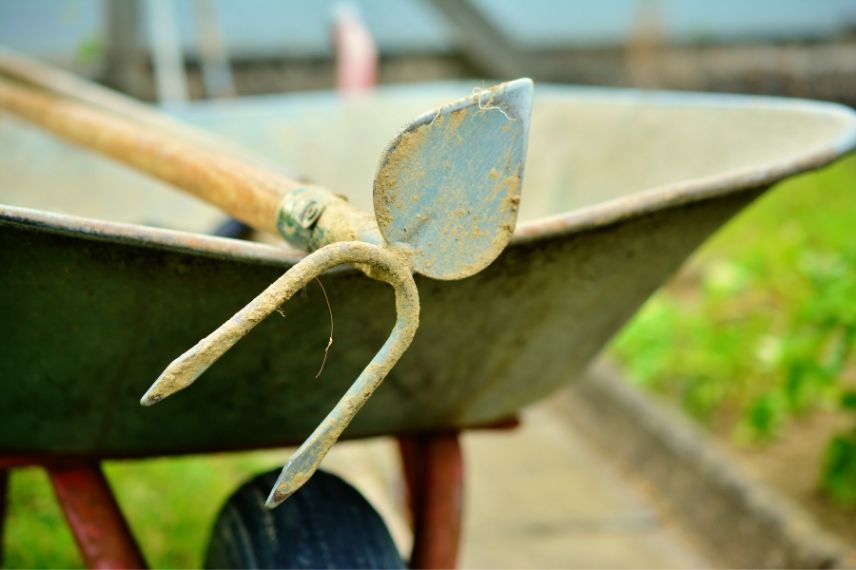
Rake the soil regularly!
Discover other Hoes
View all →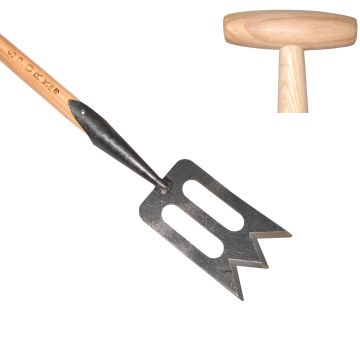
Available in 1 sizes
Available in 1 sizes
Available in 1 sizes
Available in 1 sizes
Available in 1 sizes
Available in 1 sizes
Available in 1 sizes
Available in 1 sizes
Available in 1 sizes
Available in 1 sizes
- Subscribe!
- Contents
This form is protected by reCAPTCHA - the Google Privacy Policy and Terms of Service apply.

































Comments