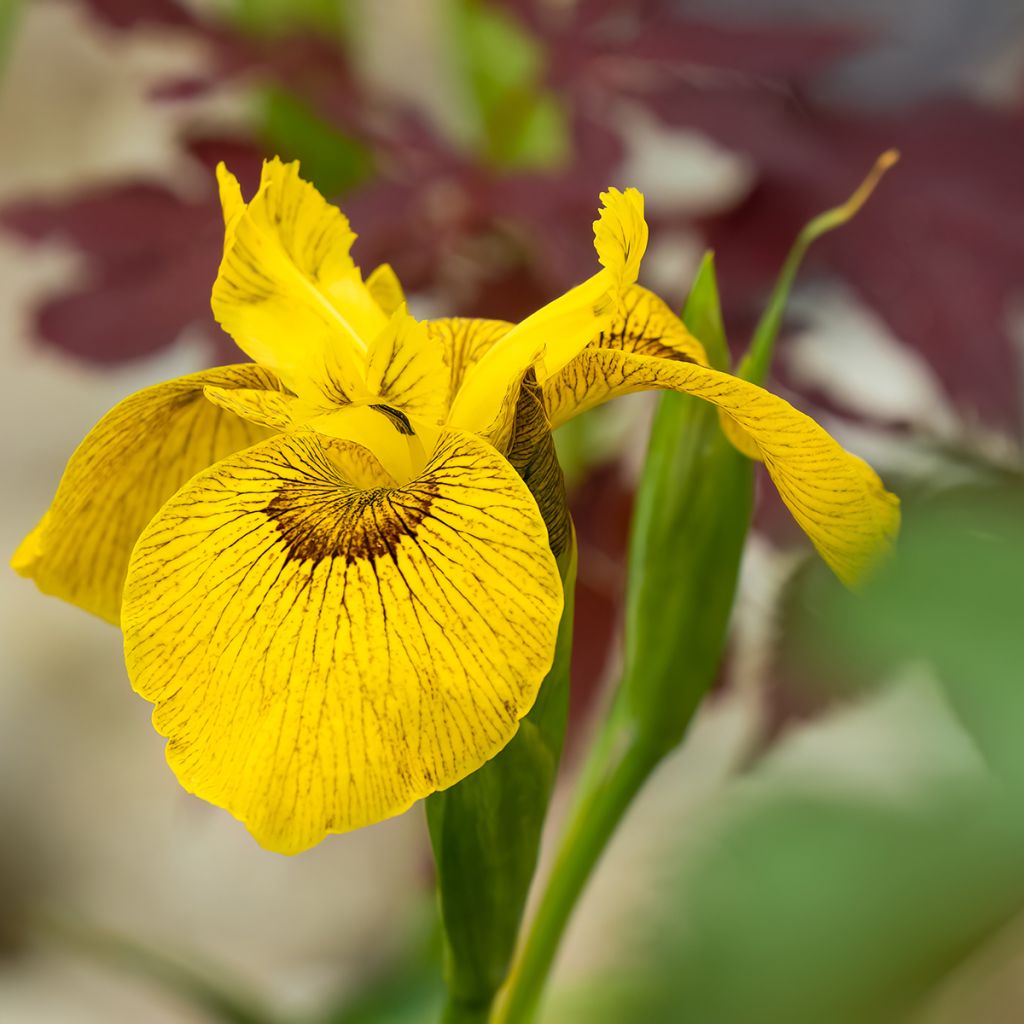
Iris Berlin Tiger
Iris Berlin Tiger
Iris Berlin Tiger
Water Iris
Back-to-school special offer!
Get €10 off for every €50 you spend! And get up to €40 off on a single order.
How does it work?
1. Shop your favourites
Add your favourite plants to your basket. For every €50 you spend (excluding delivery charges, store credit and the plastic-free option), you’ll receive a €10 voucher.
€50 spent = €10 voucher
€100 spent = €20 voucher
€150 spent = €30 voucher
€200 spent = €40 voucher
2. Place your order
Once your basket reaches one of the spending thresholds, place your order. You can even choose your delivery date!
3. Receive your voucher
As soon as your order has been shipped, you’ll receive an email containing your personal voucher code and its value.
4. Use it on your next order
Your voucher is valid for 90 days from the date you receive it. It can be used once only, on a new order worth at least the value of the voucher, excluding delivery charges.
Please note: Vouchers can be combined with other offers, but cannot be split or refunded.
Why not try an alternative variety in stock?
View all →
Available in 1 sizes
Available in 2 sizes
Available in 1 sizes
Available in 1 sizes
Available in 1 sizes
Available in 1 sizes
Available in 1 sizes
Available in 2 sizes
Available in 1 sizes
Available in 1 sizes
This plant carries a 12 months recovery warranty
More information
We guarantee the quality of our plants for a full growing cycle, and will replace at our expense any plant that fails to recover under normal climatic and planting conditions.

Would this plant suit my garden?
Set up your Plantfit profile →
Description
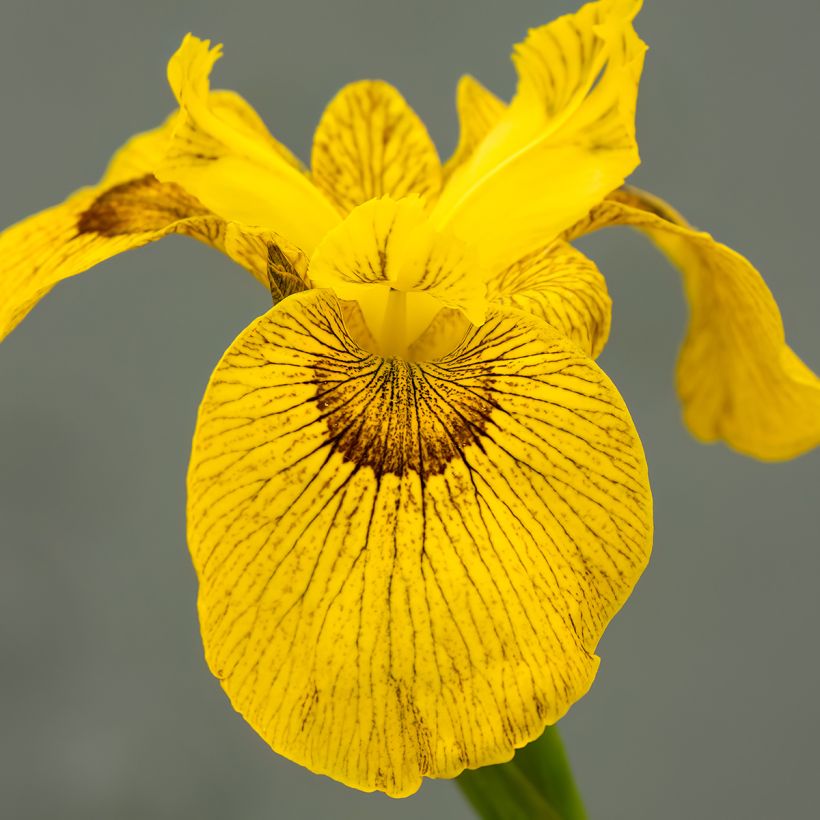
L’Iris ‘Berlin Tiger’ est un iris d’eau hybride qui se distingue par des fleurs jaune pâle fortement tigrées de brun pourpré. Cette variété fleurit en début d’été, sur des tiges élancées, dans les terres humides, sur les berges et aux abords des bassins.
'Berlin Tiger’ est une plante vivace à rhizomes charnus. Il appartient à la famille des Iridacées et se classe parmi les iris hybrides interspécifiques, appelés Species-X par les passionnés d’iris. Ces iris ne sont rattachés ni aux iris germanica, ni aux iris du Japon, ni aux iris de Sibérie au sens strict ; ils réunissent des caractères empruntés à plusieurs espèces.
'Berlin Tiger’ possède le port de l'Iris pseudacorus, l’iris des marais : il forme une touffe verticale, des feuilles longues, étroites, gris-vert, et des hampes florales dressées. Cette espèce a aussi transmis à ses hybrides son goût pour les sols lourds, profonds et humides. Sa rusticité est de l'ordre de -20°C. Le feuillage de ‘Berlin Tiger’ est caduc : il sèche en fin d’automne ou en hiver, puis repart du rhizome au printemps. La plante atteint environ 90 cm de hauteur en fleur et forme une touffe de 30 à 50 cm de large au minimum. Dans un petit bassin, un panier aquatique permet de contenir sa souche et de la diviser plus facilement. La floraison a lieu en juin-juillet selon le climat. Les fleurs sont plus légères que celles des iris barbus et plus élancées que celles des iris japonais. Les sépales retombants sont jaune pâle, intensément veinés de brun rouge à brun pourpré, avec une zone plus sombre près de la base. Les pétales internes sont plus étroits, dressés, et portent eux aussi un réseau de lignes brunes.
Cet iris a été enregistré par Tomas Tamberg en 1988, puis introduit en 1990. Sa parenté officielle indique ‘Holden Clough’ croisé avec un parent inconnu. Il a reçu l’Award of Garden Merit de la Royal Horticultural Society.
Plantez cet iris d'eau ‘Berlin Tiger’ en bordure de bassin, sur une berge ou dans un massif très humide. Vous pouvez l'associer à l'Iris laevigata ‘Snowdrift’, blanc pur, et à l'Iris sibirica 'Blue King' d'un bleu violacé intense et au Carex elata 'Aurea', une graminée de terrain humide au feuillage doré.
Report an error about the product description
Iris Berlin Tiger in pictures
Flowering
Foliage
Plant habit
Botanical data
Iris
Berlin Tiger
Iridaceae
Water Iris
Cultivar or hybrid
Planting and care
Plant the Iris 'Berlin Tiger' from March to November. Choose a position in non-scorching sun or light partial shade, on a bank, at the edge of a pond, in a ditch or a border that is always moist. Provide it with heavy, humus-bearing, deep, neutral to acidic soil, constantly moist to waterlogged. In a pond, install it in an aquatic basket filled with clay soil or substrate for aquatic plants, then place it in shallow water or just at the level of the bank. In open ground, plant the rootstock a few centimetres below the surface and water generously at planting time. Do not grow it in dry, sandy or chalky soil. Divide the clump every three or four years if it becomes too dense, especially in a small pond.
Planting period
Intended location
Care
Planting & care advice
-
-

-
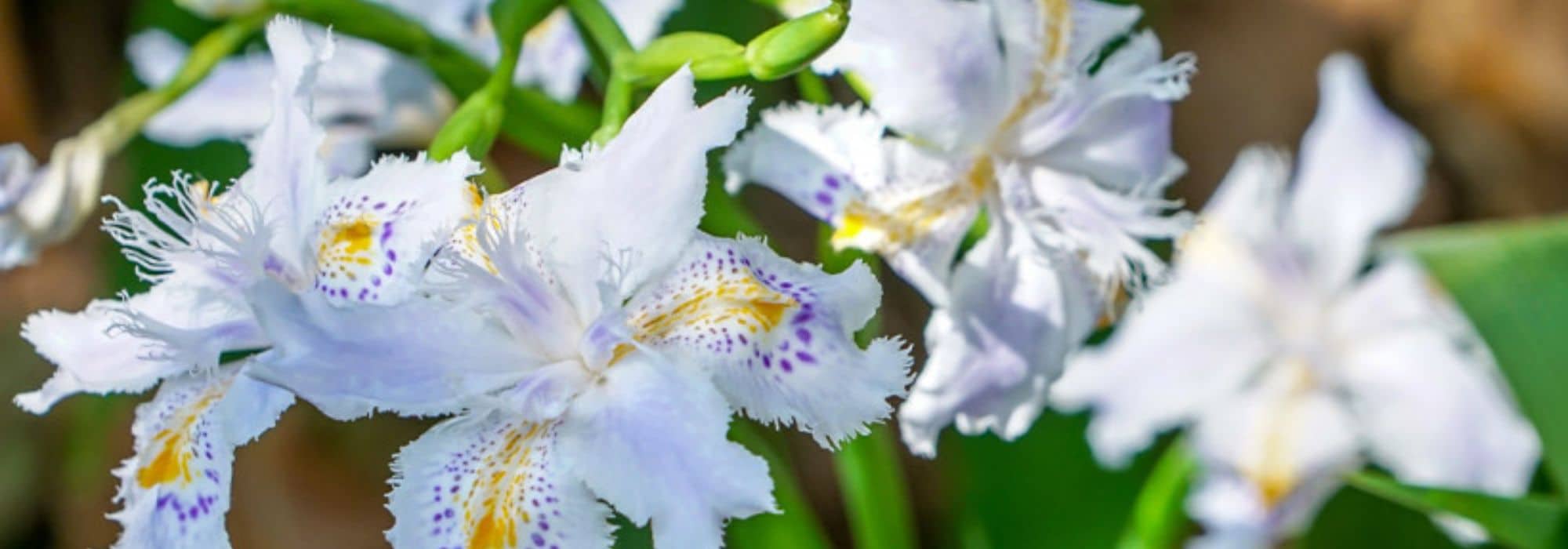
-
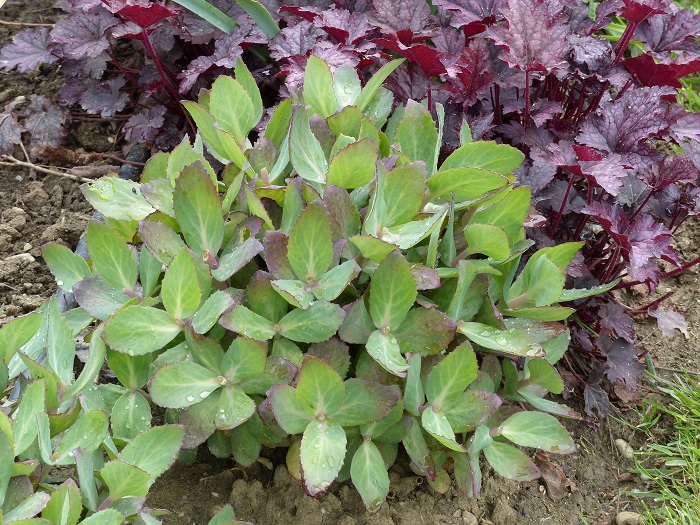
-
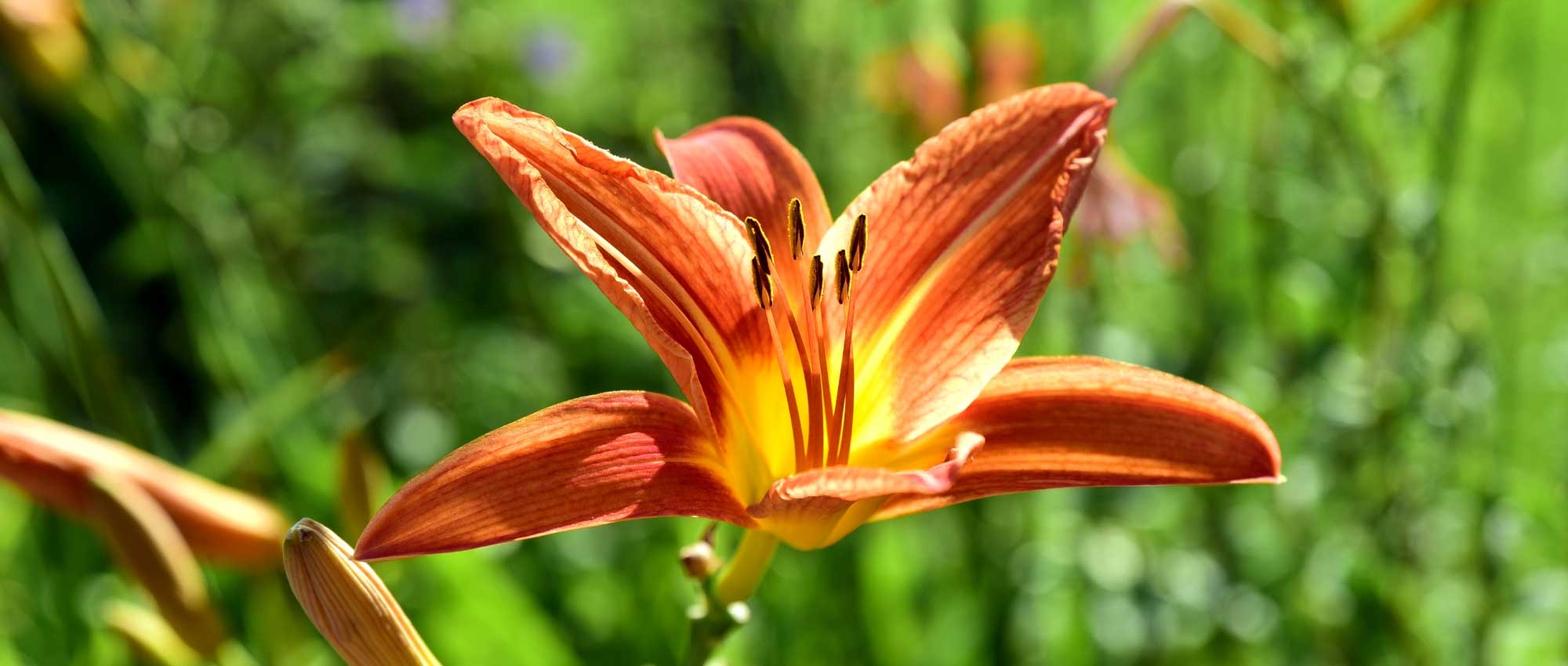
-
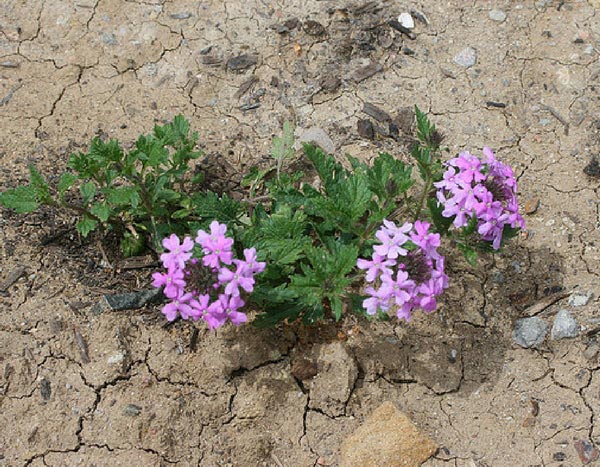
-
-

This item has not been reviewed yet - be the first to leave a review about it.
Recently viewed products
Haven't found what you were looking for?
Hardiness is the lowest winter temperature a plant can endure without suffering serious damage or even dying. However, hardiness is affected by location (a sheltered area, such as a patio), protection (winter cover) and soil type (hardiness is improved by well-drained soil).

The flowering period indicated on our website applies to countries and regions located in USDA zone 8 (France, the United Kingdom, Ireland, the Netherlands, etc.)
It will vary according to where you live:- In zones 9 to 10 (Italy, Spain, Greece, etc.), flowering will occur about 2 to 4 weeks earlier.
- In zones 6 to 7 (Germany, Poland, Slovenia, and lower mountainous regions), flowering will be delayed by 2 to 3 weeks.
- In zone 5 (Central Europe, Scandinavia), blooming will be delayed by 3 to 5 weeks.
In temperate climates, pruning of spring-flowering shrubs (forsythia, spireas, etc.) should be done just after flowering.
Pruning of summer-flowering shrubs (Indian Lilac, Perovskia, etc.) can be done in winter or spring.
In cold regions as well as with frost-sensitive plants, avoid pruning too early when severe frosts may still occur.
The planting period indicated on our website applies to countries and regions located in USDA zone 8 (France, United Kingdom, Ireland, Netherlands).
It will vary according to where you live:
- In Mediterranean zones (Marseille, Madrid, Milan, etc.), autumn and winter are the best planting periods.
- In continental zones (Strasbourg, Munich, Vienna, etc.), delay planting by 2 to 3 weeks in spring and bring it forward by 2 to 4 weeks in autumn.
- In mountainous regions (the Alps, Pyrenees, Carpathians, etc.), it is best to plant in late spring (May-June) or late summer (August-September).
The harvesting period indicated on our website applies to countries and regions in USDA zone 8 (France, England, Ireland, the Netherlands).
In colder areas (Scandinavia, Poland, Austria...) fruit and vegetable harvests are likely to be delayed by 3-4 weeks.
In warmer areas (Italy, Spain, Greece, etc.), harvesting will probably take place earlier, depending on weather conditions.
The sowing periods indicated on our website apply to countries and regions within USDA Zone 8 (France, UK, Ireland, Netherlands).
In colder areas (Scandinavia, Poland, Austria...), delay any outdoor sowing by 3-4 weeks, or sow under glass.
In warmer climes (Italy, Spain, Greece, etc.), bring outdoor sowing forward by a few weeks.
Shipping country and language
Your country of residence may be:
Your country of residence is:
For a better user experience on our website, you can select:
Your shipping country:
-
 Austria
-
 Belgium
-
 Bosnia & Herzegovina
-
 Bulgaria
-
 Croatia
-
 Cyprus
-
 Czechia
-
 Denmark
-
 Estonia
-
 Finland
-
 France
-
 Germany
-
 Greece
-
 Hungary
-
 Iceland
-
 Ireland
-
 Italy
Italy
-
 Latvia
-
 Liechtenstein
-
 Lithuania
-
 Luxembourg
-
 Malta
Malta
-
 Netherlands
-
 Poland
-
 Portugal
-
 Romania
-
 Serbia
-
 Slovakia
-
 Slovenia
-
 Spain
Spain
-
 Sweden
-
 Switzerland
Language:
-
French
-
 English
-
Spanish
-
Italian
-
German
-
Portuguese
-
Dutch
-
Finnish
My Account
Hello
My wish lists
My cart
Log in / Register
Existing customer?
This form is protected by reCAPTCHA - the Google Privacy Policy and Terms of Service apply.
New customer?
Create an account to track your orders, access our customer service and, if you wish, make the most of our upcoming offers.