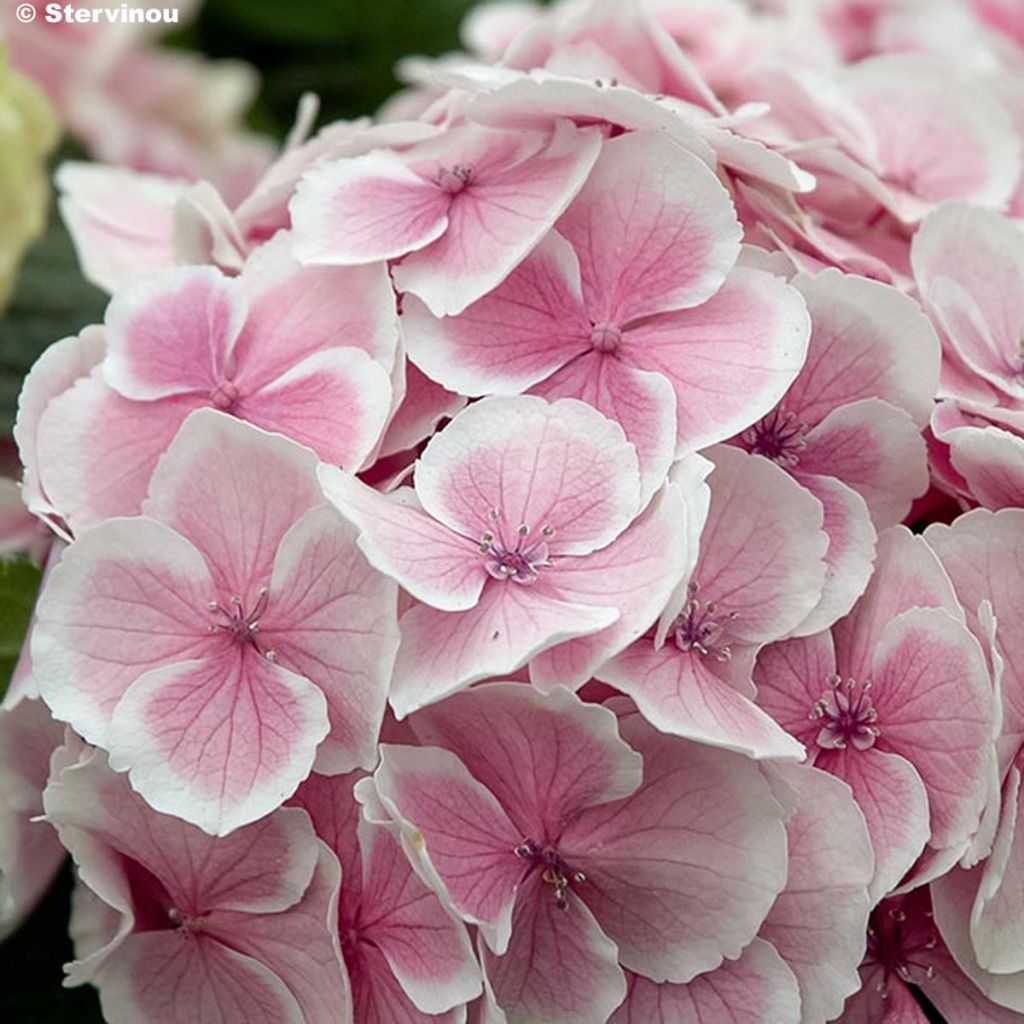
Hydrangea macrophylla Fanfare
Hydrangea macrophylla Fanfare
Hydrangea macrophylla Wedding Ring 'Fanfare'
Bigleaf Hydrangea, French Hydrangea
lovely young plant that has grown well for its first season but no flowers
carole vetzel, 10/10/2016
Back-to-school special offer!
Get €10 off for every €50 you spend! And get up to €40 off on a single order.
How does it work?
1. Shop your favourites
Add your favourite plants to your basket. For every €50 you spend (excluding delivery charges, store credit and the plastic-free option), you’ll receive a €10 voucher.
€50 spent = €10 voucher
€100 spent = €20 voucher
€150 spent = €30 voucher
€200 spent = €40 voucher
2. Place your order
Once your basket reaches one of the spending thresholds, place your order. You can even choose your delivery date!
3. Receive your voucher
As soon as your order has been shipped, you’ll receive an email containing your personal voucher code and its value.
4. Use it on your next order
Your voucher is valid for 90 days from the date you receive it. It can be used once only, on a new order worth at least the value of the voucher, excluding delivery charges.
Please note: Vouchers can be combined with other offers, but cannot be split or refunded.
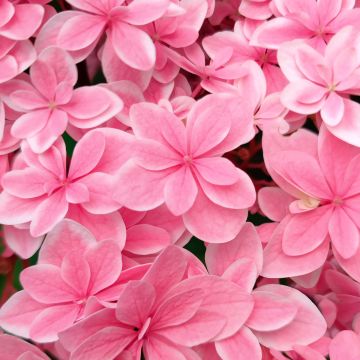
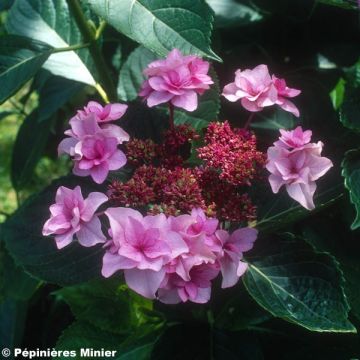
Why not try an alternative variety in stock?
View all →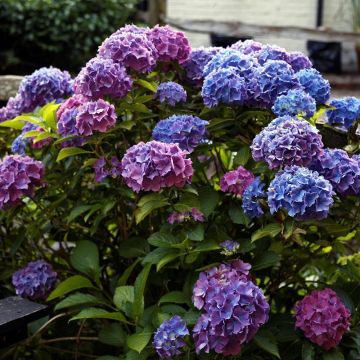
Available in 1 sizes

Available in 1 sizes
Available in 1 sizes
Available in 1 sizes
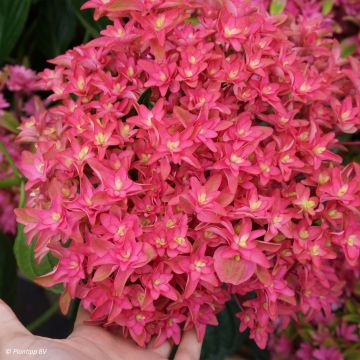
Available in 2 sizes
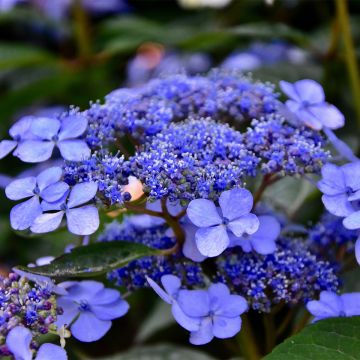
Available in 1 sizes
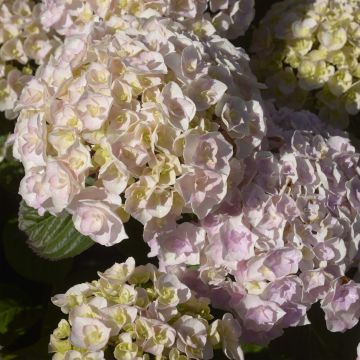
Available in 1 sizes
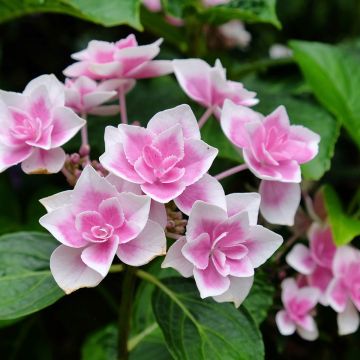
Available in 1 sizes
Available in 2 sizes
Available in 2 sizes
This plant carries a 24 months recovery warranty
More information
We guarantee the quality of our plants for a full growing cycle, and will replace at our expense any plant that fails to recover under normal climatic and planting conditions.

Would this plant suit my garden?
Set up your Plantfit profile →
Description
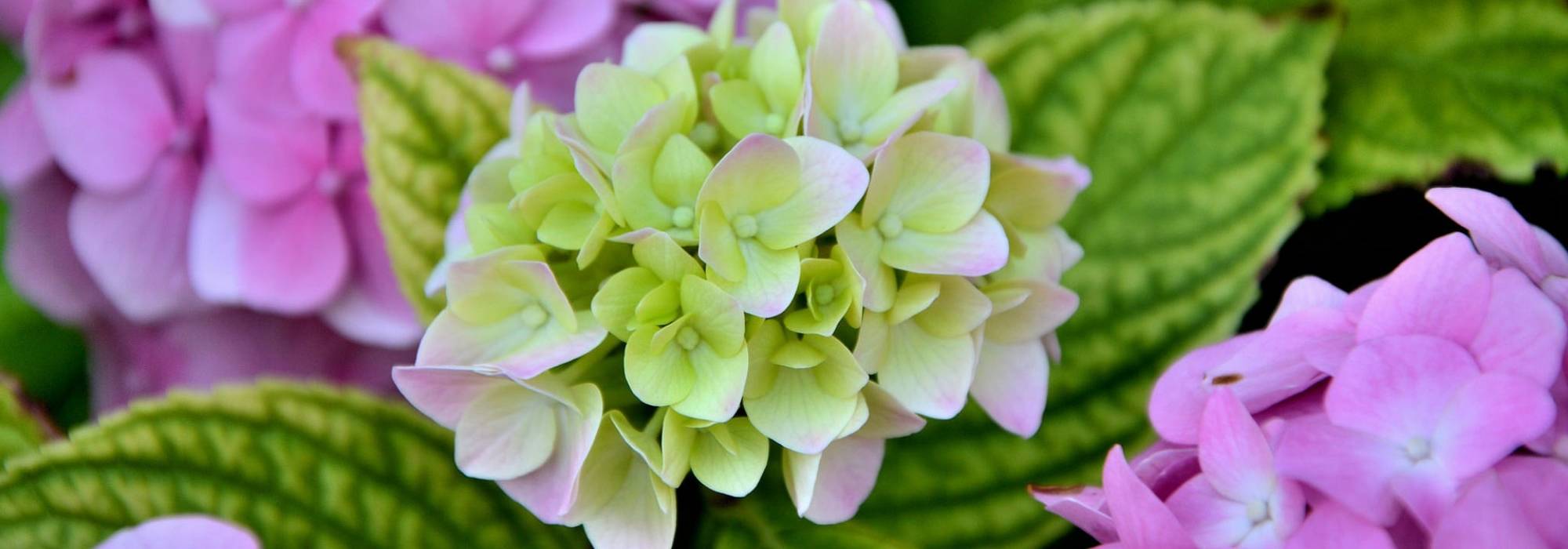
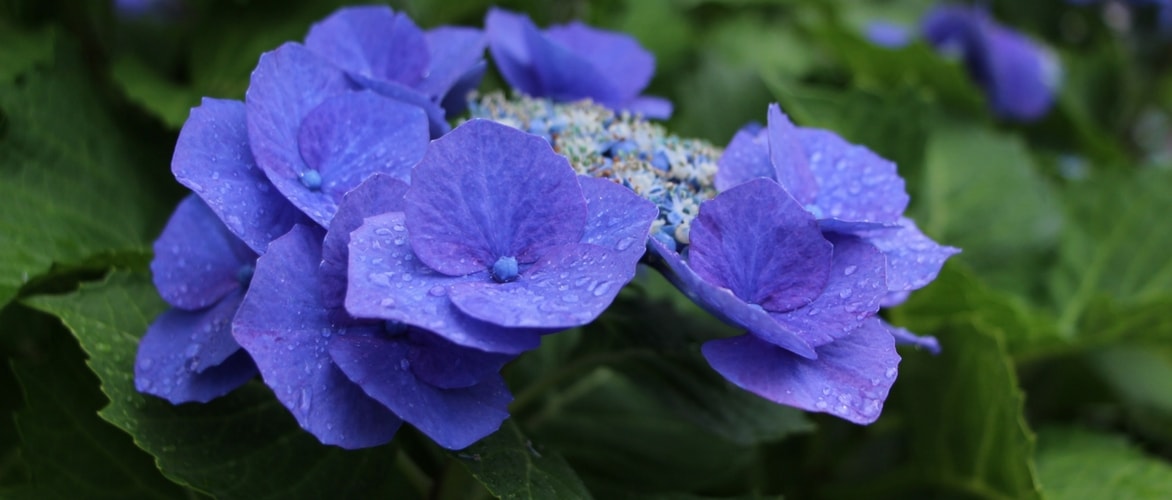
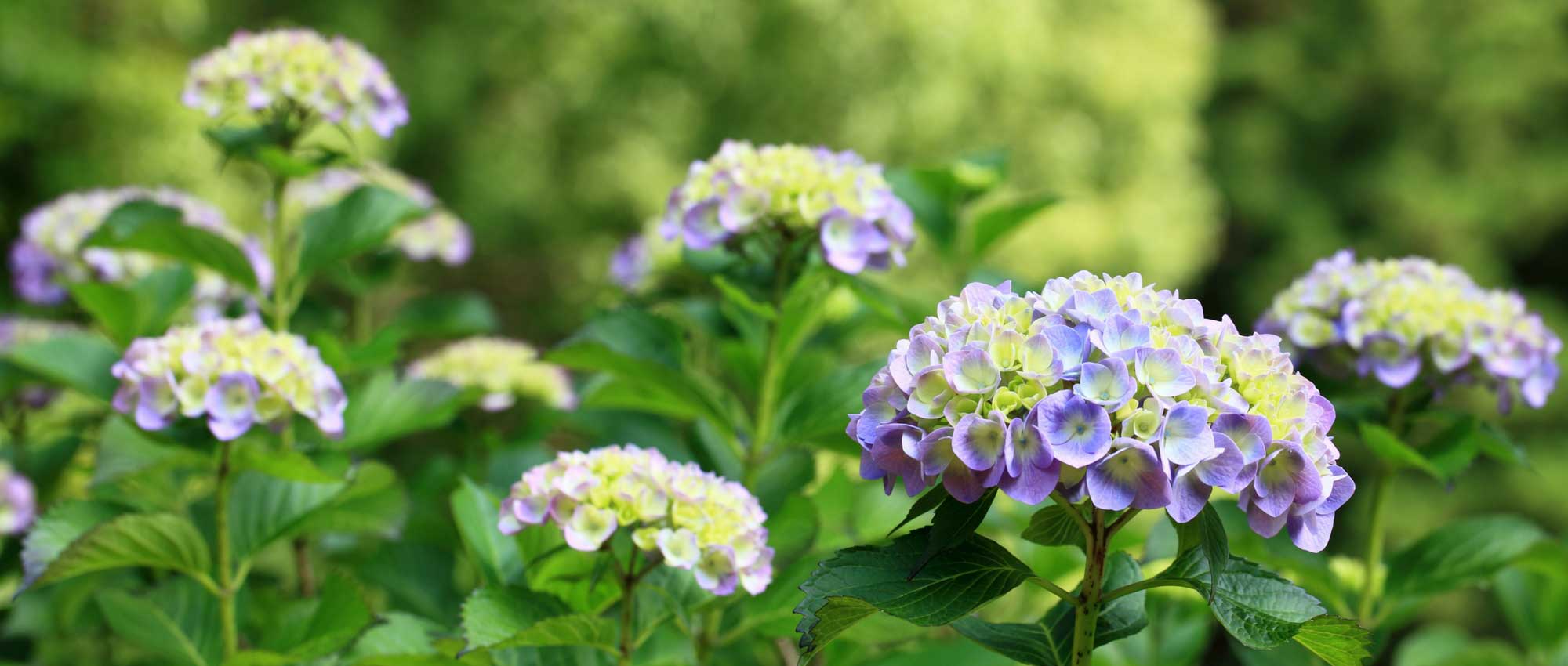
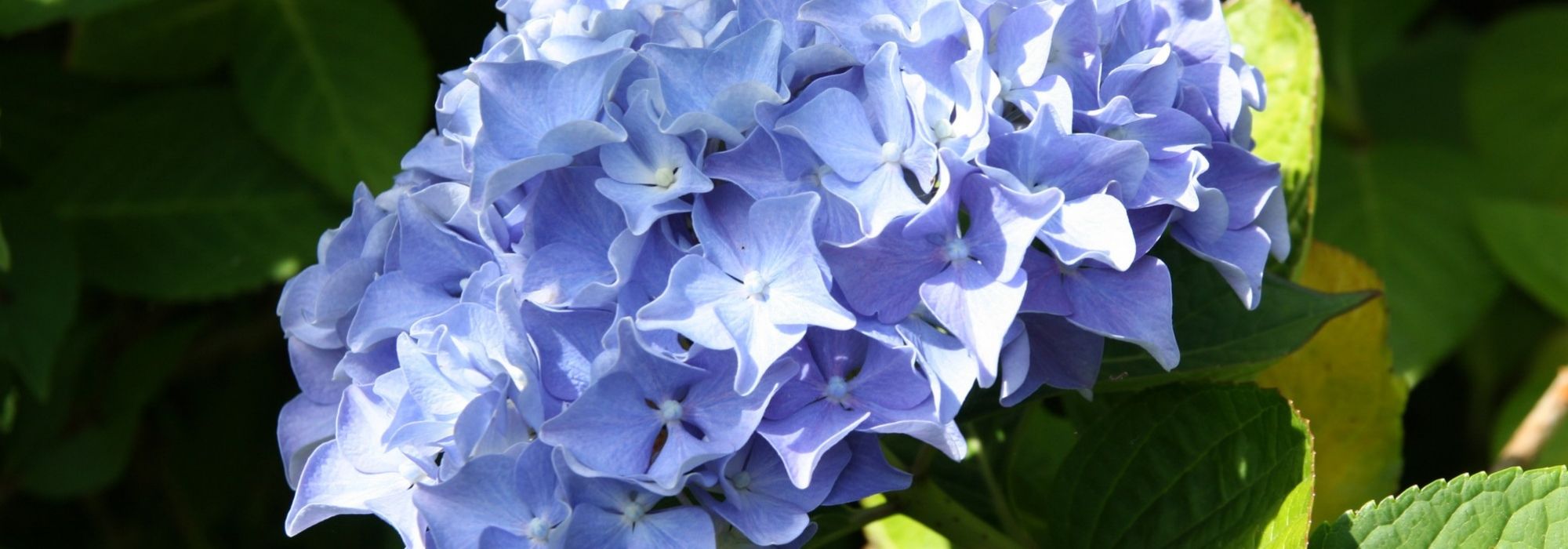
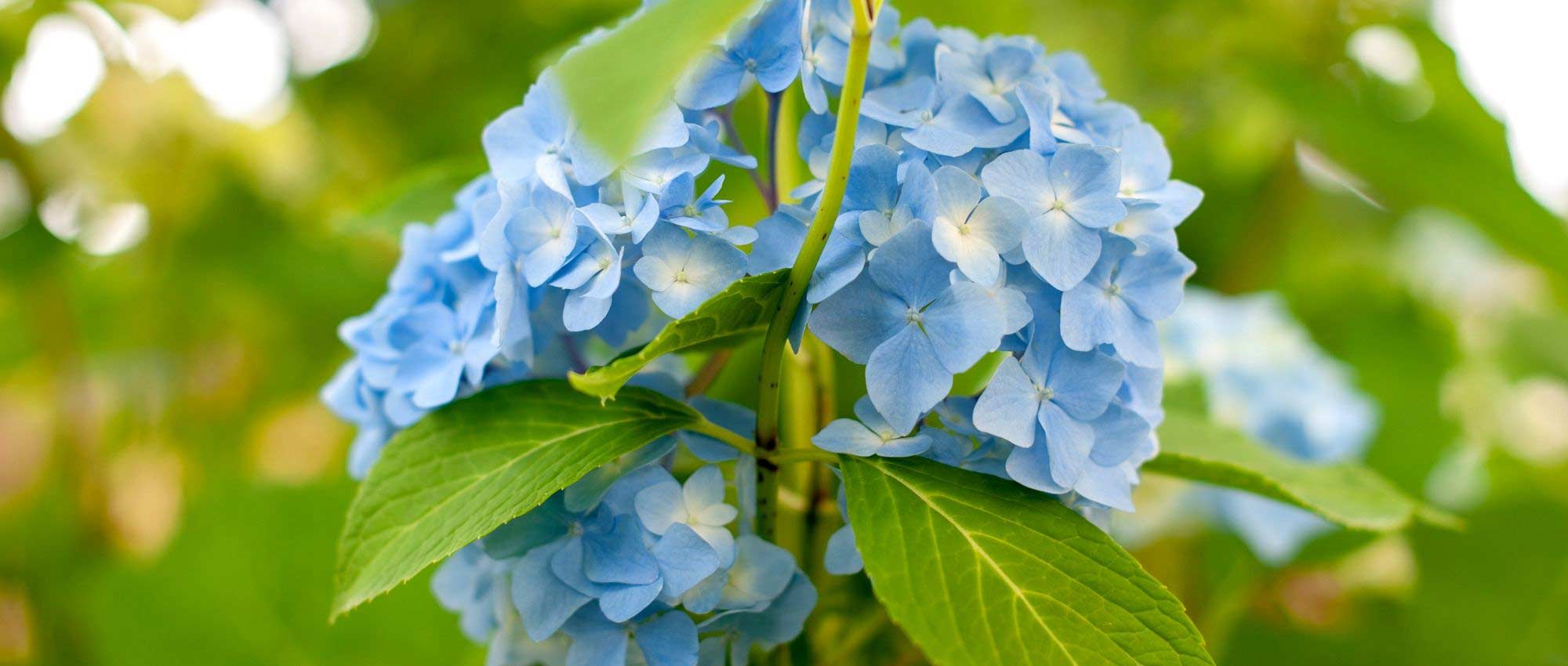
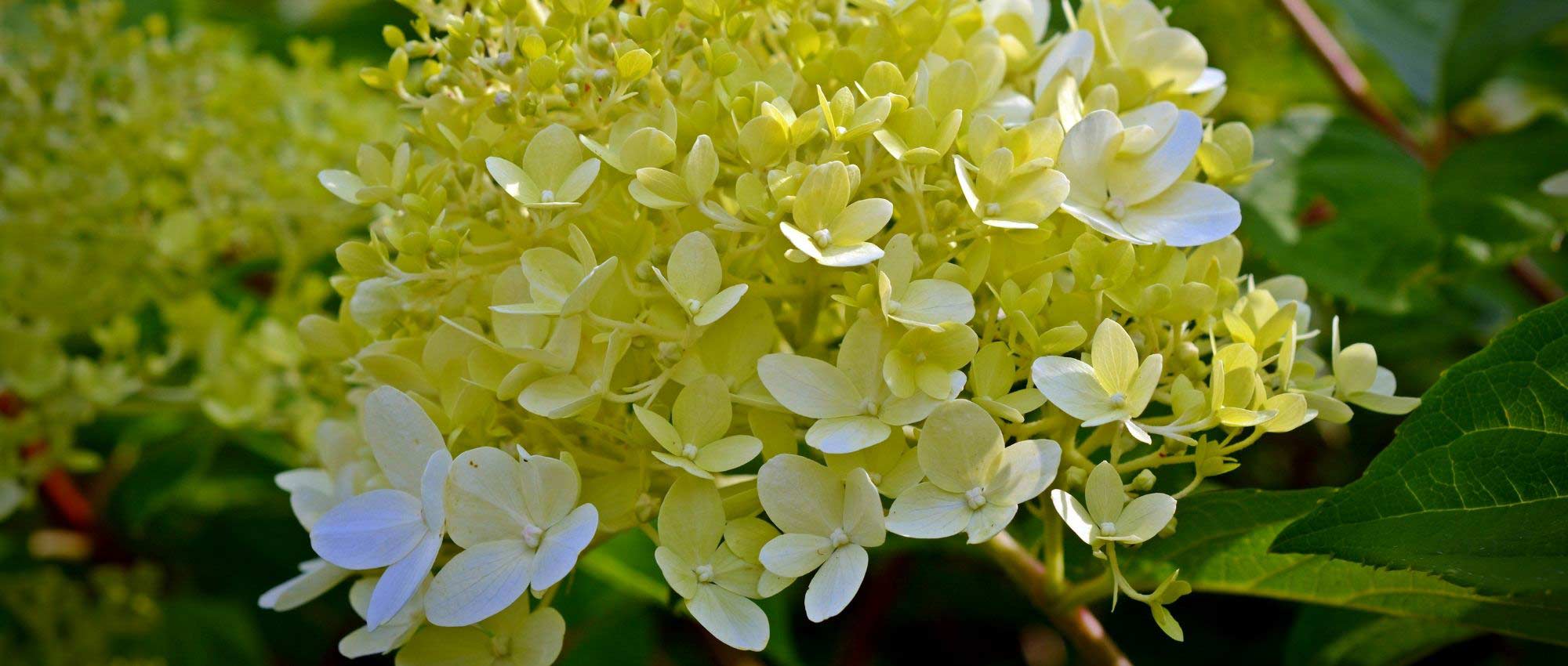
This is a fresh variety hailing from the United States, where hydrangeas are currently all the rage as the trendiest bushes around. 'Wedding Ring' is a hybrid of the species Hydrangea macrophylla with ball-shaped flowers. It produces numerous two-tone flowers, with its florets boasting a wide white ring encircling a base that transitions from a gentle pink to blue, with shades of mauve, depending on the soil's pH. Regardless of the pH, the overall effect is undeniably stunning!
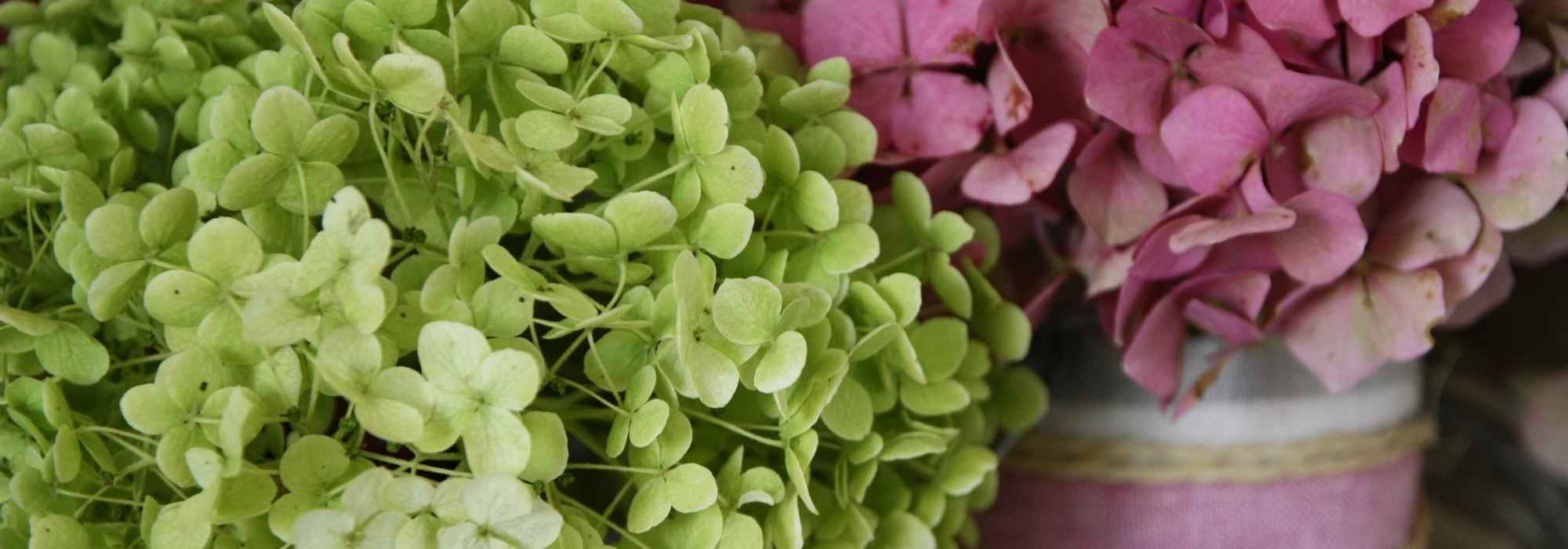
This hydrangea is repeat-flowering, gracing us with a bountiful display in the prime months of June and July. And it doesn't stop there! It will produce fresh blooms in waves until the frosty weather sets in. Moreover, these hydrangea flowers are quite the team players, as they hold up admirably in fresh and dried bouquets. So, feel free to snip a few for your arrangements, which will, in turn, encourage new flowers to form.
This modern marvel of a shrub stands firmly in the next-generation category. It sports robust stems and typically reaches a mature height of around 120 cm, with a spread of 150 cm (59.1 in). Its deciduous foliage boasts a rich, glossy, dark green appearance, making it a truly decorative addition to your garden. This robust hydrangea is hardy and reliable, with its blossoms every year, regardless of where it is grown.
With its compact form, it demands minimal pruning. It is an excellent choice for snug spots in the shade or partial shade, as long as the soil isn't too chalky and stays pleasantly cool during the summer months. It can also be cultivated in containers on terraces, balconies, or small urban gardens.
This variety is the perfect fusion of charm and durability, making it a versatile companion for other "kindred" plants like Hydrangea paniculata 'Great Star,' Heptacodium miconioides, or perennial plants such as Japanese anemones, asters, Filipendula, and, of course, the indispensable perennial geraniums!
Plant habit
Flowering
Foliage
Botanical data
Hydrangea
macrophylla
Wedding Ring 'Fanfare'
Hydrangeaceae
Bigleaf Hydrangea, French Hydrangea
Cultivar or hybrid
Planting and care
To successfully cultivate your Hydrangea macrophylla 'Wedding Ring,' it's essential to prepare the soil thoroughly, digging down to a depth of 40 cm (15.7 in) by 40 cm (15.7 in). A good foundation fertiliser will support the growth of your young plant without the risk of burning. Hydrangeas thrive in locations with plenty of sunlight or partial shade, depending on your soil's moisture levels, and they prefer soil that leans towards neutral to slightly acidic. If your soil tends to be dry, consider blending in our water-retaining agent, Stocksorb, while filling the planting hole and creating a surface watering basin.
Towards the end of summer, we recommend leaving the dry flower heads intact, as they protect the terminal shoots of the branches during the winter. Pruning should be reserved for late February or the first signs of beautiful spring days.
Cultivating Hydrangea macrophylla 'Wedding Ring' in pots is also straightforward, provided you use containers deep enough (around 40 to 50 cm or (15.7 to 19.7 in). Be sure to water appropriately and regularly add fertiliser to your plants. Opt for a potting mix based on ericaceous soil enriched with organic materials and garden soil to add some density to your soil. When arranging your plants in pots, two or three plants in a 50 cm container will create a lovely display in the first year.
If you're aiming for white, red, or pink varieties, they maintain their colour consistently, especially when your watering source has some lime content. However, if you prefer blue types, you'll need to rely on rainwater for watering and regularly use a hydrangea blue solution that includes alum. Using a specific hydrangea fertiliser is also highly recommended for best results.
Planting period
Intended location
Care
Planting & care advice
-
, onOrder confirmed
Reply from on Promesse de fleurs
Recently viewed products
Haven't found what you were looking for?
Hardiness is the lowest winter temperature a plant can endure without suffering serious damage or even dying. However, hardiness is affected by location (a sheltered area, such as a patio), protection (winter cover) and soil type (hardiness is improved by well-drained soil).

The flowering period indicated on our website applies to countries and regions located in USDA zone 8 (France, the United Kingdom, Ireland, the Netherlands, etc.)
It will vary according to where you live:- In zones 9 to 10 (Italy, Spain, Greece, etc.), flowering will occur about 2 to 4 weeks earlier.
- In zones 6 to 7 (Germany, Poland, Slovenia, and lower mountainous regions), flowering will be delayed by 2 to 3 weeks.
- In zone 5 (Central Europe, Scandinavia), blooming will be delayed by 3 to 5 weeks.
In temperate climates, pruning of spring-flowering shrubs (forsythia, spireas, etc.) should be done just after flowering.
Pruning of summer-flowering shrubs (Indian Lilac, Perovskia, etc.) can be done in winter or spring.
In cold regions as well as with frost-sensitive plants, avoid pruning too early when severe frosts may still occur.
The planting period indicated on our website applies to countries and regions located in USDA zone 8 (France, United Kingdom, Ireland, Netherlands).
It will vary according to where you live:
- In Mediterranean zones (Marseille, Madrid, Milan, etc.), autumn and winter are the best planting periods.
- In continental zones (Strasbourg, Munich, Vienna, etc.), delay planting by 2 to 3 weeks in spring and bring it forward by 2 to 4 weeks in autumn.
- In mountainous regions (the Alps, Pyrenees, Carpathians, etc.), it is best to plant in late spring (May-June) or late summer (August-September).
The harvesting period indicated on our website applies to countries and regions in USDA zone 8 (France, England, Ireland, the Netherlands).
In colder areas (Scandinavia, Poland, Austria...) fruit and vegetable harvests are likely to be delayed by 3-4 weeks.
In warmer areas (Italy, Spain, Greece, etc.), harvesting will probably take place earlier, depending on weather conditions.
The sowing periods indicated on our website apply to countries and regions within USDA Zone 8 (France, UK, Ireland, Netherlands).
In colder areas (Scandinavia, Poland, Austria...), delay any outdoor sowing by 3-4 weeks, or sow under glass.
In warmer climes (Italy, Spain, Greece, etc.), bring outdoor sowing forward by a few weeks.
Shipping country and language
Your country of residence may be:
Your country of residence is:
For a better user experience on our website, you can select:
Your shipping country:
-
 Austria
-
 Belgium
-
 Bosnia & Herzegovina
-
 Bulgaria
-
 Croatia
-
 Cyprus
-
 Czechia
-
 Denmark
-
 Estonia
-
 Finland
-
 France
-
 Germany
-
 Greece
-
 Hungary
-
 Iceland
-
 Ireland
-
 Italy
Italy
-
 Latvia
-
 Liechtenstein
-
 Lithuania
-
 Luxembourg
-
 Malta
Malta
-
 Netherlands
-
 Poland
-
 Portugal
-
 Romania
-
 Serbia
-
 Slovakia
-
 Slovenia
-
 Spain
Spain
-
 Sweden
-
 Switzerland
Language:
-
French
-
 English
-
Spanish
-
Italian
-
German
-
Portuguese
-
Dutch
-
Finnish
My Account
Hello
My wish lists
My cart
Log in / Register
Existing customer?
This form is protected by reCAPTCHA - the Google Privacy Policy and Terms of Service apply.
New customer?
Create an account to track your orders, access our customer service and, if you wish, make the most of our upcoming offers.