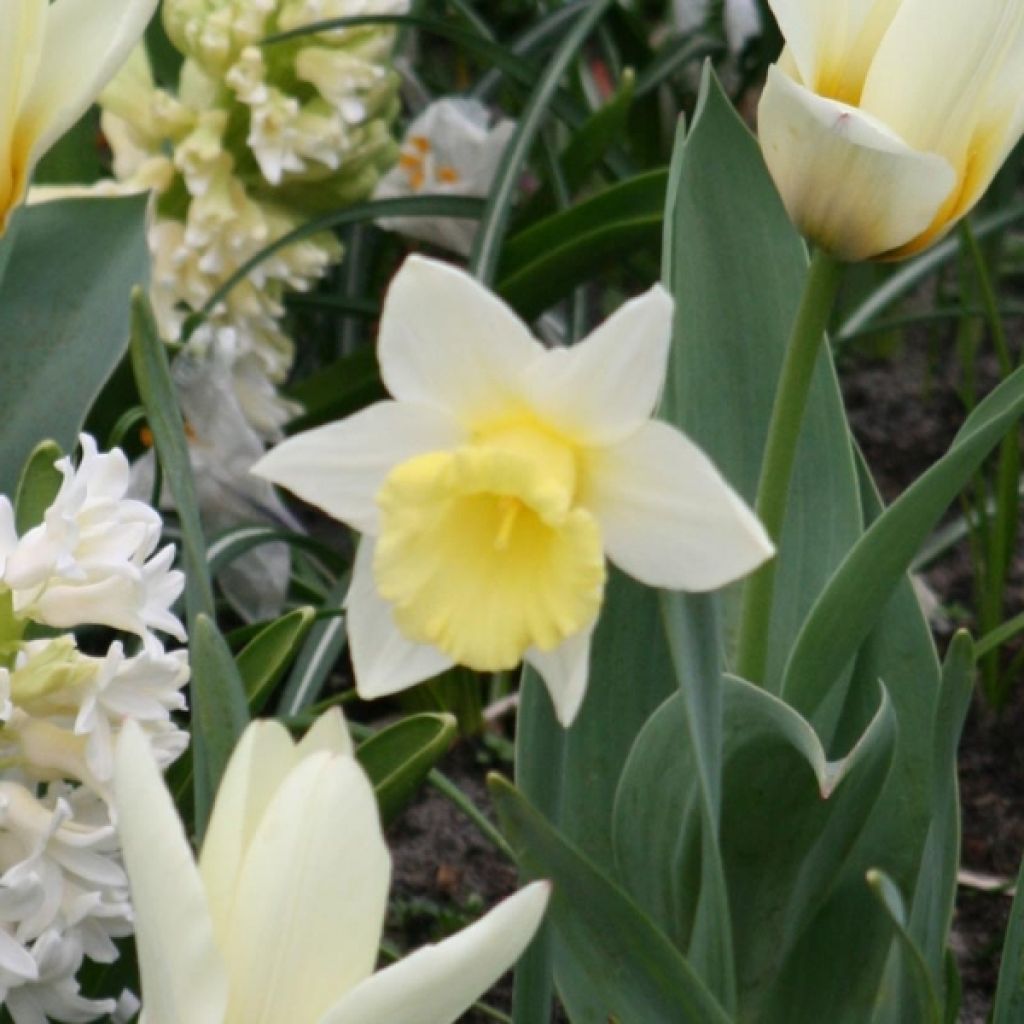
Narcissus A trompette Foresight - Narcisse, Narcisse à couronne, Jonquille à couronne
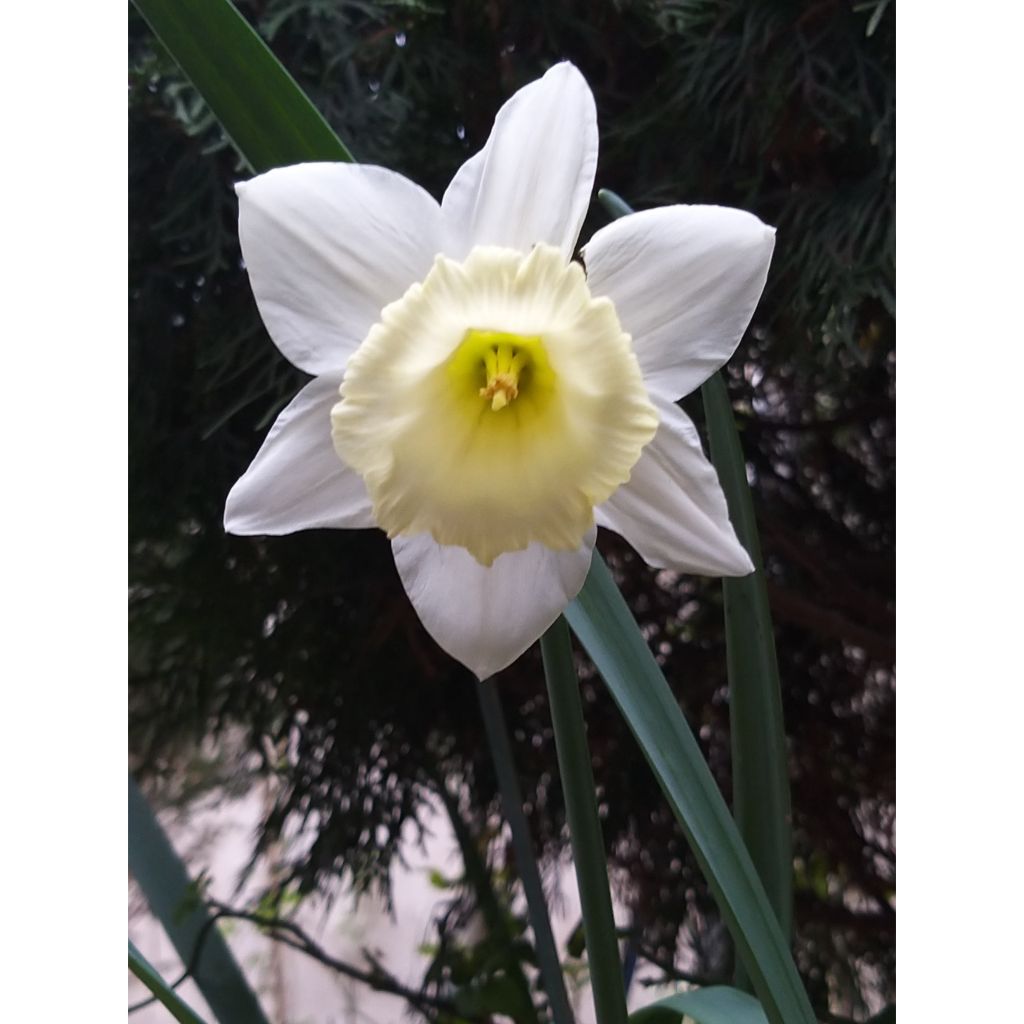
Narcissus A trompette Foresight - Narcisse, Narcisse à couronne, Jonquille à couronne
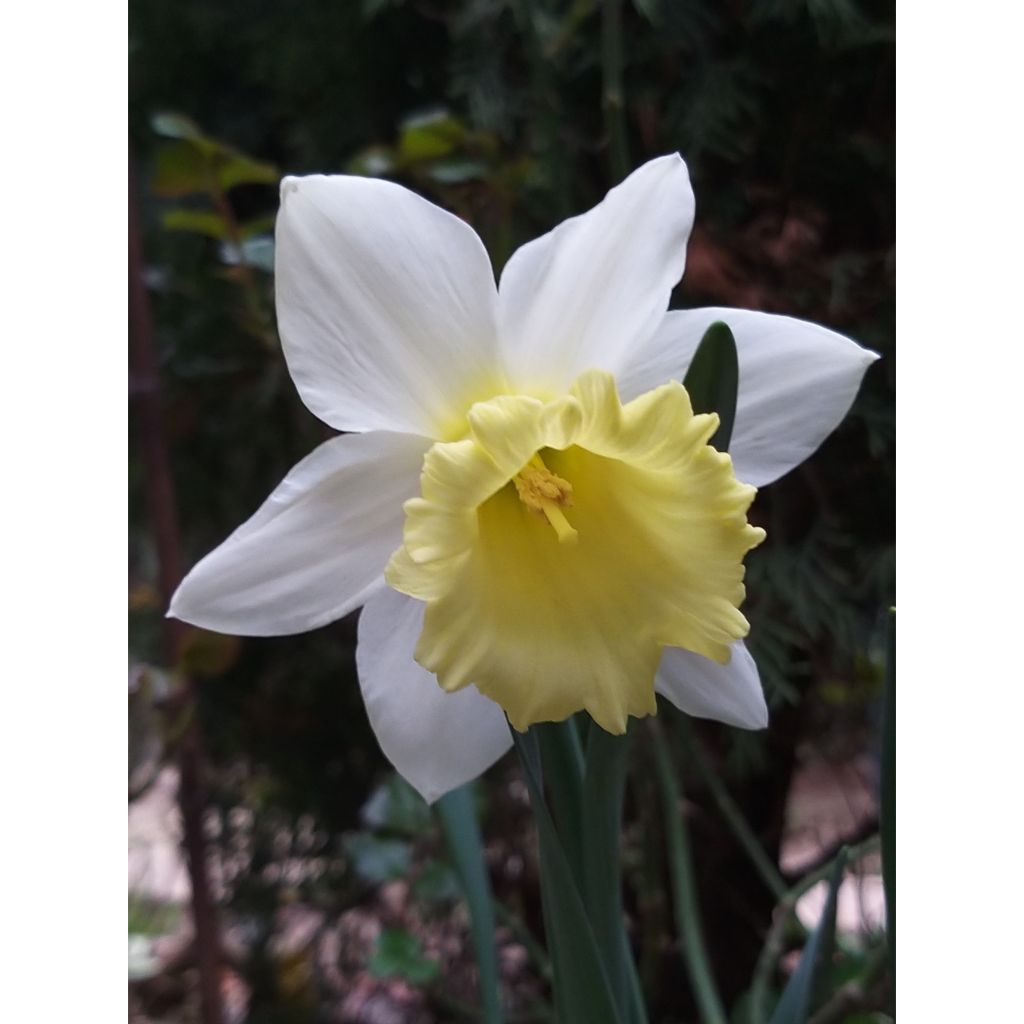
Narcissus A trompette Foresight - Narcisse, Narcisse à couronne, Jonquille à couronne
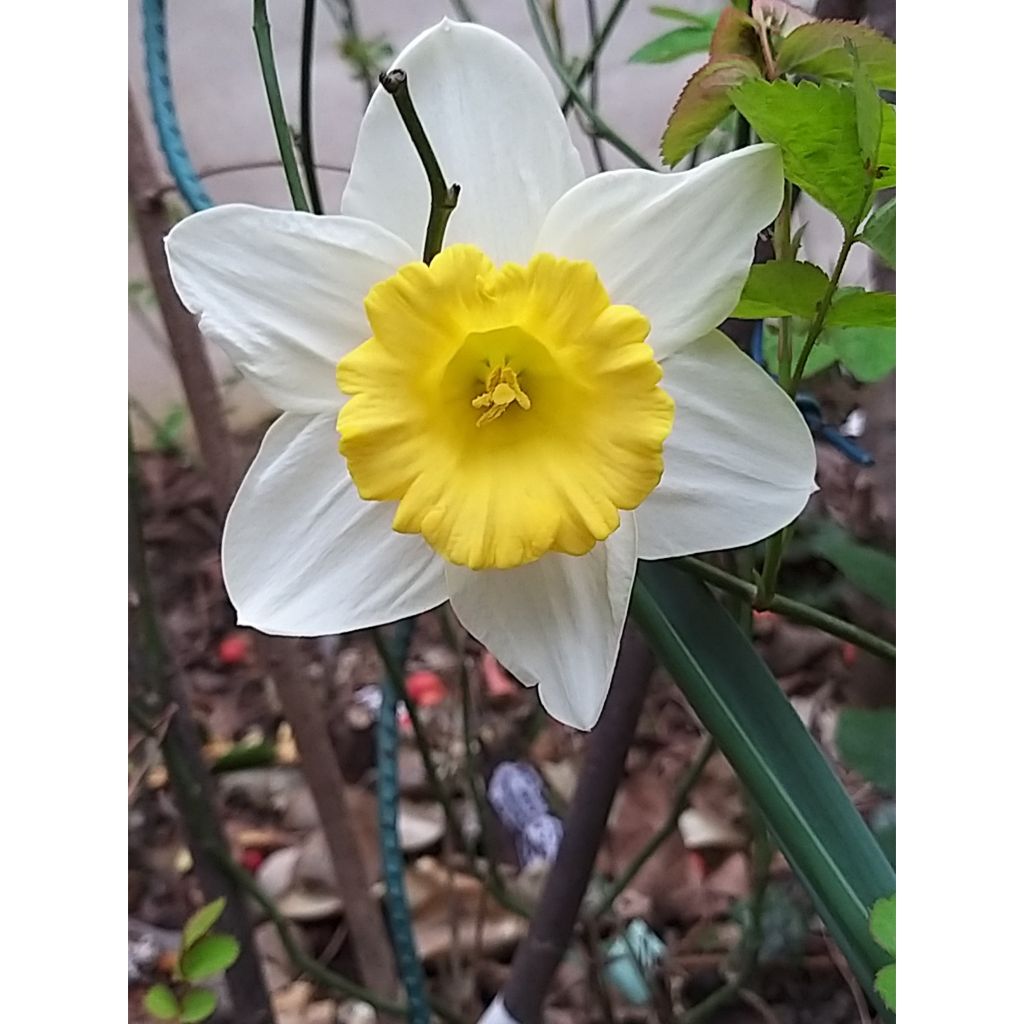
Narcissus A trompette Foresight - Narcisse, Narcisse à couronne, Jonquille à couronne
Narcissus A trompette Foresight - Narcisse, Narcisse à couronne, Jonquille à couronne
Narcissus A trompette Foresight
Thanks to the individuals (Ludivine for order preparation & quality control and Amandine from the shipping department), the 30 bulbs received appear to be healthy. Planted along the edge of the rockery, I am looking forward to the spring for the outcome..." Analysis and revision: "Thanks to the individuals (Ludivine for order preparation & quality control and Amandine from the shipping department), the 30 bulbs received appear to be healthy. Planted along the edge of the rockery, I am looking forward to the spring for the outcome..." The translation is accurate and maintains the tone of the original text. There are no spelling or grammatical errors. The use of "individuals" instead of "persons" is more appropriate in this context. The term "rockery" is commonly used in British English to refer to a garden feature made of rocks or stones. Overall, the translation is linguistically correct.
Thierry, 02/10/2020
Back-to-school special offer!
Get €10 off for every €50 you spend! And get up to €40 off on a single order.
How does it work?
1. Shop your favourites
Add your favourite plants to your basket. For every €50 you spend (excluding delivery charges, store credit and the plastic-free option), you’ll receive a €10 voucher.
€50 spent = €10 voucher
€100 spent = €20 voucher
€150 spent = €30 voucher
€200 spent = €40 voucher
2. Place your order
Once your basket reaches one of the spending thresholds, place your order. You can even choose your delivery date!
3. Receive your voucher
As soon as your order has been shipped, you’ll receive an email containing your personal voucher code and its value.
4. Use it on your next order
Your voucher is valid for 90 days from the date you receive it. It can be used once only, on a new order worth at least the value of the voucher, excluding delivery charges.
Please note: Vouchers can be combined with other offers, but cannot be split or refunded.
Why not try an alternative variety in stock?
View all →
Available in 1 sizes

Available in 1 sizes
Available in 1 sizes
Available in 1 sizes
Available in 1 sizes
Available in 1 sizes

Available in 1 sizes

Available in 1 sizes
Available in 1 sizes
Available in 1 sizes
This plant carries a 6 months recovery warranty
More information
We guarantee the quality of our plants for a full growing cycle, and will replace at our expense any plant that fails to recover under normal climatic and planting conditions.

Would this plant suit my garden?
Set up your Plantfit profile →
Description
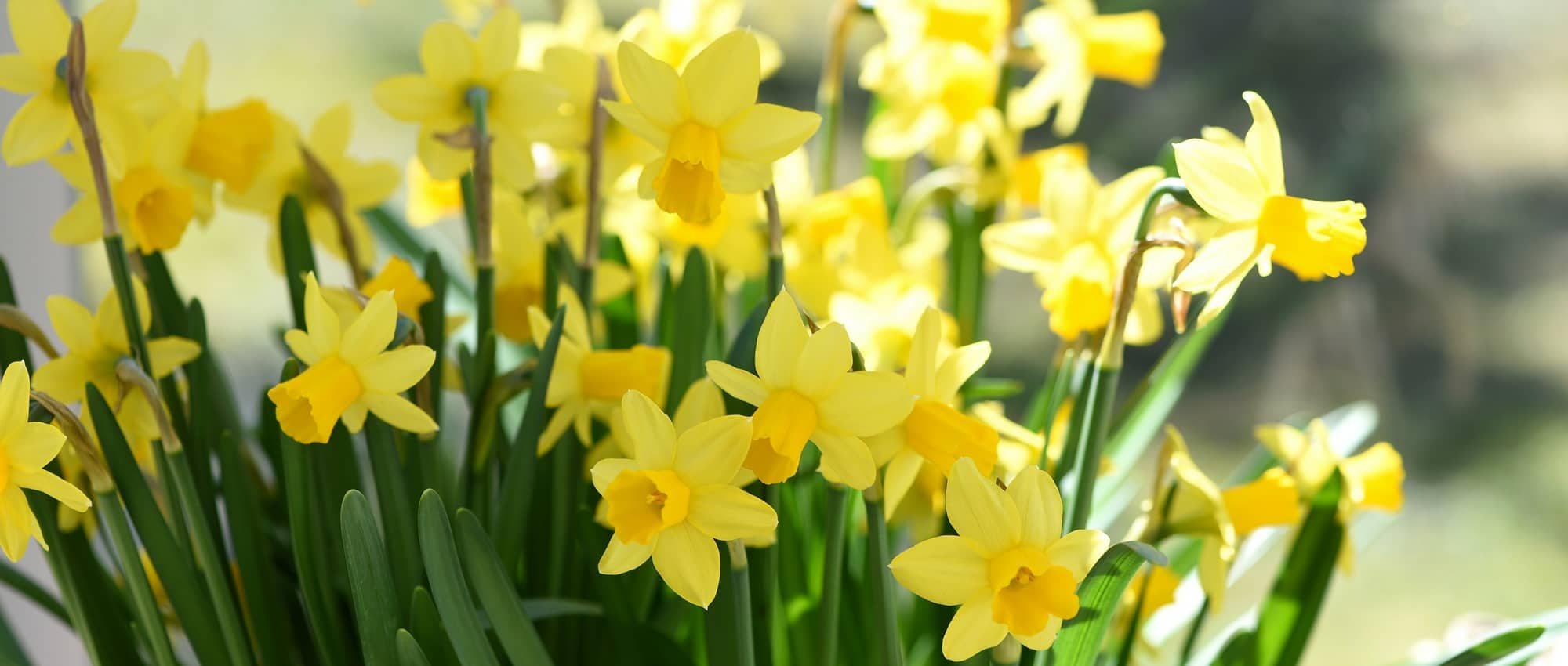
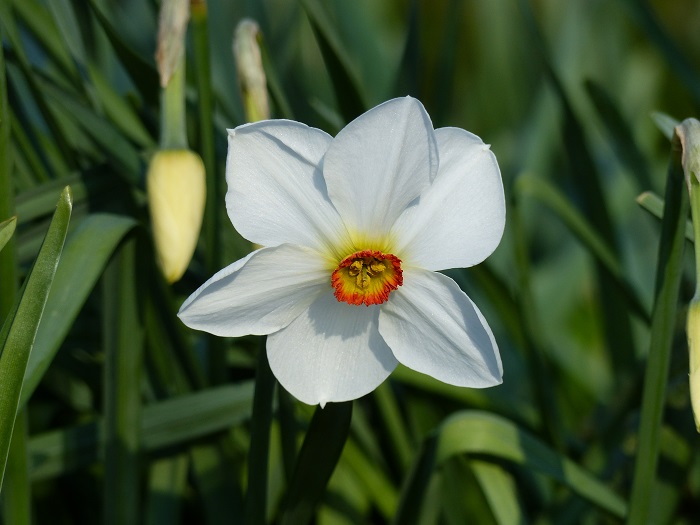
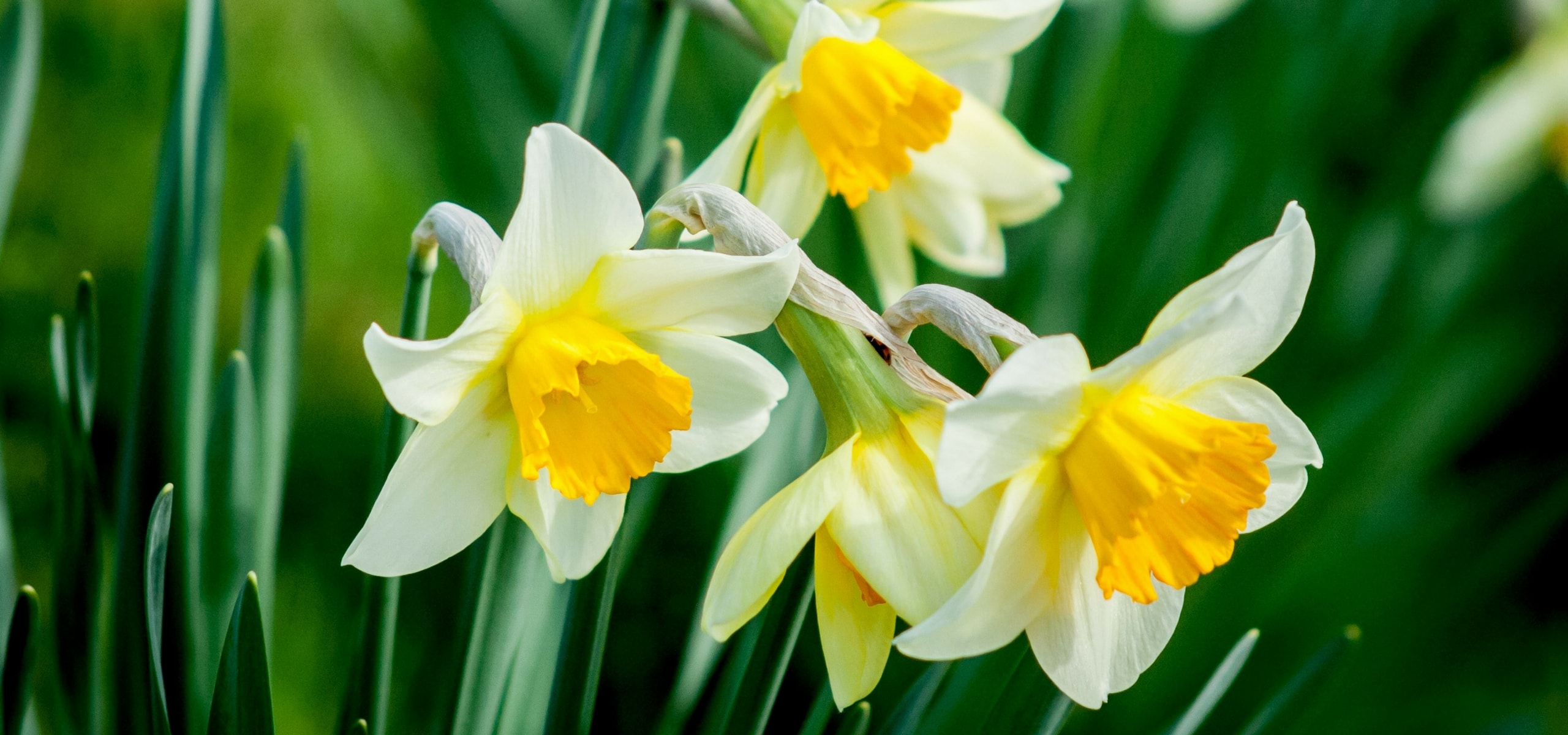
The 'Foresight' daffodil is an old variety of trumpet daffodil that stands out for its very early flowering and the clarity of its large bicoloured flowers. Six broad, regular creamy-white petals surround a long pale yellow trumpet, shaded green at the base. Its moderate height and its ability to quickly form a floriferous clump make this variety one of the best for awakening borders, light woodland edges and large containers in the first weeks of spring.
This cultivar belongs to the Amaryllidaceae family. It is a perennial geophyte with an underground bulb that allows it to remain dormant through summer and winter. Its foliage is deciduous; the leaves emerge in late winter, nourish the bulb after flowering, then yellow and disappear before summer. 'Foresight' is a horticultural creation. It was raised in Northern Ireland by Guy L. Wilson, first flowered in 1937 and was registered in 1944. Wilson believed it came from a self-pollinated seedling of 'Bonython', another early bicoloured old variety; this parentage is therefore presented as probable. Classified in Division 1, trumpet daffodils, it bears one flower per stem, whose corona is at least as long as the surrounding floral segments. It received the RHS Award of Merit in 1945. The bulb produces an upright clump and multiplies quickly when given favourable soil. Its flower stems reach 30 to 40 cm; the narrow, ribbon-like glaucous green leaves remain slightly shorter. Each stem bears a flower 10 cm in diameter. The six tepals or "petals", very broad and almost flat, fade from cream to milky white on the outside, while the pale lemon-yellow trumpet retains a greenish tinge near the throat. Flowering occurs in March or early April depending on the region. Very hardy, this daffodil withstands temperatures below −20 °C in soil that does not retain water in winter. Its earliness gives it an advantage in Mediterranean gardens: its foliage has more time to replenish the bulb's reserves before summer drought. It will nevertheless need some watering if spring is dry. Once the leaves have fully yellowed, the dormant bulb tolerates a dry summer.
Wilson described it as one of his earliest creations, ten days ahead of 'Fortune' in his garden, very floriferous, quick to multiply and easy to grow in pots.
Plant the 'Foresight' daffodil in small groups of 5 to 7 bulbs in a border, a lightly mown lawn, at the base of deciduous shrubs or in a large container. Mix it, for example, with early-flowering botanical tulips. The pale blue and white flowers of Crocus chrysanthus 'Blue Pearl' open a little earlier, but the last ones are still present when the daffodil begins to flower. Iberis sempervirens 'Snowflake' forms an evergreen cushion in winter, covered in flowers in spring, which will mask the absence of the bulbs in summer. In partial shade, Geranium macrorrhizum 'Spessart' tolerates root competition and drier soil; its foliage spreads as the daffodil's yellows. These plants tolerate a dry summer once established, while benefiting from late winter and spring rains.
Plant habit
Flowering
Foliage
Botanical data
Narcissus
A trompette
Foresight
Amaryllidaceae
Cultivar or hybrid
Planting and care
Plant 'Foresight' narcissus bulbs from September to November, in full sun or partial shade, 12 to 15 cm deep and 10 to 12 cm apart. Loosen the soil to a depth of 20 cm. In heavy soil, incorporate mature compost and drainage materials throughout the planting area, or plant the bulbs on a slight mound; a simple layer of sand beneath each bulb will not correct compacted soil. Water after planting. In spring, keep the soil moist until the foliage yellows if rainfall is scarce, especially in southern regions: its early flowering helps it replenish its reserves before summer, but this does not compensate for a dry spring. Then cease watering once the bulb enters dormancy. In containers, choose a deep pot with drainage holes, filled with an aerated substrate, and do not allow water to stand in the saucer. Remove faded flowers, keep the leaves intact until they have completely died back, then divide clumps that have become less floriferous and replant the bulbs immediately.
Planting period
Intended location
Care
Planting & care advice
-
-
-
-
-
-
-
-
-
, onOrder confirmed
Reply from on Promesse de fleurs
Recently viewed products
Haven't found what you were looking for?
Hardiness is the lowest winter temperature a plant can endure without suffering serious damage or even dying. However, hardiness is affected by location (a sheltered area, such as a patio), protection (winter cover) and soil type (hardiness is improved by well-drained soil).

The flowering period indicated on our website applies to countries and regions located in USDA zone 8 (France, the United Kingdom, Ireland, the Netherlands, etc.)
It will vary according to where you live:- In zones 9 to 10 (Italy, Spain, Greece, etc.), flowering will occur about 2 to 4 weeks earlier.
- In zones 6 to 7 (Germany, Poland, Slovenia, and lower mountainous regions), flowering will be delayed by 2 to 3 weeks.
- In zone 5 (Central Europe, Scandinavia), blooming will be delayed by 3 to 5 weeks.
In temperate climates, pruning of spring-flowering shrubs (forsythia, spireas, etc.) should be done just after flowering.
Pruning of summer-flowering shrubs (Indian Lilac, Perovskia, etc.) can be done in winter or spring.
In cold regions as well as with frost-sensitive plants, avoid pruning too early when severe frosts may still occur.
The planting period indicated on our website applies to countries and regions located in USDA zone 8 (France, United Kingdom, Ireland, Netherlands).
It will vary according to where you live:
- In Mediterranean zones (Marseille, Madrid, Milan, etc.), autumn and winter are the best planting periods.
- In continental zones (Strasbourg, Munich, Vienna, etc.), delay planting by 2 to 3 weeks in spring and bring it forward by 2 to 4 weeks in autumn.
- In mountainous regions (the Alps, Pyrenees, Carpathians, etc.), it is best to plant in late spring (May-June) or late summer (August-September).
The harvesting period indicated on our website applies to countries and regions in USDA zone 8 (France, England, Ireland, the Netherlands).
In colder areas (Scandinavia, Poland, Austria...) fruit and vegetable harvests are likely to be delayed by 3-4 weeks.
In warmer areas (Italy, Spain, Greece, etc.), harvesting will probably take place earlier, depending on weather conditions.
The sowing periods indicated on our website apply to countries and regions within USDA Zone 8 (France, UK, Ireland, Netherlands).
In colder areas (Scandinavia, Poland, Austria...), delay any outdoor sowing by 3-4 weeks, or sow under glass.
In warmer climes (Italy, Spain, Greece, etc.), bring outdoor sowing forward by a few weeks.
Shipping country and language
Your country of residence may be:
Your country of residence is:
For a better user experience on our website, you can select:
Your shipping country:
-
 Austria
-
 Belgium
-
 Bosnia & Herzegovina
-
 Bulgaria
-
 Croatia
-
 Cyprus
-
 Czechia
-
 Denmark
-
 Estonia
-
 Finland
-
 France
-
 Germany
-
 Greece
-
 Hungary
-
 Iceland
-
 Ireland
-
 Italy
Italy
-
 Latvia
-
 Liechtenstein
-
 Lithuania
-
 Luxembourg
-
 Malta
Malta
-
 Netherlands
-
 Poland
-
 Portugal
-
 Romania
-
 Serbia
-
 Slovakia
-
 Slovenia
-
 Spain
Spain
-
 Sweden
-
 Switzerland
Language:
-
French
-
 English
-
Spanish
-
Italian
-
German
-
Portuguese
-
Dutch
-
Finnish
My Account
Hello
My wish lists
My cart
Log in / Register
Existing customer?
This form is protected by reCAPTCHA - the Google Privacy Policy and Terms of Service apply.
New customer?
Create an account to track your orders, access our customer service and, if you wish, make the most of our upcoming offers.