For centuries, vegetables have travelled across continents, carried by explorers, merchants, and botanists. Aubergines, potatoes, celery, cabbages, carrots, and other parsnips… The vegetables so familiar in our everyday cooking often come from the antipodal cells, or at least from distant territories. We learn in our history classes that tomatoes and corn were brought to us from America. But what do we really know about the epic journey of our vegetables?
From Antiquity to modern hybridizations, vegetables from Asia and the Near East or native to America, I invite you on a spatio-temporal journey to the four corners of our planet. You may discover what the oldest vegetable in the world is, which vegetables are the most consumed today worldwide, and some tasty tales about their history and how they reached us!
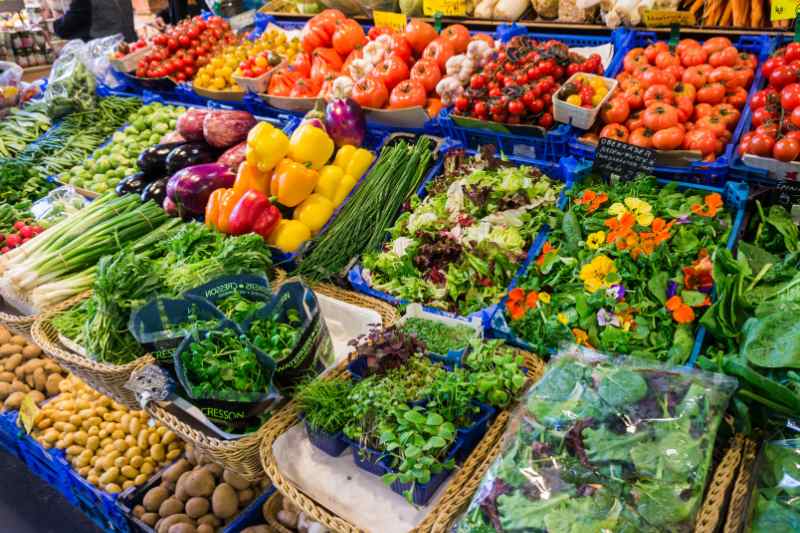
Origin of vegetables: the continents that gave birth to them
Three major regions of the world are the source of most of the vegetables that make up our diet today: the Near East, Asia, and the Americas. It is important to note that when we refer to this origin, we are talking about the geographical areas where these vegetables were cultivated, not where the vegetable was recorded as a wild plant. This sometimes explains the discrepancies we notice regarding the origin of certain vegetables (a good example being the unresolved debate about the aubergine, which is said to be either Chinese or Indian).
Here are the origins of some of the most commonly used vegetables today, by continent and major regions of the world:
- America: tomato (Mexico and Central America), bean, squash and courgette (Mexico), potato (Peru and Bolivia), pepper (Central America), sweet potato (Peru), corn (Mexico)
- Asia: aubergine and cucumber (India), spinach (Persia), garlic, shallot and onion, carrot, cucumber, turnip, crosne (Japan)
- Near East: pea* (Fertile Crescent), radish, lentil, chickpea, rocket, and cabbage, which was likely domesticated there.
- Middle East: carrot (Afghanistan), onion (Iran and Afghanistan)
*(often accepted as one of the oldest vegetables in the world, its cultivation dating back 7,000 to 10,000 years)
Europe and Africa are also the cradle of several vegetables in our daily lives. Cabbage, fennel, Swiss chard, parsnip, broad bean, and many salads like lamb's lettuce (from Sicily and Sardinia), escarole or chicory for Europe, beetroot and artichoke coming from North Africa.
While all these vegetables were brought back by the great expeditions of the 15th and 16th centuries or by the Arab conquest (the Silk Road and the Incense Route concerned not food, but spices, fabrics, and precious woods), they underwent a slow evolution, being domesticated and then hardened in regions with climates very different from their areas of origin.
Vegetables through time: a brief timeline of an announced success
The consumption of vegetables is documented in numerous ancient writings and manuscripts across different cultures and eras, but also through paintings and still lifes from the Renaissance onwards. Archaeologists have thus identified the pantry of our distant ancestors, historians have investigated their introduction, and naturalists and botanists have studied their acclimatization in our countries.
As we learn it in school, nomadic man did not cultivate; he was a hunter-gatherer. When he settled down, around 10,000 BC, he began to domesticate certain animals… and to plant! The first centres of settlement in the Near East, what is called the Fertile Crescent (corresponding to Iran, Iraq, and Turkey) report the cultivation of cereals such as barley (Hordeum vulgare), then wheat, oats, and rye. Considered the first cultivated food, barley was indeed on the menu of our Mediterranean ancestors.
Ancient Egypt, which has left us numerous testimonies of its dietary practices in its temples, tombs, and papyri, cultivated cabbage and cucumber, as well as chickpeas and, more surprisingly, radishes, as well as the nut sedge (papyrus) which was consumed. It was a predominantly vegetarian people.
Closer to us, in ancient Rome, we were able to identify the vegetables that the inhabitants of Pompeii ate: peas, broad beans, and lentils encountered in Egypt, thus many legumes, but vegetables such as cabbage, leek, onions, and asparagus also already appeared. All these vegetables are mentioned by Columella, a Roman agronomist, and by Pliny the Elder in his Natural History.
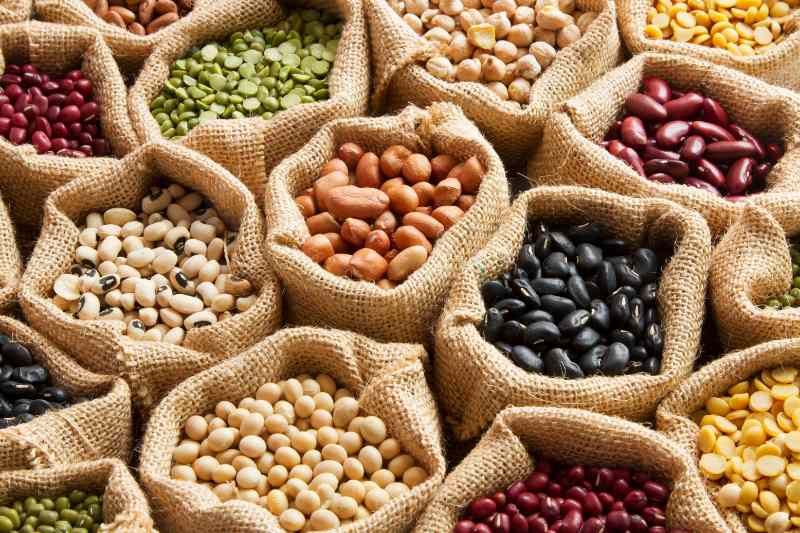
Later still, in the Middle Ages, many manuscripts recount the vegetables that graced the tables: mostly leafy vegetables, such as spinach, orache, and borage, root vegetables (chervis, parsnip, carrots, turnips…) and so-called perpetual or perennial vegetables. There is still much evidence of legumes such as chickpeas and lentils. The beetroot makes its appearance, and Charlemagne attempts to impose it in the vegetable garden. He includes it in his Capitulare de Villis and recommends it as a vegetable crop for the Empire. Medieval cuisine often consisted of all these vegetables, consumed in the form of soups, broths, pies, and stews, with meats, game, and fish reserved for the noble classes.
The Age of Discoveries in the 15th and 16th centuries further enriched this mapping of vegetables. The discovery of the Americas by Christopher Columbus in 1492 led to the introduction of many new vegetables to Europe, such as tomatoes, potatoes, corn, peppers, and squash, to name just a few. These vegetables from the New World literally fascinated our old continent. They graced the tables of monarchs and European courts, ensuring the splendour of banquets during the Renaissance, and later integrated into European cuisines in the modern era.
Subsequently, we witnessed the acclimatization of these vegetables growing in warm climates, adapting them to our regions, our humidity, and our four seasons. The greenhouses that developed from the 18th century onwards allowed for an unprecedented boom in market gardening. Farmers gradually began to produce many types of vegetables throughout the year, increasing both diversity and productivity.
Aubergine, carrot, and artichoke: three domesticated vegetables under the microscope
Alexandra has already explored the fascinating history of certain vegetables in My Vegetable Garden Comes from Afar, such as potatoes, tomatoes, or squashes. I will complete this list by discussing here the aubergine, carrot, and artichoke, three vegetables rich in flavour and colour... well... not all at the beginning!
- Aubergine
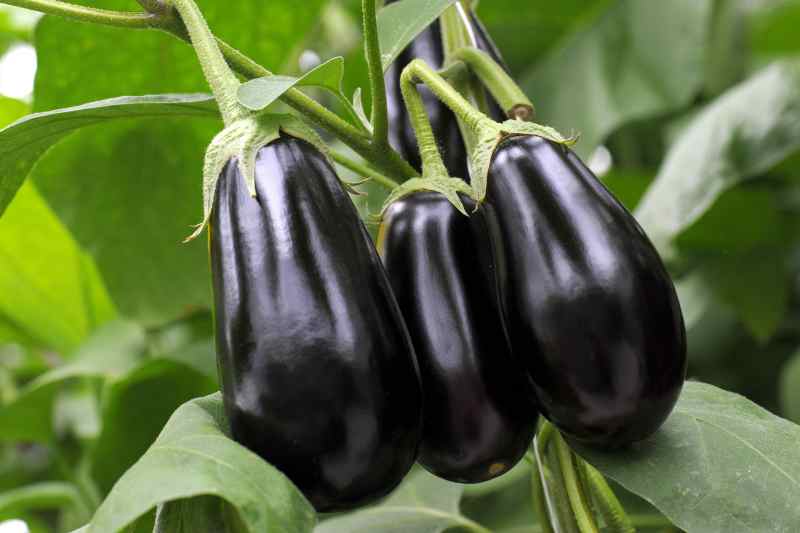
The Aubergine (Solanum melongena L), long referred to as the madman's apple or the apple of Sodom in the 14th century, had a rather poor reputation before becoming this much-loved summer vegetable in Mediterranean, Lebanese, and Asian cuisine. It was said to be dangerous, as it was associated, as was the tomato, with belladonna, which belongs to the same botanical family, the nightshades. It was attributed with fevers, epileptic fits, and those who ate it were even said to lose their sanity.
Aubergines were thus, like some other vegetables, initially considered ornamental plants in Europe, but soon gained popularity as food in southern Europe. They are documented in cultivation around 500 BC in India and Burma. The white aubergines are believed to be the oldest cultivated forms. In India, Burma, and China, mentions of light or white varieties can be found in ancient texts, as early as the 5th century.
They are still called "eggplants" in English because they resembled… chicken eggs!
It was the Arabs who discovered it in the Middle Ages and brought it from Asia, likely from India in the 15th century. They named it "al-bâdinjân", introduced it into the Mediterranean basin, and quickly adopted it through their trade with the Arab world. The aubergine passed through North Africa, then Spain, and into other Maghreb countries. However, it was the Italians who truly popularised it in the 19th century. It would then be more consumed in Spain and Italy, as well as in Greece. The aubergine would not appear in markets in northern France until the mid-19th century.
The aubergine remains widely consumed in the Middle East, where it is the star of iconic dishes like baba ghanoush in Lebanon, or Imam bayildi in Turkey, for example. In Turkey, where aubergine jam is a specialty, it is also consumed sweet, and in Andalusia, cooked with honey as a dish, the aubergine regains its status as a fruit, as botanically it is indeed one.
The aubergine is now among the top 7 most cultivated vegetables in the world, with over 60 million tonnes produced annually. The global production of aubergine is primarily Chinese and Indian, with China accounting for about 63% of global production and India about 24%. It remains predominantly consumed in Asia. Today, there are no fewer than 341 varieties of aubergines listed in the official catalogue!
- Carrot
Iran is credited with a developed culture of the carrot (Daucus carota), but it is in Afghanistan that it is said to have appeared in the 10th century, quite recently in fact. It was initially produced in Europe, mainly in Spain, and after crossing the Pyrenees, it arrived in France, then Italy in the 14th century.
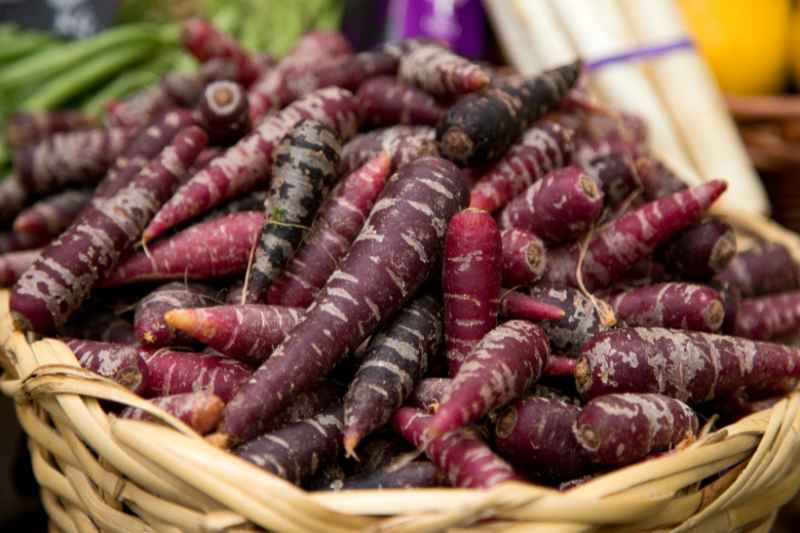
Yellow, white, and red carrots, ancestors of the orange carrot, delighted the royal tables of Europe in this colour until the Renaissance. Like other vegetables or fruits that gradually changed colour, the carrot originally had whitish hues. It was the Dutch who, in the 17th century, through numerous hybridizations, transformed this pale carrot into an increasingly orange one.
We now find yellow and purple carrots on the stalls, a curious turnaround! Fashion and trends...
- Artichoke
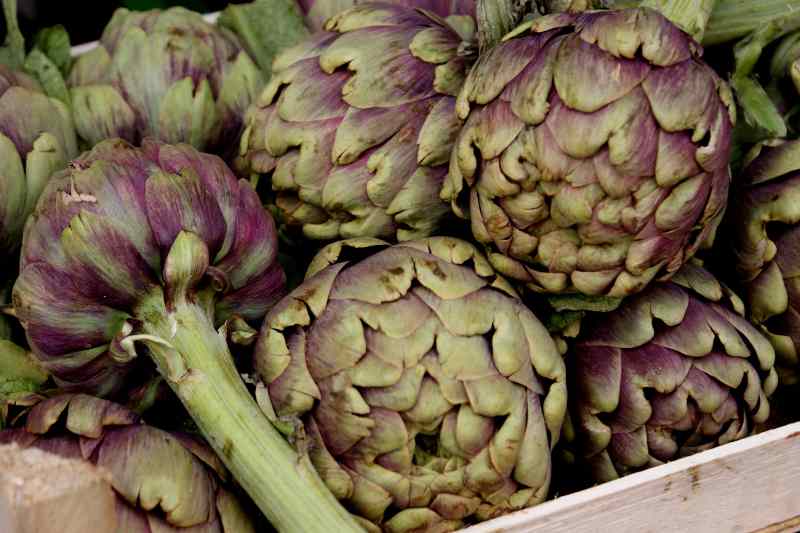
The artichoke (Cynara scolymus), a symbol of Brittany for us, originates... from the Mediterranean basin, specifically North Africa. It is nothing other than a domesticated wild thistle! It was probably already consumed in Antiquity by the Egyptians and the Berbers, in its wild form, the cardoon (Cynara cardunculus).
It is from this species that the cultivated artichoke is obtained through selection. It reached Italy in the 1st century under the Roman Empire, where it was mainly used, like in Greece, for its medicinal properties. It was during the Renaissance, around 1644, that it was truly popularised and cultivated in aristocratic gardens, particularly in Naples and Sicily. It was then credited with digestive and even aphrodisiac properties. It appeared in France thanks to Catherine de Medici, who introduced it to royal gardens in the 16th century. Louis XIV adored this vegetable… La Quintinie cultivated five different varieties.
It was not until the early 19th century that the artichoke became popular, thanks to the creation of the famous large Camus de Bretagne. It thus became a significant market gardening crop in Brittany, Provence, and the Loire Valley. There are several varieties, such as the Gros vert de Laon, the purple artichoke of Provence, or the poivrade—which appeared later—a small tender variety often consumed raw or in oil. The artichoke remains an emblematic vegetable of Mediterranean cuisine, found stuffed, in barigoule, or Roman-style.
Italy, Spain, and Egypt are now among the three main producers of artichokes in the world, far ahead of France.
The 'new vegetables'
While we often think that all our vegetables are ancient, some have only recently appeared in our gardens and on our stalls, particularly with the globalization of food, the rise of organic produce, and new consumption habits (gluten-free, vegetarianism).
Among the vegetables that have recently arrived in our gardens and markets are exotic vegetables, but not only...
- Chayote (or christophine), a cucurbit from Central America, widely used in Caribbean and Reunion cuisines, now well acclimatisated and cultivated in France, in the mild Atlantic zone or in the south.
- Kale – making a comeback since the 2010s, a star of health diets. It is now widely cultivated in urban, organic, and alternative gardens.
- Romanesco cabbage arrived in our markets in the 1990s.
- Sweet potato: it was rare just 30 years ago and is now ubiquitous in markets, even cultivated in the southwest of France. Some varieties are adapted to the French climate.
- The yacon (earth pear): Originating from South America, it is still marginal but is entering organic circuits and AMAPs (Associations for the Maintenance of Peasant Agriculture). Its taste is sweet, similar to that of the Jerusalem artichoke.
Also added to this list is black radish, an ancient vegetable rehabilitated by modern cuisine and wellness trends. Long relegated to herbalism, it is now reappearing in winter salads and detox plates. These vegetables reflect the plant renaissance of the 21st century, between exoticism and culinary innovations.
We are also witnessing the rediscovery of forgotten vegetables such as chervis, orache, helianthi, crosne, or even cardoon, and herbs like wild garlic, often brought back to the forefront by chefs or organic gardens.
21st-century agriculture has also seen the emergence of hybrid or crossbred vegetables, such as broccolini (a cross between broccoli and kai-lan), or kalette (kale + Brussels sprout), reflecting our growing taste for plant innovation, but also the need to adapt to new climatic conditions.
These vegetables that might never have existed!
Finally, there are also vegetables that never came to be... and those that could have remained unknown in Europe.
We will thus try to consume the tuber of the Dahlia, brought to France in 1802 from Mexico via Spain. This plant was cultivated, used decoratively in flowering tiaras, but also consumed by the Aztecs for centuries. Botanist André Thouin thought he could use it here, somewhat like the potato, as the tuber had a floury consistency. But its peppery taste did not appeal to the testers of the time, and thus it was relegated in 1804 (to our great delight) as the only ornamental plant!
Some of the vegetables we cherish today almost didn't make it into our kitchens. The potato and the tomato are good examples; the former long deemed unfit for consumption, indigestible, only good for feeding animals, and supposedly transmitting the plague, while the latter retained its image as a toxic plant for a long time. It was only adopted by the French from 1731, and by the Germans even later, around 1870. These plants, labelled as poisonous, were also the fate of some fruits, but we will return to this in a future article.
Further reading
I highly recommend one of the books that recently received the French Saint-Fiacre Prize 2024: "Tour de France of Fruits and Vegetables" by Noémie Vialard and Stéphane Houlbert, as well as History of Vegetables: From Origins to the Dawn of the 21st Century, by Michel Pitrat and Claude Foury.
If you are wandering in Anjou, visit the gardens of Puygirault, a unique place that traces the evolution of the vegetable garden from the earliest times.
Want to discover heirloom vegetables? Check out our articles and recipes on the subject:
- 9 Heritage Vegetables to Grow in the Vegetable Garden
- Jerusalem Artichoke: A Forgotten Vegetable to Rediscover
- Chervis, an Easy-to-Grow Forgotten Perennial Vegetable
- Borage Leaf Soup: A Simple and Tasty Recipe
- Orache in the Kitchen: Plant-Based Recipes of an Ancient Vegetable to Rediscover
- Helianthi: How to Harvest, Store, and Cook It?
Find an interesting article from National Geographic on a thermopolium discovered intact in Pompeii.
The Cluny Museum inspires us with its medieval recipes!
For centuries, vegetables have travelled across continents, carried by explorers, merchants, and botanists. Aubergines, potatoes, celery, cabbages, carrots, and other parsnips… The vegetables so familiar in our everyday cooking often come from the antipodal cells, or at least from distant territories. We learn in our history classes that tomatoes and corn were brought to us […]
An overlooked vegetable, the Jerusalem artichoke, also known as Earth pear, Jerusalem artichoke, or Canadian truffle, is a root vegetable and perennial, cultivated for its edible tuber. Long dethroned in favour of the potato, it is now making a grand return to the vegetable garden and our plates! We explain why it is generating so much interest, what its qualities are, and how to grow it.
To learn everything about the Jerusalem artichoke and its cultivation, check out our complete guide: "Jerusalem Artichoke: planting, harvest, cultivation".
What is the Jerusalem artichoke?
The Jerusalem artichoke or Helianthus tuberosus is a perennial plant from the Asteraceae family originating from the central United States, where it was cultivated by Native American tribes. It was imported to France in 1607 and was widely consumed during World War II, as it was not requisitioned by the Germans, unlike the potato. It was later dethroned in favour of the latter, probably because it was associated with that dark period and synonymous with famine.
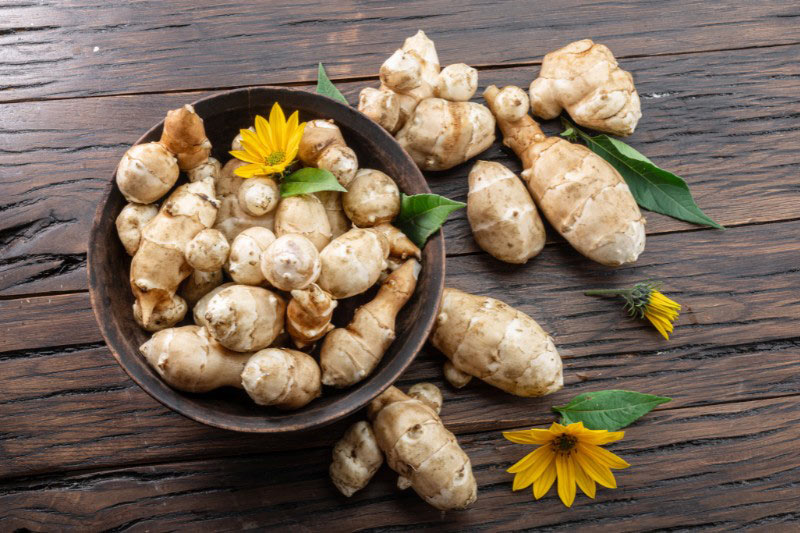
The Jerusalem artichoke forms large clumps reaching heights of 2.5 m to 3 m (but there are also dwarf varieties that do not exceed 50 cm in height). Its long, upright, rough stems bear dark green, oval to lanceolate leaves, 10 to 20 cm long, and at their top, from August to October, lovely yellow flowers resembling those of the sunflower, which belongs to the same family. It produces fleshy, nodose tubers that resemble ginger roots. This very vigorous plant spreads quickly thanks to its tubers, making it somewhat invasive. The Jerusalem artichoke is also closely related to Helianthus, another forgotten vegetable.
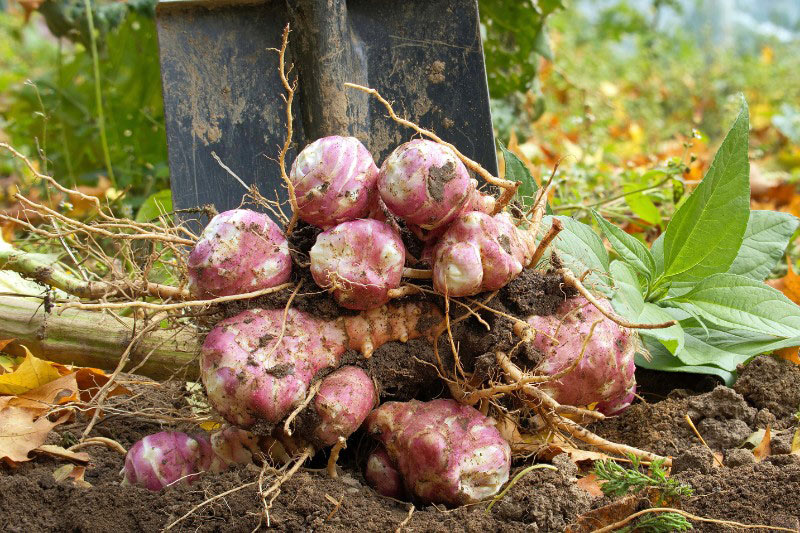
There are many varieties of Jerusalem artichoke, offering different shapes and colours of tubers, as well as different flavours. The variety 'Culinary Spindle', for example, is distinguished by its elongated, beige tubers with a slightly sweet flesh. There are also pink Jerusalem artichokes or purple ones.
Why is the Jerusalem artichoke back in the spotlight?
The Jerusalem artichoke is back in the limelight for several reasons:
- Its taste qualities: The tubers of the Jerusalem artichoke have a delicate flavour reminiscent of artichoke, water chestnut, or salsify, with a slight sweetness. The Jerusalem artichoke is now being rehabilitated by top chefs. The famous Michelin-starred chef Alain Ducasse makes a delicious velouté from it.
- Its nutritional qualities: The Jerusalem artichoke is reputed to be rich in fibre, phosphorus, potassium, iron, and B vitamins. It contains no starch. Although it has a slightly sweet taste, this is due to the presence of inulin, a natural fibre that does not affect blood sugar levels: the Jerusalem artichoke is therefore particularly suitable for diabetes. Additionally, inulin has the advantage of helping to regulate transit. Low in calories, the Jerusalem artichoke contains only 60 to 80 kcal per 100 g.
- Its ease of cultivation: In addition to being a perennial vegetable, the Jerusalem artichoke is very easy to grow. It even tends to be a bit invasive! However, there are now dwarf varieties that adapt to pot cultivation, which can be placed, for example, on a terrace. The Jerusalem artichoke is also perfectly hardy.
- Its productivity: The Jerusalem artichoke is very productive, even in poor soils. It can yield up to 3 kg of tubers per square metre under ideal conditions.
Adding to this is its lovely yellow flowering, which makes it a very ornamental plant! The Jerusalem artichoke will fit wonderfully into a productive ornamental garden, both beautiful and productive.

How to grow it?
The tubers are planted from February to June, for a harvest from November to March. The Jerusalem artichoke thrives in full sun or partial shade and prefers light, well-drained soils that are fairly rich in humus. However, it grows in any type of soil as long as it is sufficiently draining. For more information, feel free to consult our advice sheet "Planting Jerusalem artichokes".
Being somewhat invasive, it is important to allocate an appropriate space for the Jerusalem artichoke. Place it away from the vegetable garden (where it might smother other vegetables), for example, in a neglected corner of the garden. The dwarf varieties, which generally do not exceed 50 cm in height, can be planted in pots and are particularly suited for small gardens.
The tubers are harvested about 7 months after planting. Dig them up with a fork as needed. Once harvested, they do not keep well (only 2 to 3 days in the refrigerator), so it is better to only take what you need. It is also because the tubers do not store well that they are very rarely sold commercially… All the more reason to grow the Jerusalem artichoke in your garden!
How to cook it?
The tubers of the Jerusalem artichoke are usually peeled before consumption, but they can also be rinsed or brushed to remove dirt. The largest and least knobby tubers are obviously easier to peel. To prevent their flesh from oxidising and turning brown, you can soak them in water mixed with lemon juice. It is best to consume the Jerusalem artichoke in small quantities, as it has carminative properties and can be somewhat difficult to digest.
The Jerusalem artichoke lends itself to many recipes! Here are some suggestions for cooking it:
- In salad: sliced or grated, like carrots, dressed with vinaigrette, for example.
- In gratin: you can make a variation of gratin dauphinois by replacing the potatoes with Jerusalem artichokes.
- In soup or velouté: with fresh cream and roasted hazelnuts.
- Sautéed: with potatoes, mushrooms, and onions. You can enhance your dish with garlic, herbs de Provence...
- In purée: combine them with potatoes to make a delicious purée. Season with cumin and nutmeg.
- Baked: you can roast Jerusalem artichokes, seasoned with thyme, for example.
An overlooked vegetable, the Jerusalem artichoke, also known as Earth pear, Jerusalem artichoke, or Canadian truffle, is a root vegetable and perennial, cultivated for its edible tuber. Long dethroned in favour of the potato, it is now making a grand return to the vegetable garden and our plates! We explain why it is generating so […]
This year, we tested around twenty varieties of tomatoes to grow in the vegetable garden to select the best among them. However, as tomato cultivation varies from region to region, Ingrid and Sophie tested them in their respective gardens: one in the north of France, the other in the south of the country. This almost sparked a tomato war! But it was all for the delight of their taste buds. Discover our 5 favourite tomato varieties, selected based on several criteria and according to the region, with a bonus variety that left us a bit disappointed.
Our selection criteria
1- Taste
Taste is one of the most important criteria. Depending on the varieties and growing conditions, tomatoes can have a more or less sweet or tangy flavour, with textures ranging from juicy to crunchy. It’s worth noting that cherry tomatoes are often the sweetest, but again, it all depends on ripeness and the growing region.
2- Productivity
The productivity of tomato plants is also a key selection criterion, especially as it strongly depends on the varieties and their earliness, particularly in the north. The climatic conditions (sunlight, temperatures, etc.) can also influence the yield of each tomato plant.
3- Cultivation and care
Some tomato varieties can form a tall and wide bush, which requires staking to prevent branch breakage under the weight of the fruits. Other cultivars are much smaller ('Green sausage') and take up less space, even being suitable for pot cultivation. We also considered the resistance of the varieties to diseases, particularly the infamous blight, as well as to pests and drought that we experienced in the summer of 2022.
4- Fruit size
The size of tomatoes can vary significantly depending on the variety, from a few centimetres for cherry tomatoes ('Yellow pearshaped', 'Mexican honey') to over 10 centimetres for the largest varieties, such as tomato 'Ananas' or 'Brandywine'. They also vary in shape, colour, and texture. Small cherry tomatoes are perfect for appetizers, medium varieties for salads, while the larger ones are ideal for making sauces, tomato purée, or stuffed tomatoes.
Ingrid: our top 5 for the North
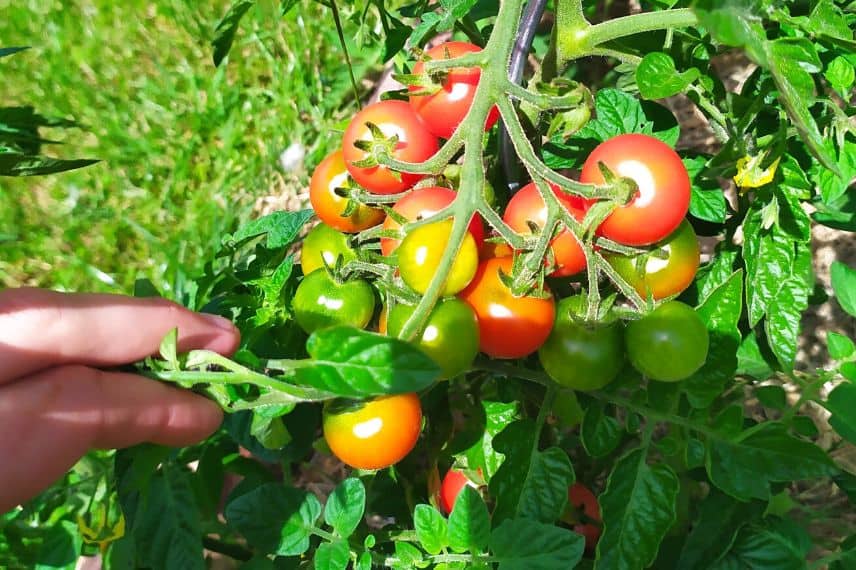
Tomato 'Mexican Honey': the most abundant - 19/20
This is the tomato that captivated me the most. This cherry tomato variety is among the first to harvest, but also among the last! Good productivity throughout the summer (almost daily!), good resistance to drought and also to diseases (the last to catch blight in autumn). These small red tomatoes are very juicy, with a slightly sweet flavour.
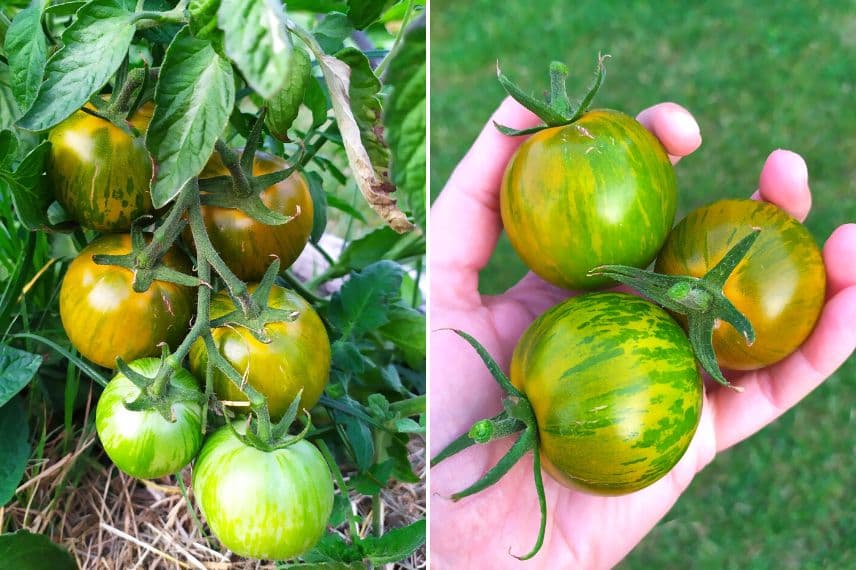
Tomato 'Green Zebra': the most original - 17/20
Here’s a beautiful original tomato, with its lovely anise green colour, striped with yellow-orange and a very sweet, emerald green flesh that is full of flavour. We loved it in salads or simply with a drizzle of olive oil. It is a bit late to ripen, but this detail is quickly forgotten thanks to its taste, good productivity, and drought tolerance.
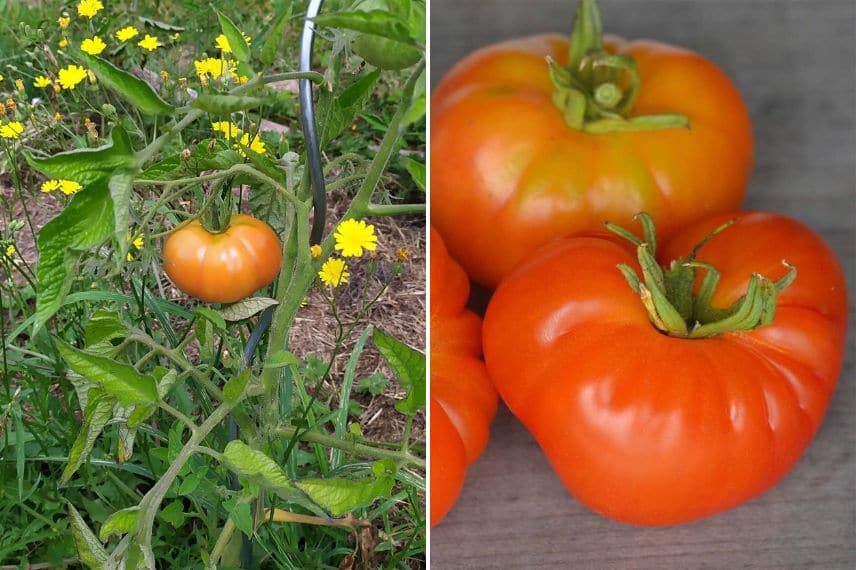
Tomato 'Oaxacan Jewel': an excellent heirloom tomato - 16/20
I particularly love heirloom tomatoes, and this variety met my criteria: early, with beautiful juicy fruits (50 to 130 g) with a pink-orange skin and a lovely bicolour flesh, yellow-orange and red. It is perfect for salads and making sauces.
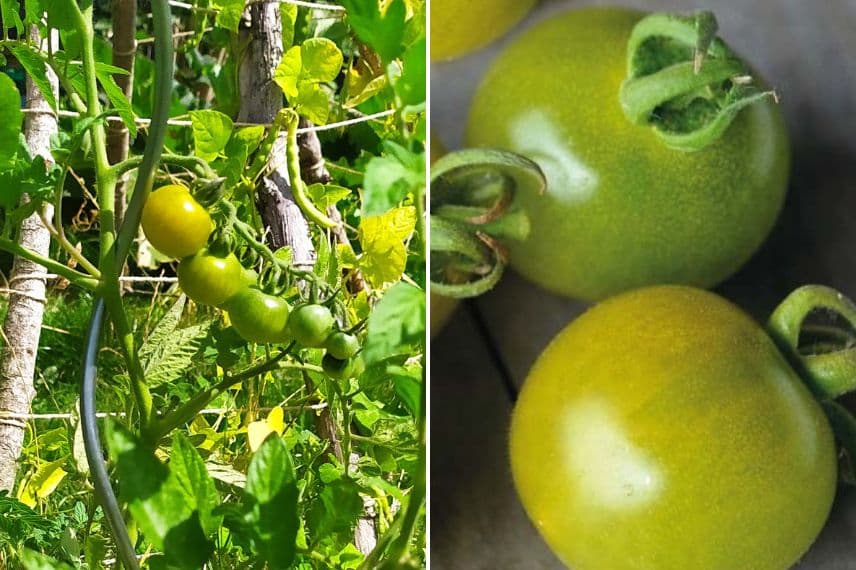
Tomato 'Green Doctor's Frosted': the sweetest - 15/20
These surprising small green cherry tomatoes have particularly juicy and sweet flesh! A delight for appetizers. Almost like a sweet treat that you eat out of indulgence! It’s actually my children’s favourite.
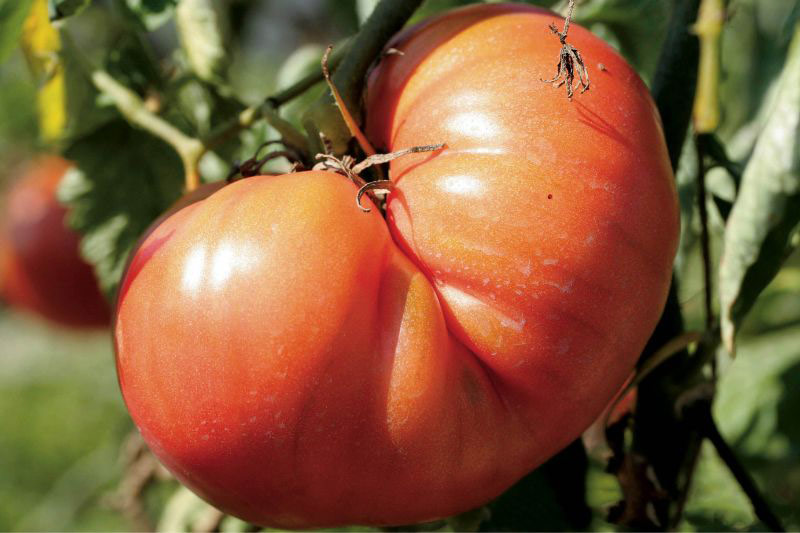
Tomato 'Brandywine': the most fleshy - 14/20
A beautiful variety that provided us with large fruits, between 200 and 300 g each! This tomato is beautifully pink-red, slightly ribbed, very juicy and flavourful. Excellent in salads, in sauces, or as stuffed tomatoes.
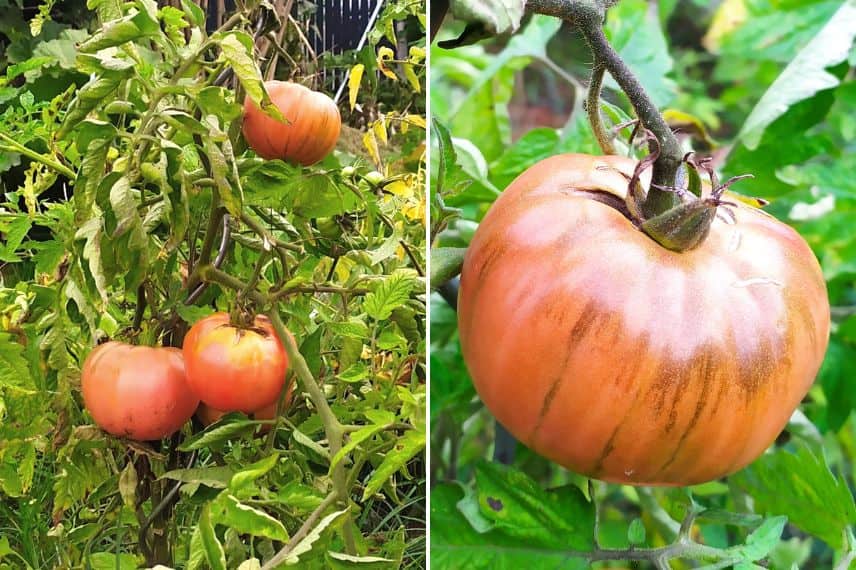
Sophie: our top 5 for the South
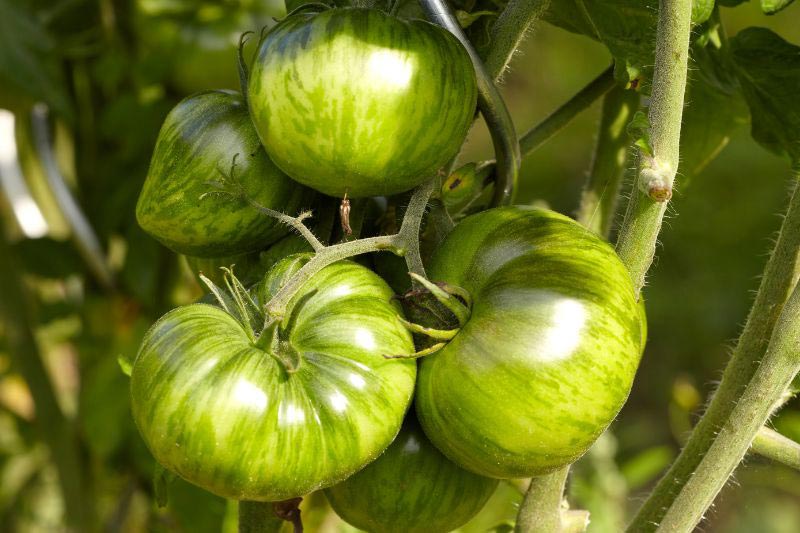
Tomato 'Green Zebra': the tastiest - 18/20
With its stunning colours, striped with yellow and green, the 'Green Zebra' catches the eye in the garden, as well as on the plate. Then, upon tasting, it reveals the best qualities among all the tested tomato varieties: it has a sweet and tangy flavour, slightly sweet, and a fairly firm texture that makes it ideal for salads. Medium-sized, it is easy to handle, use in cooking, and snack on directly in the garden! I found it easy to grow, resistant to drought and common tomato diseases, in short, accessible to all gardeners, even beginners.
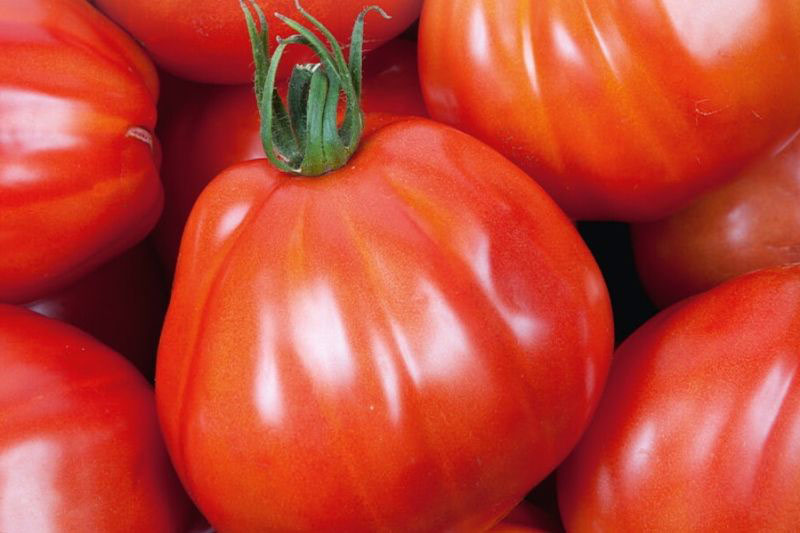
Tomato 'Liguria': the most fleshy - 18/20
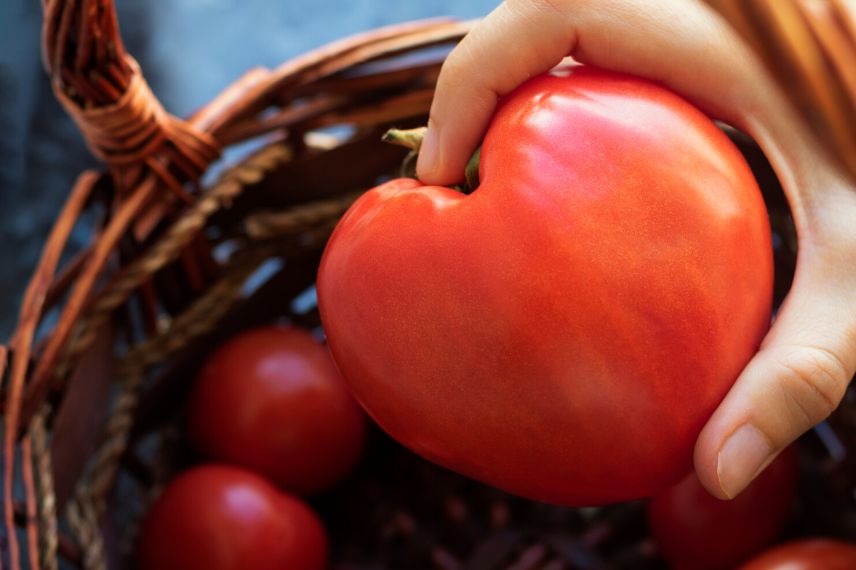
Of the Beefheart type, the variety 'Liguria' produces many very large ribbed red fruits. This variety captivated me with its generosity, but also with its very interesting taste qualities, with few seeds. It can be enjoyed raw, but is also ideal for stuffed tomatoes, sauces, or purées.
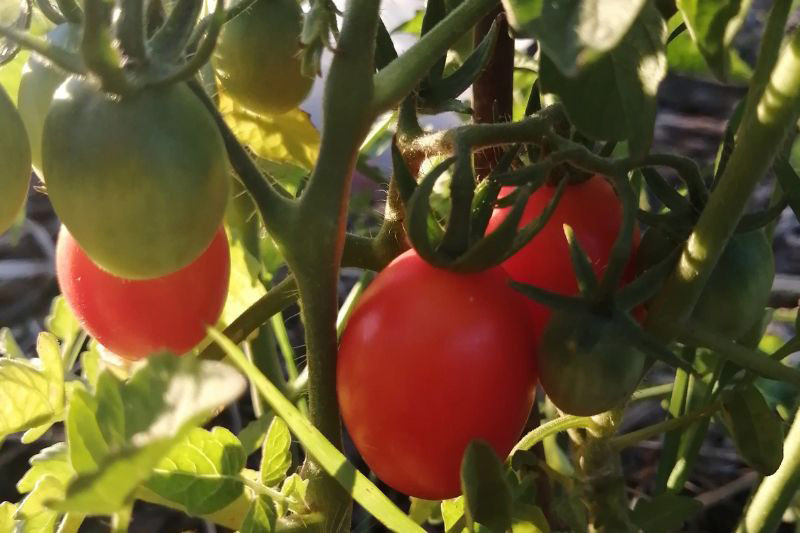
Tomato 'Prince Borghese': the sweetest - 16/20
A cocktail-type cluster tomato, very tasty and quite firm, with a well-sweetened flavour. In the garden, 'Prince Borghese' forms plants about 1m tall that are quite compact, making it ideal for cultivation in a square garden or in small gardens. The clusters are numerous and generous, and the fruits can be stored for a long time.
Tomato 'Brandywine': the juiciest - 15/20
The colour of this tomato is not very attractive, as we instinctively associate taste qualities with a beautiful red colour. Its skin is a pale red, striped with green at the base. But when you taste them, you immediately change your mind: 'Brandywine' has a fine, fragrant, and sweet flavour and is very juicy. Best enjoyed as is, well-ripened and sun-soaked, just with a drizzle of olive oil!
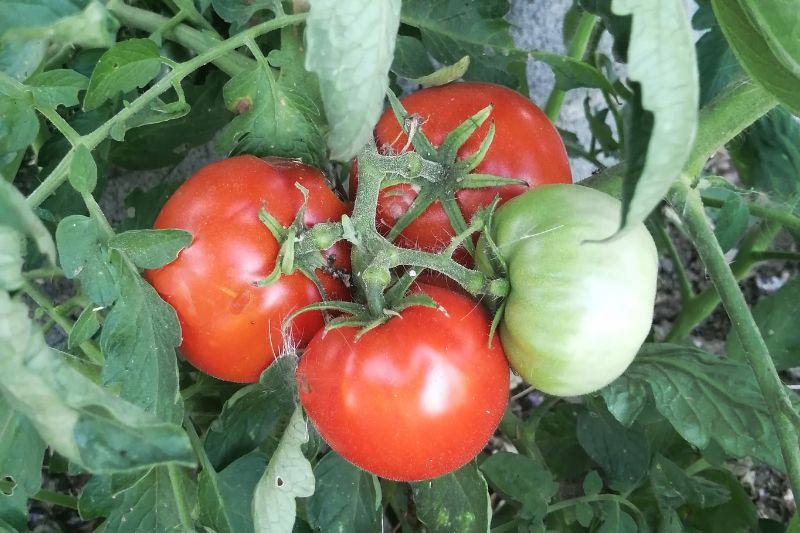
Tomato 'Rio Grande': the most productive - 14/20
A 'Roma' type variety that produces clusters of oblong, very fleshy red fruits, 'Rio Grande' is not only particularly tasty and firm in texture, but this tomato variety also produces an abundance of fruits throughout the season. Its plants have vigorous growth and can reach a height of 1.5 to 2 metres, producing many fruits. Its disease resistance is an added advantage that helps ensure a plentiful and delicious harvest.
The less successful varieties
For the north: tomato 'Ananas' - 2/20
Very late, despite sowing in April, I harvested the first 'Ananas' tomato only in September! This variety is not suited for my region and struggles with drought and is very sensitive to blight.
For the south: tomato 'Lemon Tree' - 4/20
This tomato is disappointing in taste. Its floury flesh did not win us over; it is neither juicy nor flavourful and too tangy.
Conditions of the two trials
For these two trials, two gardens:
- The first, at Ingrid's, is located in the far north of France, in the town of Hazebrouck, 40 km from Lille.
- The second, at Sophie’s, is located in the south of France, near Narbonne and the Mediterranean coast.
We applied similar growing conditions in both gardens, namely:
- Sowing tomato seeds in pots at the beginning of April, first indoors, then under a cold greenhouse once they have germinated.
- By mid-May, after the risk of frost has passed, the tomato plants are transplanted into the vegetable garden.
- The suckers (side shoots) were not removed.
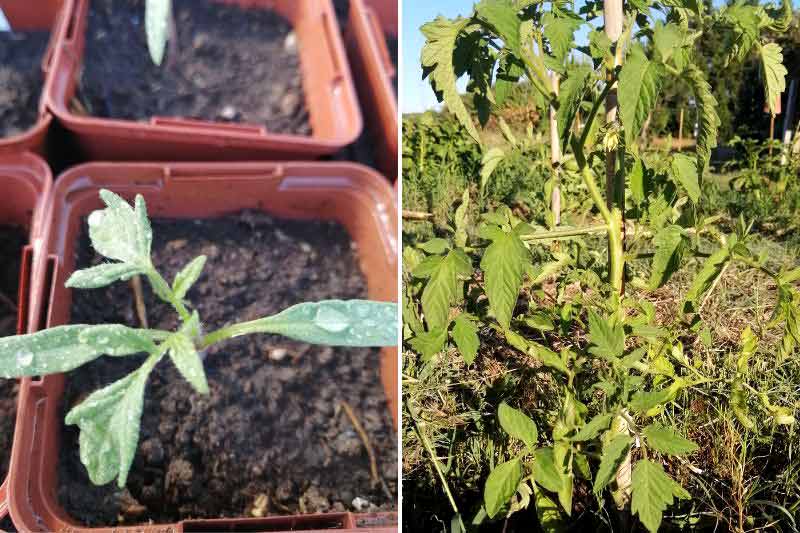
- The first harvests at Sophie’s began in early July, with the tomatoes 'Prince Borghese' and 'Oaxacan Jewel'.
- At Ingrid's, the first harvest started later, around the end of July with the same varieties, but also 'Green sausage', 'Mexican Honey', and 'Orange Berry'.
- It is worth noting that both regions experienced summer drought, with plenty of sunshine and little rain.
List of tested tomatoes
Large fruit tomatoes
- Tomato 'Yellow Ananas'
- Tomato 'Oaxacan Jewel'
- Tomato 'Rio Grande'
- Tomato 'Jack White'
- Tomato 'Brandywine'
- Tomato 'Black from Tula'
- Tomato 'Black Crimea'
Medium fruit tomatoes
- Tomato 'Little Beefheart'
- Tomato 'Liguria'
- Tomato 'Green Zebra'
- Tomato 'Lancelot'
- Tomato 'Prince Borghese'
- Tomato 'Green Sausage'
- Tomato 'Andean Cornue'
- Tomato 'Lemon Tree'
Cherry tomatoes
- Tomato 'Yellow Pear'
- Tomato 'Mexican Honey'
- Tomato 'Green Doctor’s Frosted'
- Tomato 'Orange Berry'
- Tomato 'Black Cherry'
And you, what are your favourite tomato varieties? Let us know in the comments.
This year, we tested around twenty varieties of tomatoes to grow in the vegetable garden to select the best among them. However, as tomato cultivation varies from region to region, Ingrid and Sophie tested them in their respective gardens: one in the north of France, the other in the south of the country. This almost […]
The new year has just begun, bringing with it good resolutions and the desire to prepare your vegetable garden, particularly by purchasing your seed potatoes to grow. But when can you really buy your potatoes? What should you do with these precious tubercles while waiting for planting in the garden? Discover our tips for buying, storing, and preparing your potatoes for planting.
As from January for a good selection
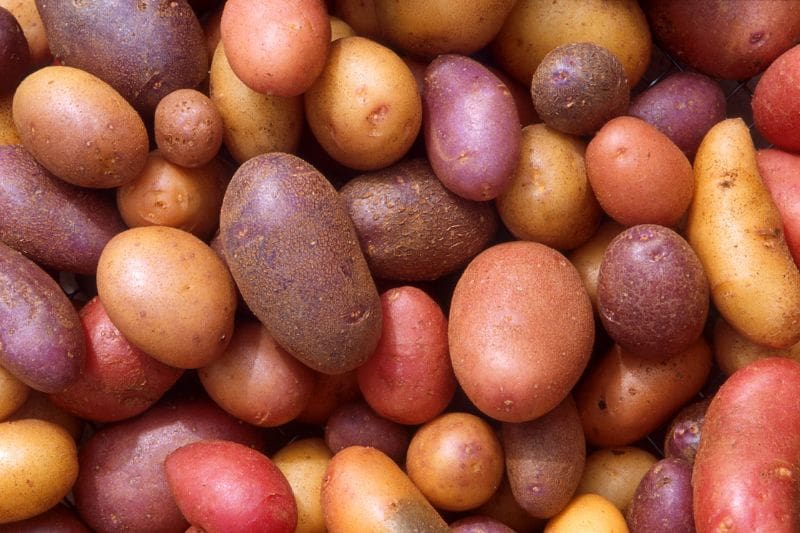
Seed potatoes are often available from the beginning of the year, in January. The undeniable first advantage of buying your potatoes early is having a choice of variety: early potatoes, late potatoes, blight-resistant potatoes, or original and colourful potatoes, there is something for everyone.
Tip: at Promesse de fleurs, you can place an order and defer your delivery to a time of your choice.
From January to April depending on the climate and planting period
Did you know that you should buy your potatoes at least 6 weeks before the planting period? Indeed, to achieve a good yield, the potato needs to be chitted for 4 to 6 weeks before planting. The vigorous shoots obtained allow for better resistance of the potato plants to moisture. Additionally, this process speeds up the harvest period and consequently the crop rotation in the vegetable garden.
You should therefore determine your purchase date based on your planting date, taking this chitting period into account.
For southern regions:
The mild winters in the south of the country allow for planting as early as February-March under cover for the so-called "early" potatoes. Thus, we will buy our seed potatoes for growing under cover about a month in advance, in January.
Outdoor cultivation will begin around March to April, when the soil temperature exceeds 10°C. In this case, you should buy your potatoes around February-March.
For other regions:
In regions with harsher winters, the planting period under cover generally starts around March. You can therefore buy your seed potatoes for growing under cover 4 to 6 weeks before planting, starting in February.
For outdoor planting, this occurs between March and May, when the risk of late frosts has passed and soil temperatures are above 10°C. Taking the chitting time into account, you should buy your potatoes between February and April.
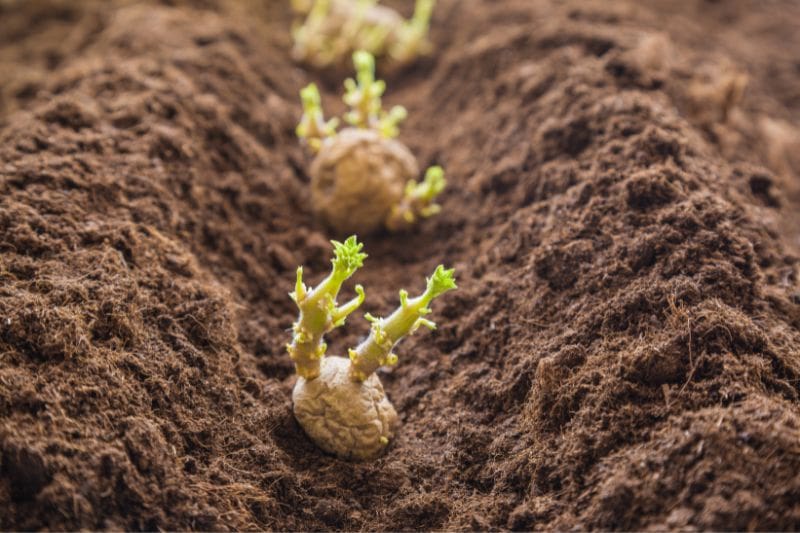
How to store potatoes in the meantime?
If you have bought potatoes too early, you can store them for several weeks in a wooden box or a jute sack. Then place your potatoes in the dark, in a cool, frost-free, dry, and ventilated place, such as a cellar or a garage without windows.
If, despite your efforts, some shoots appear well before the desired chitting period (4 to 6 weeks before planting), you can remove them to prevent the tubercles from exhausting themselves.
Until when can you buy potatoes?
The last potatoes can be purchased until May, for planting at the latest in June. Indeed, depending on the variety, potatoes need to be grown for 60 to 120 days to yield a bountiful harvest. You will need to consider this growing time and the chitting time to choose the appropriate variety.
Also take into account your weather and temperatures at the end of summer, particularly towards the end of August and September. In very cold (for example, mountainous) or very humid regions, growing potatoes late in the season can be compromised. It is better to "anticipate" and plant in April-May or use cloches or fleece covers.
Further reading:
- Find all our varieties of potatoes.
- To learn everything, check out our complete guide on potatoes: planting, cultivation, and harvest.
The new year has just begun, bringing with it good resolutions and the desire to prepare your vegetable garden, particularly by purchasing your seed potatoes to grow. But when can you really buy your potatoes? What should you do with these precious tubercles while waiting for planting in the garden? Discover our tips for buying, […]
Let’s continue our summer journey with travelling plants. This week, we head to tropical America in search of the origins of Ipomoea batatas, more commonly known as "sweet potato". We will follow this great traveller on her journey from America to China, passing through the islands and our European continent. Recently acclimatised, she is becoming increasingly present in gardens as well as on our plates. Let’s discover her journey and history.

The origins of the sweet potato
Unknown in the wild, the origin of Ipomoea batatas has long been debated. Scientific and archaeological studies have established that it is likely native to tropical or subtropical America. A great diversity of Ipomoea can be found from southern Mexico, in the Yucatán Peninsula, to the Orinoco basin in Venezuela. Given this large number of varieties, scientists believe this is its cradle of origin.
Thanks to archaeological excavations, we also know that this tuberous plant was present in Peru 8,000 to 6,000 years BC. Evidence of its intentional cultivation dates back to 4500 BC, but it is highly likely that it was used in agriculture long before that.
The journey of the sweet potato
Between the years 1000 and 1100, the sweet potato is believed to have set off to conquer Polynesia alongside travellers. It then continued its journey to New Zealand, Easter Island, and Hawaii.
The sweet potato arrived in Europe following the expeditions led by Christopher Columbus in 1492. It was primarily cultivated in the Mediterranean regions. Next, the Philippines discovered its flavour in the 16th century thanks to Spanish traders. It enjoyed great success there, which then led it to China in 1594, and to Japan around 1605. Portuguese merchants introduced it to Africa around the same period.
In France, it was not until 1750 that it garnered some interest, thanks to Louis XV, who appreciated its sweet flesh. However, its cultivation in France remains shaky and it has struggled to establish itself up to the present day.

The origin of its name: Ipomoea batatas
The genus name Ipomoea is composed of "ips", meaning "worm" in Greek, and "homoios", which means "similar". It can be translated as "worm-like plant", referring to its creeping stems.
The term "batatas" was the name given to it by the "Tainos", the people of the Caribbean island where Christopher Columbus landed in 1492.
Where does the term 'sweet potato' come from?
The origin of this name is uncertain, but here is the explanation that seems most plausible to historians: shortly after the discovery of "batatas", Spanish conquistadors brought back the potato from Peru, which was then called "papa" by the indigenous peoples. Since both plants are tuberous and come from the same continent, it seems that Spanish traders referred to them as "patata", a contraction of the two names. In France, "patata" translates to "patate". However, to avoid confusion, the adjective "sweet" was added to distinguish the sweet potato from the common potato.
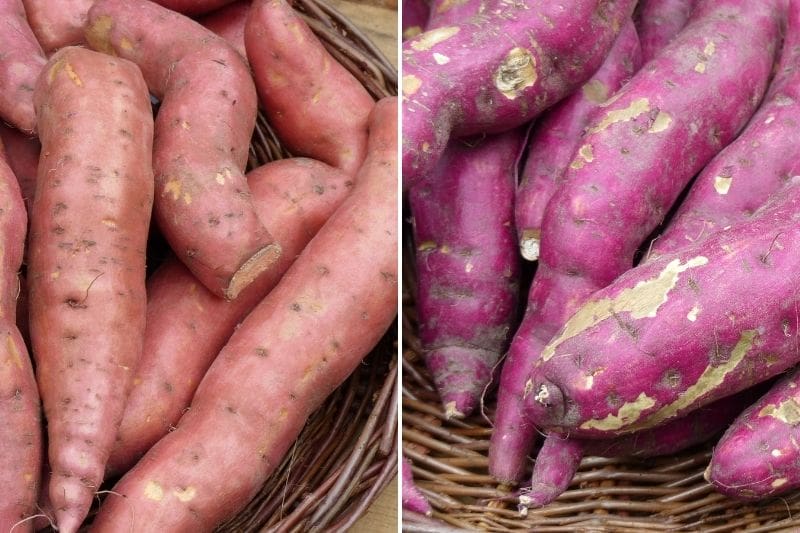
Sweet potato in the garden
In our latitudes, the sweet potato is primarily grown in the garden for its unique flavour. Preferring warmth and humidity, it thrives especially in southern regions, in open ground, where its yield will be better. Elsewhere, it prefers cultivation in greenhouses or pots. Farmers in northern regions even achieve excellent harvests in open ground by protecting its tuberous roots with a black tarp placed over the soil. The sweet potato grows in most soil types, but particularly enjoys loose, sandy, rich, never dry, and well-drained soils.
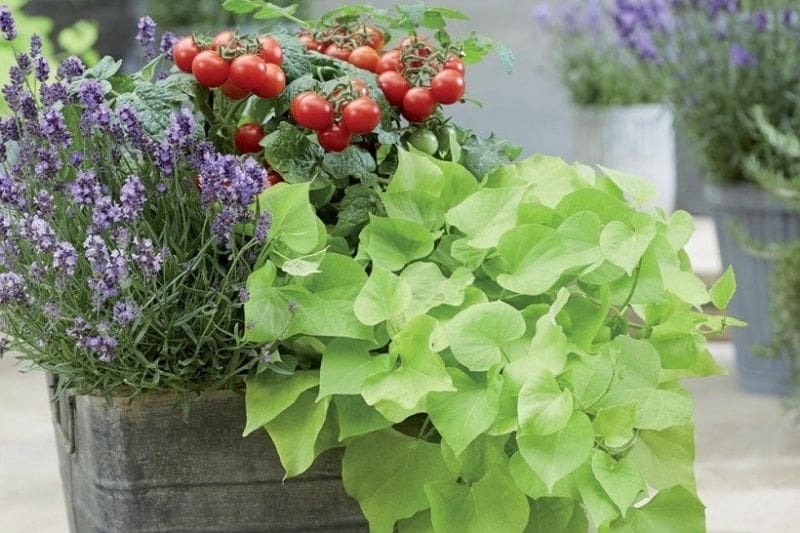
Its creeping stems and attractive foliage mean that the sweet potato is now invited into pots and window boxes, alongside annuals. It can be paired with the blue of lobelias and the bright pink of pelargoniums.
Cooking sweet Potato
Although they are not from the same family, sweet potato tubers can be cooked like those of the common potato. You can prepare them in gratins, purées, soups, stir-fries, and even fries or chips. Their slightly sweet taste is also suitable for desserts, such as cakes, tarts, and jams. Even their leaves are edible and can be cooked like spinach. The sweet potato appears to be rich in beta-carotene, vitamin B6, and minerals (copper and manganese).

Further reading
- Discover all our varieties of sweet potato
- To learn everything, explore our complete guide on sweet potato: planting, cultivation, and harvesting in the garden
Let’s continue our summer journey with travelling plants. This week, we head to tropical America in search of the origins of Ipomoea batatas, more commonly known as “sweet potato”. We will follow this great traveller on her journey from America to China, passing through the islands and our European continent. Recently acclimatised, she is becoming […]
On 16 January 2018, the Eat Foundation published a report in the medical journal The Lancet that confirms what we had suspected for several years: for our health, to feed the world and the inhabitants of the planet, there is an urgent need to move to a plant-based diet.
Do you find this dull, or worry that it might be bad for your health? Do you think that becoming vegetarian, even a few days a week, means condemning yourself to tofu? Think again! When well planned, vegetarian (and vegan) diets are healthy and balanced. If you choose your vegetables well and cook them with a dash of ingenuity, they are rich in flavours... The other advantage is that it can be grown in the kitchen garden!
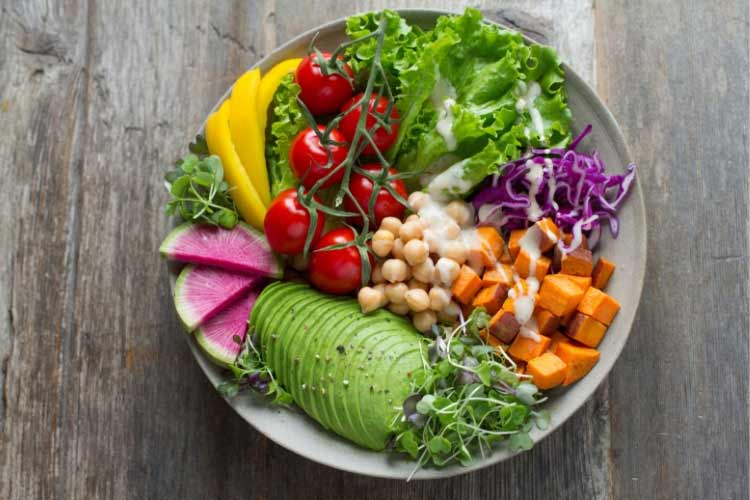
Legumes: essential proteins
"But where do you find the proteins?" is one of the most common questions. First of all, it's important to know that all vegetables contain protein, but it is mainly in legumes (lentils, beans, peas, broad beans…), and in oleaginous (walnuts, hazelnuts) that they are most present. Cereals also contain them, but they are a little more tricky to grow in the garden!
My selection:
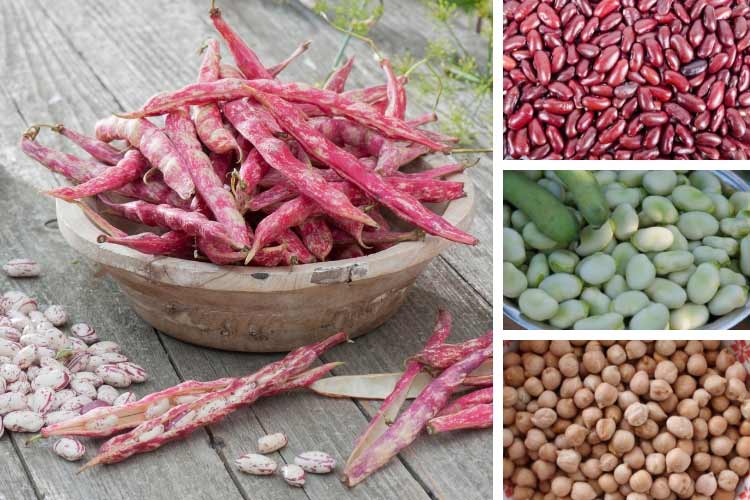
- Flambo dwarf shelling bean : this improved variety yields two to three successive harvests per year, from July to October. I really like its white beans speckled with pink and its very delicate flavour. They can be eaten fresh, dried or semi-dried. Once cooked, they lose their colour, but it's not a big deal—the pleasure also lies in shelling these little wonders! In cooking, it's very easy to prepare, with tomatoes, for example. You can also make delicious veloutés.
- Aguadulce long-pod broad bean : Early, very productive and vigorous, this broad bean produces spectacular pods that can reach 40 cm! They contain large fleshy seeds, tender to the bite. It's one of the first legumes harvested in the kitchen garden, as early as May if you sow it in February. Great in spring Buddha bowls, with radishes and young carrots, broad beans also allow you to prepare tapenades for dipping your breadsticks.
- Canadian Wonder red shelling dwarf bean : this red flageolet is an old variety also known as "Rooster's Kidney." Very productive, it also stores well when dried. It's a Mexican cuisine classic that remains the base of chili, even when it's "sin carne" (without meat). It can also be cooked as a patty and replace the steak in veggie burgers.
- Chickpea : it is a crop that many gardeners do not immediately think of. Yet chickpeas are easy to grow in warm, dry climates. They yield, in four months, round, beige seeds. Rich in protein (19 g / 100 g), chickpeas are widely used in vegetarian cooking, as is or mashed, with condiments and tahini for the indispensable hummus.
- Garden soybean : soybean is a well-known legume that grows in a mild climate, as simply as beans. The more experienced gardeners can turn its seeds into soy milk or tofu… but it is easier to grow it to enjoy greens, with the pod, as edamame.
Colorful vegetables, sweet taste, for vitamins and fun
In the pleasure of eating, presentation matters almost as much as taste. Crafting an appetising salad is a ritual for those who seek to eat mindfully. In winter, colour is also important, but the gentle flavours are particularly comforting—don’t deprive yourself!
My selection :
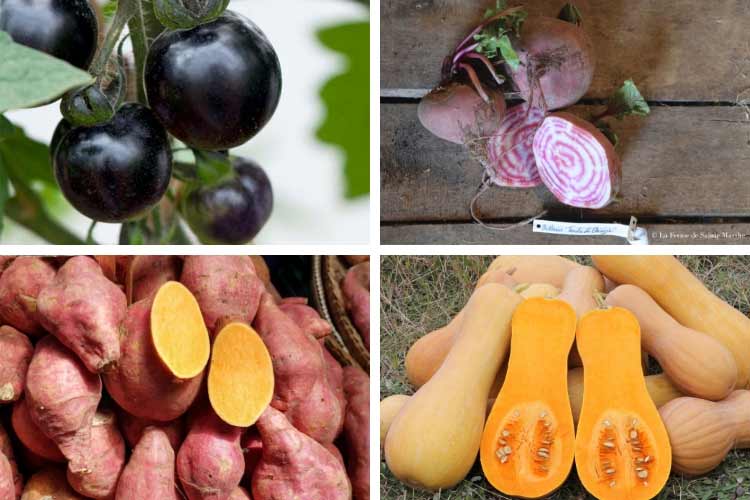
- Indigo Rose tomato : it’s a cocktail tomato with a bluish-purple skin, almost black, and pink to deep purple flesh. It owes its colour to the presence of anthocyanin, a pigment found in fruits such as blueberries or grapes and rich in antioxidants. When sliced, it adds depth to salads, especially if mixed with other distinctive varieties like Pineapple tomato. In the garden, it grows like any tomato and shows good vigour and frost resistance.
- Chioggia beetroot : early, this small round beetroot is very decorative. Sown from April to May, it is harvested from early summer and shows pink flesh striped with white and a sweet flavour. It’s the beetroot to eat raw, in carpaccio or grated, in salads!
- Butternut squash : one of my favourite squashes, not only because it does everything (purée, gratins, chips, soups), but especially because its sweet, mellow flavour is incomparable. If I love it so much, it’s also because it is particularly easy to cut, which is handy when you’re in a hurry! In the kitchen, in a cool climate, it’s not always the most productive, but its flavour more than makes up for this small drawback!
- Sweet potato : originating from South America, the sweet potato is a vegetable that loves warmth and regular watering… but it will reward your efforts with handsome orange-fleshed tubers, wonderfully comforting in the heart of winter! Depending on your soil and climate, you can plant it in the ground or in pots, from mid-May. In my garden, it does particularly well when slightly caramelised with honey and sprinkled with sesame seeds… but it can also be simply roasted in the oven!
Litlle extras and boosters
Last winter, I told you about "superfoods": chia seeds, pumpkin seeds, kale, goji berries... They are, of course, included in my selection! (I invite you to read about them in this article). To this list, this year I add these French books:
On 16 January 2018, the Eat Foundation published a report in the medical journal The Lancet that confirms what we had suspected for several years: for our health, to feed the world and the inhabitants of the planet, there is an urgent need to move to a plant-based diet. Do you find this dull, or […]
With spring's arrival, activity is in full swing at the nursery. For several days, many gardeners have been asking us the following question: "My seedlings are becoming leggy — why?"
What is a leggy seedling?
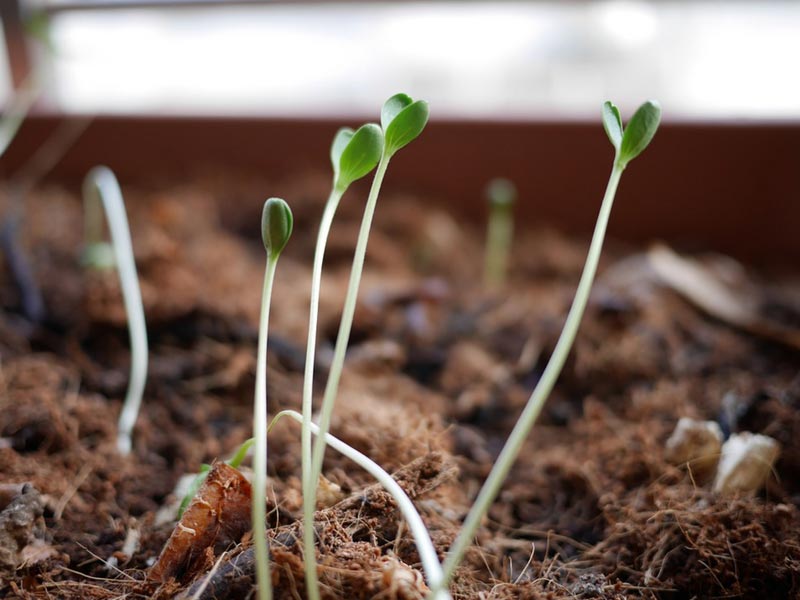
Leggy seedlings show rapid, upward growth of seedlings. This is also described as etiolation. This etiolation appears as abnormally long, very thin and weak stems. Rather than standing upright, they may even flop over. Root system development is reduced, as are leaves, which may show discolouration.
Why are my seedlings leggy?
Leggy seedlings are a common problem when sowing indoors under warm conditions. Main cause: insufficient light combined with excessively high temperatures. Seedlings can also become leggy if sown too densely, not spacing seeds far enough apart.
Searching for light, these young seedlings elongate their stems excessively
How to prevent this problem?
Put simply, in nature warm conditions occur in late spring or summer when days are long. If you reproduce those temperatures indoors, make sure light levels match.
To prevent seedlings becoming leggy, here are several practical solutions and tips:
- For plants that require relatively high temperatures to germinate (chillies, peppers, tomatoes), monitor germination closely. Once first leaves appear, move trays to a very bright but cooler spot (a windowsill). Also turn trays daily so all seedlings receive maximum sun.
- If that is not possible, provide supplemental horticultural lighting (available now at IKEA) to supply extra light to meet their needs.
- Don't coddle seedlings too much: do not sow indoors plants that germinate perfectly well at 10–15°C,
- space seeds well: overcrowded sowings create too much competition for light,
- If that all seems complicated, delay sowing by a few weeks. Lengthening days will provide more light and some sowings can even be done outdoors under cover.
What to do with leggy seedlings?
Most of the time, there is no miracle cure: you need to sow again because a leggy sowing rarely produces quality plants and any rescue attempts are long and tedious. For plants that are transplanted by burying part of the stem (Solanaceae), moderate etiolation is less serious because the too-long stem can be buried at transplanting. It will then develop into a well-established root system.
And you, do you have any tips to rescue a leggy seedling?
With spring’s arrival, activity is in full swing at the nursery. For several days, many gardeners have been asking us the following question: “My seedlings are becoming leggy — why?” What is a leggy seedling? Leggy seedlings show rapid, upward growth of seedlings. This is also described as etiolation. This etiolation appears as abnormally long, […]
The festive season often leaves its mark: a muddled complexion, an overloaded liver, and mysteriously shrunk clothes… It’s no wonder that Eating better is among the top 10 New Year’s resolutions. To achieve this, nothing beats "superfoods"! Here’s my little selection of "healthy" fruits and vegetables that are particularly good for your health, which you can grow in your garden; this will also allow you to get a bit of exercise 😉
1) Chia Seeds
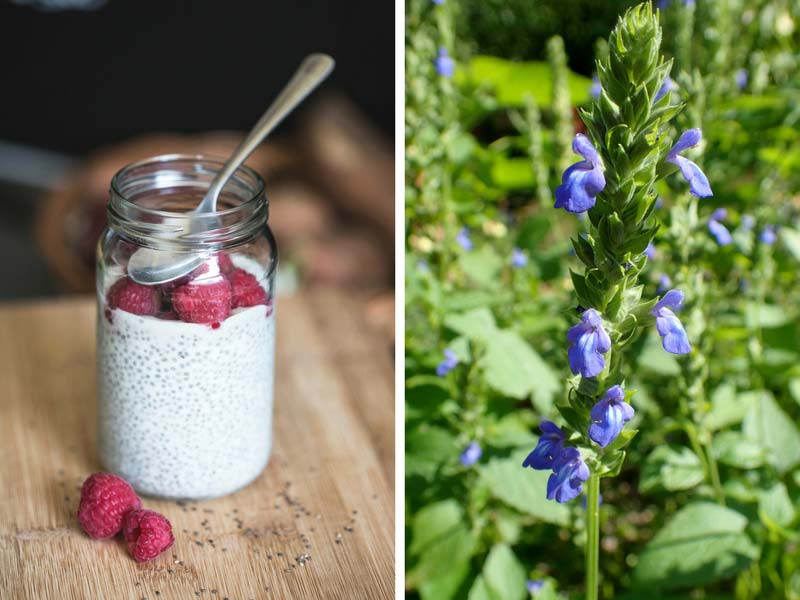
Chia seeds come from an annual sage, Salvia hispanica, native to Mexico. Cultivated for thousands of years on the American continent, this tiny seed has only recently made its way onto our plates. Packed with numerous benefits, it is an excellent source of omega-3 and fibre. Additionally, it has the unique ability to thicken preparations by forming a mucilage when in contact with liquid, which increases the satiety effect of foods.
- How to use chia seeds?
Chia seeds have a mild flavour, although some find a pleasant nutty note. They can be sprinkled on salads, mixed into homemade bread, or added to yoghurts. Virginie makes an excellent pudding in the morning with almond milk and seasonal fruits. - How to grow chia seeds in the garden?
Chia grows easily in a mild climate, in good soil. Sowing takes place in spring, and the seeds are harvested in autumn. Be careful, this sage is not hardy!
 Chia seeds: a "superfood" from a sage, Salvia hispanica
2) Kale
A true trendy vegetable, kale has garnered a lot of attention in recent years. And if Americans are crazy about it, it’s because of its high content of fibre, iron, vitamins A, C, and K, as well as antioxidants. Excellent for eye health due to the lutein and zeaxanthin it contains. It is also a very good source of calcium.
- How to use kale?
Kale is best consumed raw to retain maximum vitamins. It can easily be juiced to "boost" a smoothie or juice. It can also be cooked, for example, in a gratin. But I won’t lie to you: kale leaves are quite tough! Before consuming, they should be softened after removing the central rib. To do this, look, it’s easy (it’s in English but you’ll understand quickly):
- Growing kale
This cabbage is grown like any curly cabbage. It requires rich soil but has the advantage of being very resistant to diseases and pests. To learn more, check out our advice sheet: "growing kale and curly cabbage in the vegetable garden."
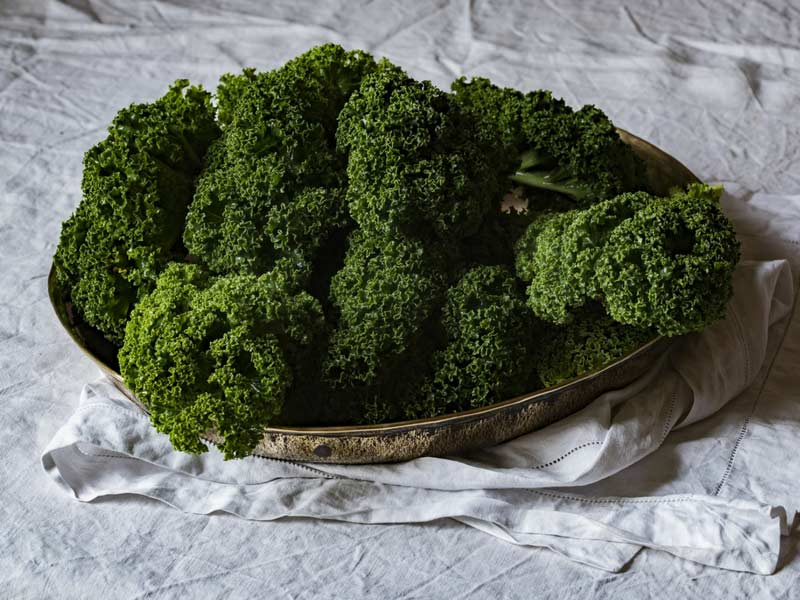 Kale, a "super cabbage" that loves massages
3) Flower Sprout
The Flower Sprout or Kalettes (BrusselKale for English speakers) is a promising newcomer. A hybrid of kale and Brussels sprouts, it produces, like Brussels sprouts, stems adorned with leaf buds. These mini-cabbages, serrated, dark green, and purple, are low in calories and very rich in vitamins C, K, and B6. The icing on the cake is that this cabbage also tastes good… Indeed, it is not bitter, and its sweet and mild flavour is accompanied by a pleasant nutty note. Original, it will also delight busy cooks as it cooks very quickly and retains a pleasant crunchy texture.
- Flower sprout in the kitchen
Quick to cook, it can be prepared in any way you like: steamed, quickly sautéed, or boiled in just 4 minutes… all with little to no smell. Versatile, it can serve as a side dish, but also as a base for many salads and, like kale, can be added to fruit juices. - Growing flower sprouts
In the vegetable garden, these small cabbages are grown just like Brussels sprouts. To learn more, follow our advice: "Growing Brussels sprouts"
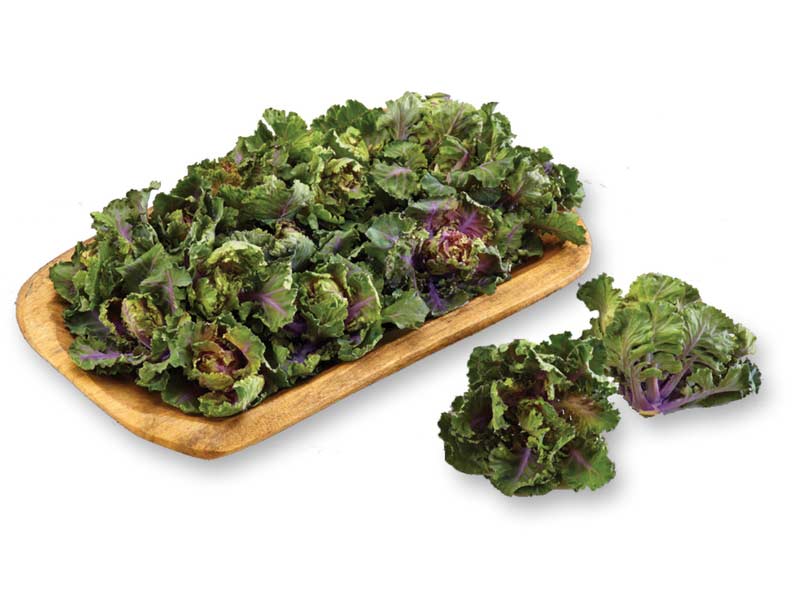 The Flower Sprout: half kale, half Brussels sprout - Photo: www.kalettes.com
4) Ginger
Exotic, ginger has long been known for its aphrodisiac effects. Popularised with the rise of sushi restaurants, it is now appreciated for its taste as well as its tonic, digestive, antibacterial, and antioxidant properties.
- Fresh ginger in the kitchen
The health benefits of ginger are numerous, but it is especially essential in Asian cuisine (in marinades, broths, or stir-fries to enhance a wok), as well as in traditional cooking. At home, I often use it in baking to add a kick to apple compotes. I also love it candied; its spicy flavour is perfect for a little boost during moments of fatigue. Finally, ginger can also be used in infusions with lemon as part of a detox cure. - Growing your own ginger:
Ginger is not complicated to grow, but it needs warmth. Unless you live in a tropical zone, it is best grown in a large pot, indoors or under a heated veranda.
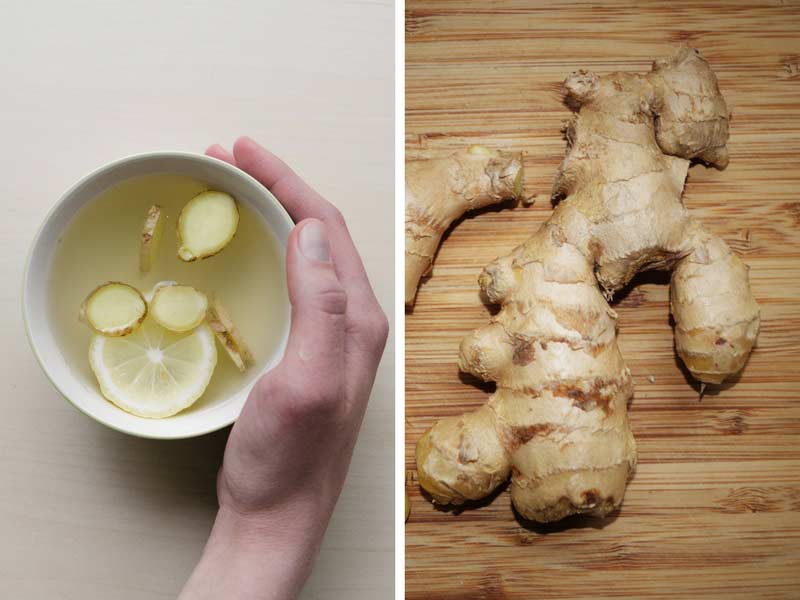 Ginger rhizome can be used in infusions as part of a detox cure
5) Goji
Goji berries come from an Asian bush, the Lycium. They are consumed fresh or dried. This small fruit has long been popular for its content of vitamins B, C, and E, but especially for its richness in antioxidants. However, its popularity has somewhat diminished following the discovery of batches, even certified organic, containing high levels of pesticides. All the more reason to grow them yourself!
- What to do with goji berries?
Fresh, goji berries can be added to homemade mueslis and granolas, yoghurts, fruit salads, or even juices. They can also add a sweet note to salads. Dried, they easily incorporate into cookies and other cakes. - Can you grow goji in your garden?
Yes, absolutely! Like many Asian shrubs, Lycium barbarum thrives in our climates. It is hardy and even tolerates lime. However, it is in the sunniest regions that it will fruit best. To learn all about growing these delicious berries, check out our advice sheet: "Cultivation, harvest, and drying of goji berries"
 Goji berries lend themselves to many preparations. Add them to your mueslis daily
6) Black Radish
The black radish is one of those vegetables that can be a bit puzzling at first glance. Generally large, it has a black skin that covers a white, crunchy flesh, rich in potassium and magnesium. Slightly laxative and detoxifying, black radish aids digestion and "cleanses" the liver, but it is especially appreciated for its antibacterial properties. Rich in raphanine, it helps treat winter ailments like coughs.
- How to use black radish?
This radish is simply consumed raw, in thin slices or grated, in salads or on a slice of buttered bread. You can also choose to extract its juice, which, when mixed with sugar, makes an excellent syrup for a productive cough. The radish greens can also be prepared in soup. - How to grow black radish in the vegetable garden
This is a winter radish that is sown in summer. Its cultivation is not difficult, but due to its long root, it requires fairly deep and well-loosened soil.
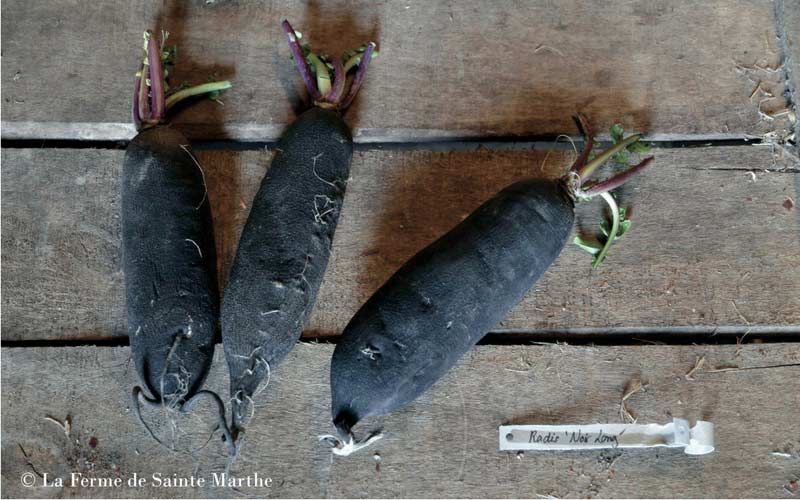 Long Winter Black Radish
7) Pumpkin Seeds
Pumpkin seeds are very rich in protein (between 20 and 25%), unsaturated fatty acids, vitamins, and minerals, including magnesium and iron. Often consumed as part of a vegetarian or vegan diet, they are also indicated for relieving urinary problems.
- How to incorporate pumpkin seeds into your diet?
Roasted, pumpkin seeds are perfect as a snack or nibble. Whole or crushed, they can be sprinkled on salads or incorporated into bread or cake mixtures. - How to produce your own pumpkin seeds:
All pumpkins are suitable, but to avoid the tedious peeling process, you should choose the Lady Godiva Pumpkin. This variety has the advantage of producing seeds without a shell. To succeed, proceed as with other pumpkins: give it a spacious area and plant it in rich soil or heavily enriched compost, even if it is not fully matured.
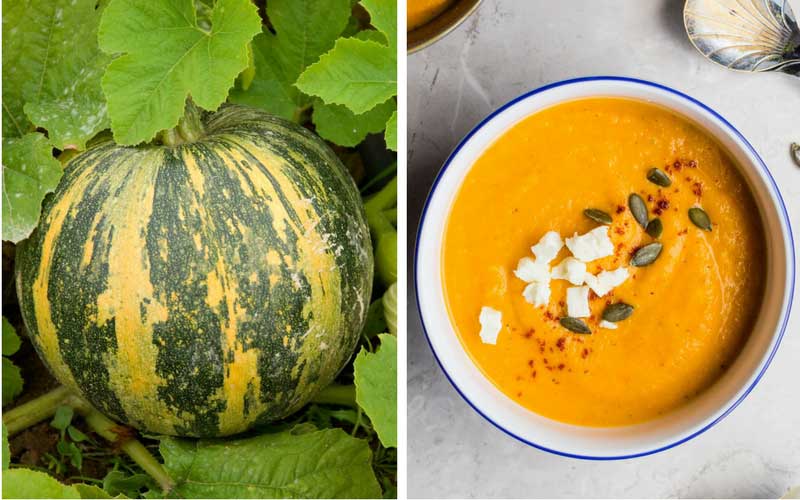 The Lady Godiva pumpkin (Photo: Ferme de Sainte Marthe), a perfect pumpkin for seed production. Its medium flesh is very suitable for soups.
And you, do you consume one or more of these "superfoods"? Let us know!
The festive season often leaves its mark: a muddled complexion, an overloaded liver, and mysteriously shrunk clothes… It’s no wonder that Eating better is among the top 10 New Year’s resolutions. To achieve this, nothing beats “superfoods”! Here’s my little selection of “healthy” fruits and vegetables that are particularly good for your health, which you […]
The first morning frosts have appeared, and it's a bit of the beginning of the end in the vegetable garden, unless, like me, you have a garden greenhouse.
The term greenhouse is broad and encompasses various types of structures that offer varying levels of protection against the cold. For vegetable cultivation, the most commonly used model by market gardeners and gardeners is the tunnel greenhouse.
Although unheated, this greenhouse, known as a "cold greenhouse", is nonetheless very practical. The main advantage is that temperatures rise quickly inside. In the heart of winter, even the slightest ray of sunshine can provide a gentle warmth, conducive to vegetable development. Additionally, by blocking the wind, the greenhouse also limits the effects of the cold.
Let’s explore everything you can do in it, as well as the precautions to take when cultivating under cover.
A greenhouse in the vegetable garden: possibilities and advantages
- Significantly extend the seasons
The greenhouse, by creating a favourable microclimate and protecting vegetables from light frosts, allows for earlier and later cultivation and harvesting. The soil warms up quickly in spring, enabling seeds to germinate rapidly. Thus, in a mild climate, it is possible to sow carrots, early lettuces, radishes as early as January, and to harvest courgettes in June, as well as tomatoes, aubergines, and cucumbers until the end of October.
- Increase productivity
The warmth of the greenhouse also allows for successful cultivation of a wider range of vegetables, particularly those "of the sun" such as tomatoes, peppers, and other more exotic varieties like sweet potatoes or kiwano, which are often less productive in regions with a "hostile" climate. Planted in a warm environment that suits them perfectly, they grow better and faster, thus offering higher yields.
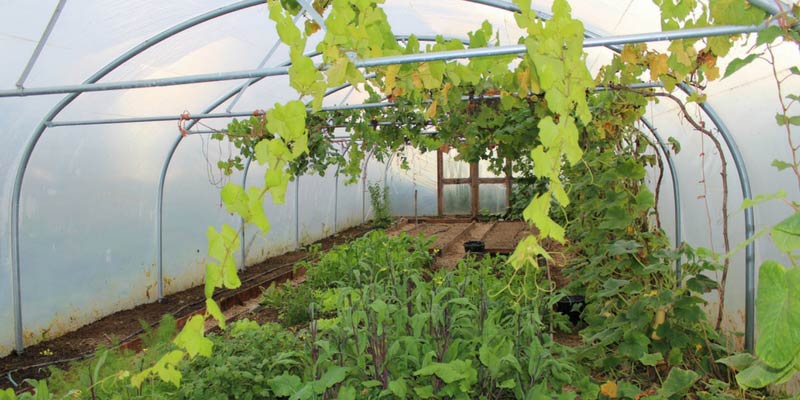 Growing under a tunnel allows for grape harvests, even in a cold climate. Photo credit: Local Food Initiative
- Protect against certain diseases
As mentioned in our advice sheet: "Tomato: downy mildew, other diseases and pests", the best protection is to cultivate them under cover. Indeed, the greenhouse, by sheltering from rain, significantly reduces the risk of cryptogamic diseases.
- Sow and propagate without clutter
Anyone who grows their vegetable plants knows: from March to May, the house is usually very cluttered with tender vegetables that cannot be planted in the garden before the Ice Saints. Although the cold greenhouse is not suitable for very early sowing, sometimes done as early as February, it still allows for storage, or even planting, as early as April, with appropriate additional protection (thick fleece, frames, or specific installations like a heated box) in anticipation of cold nights.
The greenhouse is also the ideal place to grow cuttings, such as those from blackcurrant and gooseberry bushes prepared in autumn, which will be planted in the following spring.
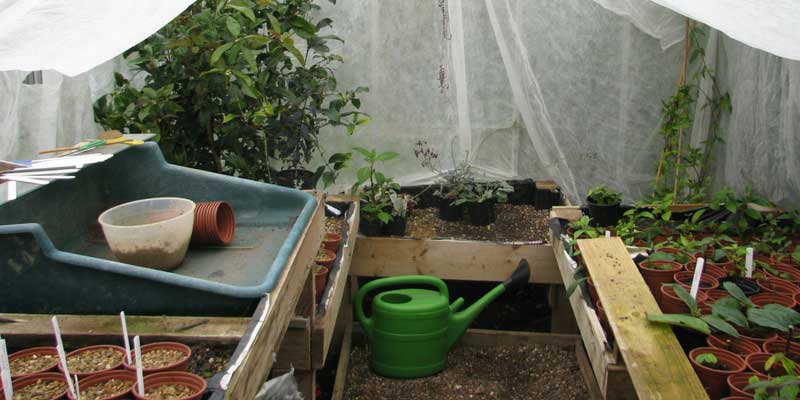 The cold greenhouse is well-suited for sowing and sheltering cuttings. To protect your plants, consider adding extra protection to prevent potential damage from a cold night.
The limitations of the cold greenhouse
- Temperature regulation
It may not be immediately obvious, but in an unheated tunnel greenhouse, it can freeze. It can also get very hot very quickly. The thermal inertia is very low, and without your intervention: temperatures can, within 24 hours, swing dramatically: dropping to -5 °C at night and rising to +40 °C during the day. This temperature range is uncomfortable for plants!
To avoid this, there is only one solution: ventilation… which is usually done by opening the doors or side openings, if the tunnel has them. Regular ventilation also helps to expel excess humidity that encourages the appearance of diseases like powdery mildew. As you can see, managing the climate of a greenhouse can sometimes be a bit tricky and requires, above all, almost constant presence!
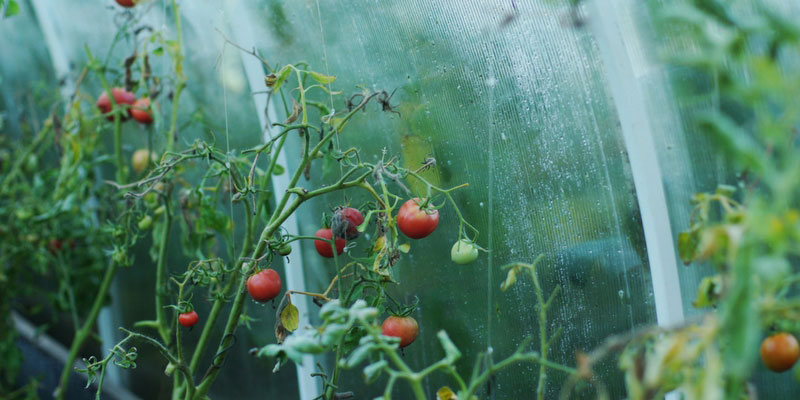 Under cover, regulating ambient humidity is important to avoid diseases.
- Watering management
In the greenhouse, don’t rely on the sky for watering (unless you opt for the "Cabriolet" model from Serres Tonneau) but on your own strong arms or, if not, your clever mind… This may seem obvious, but to cultivate in this enclosed environment, planning for water supply, storage, and possibly an autonomous watering system is crucial. That said, the issue of watering is certainly the easiest to resolve. In our case, the greenhouse is over 50 meters from the house: the collected rainwater is transferred via a small pump to a dedicated reservoir for the greenhouse. The automatic watering system is gravity-fed and does not require electricity.
- Questionable aesthetics
While glass greenhouses generally blend well into gardens, let’s be honest: the same cannot be said for tunnel greenhouses. At night, under the full moon, it may look almost pretty, but the same cannot be said during the day! Nevertheless, there are solutions to integrate it: cultivate around tall plants (Jerusalem artichokes, giant sunflowers, cardoons…) or place it at the back of the garden.
However, know that the appearance of the greenhouse is quickly forgotten when you experience the joy of cultivating and gardening under it on rainy days!
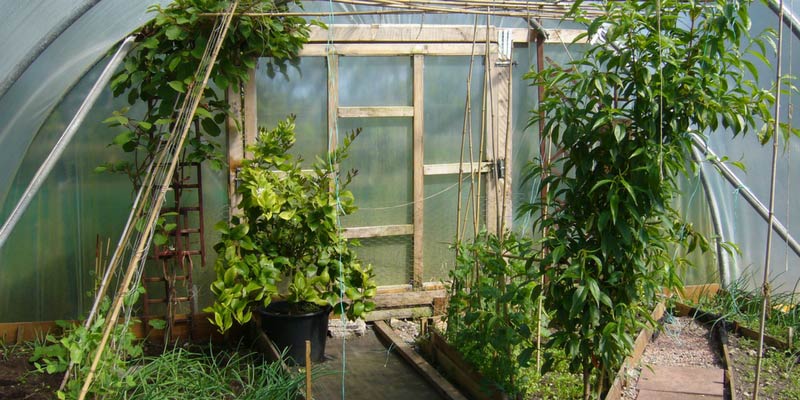 A greenhouse is also a little haven of peace where gardening, even in winter, is a pleasure! Photo credit: Caltriana Nicholson
Finally, discover a Selectos selection of the best garden greenhouses.
The first morning frosts have appeared, and it’s a bit of the beginning of the end in the vegetable garden, unless, like me, you have a garden greenhouse. The term greenhouse is broad and encompasses various types of structures that offer varying levels of protection against the cold. For vegetable cultivation, the most commonly used […]
Have you heard of the cucamelon? I hadn't either… well, until I came across it among the new additions to our wide range of vegetable seeds.
Cucamelon: what is it?
The cucamelon (Melothria scabra) is a climbing plant belonging to the cucurbit family. Also known as the pickling cucumber or "Mouse Melon" in North America. It originates from Central America and Mexico, where it is grown as a perennial plant.
Curious by nature, I sowed my first cucamelon at the end of March to plant out in June. After a rather disastrous start (heatwave + forgotten watering rarely produce good results), it soon recovered and lived up to its reputation as an easy-to-grow plant.
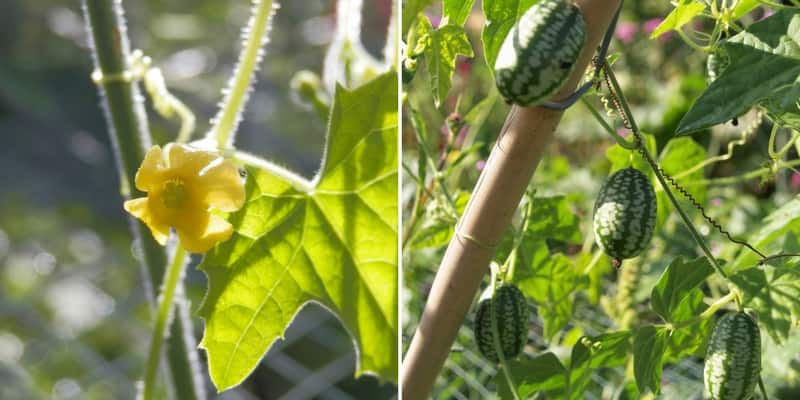
Cucamelon: tiny flower followed by an adorable little fruit
Quickly, its thin, tendril-bearing stems grabbed the wire mesh to form a pretty tangle of lobed leaves. Thanks to a relatively rainy summer, my cucamelon plant developed without any care (nor any sign of powdery mildew!) and is giving me a very respectable harvest this late summer!
In terms of flavour, it was a pleasant surprise: this adorable mini-watermelon has, as promised, a cucumber taste with a slight tang that is far from unpleasant. It is eaten with the skin on, which adds an equally pleasing crunch.

... needless to say, cucamelon is a vegetable children love!
What can you do with cucamelons?
Don't be mistaken, cucamelons are not only there to feed an army of hungry Playmobil figures... They can be eaten and prepared in various ways.
Quite simply, cucamelons are best eaten raw with a pinch of salt, as an aperitif. They can also be used to garnish cocktails such as mojitos: your lemon slice will feel less lonely! A few cucamelons added to a salad of cherry tomatoes or served with radishes also make a lovely addition… Finally, they will delight pickle lovers as they keep very well pickled in vinegar, like gherkins.
For a large jar of 500 g of pickled cucamelons, here is my recipe:
- pick cucamelons just before full maturity (neither too thin nor too plump),
- wash them thoroughly,
- prepare white vinegar (400 ml) by adding 1 teaspoon of salt, 4 tablespoons of cane sugar, 1 tablespoon of mint leaves, 1 tablespoon of dill leaves (washed and chopped beforehand), coriander seeds,
- put the cucamelons in the jar, pour in the vinegar and close the lid,
- store in the fridge for one month then enjoy!
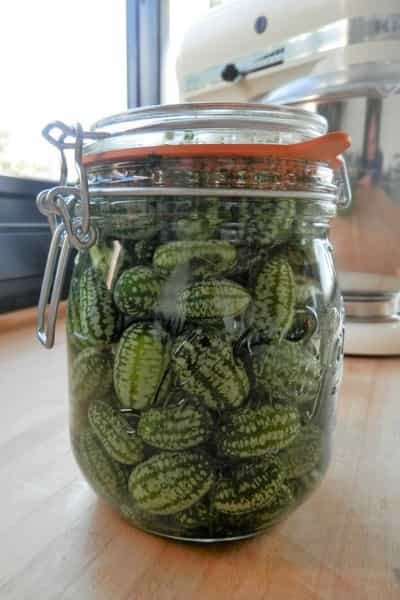
Storing cucamelons: quick and easy!
And you, have you ever grown cucamelons? How do you prepare them?
Have you heard of the cucamelon? I hadn’t either… well, until I came across it among the new additions to our wide range of vegetable seeds. Cucamelon: what is it? The cucamelon (Melothria scabra) is a climbing plant belonging to the cucurbit family. Also known as the pickling cucumber or “Mouse Melon” in North America. […]