Spindle, Euonymus: planting, pruning and care
Contents
Spindle, in a nutshell
- Euonymus species are groundcover or large shrubs, offering a multitude of habits and colours
- Foliage, evergreen or deciduous, shows interesting shapes, variegated with cream, yellow or even pink, and deciduous varieties also display superb autumn colours
- Fruits provide original decorative interest in some species; birds feast on them in autumn
- Hardy, they adapt to all well-drained soils and tolerate shaded or sunny positions
- Uses are varied, ranging from rockery to hedge, including clipped borders, topiary and small shade tree
- It is the fail-safe shrub every beginner gardener will plant in their garden
A word from our expert
Euonymus are a very varied group of shrubs, sometimes deciduous, sometimes evergreen, and so lend themselves to many uses. They are all very easy to establish in well-drained soil and require little care once established.
Discover this wide range of shrubs appealing both for their shape and for the colour of their foliage. Evergreen species are valued for their variegated foliage, sometimes very fine, ideal for bonsai training. Deciduous species are particularly attractive for their autumn foliage and colourful fruit.

Some euonymus with evergreen, decorative foliage: Euonymus fortunei ‘Emerald ‘n Gold’, Euonymus japonicus ‘Pierrolino’, Euonymus japonicus ‘Bravo’, Euonymus fortunei ‘Minimus’, Euonymus fortunei ‘Emerald Gaiety’.
Euonymus prefer sunny or semi-shaded positions and well-drained, fairly cool soils. Deciduous species even tolerate poor soils regardless of pH. Compact and dwarf shrubs adapt well to container planting, while vigorous specimens fit perfectly into hedges and borders and even make fine specimen plants. Some cultivars aim to replace traditional box hedges, now decimated. Prune deciduous euonymus in winter, while prune evergreen euonymus intended for borders, hedges or topiary in April and in autumn.

Description and botany
Botanical data
- Latin name Euonymus sp.
- Family Celastraceae
- Common name Spindle
- Flowering depending on variety, between May and August
- Height between 40 cm and 5 m
- Exposure full sun to partial shade
- Soil type fairly cool and well-drained, rich or poor depending on species
- Hardiness very good in most cases
Genus Euonymus, sometimes spelled Evonymus, is better known as spindle. It includes more than 175 species of trees, shrubs and rooting plants (that spread by producing suckers) and even creeping forms. Most grow in Northern Hemisphere, the most notable (Euonymus japonicus, alatus…) ranging from the Himalayas to the Far East via Southeast Asia. They also occur in North America (4 species), Australasia and Madagascar. But Europe has its own species, the European spindle, Euonymus europaeus, widespread from Finland to western Asia Minor, nicknamed the ‘bishop’s cap’ because of the shape of its fruits.
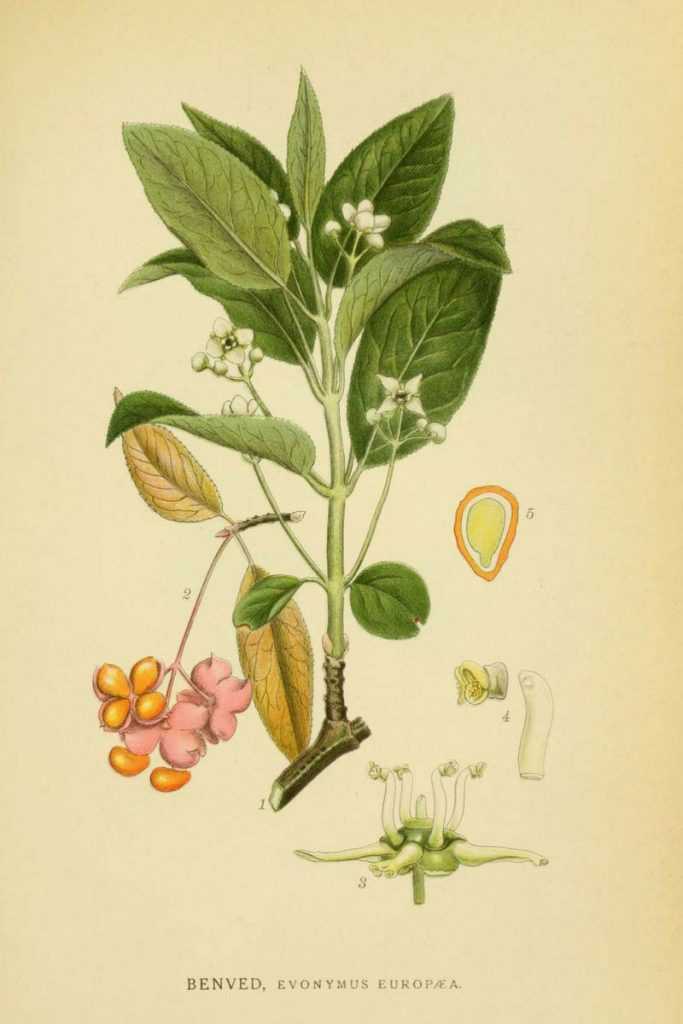
Euonymus europaeus, botanical illustration
Genus Euonymus, belonging to family Celastraceae, is characterised by simple leaves 5–12 cm long, opposite but sometimes alternate and generally with toothed margins and a short petiole. Among members of this family is Celastrus, an ornamental climbing shrub noted for its orange fruits. Shape of the lamina is fairly typical, ovate to lanceolate, sometimes acuminate. Spindles divide into two groups with different uses: evergreen species and deciduous species.
Evergreen spindles (Euonymus japonicus, fortunei…) have a leathery, waxy texture and dense, often colourful foliage, valued for hedging, rockery planting or as a specimen focal point.
Deciduous species (Euonymus alatus, europaeus, bungeanus), with ordinary leaves, make up for it in autumn by producing superb foliage colours from purple and scarlet to orange, combined with the colours of the fruits.
Twigs, brown or green, are smooth or quadrangular. Sometimes corky outgrowths cover the stems, giving a winged appearance to the bark as seen on Euonymus alatus or E. phellomanus.
The flowers, formed of four petals, are grouped in cymes at the base of current-year shoots and are rather insignificant because of their small size, greenish or yellowish, sometimes pinkish hue and almost complete lack of scent. Flowering occurs between May and August depending on species, once leaves have developed.
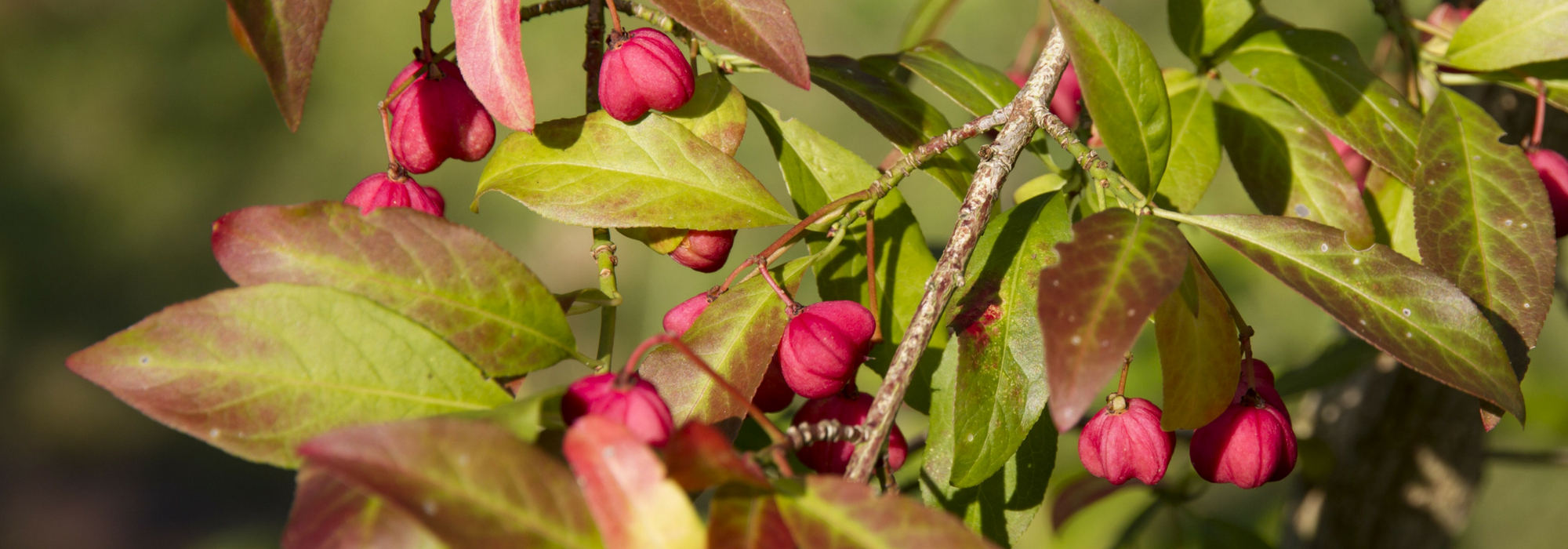
The fruits are, however, remarkable: a pinkish or red capsule that usually splits into four valves reveals 3–4 seeds brightly coloured orange, vermilion or coral red. These seeds bear a fleshy, oleaginous covering, highly nutritious for birds, called an ‘aril’, which aids seed dispersal in their droppings. Seeds remain attached to the capsule for some time.
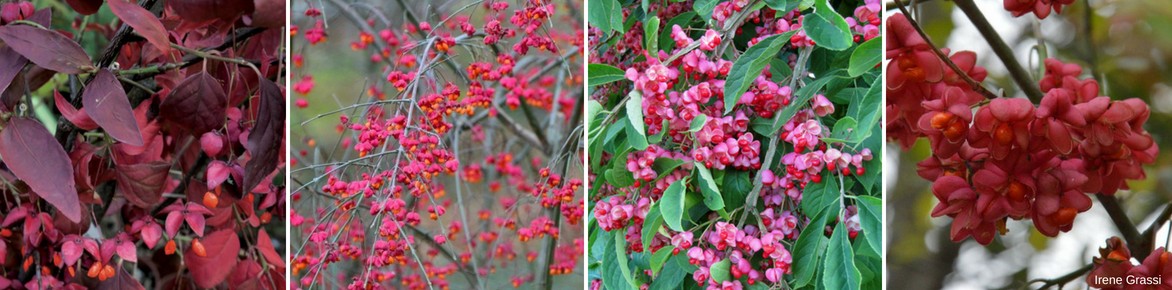
Berries of some spindle species are highly decorative: Euonymus planipes, Euonymus europaeus, Euonymus phellomanus, Euonymus europaeus.
Asian spindles caught the interest of young naturalist Victor Jacquemont (1801–1832), sent by the Paris Museum on a first mission to Kashmir and Punjab in 1830. Eunonymus japonicus became popular in Europe in the 19th century. It provides a hard, robust wood used for making spindles for spinning wool, but it is best known to artists for wood converted into charcoal used for sketching without marking the paper (hence the name ‘fusain’). Its roots produce a gutta-percha–type latex also extracted from other trees in the Sapotaceae family.
Main species and varieties
Spindles offer a surprising range of habits. Euonymus fortunei, the best-known and arguably most popular of all, can spread up to 6 m and even climb trees like an ivy, helped by its climbing roots. However, its cultivars are usually more compact and rarely exceed 1 m of spread. These are well suited to container growing or creating topiary even if their growth is a little faster than box.
Japanese spindle (Euonymus japonicus) forms a small evergreen tree spreading 3 to 5 m high, although its variegated cultivars rarely exceed 1.50 m in any direction. Its deciduous counterpart, the European spindle (Euonymus europaeus), also provides ideal shade in a small garden, with a spreading habit of 3 to 5 m.
To find which variety will best suit your garden, see this article: “Spindle: which variety to choose?“
Most popular varieties

Euonymus japonicus Aureus - Japanese Spindle
- Flowering time June to August
- Height at maturity 1,50 m

Euonymus europaeus Red Cascade - European Spindle
- Flowering time May
- Height at maturity 3 m
Euonymus fortunei Emerald n gold - Spindle
- Flowering time June, July
- Height at maturity 55 cm
Our favourite varieties

Euonymus japonicus Microphyllus Aureovariegatus - Japanese Spindle
- Flowering time June to August
- Height at maturity 1,20 m

Euonymus alatus Compactus - Winged Spindle
- Flowering time June, July
- Height at maturity 1 m

Euonymus japonicus Bravo - Japanese Spindle
- Flowering time June to August
- Height at maturity 2 m
Discover other Euonymus - Spindle tree
View all →
Available in 3 sizes

Available in 4 sizes

Available in 2 sizes

Available in 2 sizes
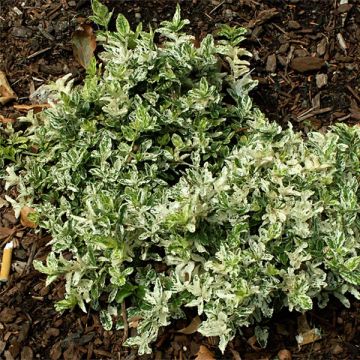
Available in 2 sizes
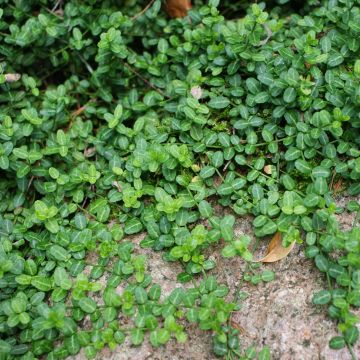
Available in 1 sizes

Available in 3 sizes

Available in 2 sizes

Available in 2 sizes

Available in 2 sizes
Planting spindle trees
Where to plant?
Plant Euonymus in a sheltered, sunny position. Variegated forms, however, will look better in partial shade and will also provide a pretty creamy or golden touch of brightness. Solid-green forms tolerate more shade than variegated ones.
Deciduous Euonymus (europaeus, alatus, grandiflorus…) are very hardy and can be planted throughout France except in dry Mediterranean climates.
Among evergreen forms, fortunei tolerates severe cold down to -28°C. japonicus, by contrast, is more fragile; avoid exposing it to temperatures below -12°C (zone 8 maximum), although it tolerates sea spray perfectly.
Evergreen Euonymus grow in neutral to calcareous soil, preferably rather rich and cool, whereas deciduous Euonymus, indifferent to pH, will do well in poor, free-draining soil that stays relatively cool in summer. In all cases, avoid waterlogged soils even though Euonymus appreciate some coolness around the roots. Add a layer of gravel to the bottom of the planting hole if necessary or plant on a slope to improve drainage.
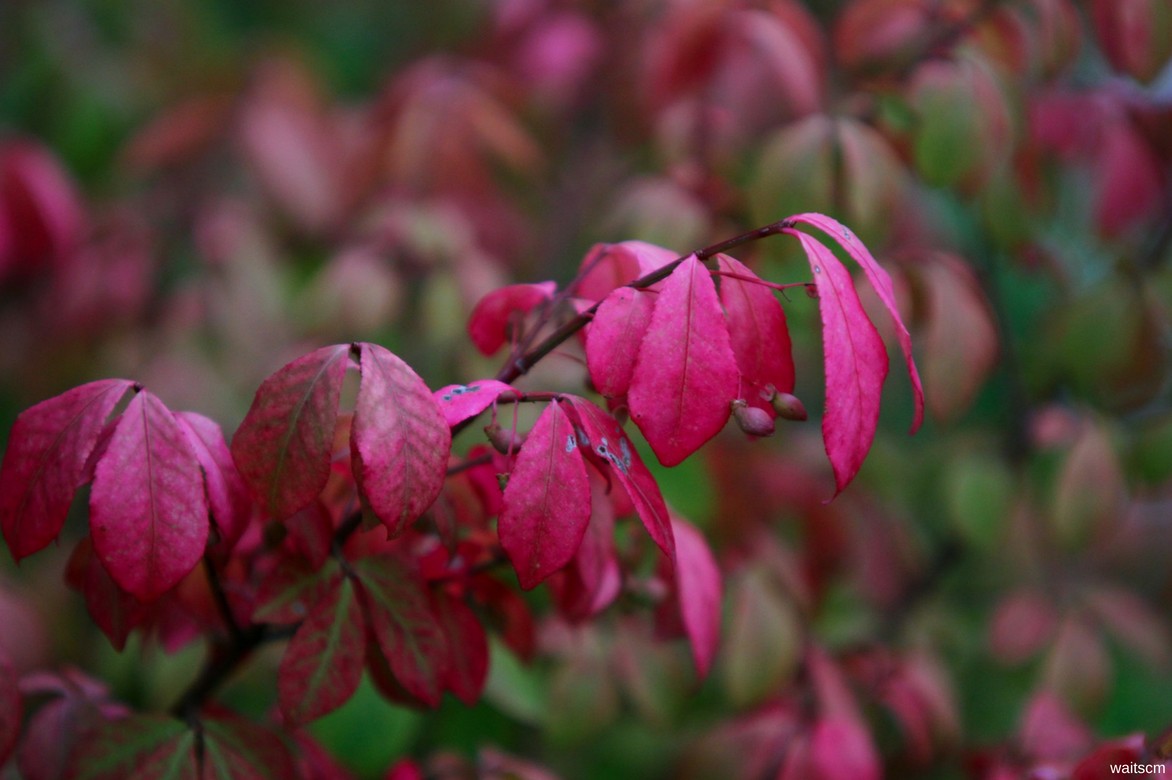
Stunning autumn colour of Euonymus alatus ‘Compactus’.
When to plant?
Although Euonymus can be planted at any time of year, it is best to do so from October through to March or April. Avoid working during frosts or periods of very hot weather.
How to plant?
Allow enough space around each plant – 1 m² for groundcover species – so they can fill out harmoniously. In a border or hedge, space Euonymus plants 1.5 to 2 m apart from one another and from other trees or shrubs, as their dense foliage and vigorous growth could smother nearby plants. Dig a trench rather than individual holes when creating a hedge.
Sarmentous groundcover species such as Euonymus fortunei ‘Minimus’ (15–20 cm high) should be planted 50–80 cm apart to quickly cover the soil with their fine foliage.
To plant:
- Moisten the rootball to aid establishment.
- Dig a planting hole, two to three times the size of the rootball. Add a shovelful of well-rotted compost.
- Place the plant in the planting hole.
- Refill with soil and firm lightly.
- Water.
- Spread a layer of mulch around the base to help keep roots cool. This will also reduce weed growth.
For container growing, place a 3–4 cm drainage layer in the bottom of the pot (gravel, broken pottery, etc.). Add a mix of 1/3 soil, 1/3 potting compost and 1/3 coarse sand.
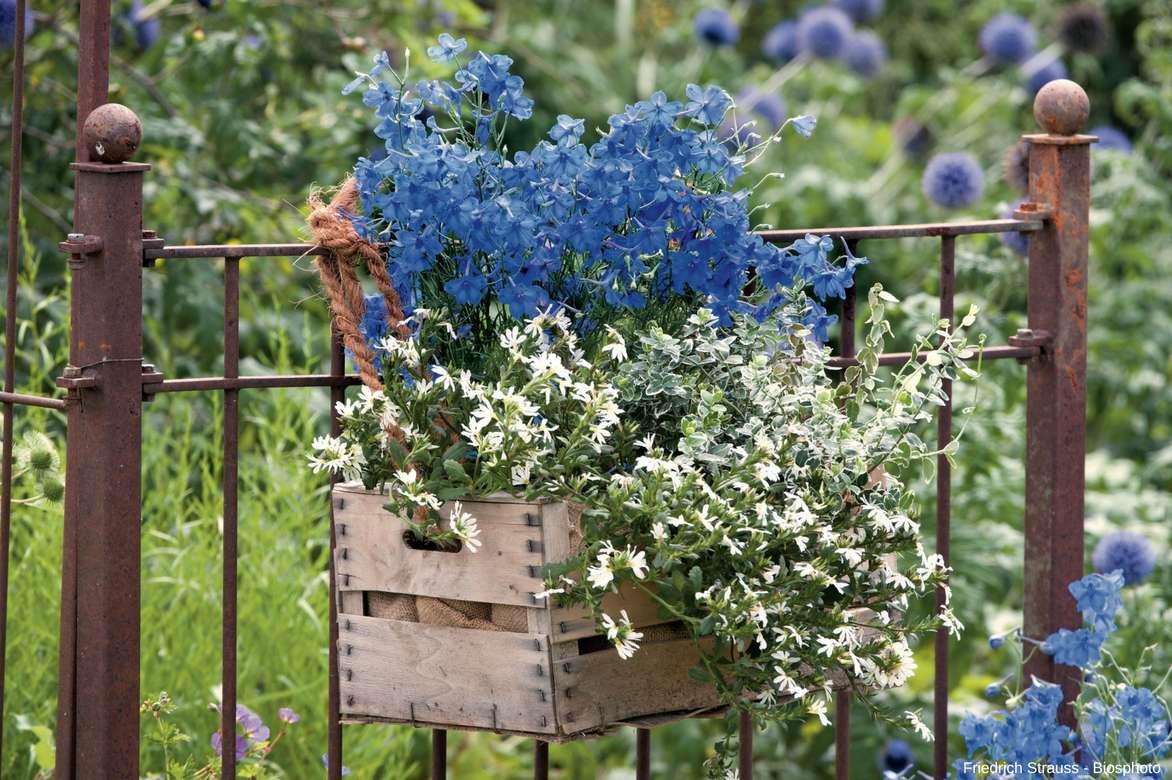
Small evergreen Euonymus lend themselves well to container culture, here: Euonymus fortunei ‘Emerald Gaiety’, Delphinium ‘Blue Diamonds’, Scaevola ‘White Blessing’.
Read also
Spindle: which variety to choose?Pruning and care
Pruning Euonymus
Prune deciduous Euonymus in winter to better assess silhouette using pruning shear. Remove misplaced branches that cross or are damaged. For Euonymus grown as standards, remove low branches arising from trunk
Euonymus used in borders or as topiary should be trimmed with shear or bonsai scissors in April and autumn, or even at planting. This will be more a pinch than a pruning: shorten leafy shoots by a few centimetres without cutting back to bare wood. Hedging plants can be trimmed with shear or a hedge trimmer twice a year, in April and August.
Care
Euonymus are trees or shrubs easy to grow and require very little maintenance. Once established, they need no watering, but it is preferable to water regularly during first year and, thereafter, in dry spells. Likewise, if you grow Euonymus in a pot or container, water once or twice a week, as potting mix dries faster than in soil.
Apply mulch around base will help limit weed growth and protect shrub from drought and frost.
Japanese Euonymus are most sensitive to cold. If growing these varieties, protect them during first few years using a fleece and by laying a thick layer of mulch on the soil. In case of snow, shake branches of evergreen Japanese Euonymus to remove it and prevent branches from breaking under its weight.
Possible pests and diseases
Evergreen euonymus are sometimes attacked by mealybugs that form cottony masses or small dark shields on stems or under leaves. Treat with white oil or introduce natural predators such as the ladybird Cryptolaemus montrouzieri.
Powdery mildew leaves a white dusting on shoots and leaves of Japanese euonymus, especially when the first hot weather arrives. Quickly cut out affected parts to prevent spread. If symptoms recur, apply sulphur to foliage. If your shrub is repeatedly affected, we recommend moving it to a sunnier, better-ventilated spot.
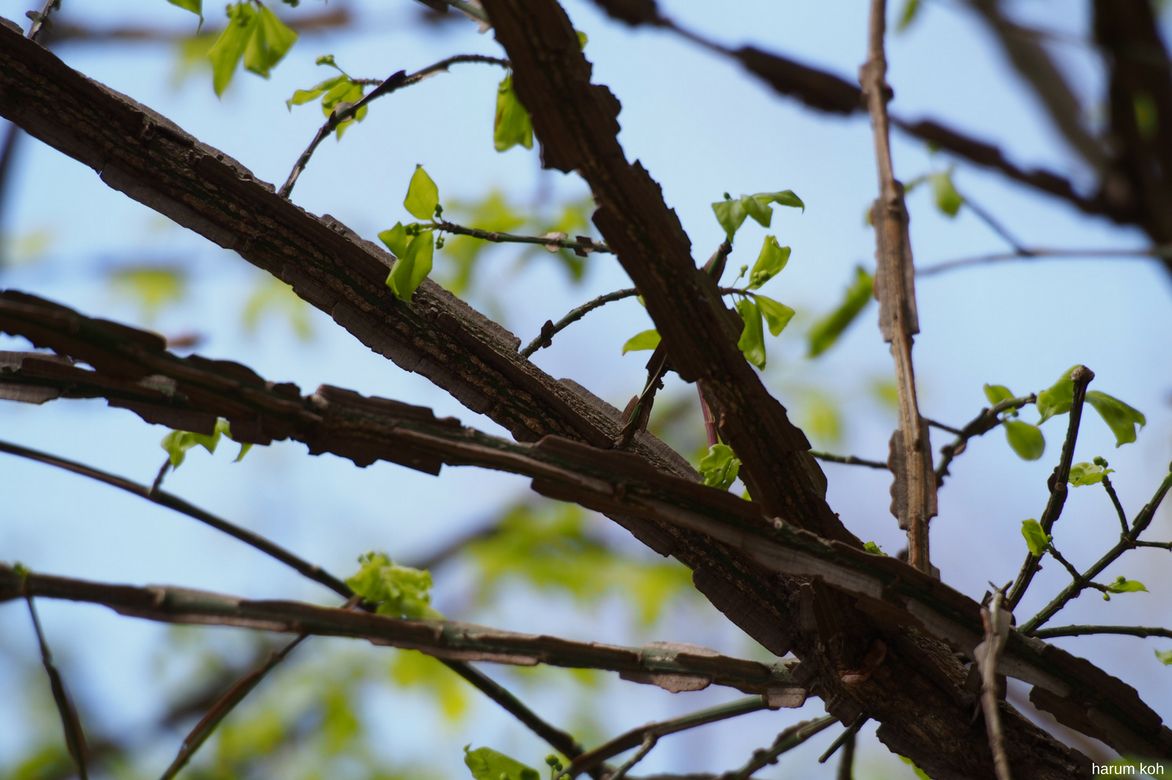
Winged euonymus branches are very striking, especially in mid-winter.
Multiplying spindle: propagation by cuttings and sowing
Spindles are propagated by sowing or by propagation by cuttings. Propagation by cuttings is the best technique for evergreen varieties and sowing for deciduous ones. It is also possible to divide clumps of suckering spindles.
Take cuttings from spindle
Evergreen spindles are cut in August using semi-ripe shoots while for deciduous spindles wait from September to November and use ripe shoots.
- Prepare a pot by filling it with potting compost mixed with sand, or take cuttings directly into light soil after loosening it with a fork, then moisten the substrate.
- Take a shoot about 10 cm long from a current-year growth, taking care to remove it at a fork so as to include a “heel” (end of parent shoot). It must be healthy and free of disease.
- Remove leaves near base of cutting, and trim remaining leaves to reduce leaf area. Leave only a few leaves at top if still present.
- Dip base of stem in rooting hormone.
- Make a hole in substrate using a pencil or wooden stick.
- Insert cutting into hole and firm substrate gently around it to remove air pockets and ensure good contact between compost and cutting.
- Cover pot with a plastic bag to maintain humid atmosphere, especially if leaves are present. Vent occasionally to prevent development of cryptogamous diseases.
- Place pot under a cold frame in a warm, bright spot but sheltered from direct sun.
- Pot on rooted cuttings in spring into a richer medium and grow them at least until following spring before planting out permanently.
Sowing spindles
Sowing of deciduous spindles often occurs naturally but you cannot be sure of obtaining original selected variety. Use fresh seed where possible and consider cold stratifying them (exposure to cold in sand) if sowing in spring to break dormancy.
- Harvest seeds in autumn when capsules open and remove aril (fleshy part) which is brightly coloured.
- To stratify seeds, place them in a tray filled with equal parts potting compost and sand, or sand only. Moisten substrate and mix in seeds. Enclose everything in a plastic bag, then place in cold (between 0 and 5 °C), for example in fridge, for two to three months. Seeds may sometimes germinate while still cold; in that case lift them as they appear and pot into pots.
- Remove seeds from fridge.
- Prepare a pot by filling it with a seed-sowing compost.
- Sow seeds about 1 cm deep and place under cold frame.
- Water with a fine mist.
Continue to water regularly but without excess so substrate stays moist. Pot on young seedlings a few months after germination. After one to two years you can plant them in their final position.
Companion planting with spindle
Euonymus can create very different scenes depending on species, as size, habit and leaf colour are highly variable. Dwarf or medium-sized evergreen varieties, clipped or not, are used in rock gardens and vicar’s gardens to replace box in particular, and for topiary.
Place deciduous Euonymus such as Evonymus europaeus ‘Red Cascade’ at the back of a border of asters and Japanese anemones so they can frame the scene in autumn, or within a loose hedge.
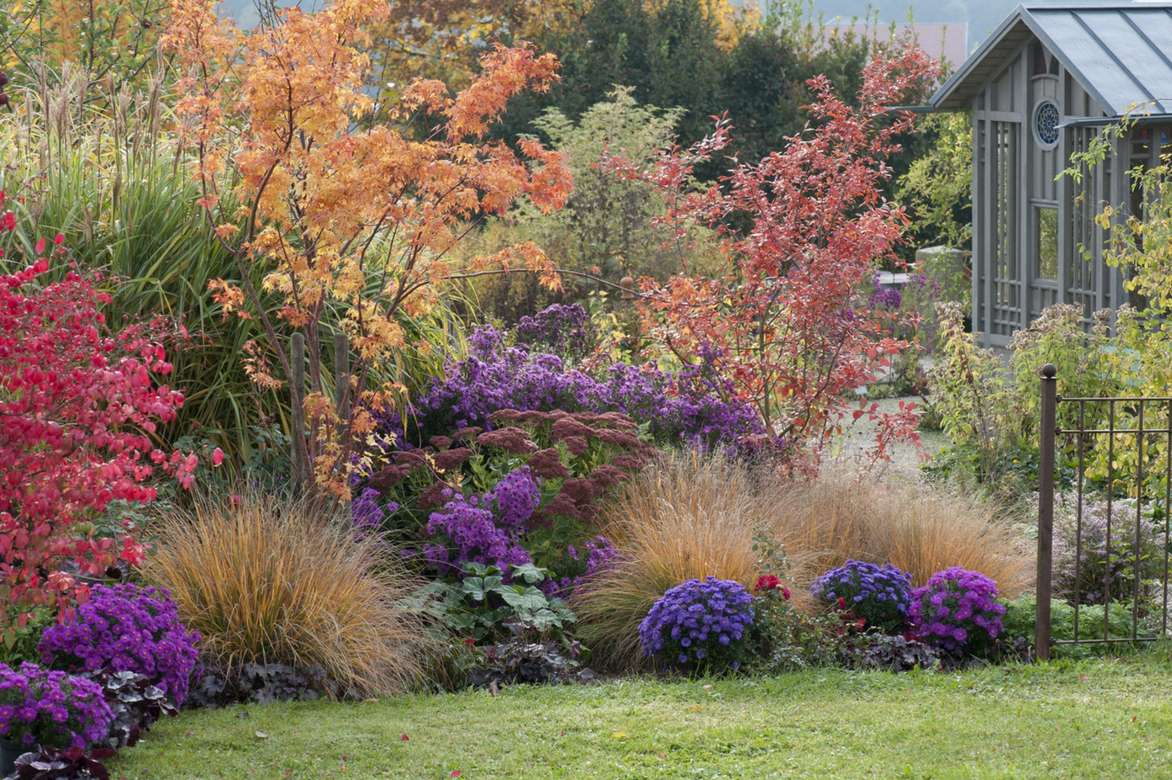
An example of an autumnal combination: Euonymus alatus, Acer palmatum, Pennisetum alocuperoïdes ‘Hameln’, Miscanthus sinensis ‘Malepartus’, Sedum ‘Autumn Joy’, Heucheras and various Asters. (Friedrich Strauss – Biosphoto)
Japanese euonymus is an ideal partner for forming windbreak hedges by the coast, as it dislikes confined sites and severe winters.
The trailing euonymus such as fortunei ‘Emerald Gaiety’ has rapid growth that allows it to carpet the ground of a bed while brightening it with olive-green and cream tones, turning pink during winter. It creates a pretty colourful scene alongside bronze fennel or dwarf roses. It is also attractive to train the stems up the trunk of a large leaning tree to about 3 m high or to use it in a hanging basket paired with a bright pink cyclamen.

An example of a planting combination: Euonymus fortunei ‘Emerald Gaiety’, Nicotiana alata, Lythrum salicaria, Stachys byzantina, Hydrangea quercifolia ‘Snow Queen’.
Further reading
- Discover our wide range of spindles: the most beautiful varieties, deciduous or evergreen
- Find our advice to identify, prevent and control diseases and pests of Japanese spindle
- Discover our tips to grow an evergreen spindle in a pot
- Our advice sheet: which spindles for a hedge?
- Our advice sheet: which spindles for a colourful winter?
- Our advice sheet: the best groundcover spindles
- Our advice sheets: Japanese spindle, the most beautiful varieties and 5 essential evergreen spindles
- Our advice sheets: the most beautiful coloured spindles in autumn ; 7 spindles with exceptional variegated foliage
- Also discover how to train a spindle as a standard?
- Learn more about Euonymus planipes or Euonymus sacchalinensis in Olivier’s video!
- Discover 7 spindles with decorative fruit
Frequently asked questions
-
My spindle's leaves are being eaten by caterpillars in spring. How can I get rid of them?
This is the caterpillar of the spindle ermine, a small white moth with black spots about 2 cm long, which lays its eggs on bark in late summer to autumn. White caterpillars with black spots that overwinter as larvae under a sort of brownish casing attack leaves from bud burst period, producing extensive webs and silky nests in the foliage of European spindle in particular, which they favour.
Cut infested branches and foliage and burn them to limit infestation, then apply a Bacillus thuringiensis-based preparation that parasitises the caterpillars. You can also apply an insecticidal oil to bare shoots during winter to eliminate eggs and larvae.
- Subscribe!
- Contents
This form is protected by reCAPTCHA - the Google Privacy Policy and Terms of Service apply.

































Comments