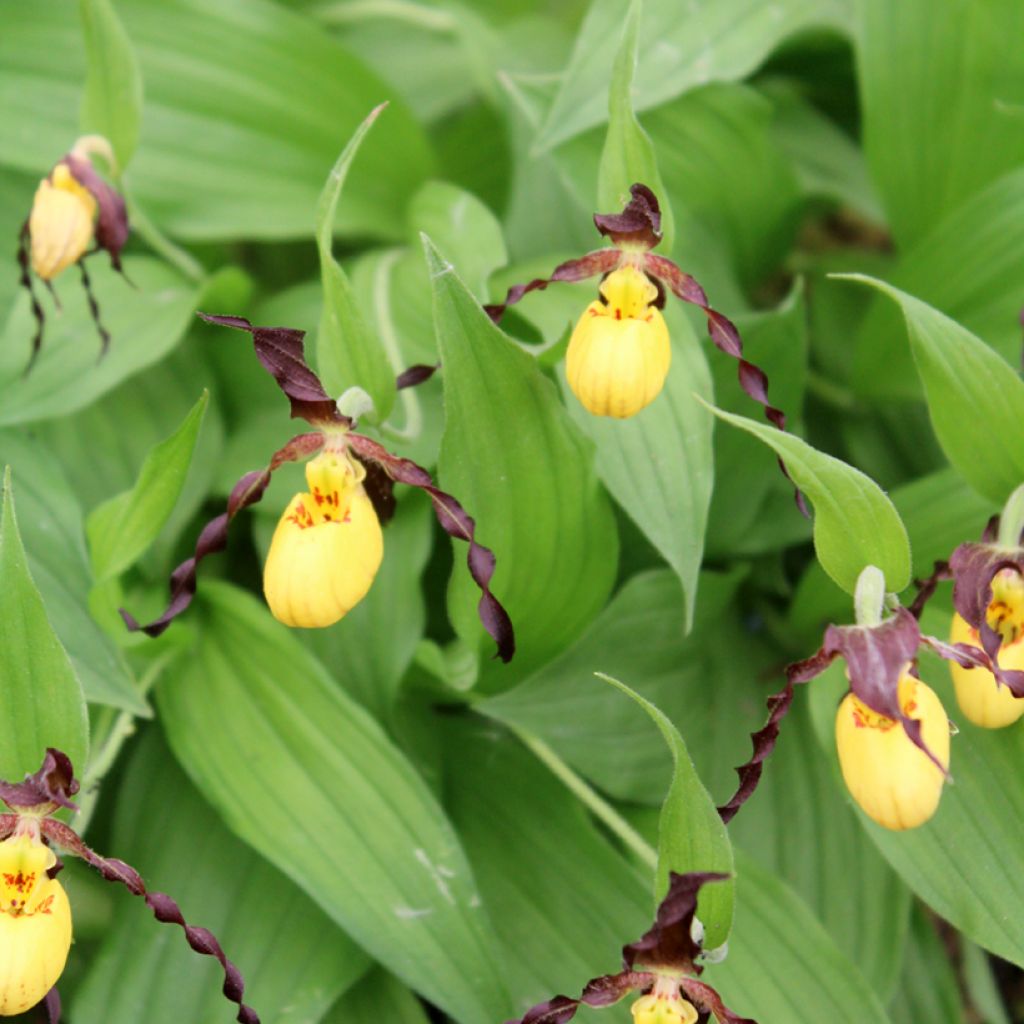
Cypripedium parviflorum var. parviflorum - Lady Slipper Orchid
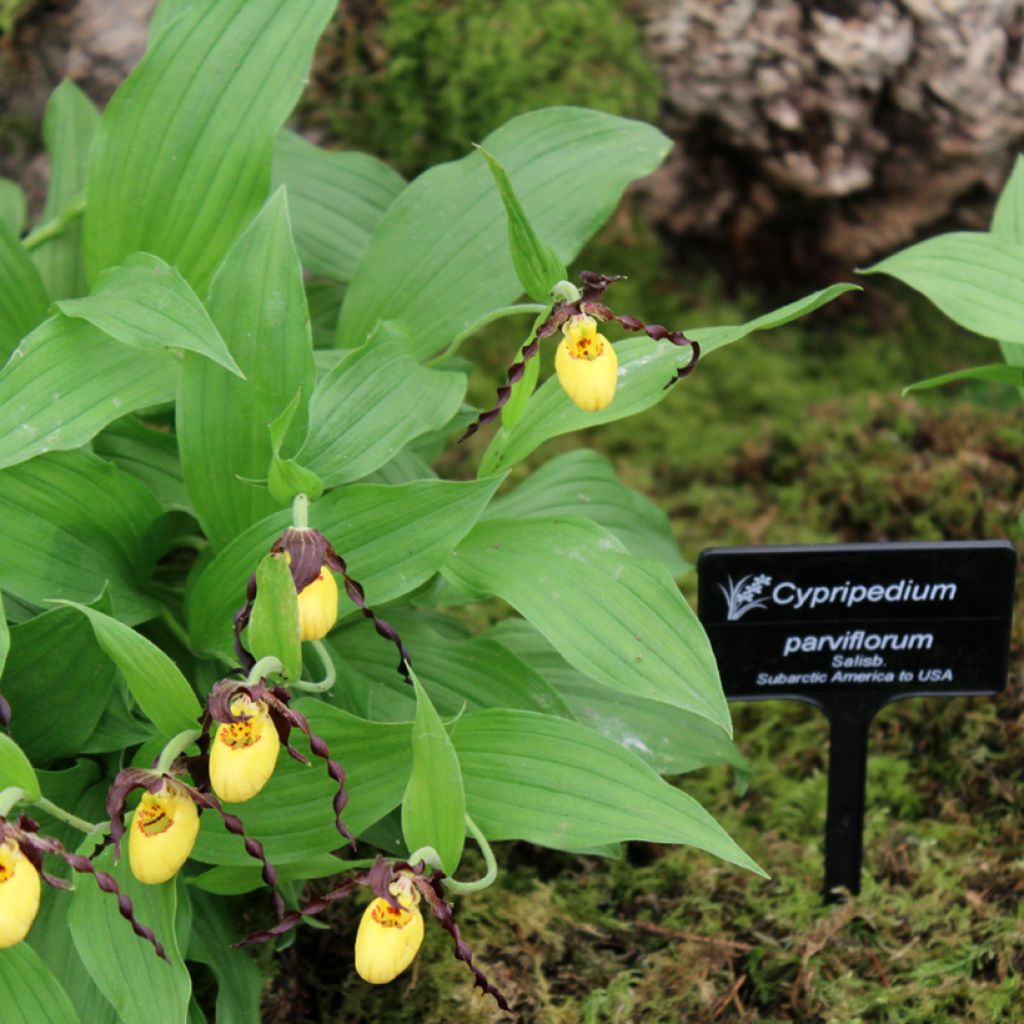
Cypripedium parviflorum var. parviflorum - Lady Slipper Orchid
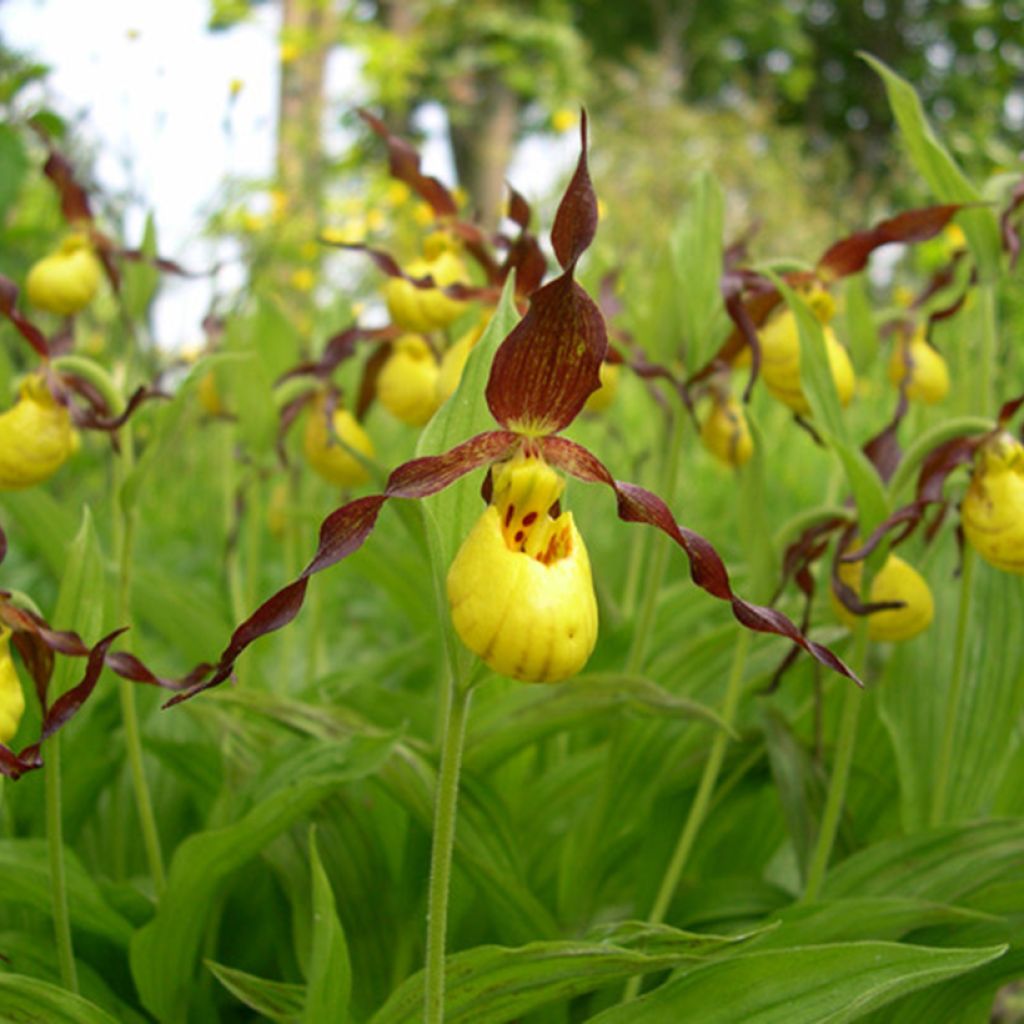
Cypripedium parviflorum var. parviflorum - Lady Slipper Orchid
Cypripedium parviflorum var. parviflorum - Lady Slipper Orchid
Cypripedium parviflorum var. parviflorum
Yellow Lady's Slipper, Moccasin Flower, small-flowered ladies slipper orchid
Back-to-school special offer!
Get €10 off for every €50 you spend! And get up to €40 off on a single order.
How does it work?
1. Shop your favourites
Add your favourite plants to your basket. For every €50 you spend (excluding delivery charges, store credit and the plastic-free option), you’ll receive a €10 voucher.
€50 spent = €10 voucher
€100 spent = €20 voucher
€150 spent = €30 voucher
€200 spent = €40 voucher
2. Place your order
Once your basket reaches one of the spending thresholds, place your order. You can even choose your delivery date!
3. Receive your voucher
As soon as your order has been shipped, you’ll receive an email containing your personal voucher code and its value.
4. Use it on your next order
Your voucher is valid for 90 days from the date you receive it. It can be used once only, on a new order worth at least the value of the voucher, excluding delivery charges.
Please note: Vouchers can be combined with other offers, but cannot be split or refunded.
Why not try an alternative variety in stock?
View all →
Available in 1 sizes
Available in 1 sizes
Available in 1 sizes
Available in 2 sizes
Available in 1 sizes
Available in 1 sizes
Available in 1 sizes
Available in 2 sizes
Available in 1 sizes
Available in 2 sizes
This plant carries a 12 months recovery warranty
More information
We guarantee the quality of our plants for a full growing cycle, and will replace at our expense any plant that fails to recover under normal climatic and planting conditions.
Would this plant suit my garden?
Set up your Plantfit profile →
Description
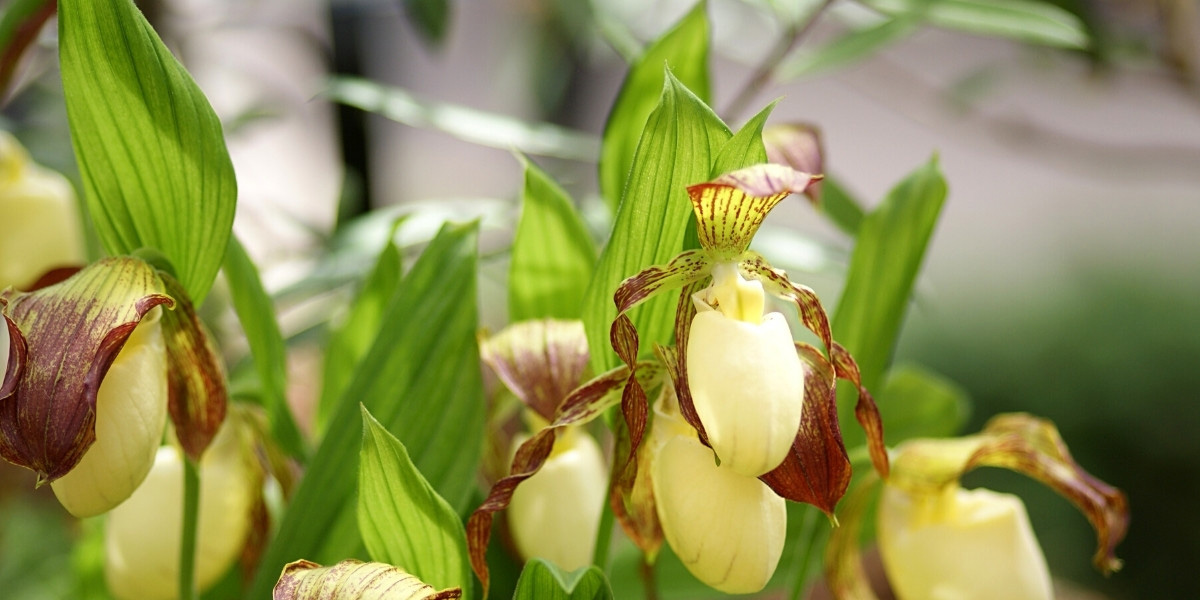
Cypripedium parviflorum var. parviflorum is a botanical subspecies of Lady's Slipper Orchid widely spread in the United States. This terrestrial orchid offers a flower similar to Cypripedium parviflorum pubescens, but smaller and less hairy. It is characteristic of the species, with a swollen lemon yellow or intense yellow lip, marked with reddish spots on the inside and twisted, more or less dark brown-red petals. Despite appearances, it is quite easy to grow and is a robust and hardy plant, suitable for borders or pots.
Cypripedium parviflorum is a widely spread North American orchid that is morphologically very similar to the European species Cypripedium calceolus. It is found from Alaska to Arizona and Georgia. It often grows on the edge of moist forests with rich soils. Cypripedium parviflorum var. parviflorum is a subspecies that is distinguished by smaller and less hairy flowers and is found in the southernmost areas of the species' range, from eastern Nebraska and Oklahoma to eastern Virginia and New Hampshire.
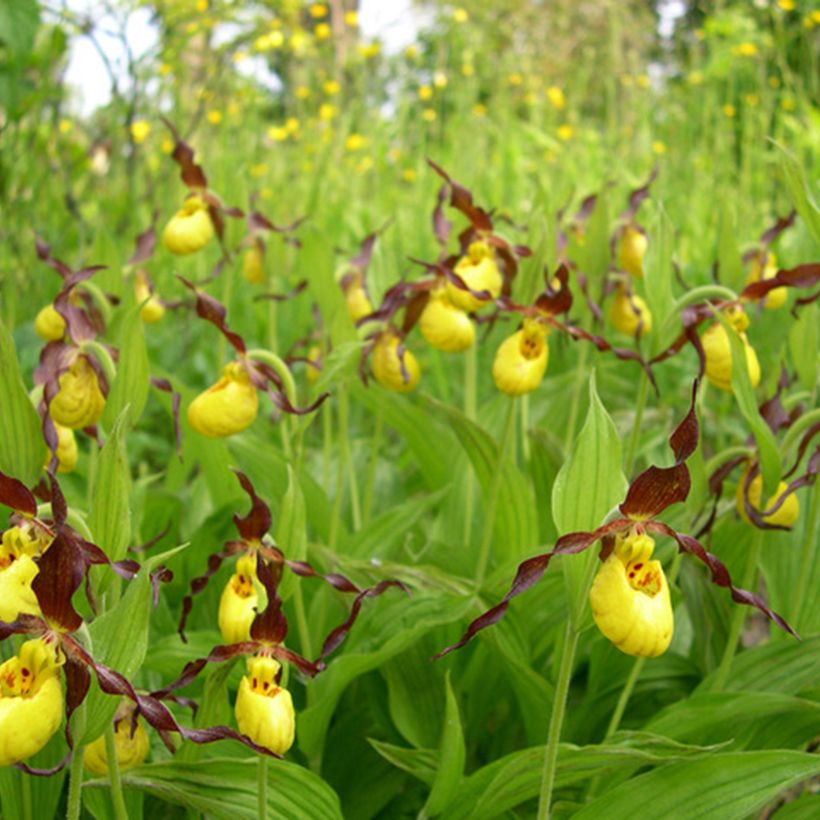
Cypripedium parviflorum var. parviflorum has a perennial sucker-forming rootstock. Its thick underground rhizome elongates and divides over the years, allowing the plant to spread in colonies. Its roots penetrate deeply into the soil. They are mycorrhizal, meaning they live in symbiosis with specific fungi. The deciduous vegetation is absent in winter and emerges from the ground between April and May. This Cypripedium forms small clumps of 2 to 6 leafy shoots reaching between 30 and 50 cm high. Each hairy shoot bears 3 to 5 broadly ovate, light green leaves, sheathing at the base, marked by strong parallel veins and slightly hairy on the underside. Flowering occurs between May and July, earlier or later depending on the climate and the year. Each individual produces only one or two flowers, in the axils of bracts. Each flower can measure up to 10 cm wide and consists of 3 sepals and 3 petals. These tepals are elongated, tapered, lanceolate in shape, slightly twisted. Their greenish-yellow colour is streaked with brown-red. The swollen lip, in the shape of a 'slipper', measures between 3 and 6 cm long. It is lemon yellow with reddish-brown spots on the inside. The fruit is a capsule that can persist on the plant for a year.
Cypripedium parviflorum var. parviflorum thrives in partial shade, in moist, well-drained soil, rich in humus. It is indifferent to soil pH. It thrives best on the edge of the forest, preferring a light soil that retains some moisture without being waterlogged. Plant it in a location that receives not too intense shade, in a moist rockery, an ideal habitat that allows it to thrive and decorate your garden with its unique presence. Accompany it with a simple fern like Polypodium vulgare along with Trilliums and Lamium orvala. It also thrives in containers and unheated greenhouses. It is a plant that dislikes heat, drought, and strong winds.
When you receive your orchids, handle them with care: these plants produce few roots and are delicate!
Cypripedium parviflorum var. parviflorum - Lady Slipper Orchid in pictures
Flowering
Foliage
Plant habit
Botanical data
Cypripedium
parviflorum var. parviflorum
Orchidaceae
Yellow Lady's Slipper, Moccasin Flower, small-flowered ladies slipper orchid
Cypripedium calceolus var. parviflorum
North America
Planting and care
Plant Cypripedium parviflorum var. parviflorum in morning sun or partial shade, in a humus-rich, well-drained soil that retains some moisture. This terrestrial orchid does not tolerate heavy (clay) and waterlogged soils, nor extreme heat or drought. In the wild, its roots form a symbiotic relationship with naturally occurring fungi in the litter layer. Add 1/3 perlite or lava rock and 1/3 fine gravel to your topsoil when planting. Water the plant sparingly, making sure to keep the soil slightly moist in summer. Protect the crown in the first year with a 10cm thick layer of dead leaves.
Planting period
Intended location
Care
Planting & care advice
-
-
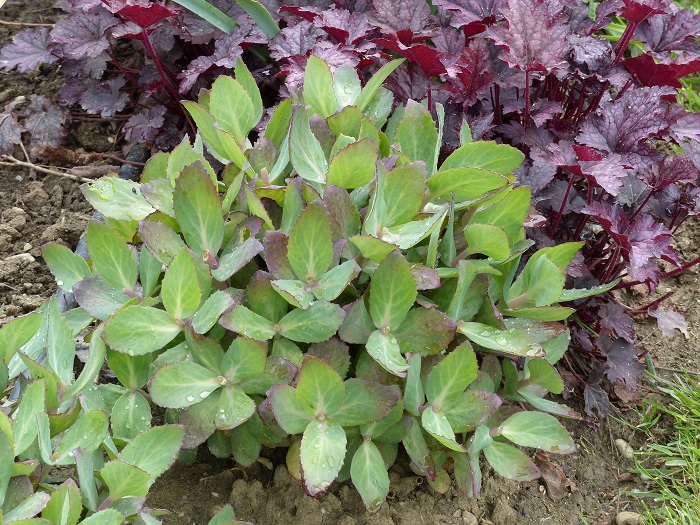
-
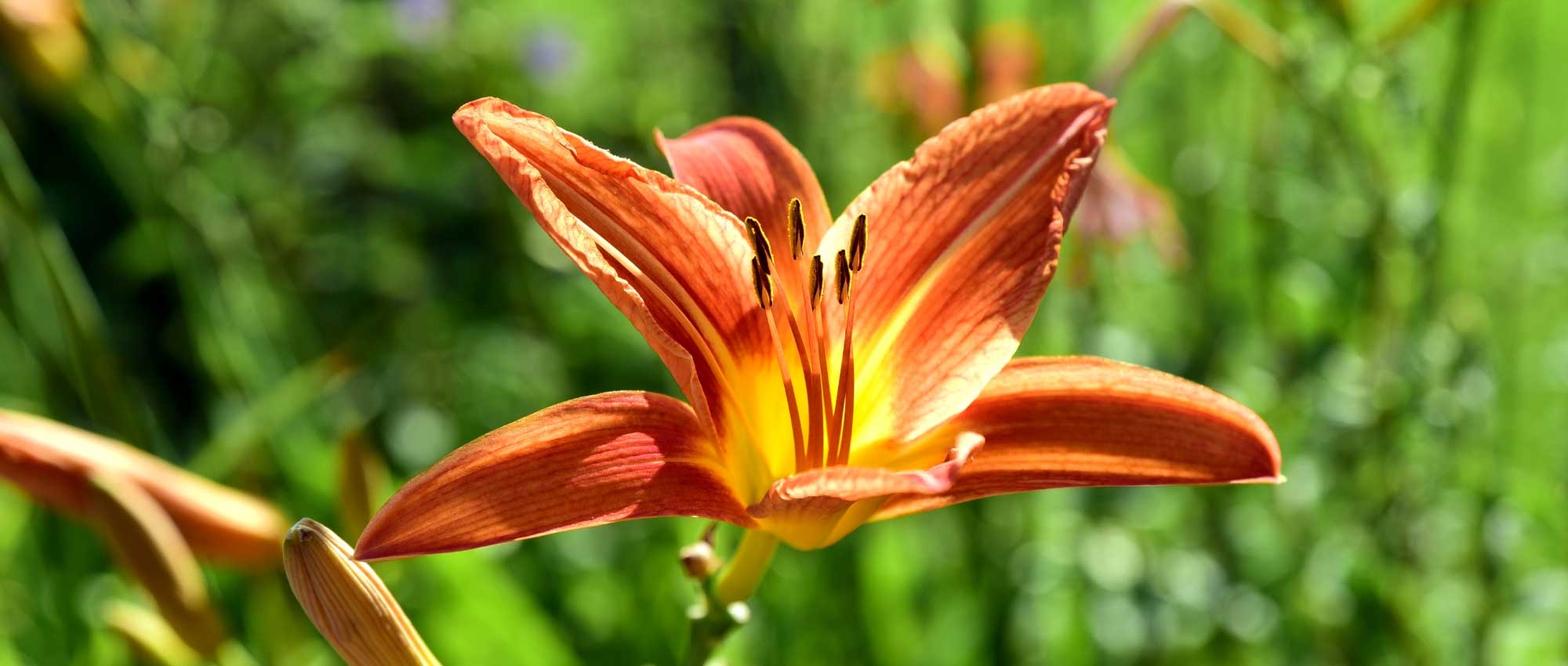
-
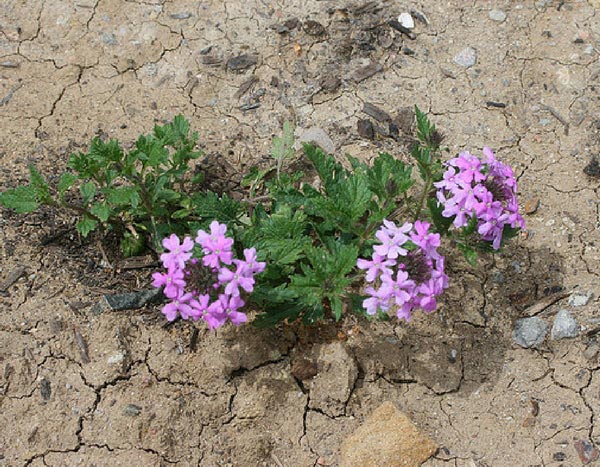
-
-

-
-
This item has not been reviewed yet - be the first to leave a review about it.
Recently viewed products
Haven't found what you were looking for?
Hardiness is the lowest winter temperature a plant can endure without suffering serious damage or even dying. However, hardiness is affected by location (a sheltered area, such as a patio), protection (winter cover) and soil type (hardiness is improved by well-drained soil).

The flowering period indicated on our website applies to countries and regions located in USDA zone 8 (France, the United Kingdom, Ireland, the Netherlands, etc.)
It will vary according to where you live:- In zones 9 to 10 (Italy, Spain, Greece, etc.), flowering will occur about 2 to 4 weeks earlier.
- In zones 6 to 7 (Germany, Poland, Slovenia, and lower mountainous regions), flowering will be delayed by 2 to 3 weeks.
- In zone 5 (Central Europe, Scandinavia), blooming will be delayed by 3 to 5 weeks.
In temperate climates, pruning of spring-flowering shrubs (forsythia, spireas, etc.) should be done just after flowering.
Pruning of summer-flowering shrubs (Indian Lilac, Perovskia, etc.) can be done in winter or spring.
In cold regions as well as with frost-sensitive plants, avoid pruning too early when severe frosts may still occur.
The planting period indicated on our website applies to countries and regions located in USDA zone 8 (France, United Kingdom, Ireland, Netherlands).
It will vary according to where you live:
- In Mediterranean zones (Marseille, Madrid, Milan, etc.), autumn and winter are the best planting periods.
- In continental zones (Strasbourg, Munich, Vienna, etc.), delay planting by 2 to 3 weeks in spring and bring it forward by 2 to 4 weeks in autumn.
- In mountainous regions (the Alps, Pyrenees, Carpathians, etc.), it is best to plant in late spring (May-June) or late summer (August-September).
The harvesting period indicated on our website applies to countries and regions in USDA zone 8 (France, England, Ireland, the Netherlands).
In colder areas (Scandinavia, Poland, Austria...) fruit and vegetable harvests are likely to be delayed by 3-4 weeks.
In warmer areas (Italy, Spain, Greece, etc.), harvesting will probably take place earlier, depending on weather conditions.
The sowing periods indicated on our website apply to countries and regions within USDA Zone 8 (France, UK, Ireland, Netherlands).
In colder areas (Scandinavia, Poland, Austria...), delay any outdoor sowing by 3-4 weeks, or sow under glass.
In warmer climes (Italy, Spain, Greece, etc.), bring outdoor sowing forward by a few weeks.
Shipping country and language
Your country of residence may be:
Your country of residence is:
For a better user experience on our website, you can select:
Your shipping country:
-
 Austria
-
 Belgium
-
 Bosnia & Herzegovina
-
 Bulgaria
-
 Croatia
-
 Cyprus
-
 Czechia
-
 Denmark
-
 Estonia
-
 Finland
-
 France
-
 Germany
-
 Greece
-
 Hungary
-
 Iceland
-
 Ireland
-
 Italy
Italy
-
 Latvia
-
 Liechtenstein
-
 Lithuania
-
 Luxembourg
-
 Malta
Malta
-
 Netherlands
-
 Poland
-
 Portugal
-
 Romania
-
 Serbia
-
 Slovakia
-
 Slovenia
-
 Spain
Spain
-
 Sweden
-
 Switzerland
Language:
-
French
-
 English
-
Spanish
-
Italian
-
German
-
Portuguese
-
Dutch
-
Finnish
My Account
Hello
My wish lists
My cart
Log in / Register
Existing customer?
This form is protected by reCAPTCHA - the Google Privacy Policy and Terms of Service apply.
New customer?
Create an account to track your orders, access our customer service and, if you wish, make the most of our upcoming offers.