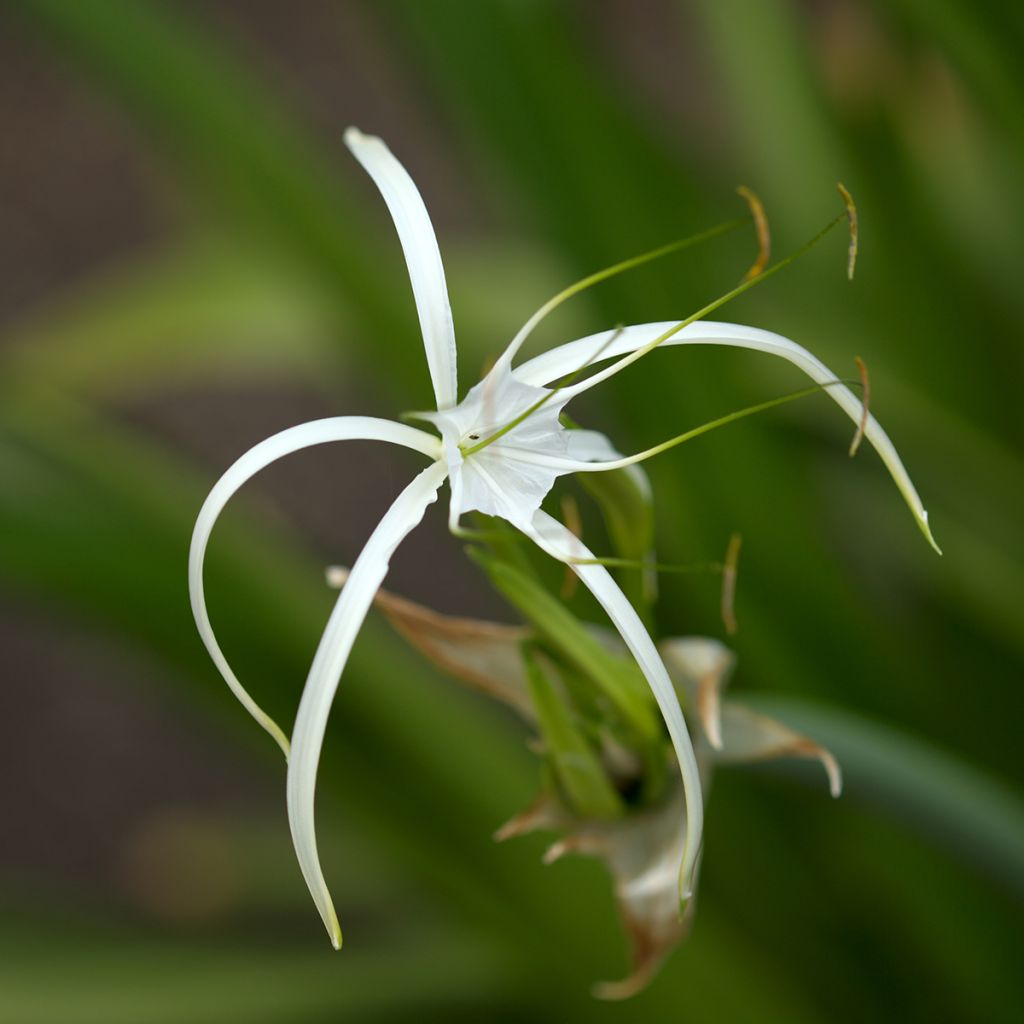
Hymenocallis harrisiana - Spider Lily
Hymenocallis harrisiana - Spider Lily
Hymenocallis harrisiana
Ismene, Peruvian daffodil, Spider lily
Back-to-school special offer!
Get €10 off for every €50 you spend! And get up to €40 off on a single order.
How does it work?
1. Shop your favourites
Add your favourite plants to your basket. For every €50 you spend (excluding delivery charges, store credit and the plastic-free option), you’ll receive a €10 voucher.
€50 spent = €10 voucher
€100 spent = €20 voucher
€150 spent = €30 voucher
€200 spent = €40 voucher
2. Place your order
Once your basket reaches one of the spending thresholds, place your order. You can even choose your delivery date!
3. Receive your voucher
As soon as your order has been shipped, you’ll receive an email containing your personal voucher code and its value.
4. Use it on your next order
Your voucher is valid for 90 days from the date you receive it. It can be used once only, on a new order worth at least the value of the voucher, excluding delivery charges.
Please note: Vouchers can be combined with other offers, but cannot be split or refunded.
This plant carries a 6 months recovery warranty
More information
We guarantee the quality of our plants for a full growing cycle, and will replace at our expense any plant that fails to recover under normal climatic and planting conditions.
Would this plant suit my garden?
Set up your Plantfit profile →
Description
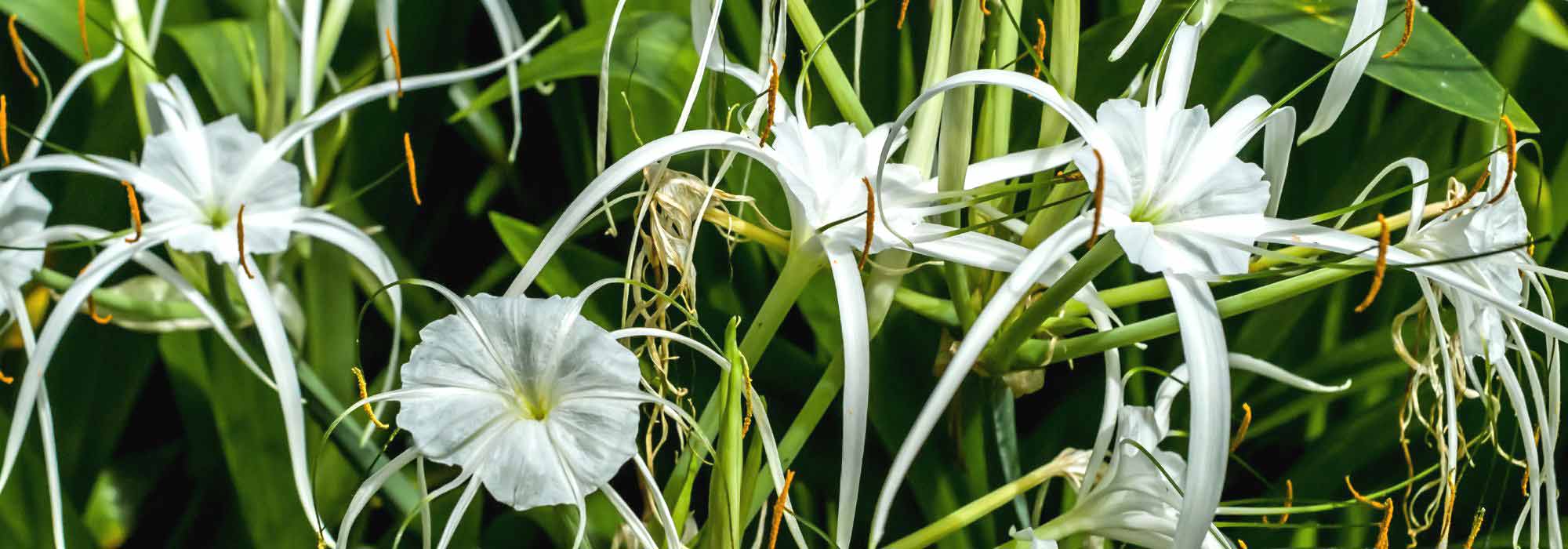
Hymenocallis harrisiana, the Mexican spider lily, is a sought-after botanical species prized for its large, fragrant white flowers, reminiscent of a daffodil and a spider. This collector's bulbous plant, with its refined exotic character, will find a place in gardens with mild climates and in containers. Its arachnid-like flowers with a sweet scent make it a delightful plant to place on a terrace or near a pathway to enjoy its evening fragrance.
A botanical species and not a cultivar, Hymenocallis harrisiana was described in 1840 by the botanist William Herbert from plants imported from Mexico. It belongs to the Amaryllidaceae family and bears several historical synonyms: Pancratium harrisianum, Pancratium mexicanum, Nemepiodon mexicanum, Troxistemon mexicanus as well as Hymenocallis dillenii and H. milleri.
It is a perennial geophyte, with deciduous foliage, native to central and southwestern Mexico. It is found in seasonally dry but rather humid areas, often at the bottom of depressions, in meadows or former marshes around the Mexico City region.
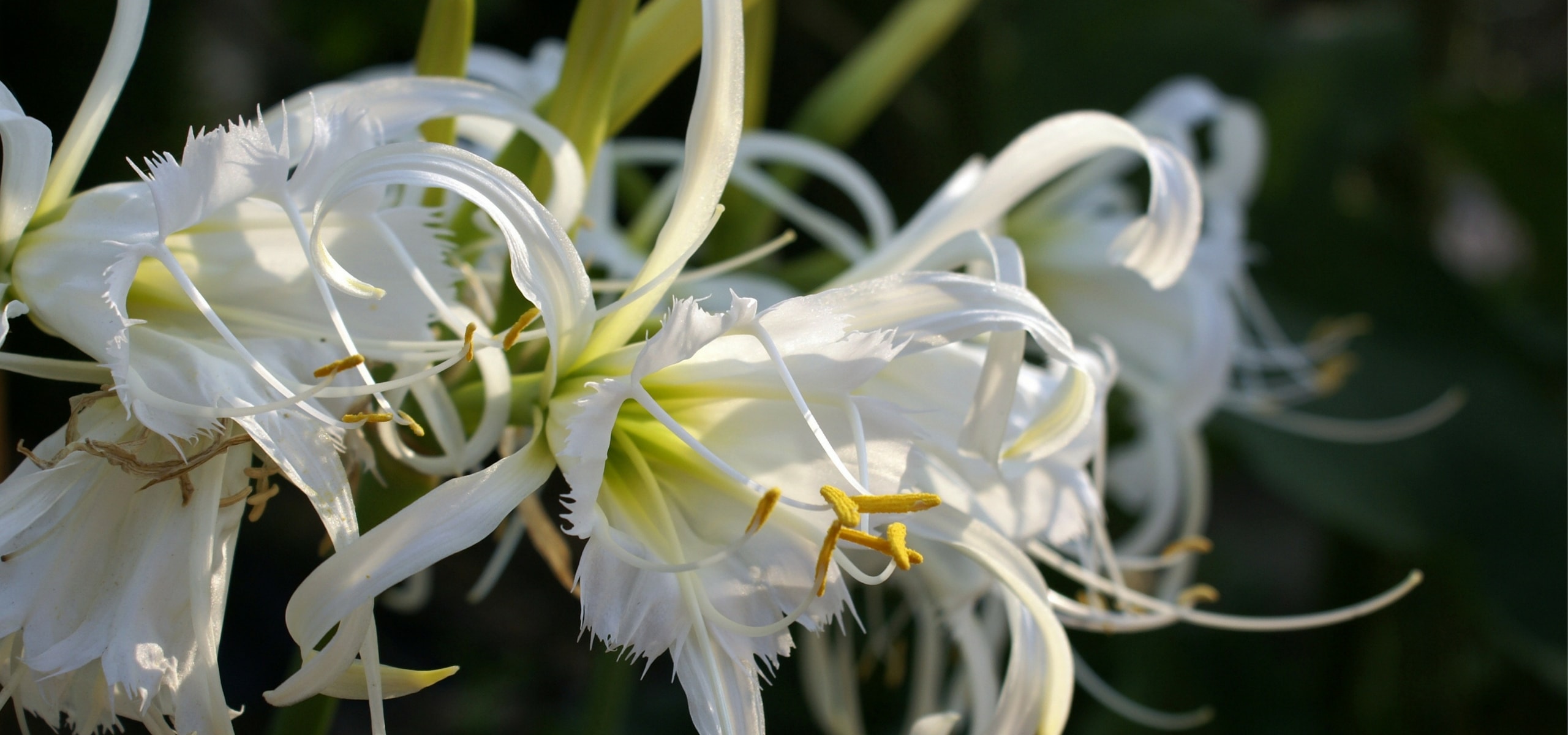
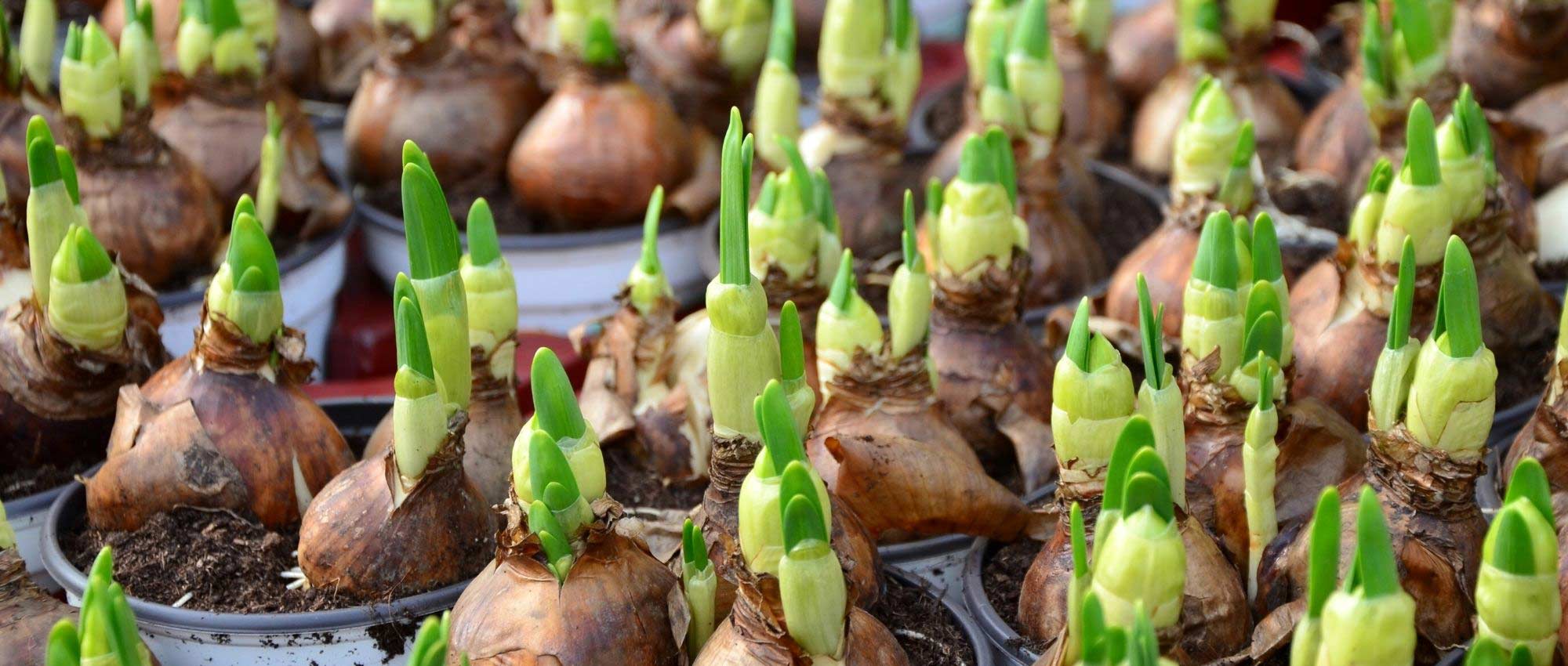
Its bulb, ovoid and tunicate, 3 to 5 cm in diameter, has an elongated neck that protrudes slightly from the soil. It is equipped with fleshy, so-called contractile roots, capable of gradually pulling the bulb to the depth that suits it. The plant produces a rosette of 4 to 7 strap-shaped leaves in spring, erect then arching, 20 to 40 cm long and 1.5 to 3 cm wide, of a slightly bluish glaucous green, with a fairly firm texture; these leaves dry up at the onset of dormancy, in September-October. The flowering scape, hollow, rises to 30 to 40 cm, sometimes more under very good conditions. It bears at its summit an umbel of 3 to 8 flowers protected by two membranous bracts. Each flower, 10 to 15 cm in diameter, has a small tube, a central crown shaped like a cup 2 to 3 cm in diameter, finely dentate and often veined with green, and 6 long, narrow tepals, linear, slightly twisted and reflexed, which can reach 6 to 8 cm in length, giving the flower its star-like appearance with slender legs. Their colour is pure white, slightly greenish at the base. The fragrance, more pronounced in the evening and at night, is soft and sweet. Flowering occurs between May and July depending on the region and temperature; each flower lasts only one night or one day, but the succession of buds allows for several weeks of flowering. This species shows relatively rapid growth: the bulbs divide and produce many offsets forming a tight clump. In cultivation, it is considered hardy down to -7 °C, even -10 °C in perfectly drained and dry soil in winter; below these temperatures, the bulb risks freezing and it is preferable to grow it in a pot overwintered frost-free.
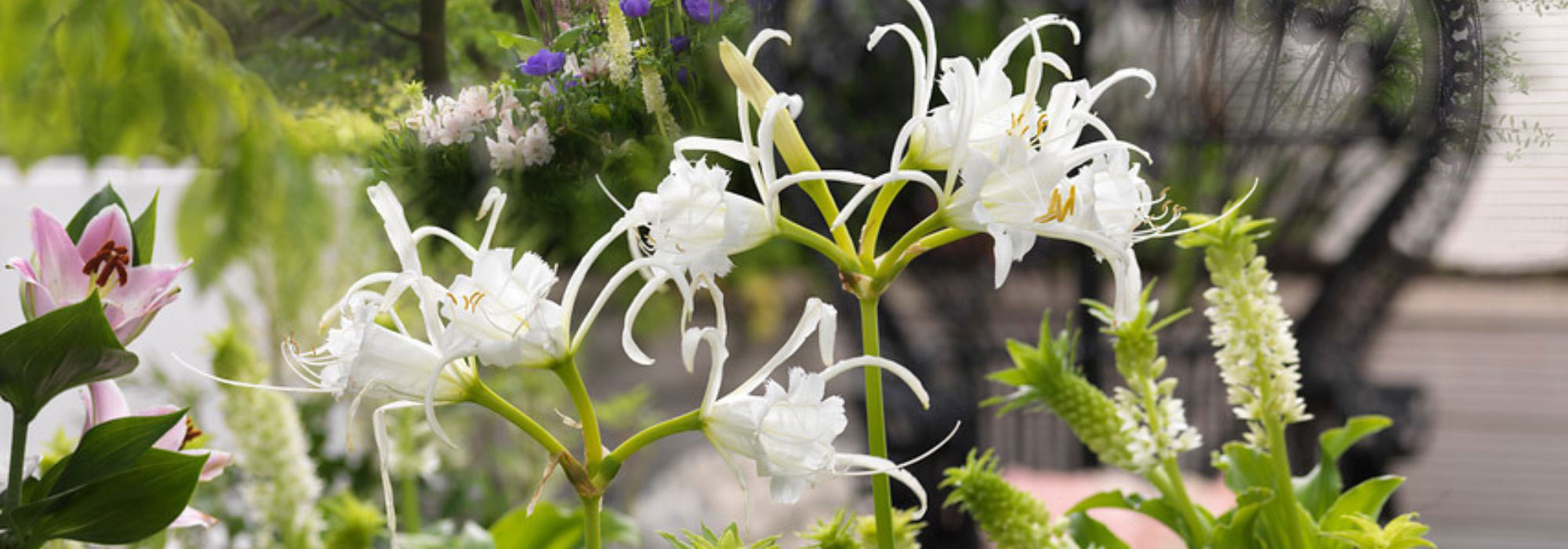
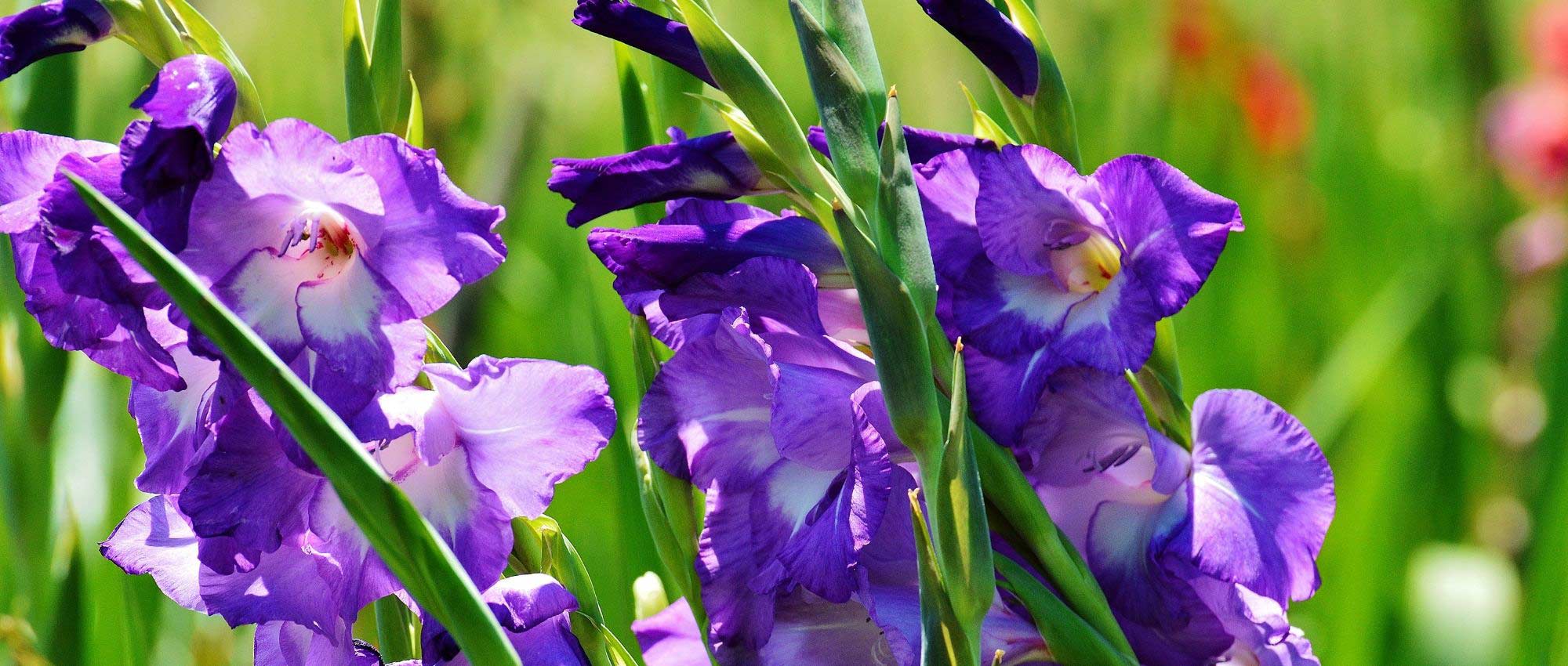
In the garden, Hymenocallis harrisiana finds its place in a small exotic border, in non-scorching sun. In mild climates, it can be planted near a water feature, or along a path, with Gladiolus 'White Prosperity' and Nerine bowdenii which will take over later in summer and autumn. In colder regions, plant the bulbs in a large pot or deep planter, place this container on the terrace among white dwarf dahlias like Dahlia Gallery 'Art Fair' or compact cannas like Canna 'Pink President'; you will bring the pot indoors into a frost-free and dry location from autumn onwards. Place the container near a pathway or door to fully enjoy the fragrance of the flowers at dusk.
In its native range, this spider lily is traditionally grown near houses and in patios. Its cut flowers are sometimes used to scent rooms or domestic altars.
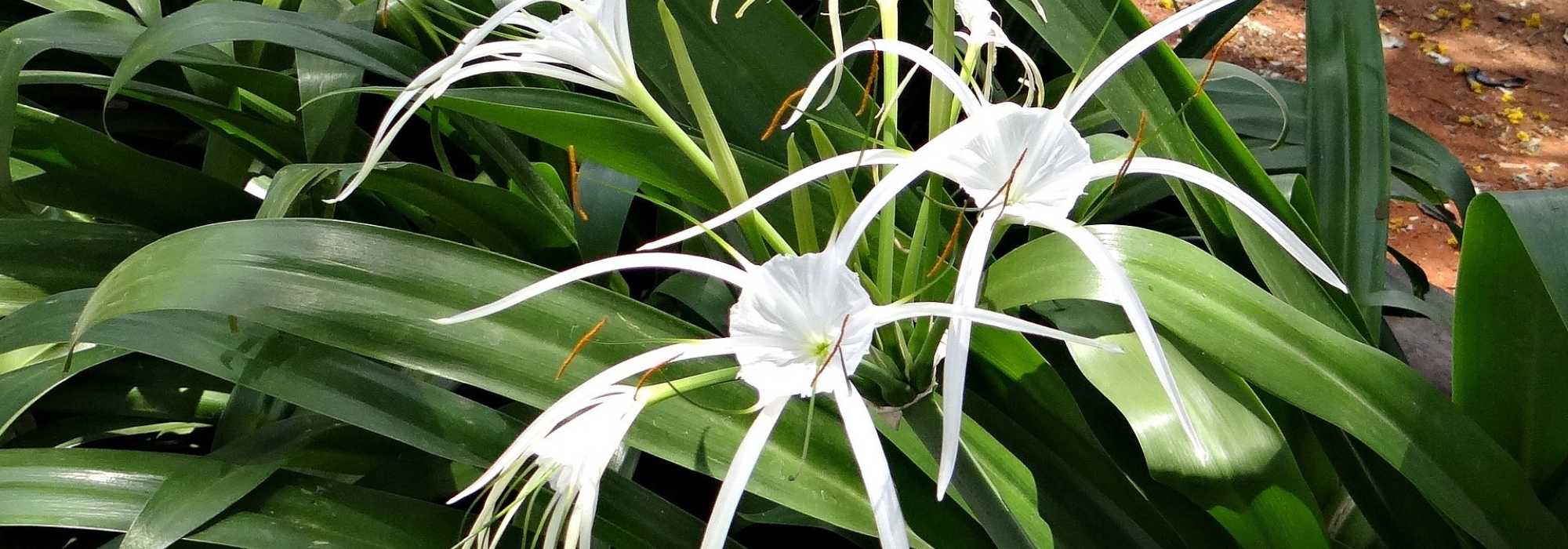
Plant habit
Flowering
Foliage
Botanical data
Hymenocallis
harrisiana
Amaryllidaceae
Ismene, Peruvian daffodil, Spider lily
Pancratium harrisianum, Pancratium mexicanum, Nemepiodon mexicanum, Troxistemon mexicanus, Hymenocallis dillenii, H. milleri
North America
Planting and care
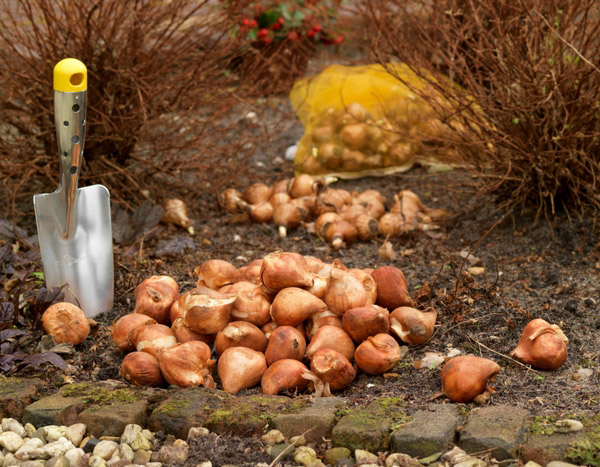
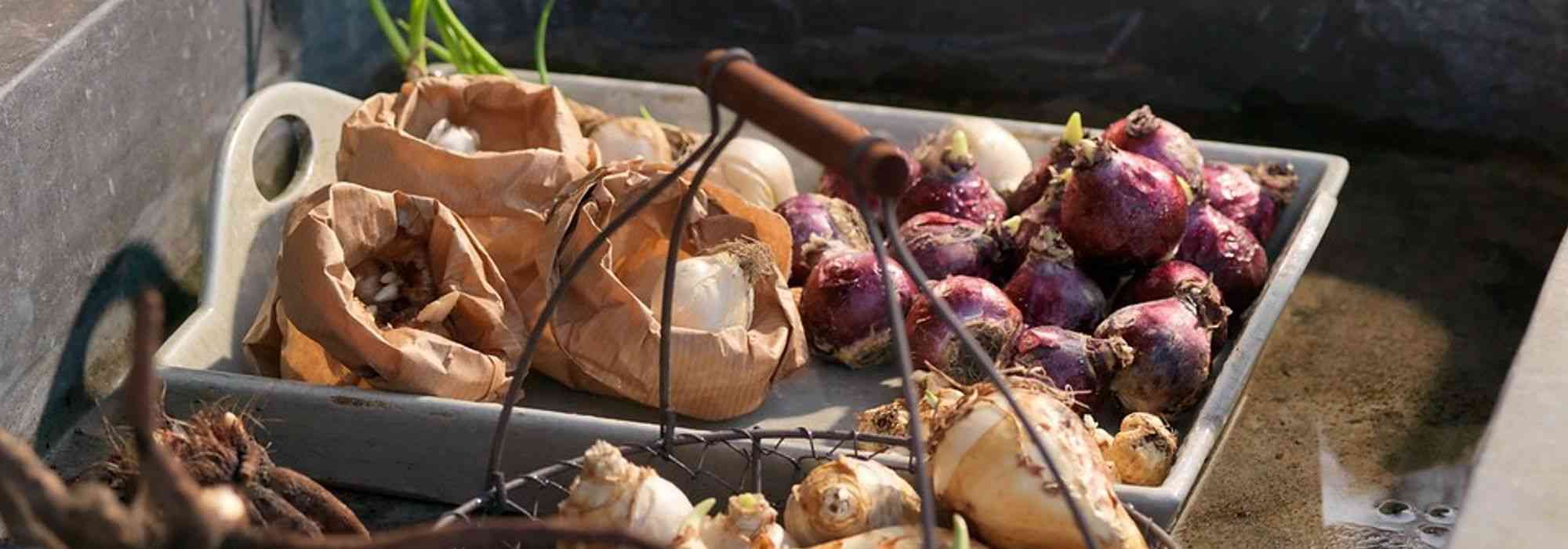
Plant your Hymenocallis harrisiana bulbs after the last frosts, in a sunny but not scorching or lightly shaded position, at a depth of 10 cm, spacing them 10 cm apart. The soil should be deeply worked and enriched with compost. Throughout the growing period, the plant must not lack water, but should not be in waterlogged soil. Ismene are sensitive to frost. On the Mediterranean or Atlantic coast, you can leave the bulbs in the ground, taking good care to mulch them. In colder regions, the bulbs must be dug up in autumn before the first frosts and kept cool and dry.
You can also grow them in pots (1 bulb per 15 cm pot, with the top of the bulb just showing) in a good compost which you will enrich regularly with fertiliser, placing the pot outside at the end of spring and sheltering it from frost in winter. Propagation occurs spontaneously through the production of bulblets near the mother bulb.
Planting period
Intended location
Care
Planting & care advice
-
-
-
-

-
-
-
-
This item has not been reviewed yet - be the first to leave a review about it.
Recently viewed products
Haven't found what you were looking for?
Hardiness is the lowest winter temperature a plant can endure without suffering serious damage or even dying. However, hardiness is affected by location (a sheltered area, such as a patio), protection (winter cover) and soil type (hardiness is improved by well-drained soil).

The flowering period indicated on our website applies to countries and regions located in USDA zone 8 (France, the United Kingdom, Ireland, the Netherlands, etc.)
It will vary according to where you live:- In zones 9 to 10 (Italy, Spain, Greece, etc.), flowering will occur about 2 to 4 weeks earlier.
- In zones 6 to 7 (Germany, Poland, Slovenia, and lower mountainous regions), flowering will be delayed by 2 to 3 weeks.
- In zone 5 (Central Europe, Scandinavia), blooming will be delayed by 3 to 5 weeks.
In temperate climates, pruning of spring-flowering shrubs (forsythia, spireas, etc.) should be done just after flowering.
Pruning of summer-flowering shrubs (Indian Lilac, Perovskia, etc.) can be done in winter or spring.
In cold regions as well as with frost-sensitive plants, avoid pruning too early when severe frosts may still occur.
The planting period indicated on our website applies to countries and regions located in USDA zone 8 (France, United Kingdom, Ireland, Netherlands).
It will vary according to where you live:
- In Mediterranean zones (Marseille, Madrid, Milan, etc.), autumn and winter are the best planting periods.
- In continental zones (Strasbourg, Munich, Vienna, etc.), delay planting by 2 to 3 weeks in spring and bring it forward by 2 to 4 weeks in autumn.
- In mountainous regions (the Alps, Pyrenees, Carpathians, etc.), it is best to plant in late spring (May-June) or late summer (August-September).
The harvesting period indicated on our website applies to countries and regions in USDA zone 8 (France, England, Ireland, the Netherlands).
In colder areas (Scandinavia, Poland, Austria...) fruit and vegetable harvests are likely to be delayed by 3-4 weeks.
In warmer areas (Italy, Spain, Greece, etc.), harvesting will probably take place earlier, depending on weather conditions.
The sowing periods indicated on our website apply to countries and regions within USDA Zone 8 (France, UK, Ireland, Netherlands).
In colder areas (Scandinavia, Poland, Austria...), delay any outdoor sowing by 3-4 weeks, or sow under glass.
In warmer climes (Italy, Spain, Greece, etc.), bring outdoor sowing forward by a few weeks.
Shipping country and language
Your country of residence may be:
Your country of residence is:
For a better user experience on our website, you can select:
Your shipping country:
-
 Austria
-
 Belgium
-
 Bosnia & Herzegovina
-
 Bulgaria
-
 Croatia
-
 Cyprus
-
 Czechia
-
 Denmark
-
 Estonia
-
 Finland
-
 France
-
 Germany
-
 Greece
-
 Hungary
-
 Iceland
-
 Ireland
-
 Italy
Italy
-
 Latvia
-
 Liechtenstein
-
 Lithuania
-
 Luxembourg
-
 Malta
Malta
-
 Netherlands
-
 Poland
-
 Portugal
-
 Romania
-
 Serbia
-
 Slovakia
-
 Slovenia
-
 Spain
Spain
-
 Sweden
-
 Switzerland
Language:
-
French
-
 English
-
Spanish
-
Italian
-
German
-
Portuguese
-
Dutch
-
Finnish
My Account
Hello
My wish lists
My cart
Log in / Register
Existing customer?
This form is protected by reCAPTCHA - the Google Privacy Policy and Terms of Service apply.
New customer?
Create an account to track your orders, access our customer service and, if you wish, make the most of our upcoming offers.