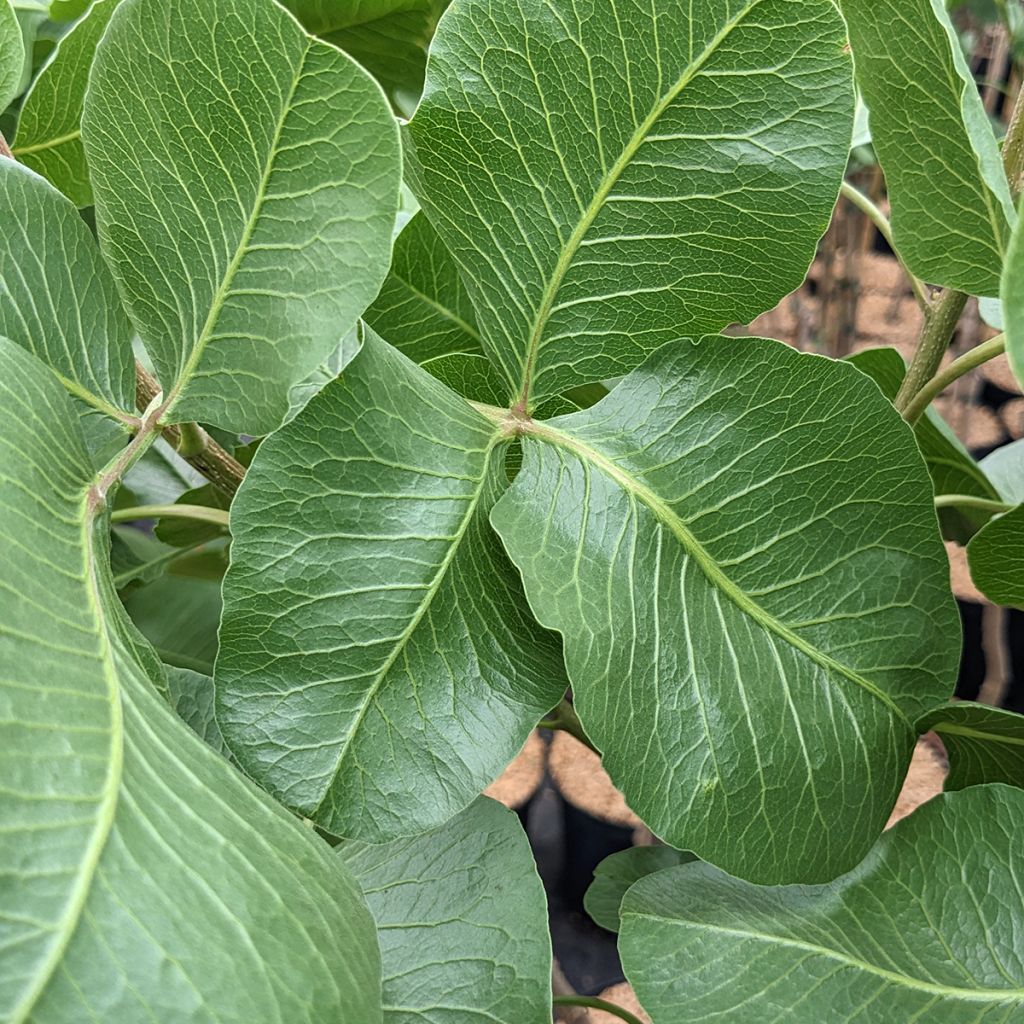
Pistacia vera Peters
View more pictures
Hide images
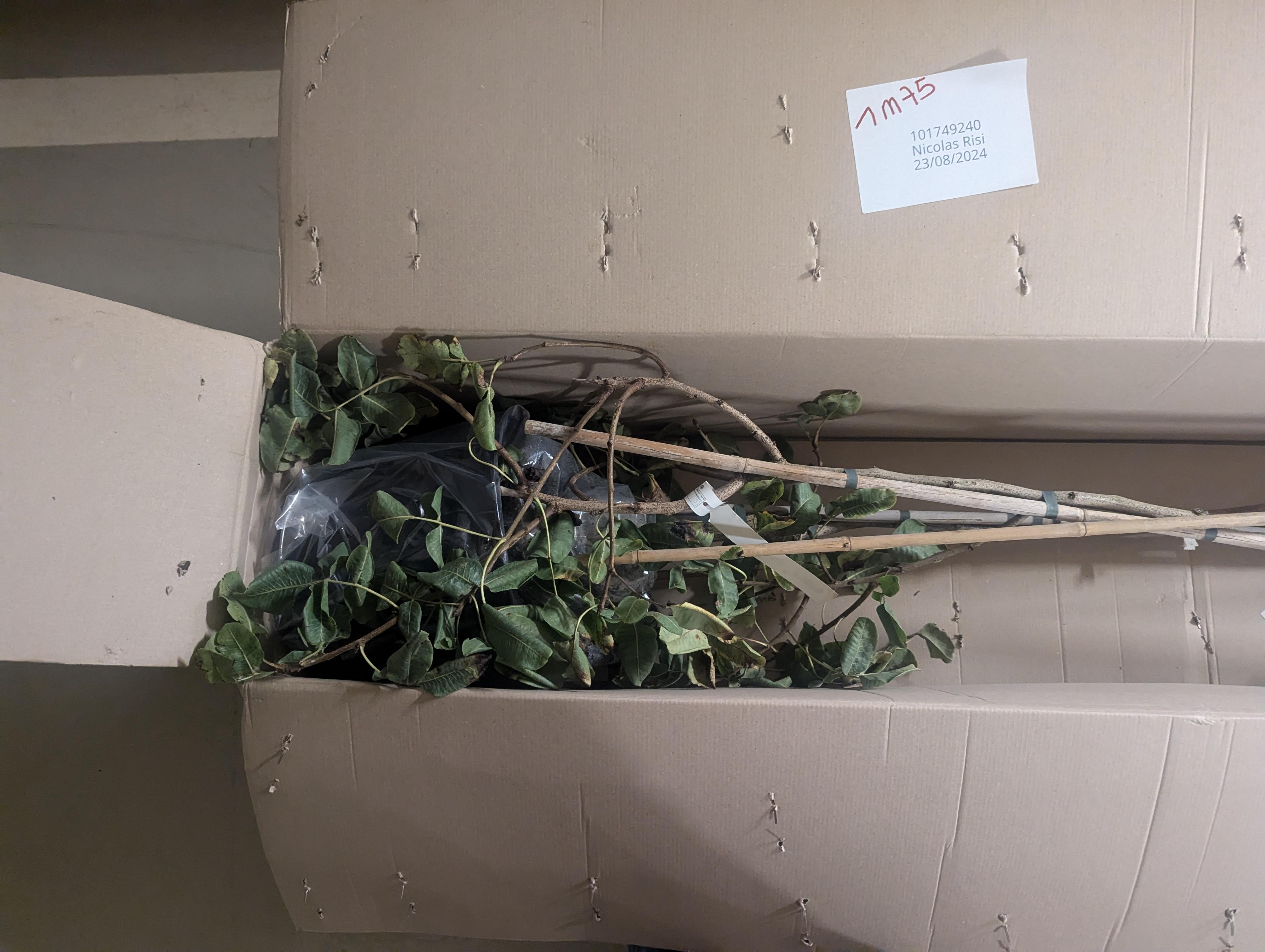
Nicolas R.
Pistacia vera Peters
Nicolas R. • 72 FR
Pistacia vera Peters
Pistacia vera Peters
Pistachio
Back-to-school special offer!
Get €10 off for every €50 you spend! And get up to €40 off on a single order.
How does it work?
1. Shop your favourites
Add your favourite plants to your basket. For every €50 you spend (excluding delivery charges, store credit and the plastic-free option), you’ll receive a €10 voucher.
€50 spent = €10 voucher
€100 spent = €20 voucher
€150 spent = €30 voucher
€200 spent = €40 voucher
2. Place your order
Once your basket reaches one of the spending thresholds, place your order. You can even choose your delivery date!
3. Receive your voucher
As soon as your order has been shipped, you’ll receive an email containing your personal voucher code and its value.
4. Use it on your next order
Your voucher is valid for 90 days from the date you receive it. It can be used once only, on a new order worth at least the value of the voucher, excluding delivery charges.
Please note: Vouchers can be combined with other offers, but cannot be split or refunded.
Home or relay delivery (depending on size and destination)
Important: You may be charged customs duties by your country’s customs authorities upon delivery.
Schedule delivery date
and select date in basket
This plant carries a 12 months recovery warranty
More information
We guarantee the quality of our plants for a full growing cycle, and will replace at our expense any plant that fails to recover under normal climatic and planting conditions.
Description
Pistacia vera 'Peters' is a male pistachio tree known for efficiently pollinating the 'Kerman' pistachio tree and several other female varieties. The tree is hardy down to -15 °C, heat-resistant (up to 45 °C), vigorous, and it flowers quite young, around the age of 4 years. Its flowering, which lasts for 3 weeks between April and May, mostly escapes frost in its cultivation zone and overlaps with that of various female varieties. A 'Peters' plant will pollinate 5 to 8 female pistachio trees. It should be planted in front of the female pistachio tree, facing the prevailing wind, so the pollen is carried to the female inflorescences. The 'Peters' pistachio tree only bears male flowers and does not produce fruits. It has an upright habit and can reach a height of 5 to 6 m with a spread of 3 m.
The wild Pistacia vera is native to Central Asia, particularly Iran and Turkestan. In these mountainous regions, which are harsh, arid, very hot in summer, and cold and dry in winter, it survives in the form of sparse and residual forests called wooded steppes. Pistachio cultivation dates back approximately 4000 years. It originated in the northern part of present-day Iraq and then spread to all Mediterranean regions under the influence of the Romans. Fallen into disuse, this emblematic fruit tree of Mediterranean civilisation, along with the almond tree, the olive tree, and the pomegranate tree, is once again being looked at. Its low water requirements and its high value attract the attention of agronomists and farmers who see it as a tree of the future in the face of climate change.
The true Pistachio tree belongs to the Anacardiaceae family, just like Pistacia lentiscus (the Mastic tree) and P. terebinthus, the mango tree, and the cashew tree. It is also related to Schinus terebinthifolius (the "pink pepper") and S. molle used in ornamental gardens in mild climates. It is a dioecious tree, meaning that there are female plants (like 'Kerman') and male plants (like 'Peters'). Its growth is slow, but it can live for several centuries. Seedling trees do not bear fruit until the age of 8-10 years. Grafting can shorten this period by about 3 years. The most common rootstocks are UCB1, Pistacia terebinthus, and its hybrid with P. lentiscus called P. (x) saportae.
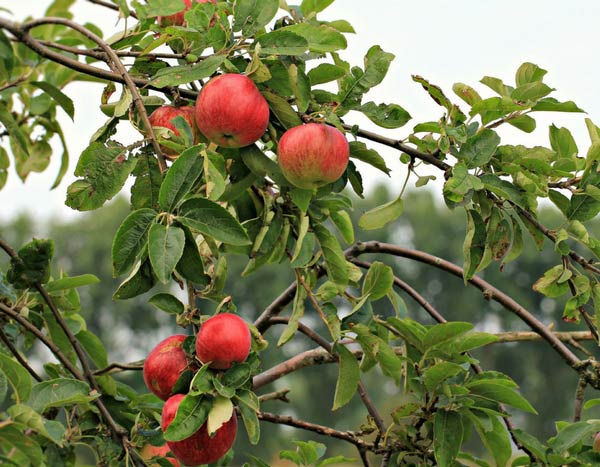
The pistachio tree can reach a height of 4 to 6 m with a spread of 3 to 5 m depending on the variety. Its habit is slightly weeping in female pistachio trees, but upright in male subjects. Its foliage is deciduous, falling in autumn and reappearing in spring. The leaves are composed of 3 to 5 (7) wide and obtuse, fairly dark green leaflets, crossed by a slightly winged midrib. Flowering takes place before the appearance of the leaves, in spring. It takes the form of dense clusters in males, large slightly loose and trailing clusters in females. Each inflorescence is composed of 200 to 250 tiny flowers in males, but 450 to 500 in females. They are tiny, without petals, with small sepals (5 in females, 3 in males) ranging from green to reddish. Female flowers have a voluminous 3-branched stigma, while male flowers have 5 red stamens. The abundant pollen is carried by the wind. To ensure satisfactory pollination, it is essential to determine the direction of the prevailing wind when planting pistachio trees. It is also necessary to choose a compatible pollinator that will flower in sync with the female plants. One male plant will pollinate 4 to 7 female plants. The fruit, called a drupe, consists of a fleshy shell with a resinous odour, taking on flamboyant tones at the end of summer. Inside, there is the seed, whose edible kernel is protected by a light shell that hardens and opens at maturity.
Pistachios, like walnuts and almonds, are oilseeds or nuts. They are rich in lipids, complex carbohydrates, proteins, vitamins B, K, and E. They also contain manganese, phosphorus, and magnesium.
*Being somewhat delicate to cultivate, the fruit-bearing pistachio tree has clear pedoclimatic requirements that should be remembered before adopting it in the garden. Overall, it appreciates the same growing conditions as other Mediterranean fruit trees. The female tree is somewhat prone to alternate bearing, meaning it may produce every other year or even every third year depending on the varieties. Similarly, it is more or less hardy, early, productive... depending on horticultural selections.
Report an error about the product description
Pistacia vera Peters in pictures
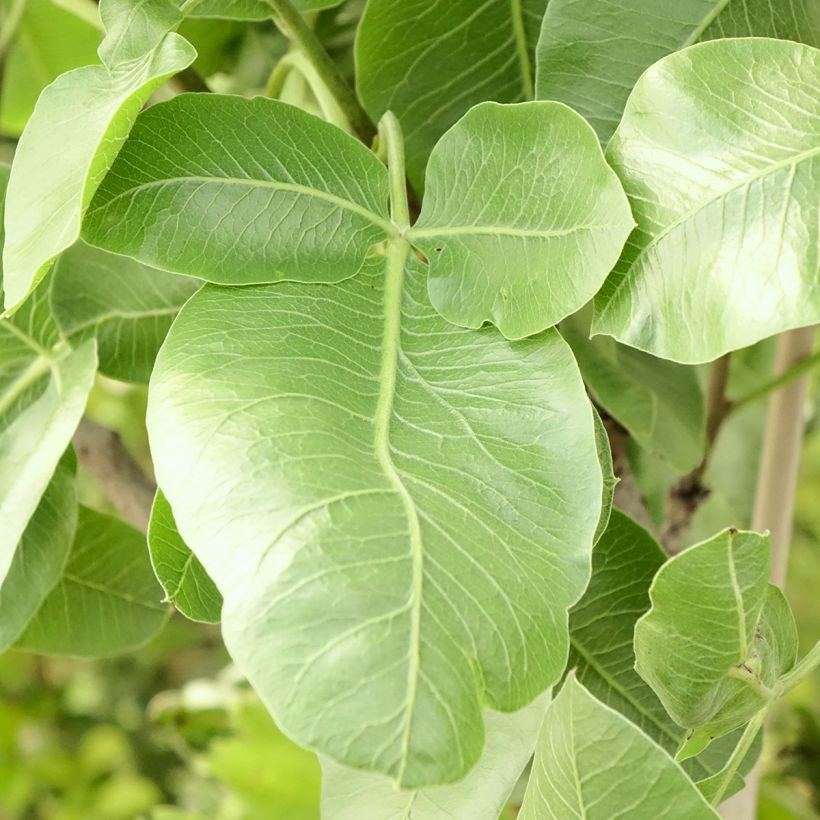
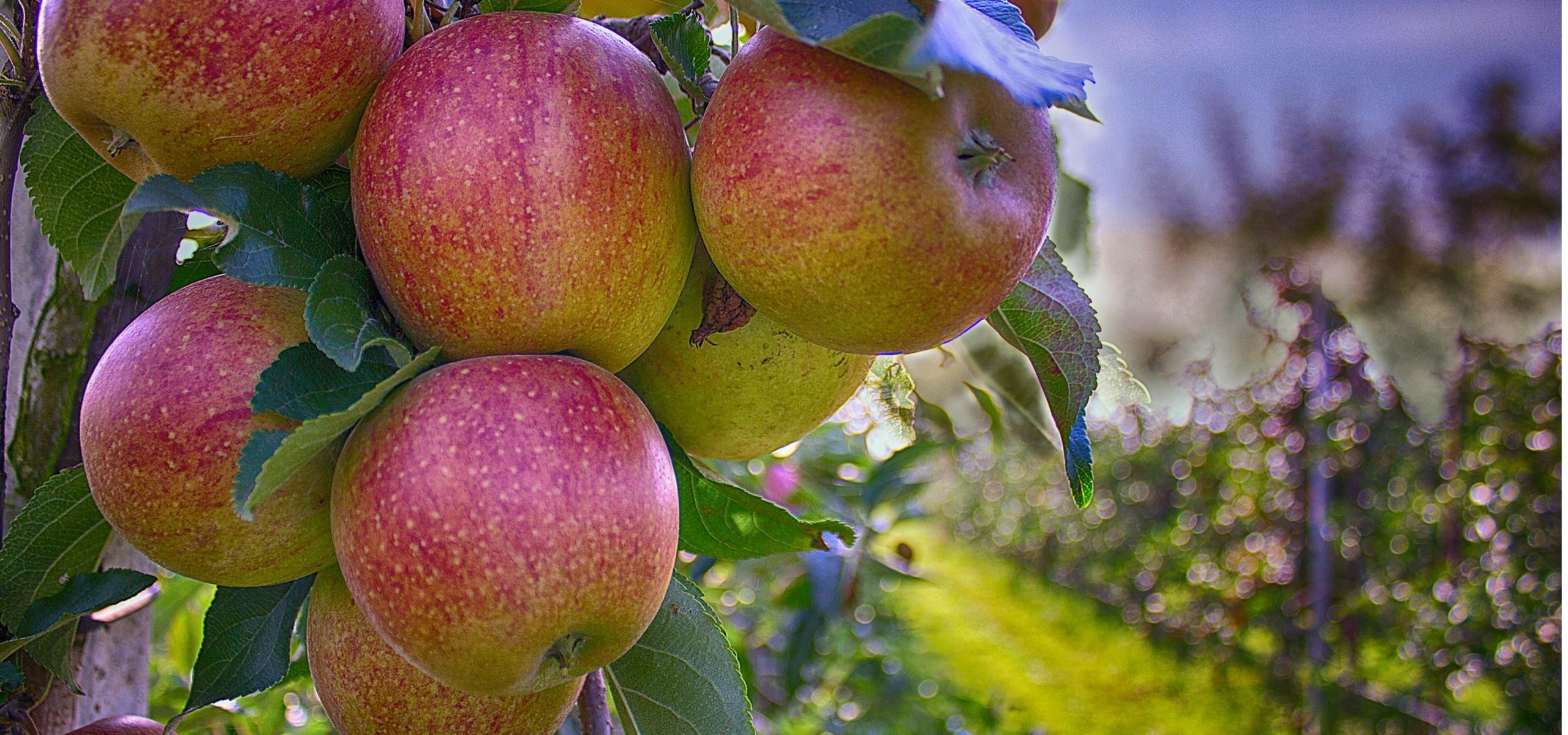
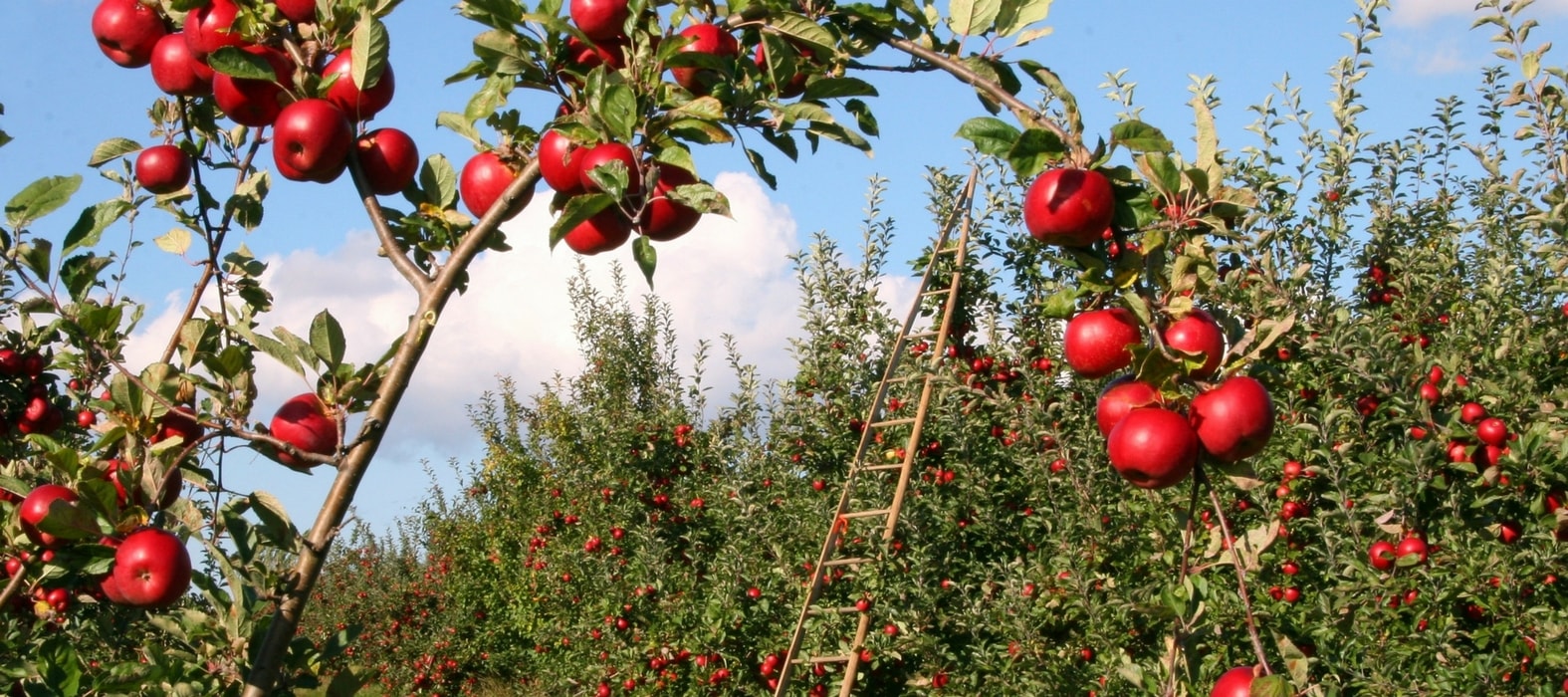
Plant habit
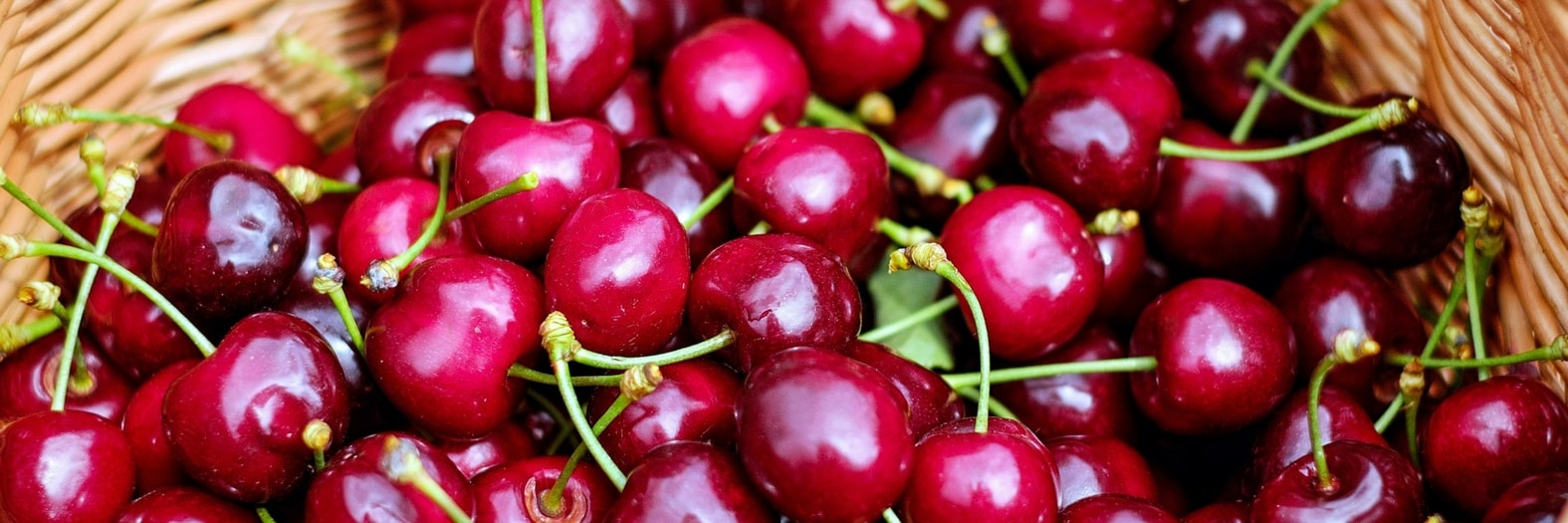
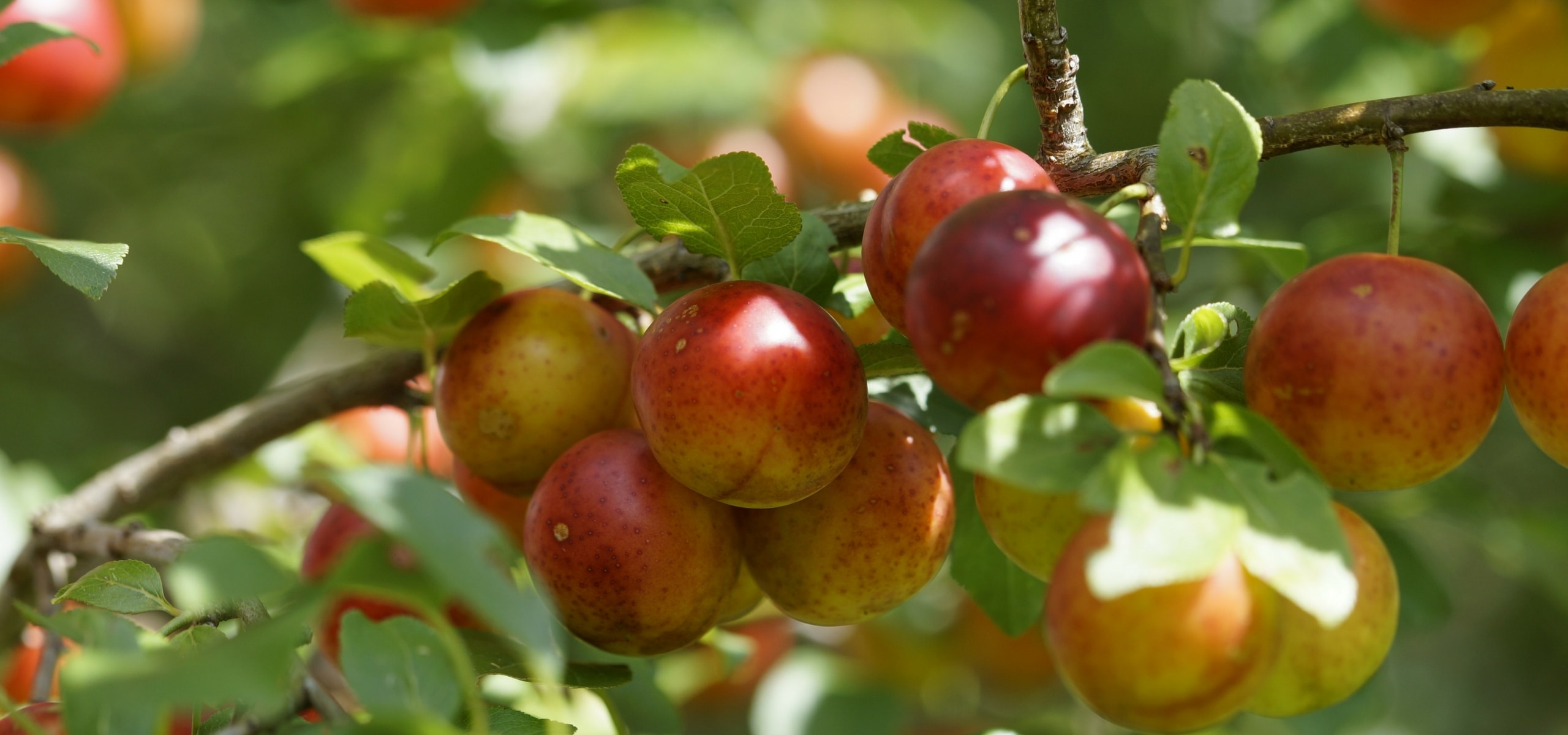
Fruit
Flowering
Foliage
Botanical data
Pistacia
vera
Peters
Anacardiaceae
Pistachio
Cultivar or hybrid
Planting and care
The male pistachio tree 'Peters' thrives in a Mediterranean climate with a continental or semi-alpine tendency: it needs long, hot, and dry summers, as well as dry and sufficiently cold winters to induce flowering. It requires well-drained soil, as its roots are sensitive to fungal diseases. The soil should be deep, loamy-sandy, and slightly alkaline. The tree also adapts to more rocky terrain. An adult specimen can withstand brief frosts of -14 to -15 °C in well-drained soil. Once well-established, it can tolerate summer drought. To ensure a good start, it is important to plant it in deeply worked soil to allow its roots to descend more quickly and to water it deeply but infrequently from planting until the first two summers. In areas that are not too cold, it is best to plant it in early autumn, while in areas with borderline hardiness, planting in early spring is preferable. It is advisable to protect young specimens with winter protection if significant frosts are forecast during the first two winters. This pistachio tree prefers limestone, but it also tolerates slightly acidic soils. Staking may be necessary for young plants.
The female pistachio tree is wind-pollinated: it is imperative to plant the male tree facing the prevailing wind so that its pollen is carried to the inflorescences of the female tree. It should be noted that pistachio flowering is sensitive to frost as well as excessive humidity. Rain at the wrong time can compromise pollination. This tree should always be planted in a sunny, well-ventilated, and airy location, never in damp, confined, and dark low-lying areas. A well-exposed slope seems ideal.
While not very demanding, the pistachio tree will be more vigorous in soil that is not too poor. The addition of potassium and magnesium can be beneficial, as well as organic fertiliser in late winter. To limit alternate bearing in female plants (fruit production every two or three years), it is useful to water the tree in spring, especially if it does not rain.
Planting period
Intended location
Care
Planting & care advice
-
-
-
-
-
-
-
-
This item has not been reviewed yet - be the first to leave a review about it.
Recently viewed products
Haven't found what you were looking for?
Hardiness is the lowest winter temperature a plant can endure without suffering serious damage or even dying. However, hardiness is affected by location (a sheltered area, such as a patio), protection (winter cover) and soil type (hardiness is improved by well-drained soil).

The flowering period indicated on our website applies to countries and regions located in USDA zone 8 (France, the United Kingdom, Ireland, the Netherlands, etc.)
It will vary according to where you live:- In zones 9 to 10 (Italy, Spain, Greece, etc.), flowering will occur about 2 to 4 weeks earlier.
- In zones 6 to 7 (Germany, Poland, Slovenia, and lower mountainous regions), flowering will be delayed by 2 to 3 weeks.
- In zone 5 (Central Europe, Scandinavia), blooming will be delayed by 3 to 5 weeks.
In temperate climates, pruning of spring-flowering shrubs (forsythia, spireas, etc.) should be done just after flowering.
Pruning of summer-flowering shrubs (Indian Lilac, Perovskia, etc.) can be done in winter or spring.
In cold regions as well as with frost-sensitive plants, avoid pruning too early when severe frosts may still occur.
The planting period indicated on our website applies to countries and regions located in USDA zone 8 (France, United Kingdom, Ireland, Netherlands).
It will vary according to where you live:
- In Mediterranean zones (Marseille, Madrid, Milan, etc.), autumn and winter are the best planting periods.
- In continental zones (Strasbourg, Munich, Vienna, etc.), delay planting by 2 to 3 weeks in spring and bring it forward by 2 to 4 weeks in autumn.
- In mountainous regions (the Alps, Pyrenees, Carpathians, etc.), it is best to plant in late spring (May-June) or late summer (August-September).
The harvesting period indicated on our website applies to countries and regions in USDA zone 8 (France, England, Ireland, the Netherlands).
In colder areas (Scandinavia, Poland, Austria...) fruit and vegetable harvests are likely to be delayed by 3-4 weeks.
In warmer areas (Italy, Spain, Greece, etc.), harvesting will probably take place earlier, depending on weather conditions.
The sowing periods indicated on our website apply to countries and regions within USDA Zone 8 (France, UK, Ireland, Netherlands).
In colder areas (Scandinavia, Poland, Austria...), delay any outdoor sowing by 3-4 weeks, or sow under glass.
In warmer climes (Italy, Spain, Greece, etc.), bring outdoor sowing forward by a few weeks.
Shipping country and language
Your country of residence may be:
Your country of residence is:
For a better user experience on our website, you can select:
Your shipping country:
-
 Austria
-
 Belgium
-
 Bosnia & Herzegovina
-
 Bulgaria
-
 Croatia
-
 Cyprus
-
 Czechia
-
 Denmark
-
 Estonia
-
 Finland
-
 France
-
 Germany
-
 Greece
-
 Hungary
-
 Iceland
-
 Ireland
-
 Italy
Italy
-
 Latvia
-
 Liechtenstein
-
 Lithuania
-
 Luxembourg
-
 Malta
Malta
-
 Netherlands
-
 Poland
-
 Portugal
-
 Romania
-
 Serbia
-
 Slovakia
-
 Slovenia
-
 Spain
Spain
-
 Sweden
-
 Switzerland
Language:
-
French
-
 English
-
Spanish
-
Italian
-
German
-
Portuguese
-
Dutch
-
Finnish
My Account
Hello
My wish lists
My cart
Log in / Register
Existing customer?
This form is protected by reCAPTCHA - the Google Privacy Policy and Terms of Service apply.
New customer?
Create an account to track your orders, access our customer service and, if you wish, make the most of our upcoming offers.