Toxic squash: don't get it wrong!
Which squashes are poisonous and how can you identify them?
Contents
Autumn and Halloween put numerous squash in the spotlight, including some decorative ones known as ornamental gourds, which turn out to be toxic. So you need to know the difference, especially around 31 October, when markets and shops are full of small squash in bizarre shapes. They are perfect for decorating our homes or windowsills, but they are not edible — otherwise you could end up in A&E!
Here are a few cucurbits that should never end up on your plate…
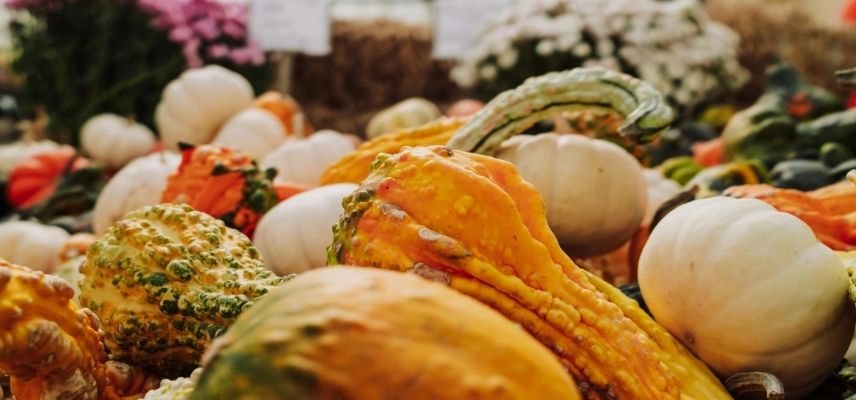
A Halloween squash stall featuring edible pumpkins and small, two-tone ornamental gourds
Key points to remember
|
Read also
Ornamental gourds: harvest and storageCucurbitacin, a naturally occurring toxic substance
Some squashes contain cucurbitacin in their bark, an organic compound found in other plants and fungi that gives them a bitter taste. This molecule is what makes certain cucurbitaceous plants toxic, essentially ornamental gourds (Citrullus colocynthis, the true colocynth, a highly toxic wild cucurbitaceous plant, and the ornamental gourds sold at Halloween, which are Cucurbita pepo, often classified as C. pepo subsp. texana / var. ovifera).
Cucurbitacin causes digestive problems of varying severity, ranging from simple nausea to vomiting, bloody diarrhoea, acute pain and dehydration that may require emergency hospital treatment. Cases of a sudden drop in blood pressure have also been reported. Although rarely fatal, this molecule is particularly irritating, and serious documented poisonings have occurred, notably with bitter bottle gourd juice (Lagenaria siceraria, locally known as lauki), which led the ICMR (Indian Council of Medical Research) to issue strict guidelines.
Cucurbitacin is destroyed neither by cooking nor by freezing. It is therefore important to identify toxic squashes.
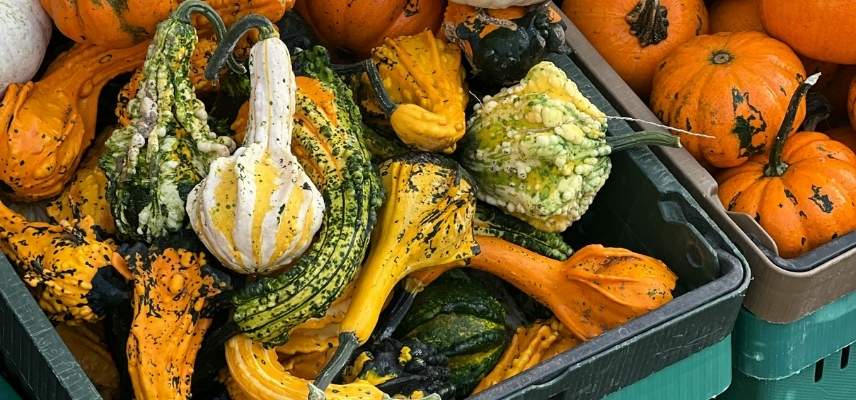
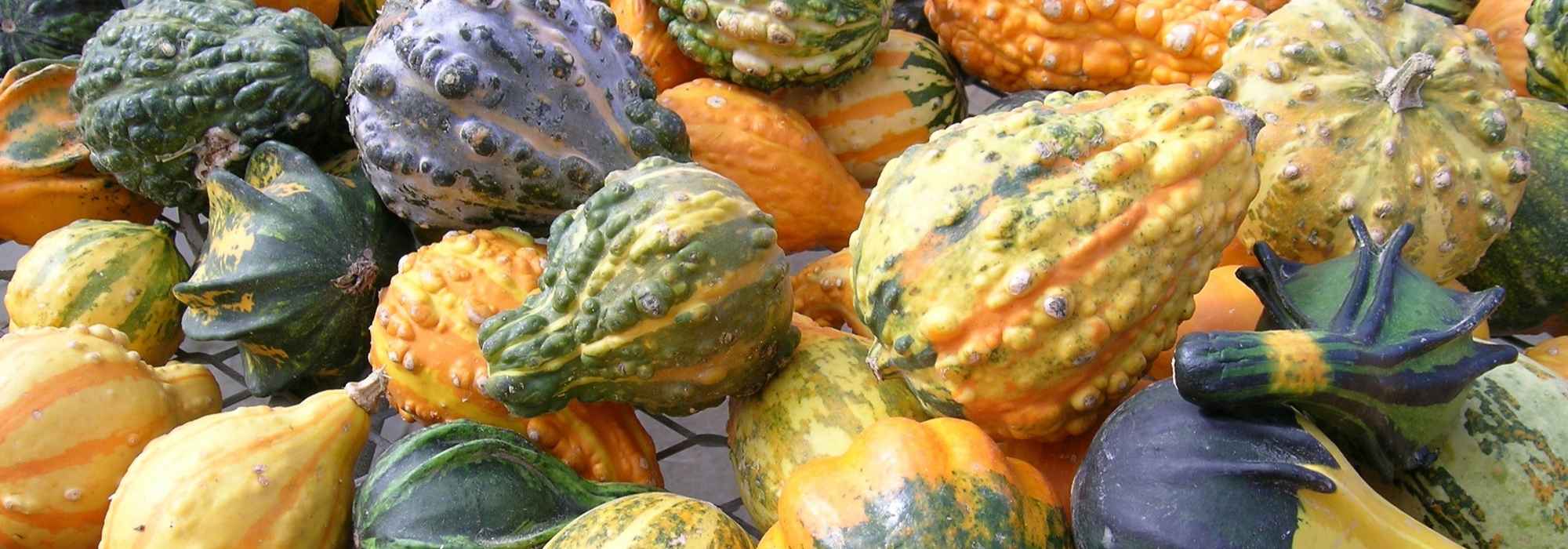
Their tough, bumpy skin and bright colours are appealing, but their flesh contains irritating and toxic cucurbitacins.
How can you tell a poisonous squash from an edible one?
The many different varieties of squash can be distinguished using several visual criteria, but above all by taste:
- A toxic squash has a pronounced bitterness that will not disappear during cooking;
- Inedible squash often have very tough skin, which may be knobbly or covered in bumps;
- Small, 5 cm-diameter, two-coloured squash are often unfit for consumption, but there are a few exceptions (see below), and you must not confuse immature “baby squash” with ornamental gourds.
It can also happen — and this is the whole problem — that seeds collected in the garden produce toxic squash: squash cross-pollinate easily, and an edible courgette may be pollinated by a bitter squash. The resulting fruit looks like an ordinary squash, but contains cucurbitacins. It is therefore not always easy to recognise them, so it is worth following a few recommendations from ANSES.
ANSES’s advice, via the ANSES website, to avoid getting it wrong:
- Taste a small piece raw: if it is bitter, the squash is not intended for consumption;
- Always check the species name with a seller when the squash is not labelled or is not a familiar variety;
- In an emergency, or if signs of poisoning may be present, call 15 or a poison control centre.
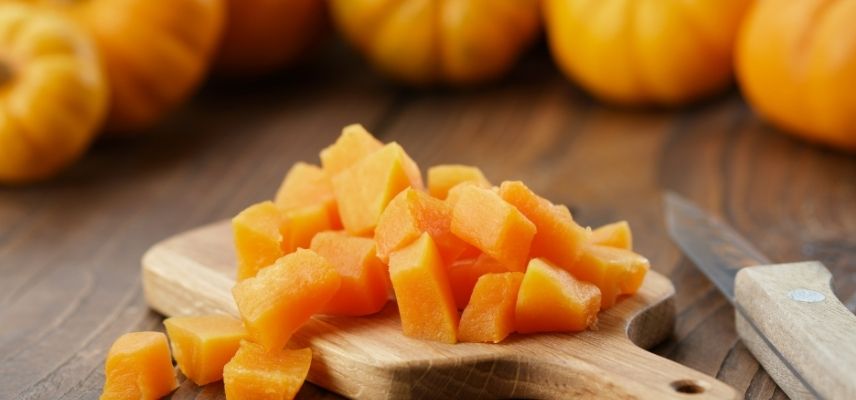
Taste a piece raw to avoid getting it wrong!
Read also
Squashes: buyer's guideToxic or Edible Squash: The Different Species and Varieties
Here is asummary table of the main squash families: many are delicious, some are edible but have little or no real culinary value, while others are therefore toxic and should not be eaten.
N.B.: Be aware that some lesser-known squashes, often heritage varieties with unusual shapes or colours that might make you think they are ornamental gourds, are actually delicious: sweet dumpling squashes, patty pan squashes, ‘Iron Cup’, ‘Giromon’ (Turk’s turban), ‘Hubbard Vert véruqueux’ squash…
| Botanical type | Edible | Little or no culinary value | Toxic |
|---|---|---|---|
| Cucurbita maxima | Generally large-fruited varieties: pumpkins, ‘Buttercup’ pumpkin, ‘Bleu de Hongrie’, Étampes green squash, ‘Vif d’Étampes’ squash, red kuri squash, ‘Hubbard vert’, ‘Petit Turban Turc’, etc. | ||
| Cucurbita moschata | Butternut squash, ‘Musquée de Provence’ squash, ‘Sucrine du Berry’, ‘Longue de Nice’, etc. | ||
| Cucurbita pepo | Spaghetti squash, patty pan squashes, ‘Jack Be Little’, ‘Blanche de Virginie’, ‘Sweet Dumpling’ (sweet dumpling squash), ‘Baby Boo’, etc. | Pumpkin (stringy), ‘Jack O’Lantern’, grown more for its hard skin, which is suitable for carving | Ornamental gourds (decorative squashes, sometimes classified as C. pepo var. ovifera) |
| Lagenaria siceraria (bottle gourds or white-flowered gourds) | Young fruits only, harvested while tender and cooked like courgettes (e.g. ‘Plate de Corse‘) | Ripe fruit: dry, tough flesh, unsuitable for eating; when dried, it is used to make objects or musical instruments | Any fruit that has become bitter, whatever its stage of development: bitterness indicates the presence of cucurbitacins, which can appear under water or heat stress, or in wild-crossed forms |
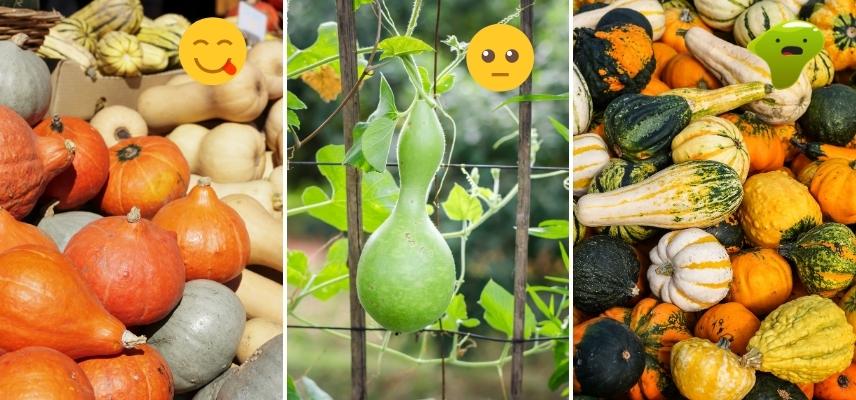
Edible, bland or toxic, every squash has its own characteristics.
Frequently asked questions
Is the squash ‘Jack O Lantern’ poisonous?
Although mainly used to create scary lanterns, hollowed out to hold a candle for Halloween, ‘Jack O’Lantern‘, which is large (around 20 cm in diameter), is edible.
‘Jack Be Little‘, often used at this time of year, is a small (5 to 8 cm), ornamental and edible squash with a slight chestnut flavour.
Are all the squashes sold in the fruit and vegetable section edible?
Unfortunately not. Many ornamental gourds are sometimes sold alongside edible squashes in supermarket produce sections. They should normally be labelled as ornamental gourds, but take care when buying them in supermarkets.
Are bottle gourds edible?
Yes, but only when young, as their flesh later becomes dry, tough and tasteless. Harvest them after two months for eating, generally in June. If you want to use them for drying, to make decorative objects or musical instruments, leave them in the vegetable garden for longer and harvest them at the end of summer.
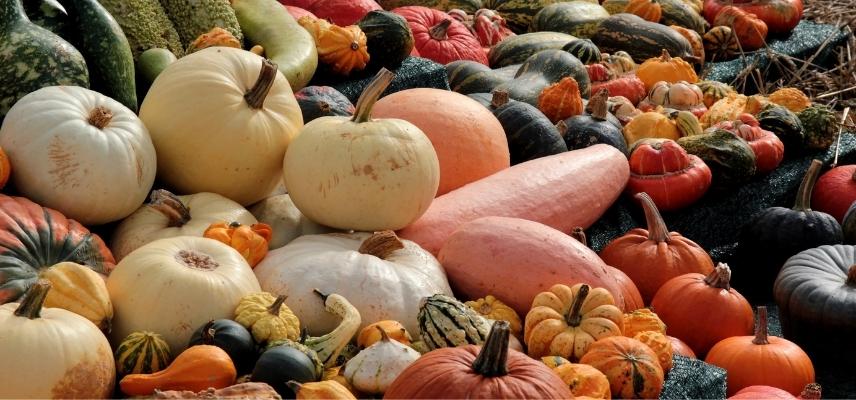
Beware of mixed squashes at fairs and markets
- Subscribe!
- Contents
This form is protected by reCAPTCHA - the Google Privacy Policy and Terms of Service apply.

































Comments