Why is my Loropetalum not flowering?
Causes and solutions
Contents
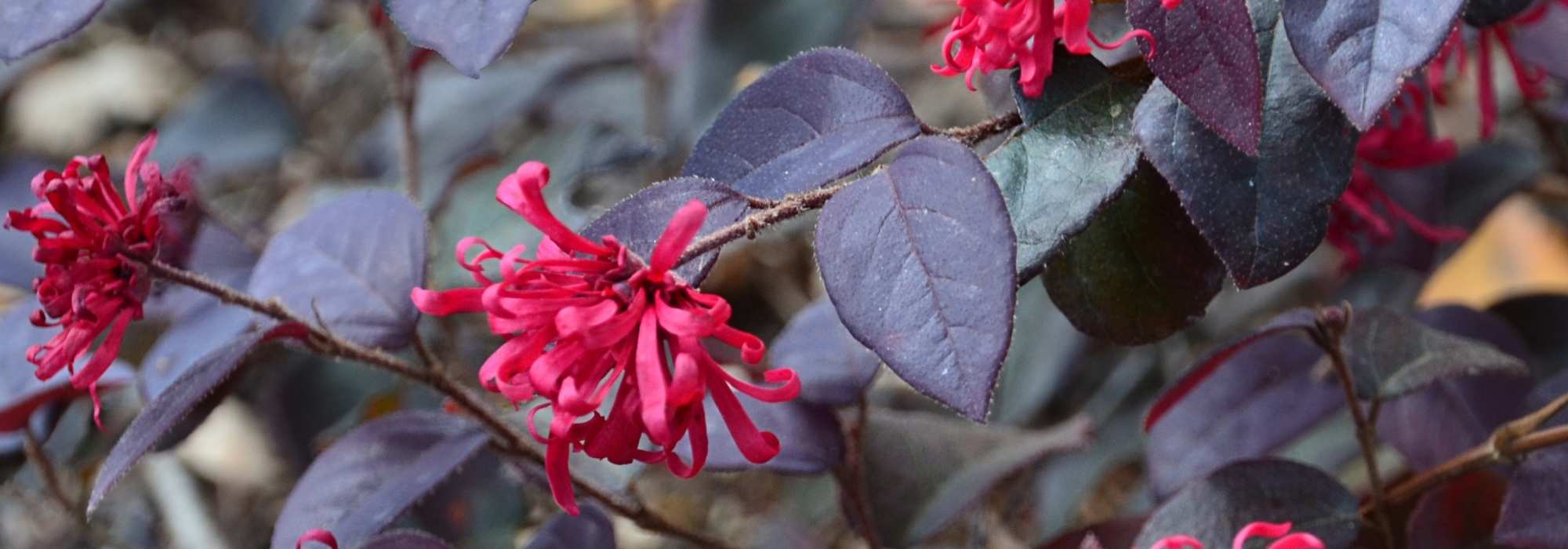
With its small flowers bearing fine, crumpled petals, which range from pink to red or white depending on the variety, Loropetalum chinense offers particularly decorative flowering at the end of winter and the beginning of spring. When it becomes covered in leaves but produces no flowers, the disappointment is understandable. Yet this small evergreen shrub is generally undemanding. A Loropetalum that fails to flower is most often suffering from an unsuitable position, climatic stress, a soil problem or pruning carried out at the wrong time. Before taking action, let us examine its growing conditions to find out what is preventing it from flowering.

Your Loropetalum may be lacking light
Loropetalum thrives in a bright position, in gentle sunlight or partial shade. But even though it tolerates partial shade, Loropetalum needs enough light to flower well. A position that is too shady can result in healthy foliage growth, but much less noticeable flowering… or none at all.
Observe its position in spring. A shrub planted beneath trees that have grown considerably, at the foot of a north-facing wall or in a now very dense bed may receive less light than it did when it was planted.
Plant it in the right place: in regions with a cool climate, a sunny position suits it well. In Mediterranean or hot regions, opt instead for gentle sunlight or partial shade, particularly during the hottest hours.
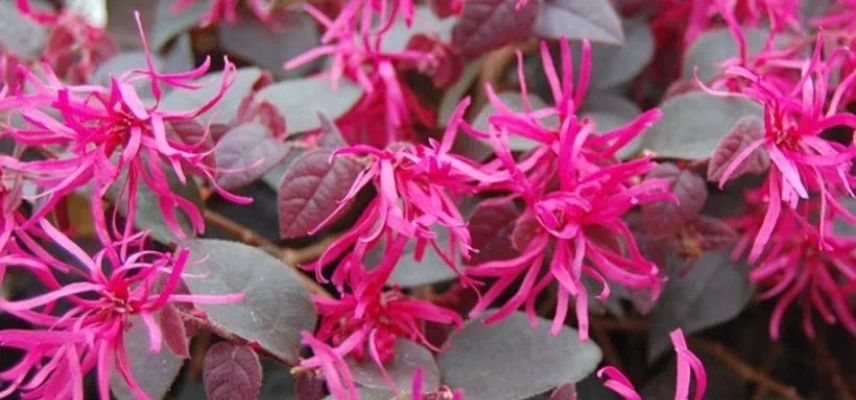
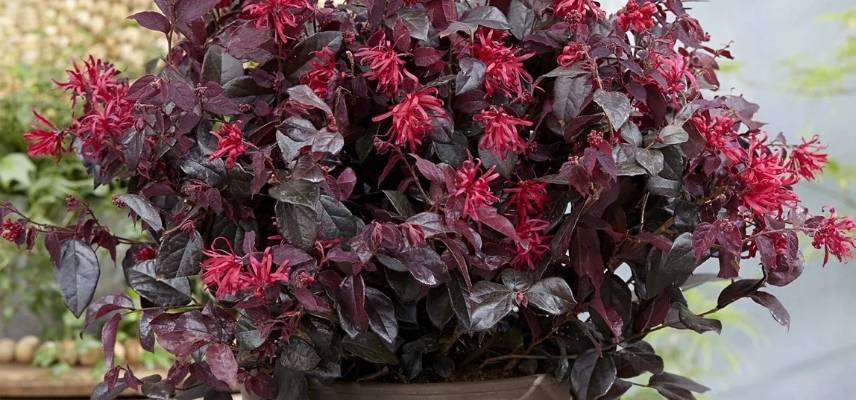
The flowering of Loropetalum chinense ‘Plum Gorgeous’
Read also
Loropetalum: planting, pruning and careThe cold has damaged the flower buds.
Loropetalum is moderately hardy. Depending on the varieties and growing conditions, it generally tolerates temperatures falling to around -5 to -10 °C, but young plants are more sensitive. Severe winter frost can therefore damage the branches and compromise spring flowering.
This risk is particularly significant in cold regions or when the shrub is exposed to icy winds. In cold regions, plant it in a sheltered position, for example near a wall protected from cold winds. Growing it in a pot remains a good solution in climates where winter temperatures regularly fall very low, and this also makes it possible to overwinter Loropetalum in a bright, unheated room.
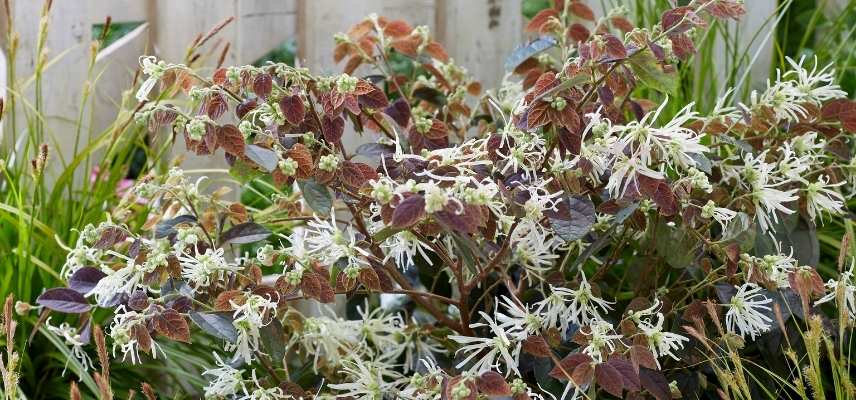
The white flowering of Loropetalum chinense ‘Ruby Snow’
Pruning at the wrong time has removed next season’s flowers.
Loropetalum does not need pruning to flower. Pruning is mainly used to limit its growth or rebalance its shape.
It is not necessary, but if you wish to intervene, do so after the spring flowering. Pruning too early or too late can remove the shoots likely to bear the future flowers that will appear the following season. It may also prevent a possible second flush of flowers in summer or autumn.
Also avoid severe pruning into the old wood. It is better to shorten the young shoots slightly and preserve the shrub’s naturally supple, spreading habit.
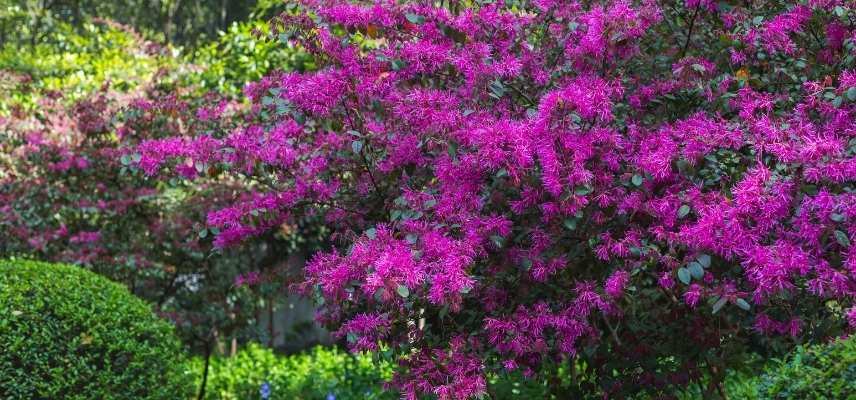
Read also
How to pair Loropetalum?The soil is not suitable for your Loropetalum
Loropetalum prefers fertile, moisture-retentive, slightly acidic and, above all, well-drained soil. It tolerates some variations, but it does not appreciate highly chalky soils.
Excess lime can cause chlorosis, easily recognised by the leaves turning yellow while their veins remain greener. A shrub weakened by unsuitable soil grows less vigorously and may also flower less.
Excess water is just as problematic. In heavy, constantly waterlogged soil, the roots may suffer. If your soil is clay-based, take particular care to improve drainage when planting by adding one third potting compost and 1 to 2 handfuls of gravel when planting.
In pots, use a sufficiently free-draining growing medium and do not allow water to remain in a saucer or cachepot for long periods.
Your Loropetalum has suffered from a lack of water.
Once well established, Loropetalum tolerates dry periods rather well. However, this is not the case just after planting: regular watering is important during the first two years after planting, particularly during hot, dry periods.
A young shrub that lacks water prioritises its resources for survival and root development rather than flowering. Keep the soil moist without waterlogging it and apply an organic mulch (straw, hay, wood chippings, etc.) around the base to slow evaporation.
In a pot, take even greater care: the growing medium dries out much more quickly than soil in the ground.
Your Loropetalum may simply not be flowering at the expected time
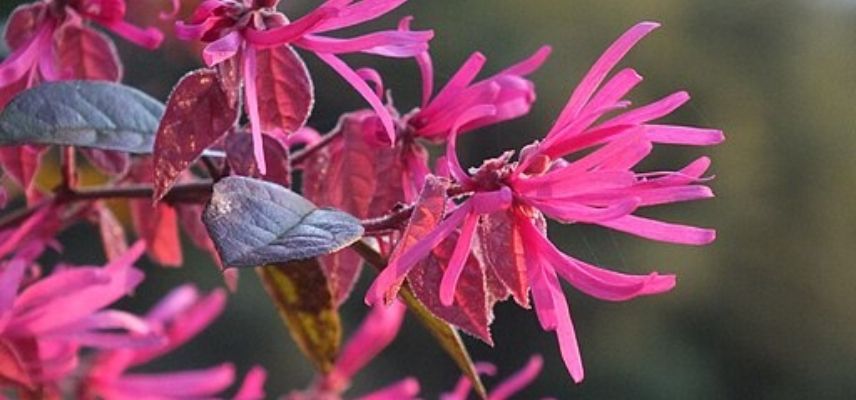
Loropetalum flowering varies slightly depending on the cultivars and climate. It mainly occurs between late winter and spring, often from February to April or May, and generally lasts for a few weeks.
Some varieties may then produce a second flush of flowers in summer or autumn, but this repeat flowering is neither consistent nor as abundant as the spring flowering. A Loropetalum that does not flower again in summer is therefore not necessarily unhealthy.
If your shrub has dense, healthy foliage, is growing normally and benefits from a suitable aspect, it may be better to wait until the following spring rather than immediately changing all its growing conditions.
- Subscribe!
- Contents
This form is protected by reCAPTCHA - the Google Privacy Policy and Terms of Service apply.

































Comments