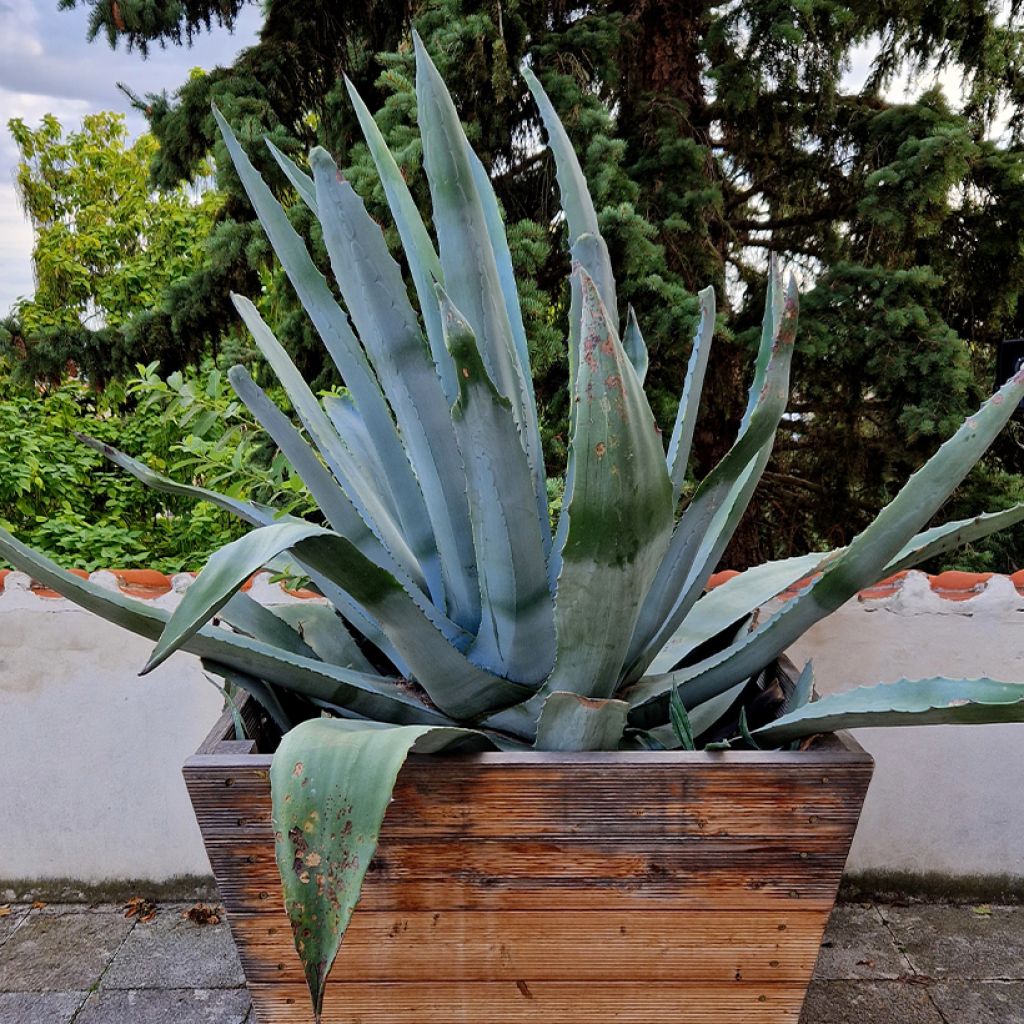
Agave chrysantha - Goldenflower century plant
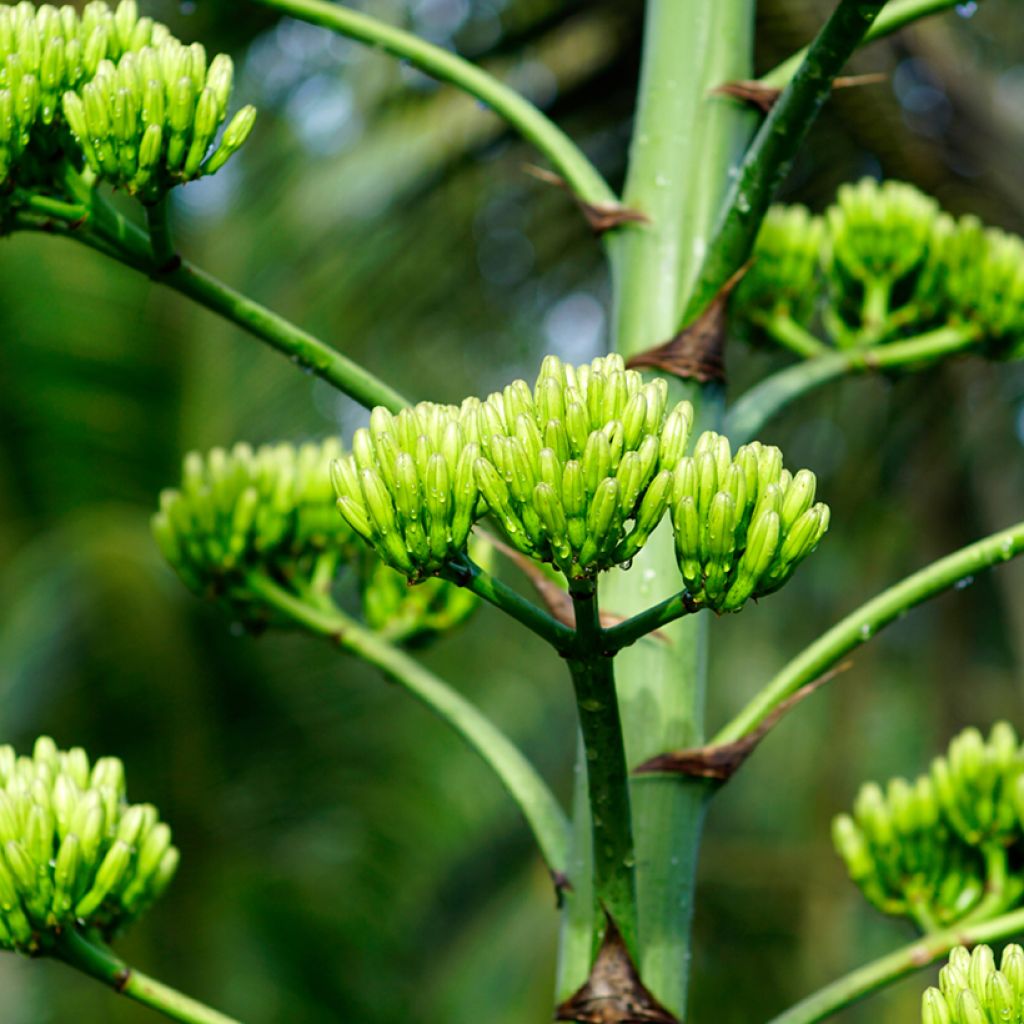
Agave chrysantha - Goldenflower century plant
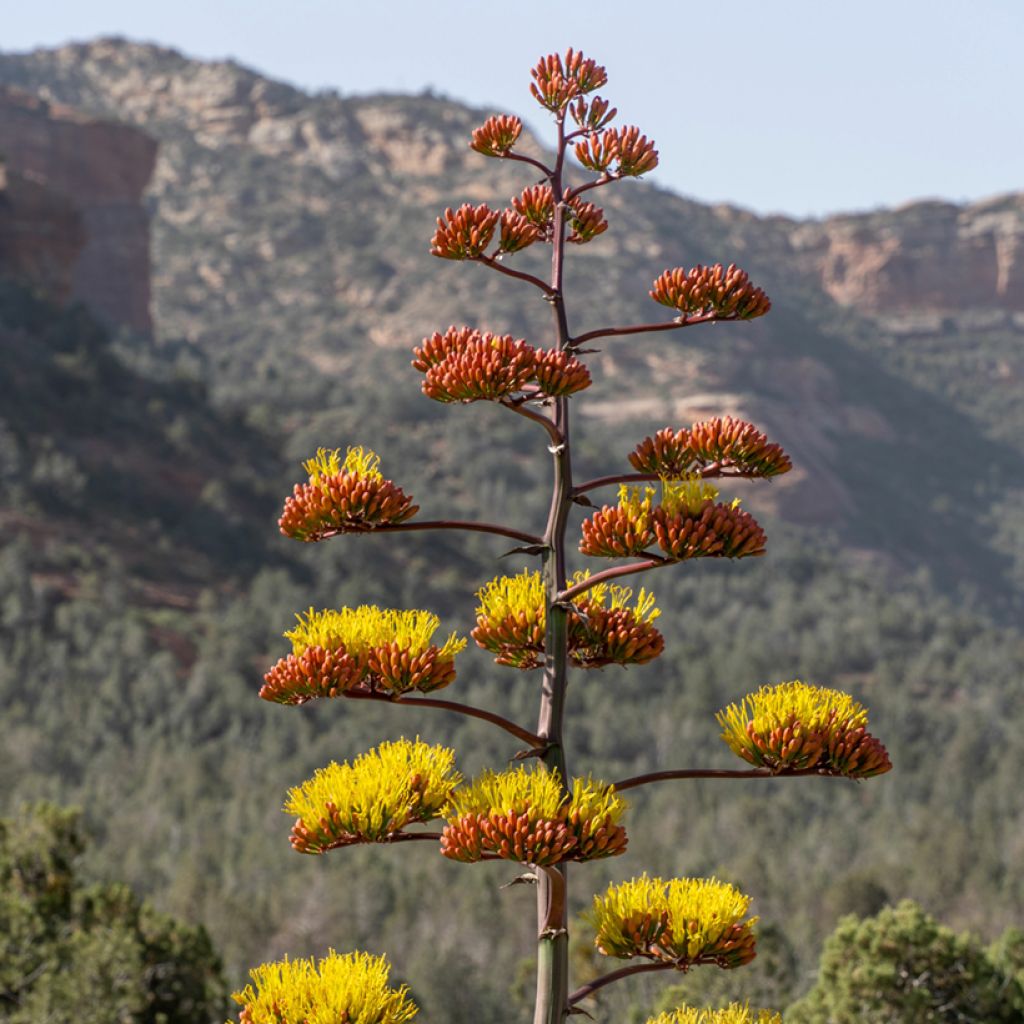
Agave chrysantha - Goldenflower century plant
Agave chrysantha - Goldenflower century plant
Agave chrysantha
Goldenflower century plant
Back-to-school special offer!
Get €10 off for every €50 you spend! And get up to €40 off on a single order.
How does it work?
1. Shop your favourites
Add your favourite plants to your basket. For every €50 you spend (excluding delivery charges, store credit and the plastic-free option), you’ll receive a €10 voucher.
€50 spent = €10 voucher
€100 spent = €20 voucher
€150 spent = €30 voucher
€200 spent = €40 voucher
2. Place your order
Once your basket reaches one of the spending thresholds, place your order. You can even choose your delivery date!
3. Receive your voucher
As soon as your order has been shipped, you’ll receive an email containing your personal voucher code and its value.
4. Use it on your next order
Your voucher is valid for 90 days from the date you receive it. It can be used once only, on a new order worth at least the value of the voucher, excluding delivery charges.
Please note: Vouchers can be combined with other offers, but cannot be split or refunded.
Why not try an alternative variety in stock?
View all →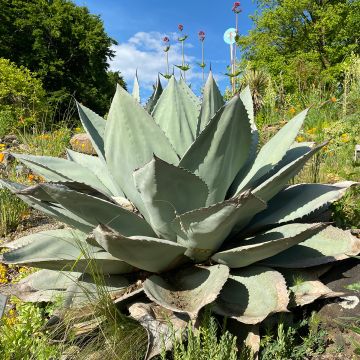
Available in 1 sizes
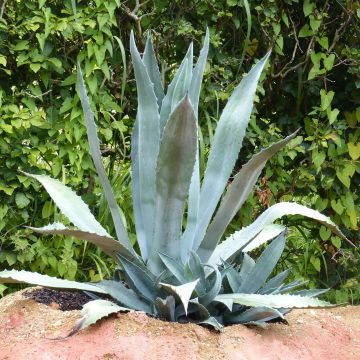
Available in 1 sizes

Available in 2 sizes
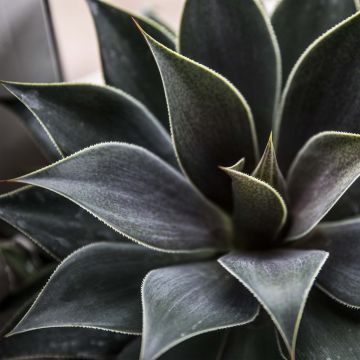
Available in 2 sizes
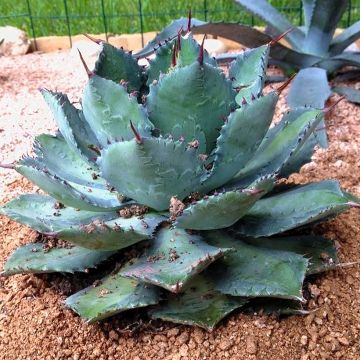
Available in 1 sizes

Available in 2 sizes

Available in 2 sizes
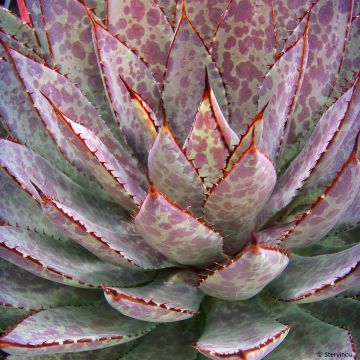
Available in 1 sizes
Available in 2 sizes
Available in 1 sizes
This plant carries a 12 months recovery warranty
More information
We guarantee the quality of our plants for a full growing cycle, and will replace at our expense any plant that fails to recover under normal climatic and planting conditions.
Would this plant suit my garden?
Set up your Plantfit profile →
Description
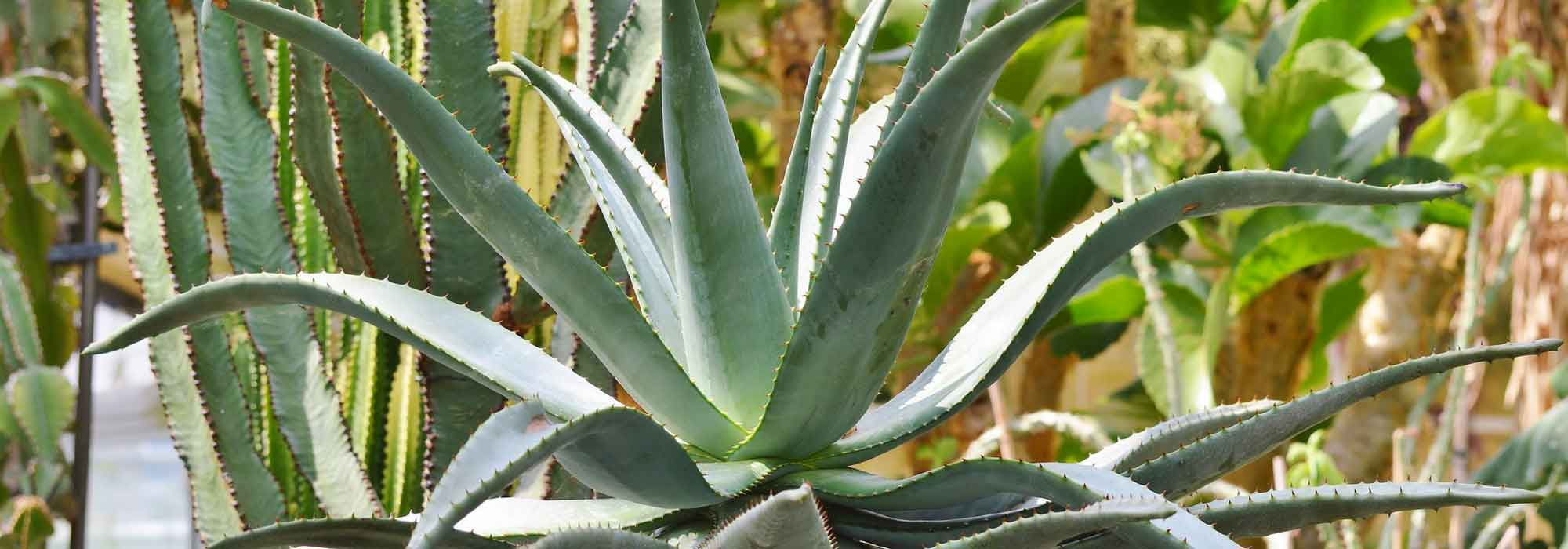
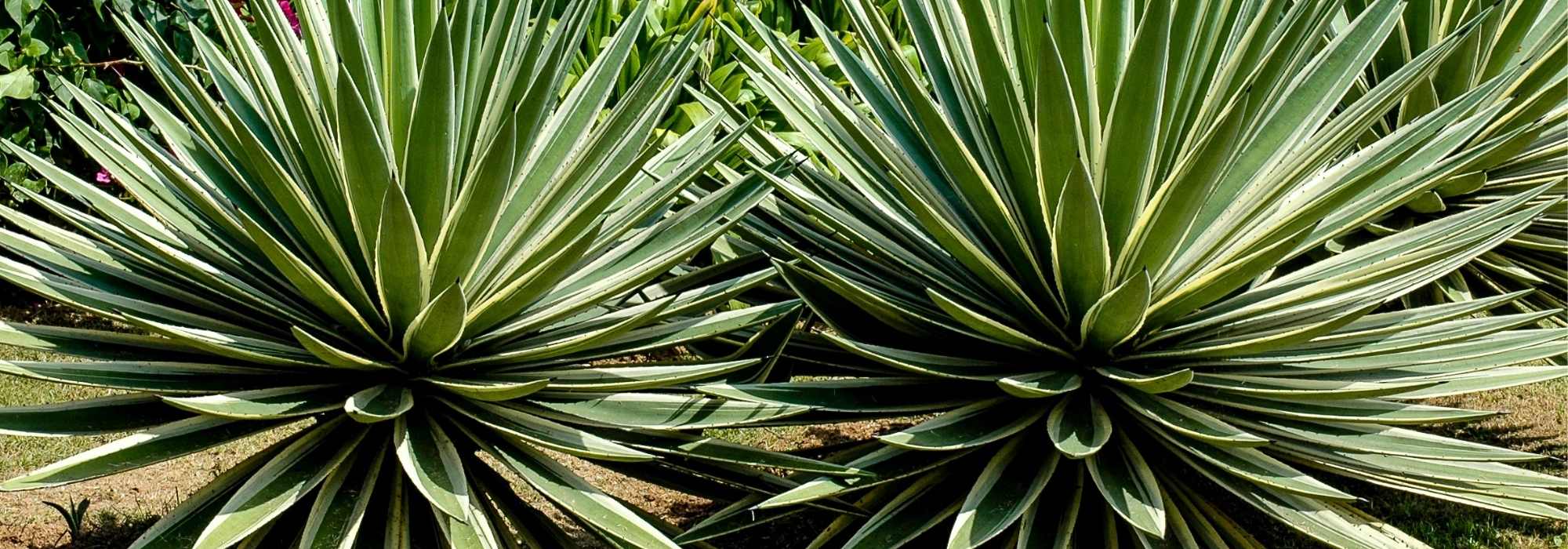
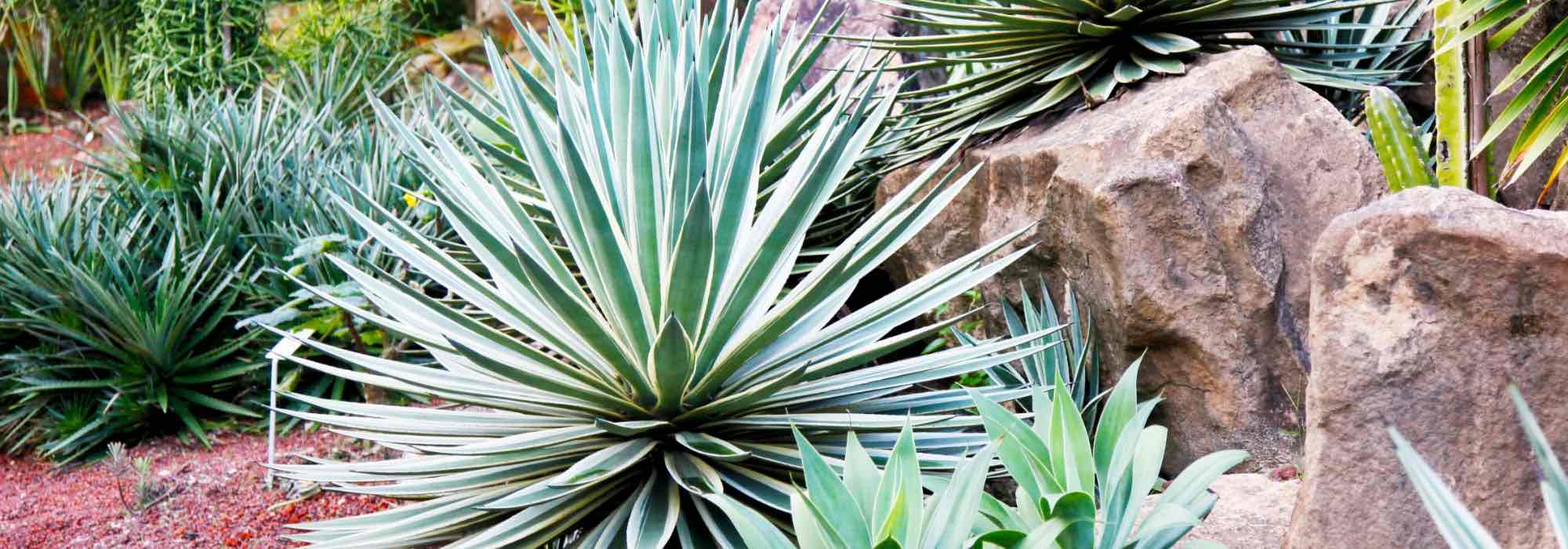
Agave chrysantha, the golden agave, is one of the relatively hardy species that can add an exotic touch to gardens well beyond the Mediterranean region. It forms medium-sized, beautiful, bluish-green to greyish rosettes. The rigid leaves are adorned with red thorns and a formidable terminal thorn of the same hue. Its spectacular flowering takes the form of a branching spike adorned with a profusion of golden flowers. This flowering causes the death of the rosette, but as the species produces abundant offsets, other rosettes develop to take over. This extremely drought-resistant Agave dislikes moisture, which greatly reduces its frost resistance.
Once the flagship genus of the Agavaceae family, which owed its name to it, Agave is now classified under the Asparagaceae family, the family of asparagus, and many ornamental genera that decorate our interiors (such as Chlorophytum, spider plant) and our gardens, like Liriope. Originating from the American continent, Agaves come in hundreds of species and varieties.
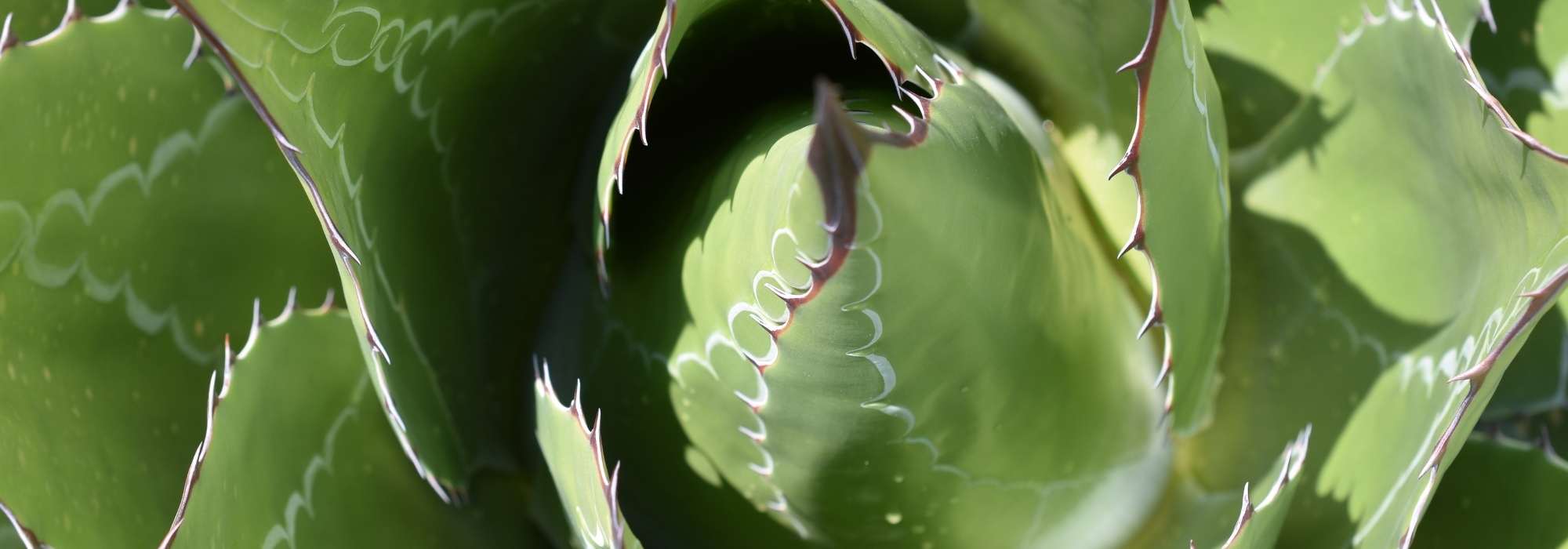
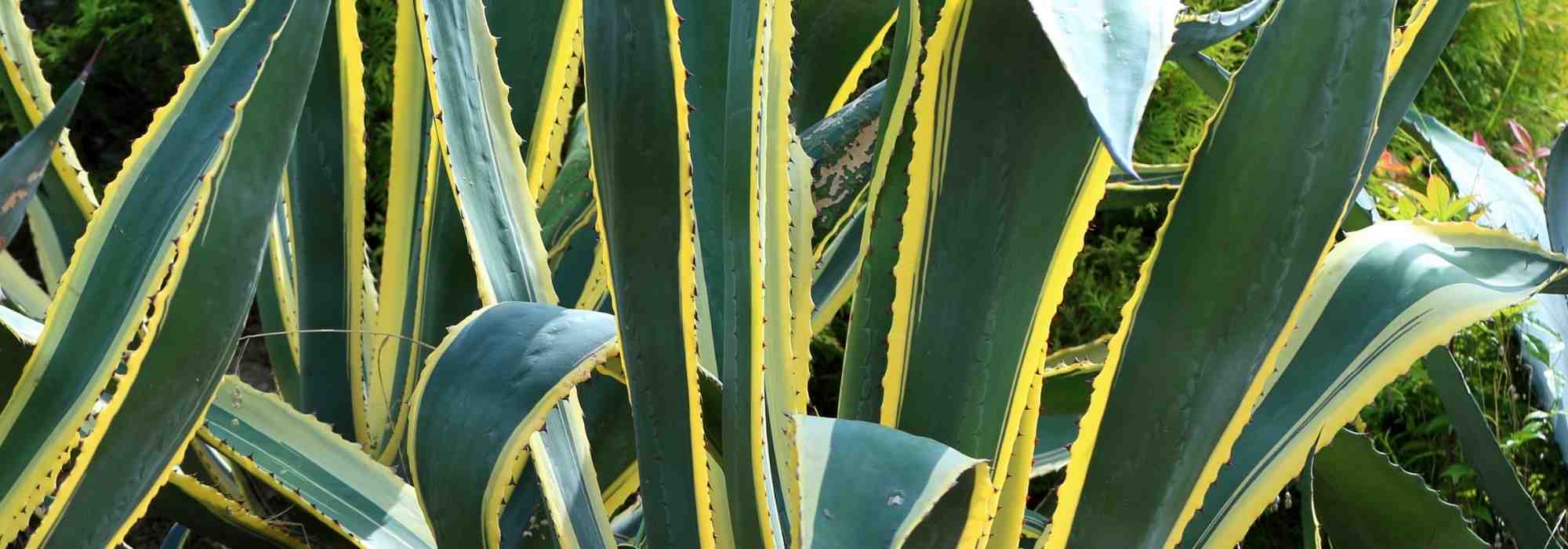
Agave chrysantha is endemic to Arizona, where it is found in the mountain ranges of the central and southeastern parts of this American state, at altitudes ranging from 1000 to 1800 metres. It grows in dry, calcareous soils and can withstand frosts down to -12°C under these conditions. However, its foliage suffers quite quickly in cold, damp conditions. It forms very stiff, lanceolate leaves, with a cross-section that forms a gutter. The two edges of the leaf meet at the tip in a 4 cm long thorn, terribly sharp and hard, and formidable for both hands and eyes. The edges of the leaves are also armed with sharp thorns, often curved towards the base. These red thorns stand out against the glaucous to grey-blue foliage. Firmly pressed against each other at the centre of the rosette before opening, the epidermis of the leaves bears the marks of the adjacent leaves. The rosette commonly reaches 1.20 m, or even 1.40 m in width and 1 m in height. From the second year after planting, the species may start producing offsets at the base of the main rosette, which will eventually form a small colony if left to develop freely.
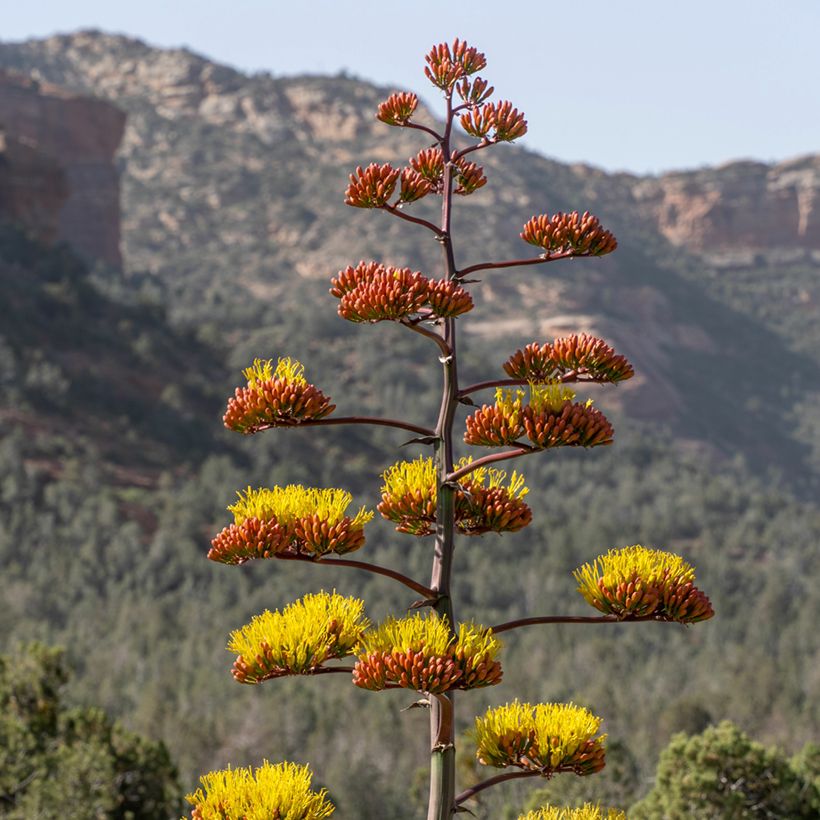
This Agave is also distinguished by its magnificent flowering. Occurring generally late, sometimes after 20 years of cultivation, it rewards patience with its grandeur and beauty. From the centre of the rosette, a spike emerges that can rise to 3 m in height. The axis branches in its upper part to bear clusters of dozens of eye-catching, bright golden-yellow flowers. It also marks the death of the rosette, but it gives life to new offsets that will form other rosettes, perpetuating the original plant.
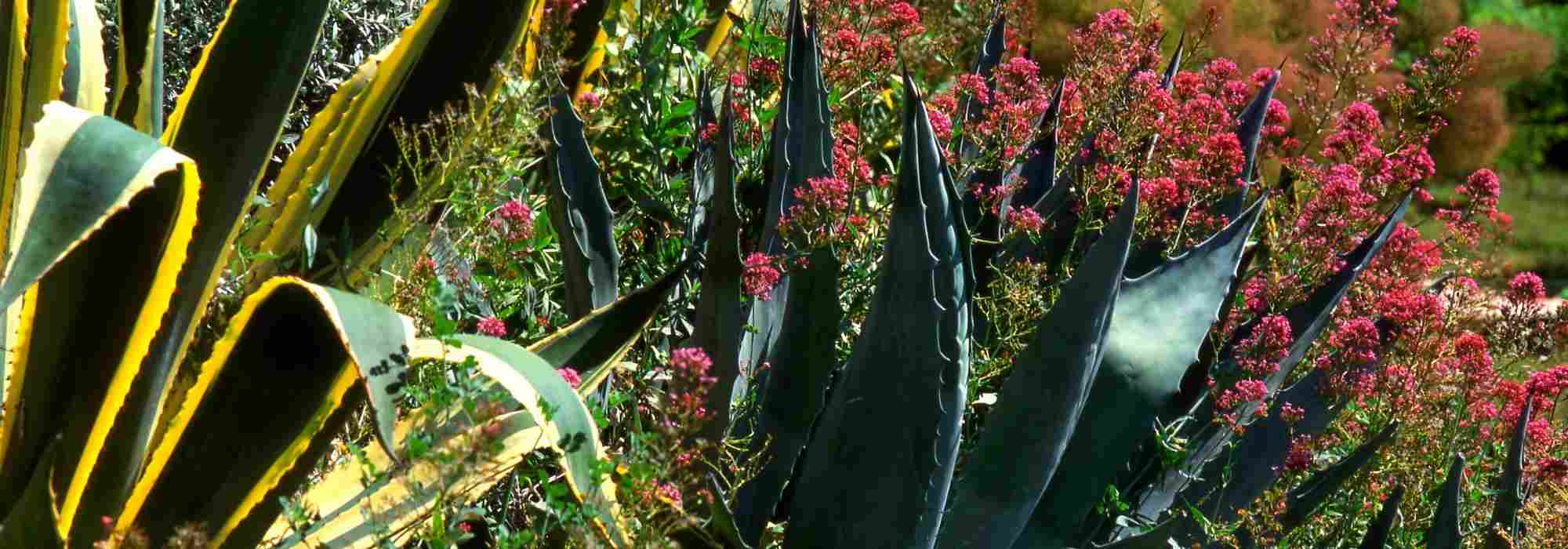
Cultivable in many regions provided it receives enough sun and very well-drained soil, Agave chrysantha will be at home in a large south-facing rock garden, or on a slope, among other plants with equally iconic silhouettes. Plant alongside it a beautiful Opuntia, a "prickly pear" with a flowering as ephemeral as it is magnificent. Choose a cold-resistant species, and also consider Aloe striatula, a beauty as hardy as your Agave, which will reward you with a lavish orange-yellow flowering each year. To vary the forms, add, for example, a clump of Hesperaloe parvifolia, a perennial nicknamed Red Yucca, which is adorned in summer with a striking coral-red flowering.
Agave chrysantha - Goldenflower century plant in pictures
Flowering
Foliage
Plant habit
Botanical data
Agave
chrysantha
Asparagaceae
Goldenflower century plant
Agave palmeri var. chrysantha, Agave palmeri subsp. chrysantha
North America
Planting and care
Resistant to frosts of -12°C to -14°C, Agave chrysantha can reasonably be planted in many regions. In cooler regions, it is essential to provide it with very good conditions: a very sunny exposure and soil that does not retain water. Plant it in full sun, even in a scorching position, in front of a wall for example, on a slope or arid embankment. Further improve drainage by incorporating materials such as gravel into the existing soil. More than the cold itself, it is the excess water that will kill your Agave. Clay soils are therefore not suitable for it, as they retain too much water. Poor, stony, calcareous soils, on the other hand, are perfect. Steep slopes allow the plant to be tilted so that rainwater cannot stagnate in the heart of the rosette. Keep in mind that the theoretical hardiness decreases with the humidity level; the drier the soil, the more your Agave will resist the cold.
Container cultivation in cold climates:
Due to its adult dimensions, up to 1.20 or even 1.40 m in diameter, and the fact that it easily produces tillers from the base, this Agave is not very well suited to container cultivation. Choose a more compact species instead; it will be easier for you to handle for overwintering indoors and bringing it back out in spring.
Planting period
Intended location
Care
Planting & care advice


This item has not been reviewed yet - be the first to leave a review about it.
Recently viewed products
Haven't found what you were looking for?
Hardiness is the lowest winter temperature a plant can endure without suffering serious damage or even dying. However, hardiness is affected by location (a sheltered area, such as a patio), protection (winter cover) and soil type (hardiness is improved by well-drained soil).

The flowering period indicated on our website applies to countries and regions located in USDA zone 8 (France, the United Kingdom, Ireland, the Netherlands, etc.)
It will vary according to where you live:- In zones 9 to 10 (Italy, Spain, Greece, etc.), flowering will occur about 2 to 4 weeks earlier.
- In zones 6 to 7 (Germany, Poland, Slovenia, and lower mountainous regions), flowering will be delayed by 2 to 3 weeks.
- In zone 5 (Central Europe, Scandinavia), blooming will be delayed by 3 to 5 weeks.
In temperate climates, pruning of spring-flowering shrubs (forsythia, spireas, etc.) should be done just after flowering.
Pruning of summer-flowering shrubs (Indian Lilac, Perovskia, etc.) can be done in winter or spring.
In cold regions as well as with frost-sensitive plants, avoid pruning too early when severe frosts may still occur.
The planting period indicated on our website applies to countries and regions located in USDA zone 8 (France, United Kingdom, Ireland, Netherlands).
It will vary according to where you live:
- In Mediterranean zones (Marseille, Madrid, Milan, etc.), autumn and winter are the best planting periods.
- In continental zones (Strasbourg, Munich, Vienna, etc.), delay planting by 2 to 3 weeks in spring and bring it forward by 2 to 4 weeks in autumn.
- In mountainous regions (the Alps, Pyrenees, Carpathians, etc.), it is best to plant in late spring (May-June) or late summer (August-September).
The harvesting period indicated on our website applies to countries and regions in USDA zone 8 (France, England, Ireland, the Netherlands).
In colder areas (Scandinavia, Poland, Austria...) fruit and vegetable harvests are likely to be delayed by 3-4 weeks.
In warmer areas (Italy, Spain, Greece, etc.), harvesting will probably take place earlier, depending on weather conditions.
The sowing periods indicated on our website apply to countries and regions within USDA Zone 8 (France, UK, Ireland, Netherlands).
In colder areas (Scandinavia, Poland, Austria...), delay any outdoor sowing by 3-4 weeks, or sow under glass.
In warmer climes (Italy, Spain, Greece, etc.), bring outdoor sowing forward by a few weeks.
Shipping country and language
Your country of residence may be:
Your country of residence is:
For a better user experience on our website, you can select:
Your shipping country:
-
 Austria
-
 Belgium
-
 Bosnia & Herzegovina
-
 Bulgaria
-
 Croatia
-
 Cyprus
-
 Czechia
-
 Denmark
-
 Estonia
-
 Finland
-
 France
-
 Germany
-
 Greece
-
 Hungary
-
 Iceland
-
 Ireland
-
 Italy
Italy
-
 Latvia
-
 Liechtenstein
-
 Lithuania
-
 Luxembourg
-
 Malta
Malta
-
 Netherlands
-
 Poland
-
 Portugal
-
 Romania
-
 Serbia
-
 Slovakia
-
 Slovenia
-
 Spain
Spain
-
 Sweden
-
 Switzerland
Language:
-
French
-
 English
-
Spanish
-
Italian
-
German
-
Portuguese
-
Dutch
-
Finnish
My Account
Hello
My wish lists
My cart
Log in / Register
Existing customer?
This form is protected by reCAPTCHA - the Google Privacy Policy and Terms of Service apply.
New customer?
Create an account to track your orders, access our customer service and, if you wish, make the most of our upcoming offers.