Paeonia lactiflora Mother's Choice
Paeonia lactiflora Mother's Choice
Paeonia lactiflora Mother's Choice
Paeonia lactiflora Mother's Choice
Paeonia lactiflora Mother's Choice
View more pictures
Hide images
France L.
Paeonia lactiflora Mother's Choice
France L. • BE
Paeonia lactiflora Mother's Choice
Paeonia x lactiflora Mother's Choice
Pivoine de Chine, Pivoine herbacée
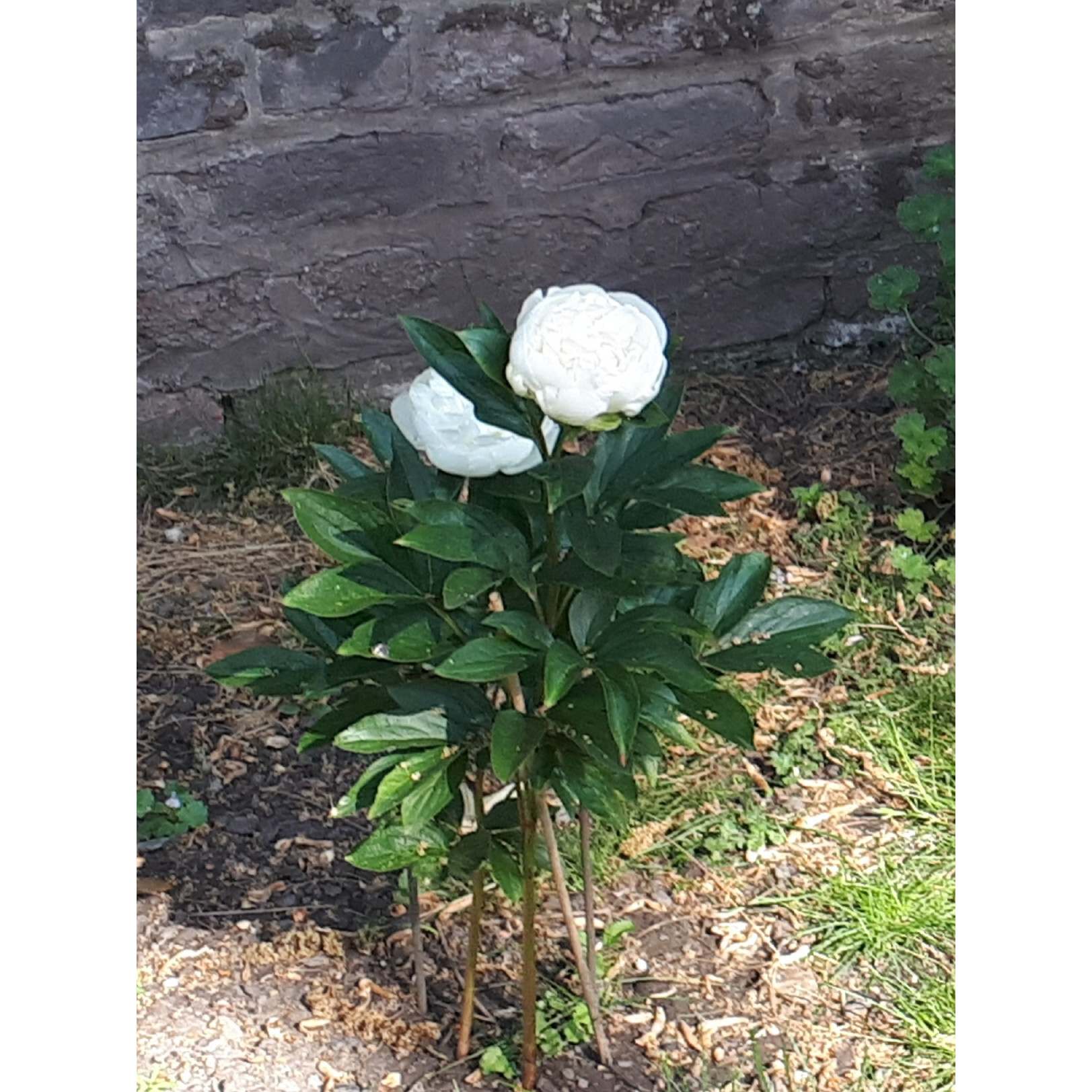
Didn't grow Roots in poor condition
Jean-Philippe , 04/05/2025
Back-to-school special offer!
Get €10 off for every €50 you spend! And get up to €40 off on a single order.
How does it work?
1. Shop your favourites
Add your favourite plants to your basket. For every €50 you spend (excluding delivery charges, store credit and the plastic-free option), you’ll receive a €10 voucher.
€50 spent = €10 voucher
€100 spent = €20 voucher
€150 spent = €30 voucher
€200 spent = €40 voucher
2. Place your order
Once your basket reaches one of the spending thresholds, place your order. You can even choose your delivery date!
3. Receive your voucher
As soon as your order has been shipped, you’ll receive an email containing your personal voucher code and its value.
4. Use it on your next order
Your voucher is valid for 90 days from the date you receive it. It can be used once only, on a new order worth at least the value of the voucher, excluding delivery charges.
Please note: Vouchers can be combined with other offers, but cannot be split or refunded.
Home or relay delivery (depending on size and destination)
Important: You may be charged customs duties by your country’s customs authorities upon delivery.
Schedule delivery date,
and select date in basket
This plant carries a 12 months recovery warranty
More information
We guarantee the quality of our plants for a full growing cycle, and will replace at our expense any plant that fails to recover under normal climatic and planting conditions.

Would this plant suit my garden?
Set up your Plantfit profile →
Description
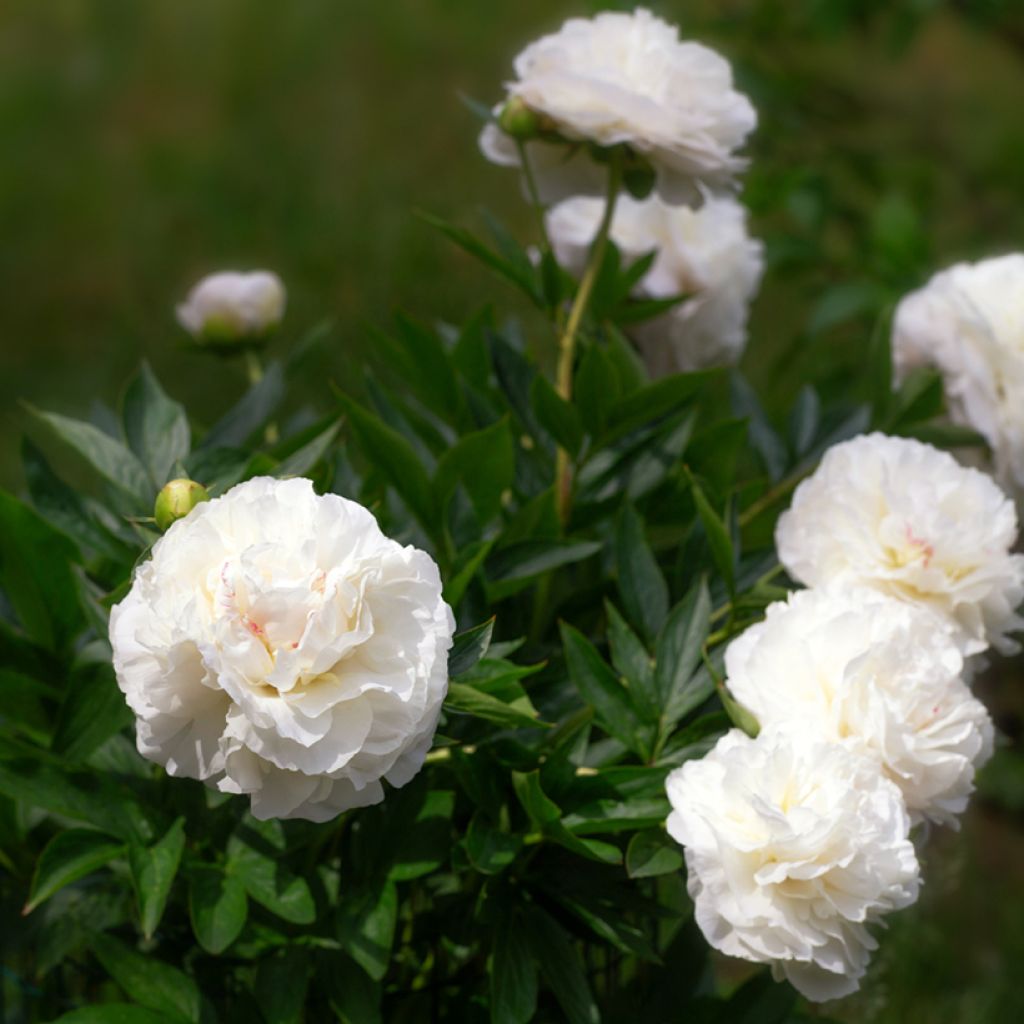
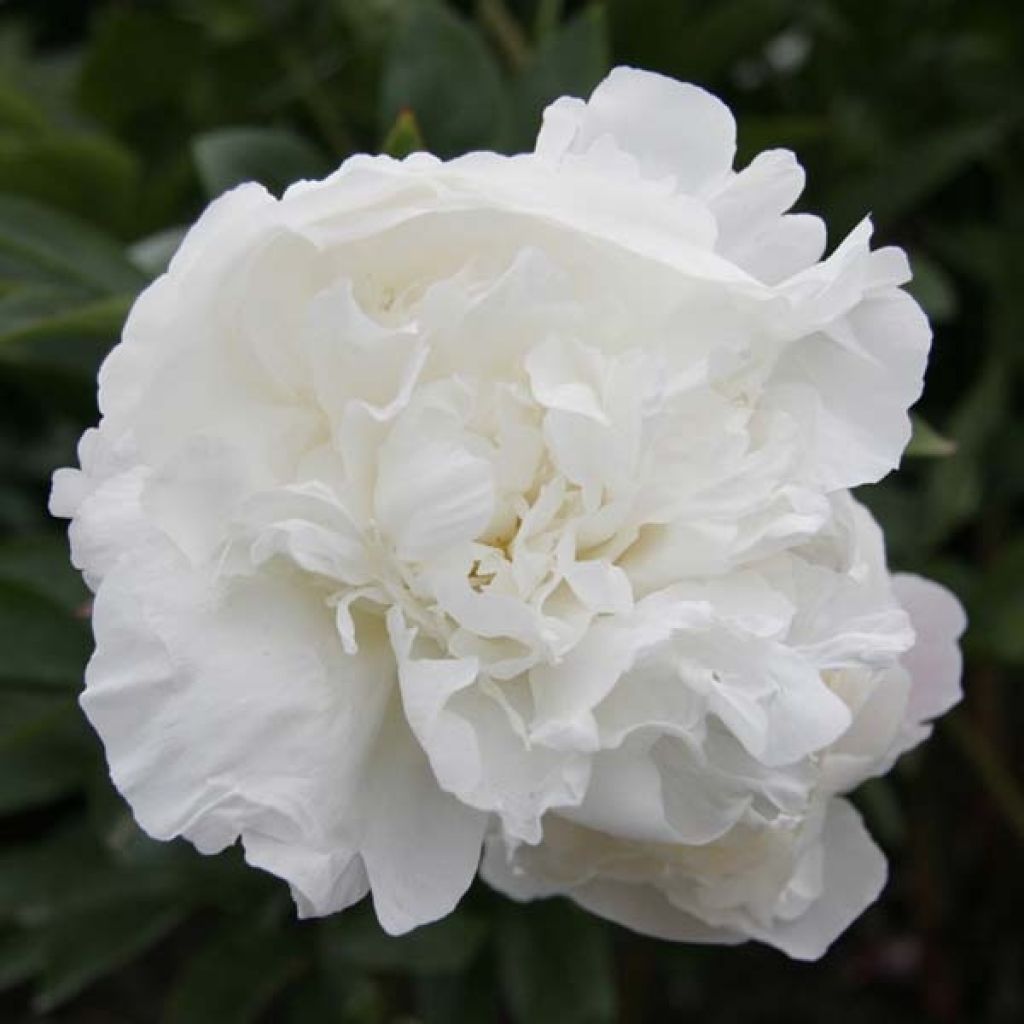
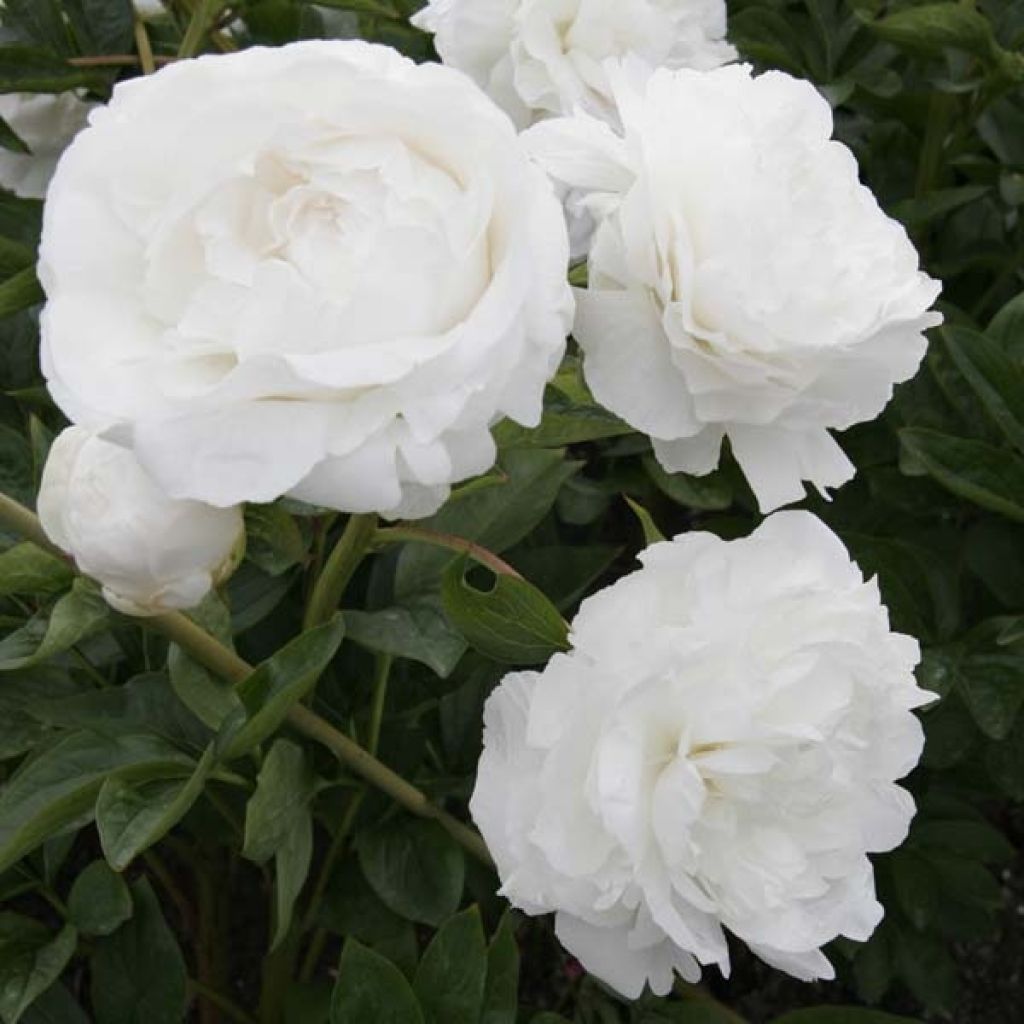
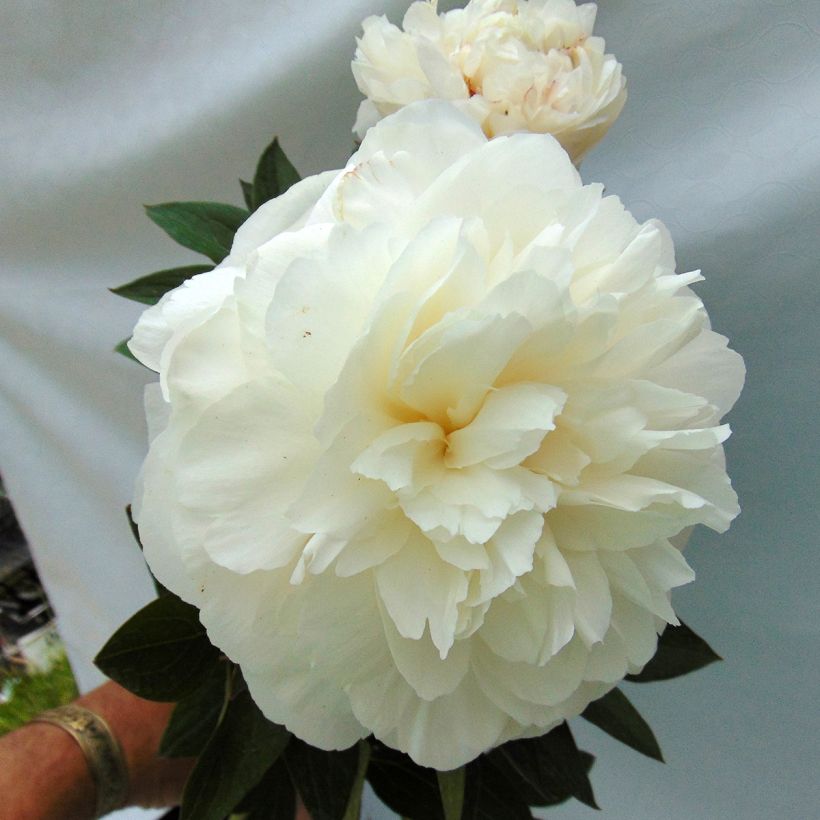
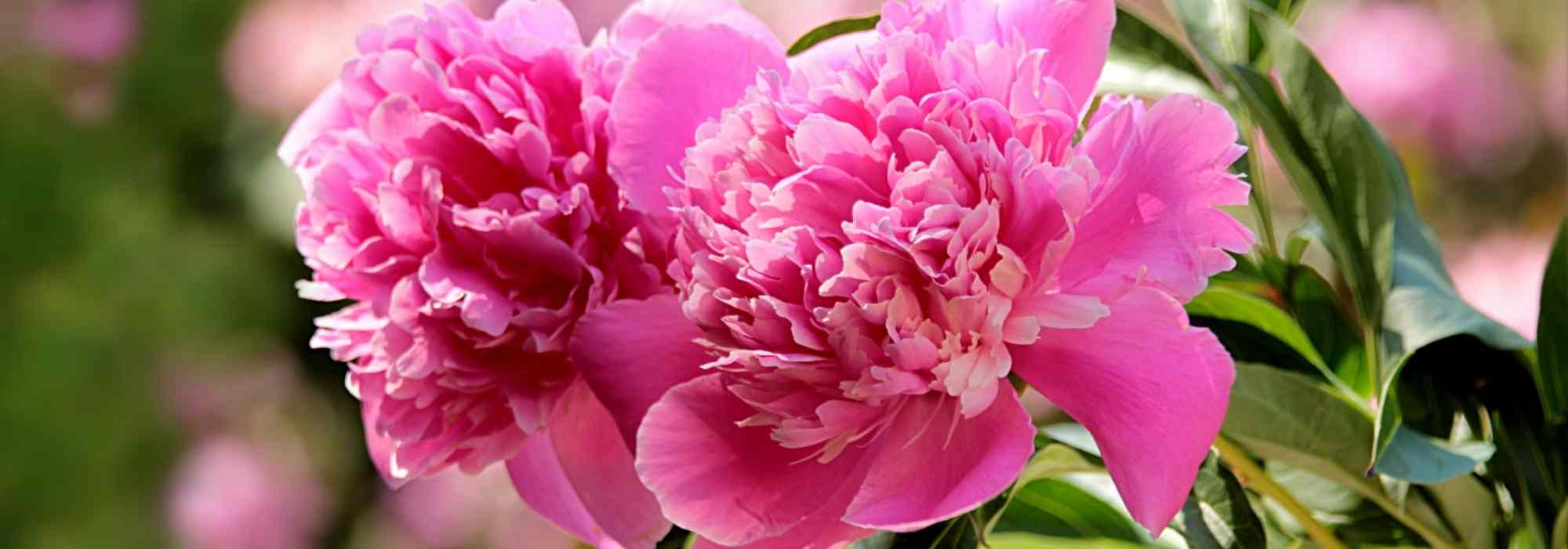
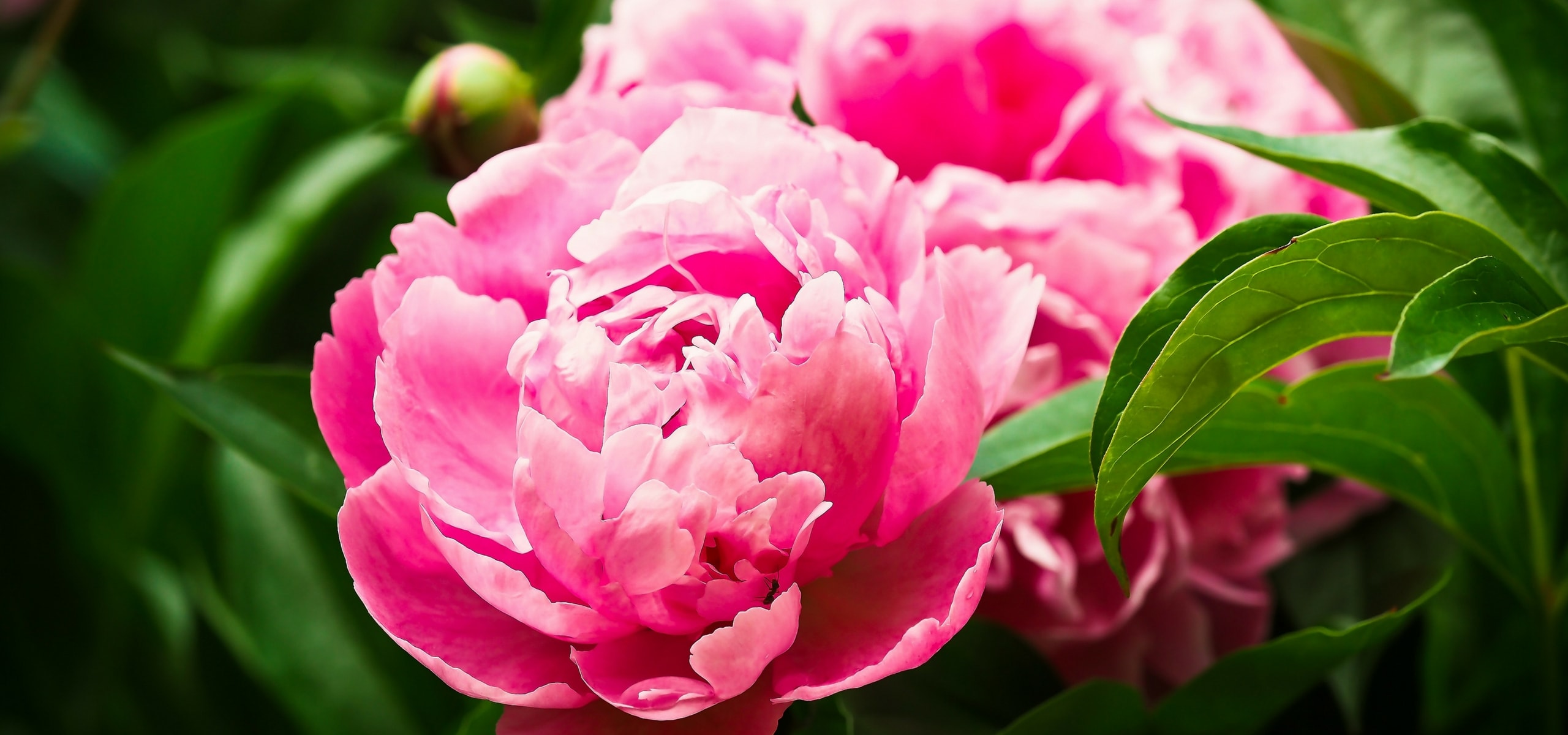
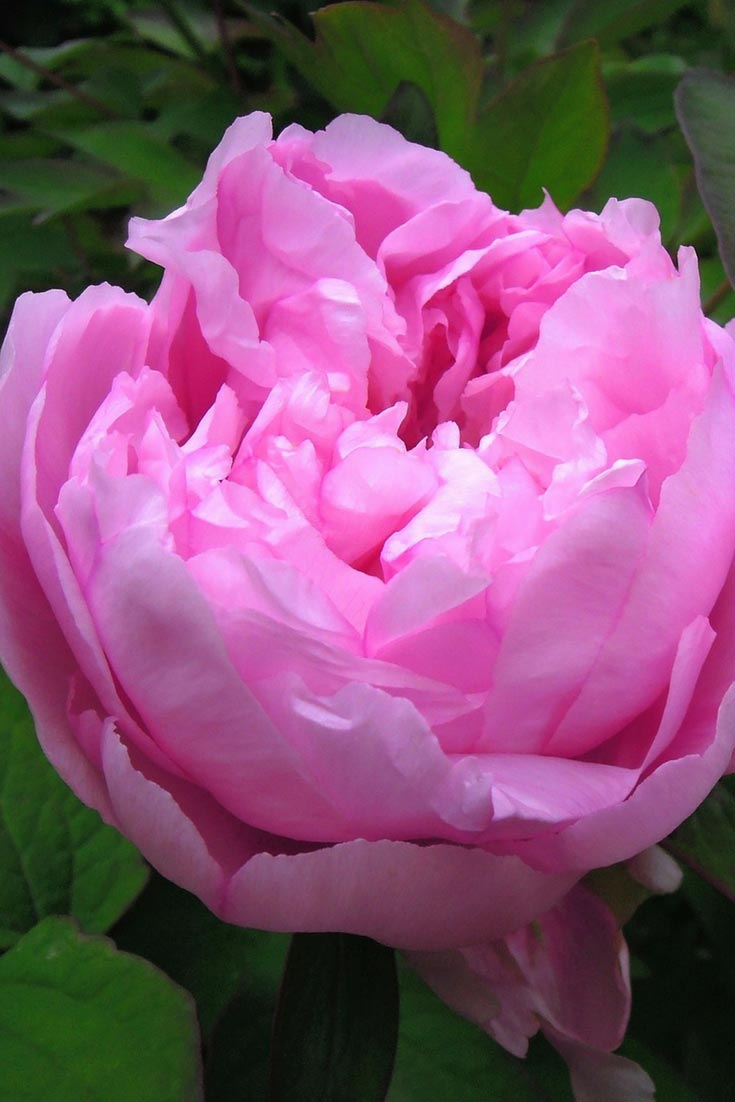
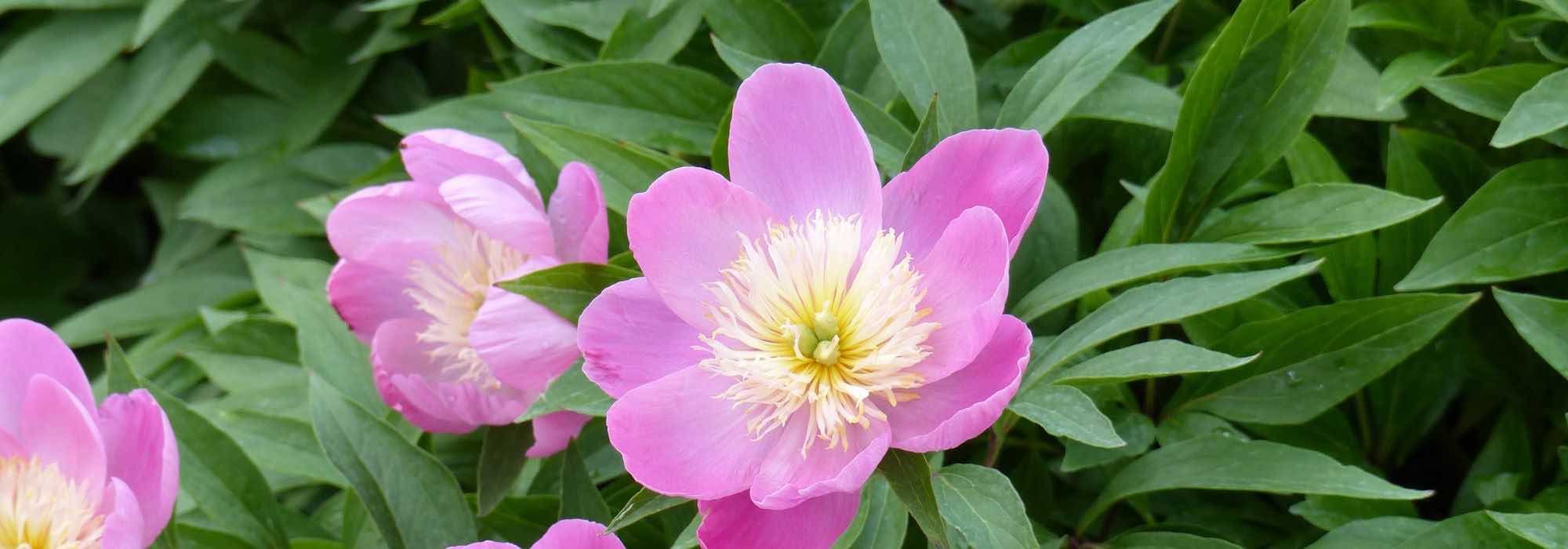
Paeonia lactiflora Mother's Choice is an excellent variety of herbaceous peony combining vigour, floriferousness, delicacy of colour, and fragrance. Its fully double and well-formed flowers, beautiful as roses, are cream-white with a slight pinkish hue, sometimes crossed or edged with magenta flashes. Carried on strong stems, they are perfect in a vase, and the plant often does not require staking in the garden. Like all its sisters, this Chinese peony is a bit slow to establish. Once established, however, it is a sturdy plant capable of thriving in neglected gardens. A fifty-year-old plant is in the prime of its life!
Herbaceous peonies, known as Chinese peonies, are mainly derived from Paeonia lactiflora, a perennial plant native to central and eastern Asia (from eastern Tibet, northern China, to eastern Siberia), where it naturally grows in woods and meadows. This plant belongs to the Ranunculaceae or Paeoniaceae family.
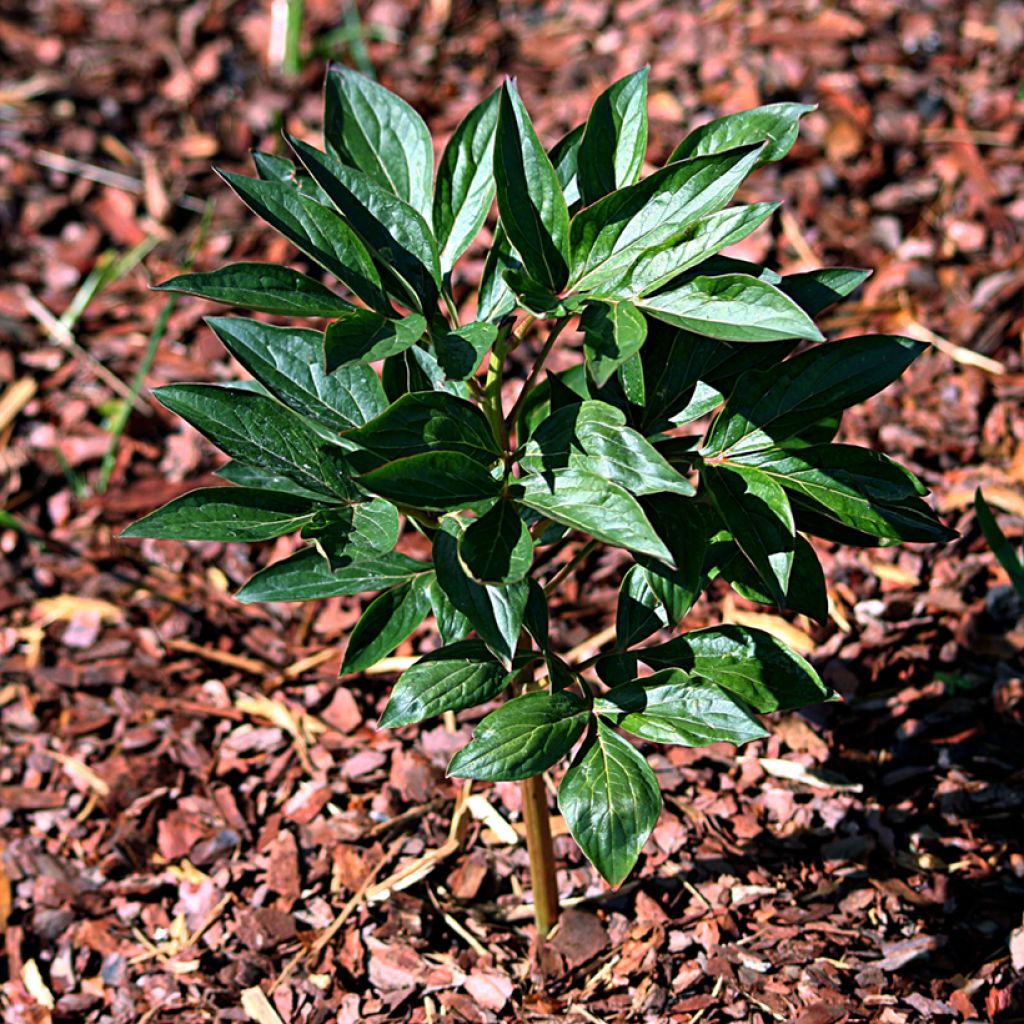
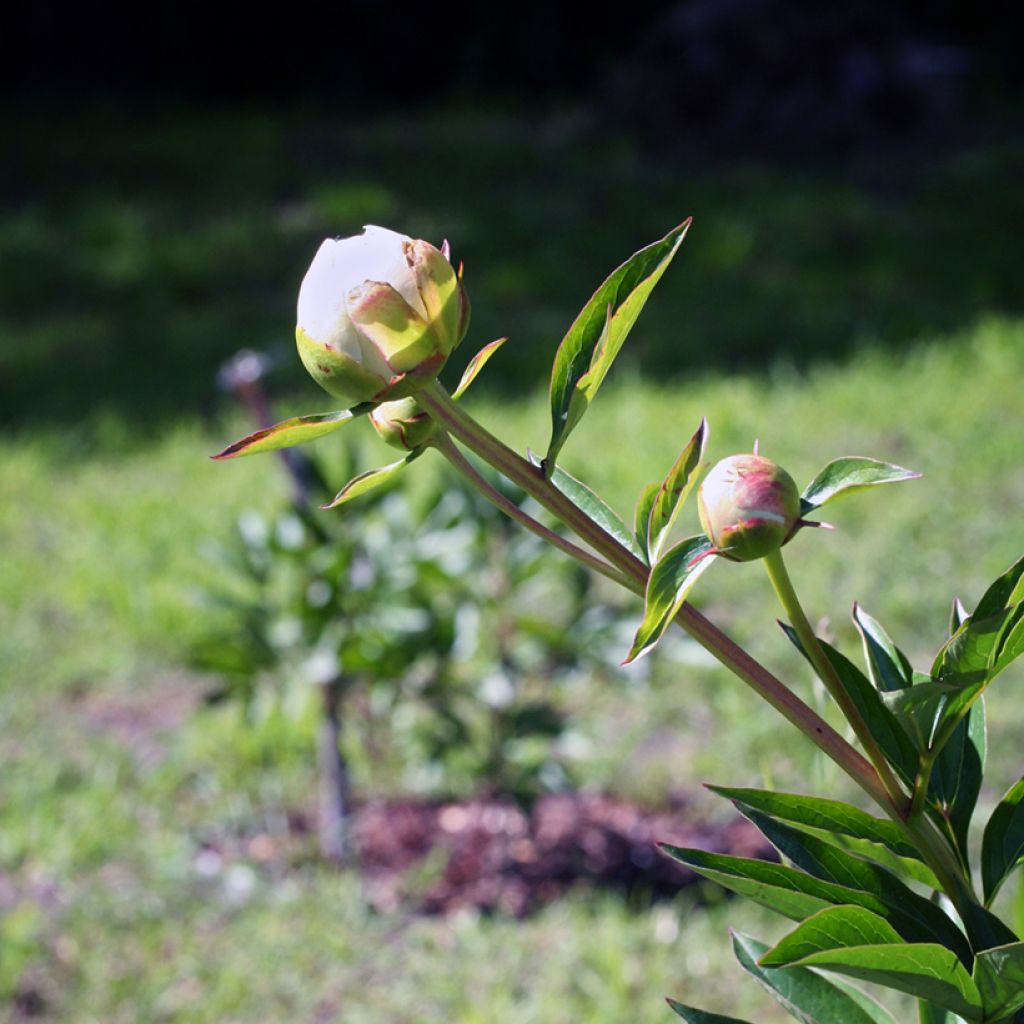
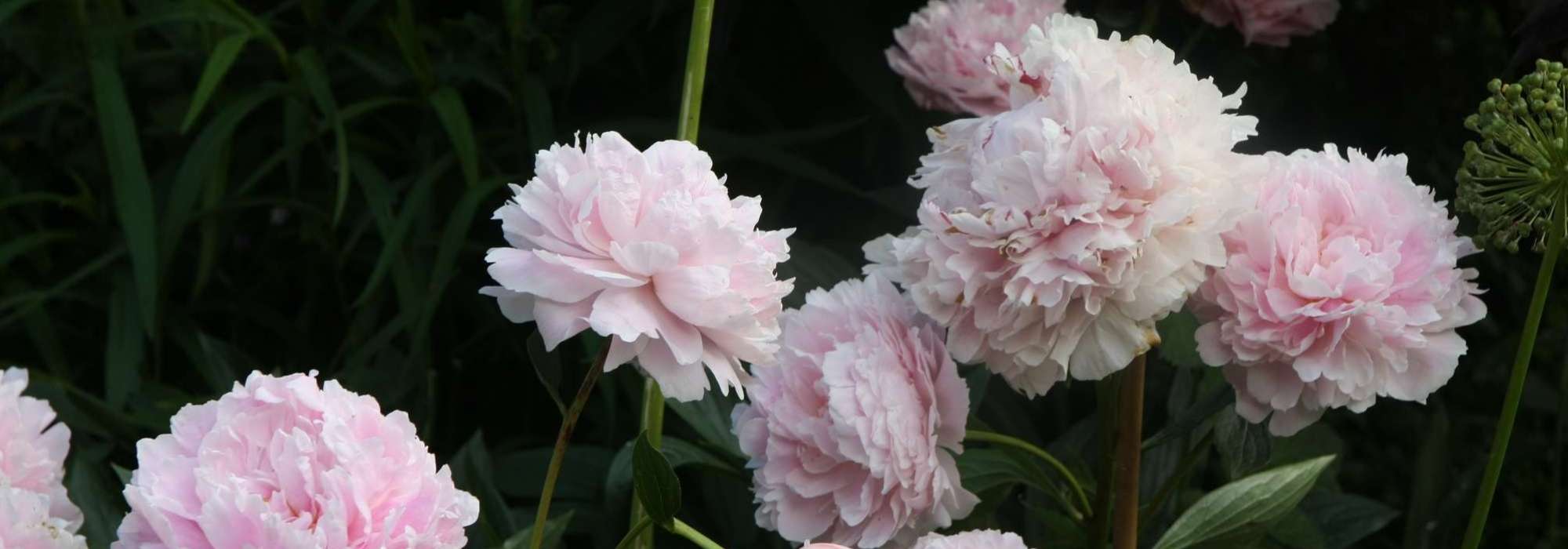
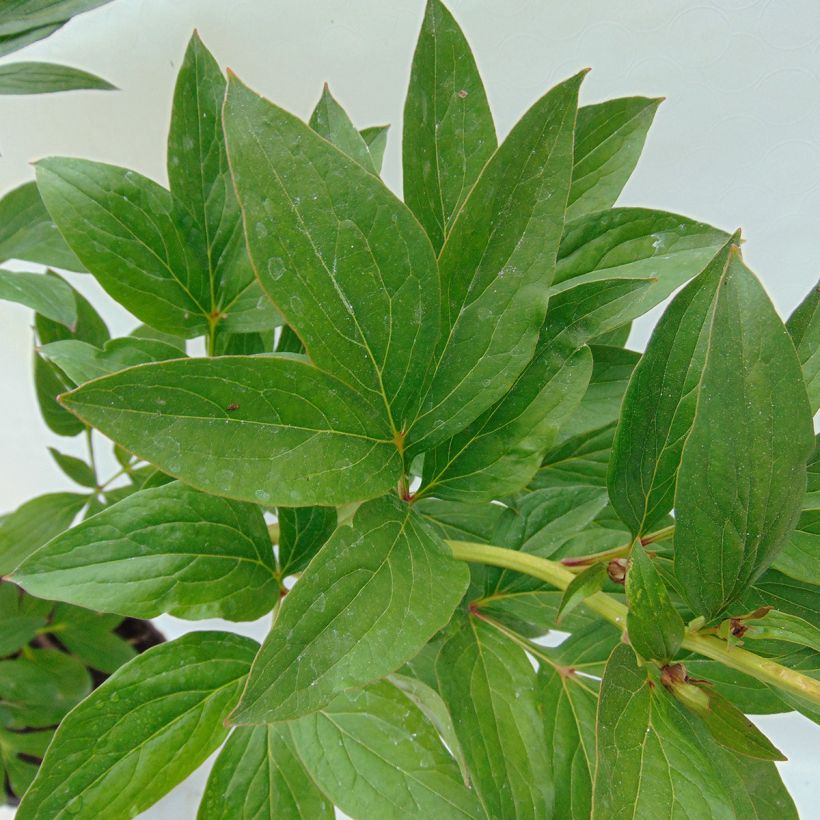
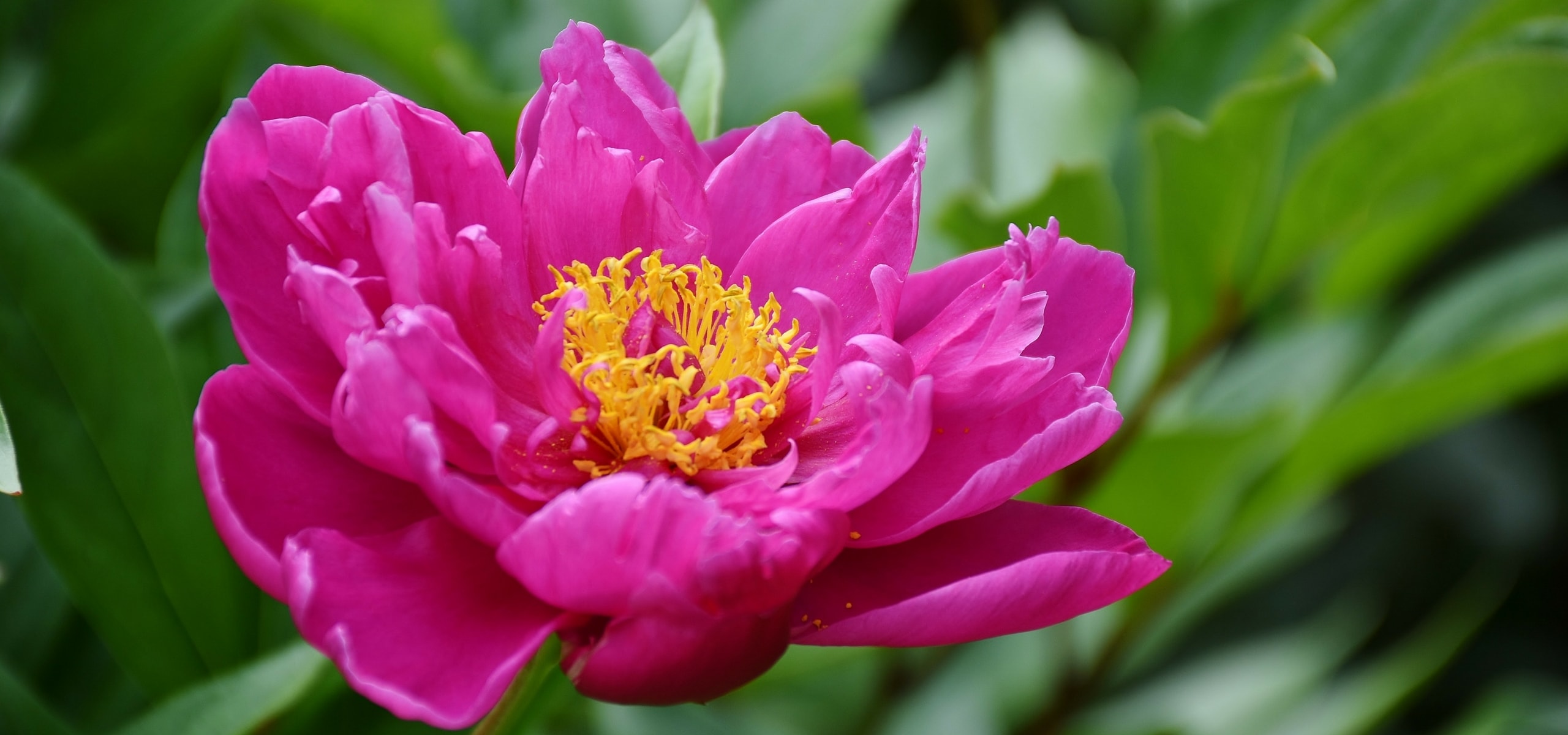
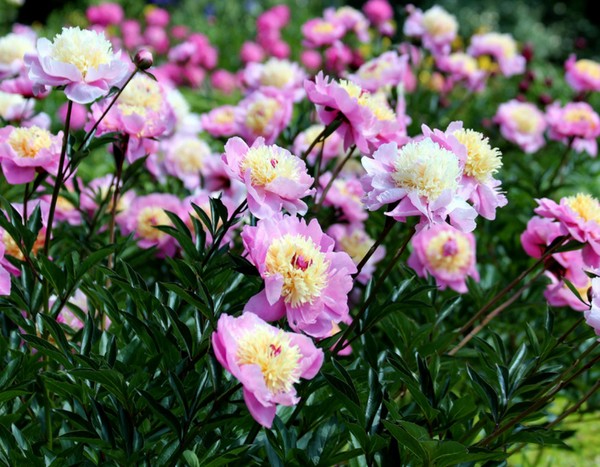
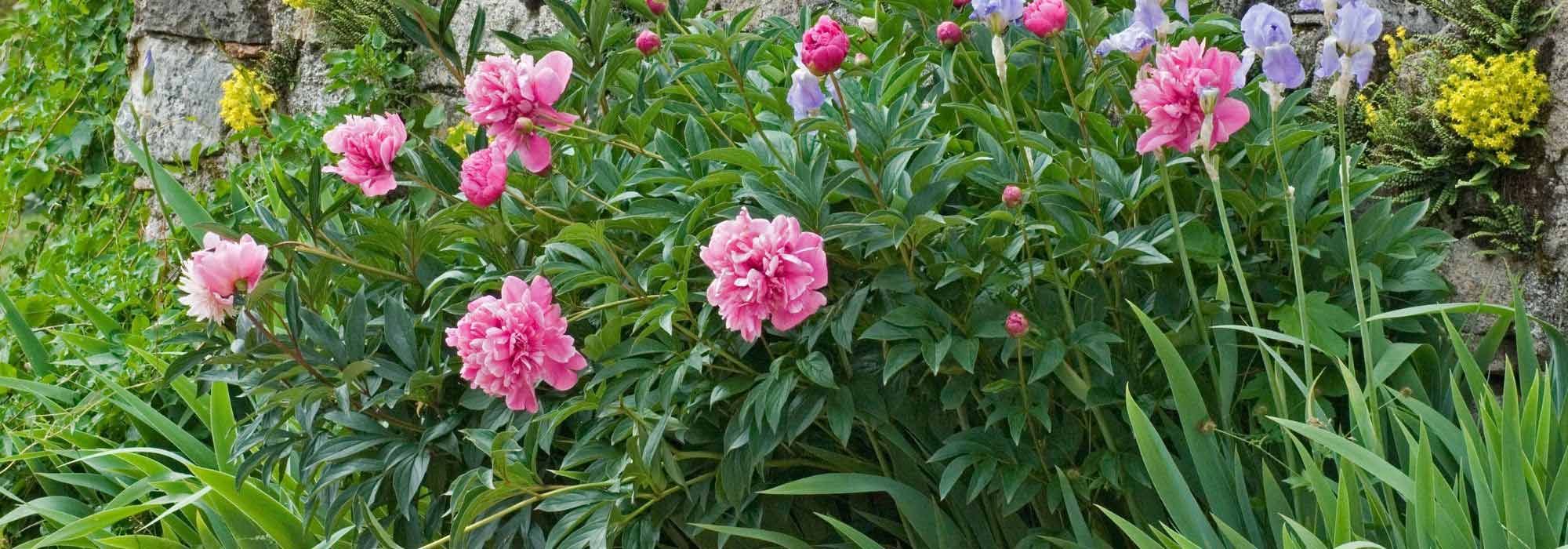
The variety 'Mother's Choice' is a wonderful American cultivar obtained in 1950 and awarded a Gold Medal by the American Peony Society in 1993. The plant forms a bushy clump with strong, upright stems from spring onwards, reaching 80 cm (32in) in all directions. Its large 10 cm (4in) diameter flowers appear from the second half of May, depending on the climate, for about two weeks. They emerge as large pale pink buds and then open up into globular and perfect flowers, with petals arranged concentrically and regularly, like cabbage roses. The fragrance of this variety is pleasant. Some flowers bloom on secondary branches, which are slightly smaller. The young foliage, purple and shiny, unfolds into large, deeply cut and firm bright green leaves. They are carried on a petiole that divides into 3, with lanceolate or ovate-lanceolate segments. The leaflets are entire or sometimes lobed. They disappear in winter, while the buds that will develop in spring persist at ground level. This long-lived perennial plant grows from a large fleshy root that does not appreciate being moved.
Peonies are among those plants that form the backbone of a garden. Once upon a time every garden, from the humblest to the most elaborate, proudly displayed clumps covered in peony flowers that made their way into the house, keeping company in bouquets with mauve lilacs and blue bellflowers. Fragrant and candid, the Chinese peony Mother's Choice settles in a flowerbed or alongside a pathway, associated with timeless perennials such as columbines, bellflowers, perennial larkspurs, carnations, or Christmas roses. It will also increase the supply of flowers for bouquets in the vegetable garden. Pot cultivation is not recommended, as its needs will not be met. Over time, the peony becomes majestic and blooms more and more abundantly, producing up to 60 flowers. A bouquet composed of peonies, bellflowers, lilacs, and old roses like Buff Beauty will have a great impact in the house.
Our bouquet tip: Cut your peonies at daybreak when the buds are just starting to colour.
Paeonia lactiflora Mother's Choice in pictures
Flowering
Foliage
Plant habit
Botanical data
Paeonia
x lactiflora
Mother's Choice
Ranunculaceae
Pivoine de Chine, Pivoine herbacée
Cultivar or hybrid
Planting and care
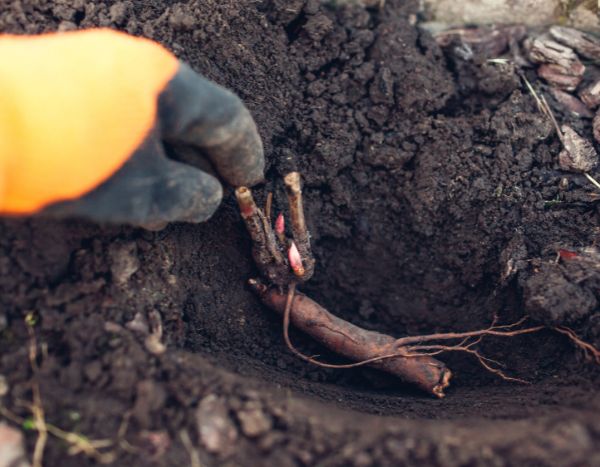
Place the Mother's Choice Peony primarily in the sun. In southern regions you should provide partial shade, protecting it during the hottest hours of the day. Plant from September to May, except during freezing periods, in fertile and deep, humus-bearing soil that is moist but well-drained, to prevent the roots from rotting. Easy to grow, peonies require little maintenance. During planting, dig a large hole measuring 40 to 50 cm (16 to 20in) on each side and add potting soil, river sand, and peat. Place the collar at ground level. Do not overcrowd the plants to ensure proper air circulation. Keep the soil moist throughout the growing season with regular watering. Peonies are known to be homebodies, so you shouldn't move them after planting. (If you do they have to be divided, otherwise they won't flower for several years). From February to April or October to November, cut the foliage to ground level, taking care with the young shoots. Provide a stake to support the floral stems, and remove faded flowers during the season. Protect peonies from viruses, nematodes, and thrips larvae. Armillaria (honey fungus) can cause rapid plant death, and stem rot destroys shoots and flower buds.
Planting period
Intended location
Care
Planting & care advice
-
, onOrder confirmed
Reply from on Promesse de fleurs
Recently viewed products
Haven't found what you were looking for?
Hardiness is the lowest winter temperature a plant can endure without suffering serious damage or even dying. However, hardiness is affected by location (a sheltered area, such as a patio), protection (winter cover) and soil type (hardiness is improved by well-drained soil).

The flowering period indicated on our website applies to countries and regions located in USDA zone 8 (France, the United Kingdom, Ireland, the Netherlands, etc.)
It will vary according to where you live:- In zones 9 to 10 (Italy, Spain, Greece, etc.), flowering will occur about 2 to 4 weeks earlier.
- In zones 6 to 7 (Germany, Poland, Slovenia, and lower mountainous regions), flowering will be delayed by 2 to 3 weeks.
- In zone 5 (Central Europe, Scandinavia), blooming will be delayed by 3 to 5 weeks.
In temperate climates, pruning of spring-flowering shrubs (forsythia, spireas, etc.) should be done just after flowering.
Pruning of summer-flowering shrubs (Indian Lilac, Perovskia, etc.) can be done in winter or spring.
In cold regions as well as with frost-sensitive plants, avoid pruning too early when severe frosts may still occur.
The planting period indicated on our website applies to countries and regions located in USDA zone 8 (France, United Kingdom, Ireland, Netherlands).
It will vary according to where you live:
- In Mediterranean zones (Marseille, Madrid, Milan, etc.), autumn and winter are the best planting periods.
- In continental zones (Strasbourg, Munich, Vienna, etc.), delay planting by 2 to 3 weeks in spring and bring it forward by 2 to 4 weeks in autumn.
- In mountainous regions (the Alps, Pyrenees, Carpathians, etc.), it is best to plant in late spring (May-June) or late summer (August-September).
The harvesting period indicated on our website applies to countries and regions in USDA zone 8 (France, England, Ireland, the Netherlands).
In colder areas (Scandinavia, Poland, Austria...) fruit and vegetable harvests are likely to be delayed by 3-4 weeks.
In warmer areas (Italy, Spain, Greece, etc.), harvesting will probably take place earlier, depending on weather conditions.
The sowing periods indicated on our website apply to countries and regions within USDA Zone 8 (France, UK, Ireland, Netherlands).
In colder areas (Scandinavia, Poland, Austria...), delay any outdoor sowing by 3-4 weeks, or sow under glass.
In warmer climes (Italy, Spain, Greece, etc.), bring outdoor sowing forward by a few weeks.
Shipping country and language
Your country of residence may be:
Your country of residence is:
For a better user experience on our website, you can select:
Your shipping country:
-
 Austria
-
 Belgium
-
 Bosnia & Herzegovina
-
 Bulgaria
-
 Croatia
-
 Cyprus
-
 Czechia
-
 Denmark
-
 Estonia
-
 Finland
-
 France
-
 Germany
-
 Greece
-
 Hungary
-
 Iceland
-
 Ireland
-
 Italy
Italy
-
 Latvia
-
 Liechtenstein
-
 Lithuania
-
 Luxembourg
-
 Malta
Malta
-
 Netherlands
-
 Poland
-
 Portugal
-
 Romania
-
 Serbia
-
 Slovakia
-
 Slovenia
-
 Spain
Spain
-
 Sweden
-
 Switzerland
Language:
-
French
-
 English
-
Spanish
-
Italian
-
German
-
Portuguese
-
Dutch
-
Finnish
My Account
Hello
My wish lists
My cart
Log in / Register
Existing customer?
This form is protected by reCAPTCHA - the Google Privacy Policy and Terms of Service apply.
New customer?
Create an account to track your orders, access our customer service and, if you wish, make the most of our upcoming offers.