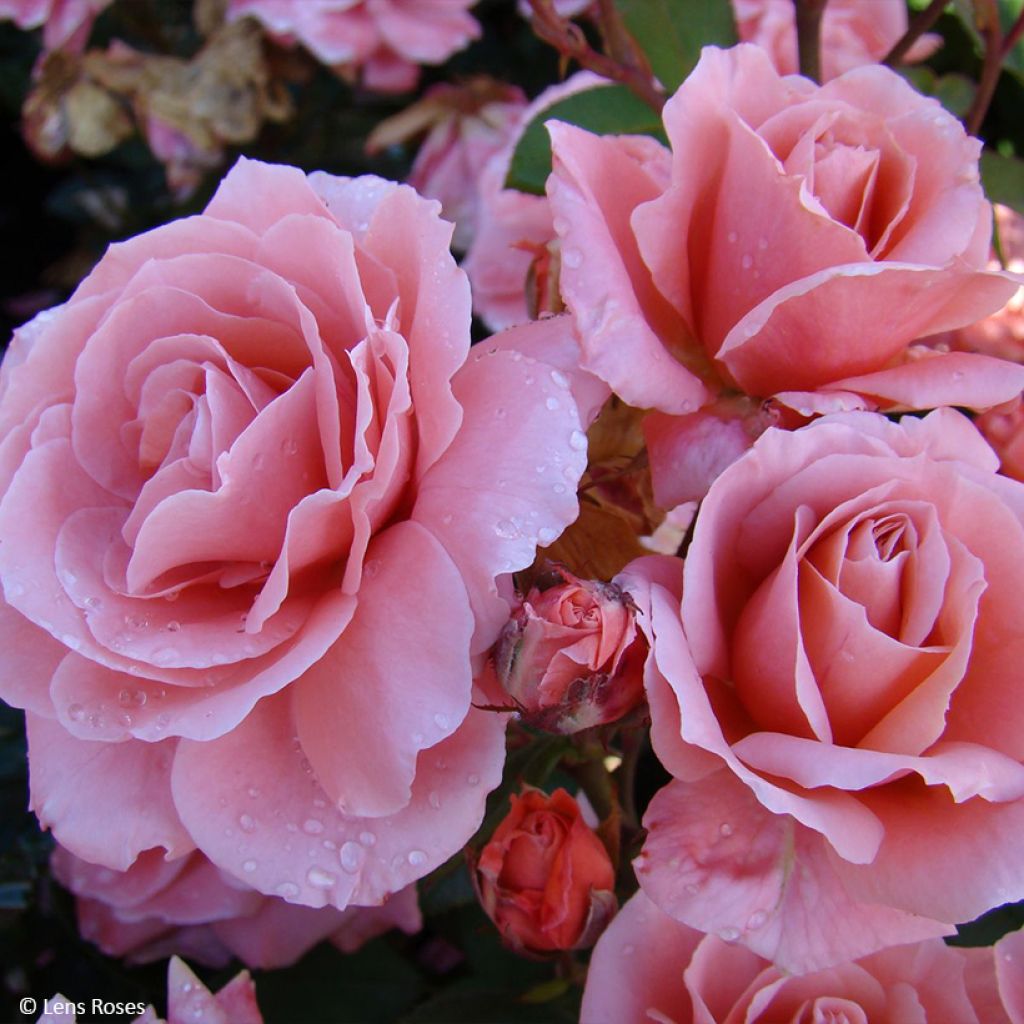
Rosa x floribunda 'Favorite' - Floribunda Rose
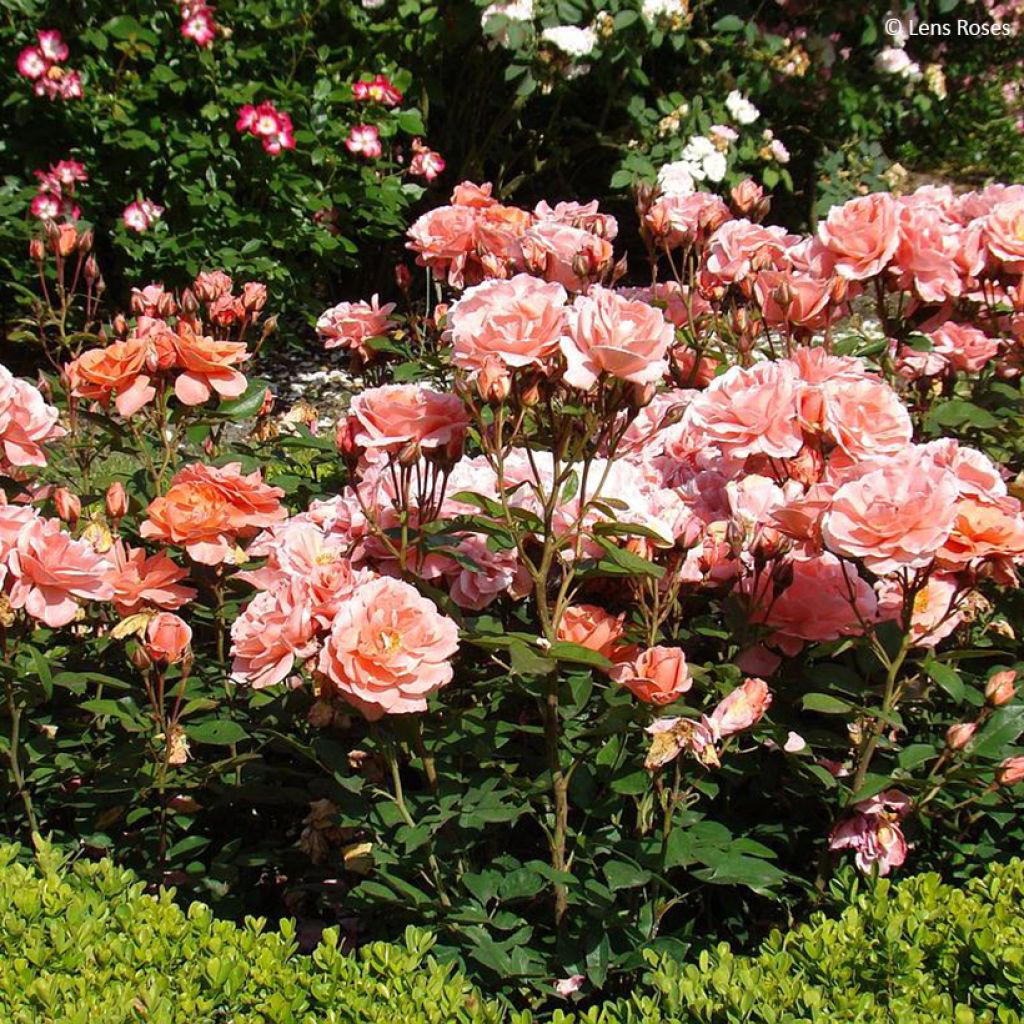
Rosa x floribunda 'Favorite' - Floribunda Rose
Rosa x floribunda 'Favorite' - Floribunda Rose
Rosa x floribunda Favorite
Thanks to the people (for preparing the order and dispatching it), the two rose bushes I received seem healthy to me. Now that they are planted out near the climbing rose 'Fée des Neiges', I am patiently waiting for them to establish... (or not?).
Thierry, 10/05/2024
Back-to-school special offer!
Get €10 off for every €50 you spend! And get up to €40 off on a single order.
How does it work?
1. Shop your favourites
Add your favourite plants to your basket. For every €50 you spend (excluding delivery charges, store credit and the plastic-free option), you’ll receive a €10 voucher.
€50 spent = €10 voucher
€100 spent = €20 voucher
€150 spent = €30 voucher
€200 spent = €40 voucher
2. Place your order
Once your basket reaches one of the spending thresholds, place your order. You can even choose your delivery date!
3. Receive your voucher
As soon as your order has been shipped, you’ll receive an email containing your personal voucher code and its value.
4. Use it on your next order
Your voucher is valid for 90 days from the date you receive it. It can be used once only, on a new order worth at least the value of the voucher, excluding delivery charges.
Please note: Vouchers can be combined with other offers, but cannot be split or refunded.
Home or relay delivery (depending on size and destination)
Important: You may be charged customs duties by your country’s customs authorities upon delivery.
Schedule delivery date,
and select date in basket
This plant carries a 24 months recovery warranty
More information
We guarantee the quality of our plants for a full growing cycle, and will replace at our expense any plant that fails to recover under normal climatic and planting conditions.
Description
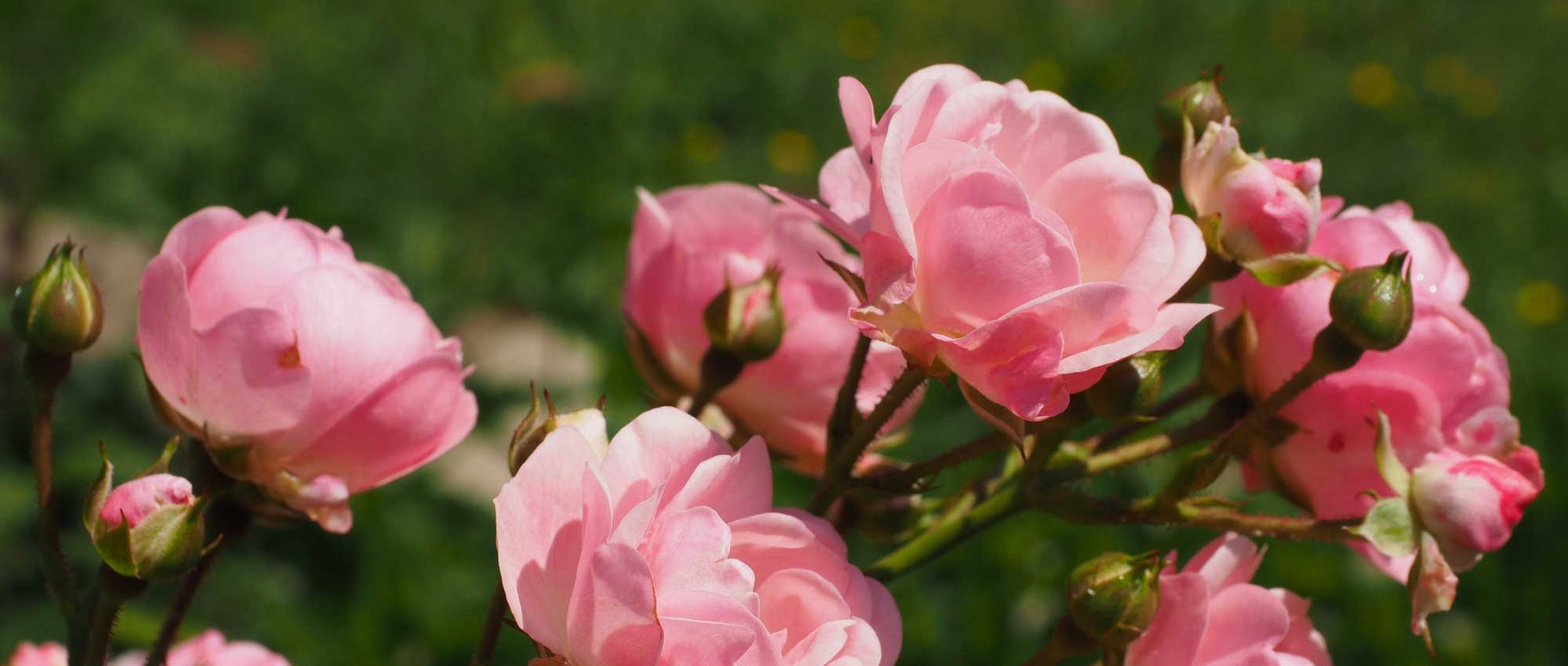
The 'Favorite' Rose is beautiful and floriferous with clustered flowers. Very compact, not exceeding 50 cm (20in) in height, its upright stems carry beautiful double flowers in bouquets. Well, double, adopting the typical shape of tea hybrids, the roses have a beautiful salmon pink colour and are slightly fragrant. They are perfectly highlighted by the green foliage, which remains healthy throughout the season, as this rose is resistant to diseases. Ideal for borders and as a foreground in mixed borders, Favorite can also be easily grown in pots to decorate a balcony or terrace.
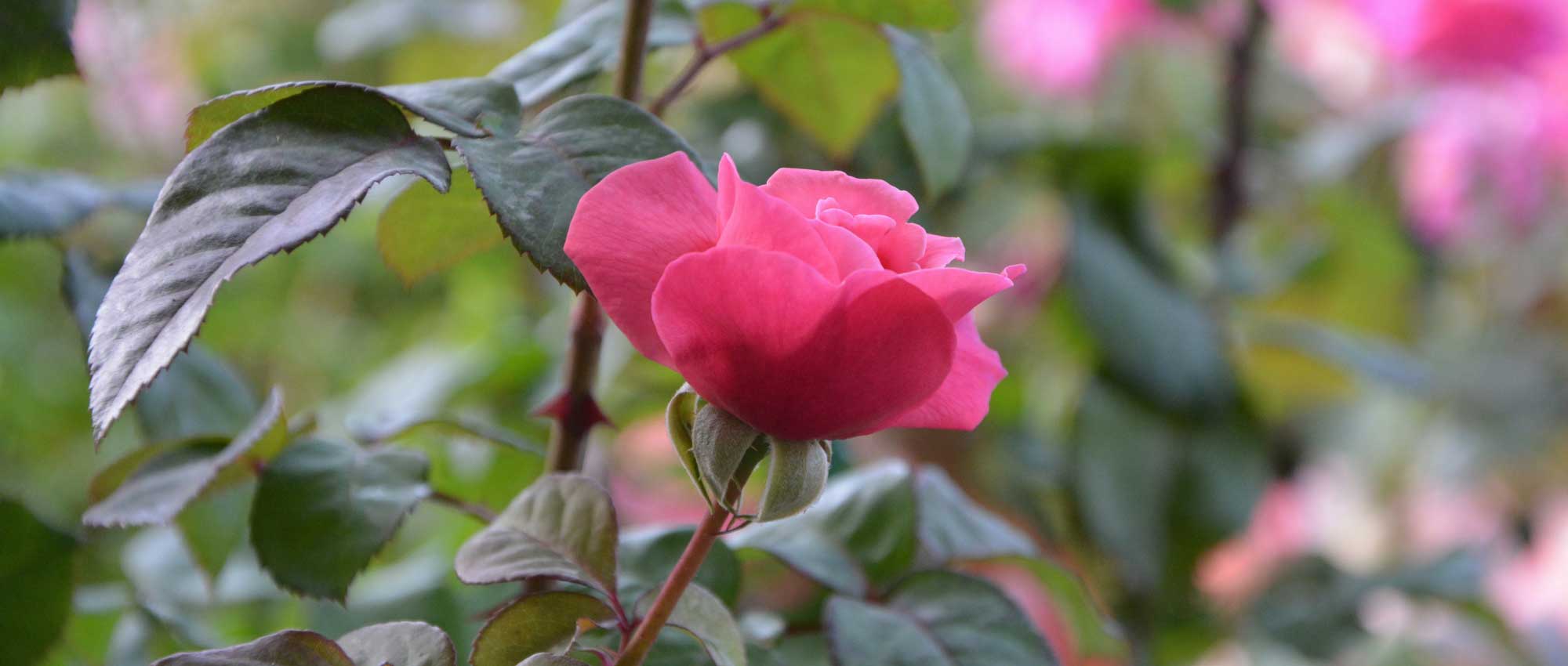
The 'Favorite' Rose is a beautiful Belgian company Louis Lens creation. It was introduced to the market in 1980 and awarded a silver medal in 1982 at the Courtrai competition in Belgium. As a major member of the Rosaceae family, the genus Rosa is rich in numerous botanical species and many horticultural hybrids classified into large categories. Favorite is thus classified in the group of floribunda roses, with flowers clustered in large corymbs at the end of young shoots. This fast-growing variety forms a low bush, about 40 to 50 cm (16 to 20in) in height and approximately 40 cm (16in) in width. Its well-upright stems give it an erect habit, with cut, medium green, semi-glossy foliage highly resistant to the usual diseases of roses. This allows it to create a beautiful setting to showcase its flowering. The flowering period begins in June and continues until October if the faded flowers are regularly pruned to encourage the emergence of new ones. The double roses, which have the characteristic shape of hybrid tea roses, eventually fully open to reveal the stamens clustered in their centre. They commonly measure 7 cm (3in) in diameter and are grouped in bouquets above the foliage, attracting attention with their bright colour, a delightful salmon pink. Slightly fragrant, they create a very ornamental mass effect when planted in groups.
Its compactness allows this rose to be used in multiple situations. Planted in pots, it will brighten a balcony or terrace with abundant flowering throughout the summer. It will also make a superb border if integrated into a mixed border. Plant perennials like Iris alongside it, with a few clumps of varieties with varying earliness, to extend the flowering season into spring. Their graphic flowers and blue-green sword-shaped leaves combine exceptionally well with roses. Behind Favorite, a tall Delphinium such as Delphinium Pacific Blue Bird will create a sumptuous contrast of colours with its endless spikes of blue flowers. To add a touch of white, plant a clump of Liatris spicata Floristan White behind Favorite, which will stretch its long feathery spikes above the vegetation of your rose. Also, consider shrubs and think about colourful foliage, such as Physocarpus opulifolius Black Light with its beautiful dark purple cut leaves or Cotinus coggygria Golden Lady with its rounded leaves that change from orange-yellow to gold before turning orange in autumn... This floribunda rose also allows you to create beautiful low hedges, planted mixed along a path or to highlight a small sunken path.
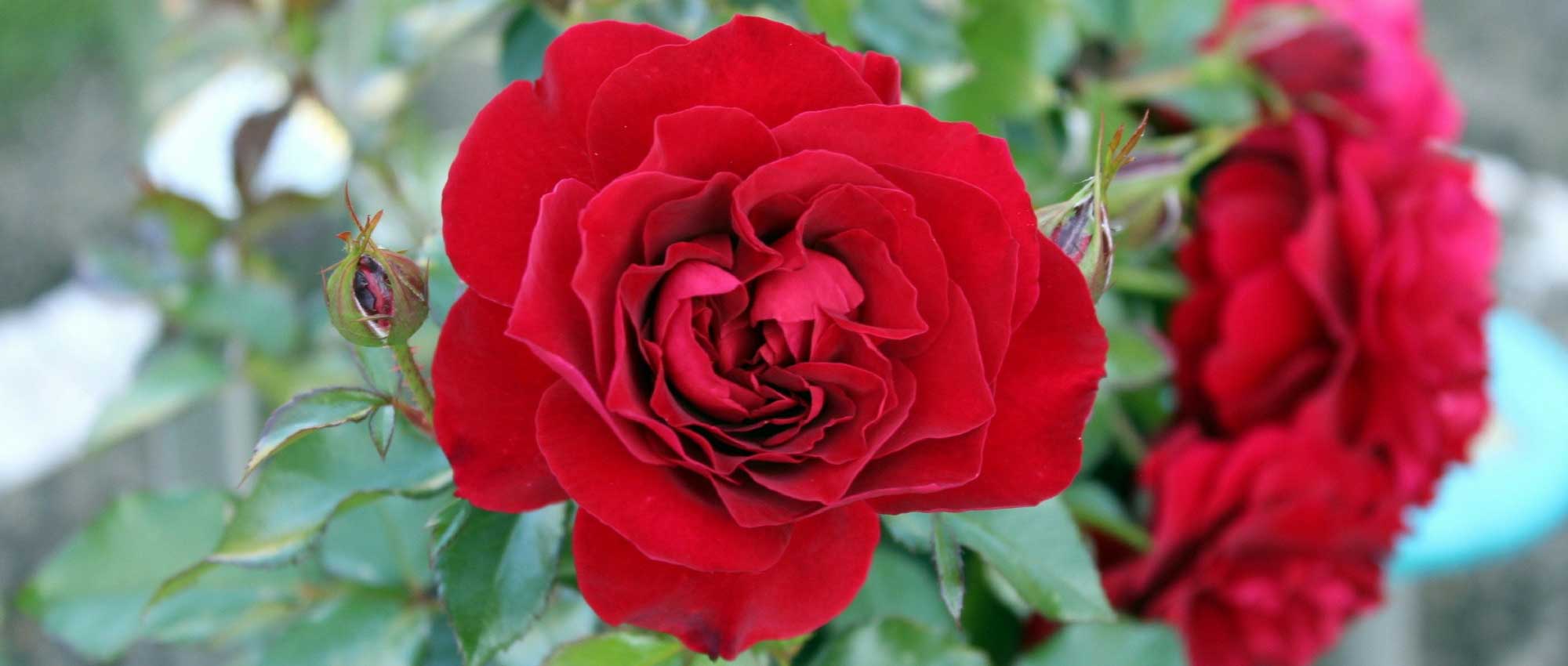
Rosa x floribunda 'Favorite' - Floribunda Rose in pictures
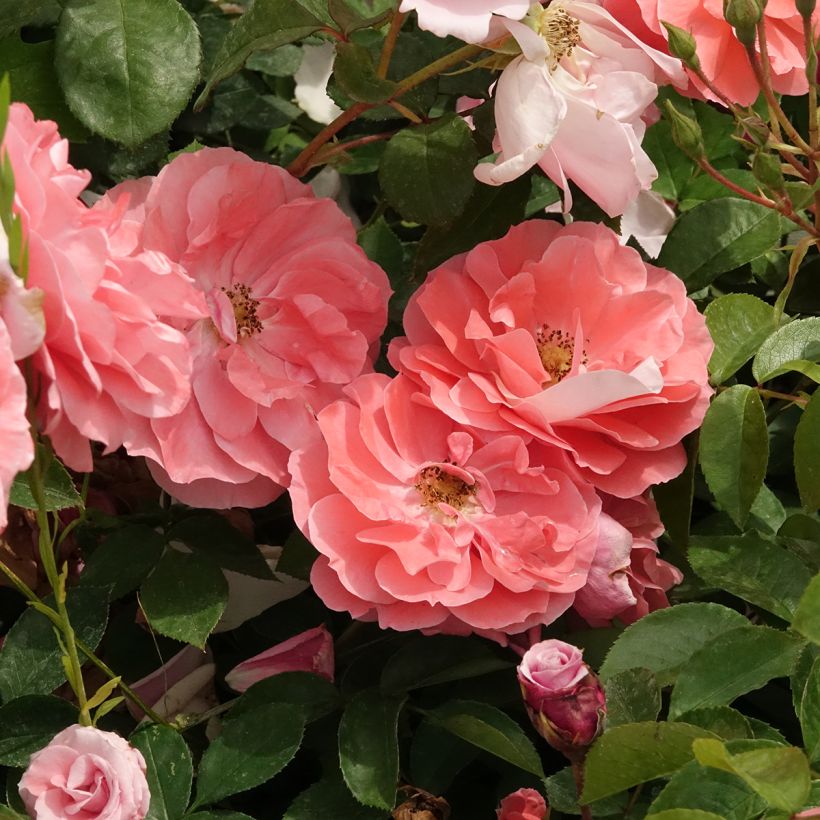
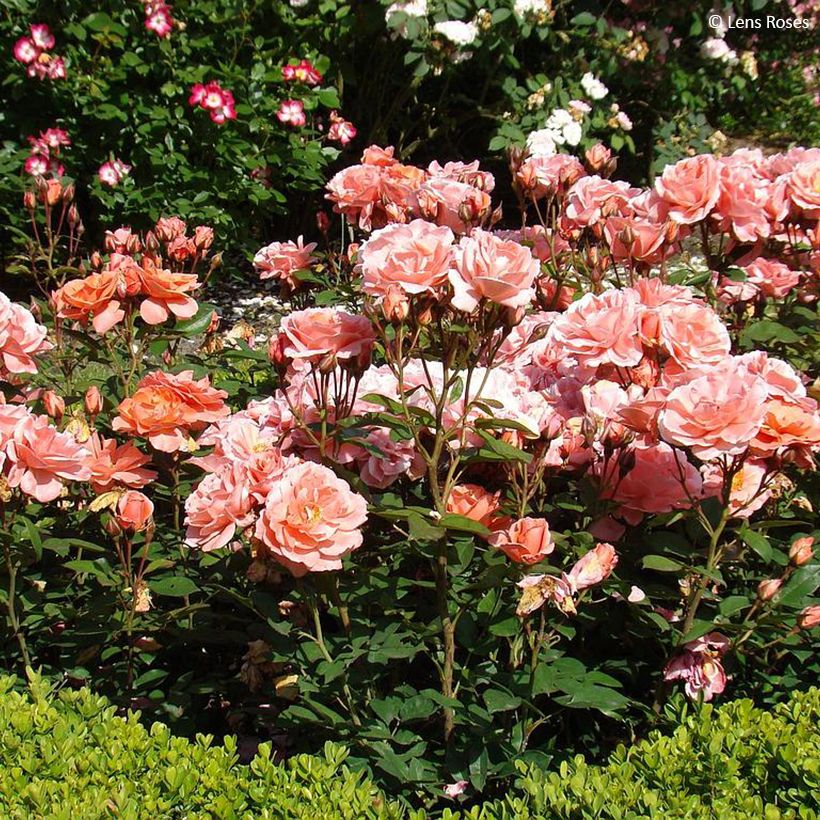
Plant habit
Flowering
Foliage
Botanical data
Rosa
x floribunda
Favorite
Rosaceae
Cultivar or hybrid
Planting and care
Plant the 'Favorite' Rose in ordinary, well-tilled, well-fertilised, and well-drained soil from November to March. Roses prefer clayey soils that are relatively heavy than light. In soils that are too sandy, compact, or dry in summer, it is preferable to add compost or well-rotted manure to the substrate during planting.
Soak the root ball in a bucket of water for fifteen minutes before planting, then place the rose in the planting hole, backfill around it, and water abundantly. Then, provide regular watering in the first year, gradually spacing them out afterwards to encourage the roots to grow deep into the soil.
Plant this rose in a sunny location or, at most, in partial shade in hot climates. Roses are hungry plants so that a specific fertiliser will be beneficial at the start of the growing season and regularly throughout the flowering period. Preferably, choose organic fertilisers that are richer in potassium (the K in the NPK formula) than in nitrogen (the N).
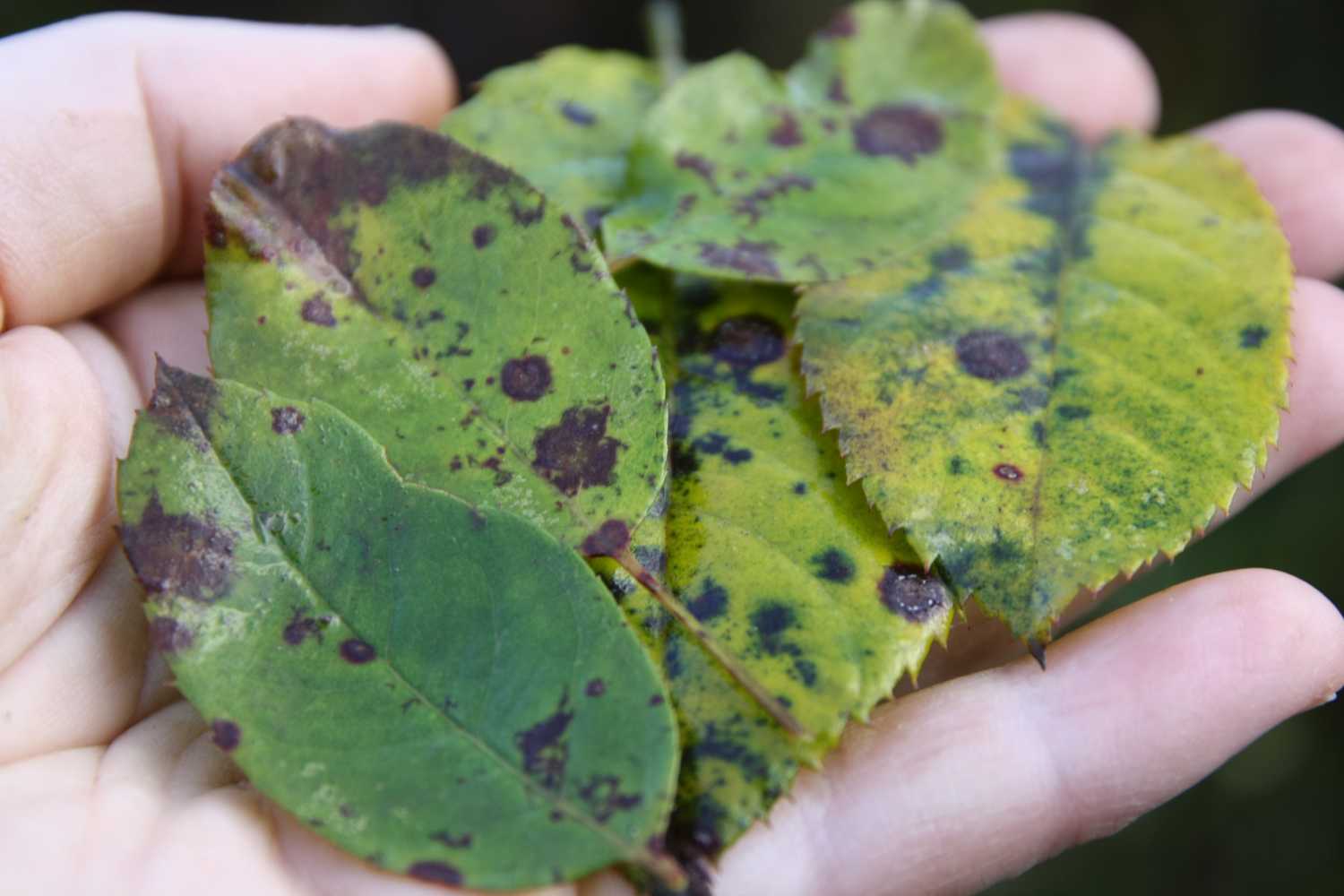
Roses may develop unsightly stains at the end of summer, but this is a natural occurrence that does not harm their growth.
Planting period
Intended location
Care
Planting & care advice
-
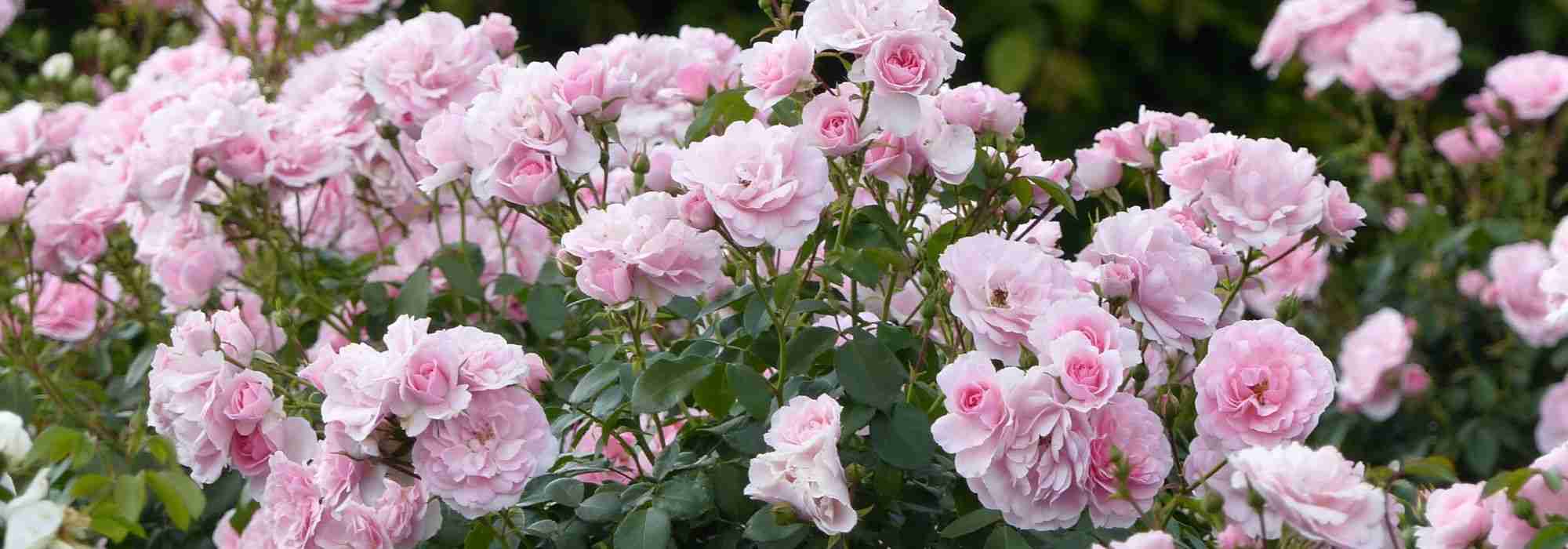
-
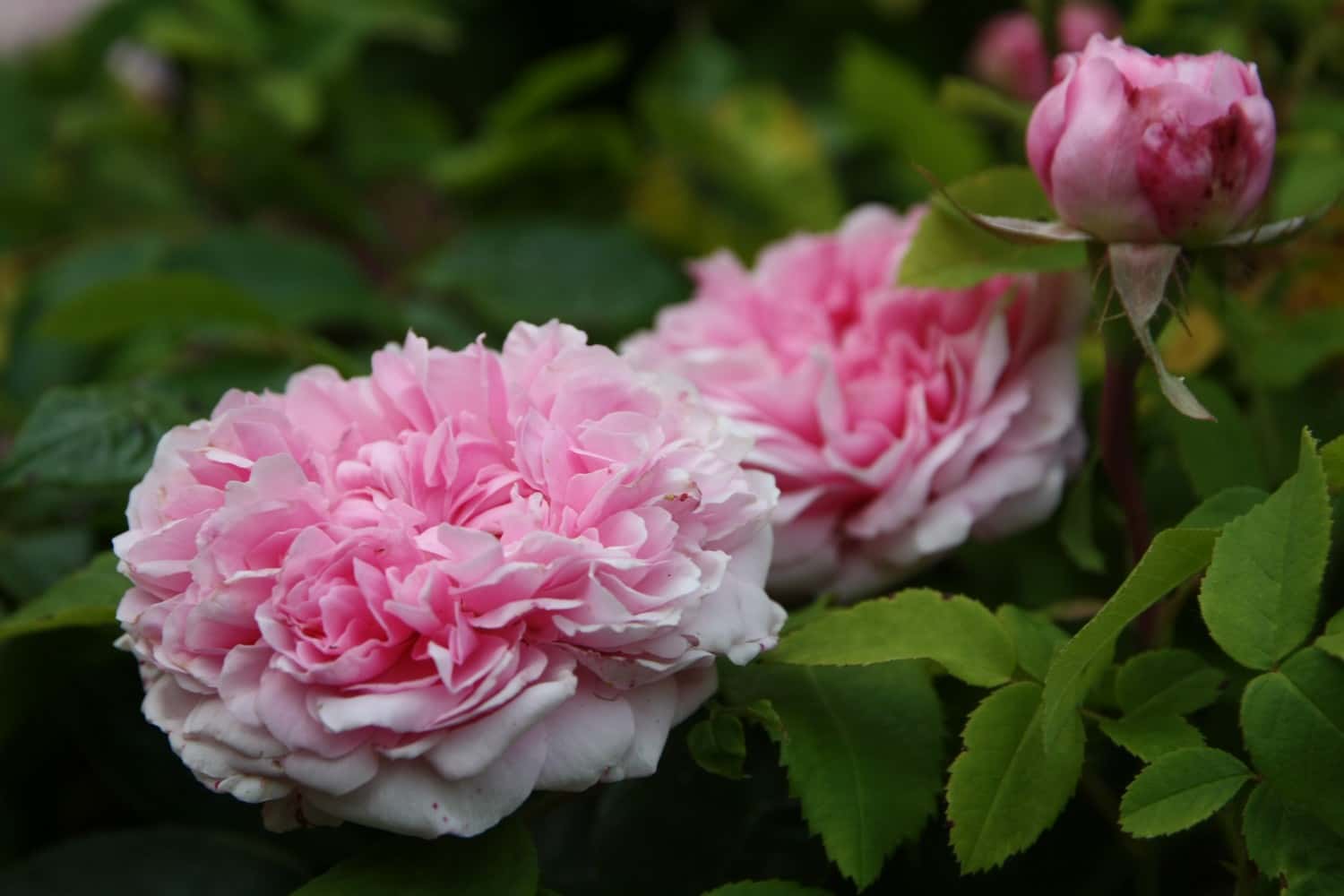
-

-
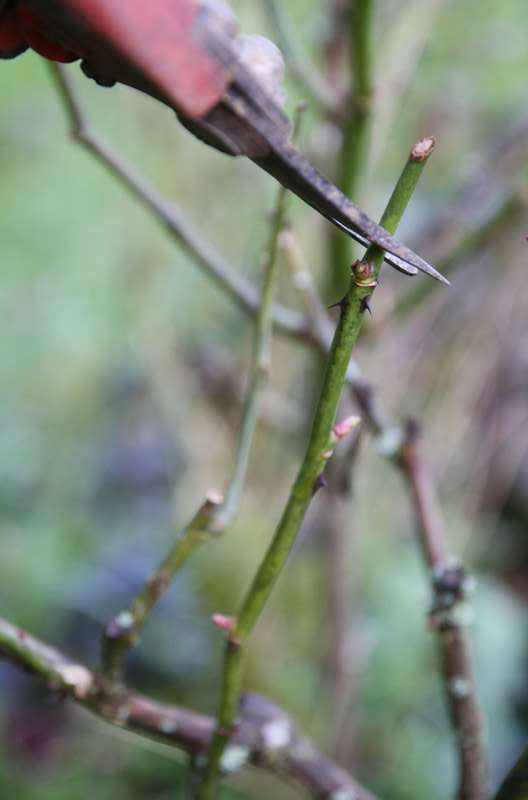
-
-
-
-
-
, onOrder confirmed
Reply from on Promesse de fleurs
Recently viewed products
Haven't found what you were looking for?
Hardiness is the lowest winter temperature a plant can endure without suffering serious damage or even dying. However, hardiness is affected by location (a sheltered area, such as a patio), protection (winter cover) and soil type (hardiness is improved by well-drained soil).

The flowering period indicated on our website applies to countries and regions located in USDA zone 8 (France, the United Kingdom, Ireland, the Netherlands, etc.)
It will vary according to where you live:- In zones 9 to 10 (Italy, Spain, Greece, etc.), flowering will occur about 2 to 4 weeks earlier.
- In zones 6 to 7 (Germany, Poland, Slovenia, and lower mountainous regions), flowering will be delayed by 2 to 3 weeks.
- In zone 5 (Central Europe, Scandinavia), blooming will be delayed by 3 to 5 weeks.
In temperate climates, pruning of spring-flowering shrubs (forsythia, spireas, etc.) should be done just after flowering.
Pruning of summer-flowering shrubs (Indian Lilac, Perovskia, etc.) can be done in winter or spring.
In cold regions as well as with frost-sensitive plants, avoid pruning too early when severe frosts may still occur.
The planting period indicated on our website applies to countries and regions located in USDA zone 8 (France, United Kingdom, Ireland, Netherlands).
It will vary according to where you live:
- In Mediterranean zones (Marseille, Madrid, Milan, etc.), autumn and winter are the best planting periods.
- In continental zones (Strasbourg, Munich, Vienna, etc.), delay planting by 2 to 3 weeks in spring and bring it forward by 2 to 4 weeks in autumn.
- In mountainous regions (the Alps, Pyrenees, Carpathians, etc.), it is best to plant in late spring (May-June) or late summer (August-September).
The harvesting period indicated on our website applies to countries and regions in USDA zone 8 (France, England, Ireland, the Netherlands).
In colder areas (Scandinavia, Poland, Austria...) fruit and vegetable harvests are likely to be delayed by 3-4 weeks.
In warmer areas (Italy, Spain, Greece, etc.), harvesting will probably take place earlier, depending on weather conditions.
The sowing periods indicated on our website apply to countries and regions within USDA Zone 8 (France, UK, Ireland, Netherlands).
In colder areas (Scandinavia, Poland, Austria...), delay any outdoor sowing by 3-4 weeks, or sow under glass.
In warmer climes (Italy, Spain, Greece, etc.), bring outdoor sowing forward by a few weeks.
Shipping country and language
Your country of residence may be:
Your country of residence is:
For a better user experience on our website, you can select:
Your shipping country:
-
 Austria
-
 Belgium
-
 Bosnia & Herzegovina
-
 Bulgaria
-
 Croatia
-
 Cyprus
-
 Czechia
-
 Denmark
-
 Estonia
-
 Finland
-
 France
-
 Germany
-
 Greece
-
 Hungary
-
 Iceland
-
 Ireland
-
 Italy
Italy
-
 Latvia
-
 Liechtenstein
-
 Lithuania
-
 Luxembourg
-
 Malta
Malta
-
 Netherlands
-
 Poland
-
 Portugal
-
 Romania
-
 Serbia
-
 Slovakia
-
 Slovenia
-
 Spain
Spain
-
 Sweden
-
 Switzerland
Language:
-
French
-
 English
-
Spanish
-
Italian
-
German
-
Portuguese
-
Dutch
-
Finnish
My Account
Hello
My wish lists
My cart
Log in / Register
Existing customer?
This form is protected by reCAPTCHA - the Google Privacy Policy and Terms of Service apply.
New customer?
Create an account to track your orders, access our customer service and, if you wish, make the most of our upcoming offers.