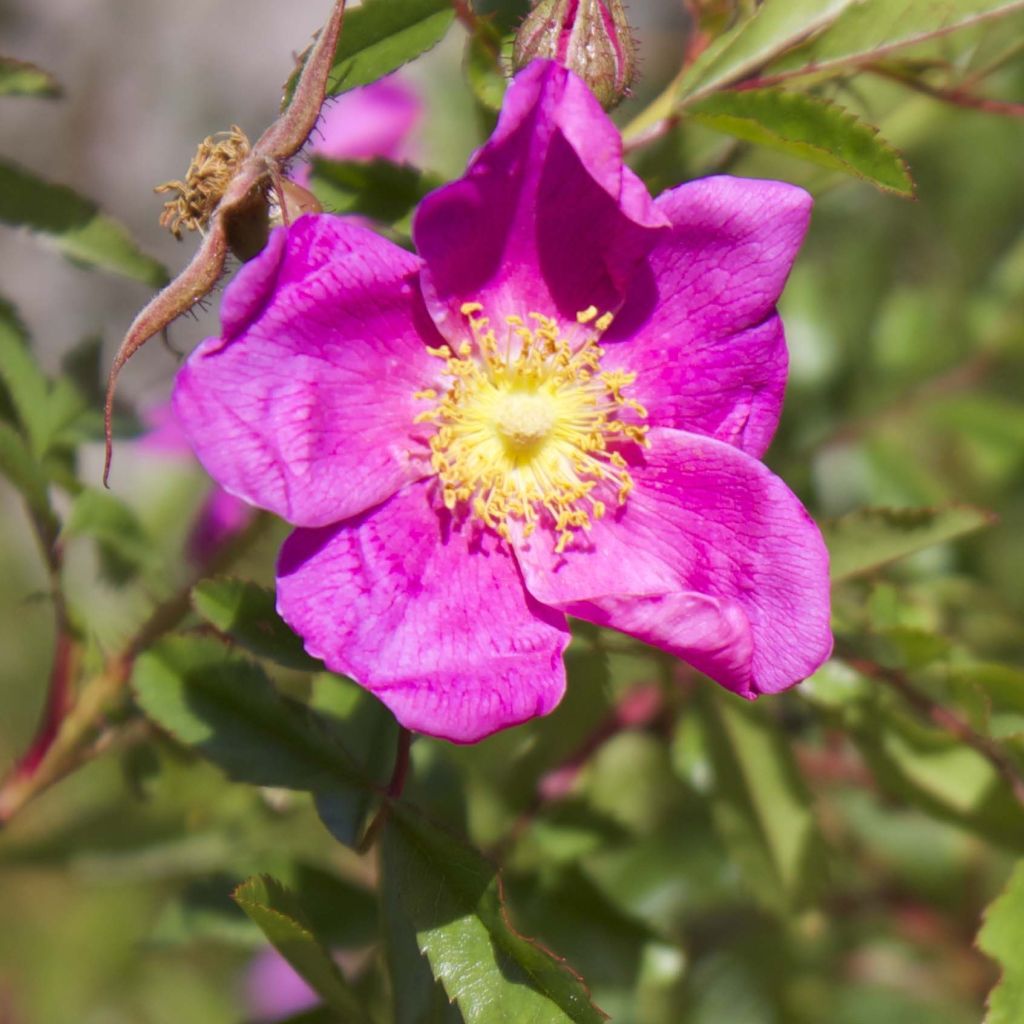
Rosa nitida
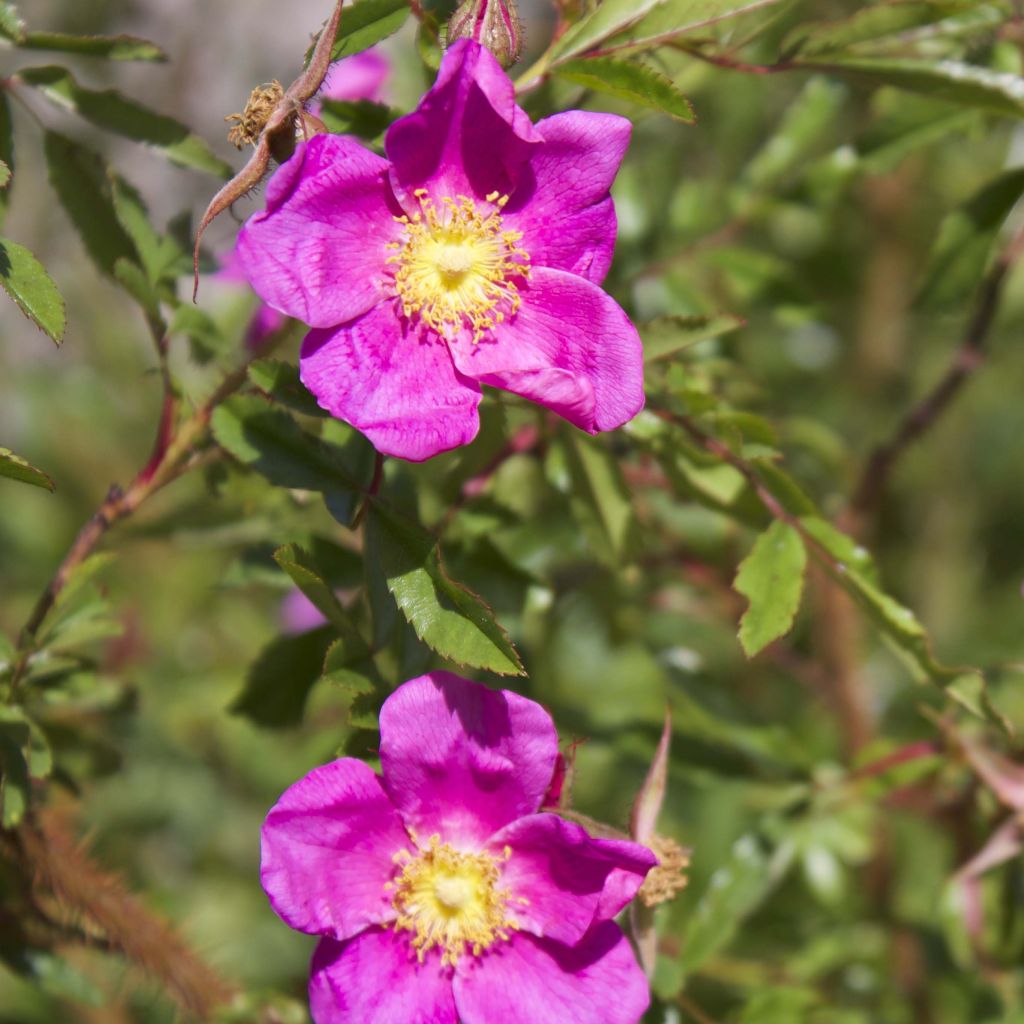
Rosa nitida
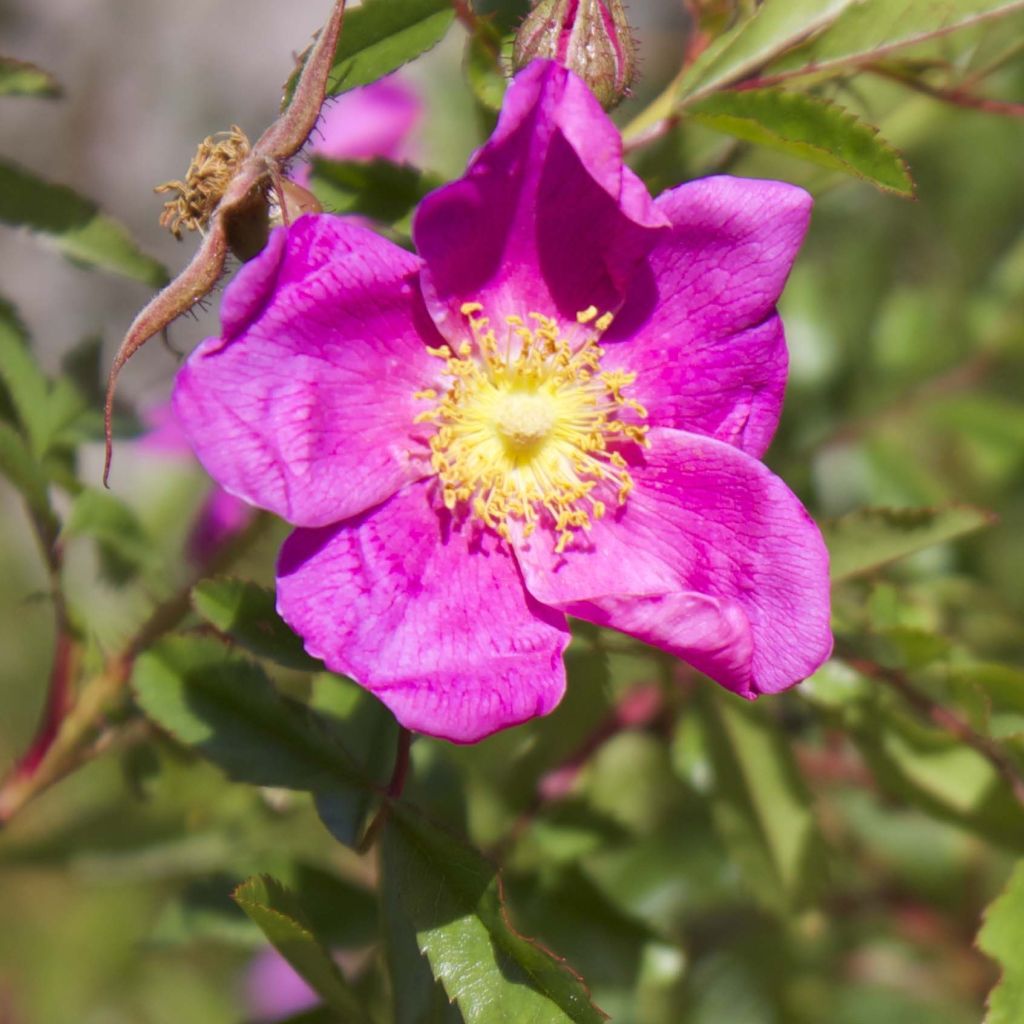
Rosa nitida
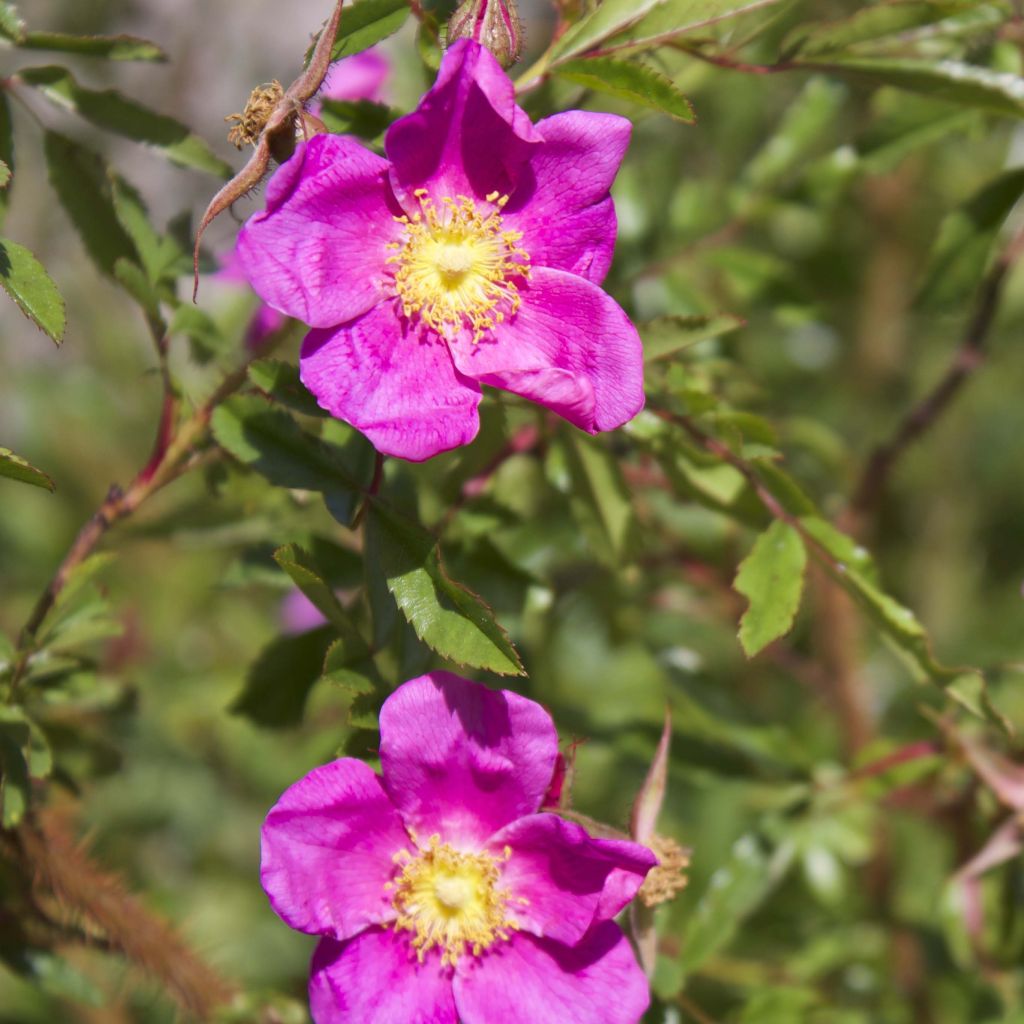
Rosa nitida
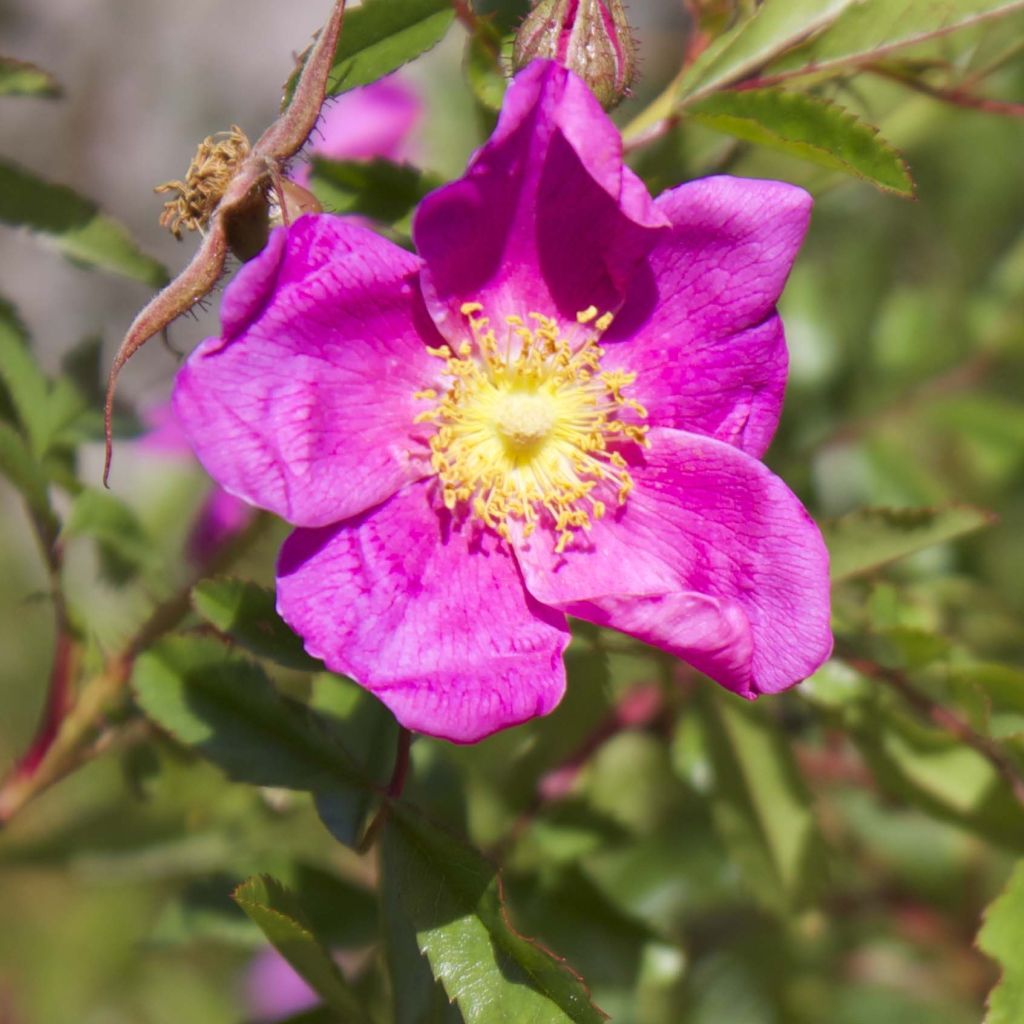
Rosa nitida
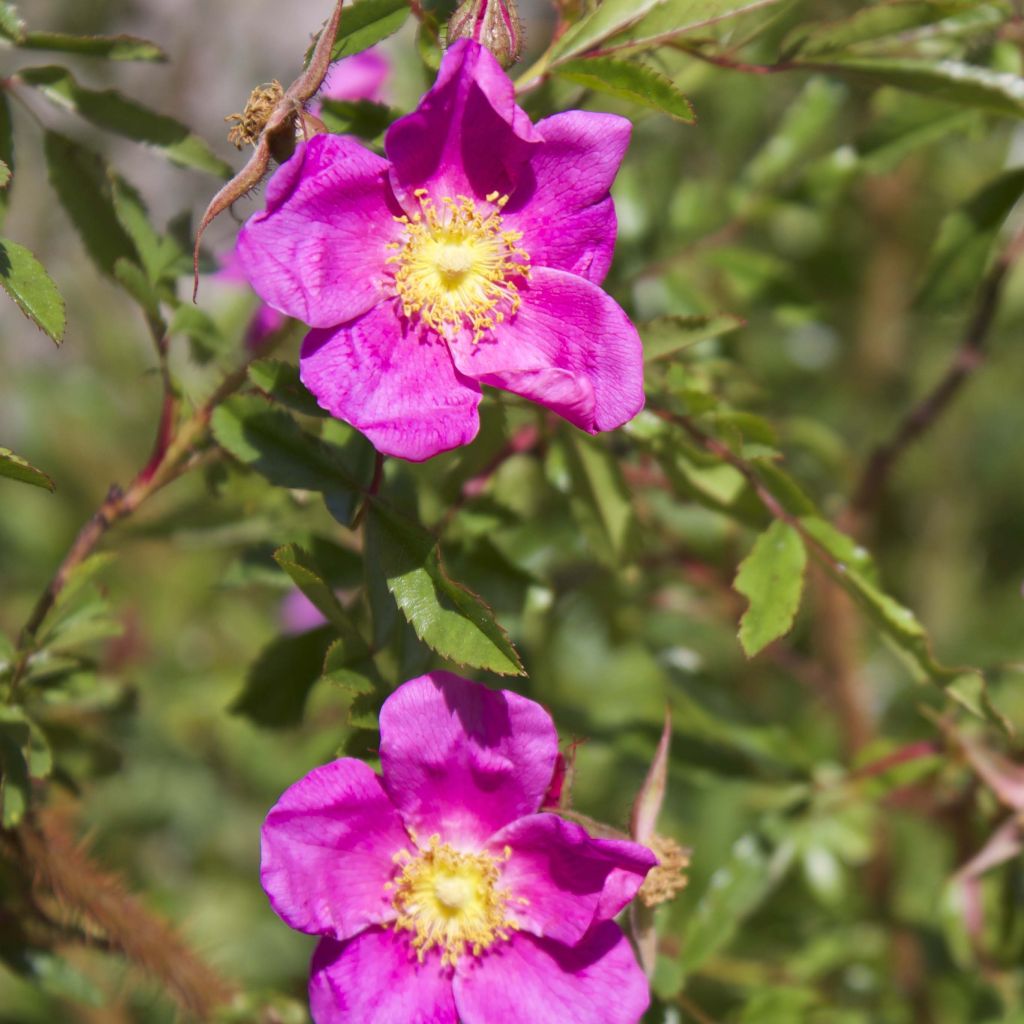
Rosa nitida
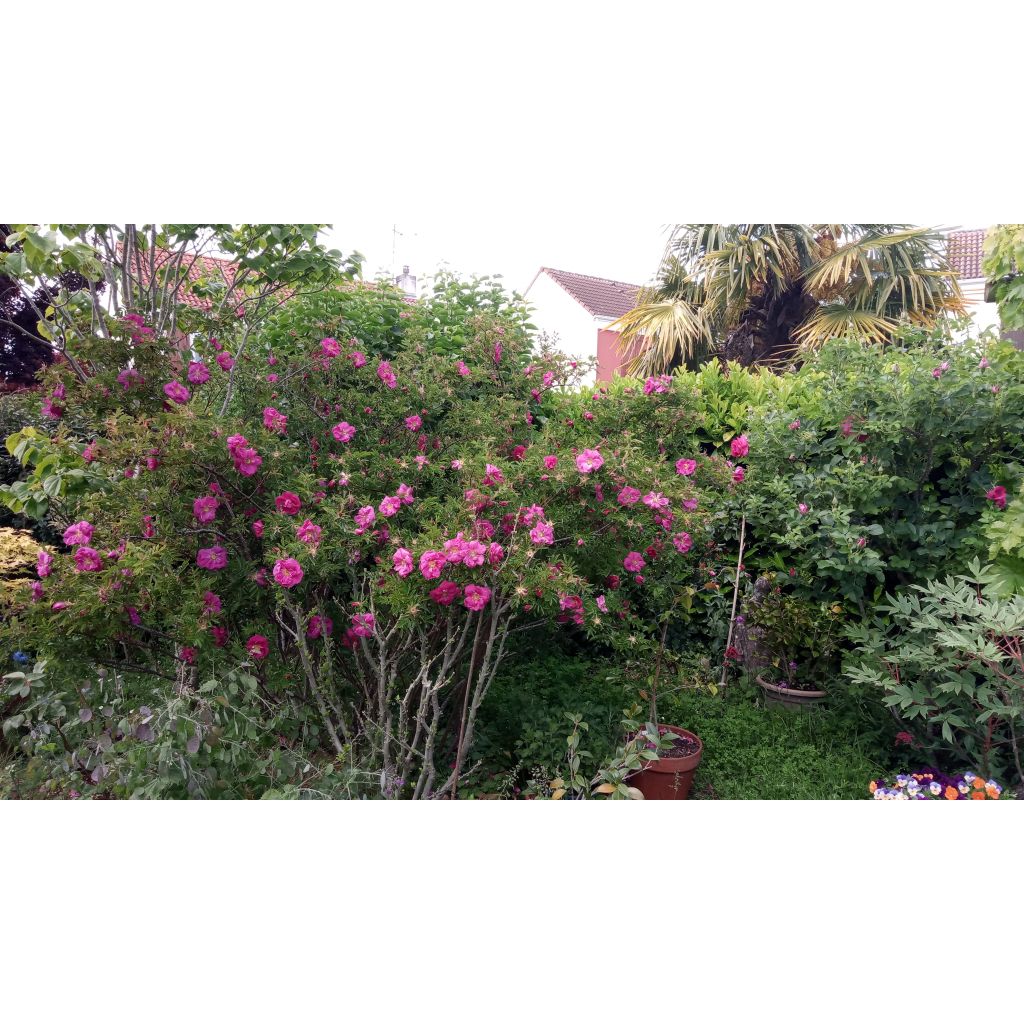
Rosa nitida
View more pictures
Hide images
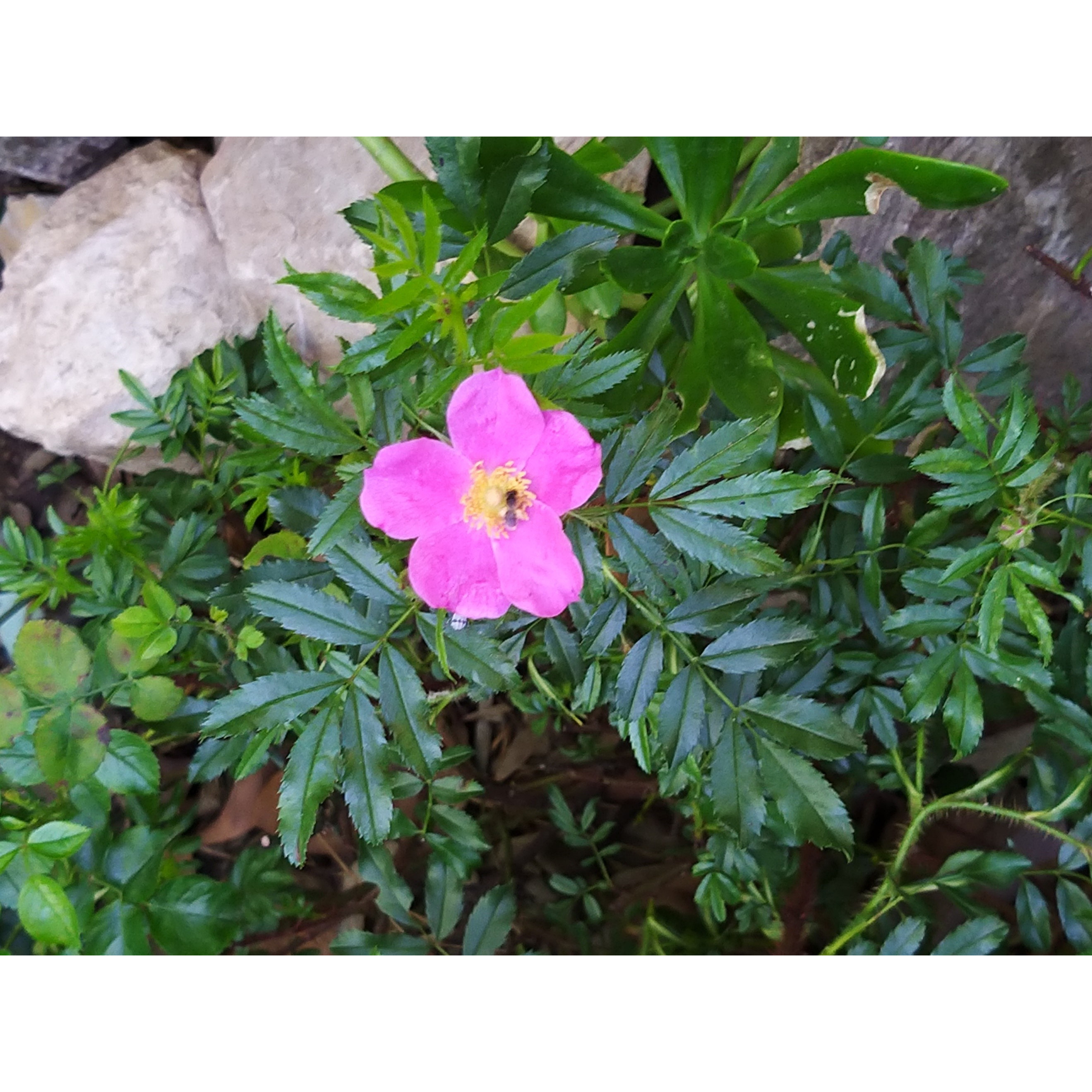
Thierry P.
Rosa nitida
Thierry P. • 84 FR
Thierry P.
Rosa nitida
Thierry P. • 84 FR
Thierry P.
Rosa nitida
Thierry P. • 84 FR
Thierry P.
Rosa nitida
Thierry P. • 84 FR
Rosa nitida
Rosa nitida
Shining Rose
Wonderful rose for its generous flowering in season and also for its very pretty autumn foliage. The stems remain reddish in winter. In almost two years, it has already thickened by suckering. The young plant was very healthy upon arrival and the delivery was impeccable. I recommend this rose to everyone.
Mika, 28/10/2022
Back-to-school special offer!
Get €10 off for every €50 you spend! And get up to €40 off on a single order.
How does it work?
1. Shop your favourites
Add your favourite plants to your basket. For every €50 you spend (excluding delivery charges, store credit and the plastic-free option), you’ll receive a €10 voucher.
€50 spent = €10 voucher
€100 spent = €20 voucher
€150 spent = €30 voucher
€200 spent = €40 voucher
2. Place your order
Once your basket reaches one of the spending thresholds, place your order. You can even choose your delivery date!
3. Receive your voucher
As soon as your order has been shipped, you’ll receive an email containing your personal voucher code and its value.
4. Use it on your next order
Your voucher is valid for 90 days from the date you receive it. It can be used once only, on a new order worth at least the value of the voucher, excluding delivery charges.
Please note: Vouchers can be combined with other offers, but cannot be split or refunded.
Home or relay delivery (depending on size and destination)
Important: You may be charged customs duties by your country’s customs authorities upon delivery.
Schedule delivery date,
and select date in basket
This plant carries a 24 months recovery warranty
More information
We guarantee the quality of our plants for a full growing cycle, and will replace at our expense any plant that fails to recover under normal climatic and planting conditions.
Description
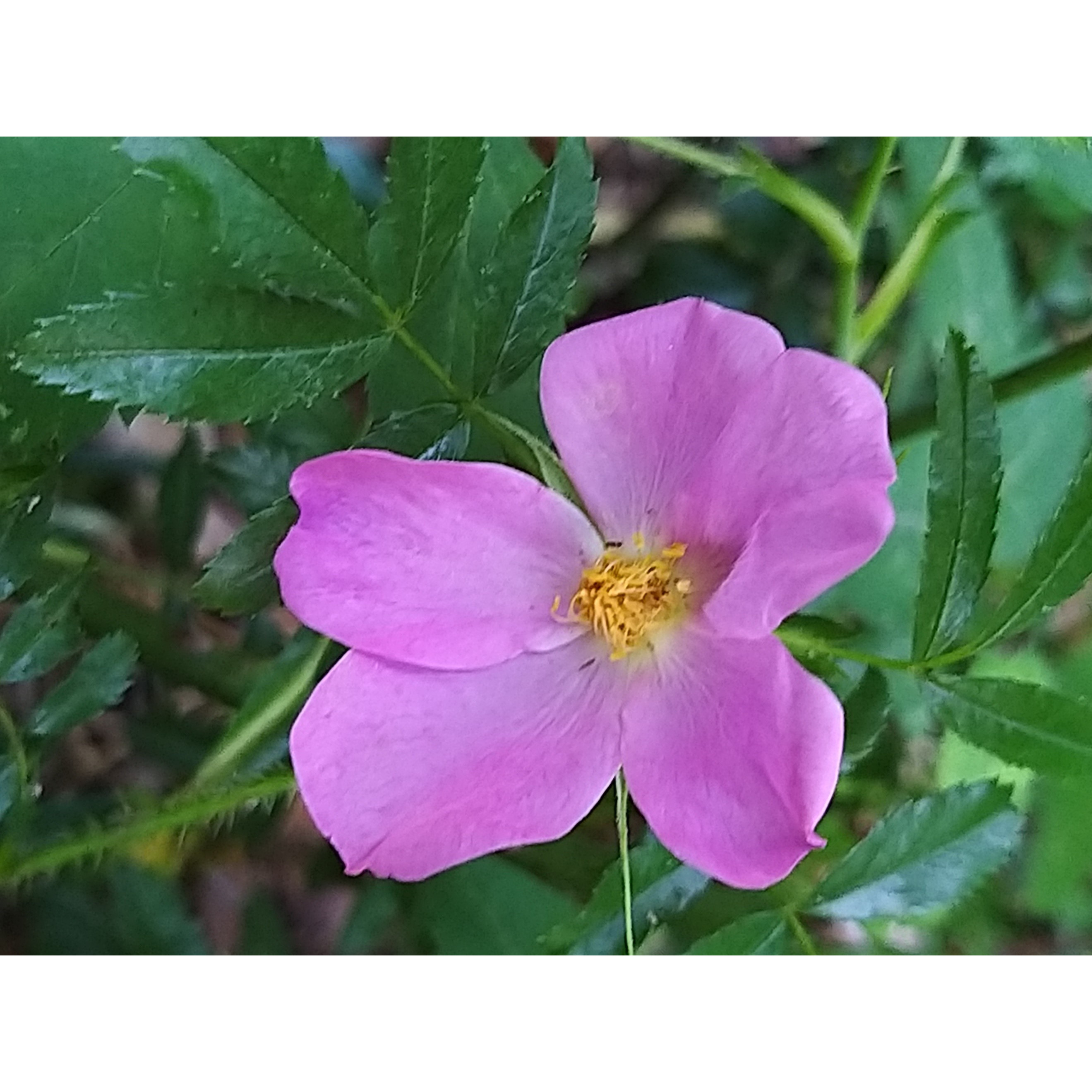
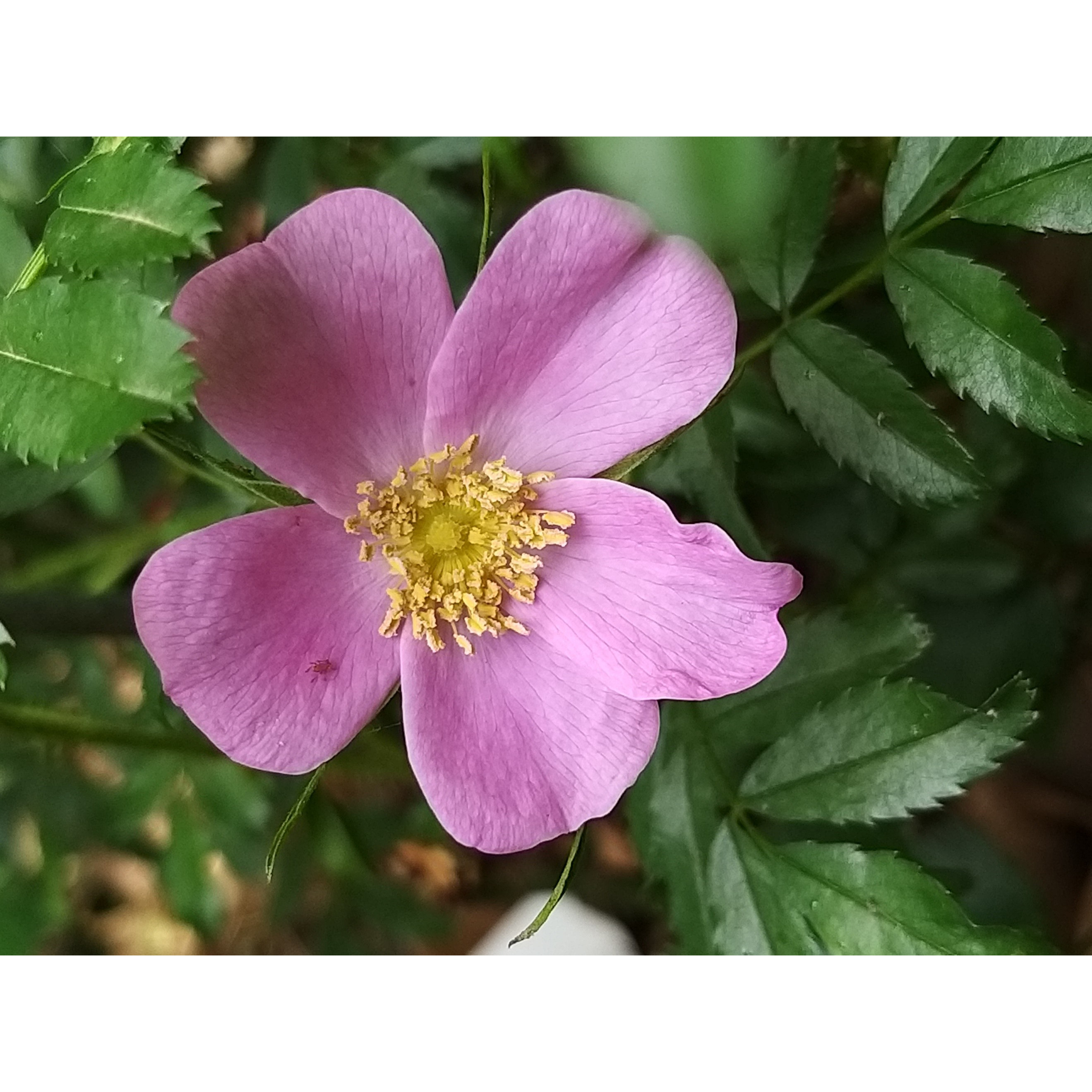
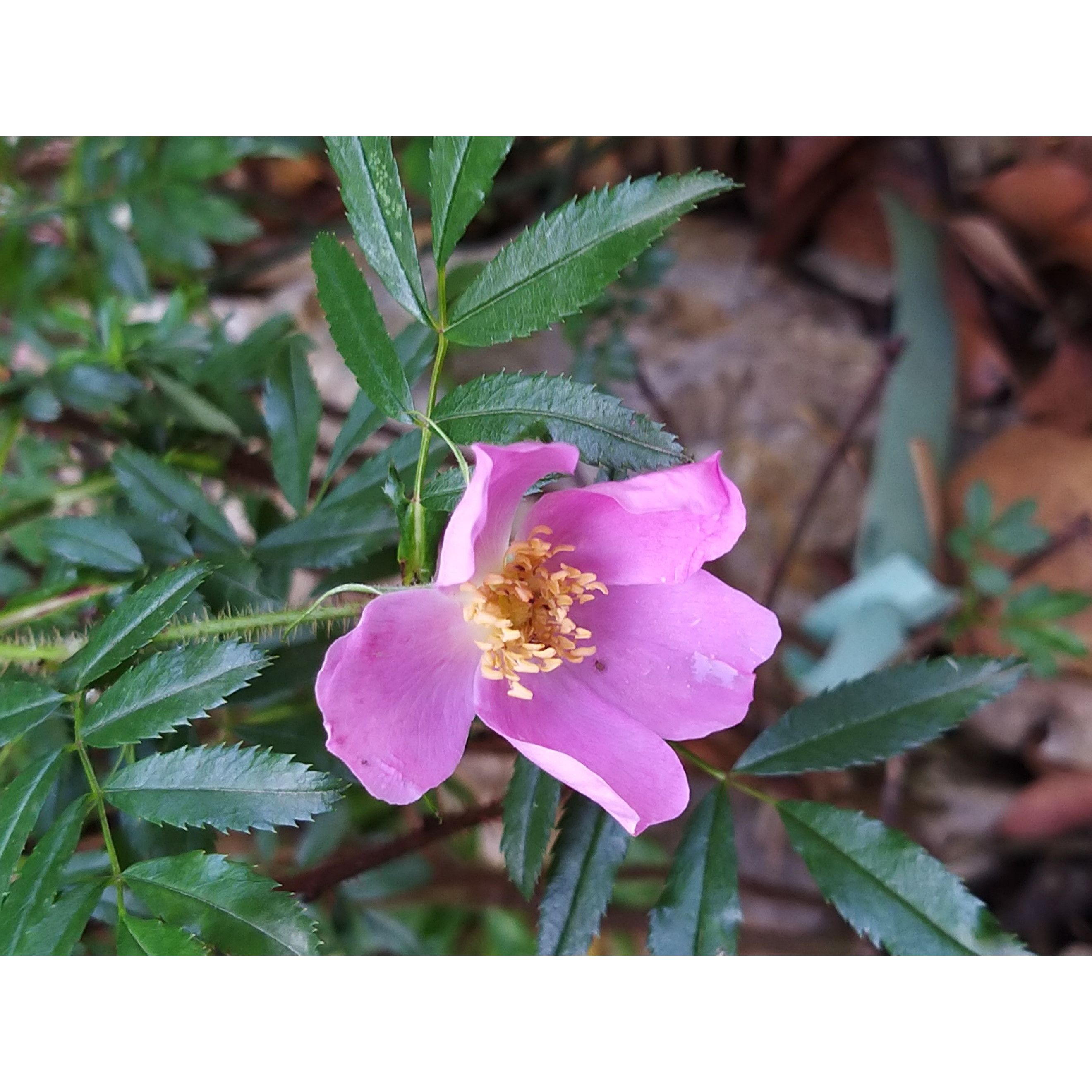
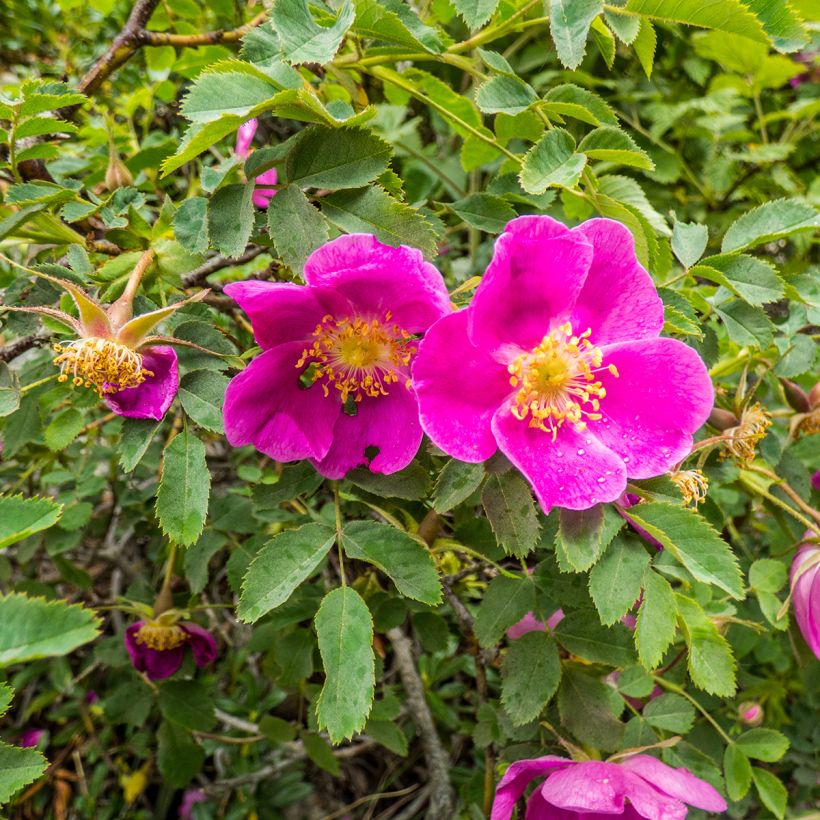
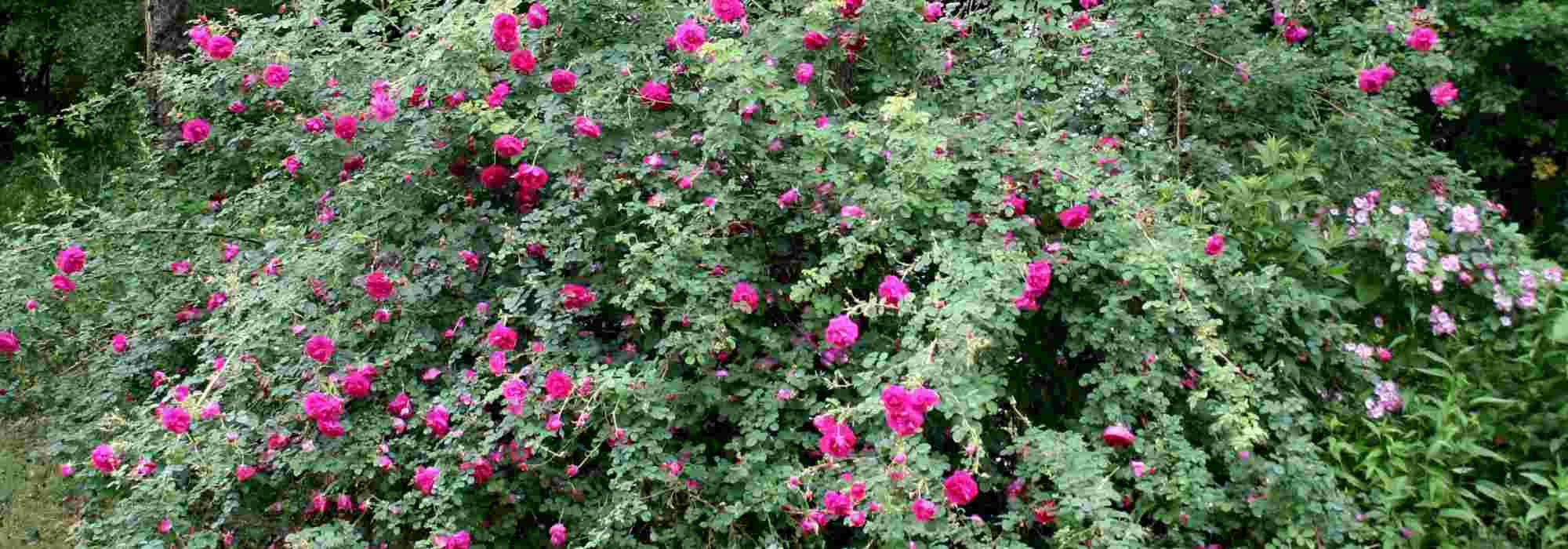
The Shining Rose, also known as Rosa nitida or the Glossy Rose, was brought from North America to Europe in 1807. This botanical rose is relatively short and tends to spread slightly, making it a popular choice for use as a ground cover in moist to wet soils. It boasts young red shoots covered in prickles and tiny hairs, accompanied by long, glossy leaflets that turn fiery in autumn. It produces large, bright pink-mauve flowers with a yellow centre during late spring or early summer, offering a charming flowering display. It requires very little maintenance and will look gorgeous by a pond, in front of taller shrubs, or to decorate a bank.
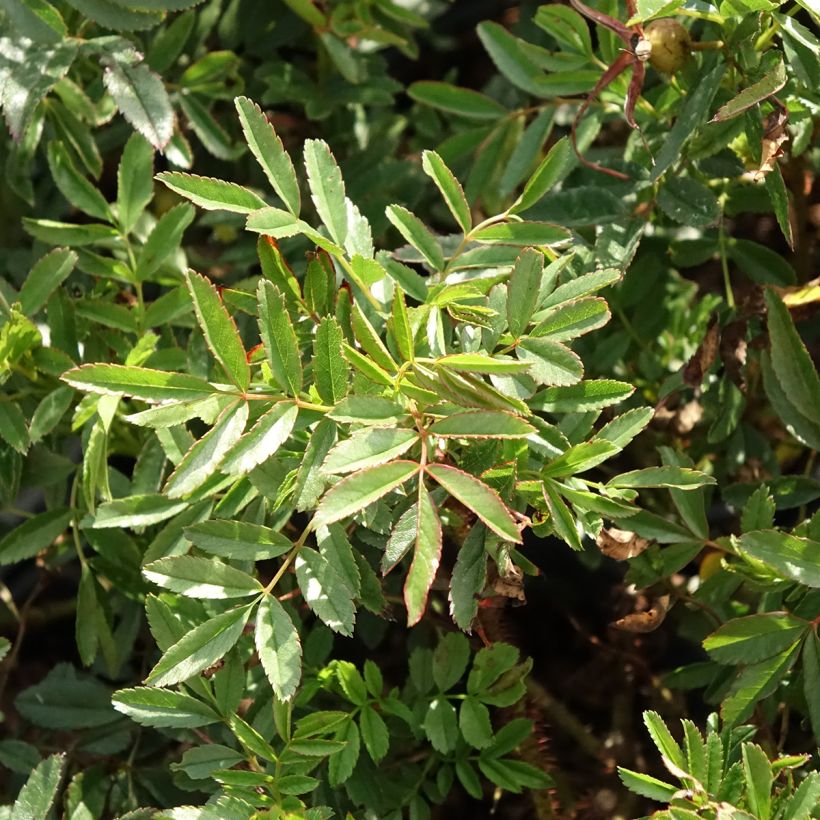
The Rosa nitida, also known as Rosa redutea or rubescens, is a wild rose variety that is indigenous to North America. A spiny shrub grows densely and spreads through suckering as it matures. It can easily attain a height of 60-70cm (23.6 - 27.6 in) (or over 1m (3 ft 4 in) in rich, moist soil) and a width of 1m (3 ft 4 in), with moderate growth. The young shoots are covered in short, reddish hairs and fine prickles. The slim branches turn orange-red in winter. It bears evergreen leaves with 7 to 9 elongated and thin leaflets that are relatively dark green and shiny, turning coppery towards the end of the season. The flowering period is usually from June to July, depending on the climate. The flowers are single, with 5 petals forming a pink-mauve cup with a diameter of 5cm (2 in). The centre of the corolla, yellow, is adorned with a crown of golden yellow stamens. The flowering is followed by the formation of round, fleshy, silky hips in shades of orange to scarlet. This robust rose variety prefers deep soils with adequate humus content, not excessively chalky.
The Shining Rose is a good ground cover, which can be planted with dwarf and creeping conifers (Juniperus squamata Blue Carpet, Chamaecyparis pisifera Sungold), dwarf nandinas (Nandina Fire Power). Ground cover roses can enhance the beauty of a water feature or border a bed of larger flowering shrubs. They are also perfect for sunny hedges and can be associated with other ground cover roses such as The Fairy, Rouge Meillandecor, Happy Chappy, and many more.
During autumn, the shrub's coppery foliage will complement the mauve stars of asters or the vibrant blue flowers of Ceratostigma plumbaginoides. Colourful grasses such as Muhlenbergia capillaris or tufted hairgrass will create a striking contrast with it. Additionally, this shrub is very hardy and disease-resistant. Once it is established, it does not require any maintenance.
It's understandable if not everyone has a strong interest in botanical roses and their hybrids, especially in areas with poor soil quality or harsh weather conditions. However, these roses are not only the ancestors of our modern roses but also tend to be more resilient and dependable.
Rosa nitida in pictures
Plant habit
Flowering
Foliage
Botanical data
Rosa
nitida
Rosaceae
Shining Rose
North America
Planting and care
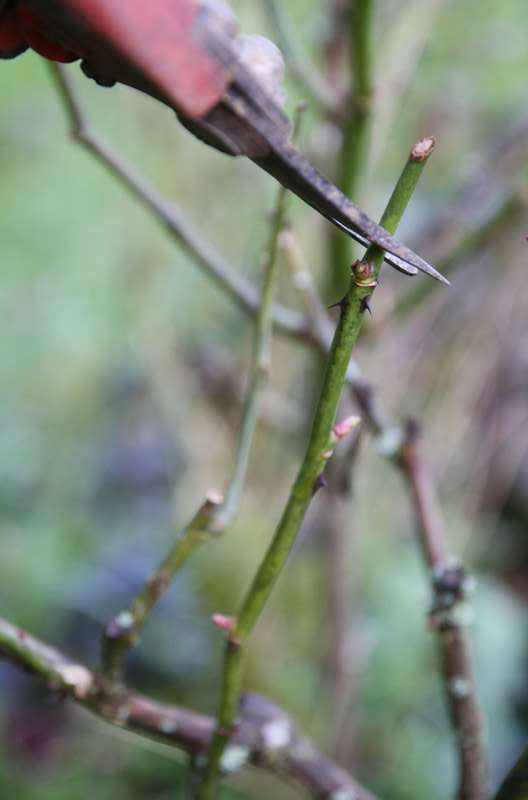
The nitida rose thrives in deep, humus-rich soils that retain moisture, including marshy soils. Surprisingly, it can tolerate hot and dry summers quite well, but only if planted in deep soil. It can withstand temperatures as low as -15°C (5°F) and prefers a sunny location with partial shade in hot climates. This rose is resilient against diseases and can grow in any garden as long as it is well-maintained. While pruning is not necessary, removing dead wood during winter is recommended. However, avoid excessive pruning as it may damage the natural beauty of this wild bush.
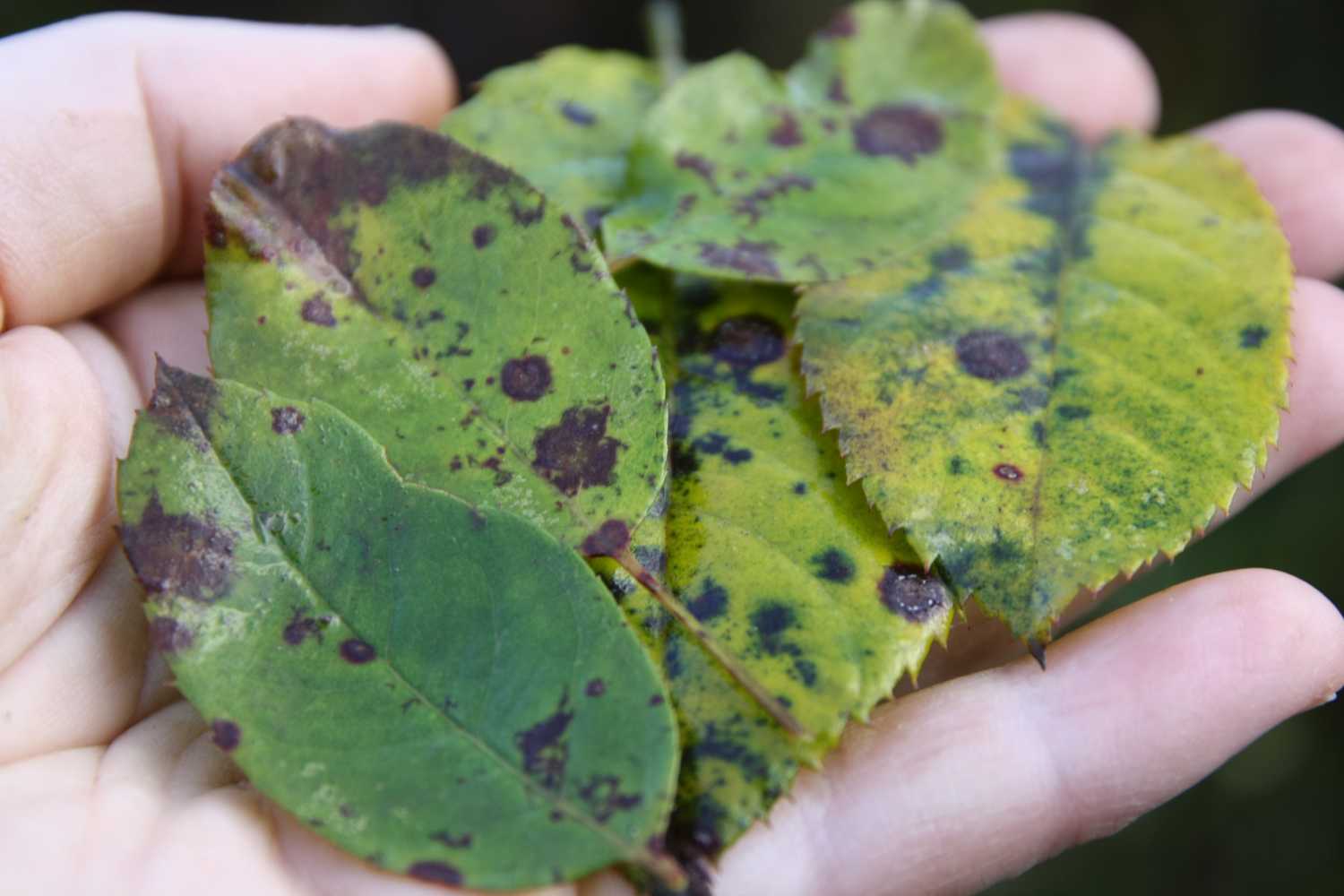
It's common to see roses with marks or imperfections at the end of summer, but this doesn't affect their growth. These marks are a natural occurrence and don't harm the rose.
Planting period
Intended location
Care
Planting & care advice
-
-
-
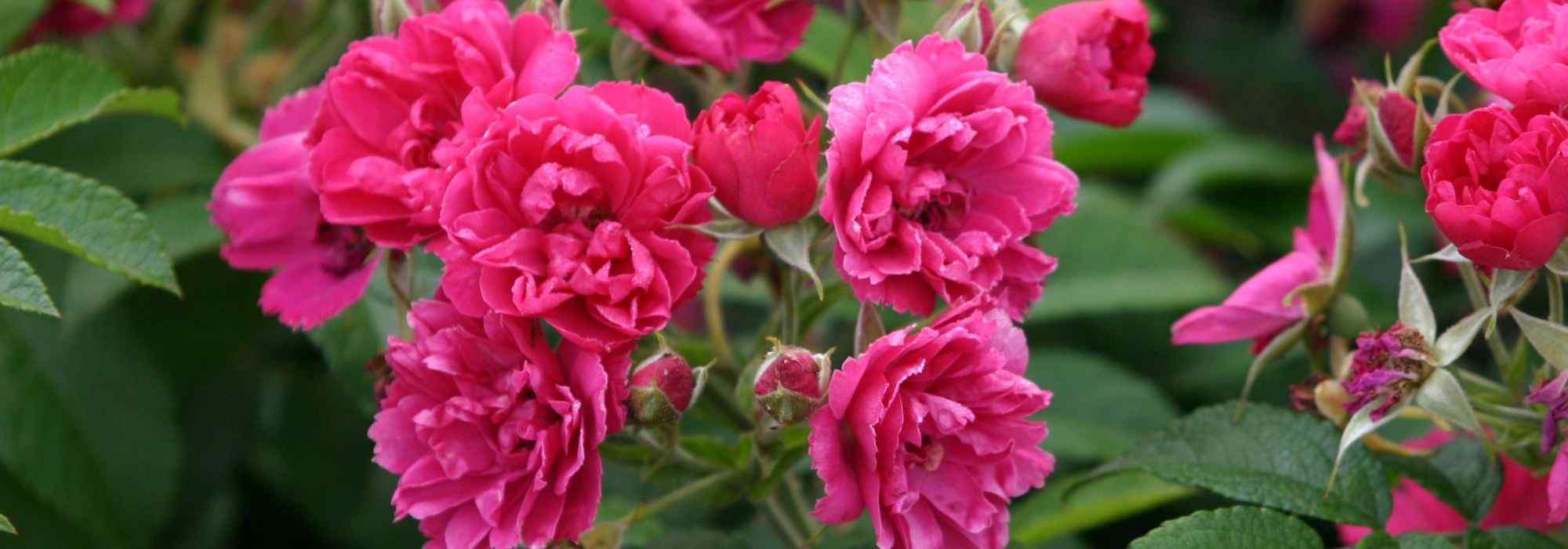
-
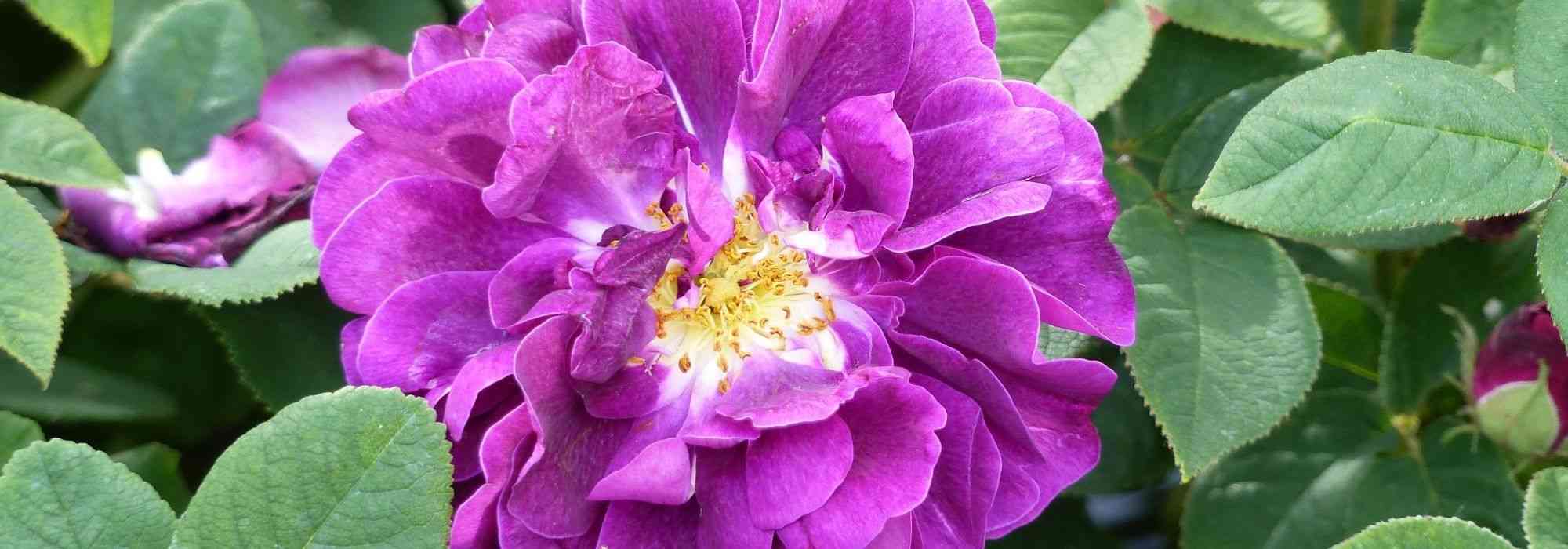
-
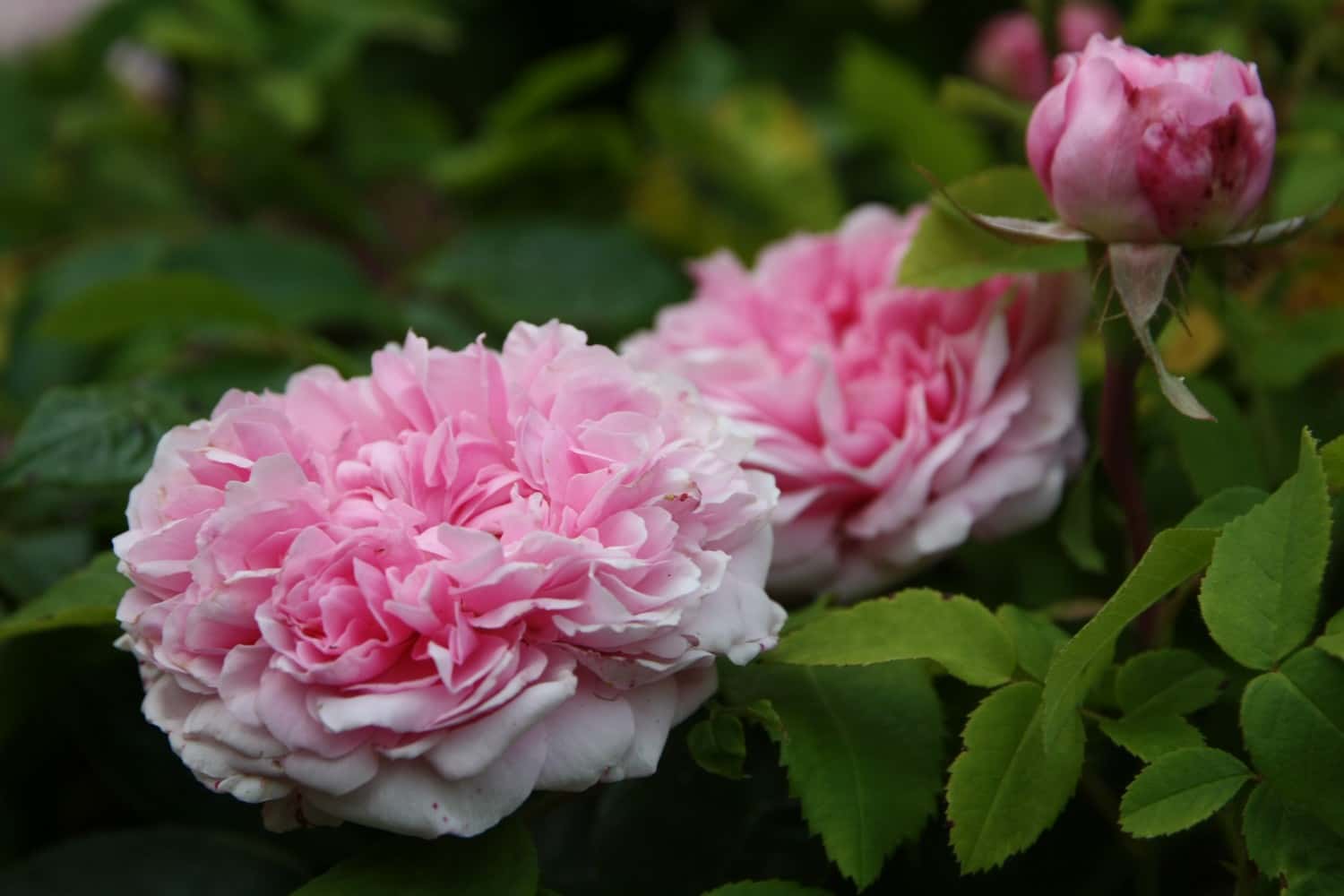
-
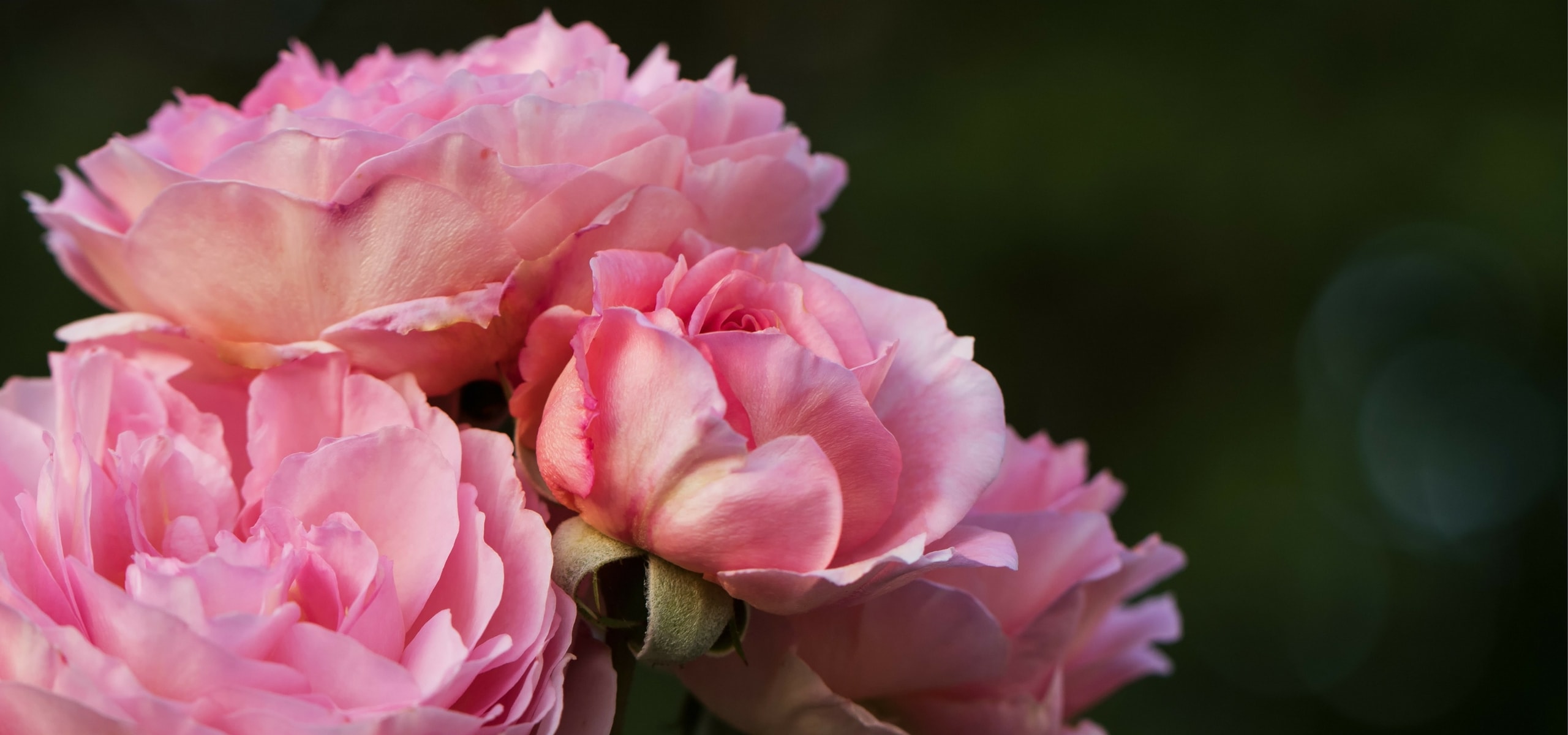
-
-
-
, onOrder confirmed
Reply from on Promesse de fleurs
Recently viewed products
Haven't found what you were looking for?
Hardiness is the lowest winter temperature a plant can endure without suffering serious damage or even dying. However, hardiness is affected by location (a sheltered area, such as a patio), protection (winter cover) and soil type (hardiness is improved by well-drained soil).

The flowering period indicated on our website applies to countries and regions located in USDA zone 8 (France, the United Kingdom, Ireland, the Netherlands, etc.)
It will vary according to where you live:- In zones 9 to 10 (Italy, Spain, Greece, etc.), flowering will occur about 2 to 4 weeks earlier.
- In zones 6 to 7 (Germany, Poland, Slovenia, and lower mountainous regions), flowering will be delayed by 2 to 3 weeks.
- In zone 5 (Central Europe, Scandinavia), blooming will be delayed by 3 to 5 weeks.
In temperate climates, pruning of spring-flowering shrubs (forsythia, spireas, etc.) should be done just after flowering.
Pruning of summer-flowering shrubs (Indian Lilac, Perovskia, etc.) can be done in winter or spring.
In cold regions as well as with frost-sensitive plants, avoid pruning too early when severe frosts may still occur.
The planting period indicated on our website applies to countries and regions located in USDA zone 8 (France, United Kingdom, Ireland, Netherlands).
It will vary according to where you live:
- In Mediterranean zones (Marseille, Madrid, Milan, etc.), autumn and winter are the best planting periods.
- In continental zones (Strasbourg, Munich, Vienna, etc.), delay planting by 2 to 3 weeks in spring and bring it forward by 2 to 4 weeks in autumn.
- In mountainous regions (the Alps, Pyrenees, Carpathians, etc.), it is best to plant in late spring (May-June) or late summer (August-September).
The harvesting period indicated on our website applies to countries and regions in USDA zone 8 (France, England, Ireland, the Netherlands).
In colder areas (Scandinavia, Poland, Austria...) fruit and vegetable harvests are likely to be delayed by 3-4 weeks.
In warmer areas (Italy, Spain, Greece, etc.), harvesting will probably take place earlier, depending on weather conditions.
The sowing periods indicated on our website apply to countries and regions within USDA Zone 8 (France, UK, Ireland, Netherlands).
In colder areas (Scandinavia, Poland, Austria...), delay any outdoor sowing by 3-4 weeks, or sow under glass.
In warmer climes (Italy, Spain, Greece, etc.), bring outdoor sowing forward by a few weeks.
Shipping country and language
Your country of residence may be:
Your country of residence is:
For a better user experience on our website, you can select:
Your shipping country:
-
 Austria
-
 Belgium
-
 Bosnia & Herzegovina
-
 Bulgaria
-
 Croatia
-
 Cyprus
-
 Czechia
-
 Denmark
-
 Estonia
-
 Finland
-
 France
-
 Germany
-
 Greece
-
 Hungary
-
 Iceland
-
 Ireland
-
 Italy
Italy
-
 Latvia
-
 Liechtenstein
-
 Lithuania
-
 Luxembourg
-
 Malta
Malta
-
 Netherlands
-
 Poland
-
 Portugal
-
 Romania
-
 Serbia
-
 Slovakia
-
 Slovenia
-
 Spain
Spain
-
 Sweden
-
 Switzerland
Language:
-
French
-
 English
-
Spanish
-
Italian
-
German
-
Portuguese
-
Dutch
-
Finnish
My Account
Hello
My wish lists
My cart
Log in / Register
Existing customer?
This form is protected by reCAPTCHA - the Google Privacy Policy and Terms of Service apply.
New customer?
Create an account to track your orders, access our customer service and, if you wish, make the most of our upcoming offers.