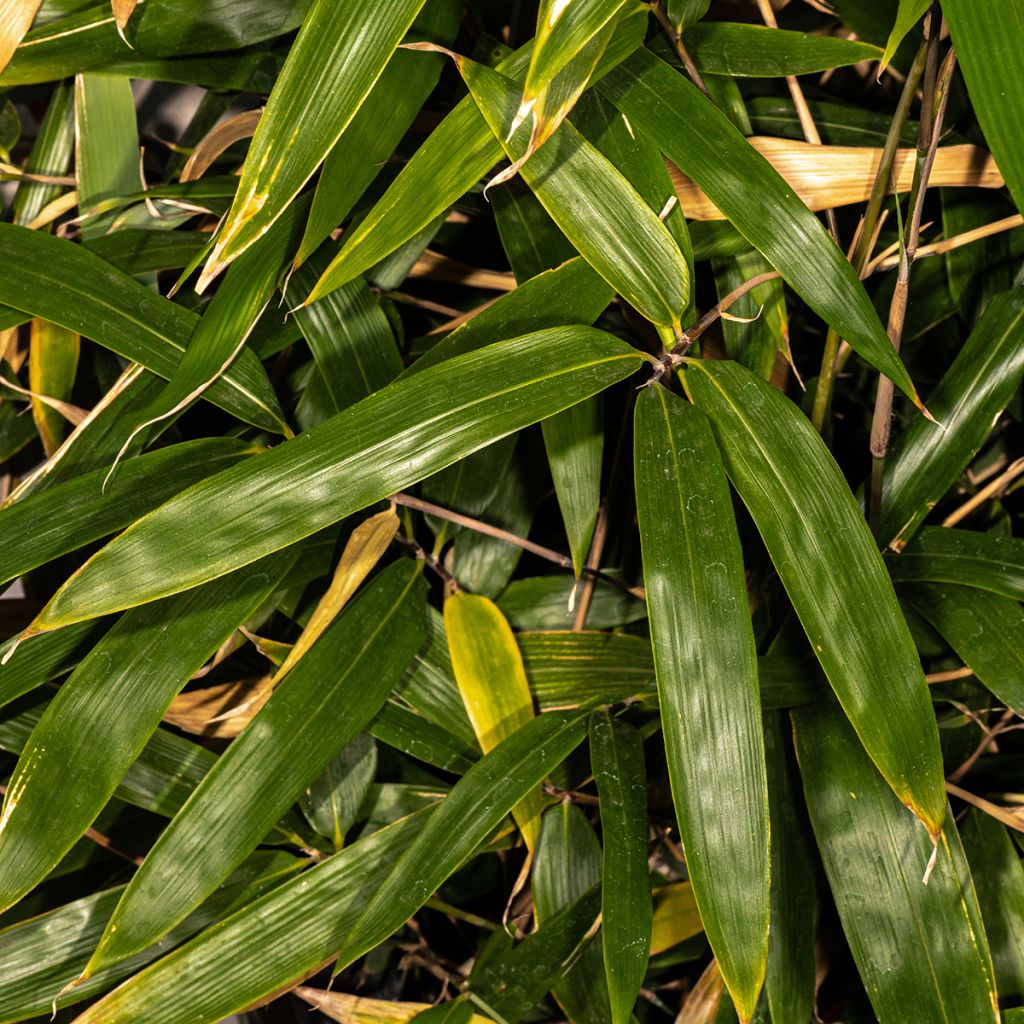
Bashania fargesii
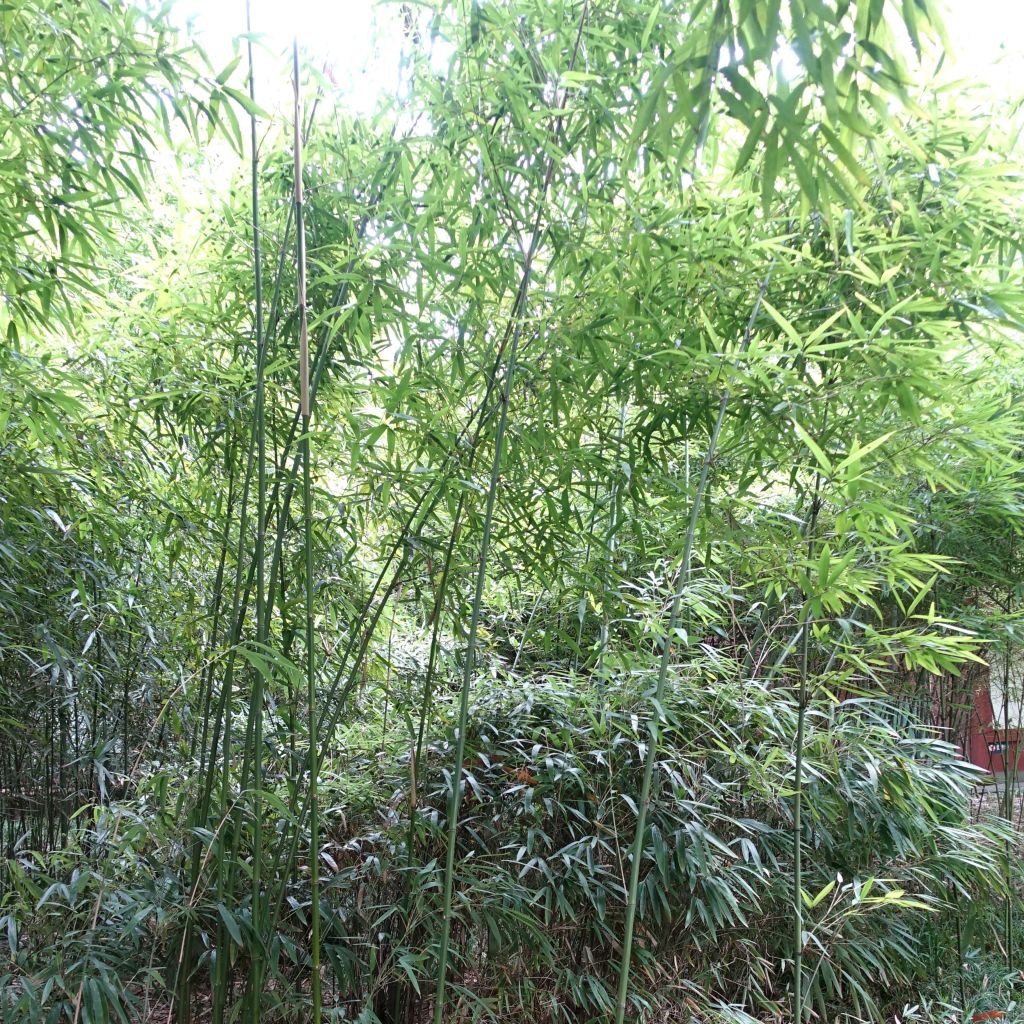
Bashania fargesii
Bashania fargesii
Bashania fargesii
Bamboo
Top
Loic R., 26/10/2022
Back-to-school special offer!
Get €10 off for every €50 you spend! And get up to €40 off on a single order.
How does it work?
1. Shop your favourites
Add your favourite plants to your basket. For every €50 you spend (excluding delivery charges, store credit and the plastic-free option), you’ll receive a €10 voucher.
€50 spent = €10 voucher
€100 spent = €20 voucher
€150 spent = €30 voucher
€200 spent = €40 voucher
2. Place your order
Once your basket reaches one of the spending thresholds, place your order. You can even choose your delivery date!
3. Receive your voucher
As soon as your order has been shipped, you’ll receive an email containing your personal voucher code and its value.
4. Use it on your next order
Your voucher is valid for 90 days from the date you receive it. It can be used once only, on a new order worth at least the value of the voucher, excluding delivery charges.
Please note: Vouchers can be combined with other offers, but cannot be split or refunded.
Home or relay delivery (depending on size and destination)
Important: You may be charged customs duties by your country’s customs authorities upon delivery.
Schedule delivery date,
and select date in basket
This plant carries a 24 months recovery warranty
More information
We guarantee the quality of our plants for a full growing cycle, and will replace at our expense any plant that fails to recover under normal climatic and planting conditions.
Would this plant suit my garden?
Set up your Plantfit profile →
Description
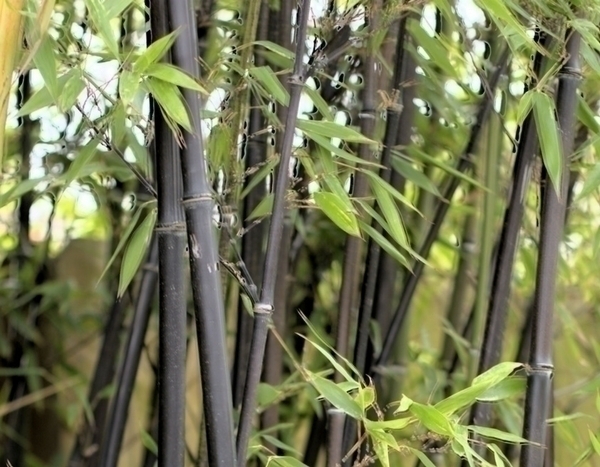
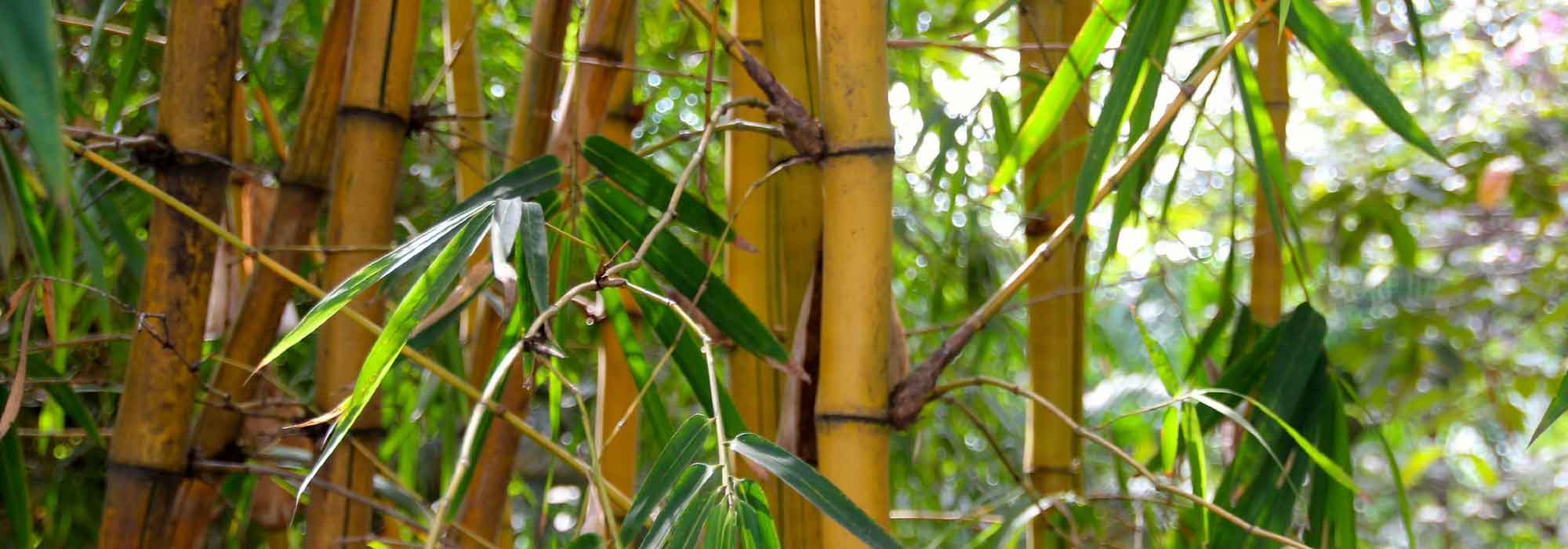
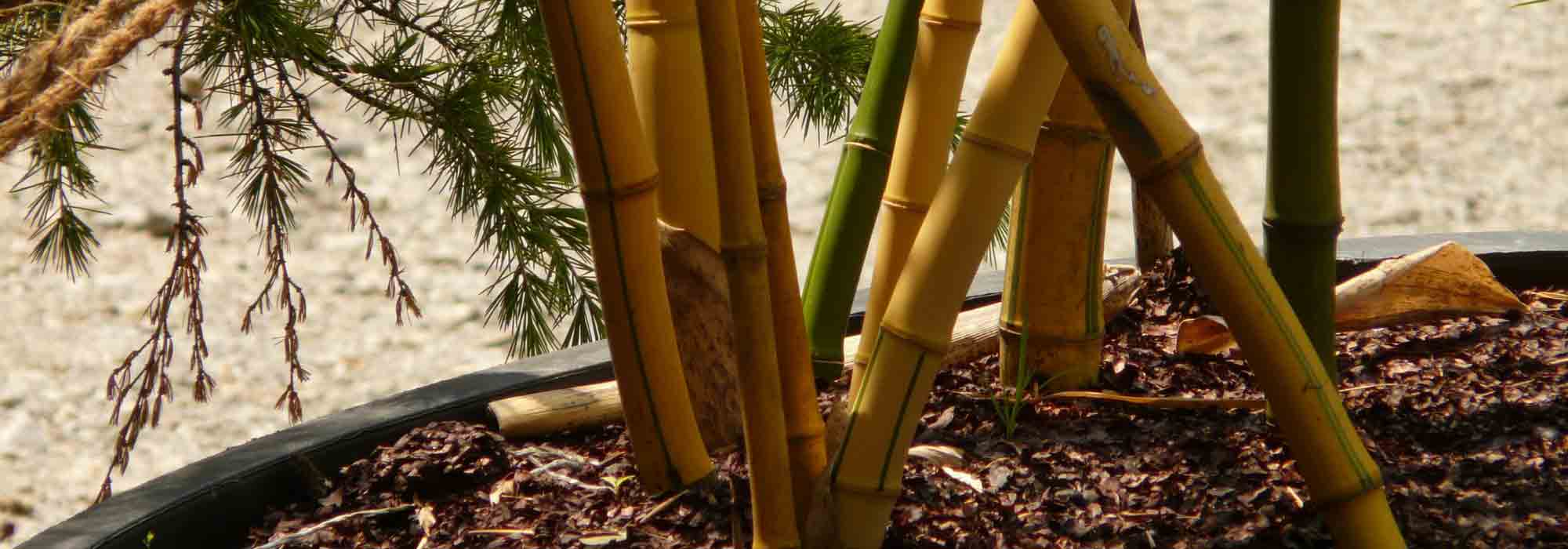
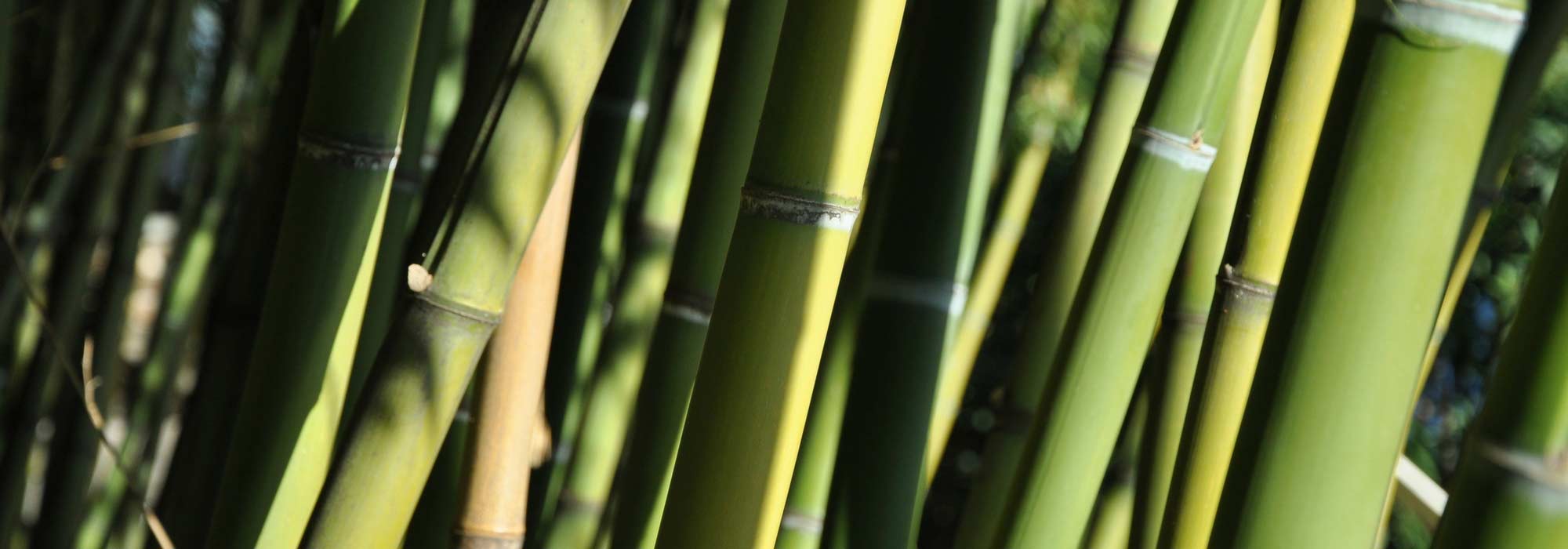
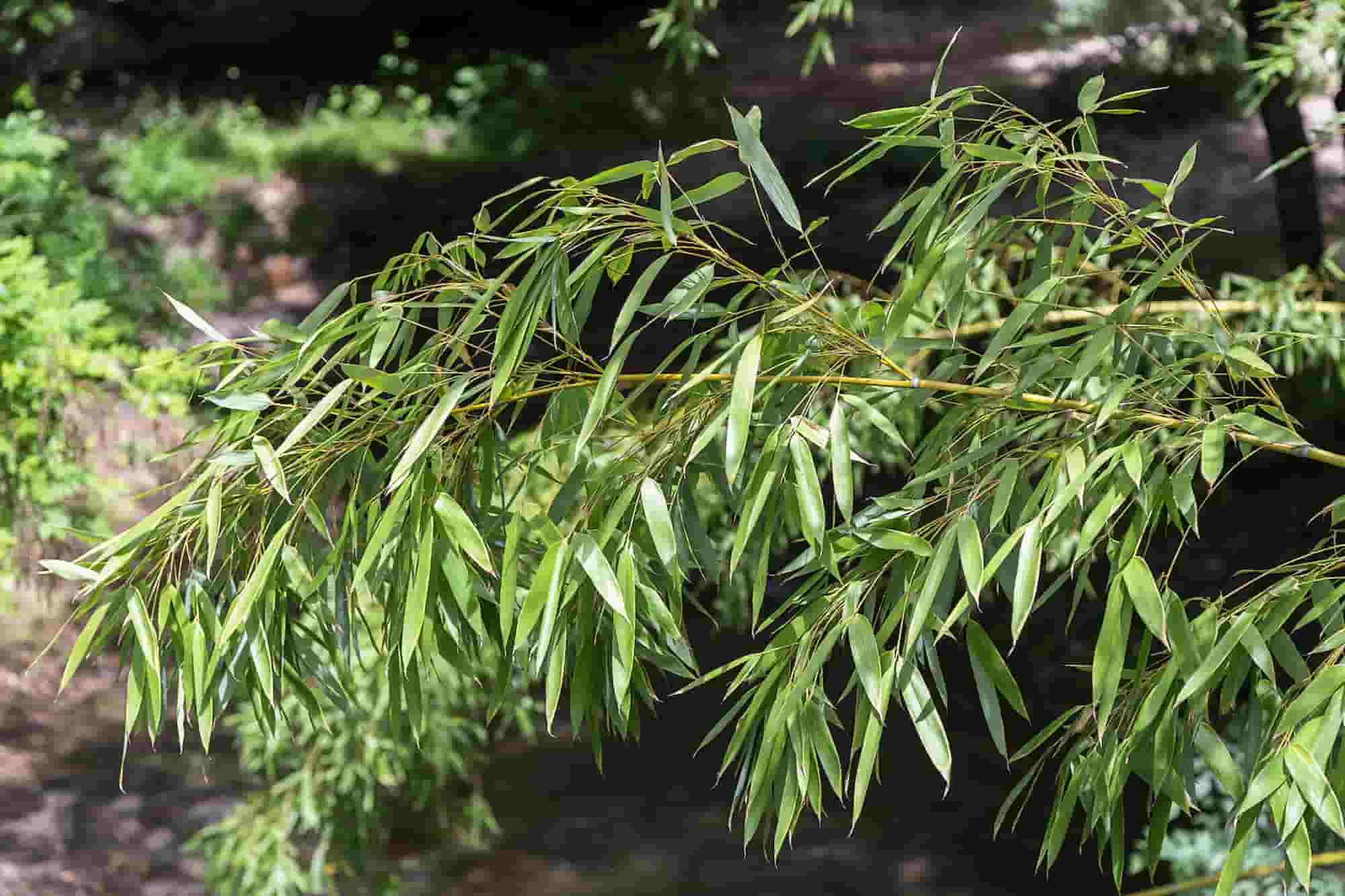
Bashania fargesii is an authentic mountain bamboo, strong, very straight and perfectly adapted to extreme conditions and the rigorous climate of high-altitude areas. Of medium size, it stands out for its straight canes with an unusual appearance: covered with brown and hairy sheaths, they begin dark green and quickly turn silver-grey, a splendid colour which looks ghostly in the mist, and is enhanced by frost and rain. Its foliage, abundant in all seasons, is a bright green and cascades generously. Its wandering rhizomes are remarkably efficient in covering vast areas. Invite it into a natural garden, as long as you give it enough space to express itself, it will remain beautiful!
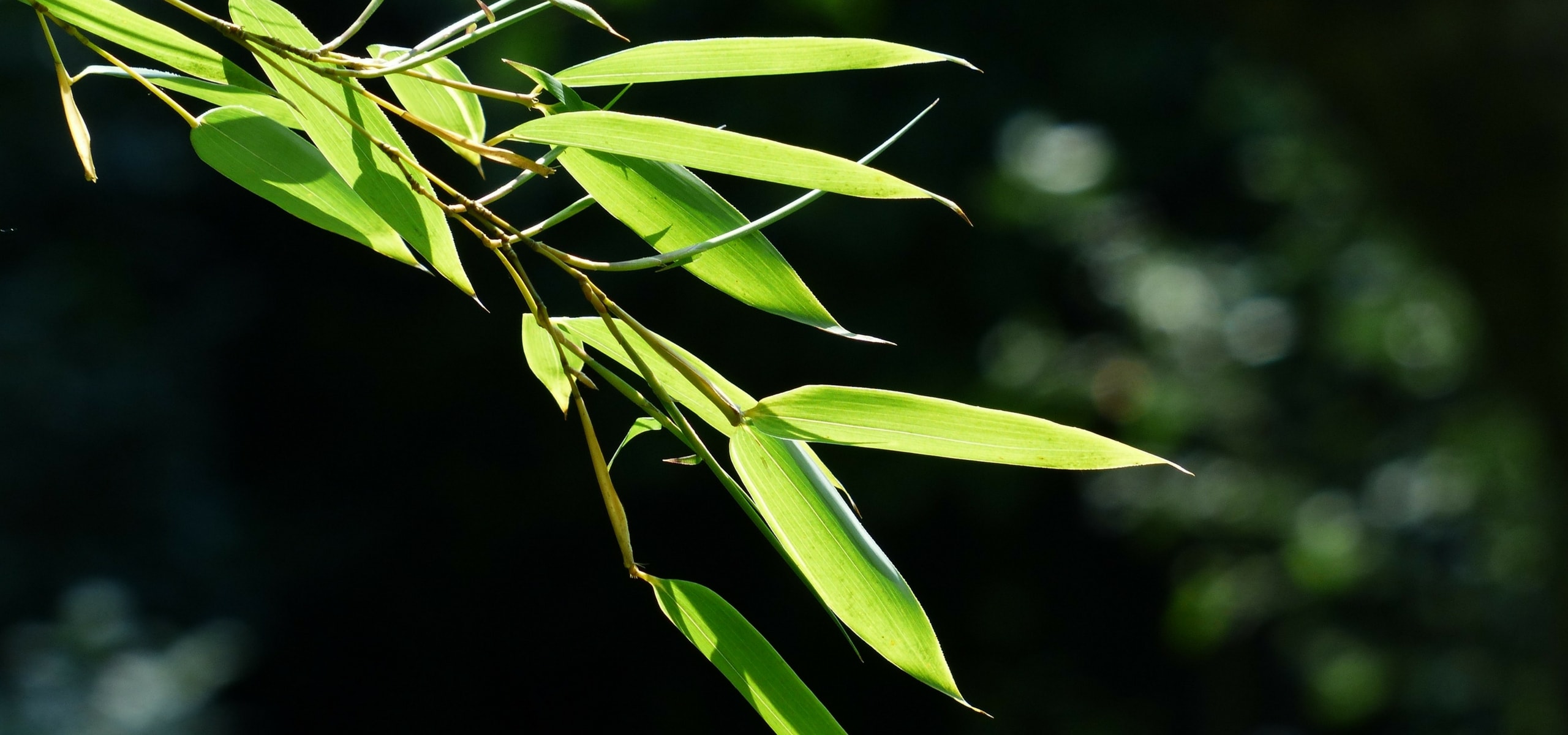
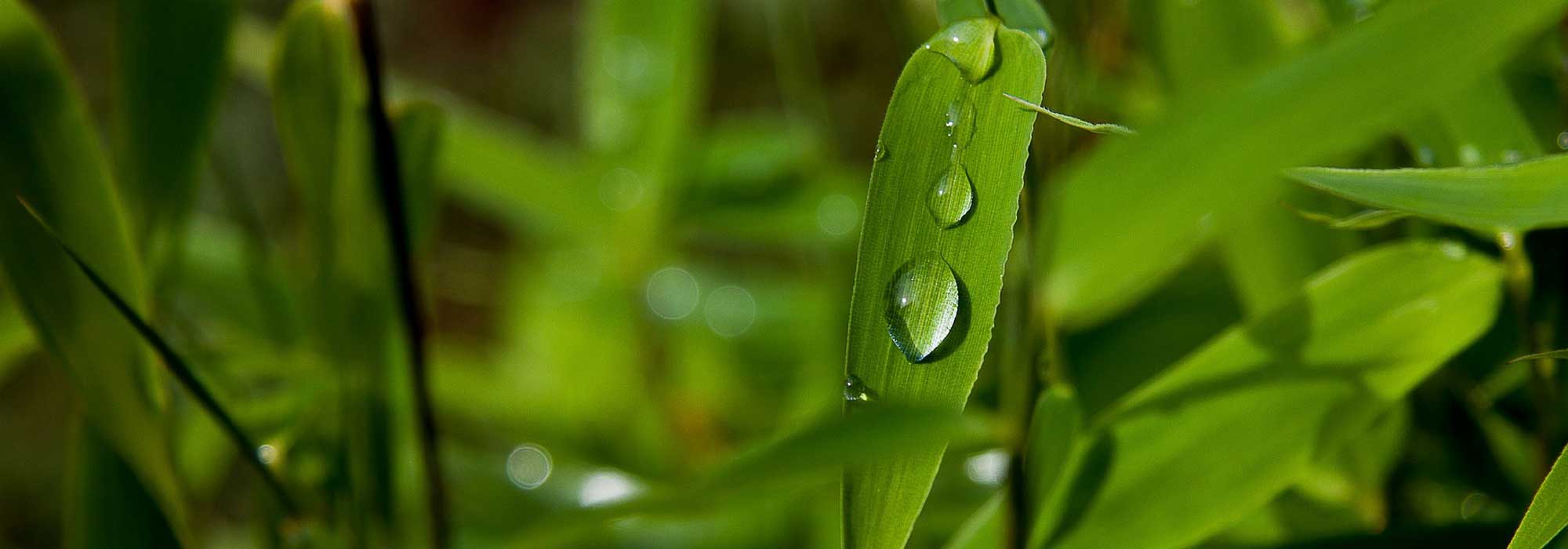
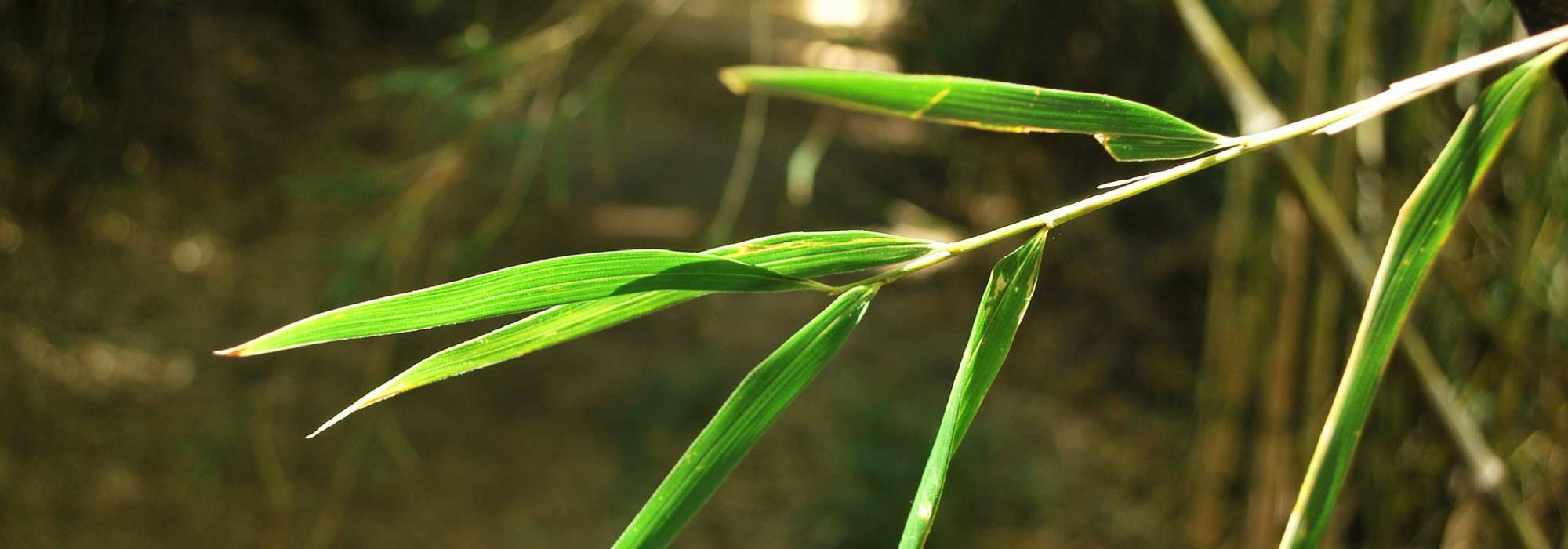
Bashania fargesii (Syn. Arundaria fargesii, Pleioblastus angustifolia) is also called Silver Bamboo because of the very particular colour of its canes. It belongs to the family of poaceae or grasses. It is a botanic species of medium development, with an upright, dense habit, forming a large, open clump. It has creeping rhizomes of the leptomorph type, meaning they are similar to its canes but equipped with roots. These rhizomes colonize the surface space, but they are also capable of sinking very deeply, especially in sandy or rocky soils, thus better resisting drought. It is native to the Chinese provinces of Shaanxi, Hubei, and Gansu, up to the northeastern boundaries of Sichuan. In nature, this bamboo grows in areas up to 2500m (8202ft) in altitude. The young canes are covered with strong brown hairs and emerge from the ground in large numbers in April-May. Measuring 2 to 5cm (0.8 to 2in) in diameter, they quickly elongate and reach an average height of up to 3.5m (11ft 6in) from the ground (sometimes over 4m (13ft 1in) in favourable conditions). Its evergreen foliage consists of bright green leaves measuring up to 15cm (5.9in) long and 2.5cm (1in) wide.
Extremely robust, hardy and prolific, this bamboo succeeds almost everywhere, in both sun and shade, from the driest regions to damp undergrowth, even in poor and very acidic soils, to the point of becoming invasive. It is essential for creating an exotic atmosphere in a mountain garden. To contain its growth, we advise you to give it plenty of space or use anti-rhizome barriers. It is perfectly suited for large Zen, wild, exotic, or contemporary gardens. It is a good plant for colonizing vast areas, stabilizing banks, or creating large windbreak hedges. Its silver canes and the pale undersides of its leaves beautifully brighten up shady spots. Such a hedge can accommodate variegated or non-pruned boxwoods in a ball shape, dwarf mugo pines, spindle trees, and creeping junipers that will enhance its lofty habit. After about ten years in place, it is possible to harvest canes that can be used as stakes or trim its mass to create mysterious paths and labyrinths. However, it is too exuberant to be grown in a small garden or in a pot that it would quickly burst!
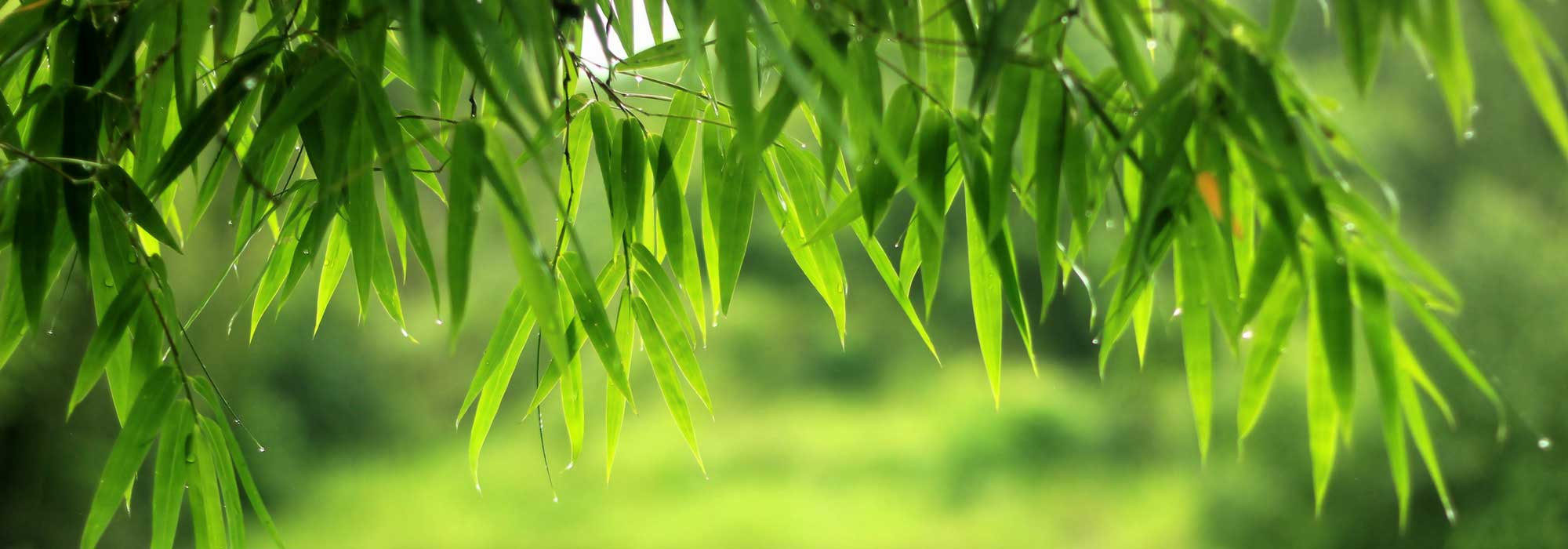
Bashania fargesii in pictures
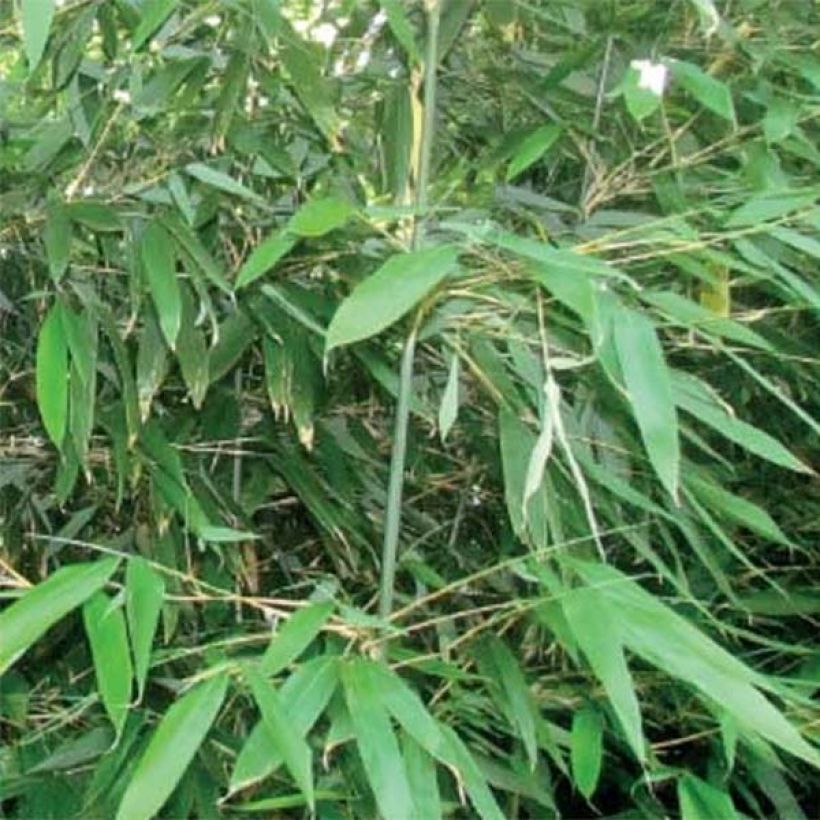
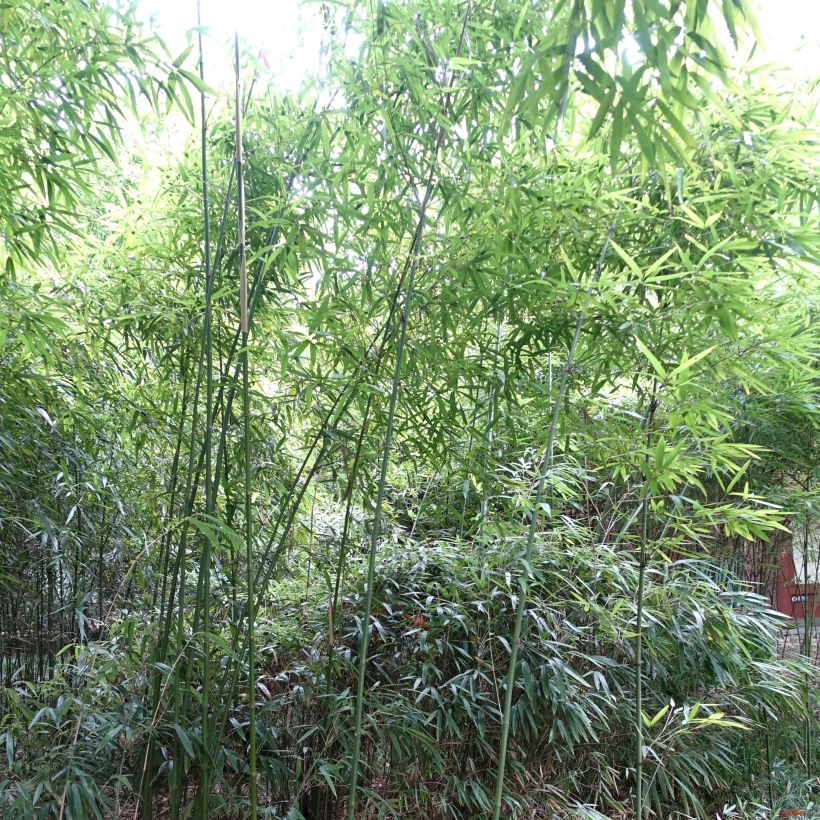
Plant habit
Foliage
Botanical data
Bashania
fargesii
Gramineae
Bamboo
China
Planting and care
Bashania fargesii is a very robust bamboo, really undemanding and very easy to grow in all exposures and in any well-drained soil without excess limestone, even poor and occasionally dry. It is best planted in late summer to autumn, or spring. As it is relatively spreading, it is advisable to install a rhizome barrier when planting to limit its extension area. It is perfectly hardy and can withstand temperatures as low as -24°C (-11.2°F). Even though it is very accommodating regarding the nature of the soil, it prefers a well-drained, loose, neutral to slightly acidic soil, moist and not too dry throughout the year. In the ground, it tolerates moderate periods of drought better than many other bamboos. Water generously at planting and regularly for the first two or three years, especially in case of prolonged drought. To encourage the rhizomes to go deep into the soil to face drought, provide water abundantly but spaced out. feed with organic fertilizer twice a year to prevent leaf yellowing due to excess water and lack of nutrients. propagation can be done by rhizome cuttings or division of clumps.
Planting period
Intended location
Care
Planting & care advice
-
-
-
-
-
-
-
-
-
, onOrder confirmed
Reply from on Promesse de fleurs
Recently viewed products
Haven't found what you were looking for?
Hardiness is the lowest winter temperature a plant can endure without suffering serious damage or even dying. However, hardiness is affected by location (a sheltered area, such as a patio), protection (winter cover) and soil type (hardiness is improved by well-drained soil).

The flowering period indicated on our website applies to countries and regions located in USDA zone 8 (France, the United Kingdom, Ireland, the Netherlands, etc.)
It will vary according to where you live:- In zones 9 to 10 (Italy, Spain, Greece, etc.), flowering will occur about 2 to 4 weeks earlier.
- In zones 6 to 7 (Germany, Poland, Slovenia, and lower mountainous regions), flowering will be delayed by 2 to 3 weeks.
- In zone 5 (Central Europe, Scandinavia), blooming will be delayed by 3 to 5 weeks.
In temperate climates, pruning of spring-flowering shrubs (forsythia, spireas, etc.) should be done just after flowering.
Pruning of summer-flowering shrubs (Indian Lilac, Perovskia, etc.) can be done in winter or spring.
In cold regions as well as with frost-sensitive plants, avoid pruning too early when severe frosts may still occur.
The planting period indicated on our website applies to countries and regions located in USDA zone 8 (France, United Kingdom, Ireland, Netherlands).
It will vary according to where you live:
- In Mediterranean zones (Marseille, Madrid, Milan, etc.), autumn and winter are the best planting periods.
- In continental zones (Strasbourg, Munich, Vienna, etc.), delay planting by 2 to 3 weeks in spring and bring it forward by 2 to 4 weeks in autumn.
- In mountainous regions (the Alps, Pyrenees, Carpathians, etc.), it is best to plant in late spring (May-June) or late summer (August-September).
The harvesting period indicated on our website applies to countries and regions in USDA zone 8 (France, England, Ireland, the Netherlands).
In colder areas (Scandinavia, Poland, Austria...) fruit and vegetable harvests are likely to be delayed by 3-4 weeks.
In warmer areas (Italy, Spain, Greece, etc.), harvesting will probably take place earlier, depending on weather conditions.
The sowing periods indicated on our website apply to countries and regions within USDA Zone 8 (France, UK, Ireland, Netherlands).
In colder areas (Scandinavia, Poland, Austria...), delay any outdoor sowing by 3-4 weeks, or sow under glass.
In warmer climes (Italy, Spain, Greece, etc.), bring outdoor sowing forward by a few weeks.
Shipping country and language
Your country of residence may be:
Your country of residence is:
For a better user experience on our website, you can select:
Your shipping country:
-
 Austria
-
 Belgium
-
 Bosnia & Herzegovina
-
 Bulgaria
-
 Croatia
-
 Cyprus
-
 Czechia
-
 Denmark
-
 Estonia
-
 Finland
-
 France
-
 Germany
-
 Greece
-
 Hungary
-
 Iceland
-
 Ireland
-
 Italy
Italy
-
 Latvia
-
 Liechtenstein
-
 Lithuania
-
 Luxembourg
-
 Malta
Malta
-
 Netherlands
-
 Poland
-
 Portugal
-
 Romania
-
 Serbia
-
 Slovakia
-
 Slovenia
-
 Spain
Spain
-
 Sweden
-
 Switzerland
Language:
-
French
-
 English
-
Spanish
-
Italian
-
German
-
Portuguese
-
Dutch
-
Finnish
My Account
Hello
My wish lists
My cart
Log in / Register
Existing customer?
This form is protected by reCAPTCHA - the Google Privacy Policy and Terms of Service apply.
New customer?
Create an account to track your orders, access our customer service and, if you wish, make the most of our upcoming offers.