Chimonobambusa tumidissinoda Macrophylla
Chimonobambusa tumidissinoda Macrophylla
Chimonobambusa tumidissinoda Macrophylla
Walking-stick Bamboo
Back-to-school special offer!
Get €10 off for every €50 you spend! And get up to €40 off on a single order.
How does it work?
1. Shop your favourites
Add your favourite plants to your basket. For every €50 you spend (excluding delivery charges, store credit and the plastic-free option), you’ll receive a €10 voucher.
€50 spent = €10 voucher
€100 spent = €20 voucher
€150 spent = €30 voucher
€200 spent = €40 voucher
2. Place your order
Once your basket reaches one of the spending thresholds, place your order. You can even choose your delivery date!
3. Receive your voucher
As soon as your order has been shipped, you’ll receive an email containing your personal voucher code and its value.
4. Use it on your next order
Your voucher is valid for 90 days from the date you receive it. It can be used once only, on a new order worth at least the value of the voucher, excluding delivery charges.
Please note: Vouchers can be combined with other offers, but cannot be split or refunded.
Home or relay delivery (depending on size and destination)
Important: You may be charged customs duties by your country’s customs authorities upon delivery.
Schedule delivery date,
and select date in basket
This plant carries a 24 months recovery warranty
More information
We guarantee the quality of our plants for a full growing cycle, and will replace at our expense any plant that fails to recover under normal climatic and planting conditions.
Would this plant suit my garden?
Set up your Plantfit profile →
Description
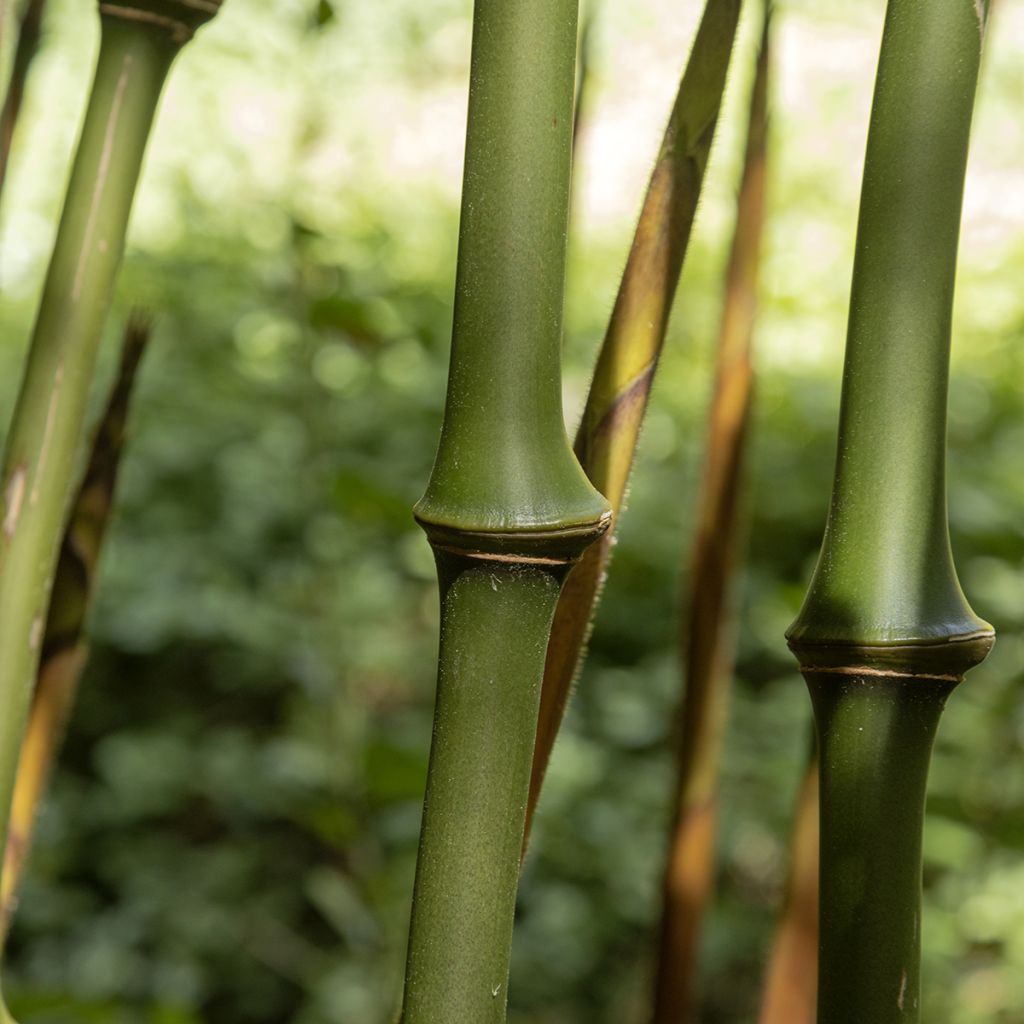
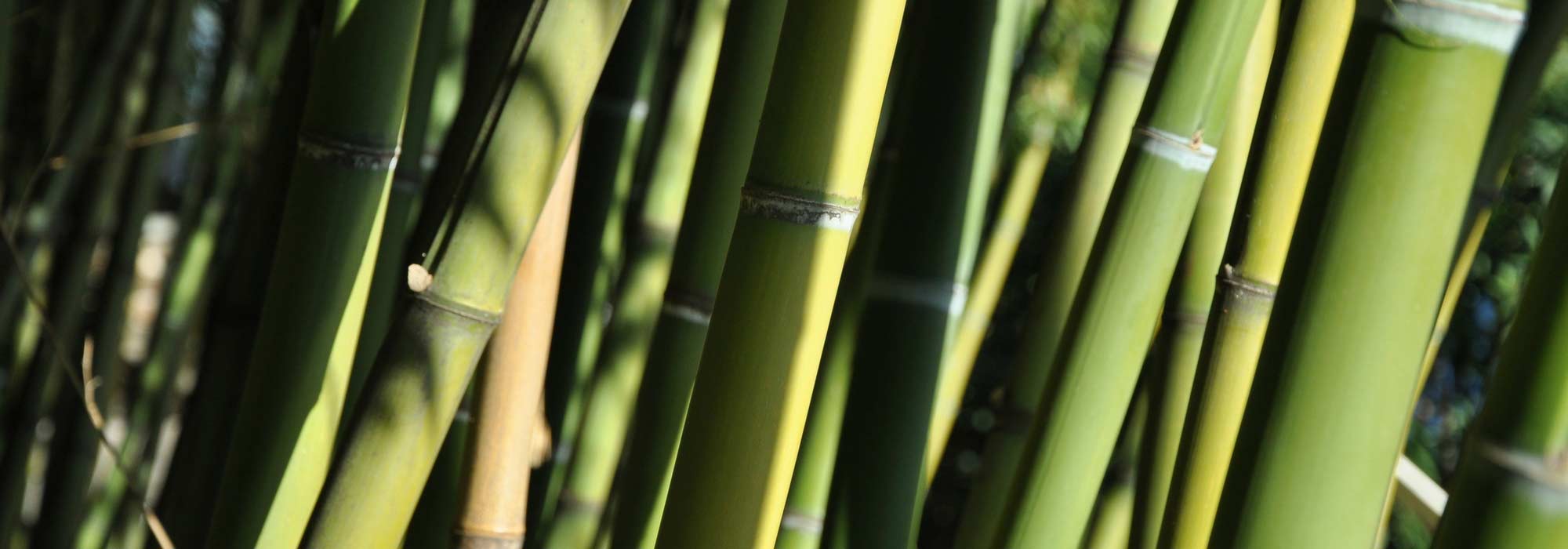
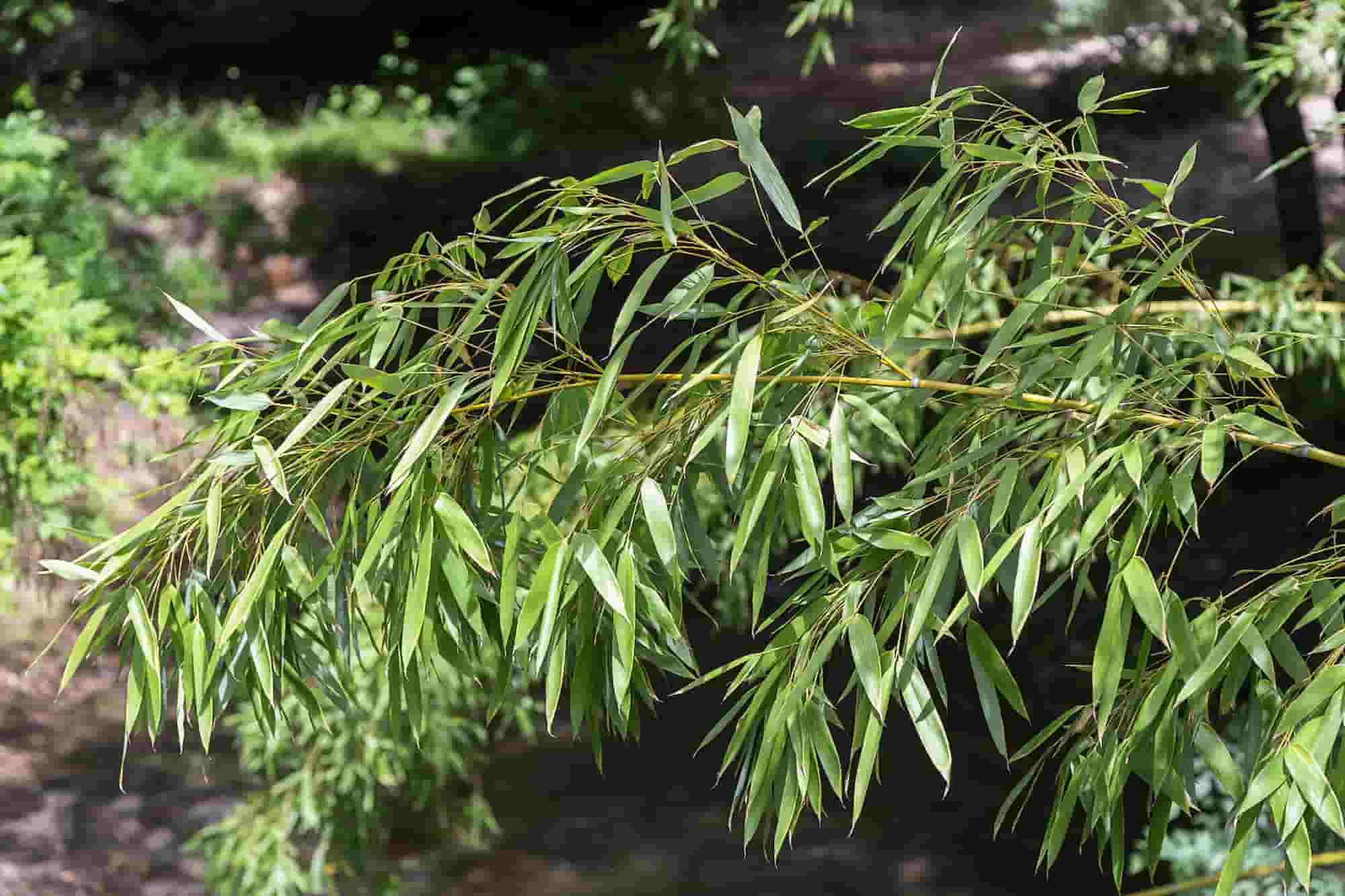
Chimonobambusa tumidissinoda 'Macrophylla' is a medium-sized to modest bamboo with a remarkable pattern. Its upright canes, a beautiful green with a hint of pale yellow-olive, are adorned with swollen and flattened nodes that are quite spectacular, and they bear a gorgeous feathery foliage, curiously arranged in layers. With a wide and beautifully architectural habit, the plant looks wonderful in a grove. Perfectly at ease in a large pot or container, this collectible bamboo will surely pique the curiosity of all. Slightly spreading, evergreen, cold and heat resistant, it thrives in partial shade, in cool and deep soil.
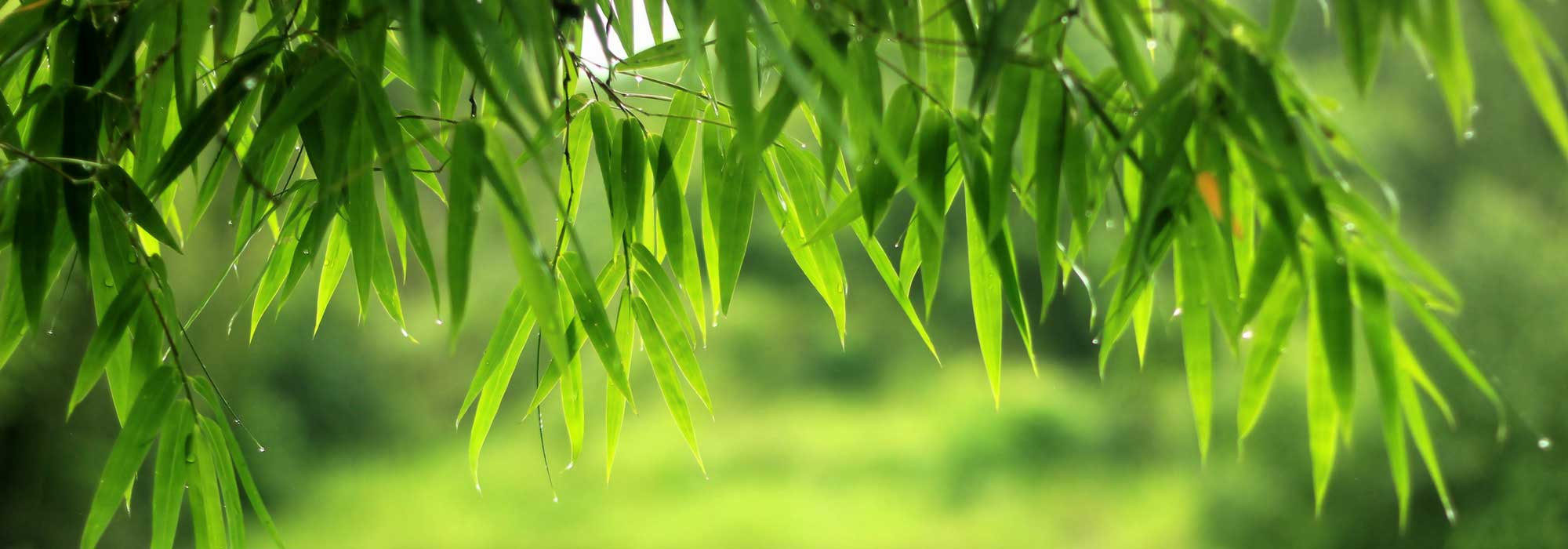
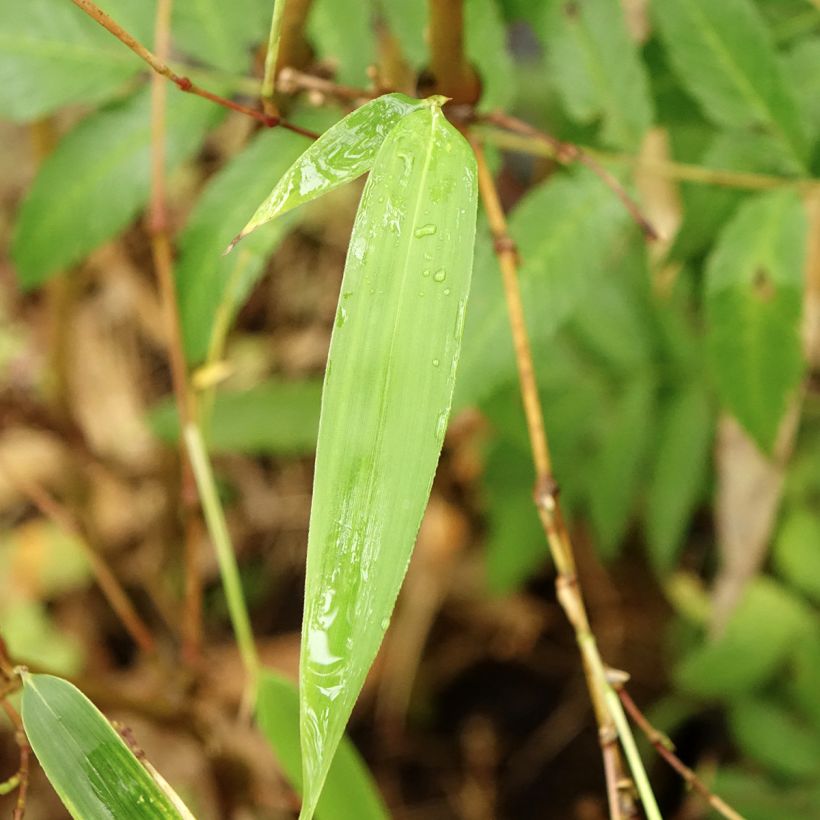
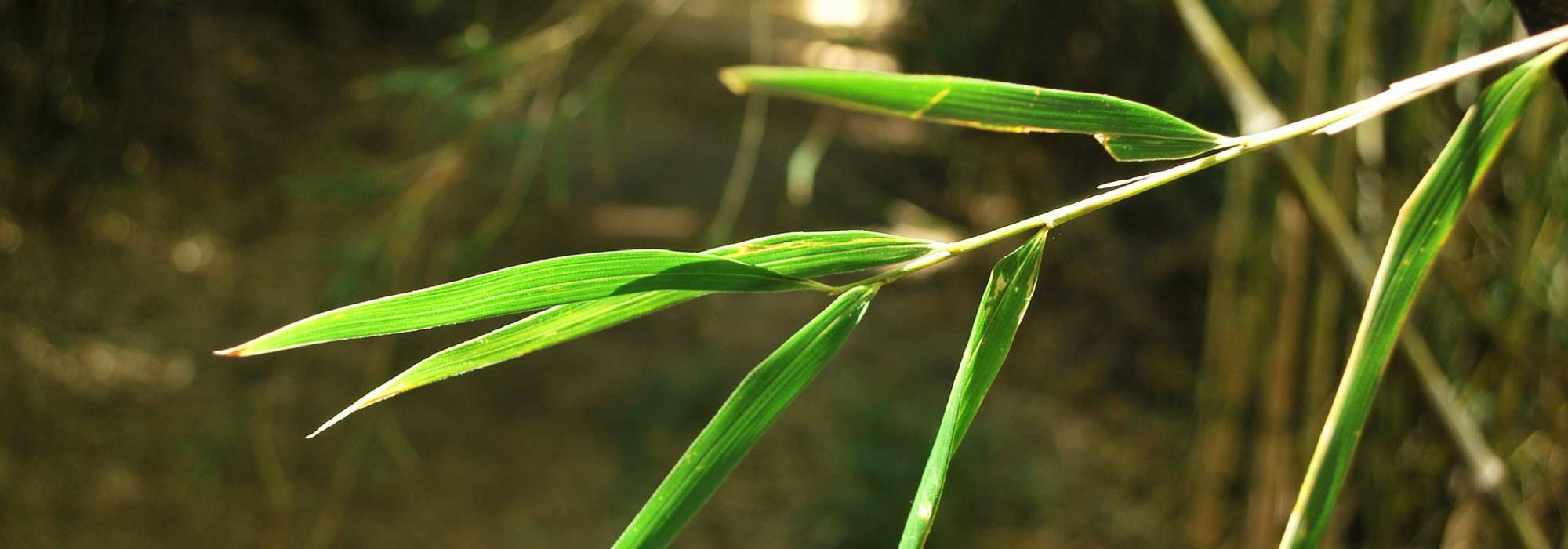
Chimonobambusa tumidissinoda 'Macrophylla' (synonym qiongzhuea tumidinoda) is native to valleys in the Chinese provinces of Sichuan and Yunnan, near the borders of Myanmar and Vietnam. Introduced to England in 1987, it has slowly spread in Europe where it remains rare in cultivation. Perfectly adapted to temperate climates, it can withstand temperatures as low as -15°C (5 °F). Like all bamboos, it belongs to the family Poaceae or grasses. This moderately growing bamboo exhibits a wide, open and particularly flexible habit. It has trailing rhizomes that slowly colonize the soil around the stumps. Its culms (or canes) are a pale olive green, lightly tinged with yellow, with a diameter of 2 to 3cm (0.8 to 1.2in), reaching heights of 3 to 5m (9ft 10in to 16ft 5in). One of the characteristics of this bamboo lies in its wide and flattened nodes resembling cymbals, arranged at regular intervals along the culms. Their diameter often doubles that of the internodes. Its evergreen foliage, with a delicate appearance, consists of long, narrow leaves in a beautiful light green colour, slightly trailing.
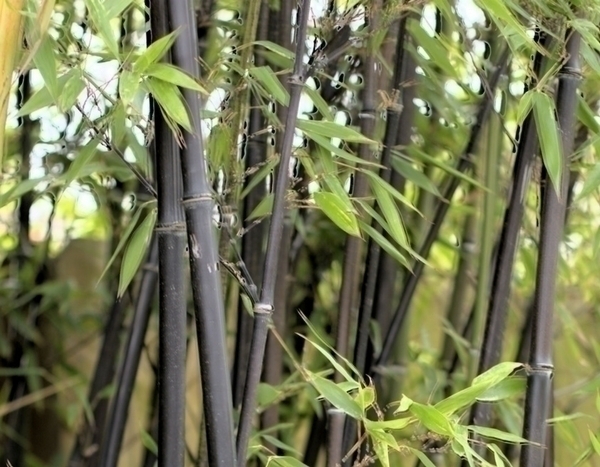
Relatively easy to grow, hardy against both cold and occasional drought, this bamboo allows for the creation of scenes of great poetry, reminiscent of Japanese maples. It is perfectly suited for Zen, exotic or contemporary gardens. Avoid planting it in extremely hot sun, excessively dry soils, and windy locations. It can be planted as a hedge, in isolated groups, or even in containers where it performs very well. It integrates quite easily into the garden, pairing well with trees such as the caramel tree, Japanese maple in all its forms, and certain weeping conifers. In a more shrub-like bed, it accompanies the sacred bamboo, Euonymus, or Loropetalum. It can also be combined with black bamboo and different Fargesia species with distinct stems and foliage, for a highly successful tropical scene. With its unique pattern, Chimonobambusa tumidissinoda 'Macrophylla' is the ideal bamboo to bring a very exotic character to even the most modest setting!
In Asia, the culms of this bamboo are used to make umbrella and walking canes. In fact, Charlie Chaplin's famous cane was made of Chinobambusa tumidissinoda.
Chimonobambusa tumidissinoda Macrophylla in pictures
Plant habit
Foliage
Botanical data
Chimonobambusa
tumidissinoda
Macrophylla
Gramineae
Walking-stick Bamboo
China
Planting and care
Grown in containers, bamboo can be planted at any time of the year, except during frost. Nevertheless, the best planting period is late summer and autumn, when the soil is warm and rain is more frequent, or early spring. The planting distance depends on how you plan to use your bamboo: for a mass planting, allow a gap of 1.8 to 2.2 metres (5 feet 11 inches to 7 feet 2 inches) between each plant. For a hedge, this distance is reduced to 1 to 1.4 metres (3 feet 4 inches to 4 feet 7 inches).
In general, bamboo prefers rich, deep, well-drained soil that remains moist, either acidic or neutral. They can tolerate slightly alkaline soil.
Chimonobambusa is sensitive to hot exposures, so plant it in partial shade, preferably in filtered sunlight.
During planting, be sure to loosen the soil and moisten the root ball by soaking it. You can add well-decomposed compost and rake it into the surface. Watering should be consistent for at least the first year when planted in the ground, and continuously if your bamboo is cultivated in a pot. The establishment period may sometimes seem a bit long, but don't panic!
For creeping bamboo species, the installation of a rhizome barrier (thick and durable polypropylene film) is essential because these varieties, which disregard property boundaries, can quickly colonize large areas. The rhizome barrier should be vertically buried, leaving a height of 10cm (3.9in) exposed, which should be inclined 15° towards the plant.
As for maintenance, bamboo is not demanding: remember to weed around the base, at least in the beginning, until its dead leaves form a natural mulch on the ground. An application of nitrogen-rich fertilizer (well-decomposed manure or liquid fertilizer) in spring and autumn can be beneficial.
Planting period
Intended location
Care
Planting & care advice
-
-
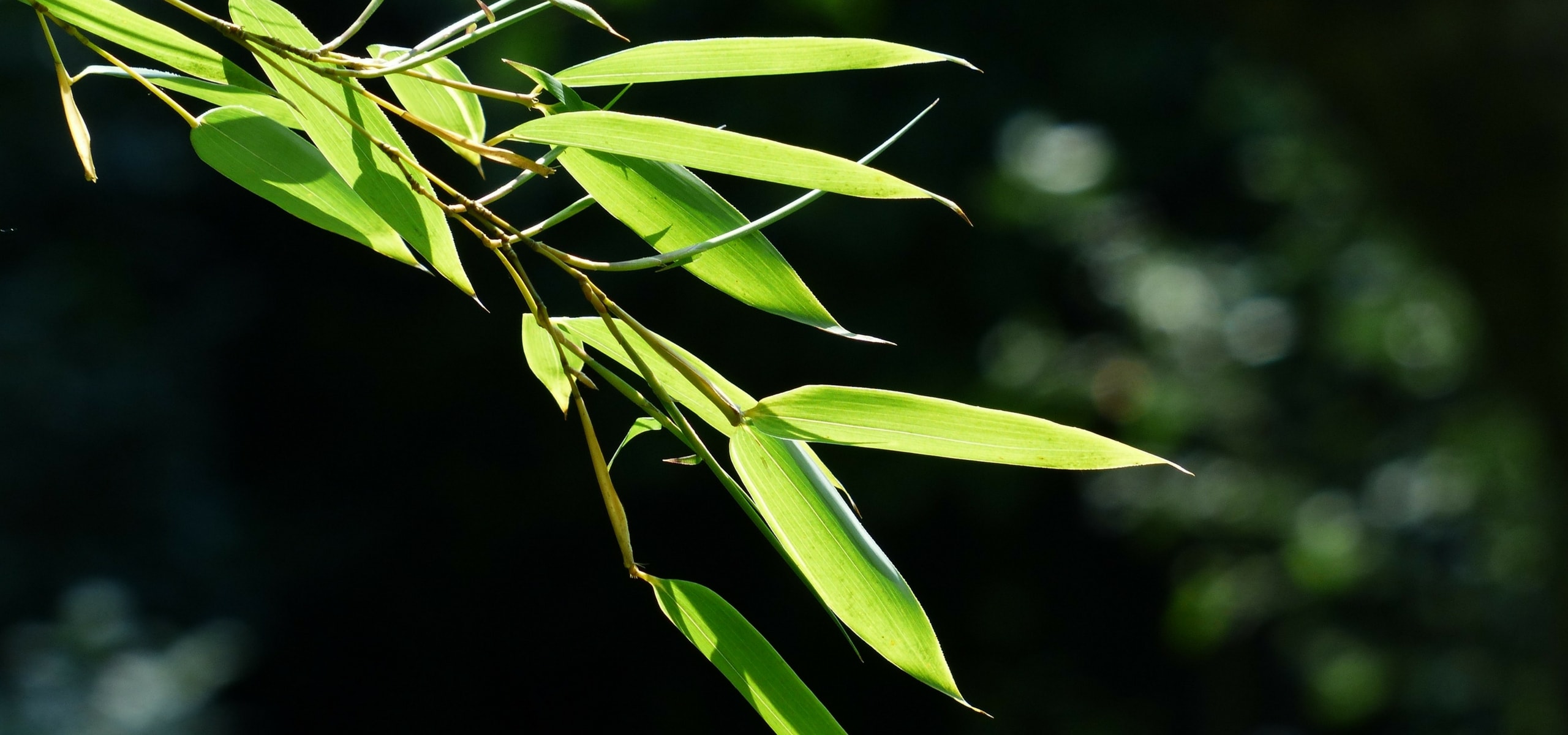
-
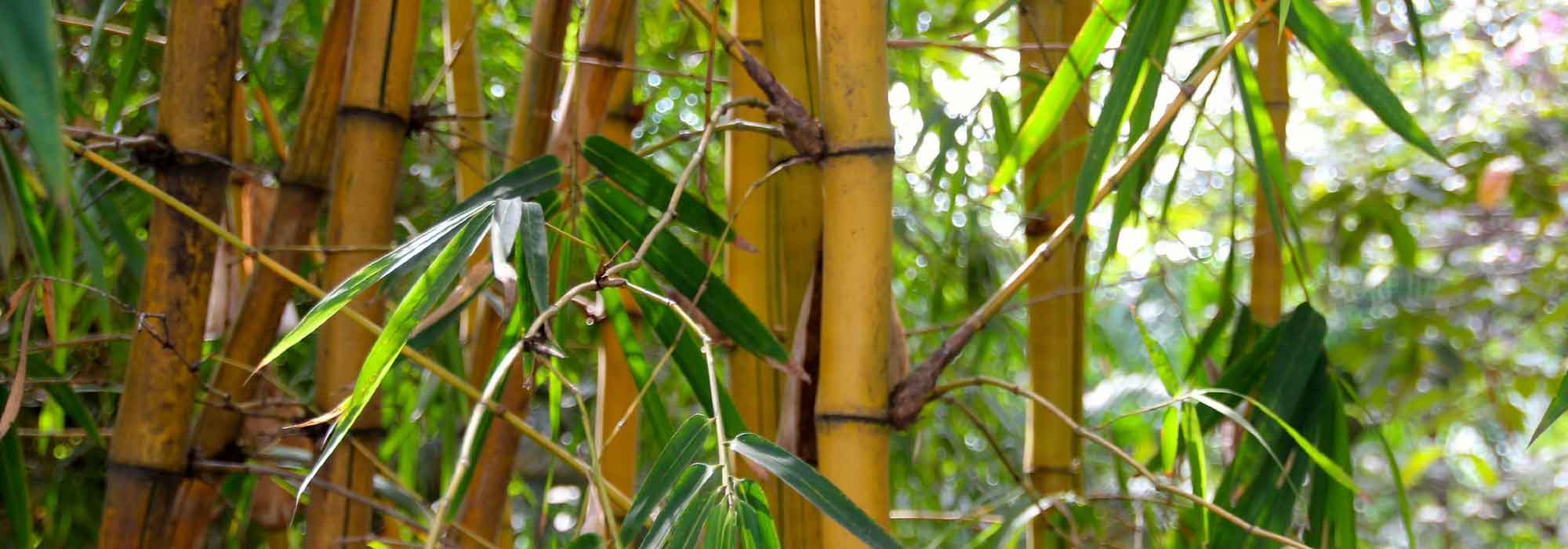
-
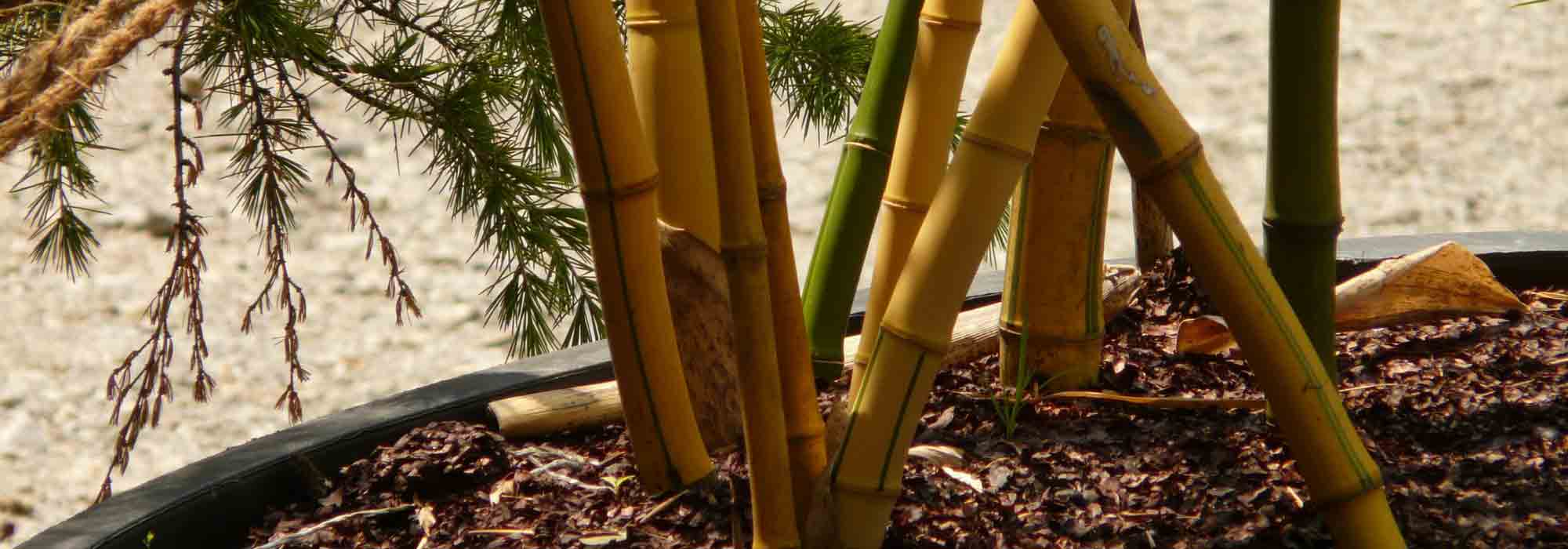
-
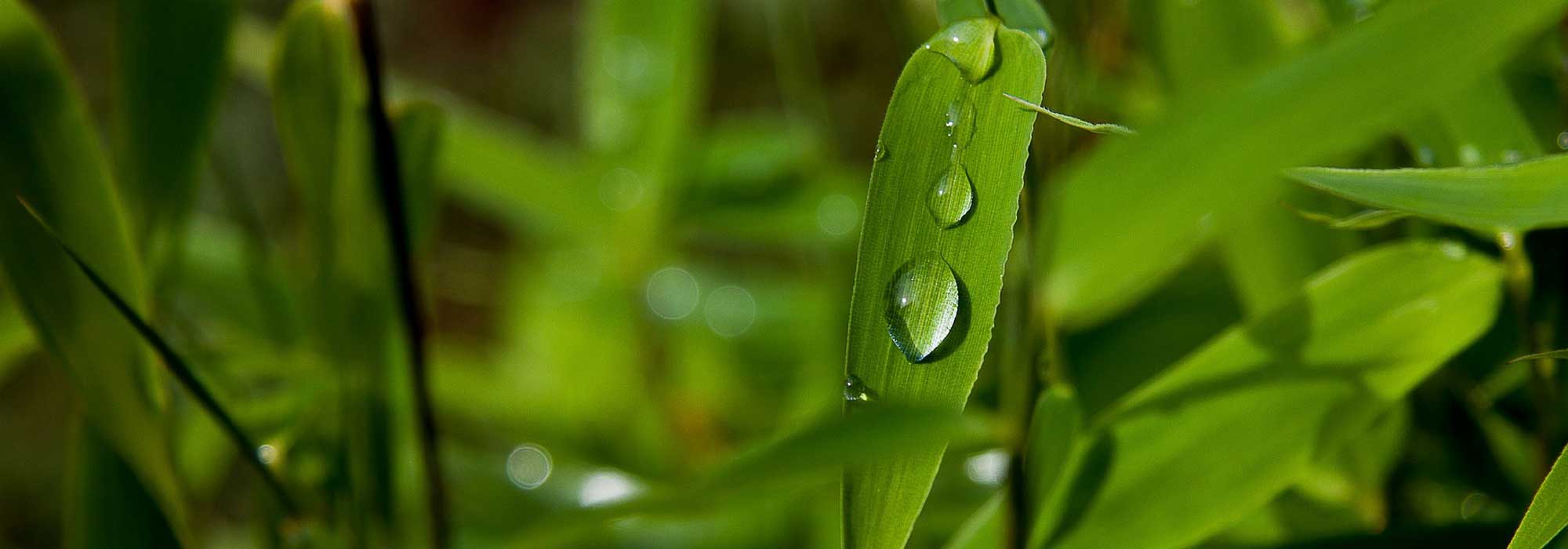
-
-
-
This item has not been reviewed yet - be the first to leave a review about it.
Recently viewed products
Haven't found what you were looking for?
Hardiness is the lowest winter temperature a plant can endure without suffering serious damage or even dying. However, hardiness is affected by location (a sheltered area, such as a patio), protection (winter cover) and soil type (hardiness is improved by well-drained soil).

The flowering period indicated on our website applies to countries and regions located in USDA zone 8 (France, the United Kingdom, Ireland, the Netherlands, etc.)
It will vary according to where you live:- In zones 9 to 10 (Italy, Spain, Greece, etc.), flowering will occur about 2 to 4 weeks earlier.
- In zones 6 to 7 (Germany, Poland, Slovenia, and lower mountainous regions), flowering will be delayed by 2 to 3 weeks.
- In zone 5 (Central Europe, Scandinavia), blooming will be delayed by 3 to 5 weeks.
In temperate climates, pruning of spring-flowering shrubs (forsythia, spireas, etc.) should be done just after flowering.
Pruning of summer-flowering shrubs (Indian Lilac, Perovskia, etc.) can be done in winter or spring.
In cold regions as well as with frost-sensitive plants, avoid pruning too early when severe frosts may still occur.
The planting period indicated on our website applies to countries and regions located in USDA zone 8 (France, United Kingdom, Ireland, Netherlands).
It will vary according to where you live:
- In Mediterranean zones (Marseille, Madrid, Milan, etc.), autumn and winter are the best planting periods.
- In continental zones (Strasbourg, Munich, Vienna, etc.), delay planting by 2 to 3 weeks in spring and bring it forward by 2 to 4 weeks in autumn.
- In mountainous regions (the Alps, Pyrenees, Carpathians, etc.), it is best to plant in late spring (May-June) or late summer (August-September).
The harvesting period indicated on our website applies to countries and regions in USDA zone 8 (France, England, Ireland, the Netherlands).
In colder areas (Scandinavia, Poland, Austria...) fruit and vegetable harvests are likely to be delayed by 3-4 weeks.
In warmer areas (Italy, Spain, Greece, etc.), harvesting will probably take place earlier, depending on weather conditions.
The sowing periods indicated on our website apply to countries and regions within USDA Zone 8 (France, UK, Ireland, Netherlands).
In colder areas (Scandinavia, Poland, Austria...), delay any outdoor sowing by 3-4 weeks, or sow under glass.
In warmer climes (Italy, Spain, Greece, etc.), bring outdoor sowing forward by a few weeks.
Shipping country and language
Your country of residence may be:
Your country of residence is:
For a better user experience on our website, you can select:
Your shipping country:
-
 Austria
-
 Belgium
-
 Bosnia & Herzegovina
-
 Bulgaria
-
 Croatia
-
 Cyprus
-
 Czechia
-
 Denmark
-
 Estonia
-
 Finland
-
 France
-
 Germany
-
 Greece
-
 Hungary
-
 Iceland
-
 Ireland
-
 Italy
Italy
-
 Latvia
-
 Liechtenstein
-
 Lithuania
-
 Luxembourg
-
 Malta
Malta
-
 Netherlands
-
 Poland
-
 Portugal
-
 Romania
-
 Serbia
-
 Slovakia
-
 Slovenia
-
 Spain
Spain
-
 Sweden
-
 Switzerland
Language:
-
French
-
 English
-
Spanish
-
Italian
-
German
-
Portuguese
-
Dutch
-
Finnish
My Account
Hello
My wish lists
My cart
Log in / Register
Existing customer?
This form is protected by reCAPTCHA - the Google Privacy Policy and Terms of Service apply.
New customer?
Create an account to track your orders, access our customer service and, if you wish, make the most of our upcoming offers.