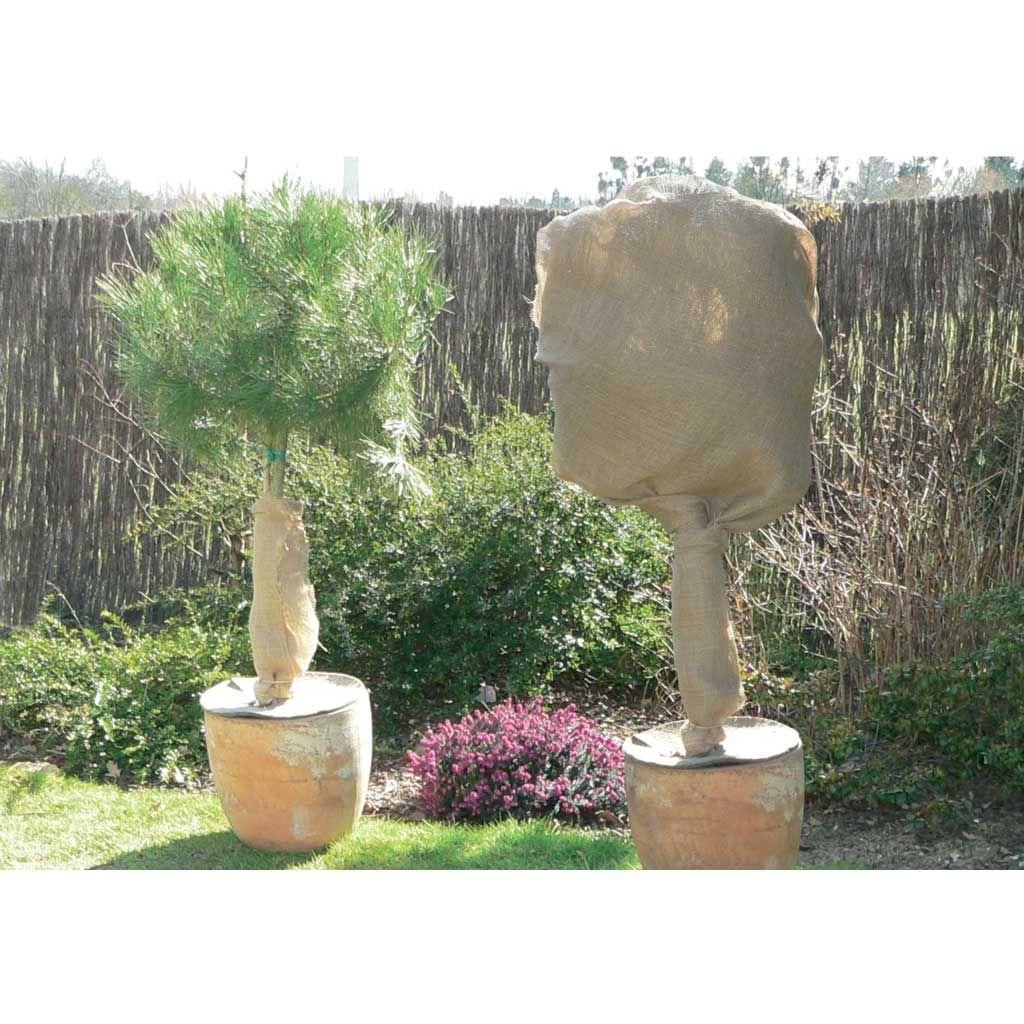
NATUREROLL brown jute protection 200g/m² 1m x 10m
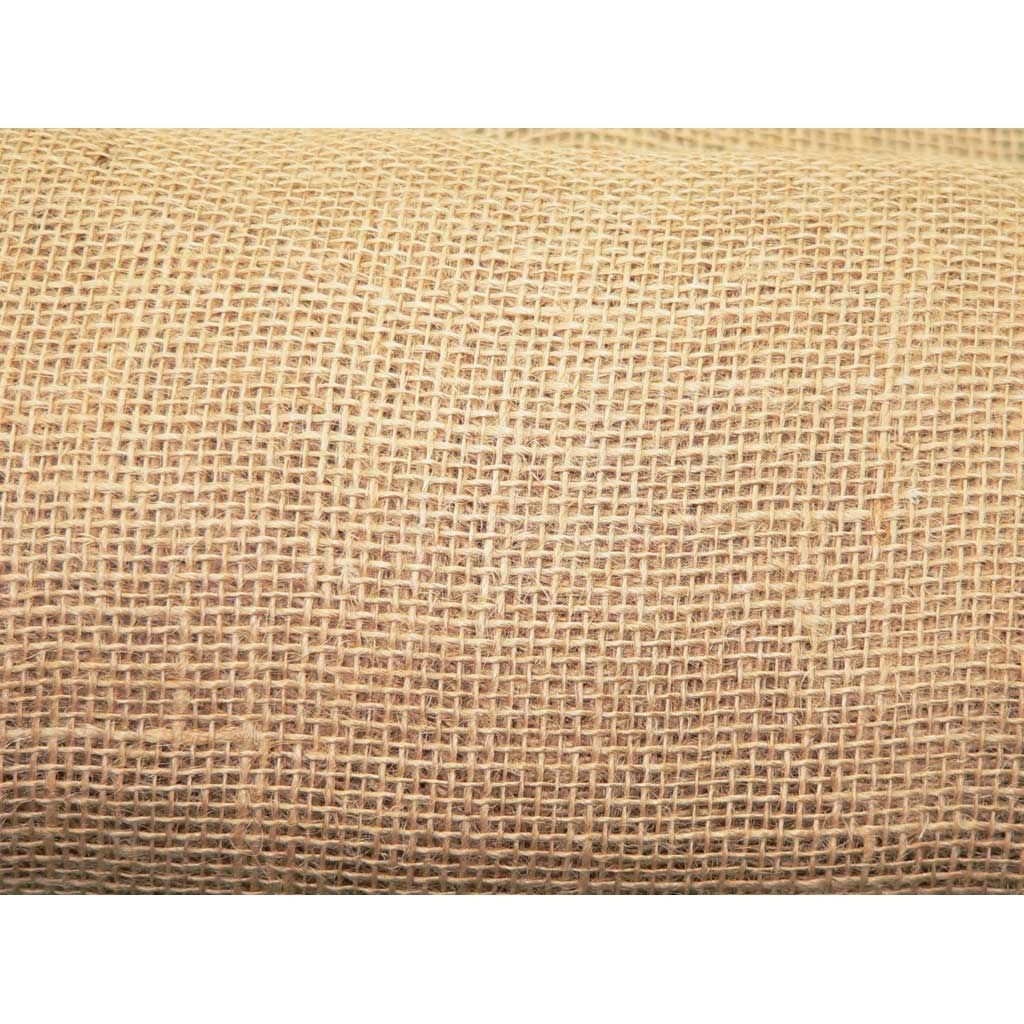
NATUREROLL brown jute protection 200g/m² 1m x 10m
NATUREROLL brown jute protection 200g/m² 1m x 10m
Back-to-school special offer!
Get €10 off for every €50 you spend! And get up to €40 off on a single order.
How does it work?
1. Shop your favourites
Add your favourite plants to your basket. For every €50 you spend (excluding delivery charges, store credit and the plastic-free option), you’ll receive a €10 voucher.
€50 spent = €10 voucher
€100 spent = €20 voucher
€150 spent = €30 voucher
€200 spent = €40 voucher
2. Place your order
Once your basket reaches one of the spending thresholds, place your order. You can even choose your delivery date!
3. Receive your voucher
As soon as your order has been shipped, you’ll receive an email containing your personal voucher code and its value.
4. Use it on your next order
Your voucher is valid for 90 days from the date you receive it. It can be used once only, on a new order worth at least the value of the voucher, excluding delivery charges.
Please note: Vouchers can be combined with other offers, but cannot be split or refunded.
Home or relay delivery (depending on size and destination)
Important: You may be charged customs duties by your country’s customs authorities upon delivery.
Schedule delivery date,
and select date in basket
We guarantee the quality of our plants for a full growing cycle, and will replace at our expense any plant that fails to recover under normal climatic and planting conditions.
This NATUREROLL jute fabric is a versatile material that will be very useful in the garden. It will protect frost-sensitive pots or plants and bushes, and can be used to mulch the soil in flower beds or slopes... Simply wrap plants from the base to the top to effectively insulate them. Made from woven jute fibres, it is a natural and 100% biodegradable product. We sell it in a roll measuring 10 metres long by 1 metre wide.
Jute fabric is a true ally for gardeners. This material comes directly from the rigid and fibrous stems of a bush called white jute, in Latin Corchorus capsularis. It is a plant from the mallow family, related to hibiscus, native to the hot and humid regions of India. This is a raw, untreated fabric made of woven fibres with a mesh density of 200g/m², it is lighter and more flexible than the 300g/m² quality usually reserved for canvas bags. Juste fabric is robust and can be reused for several years before starting to degrade.
In the garden, it can replace winter covers and frost protection made of polypropylene. The tight weave insulates plants from cold, wind, hail, and snow, while allowing air and water necessary for plant life to pass through. Jute fabric can be used as an alternative to conventional polypropylene mulch fabrics to protect the soil, reduce weeding operations, and reduce watering due to its ability to retain moisture in the soil. In this use, jute fabric plays its role as a geotextile, particularly useful for retaining soil on large slopes or sloping terrain. Cut into wide strips, it can also be wrapped around large stakes like those used for certain indoor plants like Monstera deliciosa. Stakes covered with jute fabric also help guide the initial growth of young ivy, climbing hydrangeas, or Virginia creeper, providing an ideal surface for their climbing roots and suckers to attach to. Jute fabric also protects young tree trunks from deer bites.
Finally, jute fabric, with its beautiful brown colour, can be used for decoration on garden tables as a raw tablecloth, to shade a pergola or arbour, or to filter the sun from overexposed windows in summer when transformed into outdoor curtains. You can change its colour, many natural plant-based dyes exist to bring a touch of fantasy to this decidedly strong, virtuous, versatile, and economical material!
Technical features
Tips
Detailed features
This item has not been reviewed yet - be the first to leave a review about it.
Recently viewed products
Haven't found what you were looking for?
Hardiness is the lowest winter temperature a plant can endure without suffering serious damage or even dying. However, hardiness is affected by location (a sheltered area, such as a patio), protection (winter cover) and soil type (hardiness is improved by well-drained soil).

The flowering period indicated on our website applies to countries and regions located in USDA zone 8 (France, the United Kingdom, Ireland, the Netherlands, etc.)
It will vary according to where you live:- In zones 9 to 10 (Italy, Spain, Greece, etc.), flowering will occur about 2 to 4 weeks earlier.
- In zones 6 to 7 (Germany, Poland, Slovenia, and lower mountainous regions), flowering will be delayed by 2 to 3 weeks.
- In zone 5 (Central Europe, Scandinavia), blooming will be delayed by 3 to 5 weeks.
In temperate climates, pruning of spring-flowering shrubs (forsythia, spireas, etc.) should be done just after flowering.
Pruning of summer-flowering shrubs (Indian Lilac, Perovskia, etc.) can be done in winter or spring.
In cold regions as well as with frost-sensitive plants, avoid pruning too early when severe frosts may still occur.
The planting period indicated on our website applies to countries and regions located in USDA zone 8 (France, United Kingdom, Ireland, Netherlands).
It will vary according to where you live:
- In Mediterranean zones (Marseille, Madrid, Milan, etc.), autumn and winter are the best planting periods.
- In continental zones (Strasbourg, Munich, Vienna, etc.), delay planting by 2 to 3 weeks in spring and bring it forward by 2 to 4 weeks in autumn.
- In mountainous regions (the Alps, Pyrenees, Carpathians, etc.), it is best to plant in late spring (May-June) or late summer (August-September).
The harvesting period indicated on our website applies to countries and regions in USDA zone 8 (France, England, Ireland, the Netherlands).
In colder areas (Scandinavia, Poland, Austria...) fruit and vegetable harvests are likely to be delayed by 3-4 weeks.
In warmer areas (Italy, Spain, Greece, etc.), harvesting will probably take place earlier, depending on weather conditions.
The sowing periods indicated on our website apply to countries and regions within USDA Zone 8 (France, UK, Ireland, Netherlands).
In colder areas (Scandinavia, Poland, Austria...), delay any outdoor sowing by 3-4 weeks, or sow under glass.
In warmer climes (Italy, Spain, Greece, etc.), bring outdoor sowing forward by a few weeks.
Shipping country and language
Your country of residence may be:
Your country of residence is:
For a better user experience on our website, you can select:
Your shipping country:
-
 Austria
-
 Belgium
-
 Bosnia & Herzegovina
-
 Bulgaria
-
 Croatia
-
 Cyprus
-
 Czechia
-
 Denmark
-
 Estonia
-
 Finland
-
 France
-
 Germany
-
 Greece
-
 Hungary
-
 Iceland
-
 Ireland
-
 Italy
Italy
-
 Latvia
-
 Liechtenstein
-
 Lithuania
-
 Luxembourg
-
 Malta
Malta
-
 Netherlands
-
 Poland
-
 Portugal
-
 Romania
-
 Serbia
-
 Slovakia
-
 Slovenia
-
 Spain
Spain
-
 Sweden
-
 Switzerland
Language:
-
French
-
 English
-
Spanish
-
Italian
-
German
-
Portuguese
-
Dutch
-
Finnish
My Account
Hello
My wish lists
My cart
Log in / Register
Existing customer?
This form is protected by reCAPTCHA - the Google Privacy Policy and Terms of Service apply.
New customer?
Create an account to track your orders, access our customer service and, if you wish, make the most of our upcoming offers.