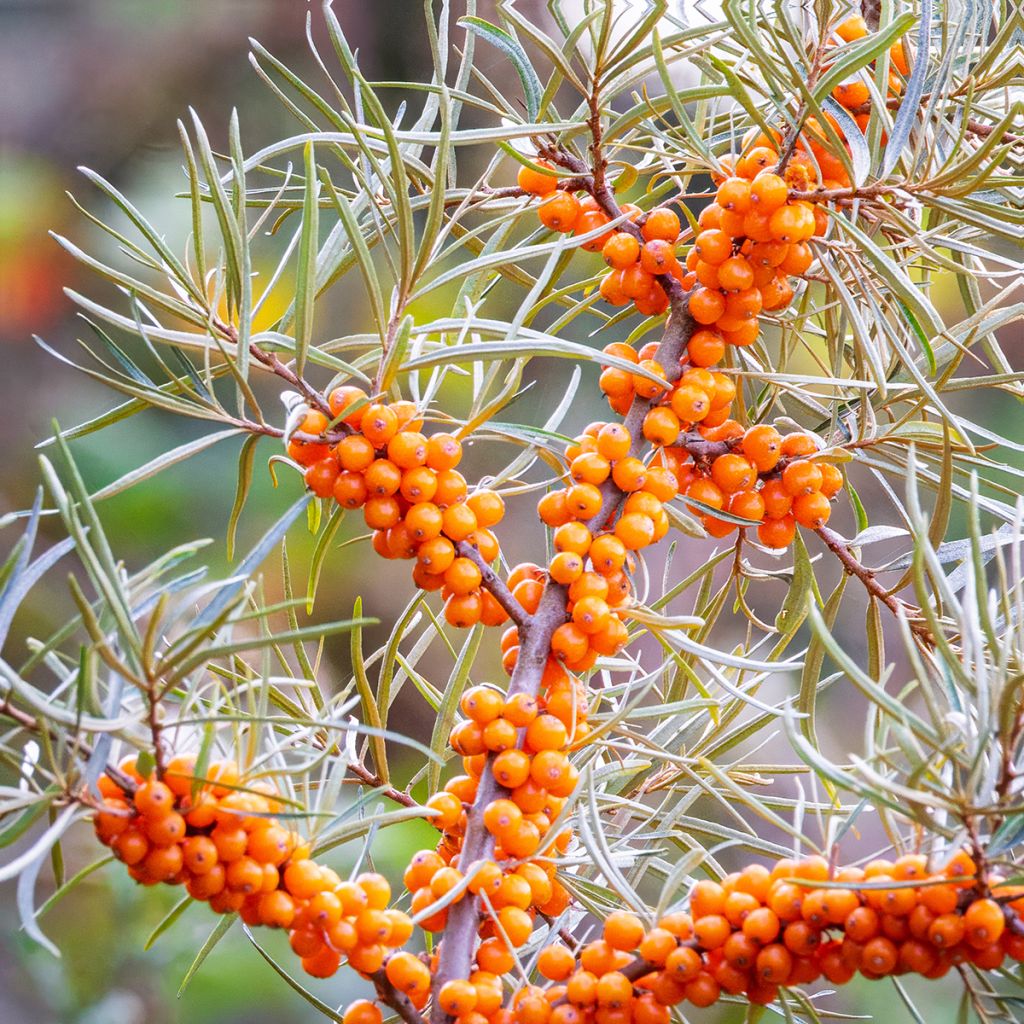
Hippophae rhamnoides seeds - Sea buckthorn
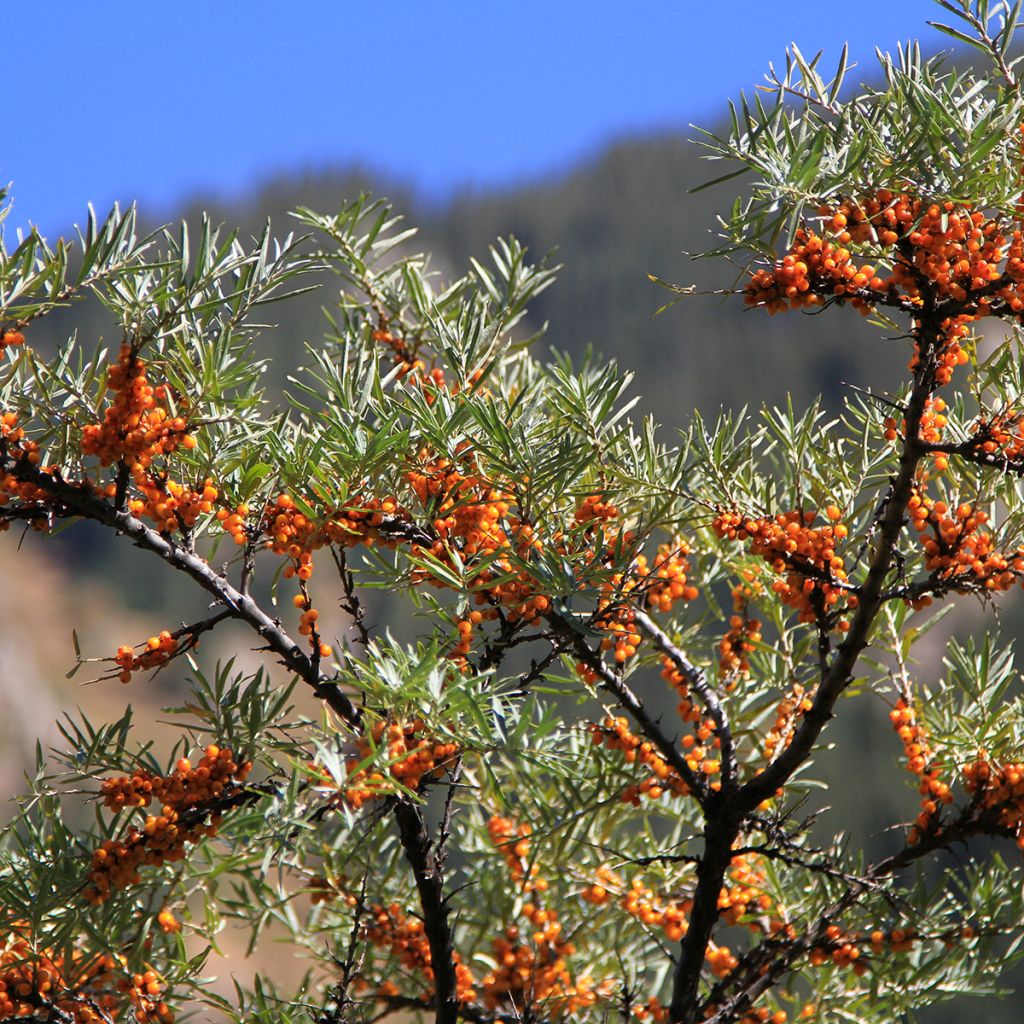
Hippophae rhamnoides seeds - Sea buckthorn
Hippophae rhamnoides seeds - Sea buckthorn
Hippophae rhamnoides
Sea buckthorn
Back-to-school special offer!
Get €10 off for every €50 you spend! And get up to €40 off on a single order.
How does it work?
1. Shop your favourites
Add your favourite plants to your basket. For every €50 you spend (excluding delivery charges, store credit and the plastic-free option), you’ll receive a €10 voucher.
€50 spent = €10 voucher
€100 spent = €20 voucher
€150 spent = €30 voucher
€200 spent = €40 voucher
2. Place your order
Once your basket reaches one of the spending thresholds, place your order. You can even choose your delivery date!
3. Receive your voucher
As soon as your order has been shipped, you’ll receive an email containing your personal voucher code and its value.
4. Use it on your next order
Your voucher is valid for 90 days from the date you receive it. It can be used once only, on a new order worth at least the value of the voucher, excluding delivery charges.
Please note: Vouchers can be combined with other offers, but cannot be split or refunded.
Home or relay delivery (depending on size and destination)
Important: You may be charged customs duties by your country’s customs authorities upon delivery.
Schedule delivery date,
and select date in basket
This plant carries a 6 months recovery warranty
More information
We guarantee the quality of our plants for a full growing cycle, and will replace at our expense any plant that fails to recover under normal climatic and planting conditions.
Would this plant suit my garden?
Set up your Plantfit profile →
Description
Sea Buckthorn seeds make it fairly easy to propagate Hippophae rhamnoides, also commonly known as Sallow Thorn or False Buckthorn. This large shrub with dense branching bears greyish-green narrow leaves. This robust plant, resistant to cold and sea spray, capable of establishing itself even in poor soils as long as they are well-drained, is also useful. Its thorns create formidable defensive hedges, while female specimens produce yellow-orange fruits that are not only ornamental but also edible. Cold stratification helps to increase the germination rate, while the rapid growth of Sea Buckthorn quickly produces mature plants.
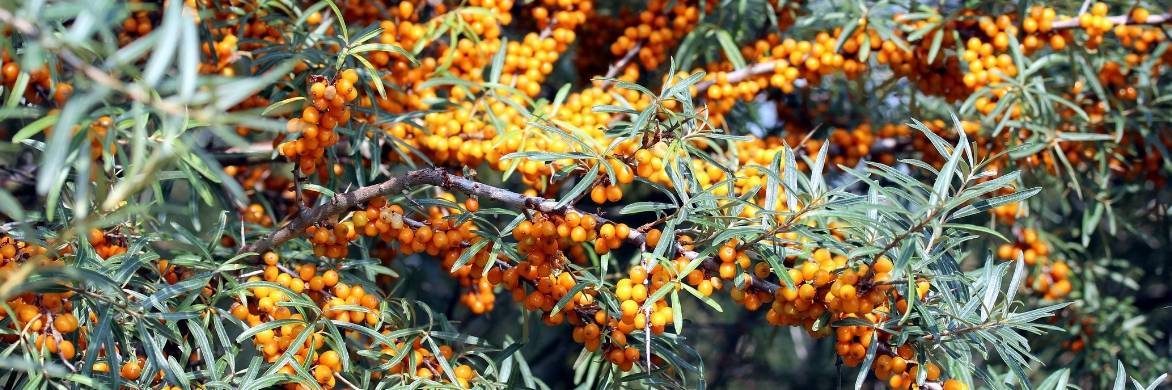
Sea Buckthorn is a member of the small Elaeagnaceae family, which includes only two other genera, Elaeagnus or Oleaster, widely used in hedges, and Shepherdia from North America, still little known, though equally interesting. Native to a vast area stretching from Western Europe (particularly along the English Channel coast) to northern China, Sea Buckthorn thrives both at altitude and on coastal dunes, where it plays an essential role in stabilising soils subject to erosion. It forms a dense, very thorny and vigorous shrub, capable of quickly reaching 3 to 5 metres in height and spread. Similar to Legumes (Fabaceae), its powerful root system can capture atmospheric nitrogen to enrich the soil. Its deciduous foliage consists of fine, elongated leaves, dark green on the upper surface and silvery on the underside. Sea Buckthorn is very hardy, tolerates temperatures as low as –30 °C, and adapts easily to periods of drought. A dioecious species, each specimen bears either male or female flowers. The small, greenish flowers, gathered in clusters, appear in early spring, before the leaves emerge. Fruit production requires the presence of both sexes, with a single male plant able to pollinate six to eight female specimens. From the second or third year onwards, female plants produce numerous spherical to ovoid, brilliant yellow-orange berries. They persist throughout winter, providing a valuable food resource for birdlife. They are particularly popular with Galliformes, including pheasants, so much so that in Germany they are called pheasant berries (Fasenbeere). Very high in vitamin C and antioxidant compounds, these fruits can be cooked to make jams, jellies or syrups, as well as being used in cosmetics, especially in the form of oil extracted from the pulp and seeds.
Undemanding and perfectly suited to poor or stony soils, Sea Buckthorn can grow in damp sands, preferably calcareous. As it suckers freely, it can also prove somewhat invasive. In return, it brings structure, colour and vitality to challenging spaces. It naturally finds its place in defensive hedges, where its thorny habit and abundant fruiting make it an excellent screen, while offering shelter and food for many garden beneficials. You can pair it with thorny Pyracanthas which, depending on the variety, will bring other berry colours. In a country hedge, it blends harmoniously with other species to vary the hues and forms, notably Spindle trees with autumn colour that will blaze at the end of the season, or Juneberries, which are ornamental in every season except winter. Sowing is an economical method of propagation to produce many plants, especially for creating a long hedge. However, be sure to reserve the sunniest spots for your Sea Buckthorn plants, as they do not tolerate even the slightest shade well.
Flowering
Foliage
Plant habit
Botanical data
Hippophae
rhamnoides
Elaeagnaceae
Sea buckthorn
Argussiera rhamnoides, Elaeagnus rhamnoides, Hippophaes rhamnoideum, Rhamnoides hippophae, Osyris rhamnoides
Northern Europe
Planting and care
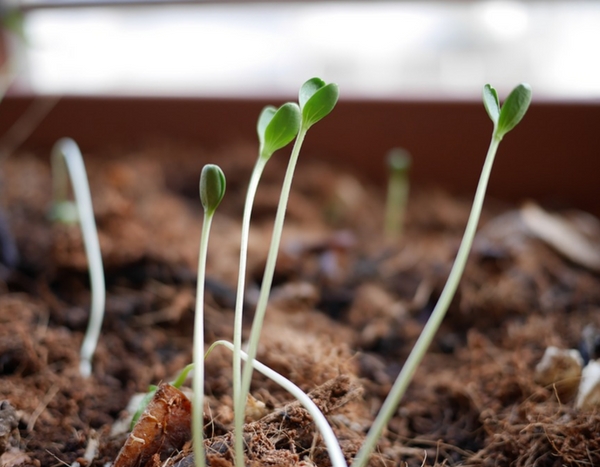
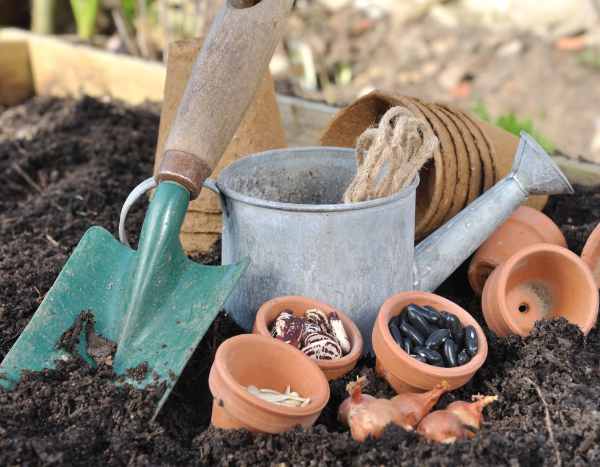
Sea Buckthorn seeds can be sown directly, but the success rate will then be around 50%. This can rise to 80% if the seeds are first cold stratified (to replicate natural conditions). This involves placing the seeds in a moist substrate (sand/perlite/vermiculite) in a sealed bag in the refrigerator for 6 to 12 weeks at approximately 3–5 °C.
Another method is to scarify the seeds by lightly rubbing them with fine-grit sandpaper, then soaking them in warm water for 24 hours.
Then sow either under warm cover before the end of winter (6 to 8 weeks before the last frosts, so roughly in February), or directly outdoors in open ground, after the last frosts and in warmed soil.
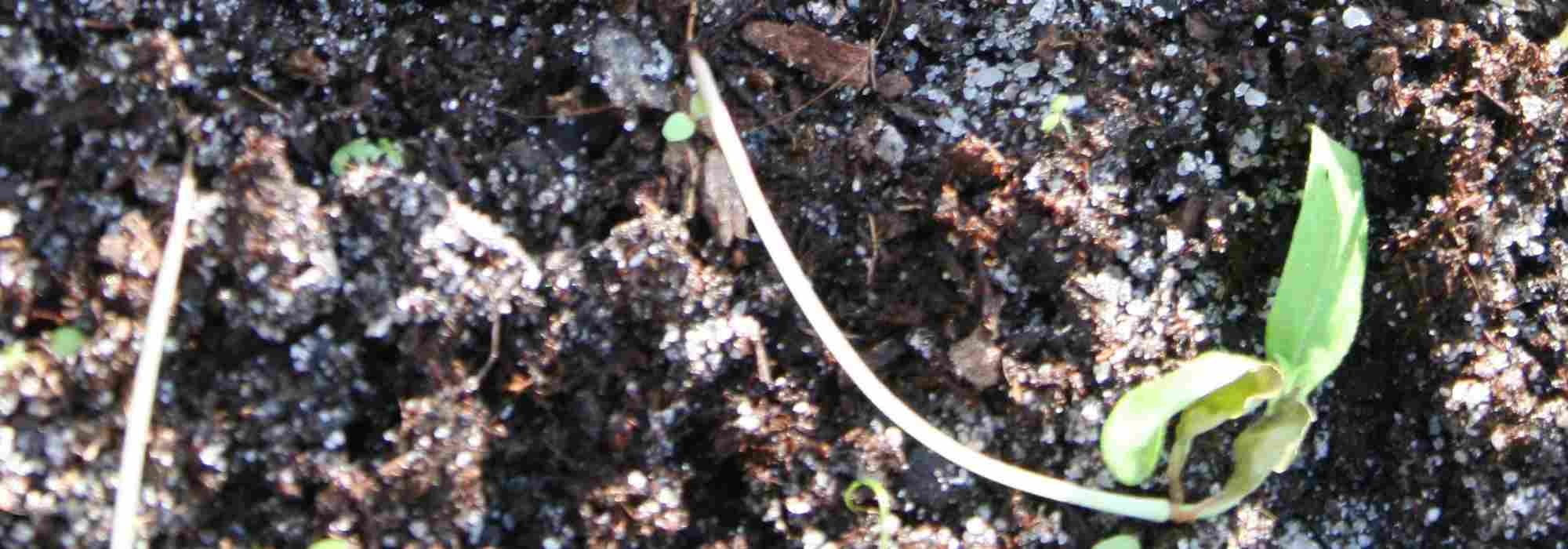
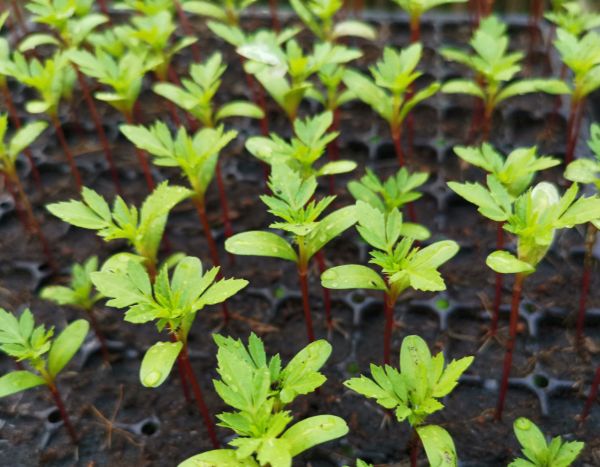
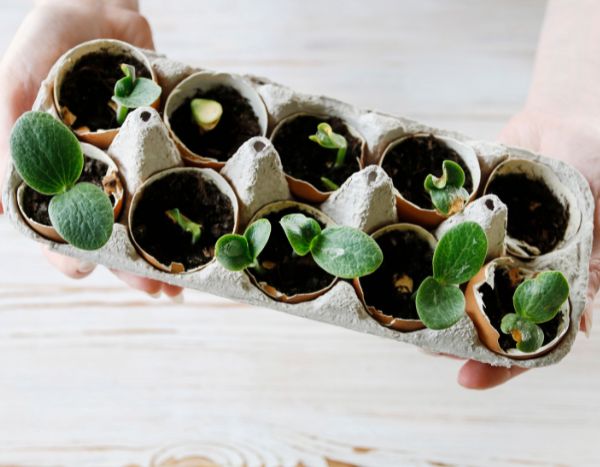
Indoors, use a seed tray with a light, well-draining substrate (such as potting compost mixed with coarse sand), keeping it moist but not waterlogged. Place it, for example, in a mini-propagator where the temperature is maintained at 15-22°C. After stratification, germination usually occurs within 2 to 6 weeks, up to a maximum of 90 days. When the first true leaves appear, transplant into pots to grow on before final planting in the garden.
Sea buckthorn needs well-drained, even poor soil, and above all full sun, as it does not tolerate shade. However, it withstands sea spray well and severe cold (hardy beyond -30°C).
Sowing period
Intended location
Planting & care advice
-

-
-
-
-

-
-
-
This item has not been reviewed yet - be the first to leave a review about it.
Recently viewed products
Haven't found what you were looking for?
Hardiness is the lowest winter temperature a plant can endure without suffering serious damage or even dying. However, hardiness is affected by location (a sheltered area, such as a patio), protection (winter cover) and soil type (hardiness is improved by well-drained soil).

The flowering period indicated on our website applies to countries and regions located in USDA zone 8 (France, the United Kingdom, Ireland, the Netherlands, etc.)
It will vary according to where you live:- In zones 9 to 10 (Italy, Spain, Greece, etc.), flowering will occur about 2 to 4 weeks earlier.
- In zones 6 to 7 (Germany, Poland, Slovenia, and lower mountainous regions), flowering will be delayed by 2 to 3 weeks.
- In zone 5 (Central Europe, Scandinavia), blooming will be delayed by 3 to 5 weeks.
In temperate climates, pruning of spring-flowering shrubs (forsythia, spireas, etc.) should be done just after flowering.
Pruning of summer-flowering shrubs (Indian Lilac, Perovskia, etc.) can be done in winter or spring.
In cold regions as well as with frost-sensitive plants, avoid pruning too early when severe frosts may still occur.
The planting period indicated on our website applies to countries and regions located in USDA zone 8 (France, United Kingdom, Ireland, Netherlands).
It will vary according to where you live:
- In Mediterranean zones (Marseille, Madrid, Milan, etc.), autumn and winter are the best planting periods.
- In continental zones (Strasbourg, Munich, Vienna, etc.), delay planting by 2 to 3 weeks in spring and bring it forward by 2 to 4 weeks in autumn.
- In mountainous regions (the Alps, Pyrenees, Carpathians, etc.), it is best to plant in late spring (May-June) or late summer (August-September).
The harvesting period indicated on our website applies to countries and regions in USDA zone 8 (France, England, Ireland, the Netherlands).
In colder areas (Scandinavia, Poland, Austria...) fruit and vegetable harvests are likely to be delayed by 3-4 weeks.
In warmer areas (Italy, Spain, Greece, etc.), harvesting will probably take place earlier, depending on weather conditions.
The sowing periods indicated on our website apply to countries and regions within USDA Zone 8 (France, UK, Ireland, Netherlands).
In colder areas (Scandinavia, Poland, Austria...), delay any outdoor sowing by 3-4 weeks, or sow under glass.
In warmer climes (Italy, Spain, Greece, etc.), bring outdoor sowing forward by a few weeks.
Shipping country and language
Your country of residence may be:
Your country of residence is:
For a better user experience on our website, you can select:
Your shipping country:
-
 Austria
-
 Belgium
-
 Bosnia & Herzegovina
-
 Bulgaria
-
 Croatia
-
 Cyprus
-
 Czechia
-
 Denmark
-
 Estonia
-
 Finland
-
 France
-
 Germany
-
 Greece
-
 Hungary
-
 Iceland
-
 Ireland
-
 Italy
Italy
-
 Latvia
-
 Liechtenstein
-
 Lithuania
-
 Luxembourg
-
 Malta
Malta
-
 Netherlands
-
 Poland
-
 Portugal
-
 Romania
-
 Serbia
-
 Slovakia
-
 Slovenia
-
 Spain
Spain
-
 Sweden
-
 Switzerland
Language:
-
French
-
 English
-
Spanish
-
Italian
-
German
-
Portuguese
-
Dutch
-
Finnish
My Account
Hello
My wish lists
My cart
Log in / Register
Existing customer?
This form is protected by reCAPTCHA - the Google Privacy Policy and Terms of Service apply.
New customer?
Create an account to track your orders, access our customer service and, if you wish, make the most of our upcoming offers.