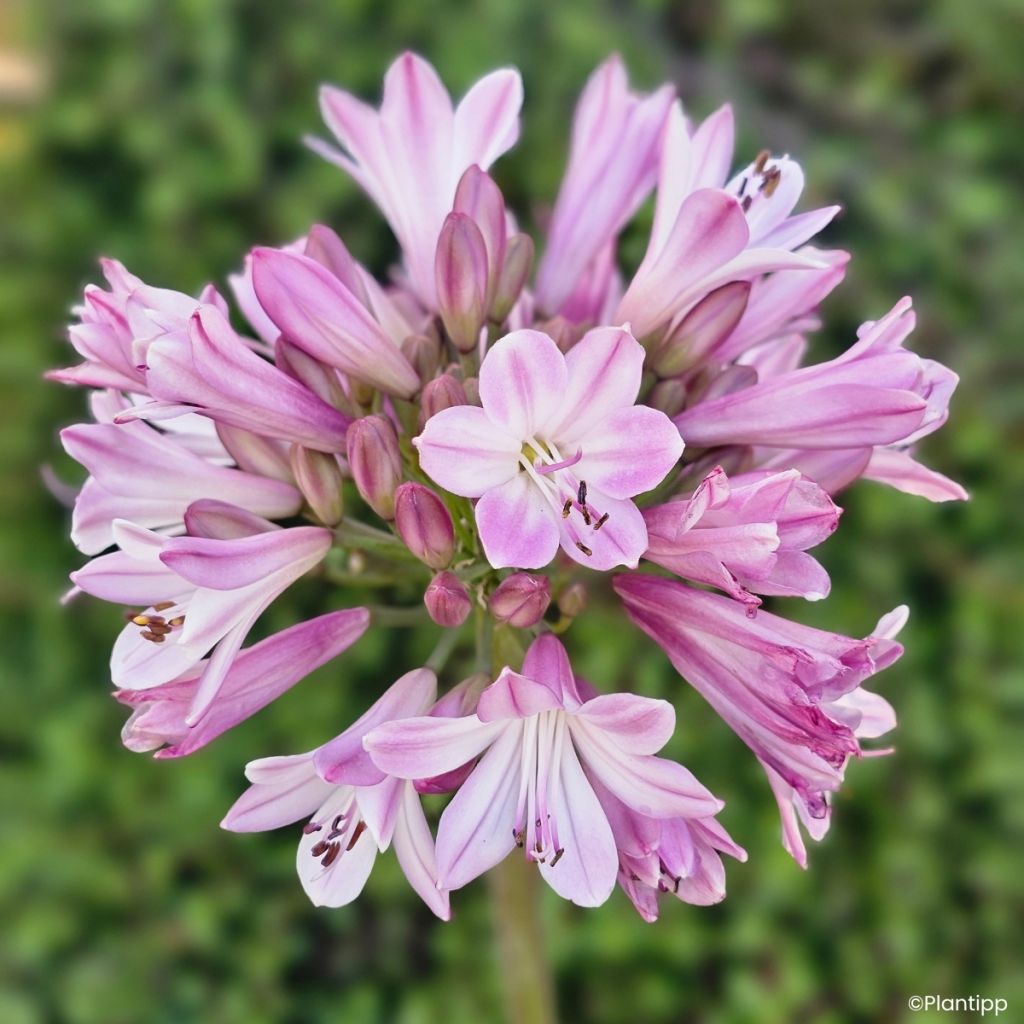
Agapanthus Poppin’® Pink - African lily
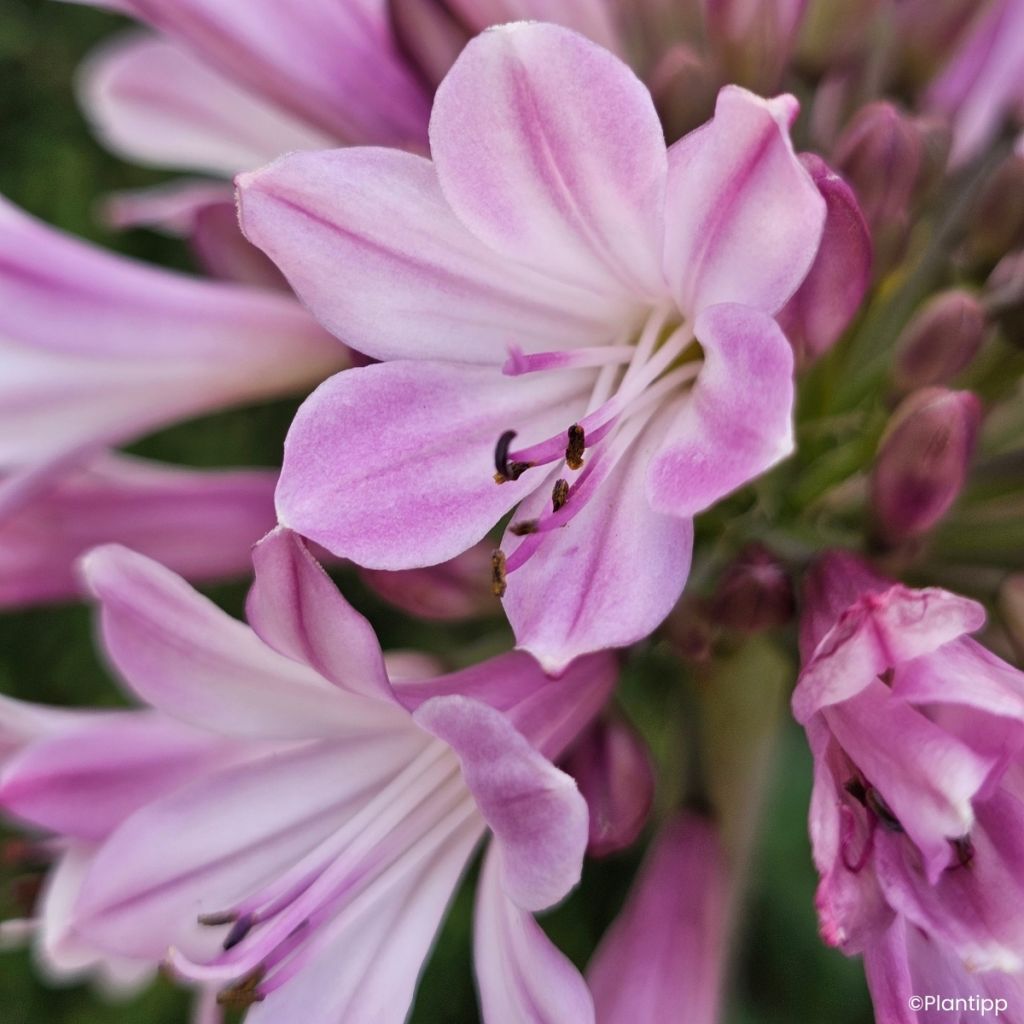
Agapanthus Poppin’® Pink - African lily
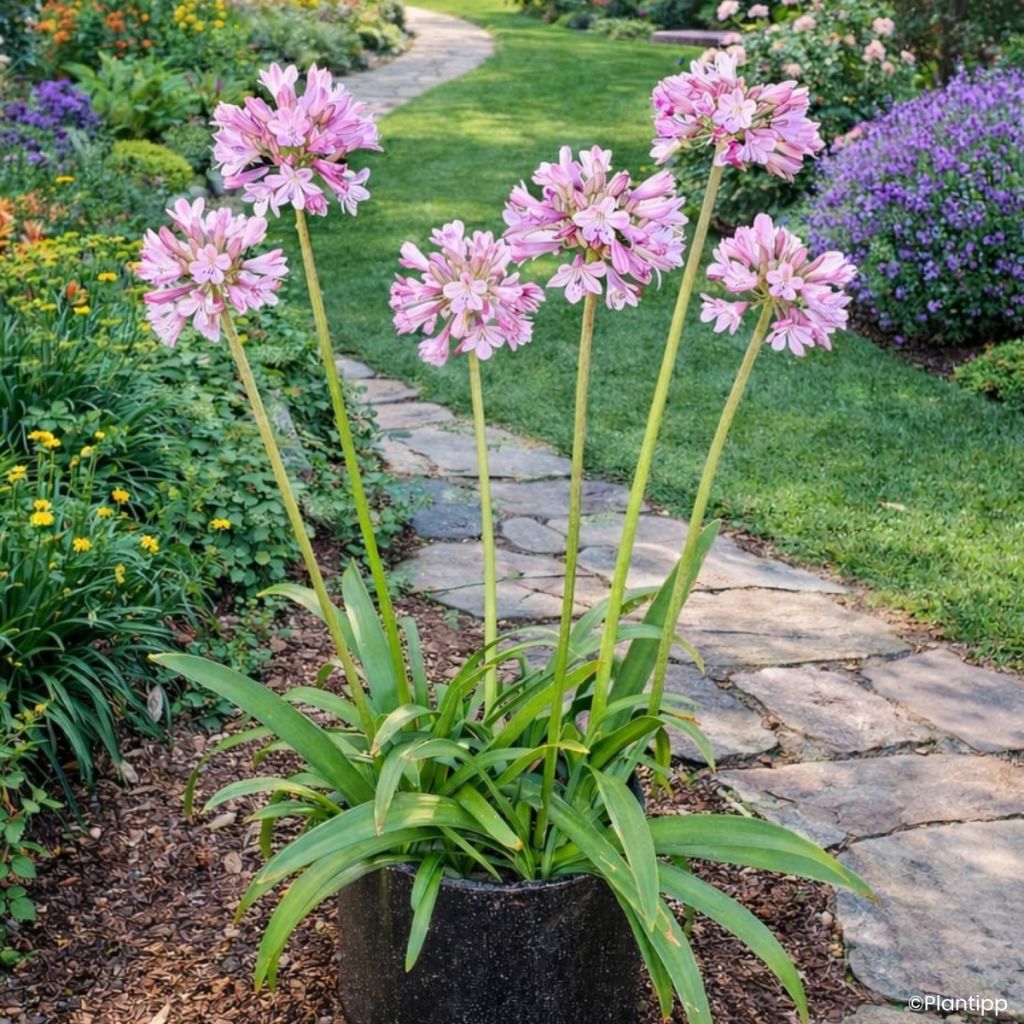
Agapanthus Poppin’® Pink - African lily
Agapanthus Poppin’® Pink - African lily
Agapanthus ‘2020-07’ Poppin’® Pink
Beautiful plant, lovely and bushy, and well rooted. Thank you.
eric, 13/10/2026
Back-to-school special offer!
Get €10 off for every €50 you spend! And get up to €40 off on a single order.
How does it work?
1. Shop your favourites
Add your favourite plants to your basket. For every €50 you spend (excluding delivery charges, store credit and the plastic-free option), you’ll receive a €10 voucher.
€50 spent = €10 voucher
€100 spent = €20 voucher
€150 spent = €30 voucher
€200 spent = €40 voucher
2. Place your order
Once your basket reaches one of the spending thresholds, place your order. You can even choose your delivery date!
3. Receive your voucher
As soon as your order has been shipped, you’ll receive an email containing your personal voucher code and its value.
4. Use it on your next order
Your voucher is valid for 90 days from the date you receive it. It can be used once only, on a new order worth at least the value of the voucher, excluding delivery charges.
Please note: Vouchers can be combined with other offers, but cannot be split or refunded.
Why not try an alternative variety in stock?
View all →
Available in 0 sizes
Available in 5 sizes

Available in 1 sizes

Available in 3 sizes
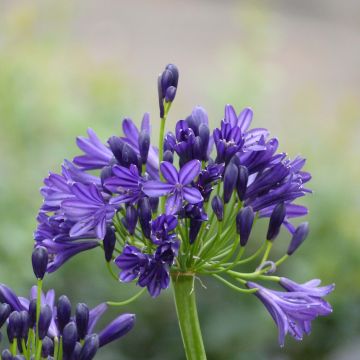
Available in 2 sizes

Available in 2 sizes
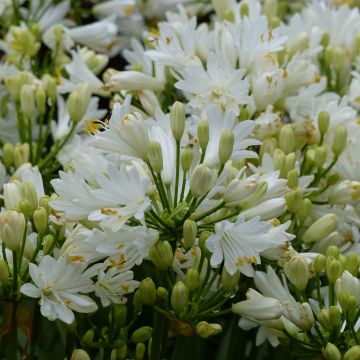
Available in 2 sizes
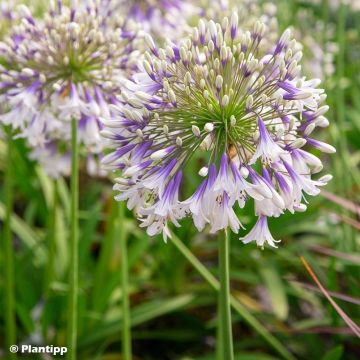
Available in 3 sizes

Available in 2 sizes

Available in 3 sizes
This plant carries a 12 months recovery warranty
More information
We guarantee the quality of our plants for a full growing cycle, and will replace at our expense any plant that fails to recover under normal climatic and planting conditions.

Would this plant suit my garden?
Set up your Plantfit profile →
Description
The Agapanthus ‘2020-07’ Poppin’® Pink is a recent Agapanthus introduction that stands out from classic varieties thanks to the pink colour of its flowers. It forms a compact evergreen clump, in a beautiful deep to dark green, from which flower stems rise from June onwards, reaching 70 cm in height. The umbels of flowers that top them come in shades ranging from pale pink to an intense pink. Blooming repeatedly until August-September, the flowers create a lovely harmony of hues with the foliage. Easy to grow in ordinary, well-drained soil, this perennial with exotic charm is perfect for mild coastal areas, where frost is not severe. In regions that are too cold in winter, planted in a pot it will adorn a terrace or balcony in the most beautiful way, and should be brought indoors for protection in winter.
The Agapanthus has journeyed through different botanical families before joining, in 2009, that of the Amaryllidaceae, alongside the popular Daffodils, or the much more discreet Sprekelia (St James's Lily) whose flowers are breathtakingly beautiful. The genus Agapanthus, endemic to South Africa, is represented by only 6 or 7 species, with deciduous (the hardiest), semi-evergreen or evergreen foliage. Their short rhizomes with fleshy roots produce strap-shaped leaves that form dense clumps. In summer, they produce flower stems which, in some cases, can reach up to 1.50 m in height. The genus inspires breeders who regularly enrich the horticultural range with new cultivars, most often with blue, white or purplish-red flowers, sometimes approaching black as in 'Black Magic'.
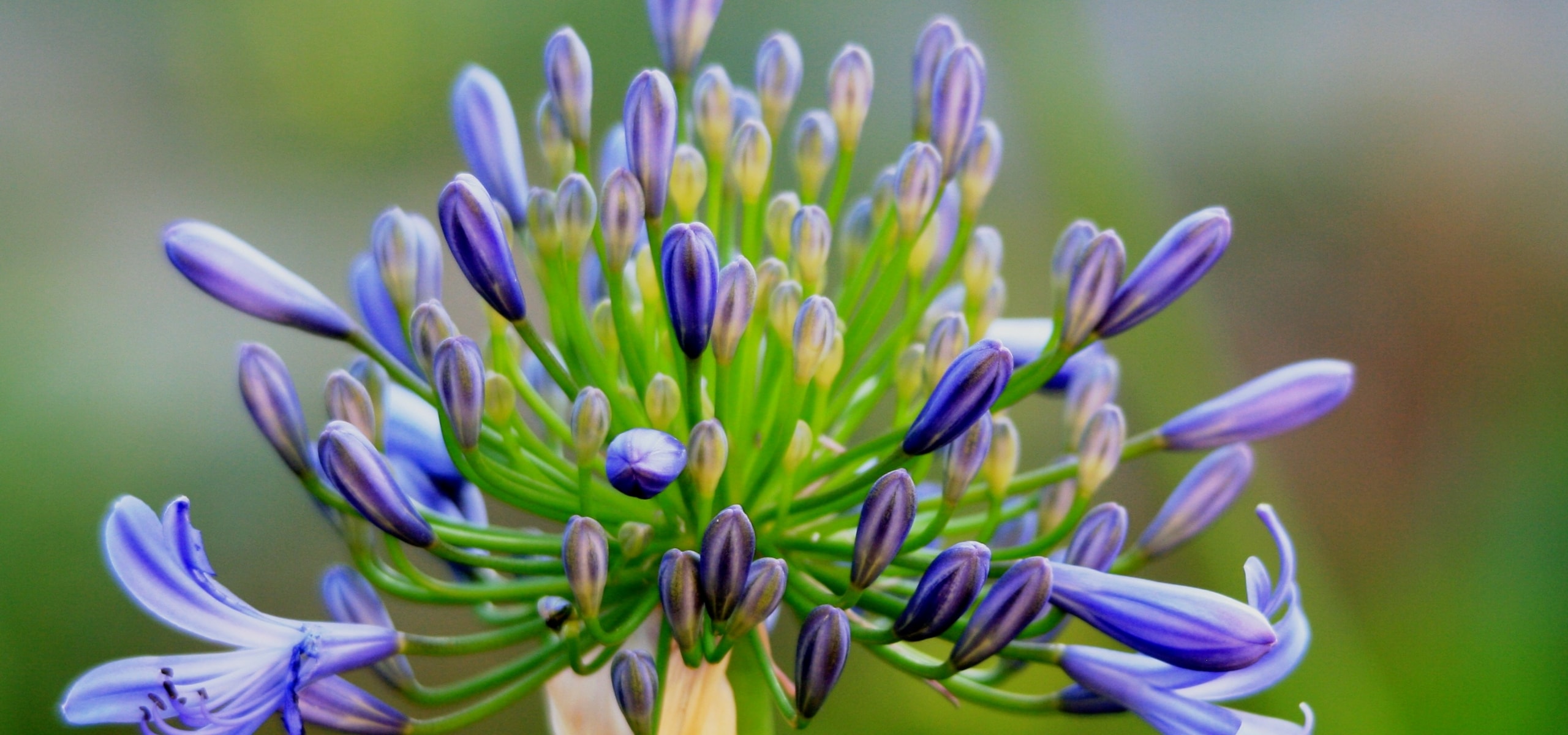
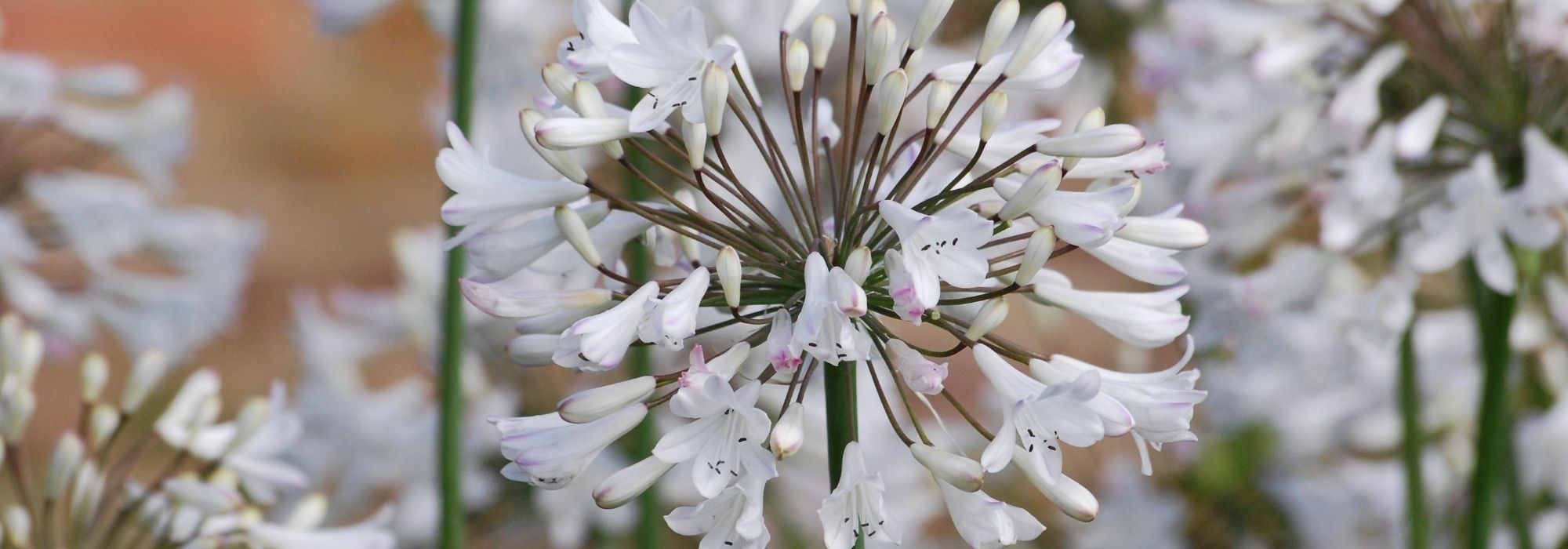
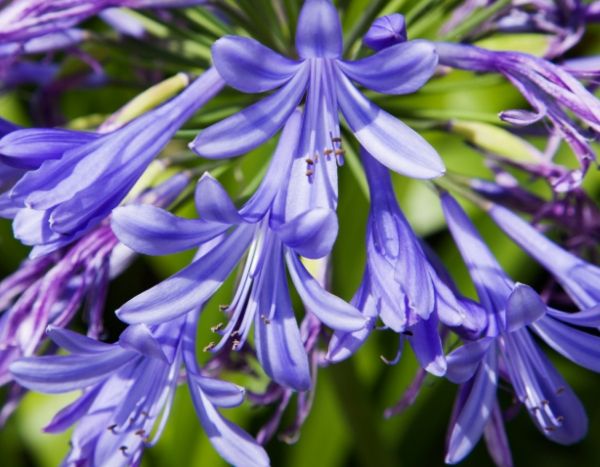
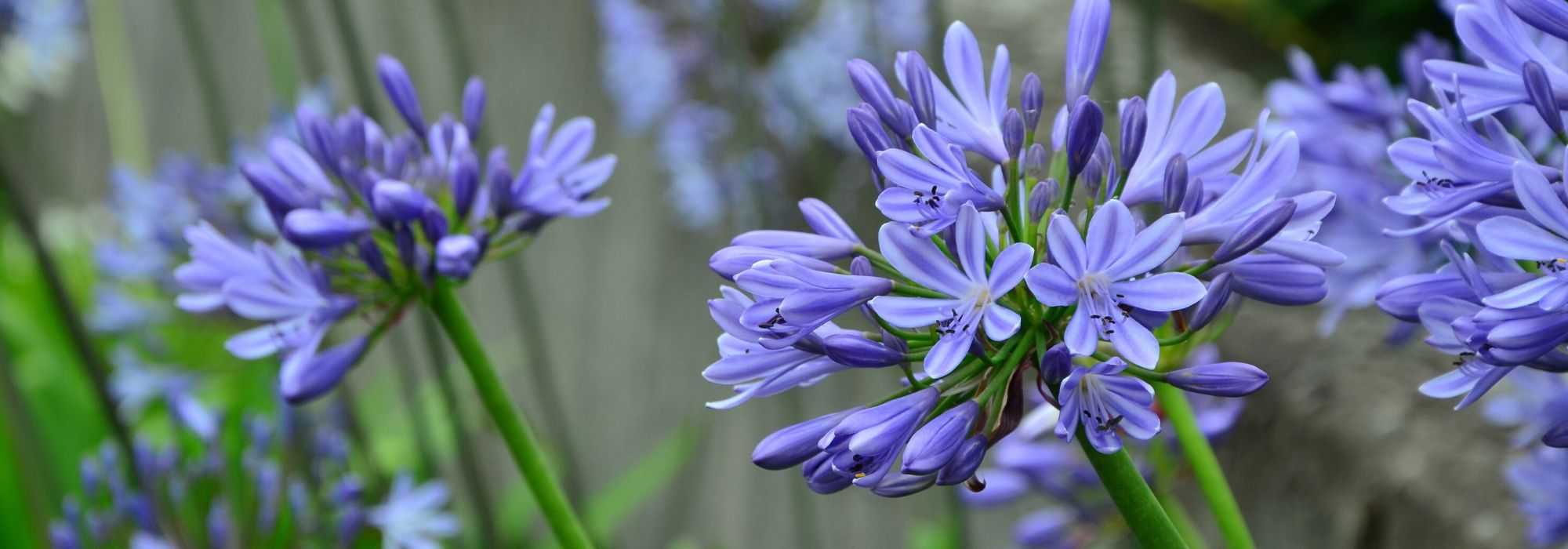
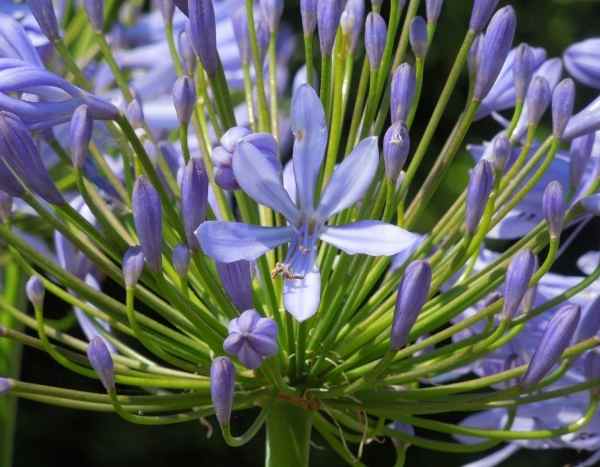
The EVERPANTHUS® series horticultural range groups together cultivars whose main flowering in late spring repeats several times until early autumn. Poppin’® Pink broadens the range of Agapanthus by bringing the appeal of a deeper pink than in 'Blush Pink'. This recent Agapanthus forms a compact evergreen clump, made up of basal leaves (growing directly from the root). About 25 cm long and 3 cm wide, the leaves are therefore very elongated, forming ribbon-like shapes with tapering tips. Their colour is an intense deep green, ornamental even without flowers. The clump widens season after season until it reaches roughly 60 cm across. Flowering appears in late spring, in June, in the form of upright stems, reaching 60 to 70 cm in height. Each one bears an umbel 10 to 12 cm in diameter, made up of several dozen flowers arranged in all directions, thus forming almost a sphere, somewhat like an ornamental onion. The flowers measure 4 to 5 cm in length, have a short tubular base, then open out like a trumpet, showing six rounded petals. Their colour is a blend of light pink and deep pink, sometimes present in a prominent central vein, or spread more widely. The protruding stamens are dark pink at their tips, and the flower buds, also distinctly pink, help visually reflect this dominant hue, in perfect harmony with the green of the foliage. The main flowering is followed by several repeat flushes, until August or September, making Poppin’® Pink an ideal variety for enhancing a terrace as a flowering potted plant.
The Agapanthus Poppin’® Pink is the ideal plant for bringing a Mediterranean touch to a balcony or patio. In climates too cold for it in winter, as it only tolerates frost down to -7/-10°C in good soil and exposure conditions, you can grow it in a pot like citrus trees to enjoy it outdoors throughout the growing season. In milder regions, it will find its place in borders or beds, paired with other exotic-looking plants. Plant it at the foot of a Caesalpinia gilliesii, the Yellow Bird of Paradise with its such exotic-looking flowers. The Lantana 'Chapel Hill Yellow', with its yellow flowers and better hardiness than classic varieties, will also be a perfect bed companion, as will Kniphofias with their spectacular flower spikes.
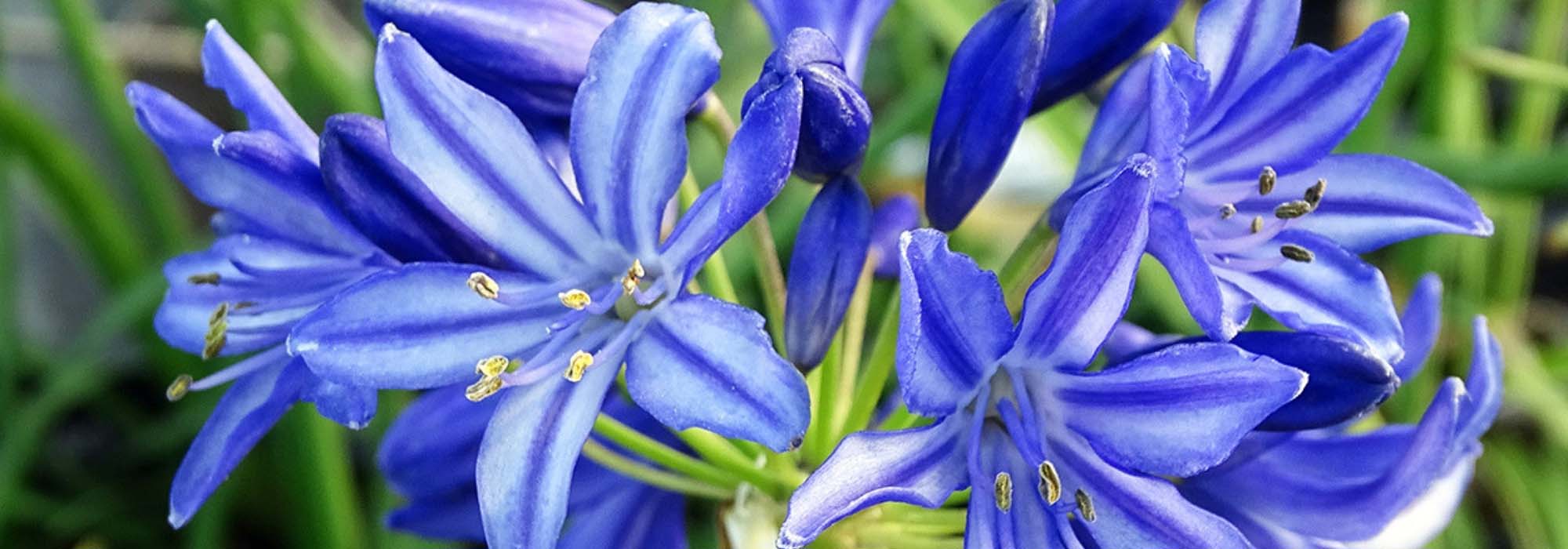
Agapanthus Poppin’® Pink - African lily in pictures
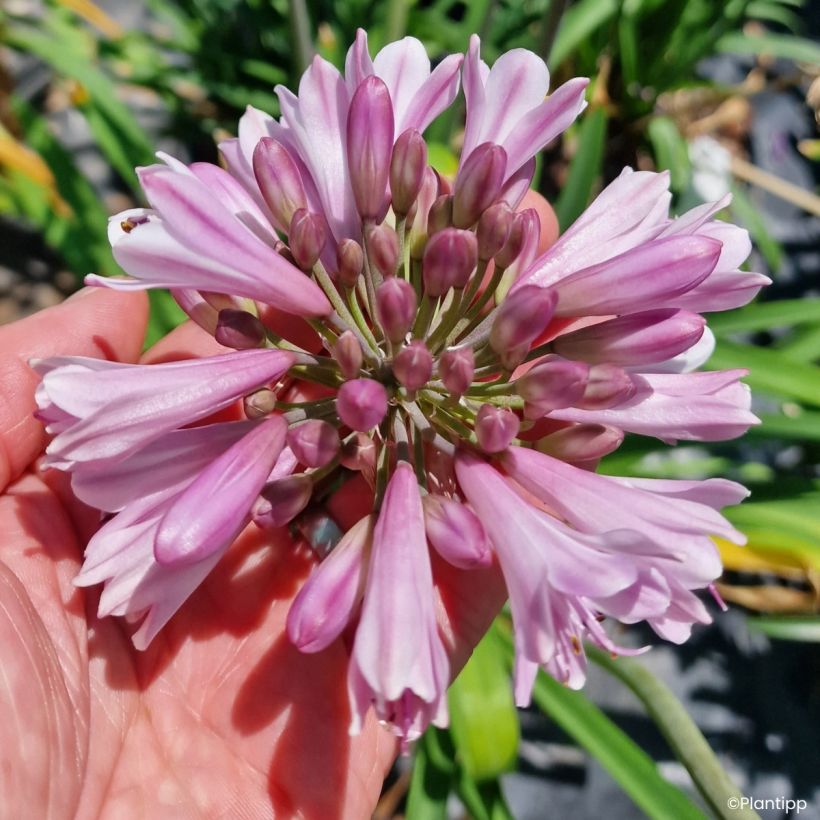
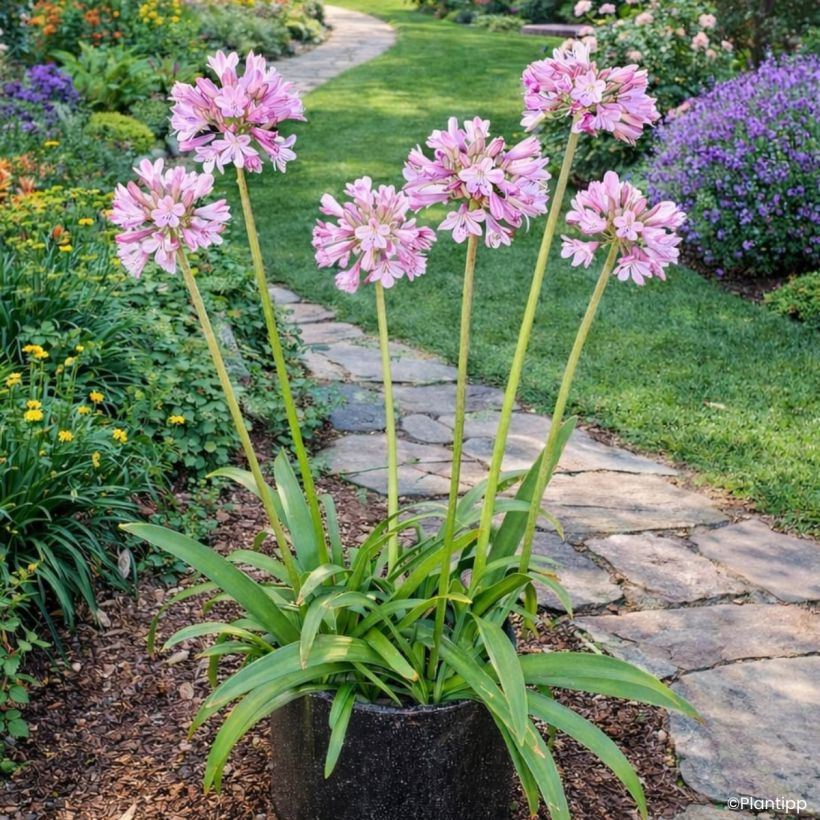
Flowering
Foliage
Plant habit
Botanical data
Agapanthus
‘2020-07’ Poppin’® Pink
Amaryllidaceae
Agapanthus '2020-07' POPIN PINK ( EVERPANTHUS series )
Cultivar or hybrid
Planting and care
Plant the agapanthus stumps, covering them with at least 10 cm of good soil, so that they are better able to withstand the cold. It is essential to plant them in spring and advisable to mulch them in winter in most of our regions. In the south, you can also plant them in autumn. For container cultivation, use 2 to 3 young plants for a 26 cm pot, and protect them in winter. They prefer a rich, moist but well-drained soil, enriched with sand. Water them regularly during the growth period (twice a week). However, avoid watering them afterwards, as they particularly fear excess moisture in winter. This variety is hardy down to approximately -7/-10°C in a sheltered position; it thrives particularly in border displays and in containers. Use a well-drained, slightly acidic sandy mix. This plant seems to prefer shallow but wide containers and will flower abundantly if fed with a slow-release fertiliser.
Planting period
Intended location
Care
Planting & care advice
-
-
-
-
-
-
-
-

-
, onOrder confirmed
Reply from on Promesse de fleurs
Recently viewed products
Haven't found what you were looking for?
Hardiness is the lowest winter temperature a plant can endure without suffering serious damage or even dying. However, hardiness is affected by location (a sheltered area, such as a patio), protection (winter cover) and soil type (hardiness is improved by well-drained soil).

The flowering period indicated on our website applies to countries and regions located in USDA zone 8 (France, the United Kingdom, Ireland, the Netherlands, etc.)
It will vary according to where you live:- In zones 9 to 10 (Italy, Spain, Greece, etc.), flowering will occur about 2 to 4 weeks earlier.
- In zones 6 to 7 (Germany, Poland, Slovenia, and lower mountainous regions), flowering will be delayed by 2 to 3 weeks.
- In zone 5 (Central Europe, Scandinavia), blooming will be delayed by 3 to 5 weeks.
In temperate climates, pruning of spring-flowering shrubs (forsythia, spireas, etc.) should be done just after flowering.
Pruning of summer-flowering shrubs (Indian Lilac, Perovskia, etc.) can be done in winter or spring.
In cold regions as well as with frost-sensitive plants, avoid pruning too early when severe frosts may still occur.
The planting period indicated on our website applies to countries and regions located in USDA zone 8 (France, United Kingdom, Ireland, Netherlands).
It will vary according to where you live:
- In Mediterranean zones (Marseille, Madrid, Milan, etc.), autumn and winter are the best planting periods.
- In continental zones (Strasbourg, Munich, Vienna, etc.), delay planting by 2 to 3 weeks in spring and bring it forward by 2 to 4 weeks in autumn.
- In mountainous regions (the Alps, Pyrenees, Carpathians, etc.), it is best to plant in late spring (May-June) or late summer (August-September).
The harvesting period indicated on our website applies to countries and regions in USDA zone 8 (France, England, Ireland, the Netherlands).
In colder areas (Scandinavia, Poland, Austria...) fruit and vegetable harvests are likely to be delayed by 3-4 weeks.
In warmer areas (Italy, Spain, Greece, etc.), harvesting will probably take place earlier, depending on weather conditions.
The sowing periods indicated on our website apply to countries and regions within USDA Zone 8 (France, UK, Ireland, Netherlands).
In colder areas (Scandinavia, Poland, Austria...), delay any outdoor sowing by 3-4 weeks, or sow under glass.
In warmer climes (Italy, Spain, Greece, etc.), bring outdoor sowing forward by a few weeks.
Shipping country and language
Your country of residence may be:
Your country of residence is:
For a better user experience on our website, you can select:
Your shipping country:
-
 Austria
-
 Belgium
-
 Bosnia & Herzegovina
-
 Bulgaria
-
 Croatia
-
 Cyprus
-
 Czechia
-
 Denmark
-
 Estonia
-
 Finland
-
 France
-
 Germany
-
 Greece
-
 Hungary
-
 Iceland
-
 Ireland
-
 Italy
Italy
-
 Latvia
-
 Liechtenstein
-
 Lithuania
-
 Luxembourg
-
 Malta
Malta
-
 Netherlands
-
 Poland
-
 Portugal
-
 Romania
-
 Serbia
-
 Slovakia
-
 Slovenia
-
 Spain
Spain
-
 Sweden
-
 Switzerland
Language:
-
French
-
 English
-
Spanish
-
Italian
-
German
-
Portuguese
-
Dutch
-
Finnish
My Account
Hello
My wish lists
My cart
Log in / Register
Existing customer?
This form is protected by reCAPTCHA - the Google Privacy Policy and Terms of Service apply.
New customer?
Create an account to track your orders, access our customer service and, if you wish, make the most of our upcoming offers.