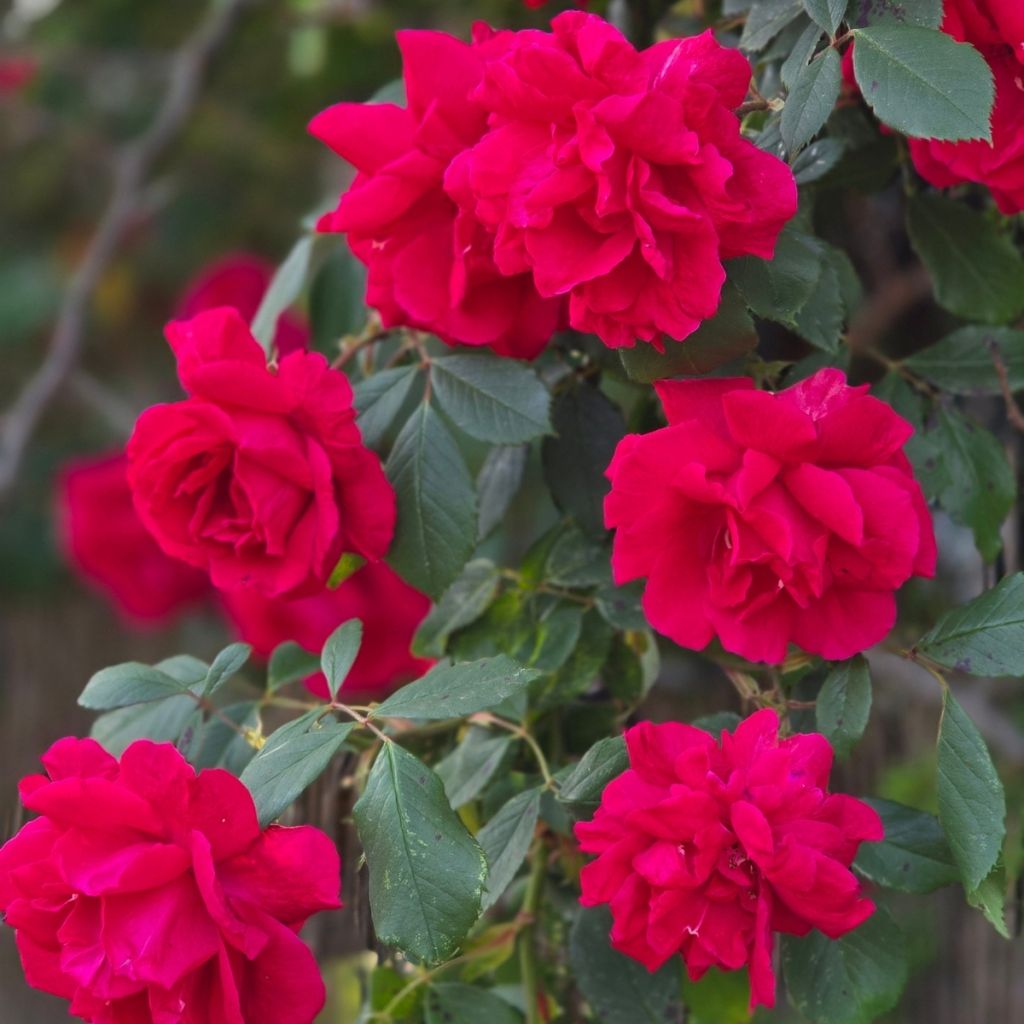
Rosa Guirlande Fleurie® ‘Robguir’ - Climbing Rose
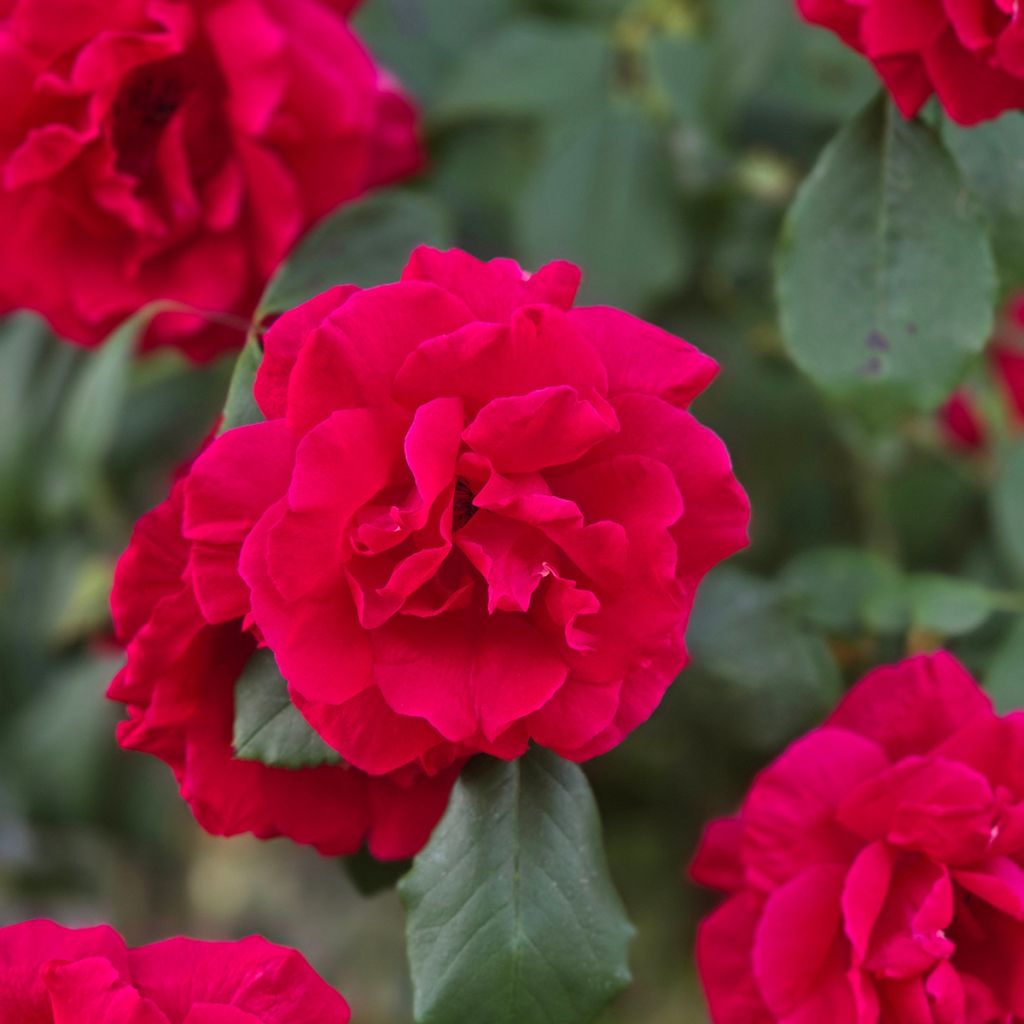
Rosa Guirlande Fleurie® ‘Robguir’ - Climbing Rose
Rosa Guirlande Fleurie® ‘Robguir’ - Climbing Rose
Rosa ‘Robguir’ Guirlande Fleurie®
Climbing Rose
Back-to-school special offer!
Get €10 off for every €50 you spend! And get up to €40 off on a single order.
How does it work?
1. Shop your favourites
Add your favourite plants to your basket. For every €50 you spend (excluding delivery charges, store credit and the plastic-free option), you’ll receive a €10 voucher.
€50 spent = €10 voucher
€100 spent = €20 voucher
€150 spent = €30 voucher
€200 spent = €40 voucher
2. Place your order
Once your basket reaches one of the spending thresholds, place your order. You can even choose your delivery date!
3. Receive your voucher
As soon as your order has been shipped, you’ll receive an email containing your personal voucher code and its value.
4. Use it on your next order
Your voucher is valid for 90 days from the date you receive it. It can be used once only, on a new order worth at least the value of the voucher, excluding delivery charges.
Please note: Vouchers can be combined with other offers, but cannot be split or refunded.
Why not try an alternative variety in stock?
View all →
Available in 2 sizes

Available in 2 sizes
Available in 2 sizes

Available in 2 sizes

Available in 3 sizes
Available in 3 sizes
Available in 3 sizes

Available in 2 sizes

Available in 2 sizes
Available in 2 sizes
This plant carries a 24 months recovery warranty
More information
We guarantee the quality of our plants for a full growing cycle, and will replace at our expense any plant that fails to recover under normal climatic and planting conditions.
Description
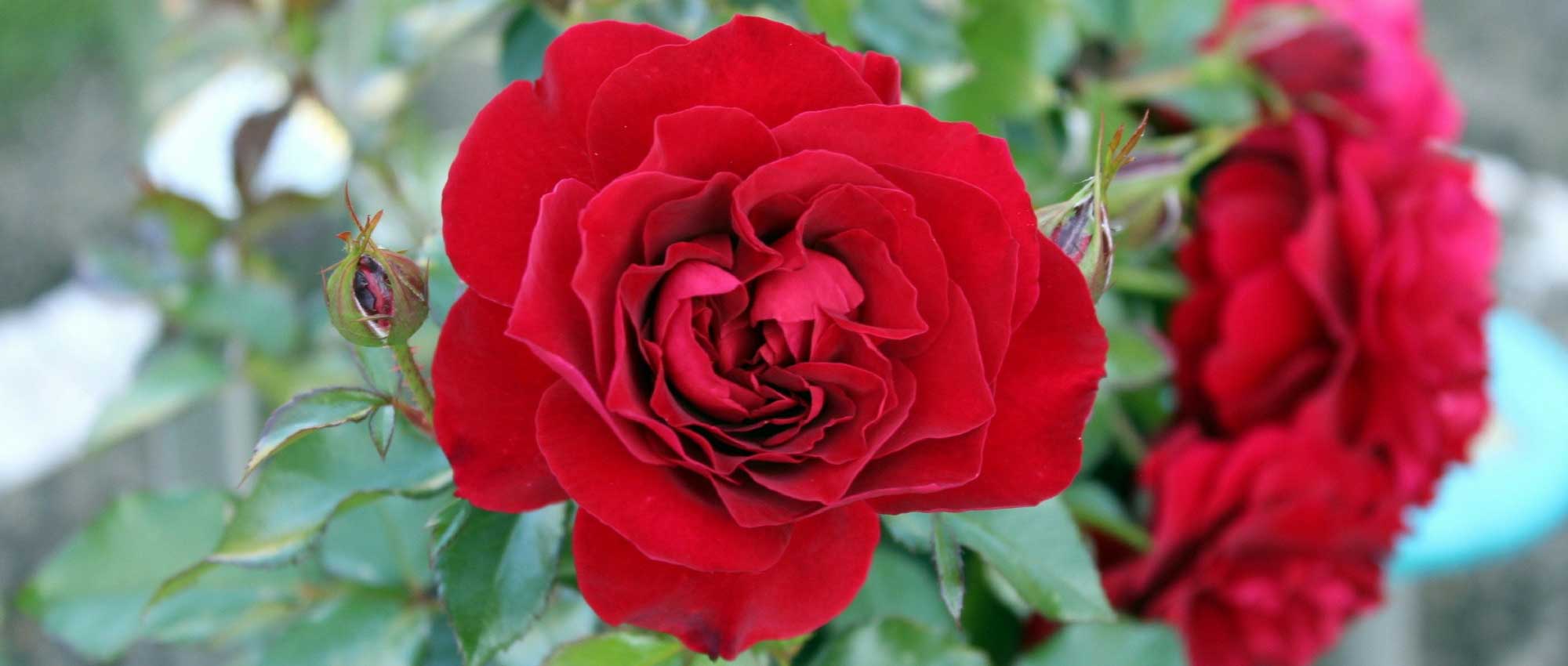
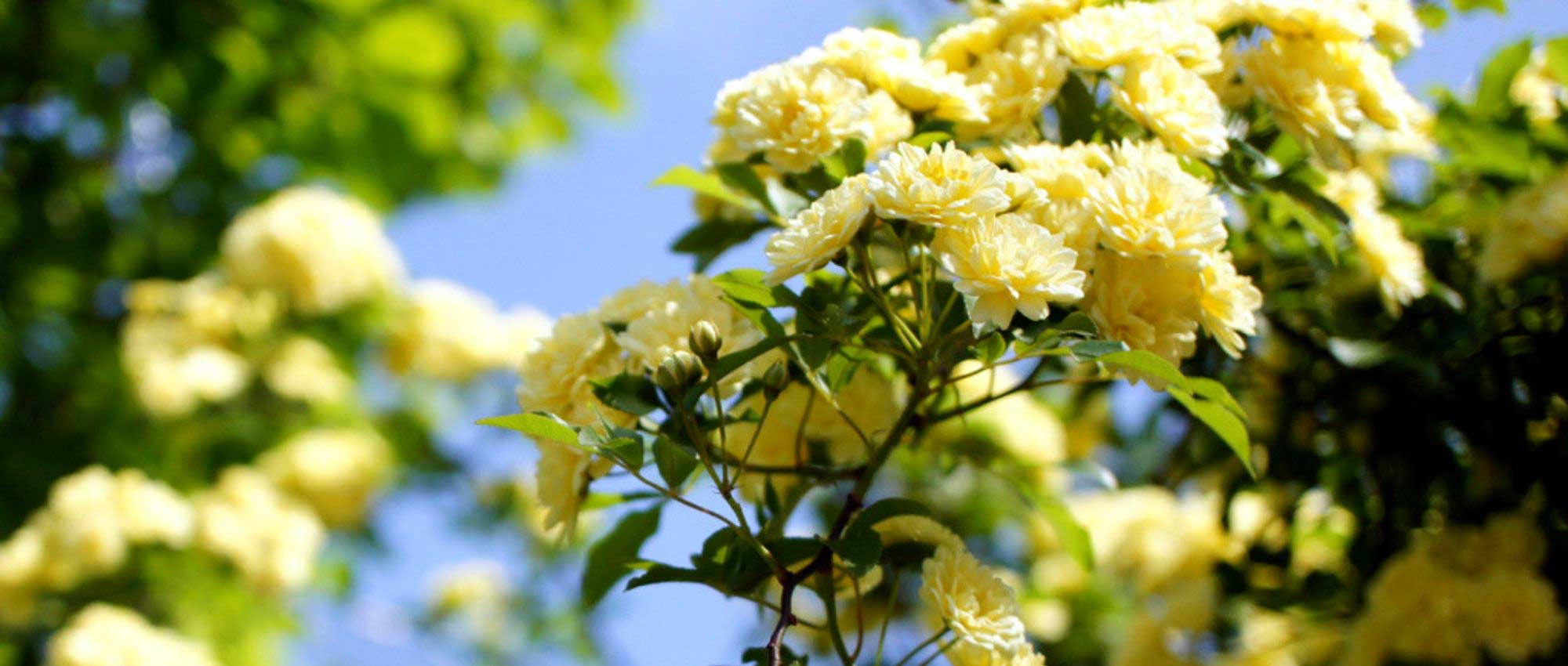
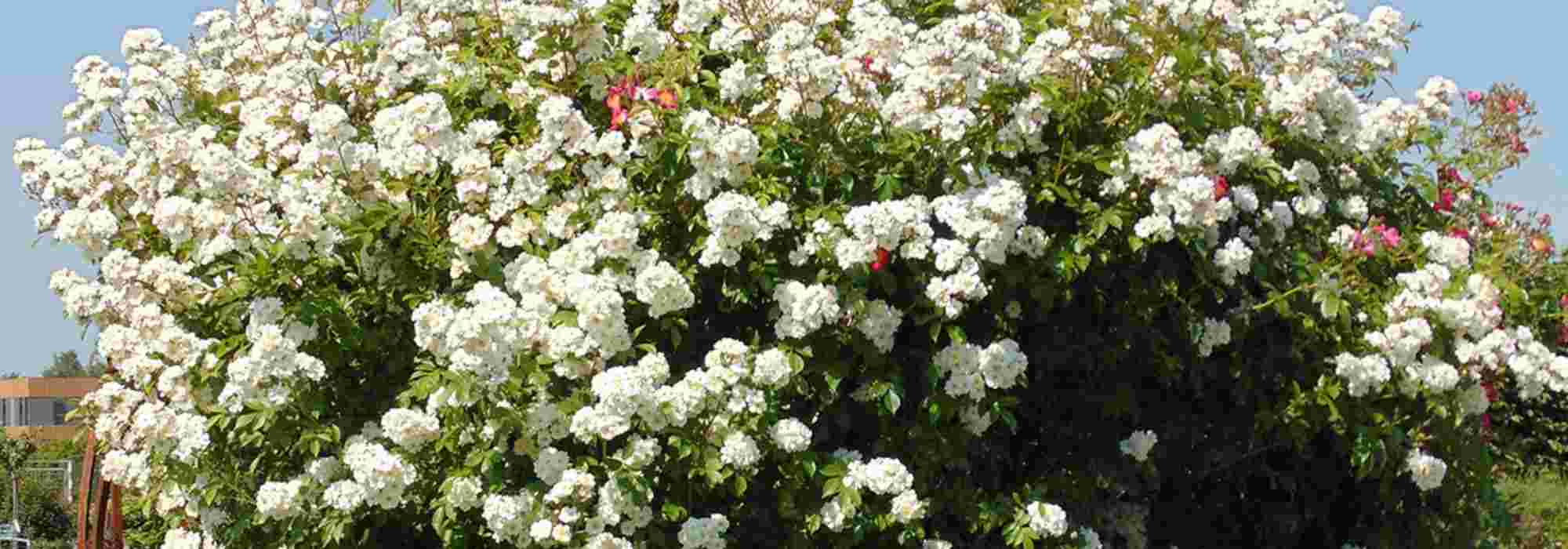
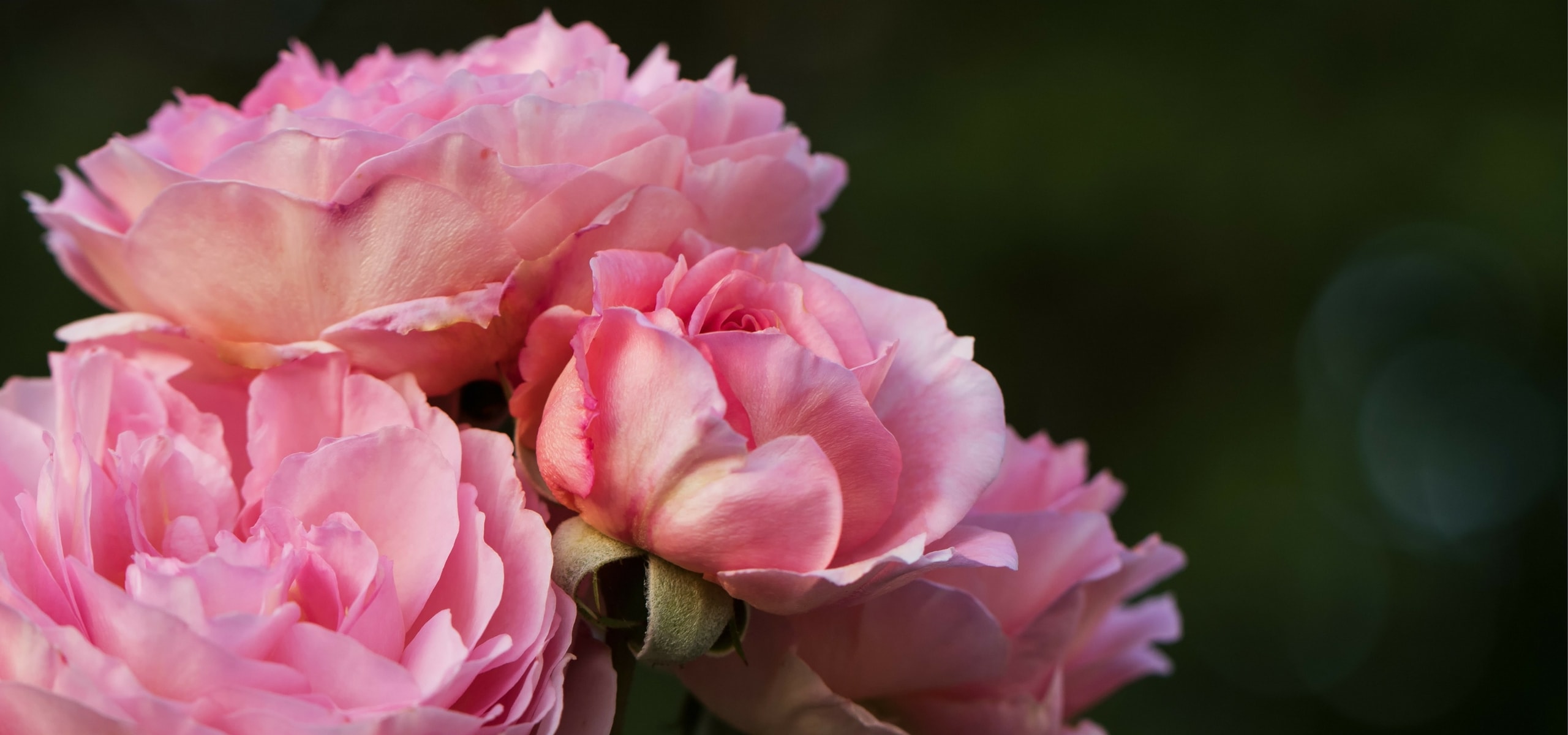
The Rosier Guirlande Fleurie® is a repeat-flowering rambling rose of impressive size, sought after for its abundant and prolonged bright red flowering, a quality uncommon among large roses of this type. In just a few years, its flexible branches adorn a pergola, a large trellis, a fence, or the framework of an old tree. It brings height, breadth and much brilliance to the garden for many months. It is an interesting variety for covering a large support with the grace typical of rambling roses.
This cultivar belongs to the Rosaceae family. Its botanical name is Rosa ‘Guirlande Fleurie’, and its code name ‘Robguir’. It is a French creation bred by Marcel Robichon and released since the late 1960s. It is classified among rambling roses or large repeat-flowering sarmentous roses. It combines the vigour of a large rose with the ability to rebloom well after the first flush in May-June. Its branches are formed of long, flexible, thorny stems, which need to be tied to their support. At maturity, around 10 years old, it reaches 5 to 8 m in height and 2 to 3 m in width, sometimes more in good soil and a mild climate. Its growth is rapid.
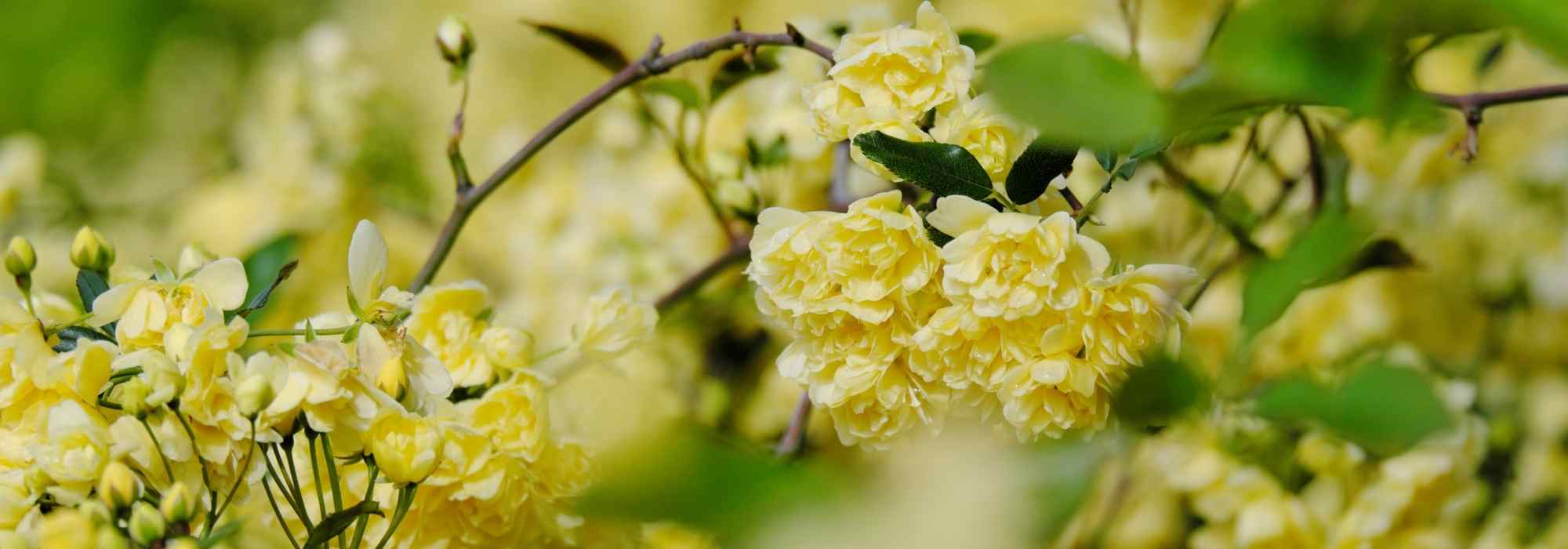
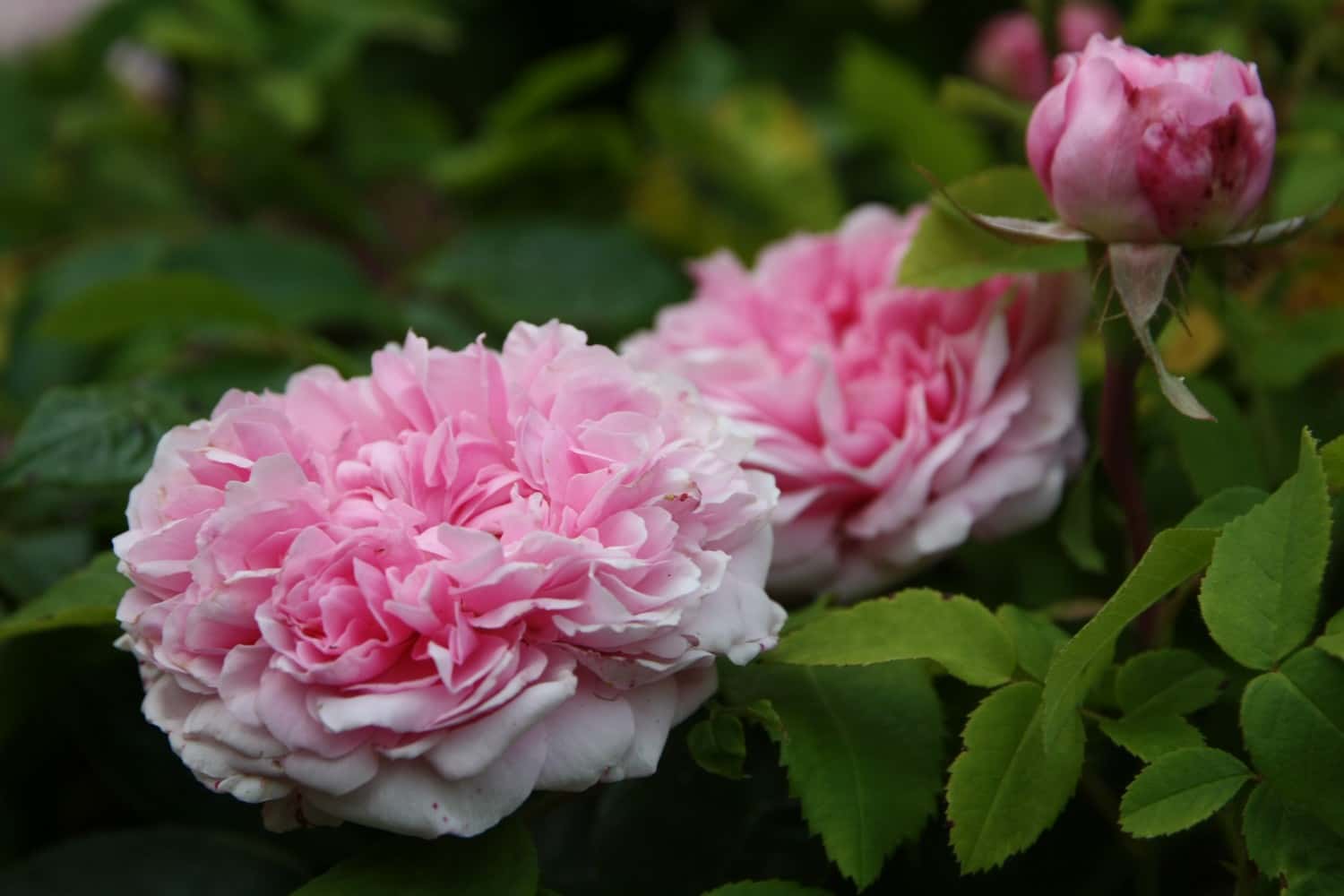
The flowers appear in fairly dense clusters on the lateral branches. They measure 7 to 9 cm in diameter. Their corolla is semi-double to double, their colour bright red to scarlet, standing out well against the foliage. They open from well-formed buds. First turbinate, they then become wider, quite full, of a very bright luminous red. This flowering begins in late spring or early summer depending on the climate, then repeats until October, even until the first frosts. The foliage is deciduous. The leaves are formed of dentate leaflets, bright green to dark green, glossy, somewhat leathery, and not very susceptible to diseases. The sarmentous stems, long and flexible, give the plant that garland-like appearance that inspired its name. As with many grafted roses, the root system establishes deep when the soil has been well loosened initially. This helps the plant better withstand dry periods, which will however affect flower production.
In the garden, this rose is used to cover a large vegetative or built structure. It is trained over a generously sized arch, a pergola, a large trellis, a sturdy wire mesh, or into the already formed branches of a small tree. Against a wall, spread the long shoots in a fan shape to encourage flowering across the whole height. Its colour, a very bright red, should be combined with dark or pastel tones. With the Clematis viticella ‘Etoile Violette’, the combination is rich and velvety. The Clematis ‘Purpurea Plena Elegans’ will also be a lovely companion, in the spirit of old-fashioned gardens. At their feet, you can plant Astrantia ‘Moulin Rouge’ and Nepeta ‘Cat’s Pajamas’.
Creation by Marcel Robichon, around 1960.
Marcel Robichon is a French rose grower based in Orléans then Pithiviers, in the Loiret. Active in the 20th century, he created around forty roses, including several varieties still grown today, such as ‘Mamita’, ‘Guirlande Fleurie’, ‘Intervilles’, ‘Étendard’, ‘Voie Lactée’, ‘Orientale’ and ‘Odette Joyeux’. He passed on his nursery and his taste for rose creation to André Ève, who succeeded him. A conservatory rose garden in the Loiret, at Yèvre-le-Châtel, today preserves the memory of his work.
Plant habit
Flowering
Foliage
Botanical data
Rosa
‘Robguir’ Guirlande Fleurie®
Rosaceae
Climbing Rose
Rosa 'Robguir', Rosa 'Guilande Fleurie'
Cultivar or hybrid
Planting and care
The rambling rose 'Guirlande Fleurie' enjoys bright spots but tolerates partial shade in hot and very sunny climates. It will adapt to any garden as long as the soil is well cultivated, deep and fairly rich. To plant your rose, work the soil by breaking it up well and adding a soil conditioner at the bottom of the planting hole, such as dried blood or dehydrated horn. Water generously after planting to remove air pockets. Water regularly for a few weeks to encourage root establishment. Train the woody climbing stems into a fan shape, if possible horizontally, to encourage more abundant flowering.
Roses are often spotted or look unsightly at the end of summer, but this does not affect their development. These spots are not dangerous for the rose; it is a natural phenomenon. Follow all our advice on how to remedy this and read our article: Help! I have spots on my roses
Planting period
Intended location
Care
Planting & care advice
-
-
-

-

-
-
-
-
This item has not been reviewed yet - be the first to leave a review about it.
Recently viewed products
Haven't found what you were looking for?
Hardiness is the lowest winter temperature a plant can endure without suffering serious damage or even dying. However, hardiness is affected by location (a sheltered area, such as a patio), protection (winter cover) and soil type (hardiness is improved by well-drained soil).

The flowering period indicated on our website applies to countries and regions located in USDA zone 8 (France, the United Kingdom, Ireland, the Netherlands, etc.)
It will vary according to where you live:- In zones 9 to 10 (Italy, Spain, Greece, etc.), flowering will occur about 2 to 4 weeks earlier.
- In zones 6 to 7 (Germany, Poland, Slovenia, and lower mountainous regions), flowering will be delayed by 2 to 3 weeks.
- In zone 5 (Central Europe, Scandinavia), blooming will be delayed by 3 to 5 weeks.
In temperate climates, pruning of spring-flowering shrubs (forsythia, spireas, etc.) should be done just after flowering.
Pruning of summer-flowering shrubs (Indian Lilac, Perovskia, etc.) can be done in winter or spring.
In cold regions as well as with frost-sensitive plants, avoid pruning too early when severe frosts may still occur.
The planting period indicated on our website applies to countries and regions located in USDA zone 8 (France, United Kingdom, Ireland, Netherlands).
It will vary according to where you live:
- In Mediterranean zones (Marseille, Madrid, Milan, etc.), autumn and winter are the best planting periods.
- In continental zones (Strasbourg, Munich, Vienna, etc.), delay planting by 2 to 3 weeks in spring and bring it forward by 2 to 4 weeks in autumn.
- In mountainous regions (the Alps, Pyrenees, Carpathians, etc.), it is best to plant in late spring (May-June) or late summer (August-September).
The harvesting period indicated on our website applies to countries and regions in USDA zone 8 (France, England, Ireland, the Netherlands).
In colder areas (Scandinavia, Poland, Austria...) fruit and vegetable harvests are likely to be delayed by 3-4 weeks.
In warmer areas (Italy, Spain, Greece, etc.), harvesting will probably take place earlier, depending on weather conditions.
The sowing periods indicated on our website apply to countries and regions within USDA Zone 8 (France, UK, Ireland, Netherlands).
In colder areas (Scandinavia, Poland, Austria...), delay any outdoor sowing by 3-4 weeks, or sow under glass.
In warmer climes (Italy, Spain, Greece, etc.), bring outdoor sowing forward by a few weeks.
Shipping country and language
Your country of residence may be:
Your country of residence is:
For a better user experience on our website, you can select:
Your shipping country:
-
 Austria
-
 Belgium
-
 Bosnia & Herzegovina
-
 Bulgaria
-
 Croatia
-
 Cyprus
-
 Czechia
-
 Denmark
-
 Estonia
-
 Finland
-
 France
-
 Germany
-
 Greece
-
 Hungary
-
 Iceland
-
 Ireland
-
 Italy
Italy
-
 Latvia
-
 Liechtenstein
-
 Lithuania
-
 Luxembourg
-
 Malta
Malta
-
 Netherlands
-
 Poland
-
 Portugal
-
 Romania
-
 Serbia
-
 Slovakia
-
 Slovenia
-
 Spain
Spain
-
 Sweden
-
 Switzerland
Language:
-
French
-
 English
-
Spanish
-
Italian
-
German
-
Portuguese
-
Dutch
-
Finnish
My Account
Hello
My wish lists
My cart
Log in / Register
Existing customer?
This form is protected by reCAPTCHA - the Google Privacy Policy and Terms of Service apply.
New customer?
Create an account to track your orders, access our customer service and, if you wish, make the most of our upcoming offers.