
Rosa Strandperle Amrum - Rugosa Rose
Rosa Strandperle Amrum - Rugosa Rose
Rosa x rugosa ‘Amrum’
Rugosa Rose, Japanese Rose, Ramanas Rose
Back-to-school special offer!
Get €10 off for every €50 you spend! And get up to €40 off on a single order.
How does it work?
1. Shop your favourites
Add your favourite plants to your basket. For every €50 you spend (excluding delivery charges, store credit and the plastic-free option), you’ll receive a €10 voucher.
€50 spent = €10 voucher
€100 spent = €20 voucher
€150 spent = €30 voucher
€200 spent = €40 voucher
2. Place your order
Once your basket reaches one of the spending thresholds, place your order. You can even choose your delivery date!
3. Receive your voucher
As soon as your order has been shipped, you’ll receive an email containing your personal voucher code and its value.
4. Use it on your next order
Your voucher is valid for 90 days from the date you receive it. It can be used once only, on a new order worth at least the value of the voucher, excluding delivery charges.
Please note: Vouchers can be combined with other offers, but cannot be split or refunded.
Why not try an alternative variety in stock?
View all →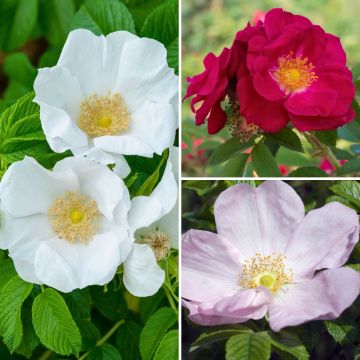
Available in 0 sizes
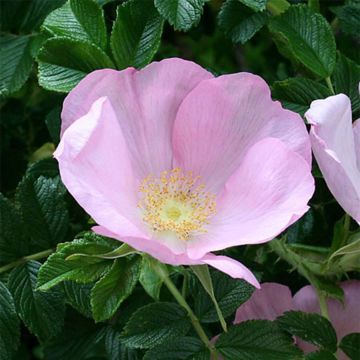
Available in 2 sizes
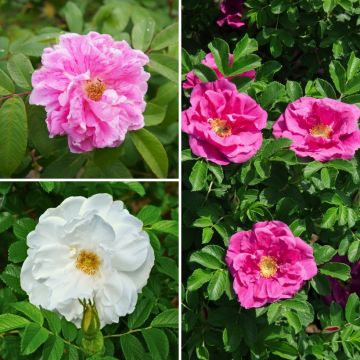
Available in 0 sizes
Available in 1 sizes
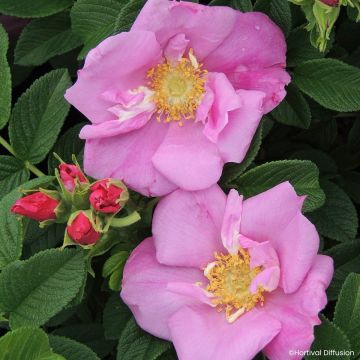
Available in 1 sizes
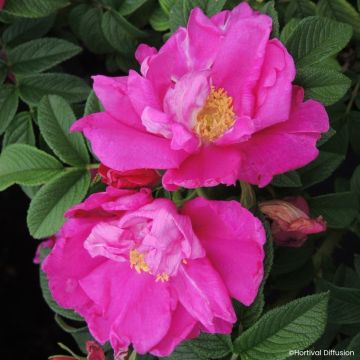
Available in 1 sizes

Available in 2 sizes
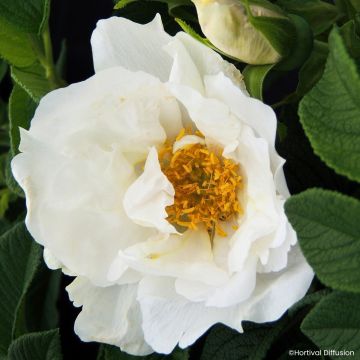
Available in 1 sizes
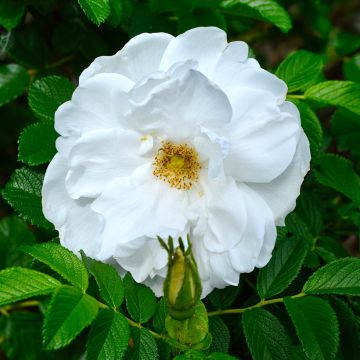
Available in 3 sizes
Available in 1 sizes
This plant carries a 24 months recovery warranty
More information
We guarantee the quality of our plants for a full growing cycle, and will replace at our expense any plant that fails to recover under normal climatic and planting conditions.
Description
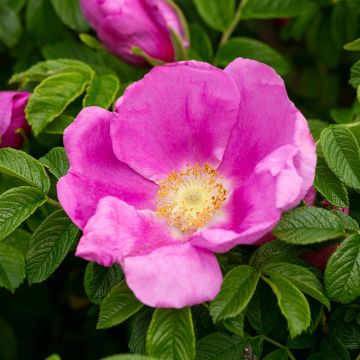
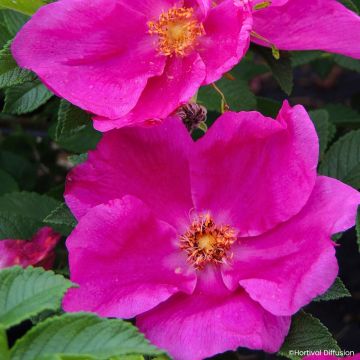
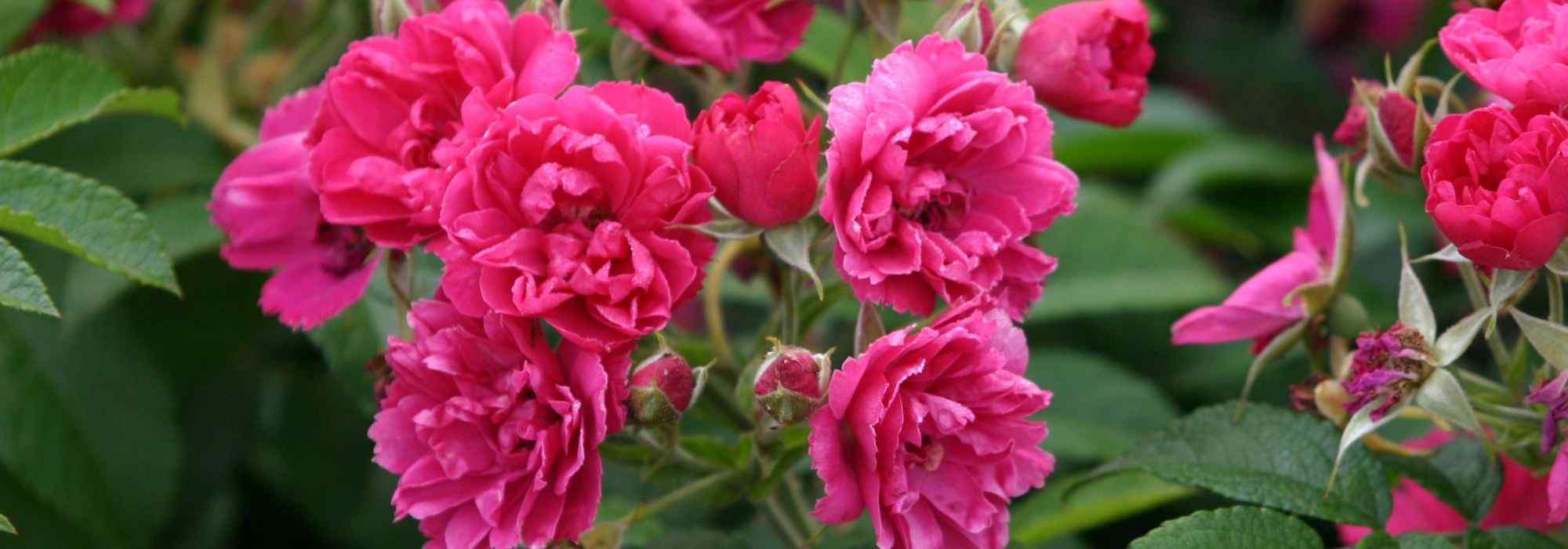
Rugosa rose Strandperle 'Amrum' is appealing for its natural appearance, healthy foliage and ease of growing. This small shrub with attractive deep green foliage combines the hardiness of its wild ancestors with the repeat-flowering character of modern roses. From May-June, attractive single flowers in an intense deep pink begin to bloom, releasing a pleasant fragrance of wild rose. Beneficial to pollinators, they keep appearing until October and are followed by decorative bright orange-red fruits, which remain on the plant until winter. Extremely hardy and easy to grow, it thrives in most soils, only disliking excessive chalk. Superb in a bed, it can also be used to create low hedges with a charming country-garden feel and can be grown in a container.
Rose is an important member of the large Rosaceae family, which takes its name from it, and includes both wild plants (burnet, wild strawberry...) and ornamental plants (Potentillas, Cotoneaster...) as well as most of our fruit trees (Apple, Apricot, Cherry...). The genus Rosa, which originally included 100 to 150 botanical species, has inspired breeders so greatly that there are now several thousand heritage varieties and several tens of thousands of modern cultivars! Native to northern China, Korea and Japan, Rosa rugosa, or rugosa rose, was introduced to Europe in 1796 or 1854 (?). This suckering shrub reaches 1.50 m in height and eventually forms dense colonies. Often growing in dunes and cold climates, it is naturally very resilient. Its name, rugosa, comes from its leaves and especially its prickles, which vary in size but are always short and densely borne on the stems. From the end of the 19th century, breeders enthusiastically exploited the species' hardiness to produce horticultural varieties in a range of colours, with carnation-like flowers and others.
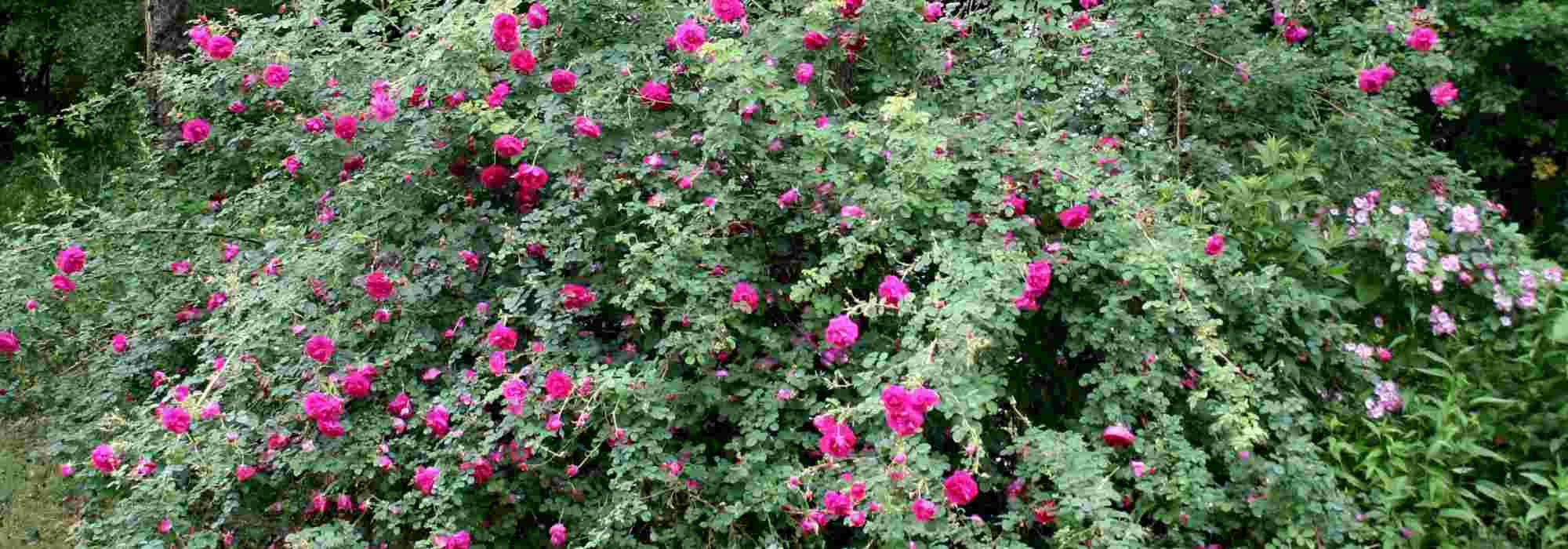
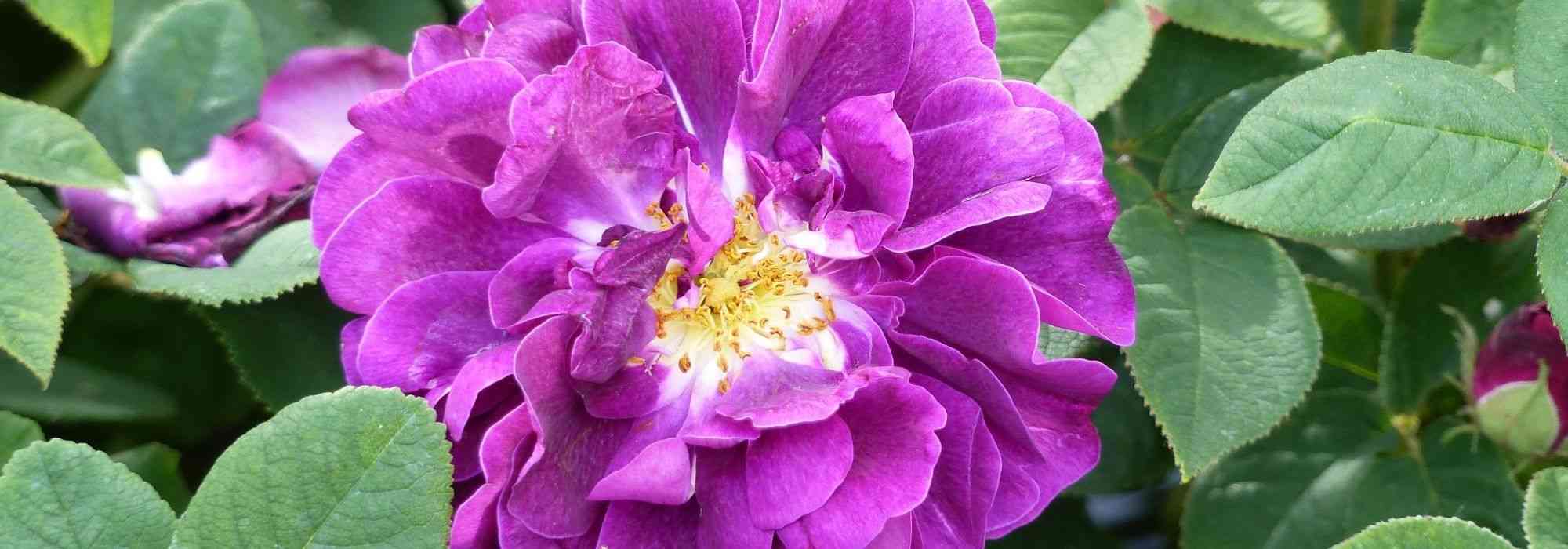
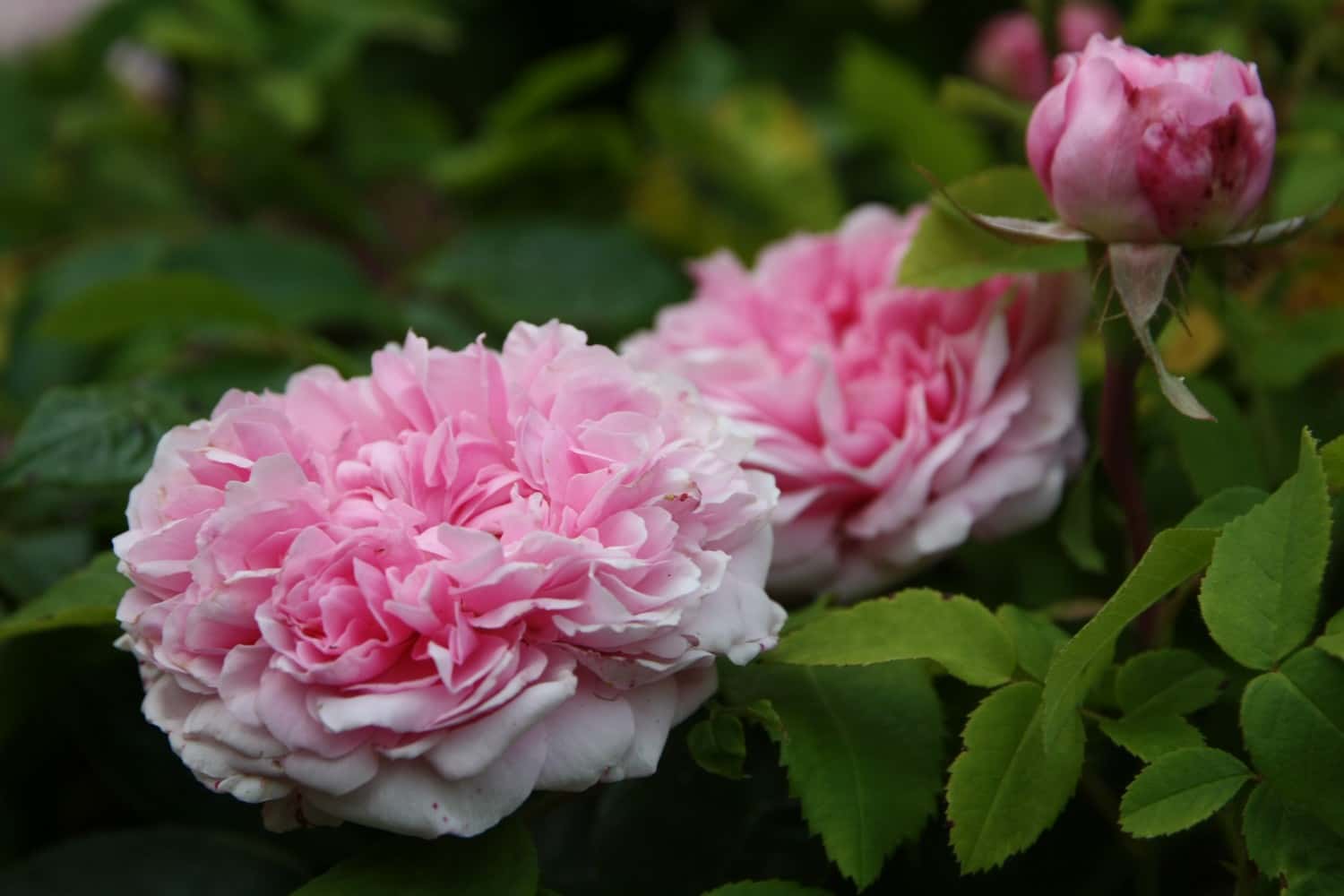
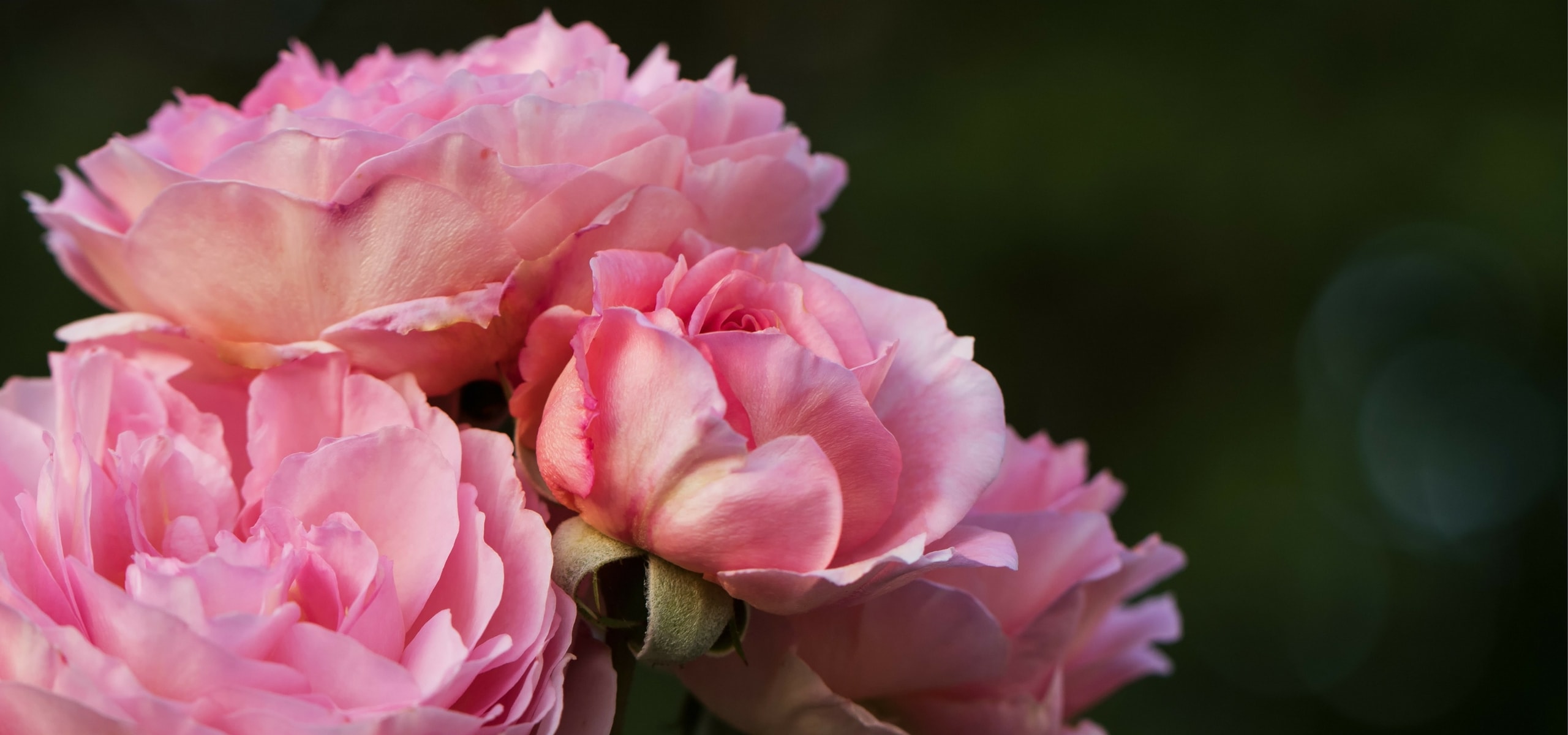
Rugosa rose 'Amrum' belongs to the Strandperle® series developed by Tantau, one of Germany's leading rose growers. Based in Schleswig-Holstein, a windswept region between the North Sea and the Baltic, with soils favourable to rose growing, the proximity of the coast doubtless inspired the name "Beach Pearl" (Strandperle) given to this horticultural rose series. 'Amrum' develops into an upright clump 90 cm to 1 m tall, with a spread of 50 to 60 cm. Characteristic of rugosa roses, the beautiful deep green foliage, with a satin-like to almost glossy surface, is slightly puckered, with prominent veins. The edge of the lamina is serrated with small saw-like teeth, and the deciduous foliage generally turns yellow in autumn before falling to the ground. In May or June, depending on the region, the shrub produces large flowers 7 to 8 cm in diameter, in a deep pink varying from carmine to magenta. The single, brightly coloured flowers are set off beautifully by the foliage, as well as by a generous cluster of yellow stamens in the centre of the corolla, which contrasts attractively with the petals. The flowers are short-lived but are regularly replaced, so the shrub is almost always in flower until October. They release a gentle wild rose fragrance, perfectly complementing the natural appearance of this horticultural variety. Attracting pollinators, the flowers help to promote biodiversity in the garden. After fertilisation, they develop into orange-red to bright red fruits, whose glossy surface is particularly ornamental. They are edible and can be made into jams or jellies. Remaining on the shrub well into winter, they also provide a valuable food source for birds.
Hardy and requiring virtually no care, Strandperle 'Amrum' rose will find a place in a naturalistic garden, alongside other horticultural varieties in the same spirit. Plant it alongside white-flowered mock oranges in spring to create a harmonious colour scheme. Large shrubs such as lilacs or serviceberries will add volume to your bed. A European spindle will also be very welcome, rewarding you with flamboyant autumn colours as well as highly decorative pink and orange fruits.
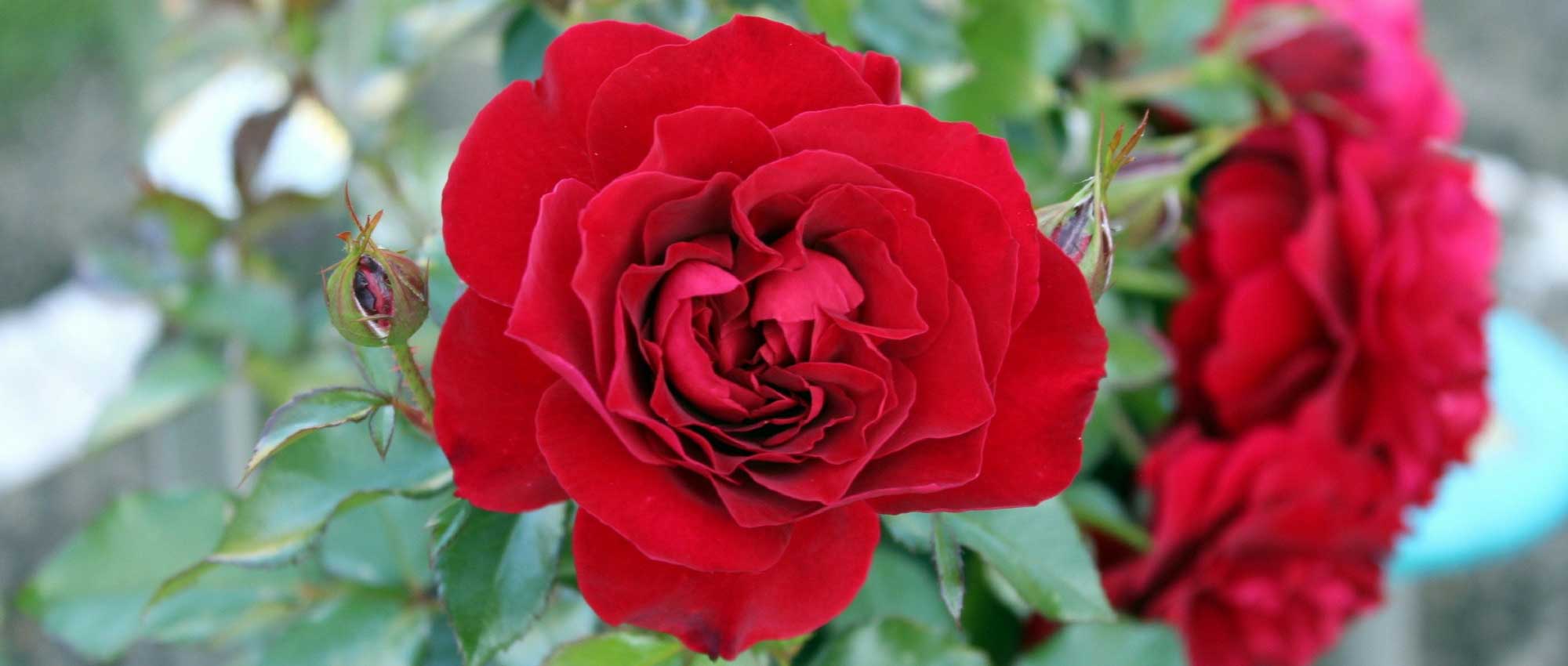
Plant habit
Flowering
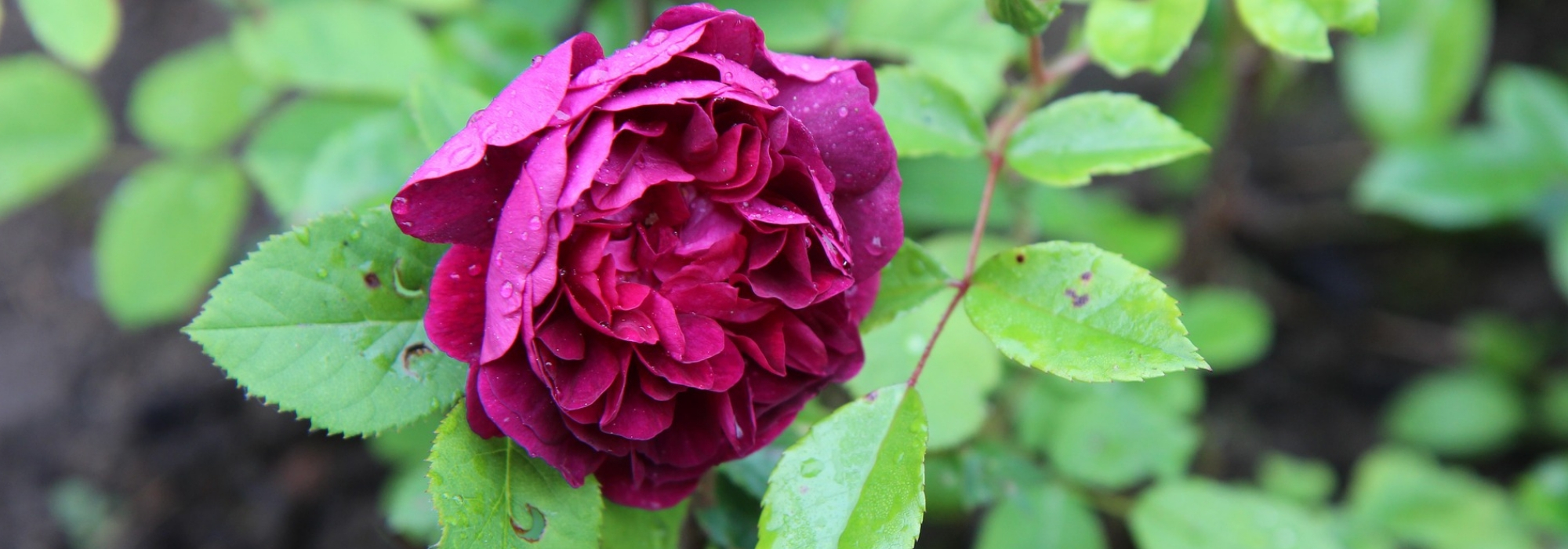
Foliage
Botanical data
Rosa
x rugosa
‘Amrum’
Rosaceae
Rugosa Rose, Japanese Rose, Ramanas Rose
Cultivar or hybrid
Planting and care
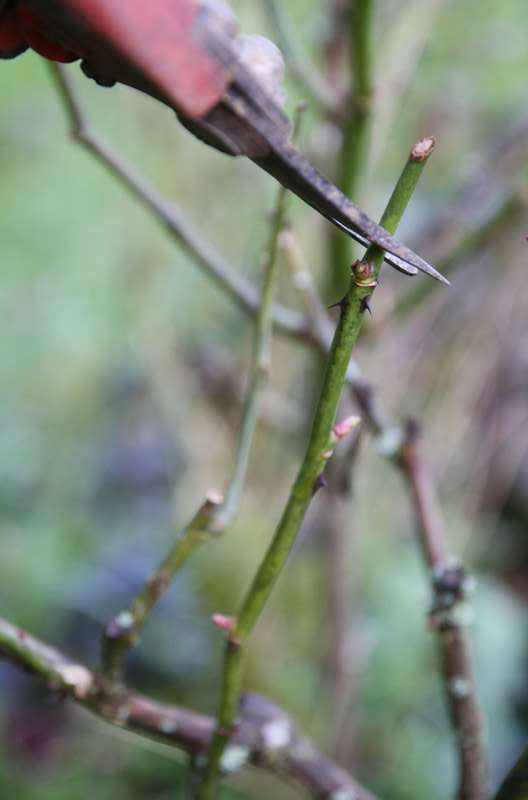
Strandperle Amrum rose is undemanding and thrives in many regions. It is not troubled by diseases, cold, rain or occasional dry spells. It adapts to most soils, provided that care is taken when planting. Only soils containing too much active lime should be avoided, as they will cause chlorosis (yellowing) of the foliage. Plant it in ordinary, well-worked soil enriched with compost, in a sunny or partially shaded position, which it tolerates very well in a warm climate. To maintain a well-branched habit, care is simple: after winter, every 2 years, remove the oldest branches (2–3 years old). Very hardy, this rose tolerates temperatures down to at least -20°. It may be useful to remove dead wood in winter. If necessary, carry out light pruning in spring, once the risk of frost has passed.
Before planting, soak the rootball in a bucket of water for a quarter of an hour to moisten it thoroughly. To plant your rose in the open ground, work the soil over an area 30 cm across and to a depth of 40 to 50 cm, crumbling the soil well and placing an organic fertiliser such as dried blood or hoof and horn at the bottom of the planting hole. Then mix the soil with good planting compost and position your plant after removing it from its pot, adjusting the top of the rootball to the level of the surrounding soil. Fill in around it and water generously to remove air pockets. In dry weather, water regularly for several weeks to encourage rooting. Also remember to feed your rose with a special rose fertiliser to stimulate flowering. To achieve abundant flowering from your roses, the soil must not dry out too much in summer. In some regions, it may be necessary to water regularly in summer so that the plant continues to flower.
Planting period
Intended location
Care
Planting & care advice
-
-
-
-
-
-
-
-
This item has not been reviewed yet - be the first to leave a review about it.
Recently viewed products
Haven't found what you were looking for?
Hardiness is the lowest winter temperature a plant can endure without suffering serious damage or even dying. However, hardiness is affected by location (a sheltered area, such as a patio), protection (winter cover) and soil type (hardiness is improved by well-drained soil).

The flowering period indicated on our website applies to countries and regions located in USDA zone 8 (France, the United Kingdom, Ireland, the Netherlands, etc.)
It will vary according to where you live:- In zones 9 to 10 (Italy, Spain, Greece, etc.), flowering will occur about 2 to 4 weeks earlier.
- In zones 6 to 7 (Germany, Poland, Slovenia, and lower mountainous regions), flowering will be delayed by 2 to 3 weeks.
- In zone 5 (Central Europe, Scandinavia), blooming will be delayed by 3 to 5 weeks.
In temperate climates, pruning of spring-flowering shrubs (forsythia, spireas, etc.) should be done just after flowering.
Pruning of summer-flowering shrubs (Indian Lilac, Perovskia, etc.) can be done in winter or spring.
In cold regions as well as with frost-sensitive plants, avoid pruning too early when severe frosts may still occur.
The planting period indicated on our website applies to countries and regions located in USDA zone 8 (France, United Kingdom, Ireland, Netherlands).
It will vary according to where you live:
- In Mediterranean zones (Marseille, Madrid, Milan, etc.), autumn and winter are the best planting periods.
- In continental zones (Strasbourg, Munich, Vienna, etc.), delay planting by 2 to 3 weeks in spring and bring it forward by 2 to 4 weeks in autumn.
- In mountainous regions (the Alps, Pyrenees, Carpathians, etc.), it is best to plant in late spring (May-June) or late summer (August-September).
The harvesting period indicated on our website applies to countries and regions in USDA zone 8 (France, England, Ireland, the Netherlands).
In colder areas (Scandinavia, Poland, Austria...) fruit and vegetable harvests are likely to be delayed by 3-4 weeks.
In warmer areas (Italy, Spain, Greece, etc.), harvesting will probably take place earlier, depending on weather conditions.
The sowing periods indicated on our website apply to countries and regions within USDA Zone 8 (France, UK, Ireland, Netherlands).
In colder areas (Scandinavia, Poland, Austria...), delay any outdoor sowing by 3-4 weeks, or sow under glass.
In warmer climes (Italy, Spain, Greece, etc.), bring outdoor sowing forward by a few weeks.
Shipping country and language
Your country of residence may be:
Your country of residence is:
For a better user experience on our website, you can select:
Your shipping country:
-
 Austria
-
 Belgium
-
 Bosnia & Herzegovina
-
 Bulgaria
-
 Croatia
-
 Cyprus
-
 Czechia
-
 Denmark
-
 Estonia
-
 Finland
-
 France
-
 Germany
-
 Greece
-
 Hungary
-
 Iceland
-
 Ireland
-
 Italy
Italy
-
 Latvia
-
 Liechtenstein
-
 Lithuania
-
 Luxembourg
-
 Malta
Malta
-
 Netherlands
-
 Poland
-
 Portugal
-
 Romania
-
 Serbia
-
 Slovakia
-
 Slovenia
-
 Spain
Spain
-
 Sweden
-
 Switzerland
Language:
-
French
-
 English
-
Spanish
-
Italian
-
German
-
Portuguese
-
Dutch
-
Finnish
My Account
Hello
My wish lists
My cart
Log in / Register
Existing customer?
This form is protected by reCAPTCHA - the Google Privacy Policy and Terms of Service apply.
New customer?
Create an account to track your orders, access our customer service and, if you wish, make the most of our upcoming offers.