Pinus thunbergii Kotobuki - Japanese Black Pine
Pinus thunbergii Kotobuki - Japanese Black Pine
Pinus thunbergii Kotobuki - Japanese Black Pine
Pinus thunbergii Kotobuki - Japanese Black Pine
Pinus thunbergii Kotobuki - Japanese Black Pine
Pinus thunbergii Kotobuki
Japanese Black Pine, Thunberg's Pine
Back-to-school special offer!
Get €10 off for every €50 you spend! And get up to €40 off on a single order.
How does it work?
1. Shop your favourites
Add your favourite plants to your basket. For every €50 you spend (excluding delivery charges, store credit and the plastic-free option), you’ll receive a €10 voucher.
€50 spent = €10 voucher
€100 spent = €20 voucher
€150 spent = €30 voucher
€200 spent = €40 voucher
2. Place your order
Once your basket reaches one of the spending thresholds, place your order. You can even choose your delivery date!
3. Receive your voucher
As soon as your order has been shipped, you’ll receive an email containing your personal voucher code and its value.
4. Use it on your next order
Your voucher is valid for 90 days from the date you receive it. It can be used once only, on a new order worth at least the value of the voucher, excluding delivery charges.
Please note: Vouchers can be combined with other offers, but cannot be split or refunded.
Why not try an alternative variety in stock?
View all →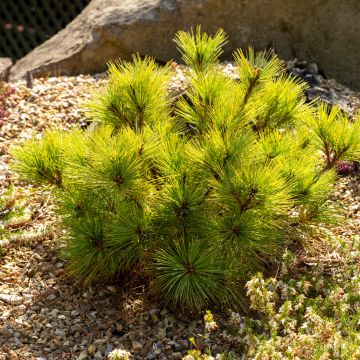
Available in 1 sizes
Available in 2 sizes
Available in 2 sizes
Available in 1 sizes
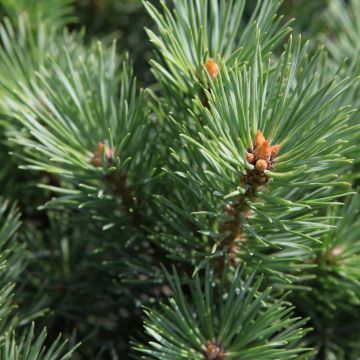
Available in 2 sizes

Available in 2 sizes
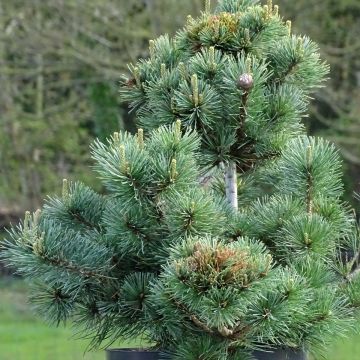
Available in 2 sizes
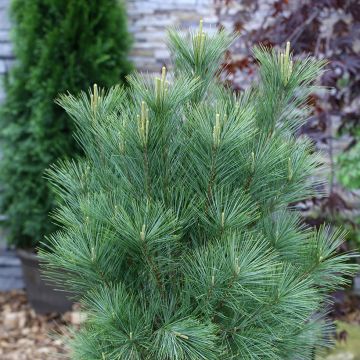
Available in 1 sizes
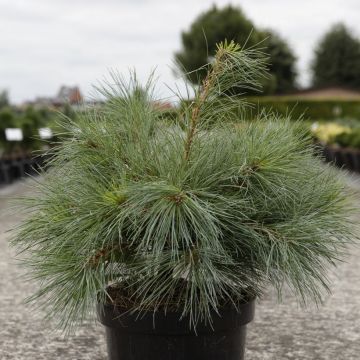
Available in 2 sizes
Available in 2 sizes
This plant carries a 24 months recovery warranty
More information
We guarantee the quality of our plants for a full growing cycle, and will replace at our expense any plant that fails to recover under normal climatic and planting conditions.
Would this plant suit my garden?
Set up your Plantfit profile →
Description
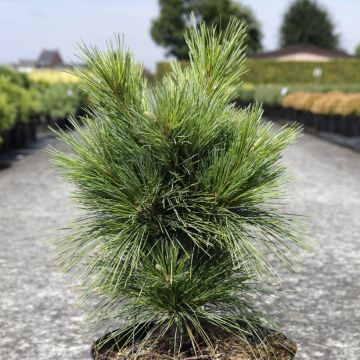
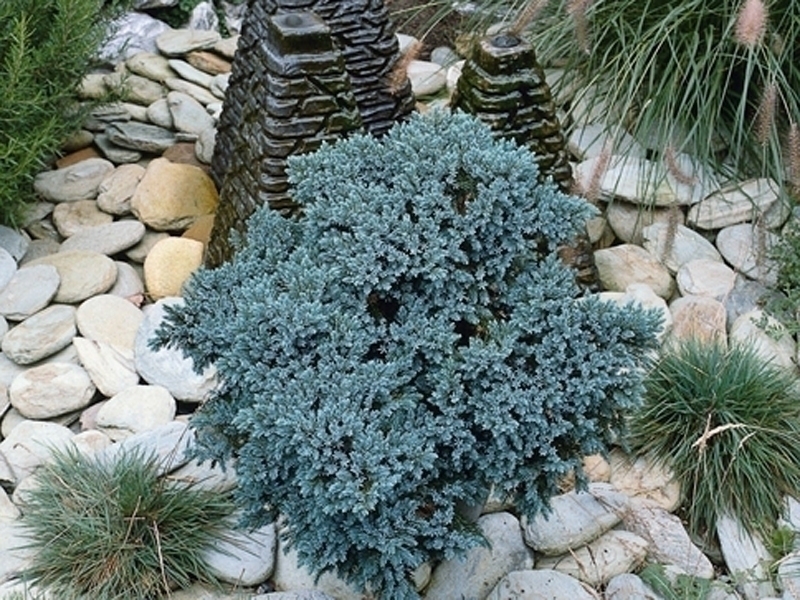
The Pinus thunbergii Kotobuki is a variety of Japanese black pine of small size that, with its original habit and tightly packed short needles, will naturally form a bonsai, without the need for shaping or regular pruning. Its unusual silhouette, interesting all year round, will perfectly integrate into a contemporary or Japanese-style setting, both in the ground and in a container. Easy to grow in any well-drained soil, resistant to pollution and salt, this small conifer is a blessing for gardens by the seaside, exposed to wind, spray, and saltwater seepage.
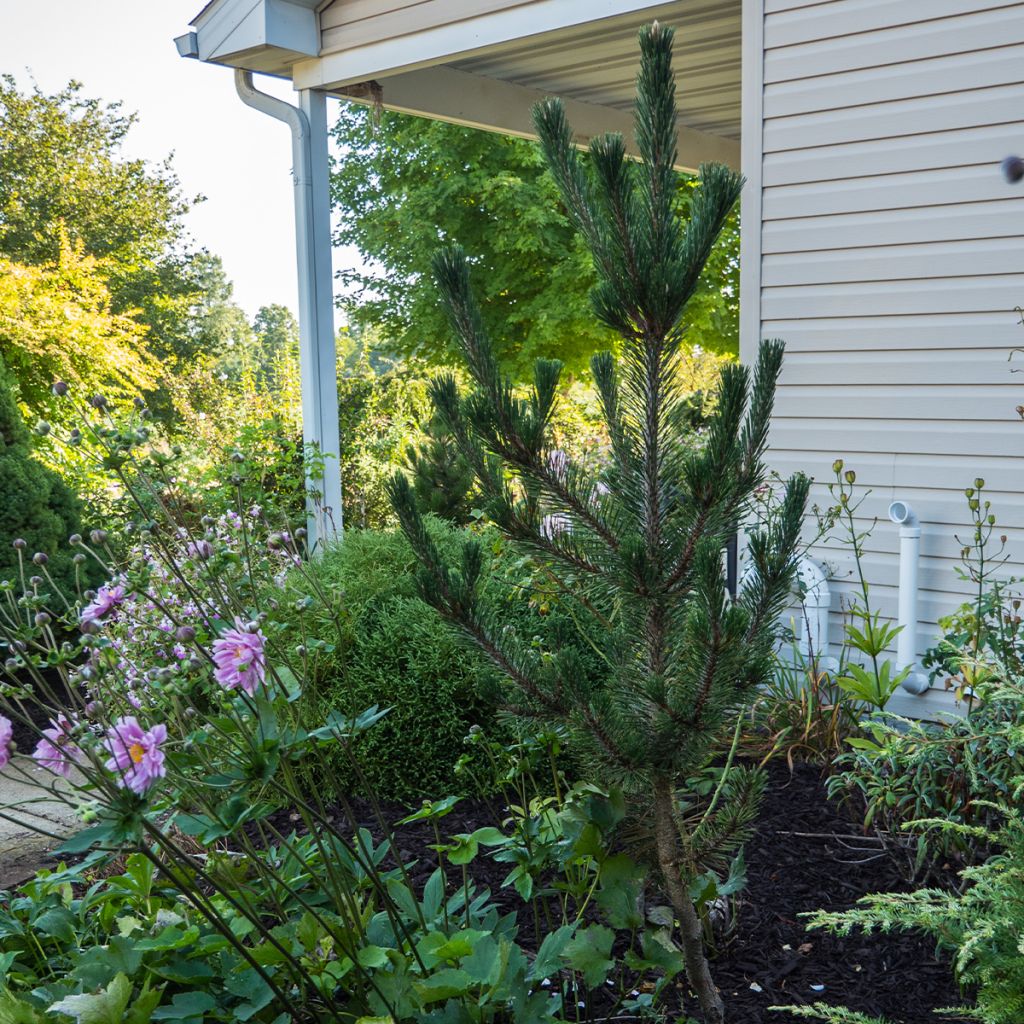
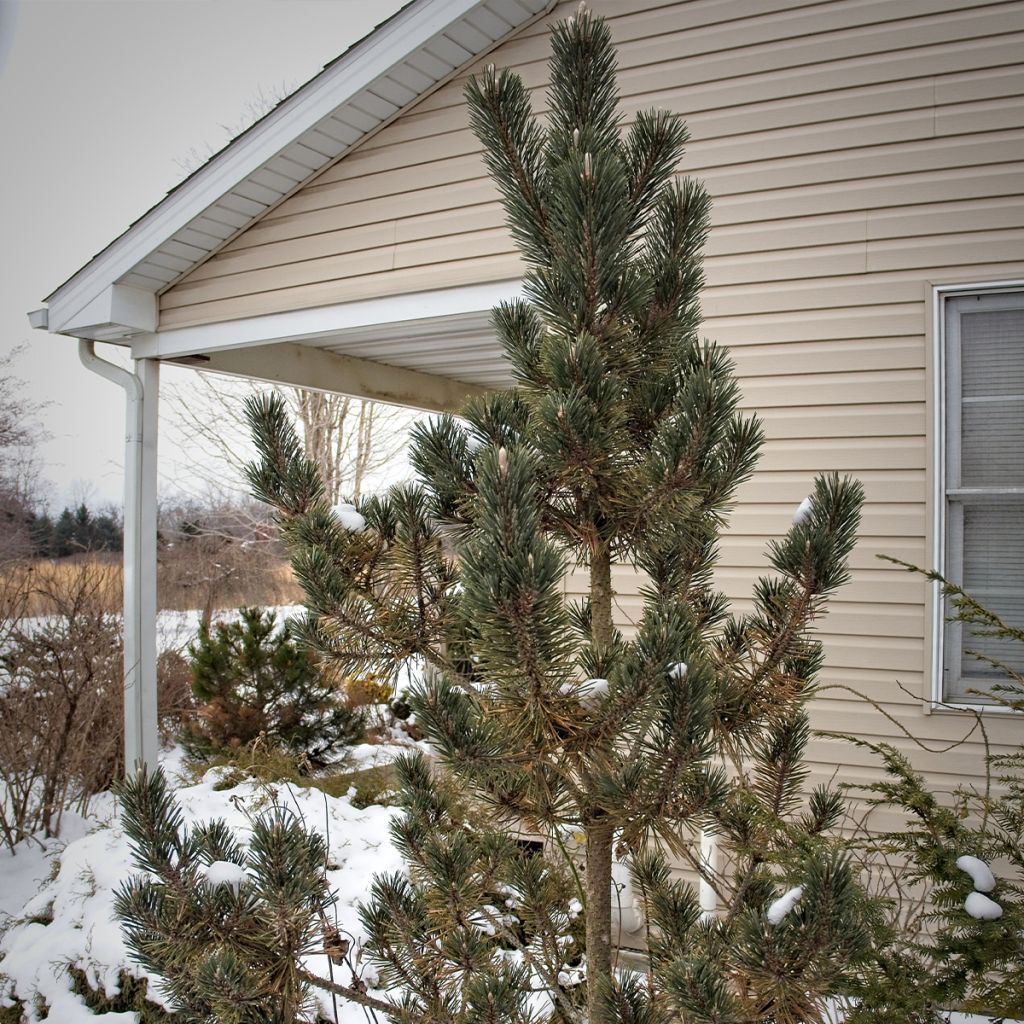
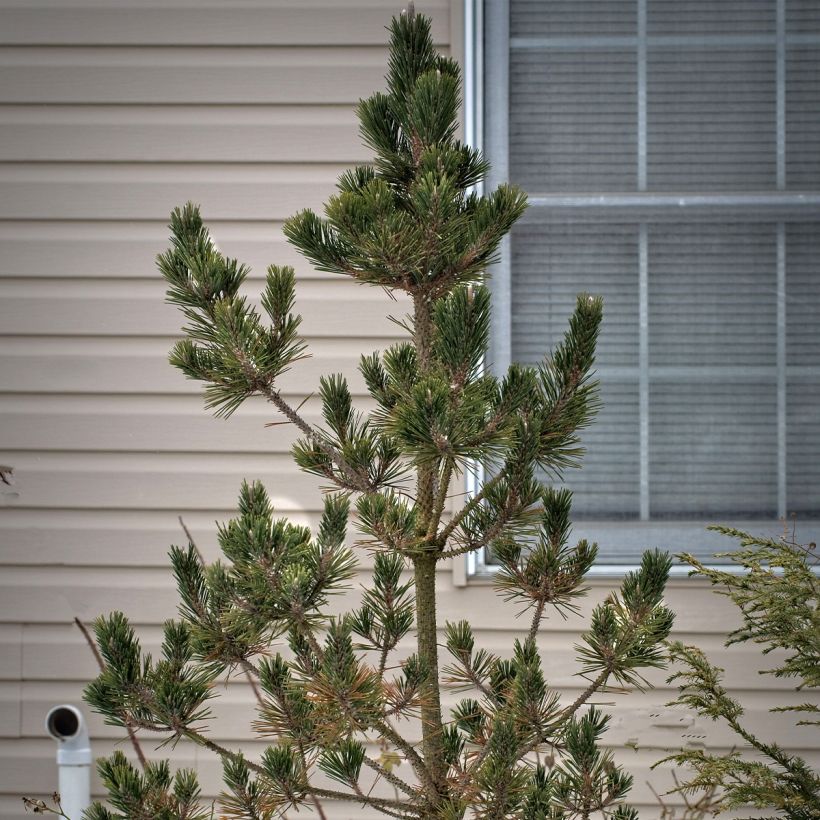
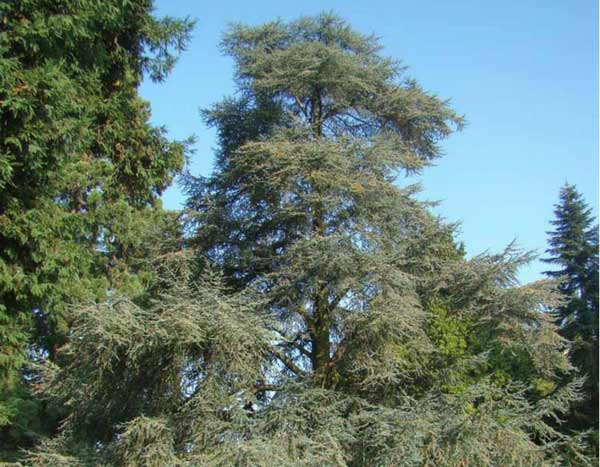
The Pinus thunbergii Kotobuki belongs to the family of pinaceae. Its ancestor is native to Japan, as suggested by its vernacular name of Japanese black pine. In nature, this conifer can reach a height of 40 meters (131 feet 2 inches). In our climates, it maintains more modest dimensions. Particularly its 'Kotobuki' form, which will not exceed 1.75 meters (5 feet 8 inches) in height and 1.20 meters (3 feet 11 inches) in width at the age of 25. This corresponds to its maximum size.
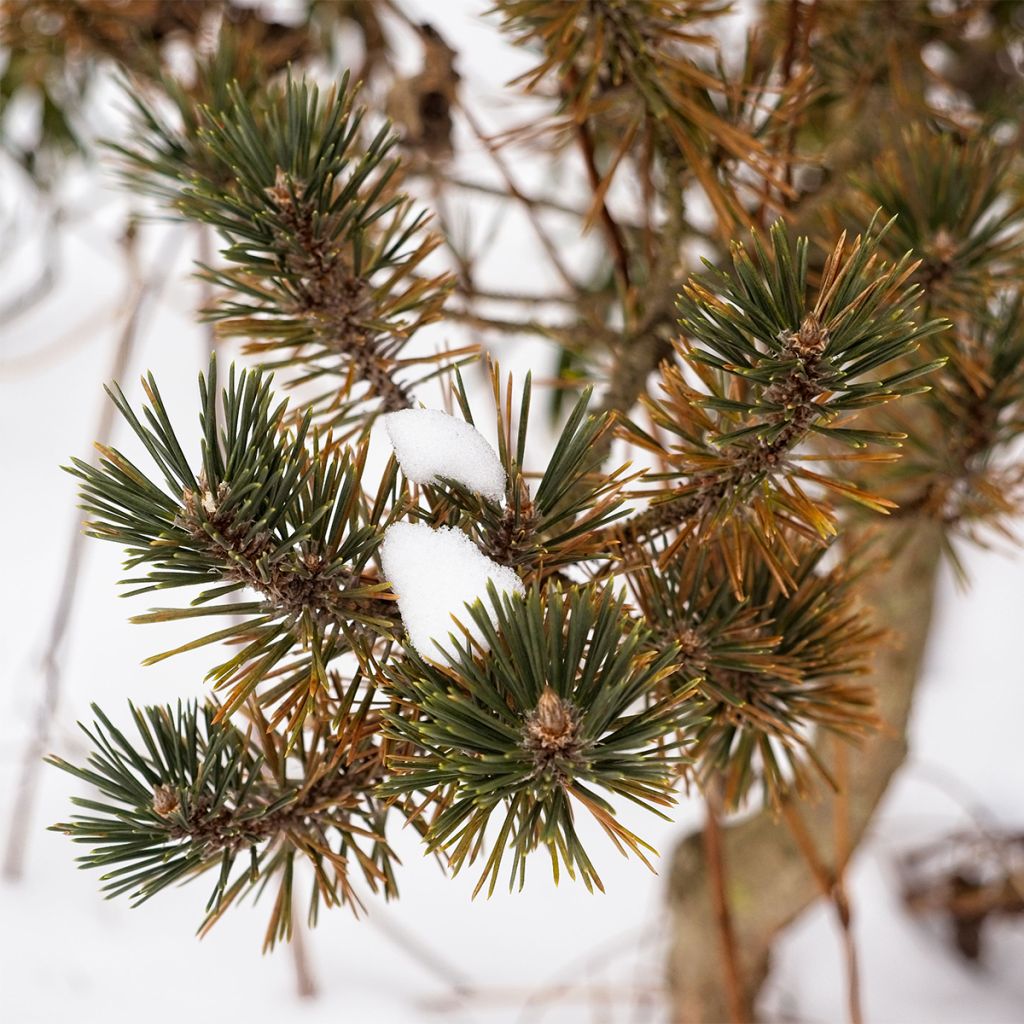
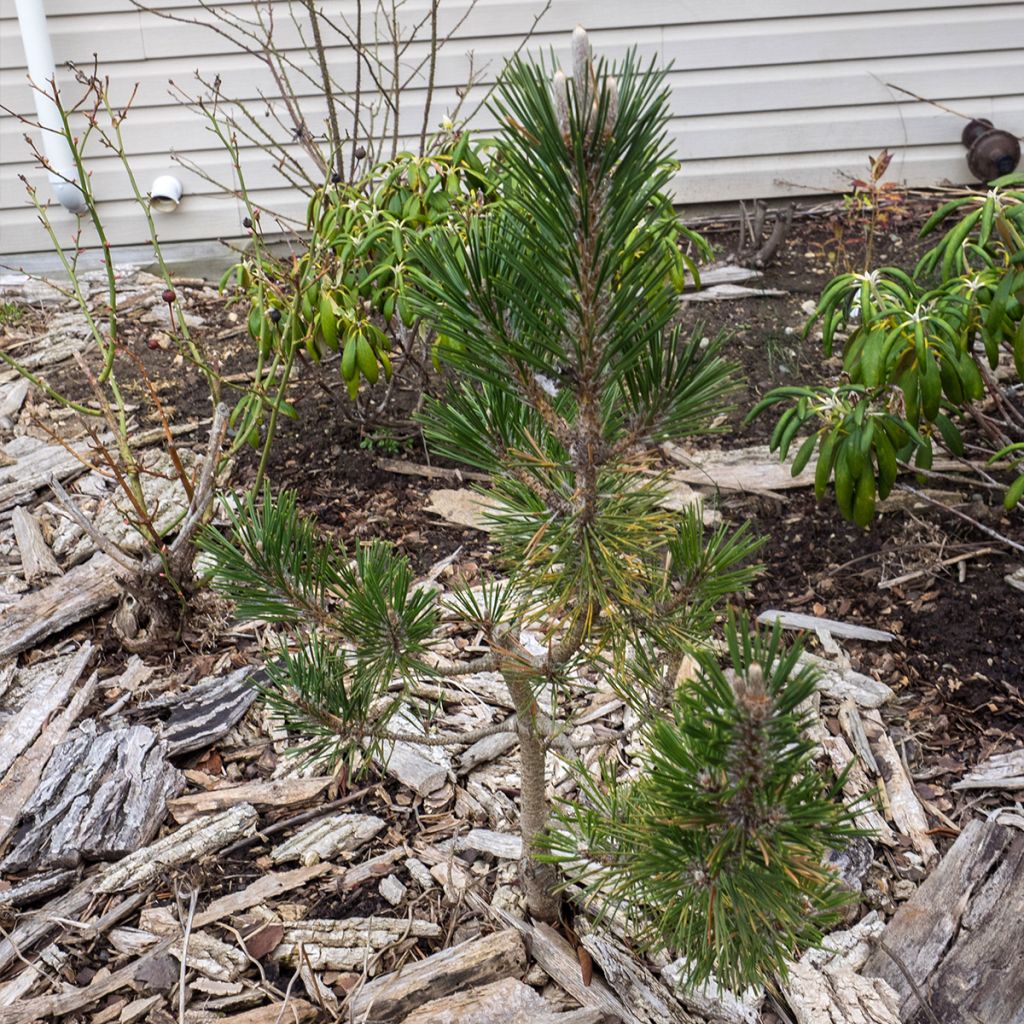
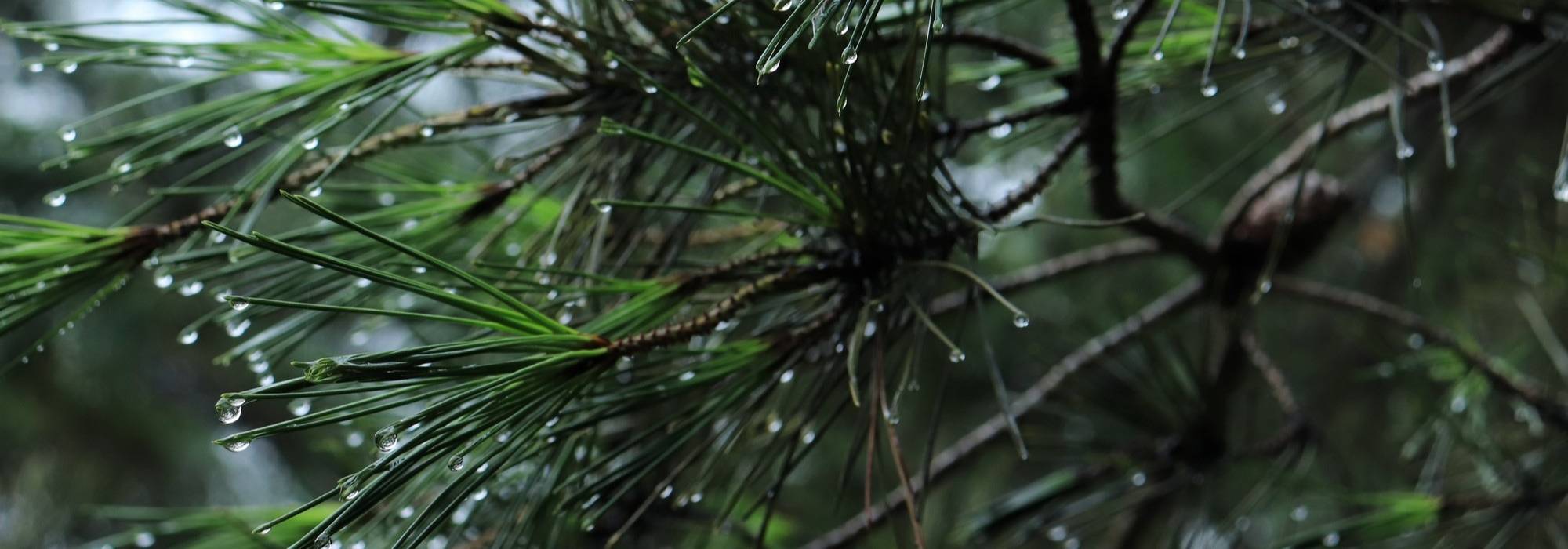
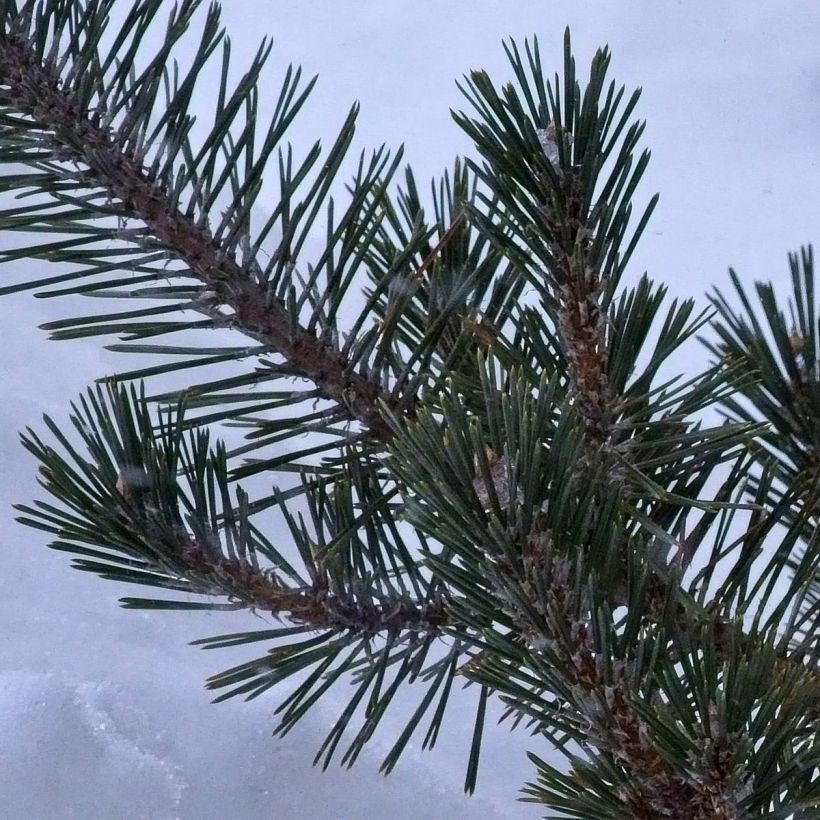
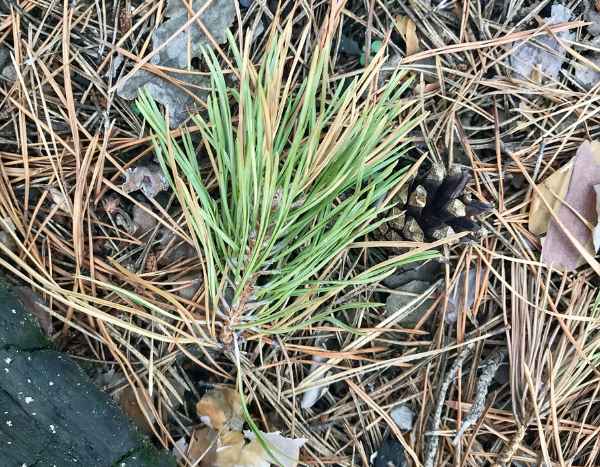
'Kotobuki' slowly forms a cone or slightly irregular pyramid, with short branches of varying size, upright towards the sky. Its twigs bear needles of 7-10 cm (2.8-3.9 in) in length, arranged in pairs, dark green in colour, with a white sheath at the base. Its bark is gray when young, becoming black, scaly, and very thick on the main branches and trunk.
Place the Japanese black pine Kotobuki prominently, as a standalone or place it in a container on the terrace. A true natural bonsai, it will find its place in a small garden, in a rockery, or near an entrance. It can also be placed against a grove, or use its silhouette as a backdrop to highlight flowering plants or the lighter foliage of other dwarf conifers, dwarf shrubs, or white-flowering perennials in particular. It goes well with large stones, the geometric lines of swimming pools or buildings, and masonry works. The graphic qualities of conifers naturally stand out in a contemporary or urban garden, which emphasizes shapes and textures rather than the abundance of blooms. These evergreen plants provide long-lasting structure to a bed, mark pathways, or accentuate a terrace corner. The key is to play with volumes and colours!
Pinus thunbergii Kotobuki - Japanese Black Pine in pictures
Plant habit
Foliage
Botanical data
Pinus
thunbergii
Kotobuki
Pinaceae
Japanese Black Pine, Thunberg's Pine
Cultivar or hybrid
Planting and care
The Pinus thunbergii Kotobuki can be planted from September to November and from February to June in ordinary but well-drained soil, even sandy, and quite dry in summer. It only fears heavy, very wet soils in winter and scorching temperatures. However, it requires a sunny exposure to develop well. Soak the root balls well before planting. Optionally, add organic amendment at planting and water generously in the first years, and in case of prolonged drought. You can apply a special conifer fertilizer every year in April and cultivate the soil in summer. This hardy conifer (down to -15°C (5 °F) at least) does not need to be pruned.
Planting period
Intended location
Care
Planting & care advice
-
-

-
-
-
-

-
-
This item has not been reviewed yet - be the first to leave a review about it.
Recently viewed products
Haven't found what you were looking for?
Hardiness is the lowest winter temperature a plant can endure without suffering serious damage or even dying. However, hardiness is affected by location (a sheltered area, such as a patio), protection (winter cover) and soil type (hardiness is improved by well-drained soil).

The flowering period indicated on our website applies to countries and regions located in USDA zone 8 (France, the United Kingdom, Ireland, the Netherlands, etc.)
It will vary according to where you live:- In zones 9 to 10 (Italy, Spain, Greece, etc.), flowering will occur about 2 to 4 weeks earlier.
- In zones 6 to 7 (Germany, Poland, Slovenia, and lower mountainous regions), flowering will be delayed by 2 to 3 weeks.
- In zone 5 (Central Europe, Scandinavia), blooming will be delayed by 3 to 5 weeks.
In temperate climates, pruning of spring-flowering shrubs (forsythia, spireas, etc.) should be done just after flowering.
Pruning of summer-flowering shrubs (Indian Lilac, Perovskia, etc.) can be done in winter or spring.
In cold regions as well as with frost-sensitive plants, avoid pruning too early when severe frosts may still occur.
The planting period indicated on our website applies to countries and regions located in USDA zone 8 (France, United Kingdom, Ireland, Netherlands).
It will vary according to where you live:
- In Mediterranean zones (Marseille, Madrid, Milan, etc.), autumn and winter are the best planting periods.
- In continental zones (Strasbourg, Munich, Vienna, etc.), delay planting by 2 to 3 weeks in spring and bring it forward by 2 to 4 weeks in autumn.
- In mountainous regions (the Alps, Pyrenees, Carpathians, etc.), it is best to plant in late spring (May-June) or late summer (August-September).
The harvesting period indicated on our website applies to countries and regions in USDA zone 8 (France, England, Ireland, the Netherlands).
In colder areas (Scandinavia, Poland, Austria...) fruit and vegetable harvests are likely to be delayed by 3-4 weeks.
In warmer areas (Italy, Spain, Greece, etc.), harvesting will probably take place earlier, depending on weather conditions.
The sowing periods indicated on our website apply to countries and regions within USDA Zone 8 (France, UK, Ireland, Netherlands).
In colder areas (Scandinavia, Poland, Austria...), delay any outdoor sowing by 3-4 weeks, or sow under glass.
In warmer climes (Italy, Spain, Greece, etc.), bring outdoor sowing forward by a few weeks.
Shipping country and language
Your country of residence may be:
Your country of residence is:
For a better user experience on our website, you can select:
Your shipping country:
-
 Austria
-
 Belgium
-
 Bosnia & Herzegovina
-
 Bulgaria
-
 Croatia
-
 Cyprus
-
 Czechia
-
 Denmark
-
 Estonia
-
 Finland
-
 France
-
 Germany
-
 Greece
-
 Hungary
-
 Iceland
-
 Ireland
-
 Italy
Italy
-
 Latvia
-
 Liechtenstein
-
 Lithuania
-
 Luxembourg
-
 Malta
Malta
-
 Netherlands
-
 Poland
-
 Portugal
-
 Romania
-
 Serbia
-
 Slovakia
-
 Slovenia
-
 Spain
Spain
-
 Sweden
-
 Switzerland
Language:
-
French
-
 English
-
Spanish
-
Italian
-
German
-
Portuguese
-
Dutch
-
Finnish
My Account
Hello
My wish lists
My cart
Log in / Register
Existing customer?
This form is protected by reCAPTCHA - the Google Privacy Policy and Terms of Service apply.
New customer?
Create an account to track your orders, access our customer service and, if you wish, make the most of our upcoming offers.