Acer platanoides Globosum - Maple
Acer platanoides Globosum - Maple
Acer platanoides Globosum - Maple
Acer platanoides Globosum
Norway Maple, European Maple
Hello, is it possible to plant it close to a terrace (and its drain) without fearing any damage from the roots? Thank you
Christophe, 25/09/2022
Back-to-school special offer!
Get €10 off for every €50 you spend! And get up to €40 off on a single order.
How does it work?
1. Shop your favourites
Add your favourite plants to your basket. For every €50 you spend (excluding delivery charges, store credit and the plastic-free option), you’ll receive a €10 voucher.
€50 spent = €10 voucher
€100 spent = €20 voucher
€150 spent = €30 voucher
€200 spent = €40 voucher
2. Place your order
Once your basket reaches one of the spending thresholds, place your order. You can even choose your delivery date!
3. Receive your voucher
As soon as your order has been shipped, you’ll receive an email containing your personal voucher code and its value.
4. Use it on your next order
Your voucher is valid for 90 days from the date you receive it. It can be used once only, on a new order worth at least the value of the voucher, excluding delivery charges.
Please note: Vouchers can be combined with other offers, but cannot be split or refunded.
Home or relay delivery (depending on size and destination)
Important: You may be charged customs duties by your country’s customs authorities upon delivery.
Schedule delivery date,
and select date in basket
This plant carries a 24 months recovery warranty
More information
We guarantee the quality of our plants for a full growing cycle, and will replace at our expense any plant that fails to recover under normal climatic and planting conditions.

Would this plant suit my garden?
Set up your Plantfit profile →
Description
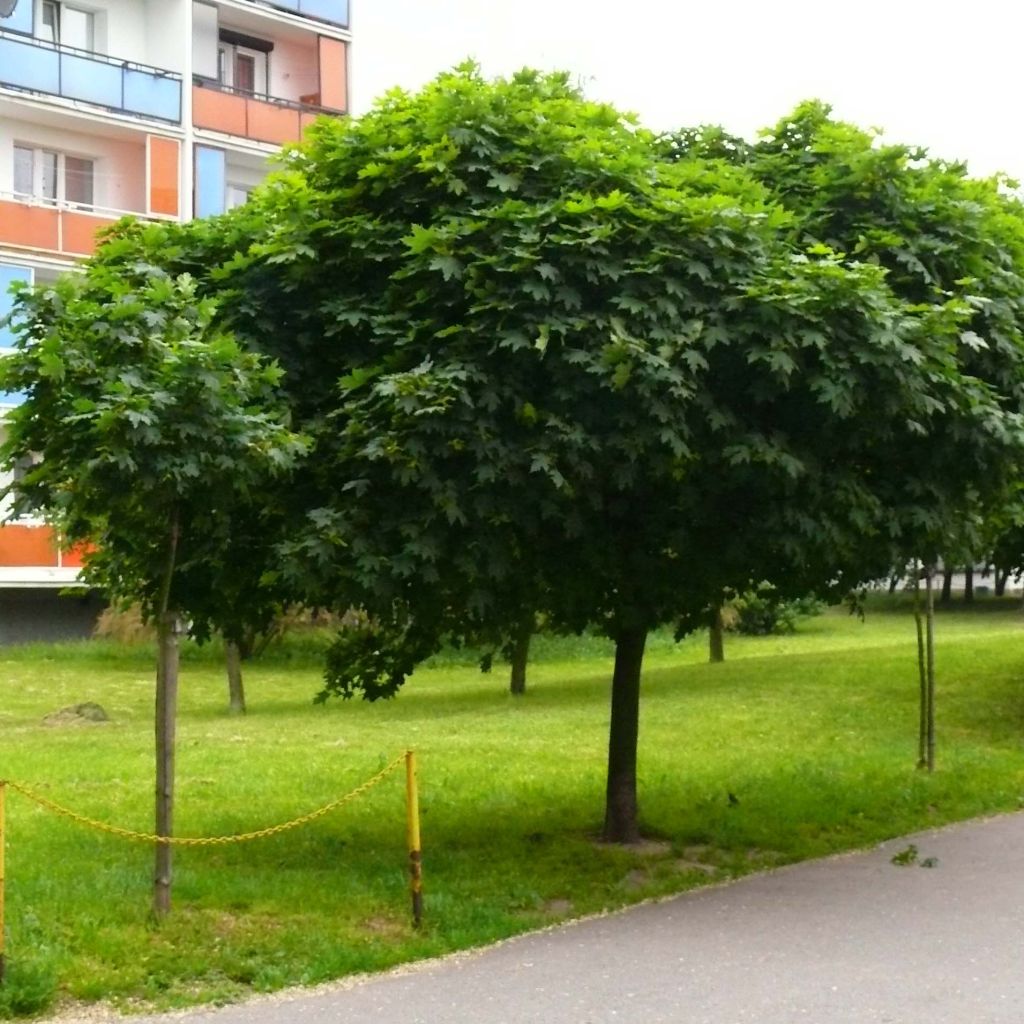
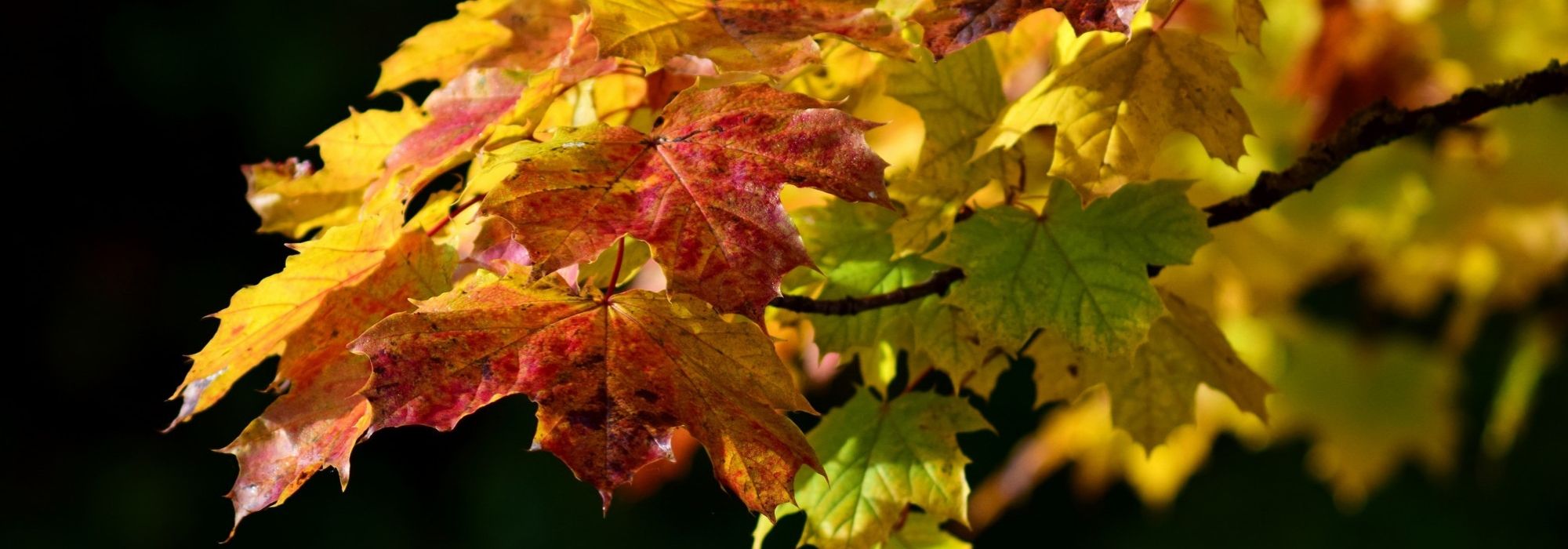
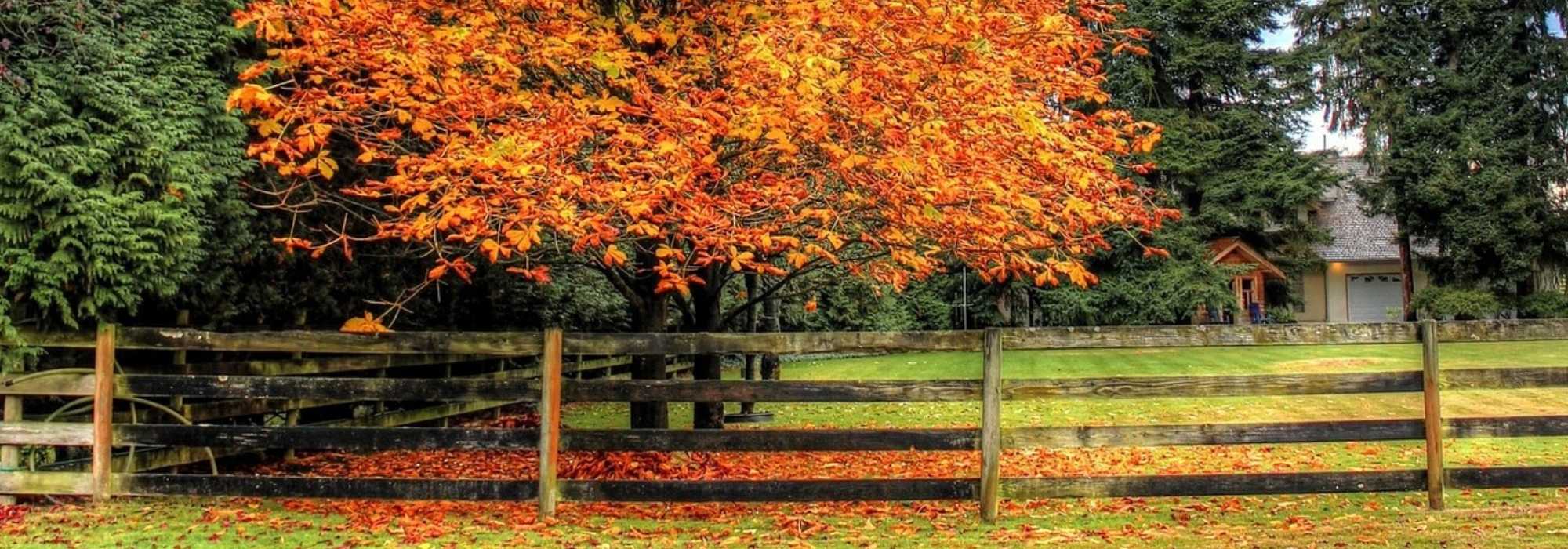
Acer platanoides 'Globosum' is sometimes called Globe Norway Maple due to the distinctive appearance of its rounded and very dense crown, which gives it the look of a true vegetal parasol. This small-sized tree develops beautifully cut deciduous foliage, of a rather dark green colour, which turns to beautiful yellow to reddish tones in autumn. With moderate growth, requiring no pruning, this variety with its unusual charm is particularly suitable for small gardens. Plant it in ordinary soil, in any exposure.
Originally from the Caucasus, widely spread in Europe from Scandinavia to Spain and eastwards to Russia, Acer platanoides is a large deciduous tree with rapid growth often associated with oak, lime, and elm. It can live up to 200 years. All maples belong to the Aceraceae family.
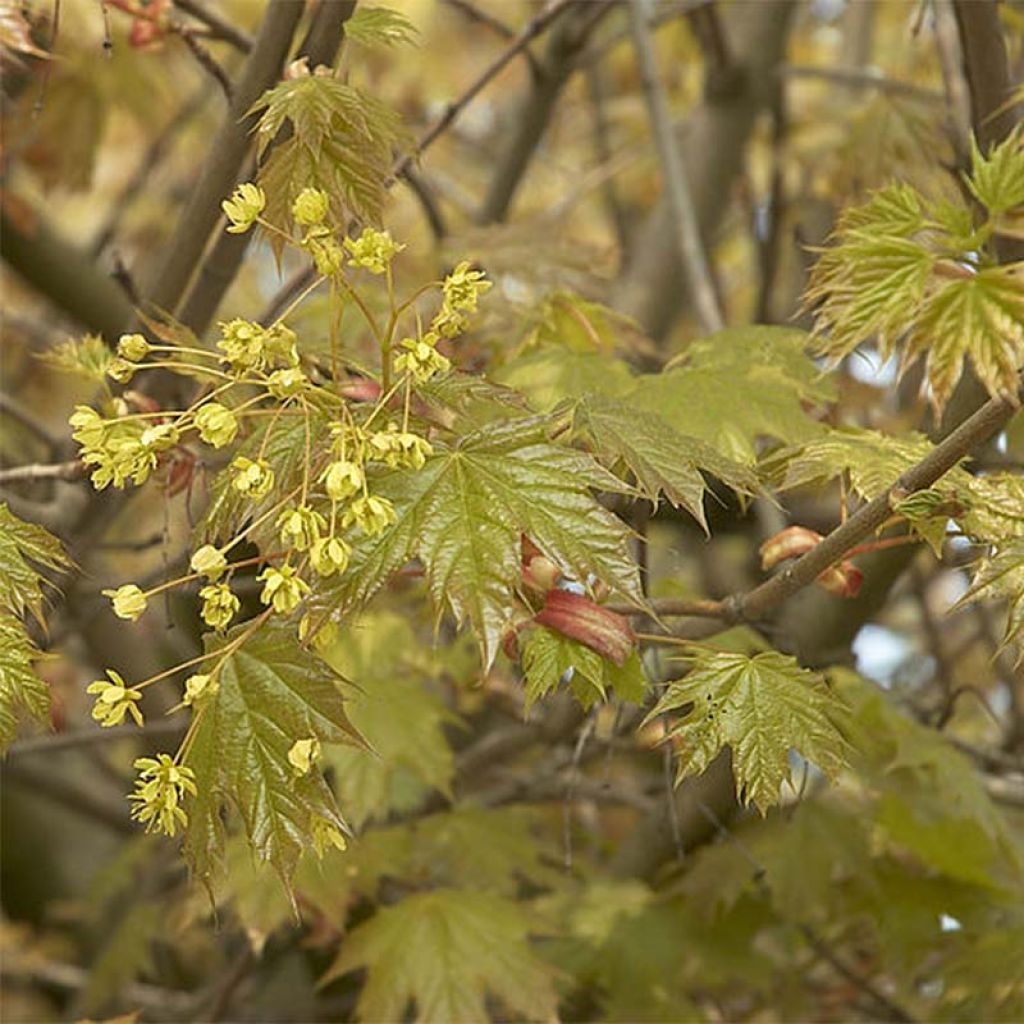
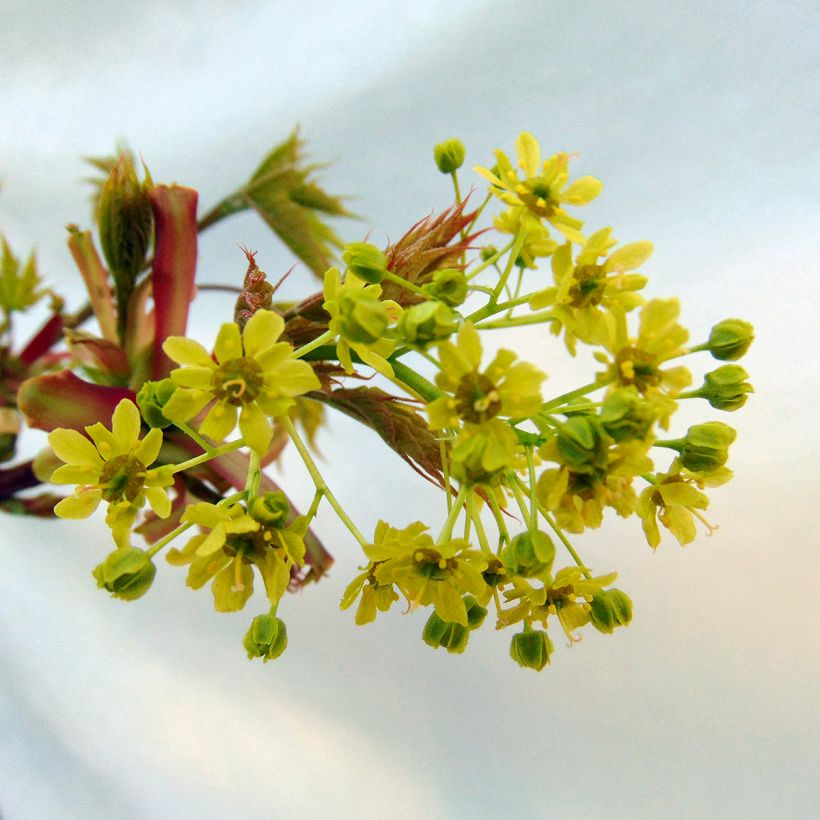
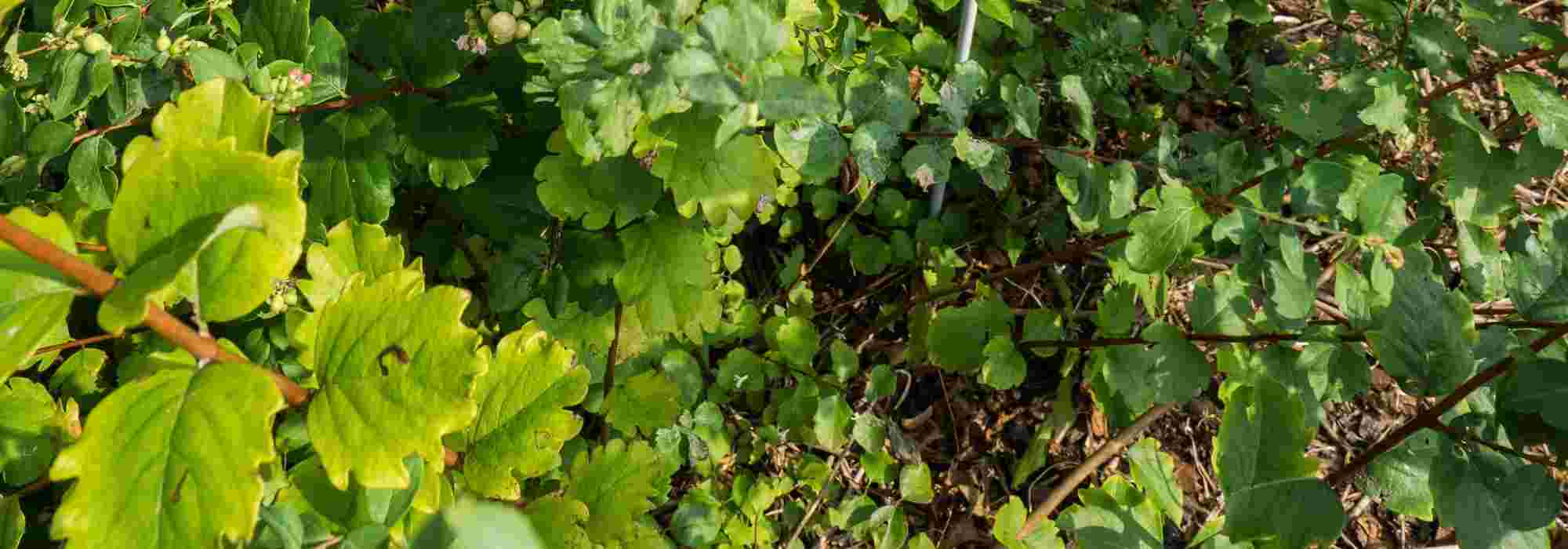
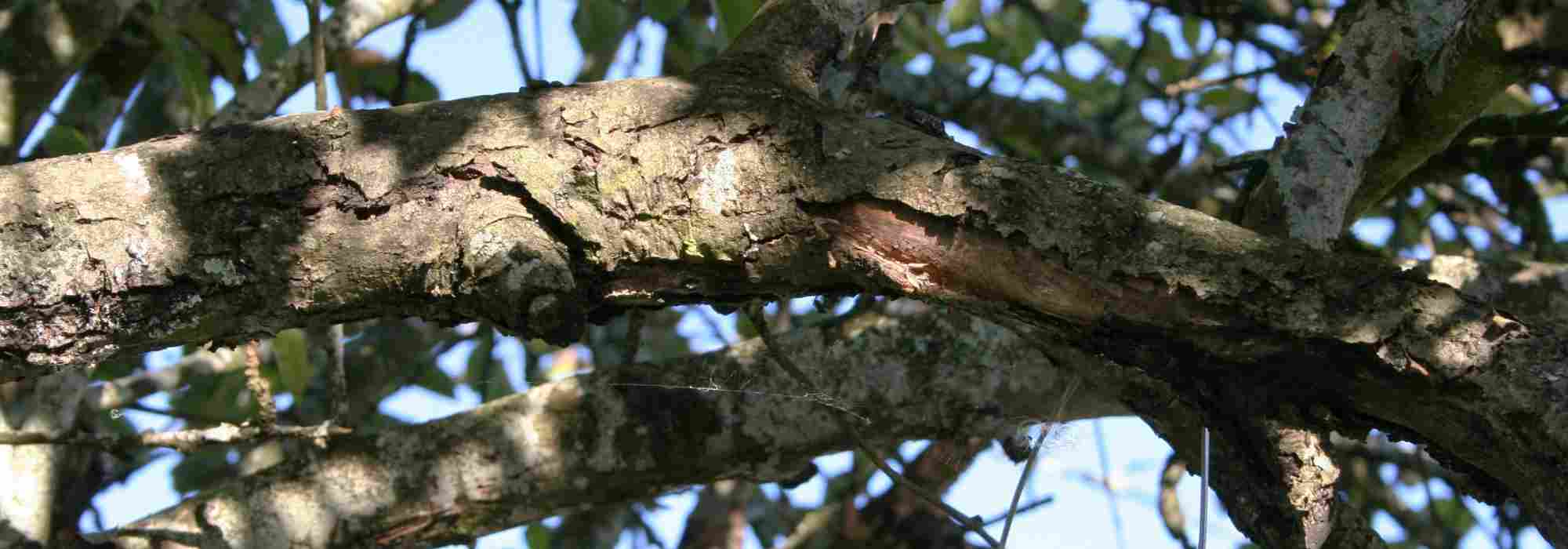
The Globe Norway Maple was selected in Belgium in 1873. Often grafted onto the Acer platanoides type, the single-stemmed tree forms a typically rounded crown in its first years. It then spreads further, becoming globular and flattened. At maturity, this maple will reach about 8 m (26.2 ft) in height with a spread of 6 m (19.7 ft). When the leaves first emerge, they are slightly tinged with reddish-brown, then quickly turn dark green. In autumn, they become intensely yellow, sometimes tinged with red. The deciduous leaves are opposite and palmate. Measuring 10 cm to 20 cm (3.9 in to 7.9 in) long, they have 5 very sharp, dentate lobes, similar to plane tree leaves. Carried by long petioles, they are glabrous and have a shiny texture. The discreet flowering, in the form of upright corymbs, brings together tiny yellow-green flowers and occurs before the leaves emerge, in March, on subjects aged 15 to 20 years. It is followed, in June, by winged fruits, called samaras, measuring 3 cm to 5 cm (1.2 in to 2 in) in length. The bark covering the trunk is dark grey, almost smooth,and is marked with numerous shallow longitudinal cracks. The bark covering the branches is brown.
Acer platanoides 'Globosum' is a very easy-to-grow, undemanding tree. It is magnificent when isolated in the middle of a small garden or near a terrace, for example. It can also be used as a street tree to border large avenues. Ground cover perennials such as heucheras, tiarellas, stachys, or bergenias can be planted at its base.
Tip: Prune every 3 to 5 years to balance the branches and maintain its habit.
Acer platanoides Globosum - Maple in pictures
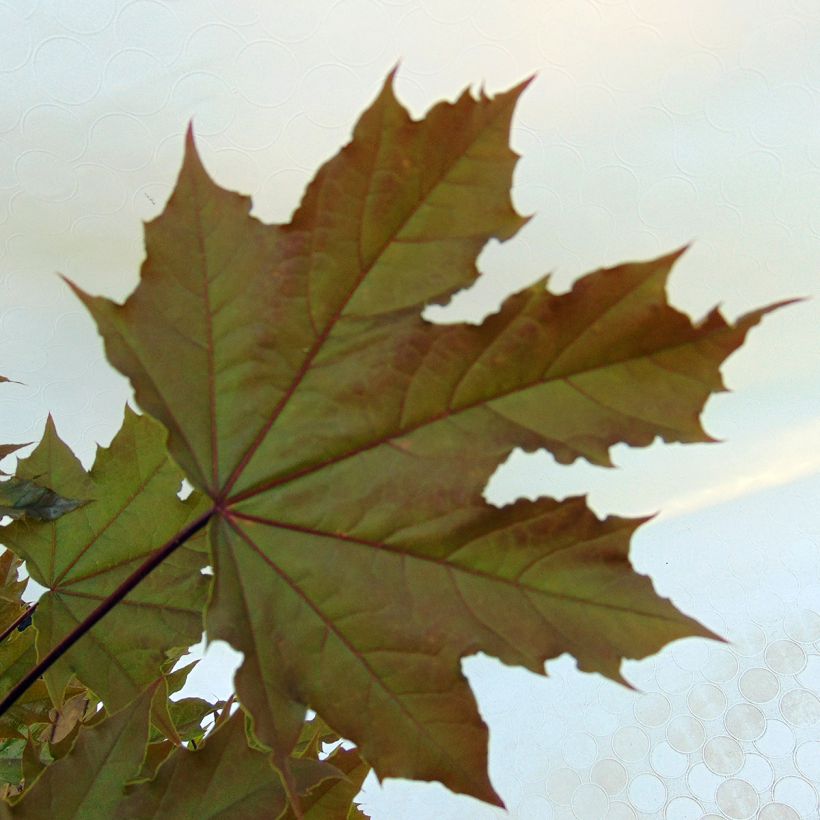
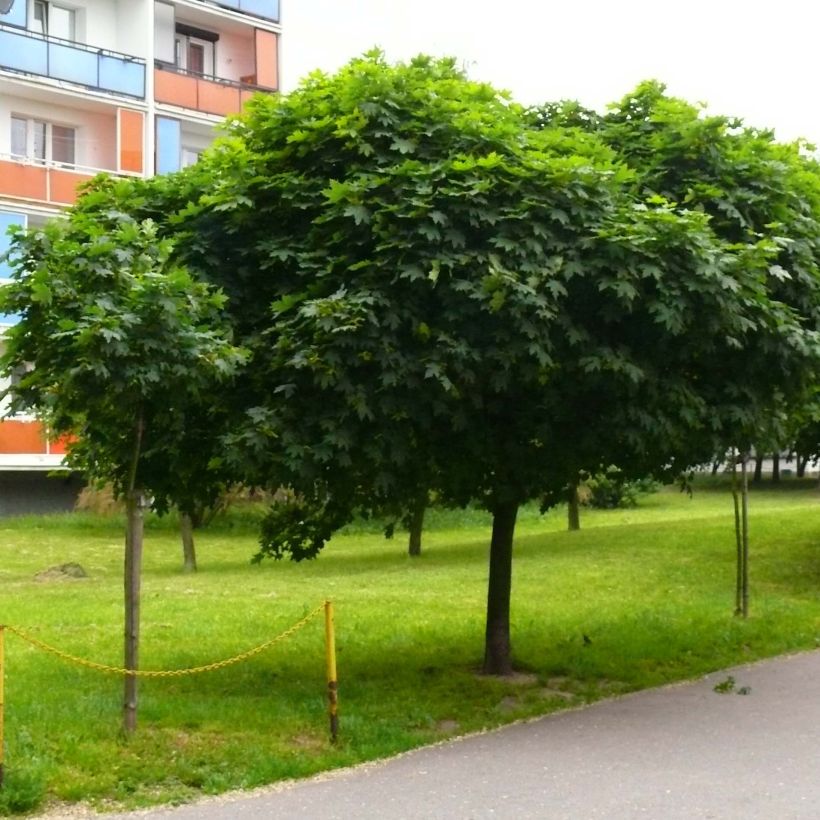
Plant habit
Flowering
Foliage
Botanical data
Acer
platanoides
Globosum
Sapindaceae
Norway Maple, European Maple
Western Europe
Planting and care
Plant in spring or autumn in all fertile, deep and fresh soils in a semi-shaded or sunny but not scorching location. It tolerates the presence of limestone in the soil, but requires a soil deep enough to accommodate its powerful root system. Once established, it can withstand summer drought. Beware of strong winds. Keep the soil moist during the first two summers following planting. Mulching can be beneficial to maintain soil freshness. Pruning is necessary for young plants, and then every 3 years to balance the branches and maintain its habit. Do not prune after December as the sap rises very early.
Planting period
Intended location
Care
Planting & care advice
-
-
-

-
-
-
-
-
-
, onOrder confirmed
Reply from on Promesse de fleurs
Recently viewed products
Haven't found what you were looking for?
Hardiness is the lowest winter temperature a plant can endure without suffering serious damage or even dying. However, hardiness is affected by location (a sheltered area, such as a patio), protection (winter cover) and soil type (hardiness is improved by well-drained soil).

The flowering period indicated on our website applies to countries and regions located in USDA zone 8 (France, the United Kingdom, Ireland, the Netherlands, etc.)
It will vary according to where you live:- In zones 9 to 10 (Italy, Spain, Greece, etc.), flowering will occur about 2 to 4 weeks earlier.
- In zones 6 to 7 (Germany, Poland, Slovenia, and lower mountainous regions), flowering will be delayed by 2 to 3 weeks.
- In zone 5 (Central Europe, Scandinavia), blooming will be delayed by 3 to 5 weeks.
In temperate climates, pruning of spring-flowering shrubs (forsythia, spireas, etc.) should be done just after flowering.
Pruning of summer-flowering shrubs (Indian Lilac, Perovskia, etc.) can be done in winter or spring.
In cold regions as well as with frost-sensitive plants, avoid pruning too early when severe frosts may still occur.
The planting period indicated on our website applies to countries and regions located in USDA zone 8 (France, United Kingdom, Ireland, Netherlands).
It will vary according to where you live:
- In Mediterranean zones (Marseille, Madrid, Milan, etc.), autumn and winter are the best planting periods.
- In continental zones (Strasbourg, Munich, Vienna, etc.), delay planting by 2 to 3 weeks in spring and bring it forward by 2 to 4 weeks in autumn.
- In mountainous regions (the Alps, Pyrenees, Carpathians, etc.), it is best to plant in late spring (May-June) or late summer (August-September).
The harvesting period indicated on our website applies to countries and regions in USDA zone 8 (France, England, Ireland, the Netherlands).
In colder areas (Scandinavia, Poland, Austria...) fruit and vegetable harvests are likely to be delayed by 3-4 weeks.
In warmer areas (Italy, Spain, Greece, etc.), harvesting will probably take place earlier, depending on weather conditions.
The sowing periods indicated on our website apply to countries and regions within USDA Zone 8 (France, UK, Ireland, Netherlands).
In colder areas (Scandinavia, Poland, Austria...), delay any outdoor sowing by 3-4 weeks, or sow under glass.
In warmer climes (Italy, Spain, Greece, etc.), bring outdoor sowing forward by a few weeks.
Shipping country and language
Your country of residence may be:
Your country of residence is:
For a better user experience on our website, you can select:
Your shipping country:
-
 Austria
-
 Belgium
-
 Bosnia & Herzegovina
-
 Bulgaria
-
 Croatia
-
 Cyprus
-
 Czechia
-
 Denmark
-
 Estonia
-
 Finland
-
 France
-
 Germany
-
 Greece
-
 Hungary
-
 Iceland
-
 Ireland
-
 Italy
Italy
-
 Latvia
-
 Liechtenstein
-
 Lithuania
-
 Luxembourg
-
 Malta
Malta
-
 Netherlands
-
 Poland
-
 Portugal
-
 Romania
-
 Serbia
-
 Slovakia
-
 Slovenia
-
 Spain
Spain
-
 Sweden
-
 Switzerland
Language:
-
French
-
 English
-
Spanish
-
Italian
-
German
-
Portuguese
-
Dutch
-
Finnish
My Account
Hello
My wish lists
My cart
Log in / Register
Existing customer?
This form is protected by reCAPTCHA - the Google Privacy Policy and Terms of Service apply.
New customer?
Create an account to track your orders, access our customer service and, if you wish, make the most of our upcoming offers.